The Evolving Landscape of Singapore’s Beauty HR
Singapore’s beauty industry is a vibrant and rapidly expanding sector, characterized by its discerning consumer base, high adoption of advanced technologies, and a growing emphasis on wellness and personalized experiences. From an HR perspective, this dynamic environment presents both immense opportunities and unique challenges. The city-state’s strategic position as a regional hub for luxury and innovation has fueled robust growth in beauty services, product retail, and aesthetic clinics. Key drivers include rising disposable incomes, an increasing focus on personal grooming and anti-aging solutions, and the strong influence of global beauty trends, particularly from Korea and the West. These factors collectively shape the specific workforce demands, requiring a blend of highly skilled professionals, adaptable talent, and strategic HR management to navigate the complexities of this competitive landscape. Understanding these nuances is crucial for any HR report of beauty field in singapore seeking to address future talent needs and retention strategies.
1. Singapore’s Beauty Sector: A Market Snapshot
The beauty and wellness sector in Singapore is a significant contributor to the nation’s economy, demonstrating resilience and continuous innovation. Valued in the billions, the market benefits from a confluence of sophisticated consumers eager for high-quality products and services, and a robust regulatory framework that instills confidence. The industry is broadly segmented into personal care products, cosmetics, fragrances, and professional beauty services including spas, salons, and aesthetic clinics. A notable trend is the premiumization of products and services, with consumers increasingly investing in niche, sustainable, and science-backed solutions. Furthermore, the integration of wellness concepts, such as holistic beauty and mental well-being, is transforming traditional beauty offerings. For HR professionals, this translates into a demand for specialists across the spectrum: from highly trained aestheticians and dermatologists to product formulators, marketing strategists, and customer service experts who can articulate the value of advanced treatments and premium products. The need for a multi-skilled workforce capable of adapting to rapid product cycles and evolving consumer preferences is paramount for sustained growth in this sector. For more insights on the market, refer to resources like Enterprise Singapore’s overview of the Beauty and Wellness sector.
2. Key Demographic Shifts Affecting Workforce
Singapore’s unique demographic profile plays a pivotal role in shaping the beauty industry’s HR challenges and opportunities. An aging population, while presenting a growing consumer segment for anti-aging and wellness services, simultaneously tightens the local labor supply. This necessitates a strategic balance between attracting and retaining local talent and judiciously integrating foreign expertise. Younger generations entering the workforce, particularly Gen Z, bring different career aspirations, often prioritizing work-life balance, opportunities for continuous learning, and a sense of purpose. For beauty employers, this means developing attractive career pathways, investing in skill development programs, and fostering inclusive workplace cultures that resonate with diverse age groups and backgrounds. The emphasis on diversity and inclusion extends beyond age, encompassing various ethnicities, genders, and abilities, reflecting Singapore’s multicultural fabric. Effective HR strategies must therefore address talent development from within, providing apprenticeships and vocational training, alongside robust recruitment efforts that tap into both local institutions and international talent pools to ensure a continuous supply of skilled professionals for the beauty field in Singapore.
3. Impact of Digitalization on Beauty Roles
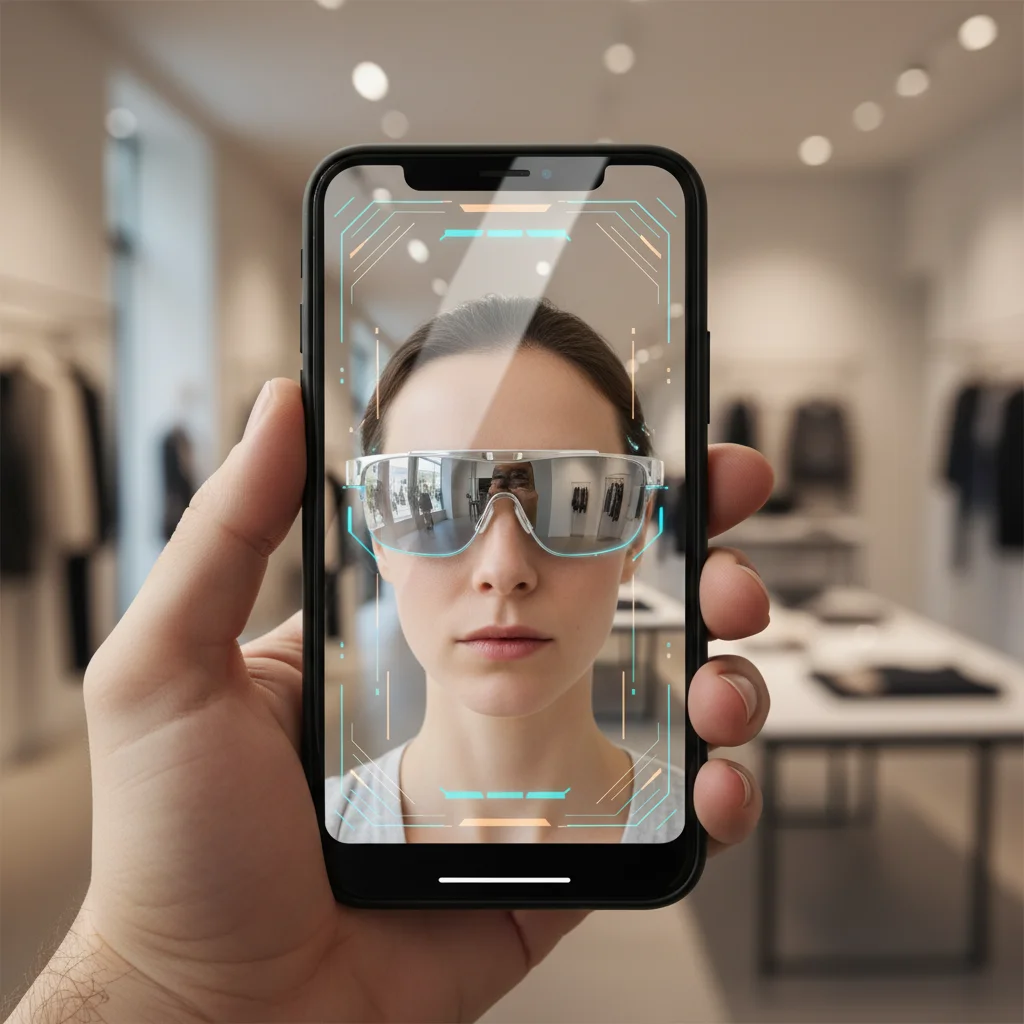
The digital revolution has profoundly reshaped the beauty industry, altering consumer engagement and redefining traditional job roles. E-commerce platforms have become indispensable, driving the need for digital marketing specialists, content creators, and logistics coordinators within beauty companies. The rise of social media influencers and brand ambassadors has created new avenues for promotion and sales, requiring individuals skilled in digital storytelling and community management. Furthermore, technological advancements like AI-powered skin analysis tools, augmented reality (AR) try-on apps, and personalized recommendation engines are becoming standard. This integration of technology demands a new breed of beauty professionals who are not only adept in traditional beauty techniques but also tech-savvy. Therapists and aestheticians now need to understand how to operate sophisticated devices, interpret digital diagnostic data, and utilize customer relationship management (CRM) systems effectively. HR departments must prioritize upskilling and reskilling initiatives, offering training in digital literacy, data analytics, and the use of smart beauty devices. The continuous evolution of digital tools means that ongoing education is no longer a luxury but a necessity for the beauty workforce, ensuring they remain competitive and relevant in an increasingly digitized market, a key area of focus for any comprehensive HR report of beauty field in singapore.
Attracting & Retaining Talent in Singapore’s Beauty Sector
Singapore’s beauty sector is a vibrant and competitive landscape, continually evolving with new trends, technologies, and consumer demands. For businesses in this industry – from luxury spas and high-end salons to aesthetic clinics and product distributors – the ability to attract and retain skilled professionals is paramount to success. However, navigating this talent market presents unique challenges, requiring strategic HR approaches tailored to the industry’s specific needs. This section delves into the critical hurdles and successful strategies for acquiring and keeping top-tier beauty professionals in Singapore.
1. Sourcing Top Beauty Professionals: Challenges & Solutions
The demand for qualified beauticians, aestheticians, therapists, and stylists often outstrips supply. Singapore’s rigorous licensing and certification requirements, coupled with a preference for local talent, narrow the talent pool. Additionally, the industry grapples with perceptions of long hours, lower pay compared to other sectors, and limited career progression, making it less appealing to some. Businesses also face difficulties identifying individuals with not only technical expertise but also strong customer service skills and an understanding of luxury client expectations.
To overcome these hurdles, businesses must adopt proactive sourcing strategies. Partnering with reputable beauty academies and vocational schools for internship programs and direct recruitment can create a pipeline of fresh talent. Offering competitive salary packages, performance-based incentives, and comprehensive benefits can make positions more attractive. Leveraging professional networking platforms and specialized recruitment agencies focused on the beauty and wellness sector can also help identify experienced professionals. Highlighting a positive work culture, opportunities for continuous learning, and clear career pathways can differentiate employers. Companies should also explore workforce development initiatives, nurturing in-house talent from junior roles.
2. Effective Onboarding and Training Programs
Even after successful recruitment, the initial experience of a new employee can significantly impact their longevity and productivity. Effective onboarding goes beyond administrative tasks; it integrates new hires into the company culture, familiarizes them with brand standards, service protocols, and client expectations.
A robust onboarding program should include a structured orientation covering company values, mission, and operational procedures. Pairing new employees with experienced mentors can facilitate a smoother transition and accelerate skill integration. For an industry heavily reliant on specialized techniques and product knowledge, continuous training is non-negotiable. This includes regular workshops on the latest beauty trends, advanced treatment techniques, new product lines, and customer service excellence. Investing in certifications and upskilling opportunities not only enhances employee capabilities but also signals a commitment to their professional growth, directly impacting their engagement and loyalty. Digital learning platforms can complement in-person training, offering flexible options for skill development.
3. Strategies for Minimizing Employee Turnover
High employee turnover in the beauty sector can lead to significant costs, including recruitment expenses, training time, lost productivity, and potential damage to client relationships. Clients often build loyalty with specific therapists or stylists, making staff departures particularly disruptive.
To mitigate turnover, businesses should implement comprehensive retention strategies:
- Career Progression & Development: Clearly defined career paths from junior stylist/therapist to senior roles, team lead, or even management positions can motivate employees. Offering opportunities for specialization (e.g., advanced aesthetics, niche massage techniques) provides growth avenues.
- Competitive Compensation & Benefits: Regularly reviewing salary benchmarks and ensuring competitive pay, commission structures, and benefits (health insurance, leave, staff discounts) is crucial. Performance-based bonuses and recognition programs further incentivize and reward top performers.
- Positive Work Environment: Fostering a supportive, respectful, and collaborative workplace culture is key. This includes fair scheduling, managing workloads effectively, and promoting work-life balance where possible. Regular feedback sessions and open communication channels help address concerns promptly.
- Employee Recognition & Engagement: Acknowledging and celebrating employee achievements, big or small, can significantly boost morale. Employee engagement surveys provide valuable insights into satisfaction levels and areas for improvement. Team-building activities and social events also strengthen bonds.
- Empowerment & Autonomy: Giving skilled professionals a degree of autonomy in their work, such as personalized client recommendations or creative input, can increase job satisfaction.
- Stay Interviews: Proactively conducting “stay interviews” with current employees to understand what makes them stay and what could make them leave provides actionable insights for retention strategies, far more effective than exit interviews.
Attracting and retaining talent in Singapore’s dynamic beauty sector requires a multi-faceted and ongoing commitment. By strategically sourcing, investing in robust onboarding and continuous training, and implementing comprehensive retention strategies, businesses can build resilient, skilled teams that drive innovation, deliver exceptional client experiences, and secure long-term success in this competitive market. A well-executed HR report of beauty field in singapore would certainly highlight the critical role these strategies play in maintaining a stable and high-performing workforce.
Compensation, Benefits, and Wellness in Beauty HR
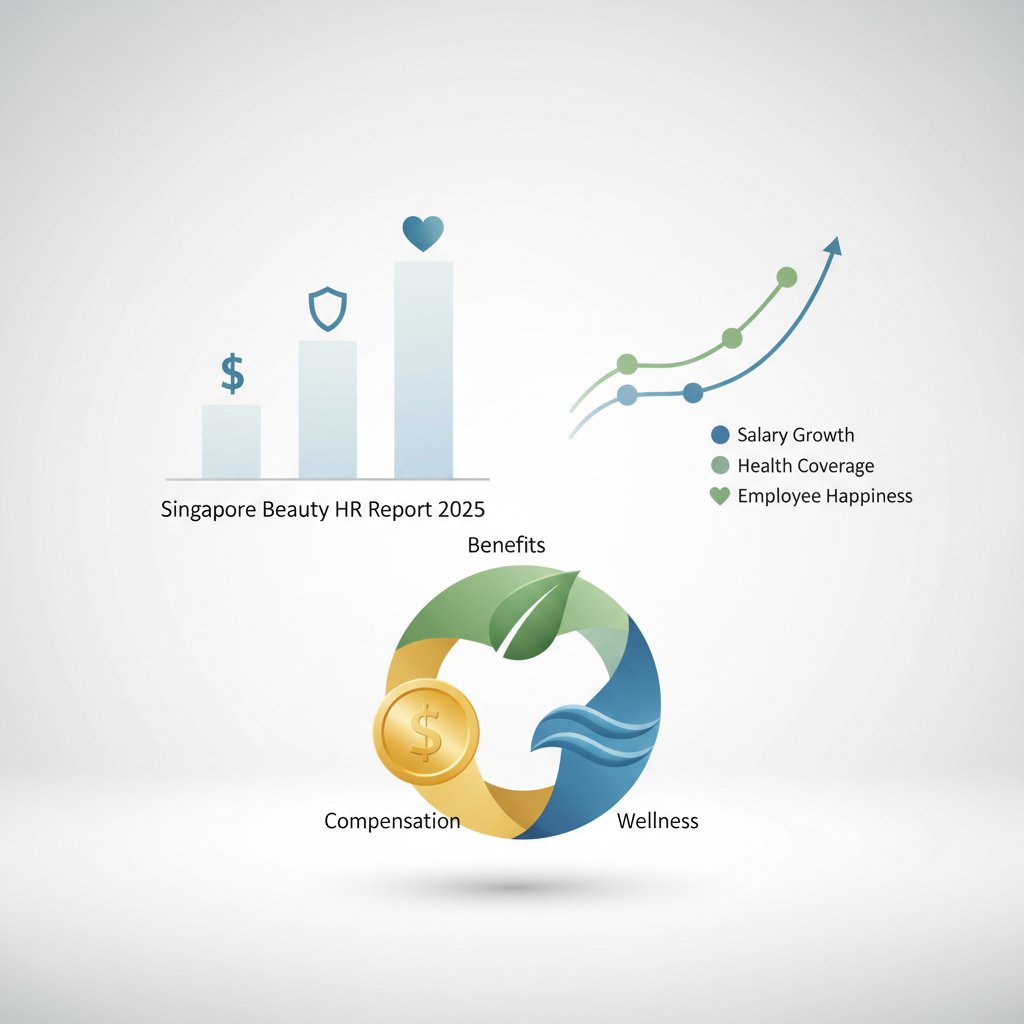
The beauty industry, particularly in dynamic markets like Singapore, is undergoing a significant transformation in how it approaches human resources. Beyond just attracting skilled talent, retaining a highly engaged and productive workforce requires a holistic approach encompassing competitive remuneration, valuable non-monetary benefits, and a robust focus on employee well-being. This section explores current remuneration trends, the growing importance of non-monetary perks, and the crucial emphasis on mental health and wellness initiatives, all vital components for fostering a healthier, more productive, and satisfied workforce within the competitive Singaporean beauty sector.
1. Salary Benchmarks for Key Beauty Roles (2025 Projections)
In Singapore’s thriving beauty landscape, competitive compensation remains a cornerstone for attracting and retaining top-tier talent. As we look towards 2025, projections indicate a continued upward pressure on salaries for specialized roles, driven by demand for niche skills, technological advancements, and a growing consumer base seeking premium services. Key roles such as senior estheticians, master stylists, advanced nail technicians, and spa therapists with specialized certifications (e.g., in medical aesthetics or advanced body treatments) are expected to command higher remuneration. Salon and spa managers, particularly those with strong leadership, business acumen, and digital marketing skills, will also see increased salary benchmarks.
Factors influencing these projections include the rising cost of living in Singapore, a persistent talent crunch in certain specializations, and the increasing sophistication of beauty treatments. Employers in the beauty field must regularly review and adjust their salary structures to remain competitive, leveraging data from reputable sources and industry-specific surveys. Understanding these evolving benchmarks is crucial for crafting an attractive compensation strategy that aligns with market expectations and secures the best professionals. For detailed insights into the broader salary landscape across various sectors in Singapore, employers often refer to resources like the Hays Singapore Salary Guide, which provides valuable regional and local market data relevant to HR strategy.
2. Non-Monetary Perks and Employee Satisfaction
While competitive salaries are essential, non-monetary perks are increasingly pivotal in enhancing employee satisfaction, fostering loyalty, and reducing turnover in the beauty industry. These benefits address the unique demands of beauty professionals, who often face long hours, physical strain, and high client expectations. Flexible working arrangements, such as compressed workweeks or staggered shifts, can significantly improve work-life balance. Opportunities for continuous professional development, including sponsored advanced training, workshops on new techniques (e.g., advanced skincare technologies, trending hair coloring methods), and leadership courses, are highly valued. These not only upskill the workforce but also demonstrate an investment in their career growth.
Beyond training, recognition programs, product discounts, wellness allowances (for gym memberships or massages), and even team-building retreats contribute to a positive work culture. A comfortable and ergonomically sound work environment also falls under non-monetary benefits, directly impacting the physical well-being of staff. By offering a comprehensive package of non-monetary perks, beauty businesses in Singapore can differentiate themselves as employers of choice, creating a more engaged, motivated, and satisfied workforce that feels valued beyond their paycheck.
3. Mental Health and Wellness Initiatives for Beauty Professionals
The fast-paced and client-facing nature of the beauty industry can take a significant toll on mental health. Beauty professionals frequently deal with demanding clients, long periods of standing, the pressure to maintain aesthetic standards, and emotional labor. Recognizing these stressors, leading beauty businesses in Singapore are now prioritizing comprehensive mental health and wellness initiatives. These programs go beyond traditional physical wellness to encompass holistic well-being.
Key initiatives include providing access to Employee Assistance Programs (EAPs) for confidential counseling and support, organizing stress management workshops, mindfulness sessions, and promoting healthy boundaries between work and personal life. Creating designated break areas where staff can truly decompress, fostering a culture of open communication, and training managers to identify and support employees struggling with mental health are also critical. Furthermore, promoting physical activities, nutrition advice, and ensuring adequate rest periods contribute to overall well-being. By investing in these initiatives, employers can significantly reduce burnout, improve employee morale, and cultivate a supportive environment where beauty professionals feel understood and cared for, ultimately leading to a more resilient and productive team. This forward-thinking approach is a key aspect highlighted in any comprehensive HR report of the beauty field in Singapore, underscoring the industry’s commitment to its people.
Navigating HR Challenges & Compliance in Singapore Beauty
Singapore’s vibrant beauty industry, characterized by innovation and high service standards, presents unique human resource challenges. From managing a diverse workforce to adhering to stringent regulatory frameworks, beauty businesses must navigate a complex HR landscape to ensure sustainability and growth. A comprehensive understanding of these hurdles is crucial for any salon, spa, or clinic aiming for success in this competitive market. This section delves into common HR obstacles, legal and regulatory considerations, and practical strategies to mitigate risks, drawing insights often highlighted in a thorough HR report of beauty field in singapore.
1. Adapting to Changing Labor Laws in Singapore
One of the foremost challenges for beauty businesses in Singapore is keeping pace with its dynamic labor laws. The regulatory environment is designed to protect employees while fostering a competitive economy, requiring employers to be diligent. Key legislation includes the Employment Act, which covers core terms and conditions of employment, and the Fair Consideration Framework (FCF), which mandates fair employment practices, particularly concerning the hiring of foreign professionals, managers, and executives. Businesses must also be aware of rules surrounding work passes, provident fund contributions (CPF), and leave entitlements.
For beauty businesses, this means meticulous record-keeping, clear contractual agreements, and non-discriminatory hiring processes. Ensuring compliance with the latest regulations from the Ministry of Manpower (MOM) is not just about avoiding penalties; it’s about building a fair and equitable workplace that attracts and retains talent. Regular audits of HR practices and continuous training for HR personnel (or business owners handling HR) are vital to stay updated and mitigate legal risks associated with non-compliance.
2. Managing Skills Gaps and Upskilling Initiatives
The beauty industry is constantly evolving, driven by new technologies, treatments, and client preferences. This rapid evolution often leads to significant skills gaps within the workforce. Many beauty professionals may possess foundational skills but lack expertise in emerging areas such as advanced aesthetic procedures, digital marketing for personal branding, or specialized customer relationship management (CRM) software. The challenge lies in both attracting talent with these advanced skills and upskilling existing employees.
To address this, beauty businesses in Singapore should invest proactively in continuous learning and development programs. Collaborating with industry associations, vocational schools, or accredited training providers can facilitate access to relevant courses and certifications. Government initiatives like the SkillsFuture scheme offer subsidies and support for training, making it more accessible for businesses and individuals to invest in skill upgrades. Developing clear career pathways and offering opportunities for professional growth are also key strategies for retaining skilled staff and fostering a culture of excellence.
3. Addressing Work-Life Balance and Burnout Risks
The beauty sector is known for its demanding nature, often involving long hours, weekend work, and the emotional labor of client interaction. This can significantly contribute to employee stress, burnout, and high turnover rates. In a service-oriented industry where employee well-being directly impacts client experience, addressing work-life balance and burnout risks is paramount.
Effective strategies include implementing flexible work arrangements where feasible, ensuring reasonable working hours, and promoting adequate rest periods. Developing clear protocols for managing client expectations and handling difficult situations can also reduce employee stress. Furthermore, fostering a supportive work environment through open communication, regular check-ins, and mental wellness programs can significantly enhance employee morale and reduce the likelihood of burnout. Investing in employee well-being not only improves individual health but also boosts productivity, reduces absenteeism, and strengthens team cohesion, ultimately benefiting the business’s bottom line and reputation.
Successfully navigating the HR landscape in Singapore’s beauty industry requires a proactive and informed approach. By understanding and adapting to changing labor laws, strategically addressing skills gaps, and prioritizing employee well-being, beauty businesses can build resilient, compliant, and thriving workforces. Regular review of HR strategies, perhaps guided by a thorough HR report of beauty field in singapore, will be instrumental in sustained success.
Future HR Trends Shaping Singapore’s Beauty Industry 2025
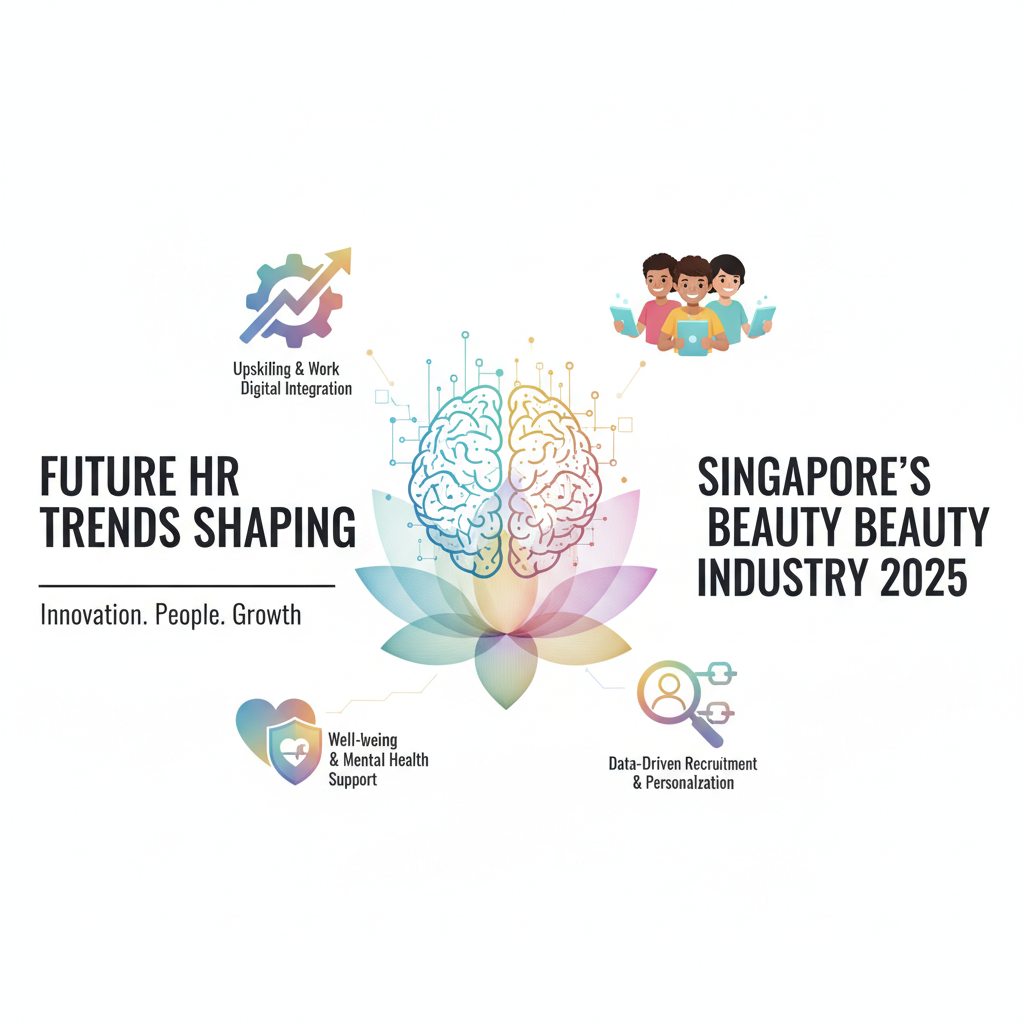
Singapore’s beauty industry, a vibrant and dynamic sector, is on the cusp of significant transformation driven by evolving technological landscapes and shifting workforce dynamics. As we approach 2025, Human Resources (HR) departments within beauty companies must proactively adapt to these emerging trends to secure a competitive edge and foster sustainable growth. This forward-looking analysis delves into key HR trends, technological advancements, and strategic recommendations essential for preparing Singapore’s beauty sector for future workforce demands and opportunities. Understanding these shifts is crucial for any comprehensive HR report of beauty field in singapore, ensuring that businesses are not just reacting, but actively shaping their future talent strategies.
-
Rise of AI and Automation in Beauty Operations
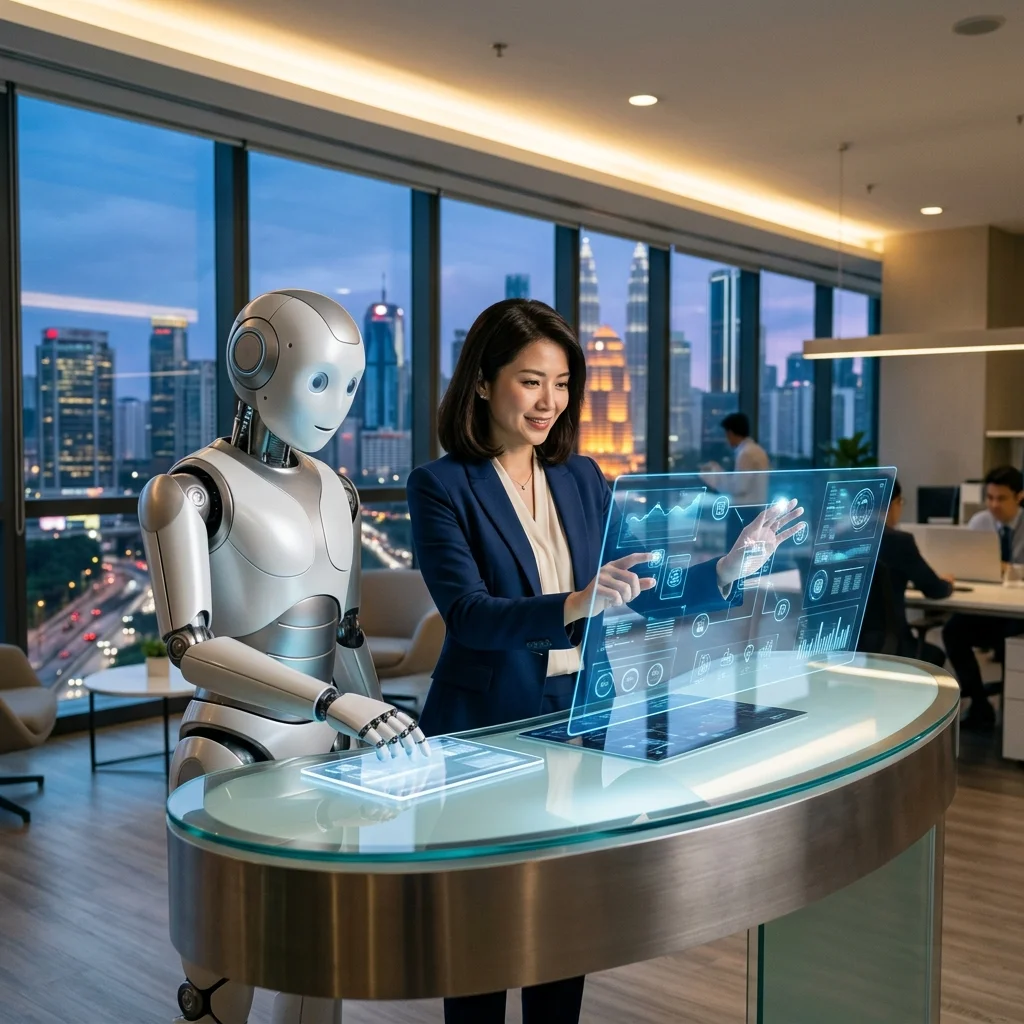
The integration of Artificial Intelligence (AI) and automation is rapidly revolutionizing various aspects of the beauty industry, from customer service and personalized product recommendations to inventory management and back-office HR functions. In Singapore, beauty salons, spas, and cosmetic retailers are increasingly leveraging AI-powered tools to enhance efficiency and customer experience. For HR, this means a critical need to reskill and upskill the existing workforce. Roles traditionally performed manually might be augmented or replaced by AI, requiring employees to develop new competencies in data analysis, AI system management, and advanced technical skills. Training programs must focus on preparing staff to collaborate with AI, manage automated systems, and provide the human touch that technology cannot replicate. HR departments will also need to utilize AI-driven analytics for talent acquisition, performance management, and predictive attrition, transforming how they approach workforce planning. This shift demands a proactive stance from HR leaders to identify future skill gaps and cultivate a tech-savvy workforce ready to embrace these innovations. Research indicates a global trend towards AI impacting various job roles, making continuous learning and adaptation paramount for industry professionals. For instance, the World Economic Forum highlights how AI is set to disrupt most jobs, underscoring the urgency for businesses to invest in reskilling initiatives.
-
The Gig Economy’s Influence on Beauty Workforce
The burgeoning gig economy is significantly reshaping traditional employment models across various sectors, and Singapore’s beauty industry is no exception. Freelance beauticians, makeup artists, and aesthetic consultants are increasingly opting for flexible work arrangements, offering their specialized services on a project or on-demand basis. This trend presents both challenges and opportunities for HR. On one hand, it allows beauty businesses to access a wider pool of specialized talent without the overheads of full-time employment, offering agility and scalability during peak seasons. On the other hand, HR must develop robust strategies to effectively manage a hybrid workforce comprising both permanent employees and gig workers. This includes establishing clear contractual agreements, ensuring fair compensation, integrating gig workers into the company culture, and providing access to necessary training and resources. Attracting and retaining top-tier freelance talent requires offering competitive rates, flexible schedules, and a supportive environment. HR policies will need to evolve to support this diverse workforce, focusing on engagement, performance tracking, and compliance with labor laws pertaining to independent contractors. This flexibility will be a key differentiator for businesses looking to optimize their talent acquisition strategies in the dynamic Singaporean market.
-
Strategic HR Planning for Sustainable Growth
As the beauty industry navigates these transformative changes, strategic HR planning becomes paramount for achieving sustainable growth. This involves moving beyond reactive hiring to a proactive, data-driven approach that aligns HR initiatives with long-term business objectives. Key components include workforce analytics to forecast future talent needs, succession planning for critical roles, and developing comprehensive talent development programs. HR must actively participate in business strategy discussions, providing insights into labor market trends, skill availability, and employee engagement. Emphasizing diversity, equity, and inclusion (DEI) will also be crucial, not just as a compliance measure, but as a strategic imperative to foster innovation and attract a broader talent pool. Creating a compelling employer brand that highlights professional development, work-life balance, and a positive company culture will be essential for attracting and retaining top talent in a competitive landscape. Furthermore, investing in employee well-being, mental health support, and robust benefits packages will be vital for fostering a loyal and productive workforce. A well-executed HR report of beauty field in singapore will undoubtedly highlight the importance of these strategic elements, guiding businesses toward resilience and continued success.
In conclusion, the future of HR in Singapore’s beauty industry is characterized by innovation, adaptability, and strategic foresight. By embracing AI and automation, effectively managing the gig economy, and implementing robust strategic HR planning, beauty companies can not only navigate the challenges but also capitalize on the immense opportunities that lie ahead. Proactive investment in people, technology, and progressive HR policies will be the bedrock of sustained success in this evolving landscape.
Partner with Shelby Global
You are looking for reliable HR Sevice Suppliers? Contact Shelby Global Now! To connect with verified talents and upgrade your orginization.
—————————————
References
– Enterprise Singapore’s overview of the Beauty and Wellness sector: https://www.enterprisesg.gov.sg/industries/sectors/lifestyle-and-consumer/beauty-and-wellness
– SkillsFuture Singapore: https://www.skillsfuture.gov.sg/
– Hays Singapore Salary Guide: https://www.hays.com.sg/salary-guide
– Ministry of Manpower (MOM): https://www.mom.gov.sg/employment-practices/employment-act
– World Economic Forum: AI and Job Disruption: https://www.weforum.org/agenda/2023/05/ai-will-disrupt-most-jobs-new-report-finds/