
Understanding the Modern Management Consultant Landscape
The management consulting landscape is in a constant state of flux, rapidly evolving to meet the demands of a globalized, tech-driven, and increasingly complex business environment. As we look towards 2026, the traditional model of consulting has been significantly reshaped by digital transformation, new economic pressures, and a heightened focus on specialized expertise. For organizations seeking to secure top-tier talent, understanding these shifts is paramount. The ability to headhunt management consultants effectively now requires a deep appreciation of niche markets, next-generation skills, and the motivations of an elite professional class. This section delves into the current market trends, the diverse types of consultants now in demand, and the evolving expectations placed on top-tier talent.

1. Defining “Elite” in Management Consulting Today
The definition of an “elite” management consultant in 2026 extends far beyond pedigree firms and generic strategic advice. Today’s top-tier consultants are not just problem-solvers; they are catalysts for transformational change, possessing a rare blend of analytical prowess, technological fluency, and deep industry-specific knowledge. Elite status now demands proficiency in areas like AI and machine learning integration, advanced data analytics, cybersecurity strategy, and sustainable business practices. Furthermore, exceptional leadership, emotional intelligence, and a proven track record of driving measurable impact are non-negotiable. The modern elite consultant is expected to be a digital native, a change management expert, and a strategic visionary, capable of navigating geopolitical complexities and fostering innovation within client organizations. They are valued for their ability to not only identify challenges but to implement scalable, future-proof solutions, often leveraging cutting-edge tools and methodologies. McKinsey & Company’s insights often highlight the evolving skills required for the future of work, underscoring the shift towards these multifaceted competencies.
2. Current Market Trends and Niche Specializations
The consulting market is increasingly fragmenting into highly specialized niches, driven by rapid technological advancements and unique industry challenges. Key trends dominating the landscape include widespread digital transformation, which encompasses everything from cloud migration and data strategy to advanced analytics and AI implementation. Environmental, Social, and Governance (ESG) consulting has also emerged as a critical specialization, as companies strive for sustainability and ethical operations. Supply chain resilience, post-pandemic economic recovery strategies, and specialized healthcare and life sciences consulting are also experiencing significant growth. This has led to the rise of boutique consulting firms and independent experts who can offer deep, focused expertise that larger, generalist firms might struggle to match. Clients are demanding consultants who not only understand their industry but are also experts in specific functional areas, capable of delivering rapid, tangible ROI. This shift means that successful headhunt management consultants strategies must identify not just general management aptitude, but pinpoint expertise within these highly specialized and evolving domains.
3. Why Traditional Recruiting Falls Short for Top Talent
Traditional recruitment methods often prove inadequate for securing top-tier management consultants for several compelling reasons. Firstly, elite consultants are typically passive candidates; they are often well-compensated, deeply engaged in challenging projects, and not actively searching for new roles. Reaching them requires a proactive, discrete, and highly networked approach. Secondly, understanding the nuanced skills, project experience, and cultural fit for a senior consulting role demands recruiters with an intimate knowledge of the consulting industry itself. Generic job descriptions and broad searches simply miss the mark. Thirdly, the stakes are incredibly high, both for the hiring firm and the consultant. A mismatch can be costly, making the need for precise candidate assessment critical. Specialized headhunters, by contrast, possess the industry connections, the expertise to evaluate complex skill sets, and the strategic approach necessary to engage, vet, and ultimately place these elusive professionals. Their ability to navigate the complexities of compensation, career trajectory, and cultural alignment is what truly differentiates a successful search when you headhunt management consultants.
Strategic Planning for Consultant Acquisition Success
In today’s dynamic business landscape, organizations frequently seek specialized expertise to navigate complex challenges, drive innovation, and achieve strategic objectives. The ability to effectively identify, target, and attract leading management consultants is a critical strategic imperative. Developing a robust, proactive strategy is essential for companies aiming to headhunt management consultants who can deliver transformative impact. This foundational planning ensures every step, from initial outreach to final integration, aligns with organizational goals for unparalleled success in acquiring top-tier talent.
-
Identifying Specific Project Needs and Skill Gaps
The cornerstone of any successful consultant acquisition strategy is a crystal-clear understanding of specific project needs and skill gaps within your existing team. Before you can effectively headhunt management consultants, define ‘what’ you need them for. This involves a comprehensive internal assessment:
- Define Problem & Scope: Articulate the core challenge, project boundaries, timelines, and expected measurable outcomes.
- Identify Required Expertise: Beyond general management consulting, do you need deep industry knowledge (e.g., healthcare, finance), specific functional expertise (e.g., supply chain optimization, M&A integration), or proficiency in particular methodologies (e.g., Agile, Lean Six Sigma)?
- Assess Internal Capabilities: Pinpoint where your internal team lacks necessary skills or bandwidth. This gap analysis informs the precise consultant profile.
- Cultural Fit: Consider soft skills and cultural attributes for seamless integration.
A meticulous approach ensures your efforts to target and attract top talent are focused, efficient, and lead to the perfect match, maximizing your consulting investment’s return.
-
Budgeting and Competitive Compensation Expectations
Attracting elite management consultants requires a realistic and competitive compensation strategy. Top-tier consultants, commanding significant market value, are well aware of their worth and the demand for their specialized skills. Effective budgeting means understanding and meeting market expectations to secure the best talent.
- Market Research: Conduct thorough research into current compensation rates for consultants with similar expertise, experience, and industry specializations. Factors like project duration, complexity, required travel, and reputation significantly influence these rates.
- Beyond Base Fees: Consider the entire compensation package, including daily/hourly rates, project-based fees, performance-based bonuses, and expense reimbursements.
- Value vs. Cost: View consultant fees in terms of potential return on investment (ROI). A higher-priced, experienced consultant might achieve results faster and more effectively, generating greater long-term value.
- Flexibility: Be prepared for negotiation. Building a buffer into your budget can provide necessary flexibility to secure a highly sought-after expert.
Understanding the financial landscape and offering competitive remuneration are crucial steps in signaling the value you place on top-tier expertise. According to Consulting.com’s market insights, compensation for experienced consultants varies widely by specialty, underscoring the need for comprehensive market research.
-
Crafting an Irresistible Value Proposition for Consultants
While competitive compensation is vital, it’s often not the sole motivator for top management consultants. Elite professionals are driven by challenging work, significant impact, professional growth, and opportunities with reputable clients. Developing an “irresistible value proposition” showcases why your project and organization offer unique, compelling opportunities beyond the paycheck.
- Highlight Project Significance: Emphasize the strategic importance and potential impact. Consultants seek opportunities where their expertise can truly make a difference, reshaping industries or solving critical challenges.
- Showcase Growth and Learning: Position the project as a chance to expand their portfolio, develop new skills, or gain experience in a novel domain. Autonomy, intellectual challenge, and opportunities for thought leadership are highly attractive.
- Emphasize Your Organization’s Culture & Reputation: Highlight your company’s vision, values, innovation track record, or commitment to professional development. Consultants want to associate with reputable clients providing a supportive, collaborative environment.
- Provide Clear Path to Impact: Explain how their contributions will be recognized and integrated. Consultants want to see their work implemented and yield tangible results.
By thoughtfully constructing and clearly articulating this holistic value proposition, you move beyond simply finding a consultant to actively attracting and retaining the best minds, positioning your organization as a client of choice for leading experts.
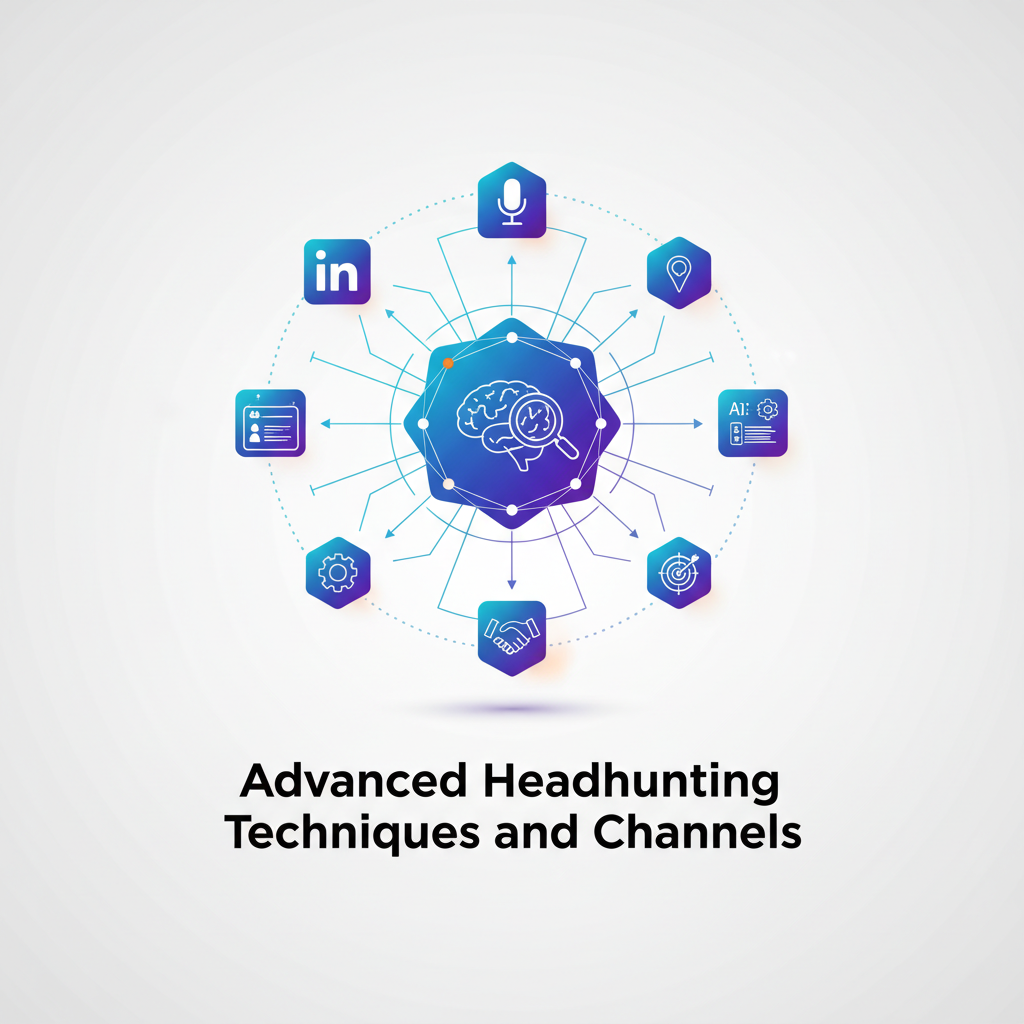
Advanced Headhunting Techniques and Channels
In the fiercely competitive landscape of management consulting, identifying and attracting top-tier talent demands more than conventional recruitment strategies. Elite headhunters employ sophisticated techniques and leverage cutting-edge channels to unearth and engage passive candidates—those high-performing individuals who aren’t actively seeking new roles but possess the precise blend of experience, expertise, and cultural fit that firms covet. This deep dive explores the specific methodologies and platforms utilized by top headhunters to successfully headhunt management consultants, ensuring their clients secure unparalleled leadership and strategic acumen.
1. Leveraging Professional Networks and Alumni Databases
The foundation of any successful headhunting operation lies in its network. For management consultants, this network extends far beyond simple LinkedIn connections. Top headhunters meticulously cultivate relationships with industry veterans, former consultants, and academics who can provide warm introductions or highly valuable referrals. They participate actively in industry forums, conferences, and exclusive professional groups, positioning themselves as trusted advisors rather than mere recruiters. Beyond personal connections, access to robust alumni databases from prestigious business schools and consulting firms is paramount. These databases offer a direct line to individuals who have been rigorously vetted and possess a proven track record. By cross-referencing these resources with public profiles and internal intelligence, headhunters can identify individuals with specific project experience (e.g., M&A, digital transformation, operational efficiency) or expertise in niche sectors (e.g., healthcare, private equity, technology), making their outreach highly targeted and relevant. The art here is in tapping into the hidden talent pools that often remain inaccessible to generalist recruiters.
2. Utilizing AI-Powered Sourcing Tools and Platforms
The advent of artificial intelligence has revolutionized candidate sourcing, providing headhunters with unprecedented capabilities. AI-powered platforms can sift through vast amounts of data—from public profiles and academic papers to patent filings and industry publications—to identify candidates matching highly specific criteria. These tools go beyond keyword matching, employing semantic analysis and machine learning algorithms to understand the context and nuance of a candidate’s experience. They can predict a candidate’s likelihood to move based on career patterns, company growth, or market trends, enabling proactive engagement. Predictive analytics helps headhunters prioritize candidates with the highest potential fit and interest, significantly reducing time-to-hire and increasing the quality of shortlists. Furthermore, AI tools aid in diversity sourcing by identifying overlooked talent pools and mitigating unconscious bias in the initial screening stages. This technological edge allows headhunters to identify “dark horse” candidates—those with exceptional potential who might not have a perfectly linear career path but possess invaluable skills and perspectives. Understanding how these sophisticated tools enhance the search process is crucial for any firm looking to elevate its talent acquisition strategy. For an insightful look into how technology is reshaping talent acquisition, consider this perspective from Forbes.
3. Direct Outreach and Personalized Engagement Strategies
Even with the most advanced sourcing tools, the human element remains paramount in headhunting passive management consultants. Direct outreach is an art form that requires meticulous preparation and a deep understanding of the candidate’s professional aspirations and motivations. Generic, templated messages are immediately discarded. Instead, top headhunters craft highly personalized communications that demonstrate a clear understanding of the candidate’s specific background, achievements, and potential career trajectory. This might involve referencing a particular project, publication, or public statement made by the candidate, illustrating why their unique skill set aligns perfectly with the client’s needs. The initial outreach is rarely about selling a job; it’s about initiating a conversation, building rapport, and positioning the headhunter as a valuable career advisor. They focus on understanding what genuinely drives the candidate—be it intellectual challenge, leadership opportunities, impact, or work-life integration—and then strategically align the client’s opportunity with those aspirations. This consultative approach fosters trust and encourages open dialogue, turning a passive candidate into an engaged prospect. Follow-up strategies are equally tailored, respecting the candidate’s time and professional commitments, ensuring that every interaction adds value and moves the conversation forward without pressure.
By synergizing robust professional networks, sophisticated AI tools, and highly personalized engagement, leading headhunters navigate the complexities of the management consulting talent market. They don’t just find candidates; they strategically identify, cultivate, and secure the invaluable human capital that drives client success and competitive advantage in a demanding global economy.
The Interview, Assessment, and Due Diligence Process
Securing top-tier management consultants demands a recruitment process that is as rigorous and strategic as the projects they undertake. For firms seeking to headhunt management consultants capable of driving significant organizational change, a multi-faceted approach to vetting, interviewing, and assessing potential hires is paramount. This intricate process ensures that only candidates who perfectly align with both client needs and company culture are brought onboard, minimizing risk and maximizing the potential for success.
The journey from initial candidate identification to final offer requires meticulous attention to detail at every stage, evaluating not just technical prowess but also critical soft skills, cultural compatibility, and professional integrity. Our comprehensive due diligence framework is designed to uncover the full spectrum of a candidate’s capabilities and character, ensuring a truly perfect fit.
-
Behavioral and Case Study Interview Formats
The cornerstone of assessing a management consultant’s aptitude lies in a structured interview process that blends both behavioral and case study elements. Behavioral interviews are crucial for understanding a candidate’s past performance and how they’ve navigated professional challenges. Utilizing the STAR (Situation, Task, Action, Result) method, interviewers delve into specific experiences to gauge competencies such as leadership, problem-solving, teamwork, and resilience. This approach provides valuable insights into a candidate’s work ethic and their ability to operate effectively under pressure, offering a strong predictor of future success. Research consistently shows that structured interviews, including a focus on behavioral questions, are significantly more predictive of job performance than unstructured conversations, reducing bias and enhancing selection accuracy. For deeper insights into crafting effective interview processes, resources like Forbes often highlight the importance of adopting a structured interview approach to hiring.
Equally critical are case study interviews, which simulate real-world consulting problems. These cases assess a candidate’s analytical skills, logical reasoning, creativity, and ability to structure complex information. Candidates are typically presented with a business challenge – often related to market entry, profitability, or organizational strategy – and asked to analyze it, propose solutions, and articulate their reasoning. This format directly evaluates their problem-solving methodology, quantitative aptitude, communication clarity, and capacity for strategic thinking, all indispensable traits for high-impact management consultants.
-
Assessing Soft Skills and Cultural Alignment
Beyond analytical horsepower, the most effective management consultants possess a robust suite of soft skills and the ability to seamlessly integrate into diverse client cultures. Assessing these attributes is vital for ensuring project success and long-term retention. Communication skills, for instance, are scrutinized through every interaction, from how candidates articulate their thoughts during case studies to their ability to listen actively and convey complex ideas simply. Leadership potential is evaluated by exploring experiences where they’ve influenced teams, managed stakeholders, or driven initiatives. Adaptability, emotional intelligence, and interpersonal finesse are also key, as consultants often operate in ambiguous environments and must build rapport quickly with varied personalities.
Cultural alignment is equally paramount. A candidate might be brilliant, but if their working style, values, or communication preferences clash with the client’s organization or the consulting firm’s ethos, it can derail projects and impact team morale. Assessment methods include observing group dynamics during collaborative exercises, asking targeted questions about preferred work environments, and evaluating their responses to ethical dilemmas. Understanding a candidate’s motivations and aspirations helps ensure their values resonate with the demanding yet rewarding nature of consulting, fostering a sense of belonging and commitment.
-
Thorough Reference Checks and Background Verification
The final layer of due diligence involves comprehensive reference checks and meticulous background verification, serving as crucial validation steps. Reference checks go beyond merely confirming employment dates; they involve in-depth conversations with former supervisors and peers to gather nuanced insights into a candidate’s performance, work habits, leadership style, and interpersonal effectiveness. Questions focus on strengths, areas for development, how they handled challenging situations, and their contributions to team success. These candid conversations provide an external perspective that corroborates information gathered during interviews and offers valuable foresight into how a candidate might perform in a new role.
Background verification is a non-negotiable step, especially when seeking to headhunt management consultants for high-stakes positions. This process typically includes verifying educational credentials, professional certifications, and employment history to confirm the accuracy of information provided by the candidate. Depending on the seniority and sensitivity of the role, it may also extend to criminal record checks, credit history assessments, and even social media footprint analysis. This rigorous verification process mitigates risks associated with misrepresentation, ensures the candidate’s integrity, and protects the hiring firm’s reputation and client relationships. Ultimately, a thorough due diligence framework safeguards against costly hiring mistakes and secures individuals who are not only competent but also trustworthy and aligned with organizational values.
Onboarding and Retention Strategies for Consultants
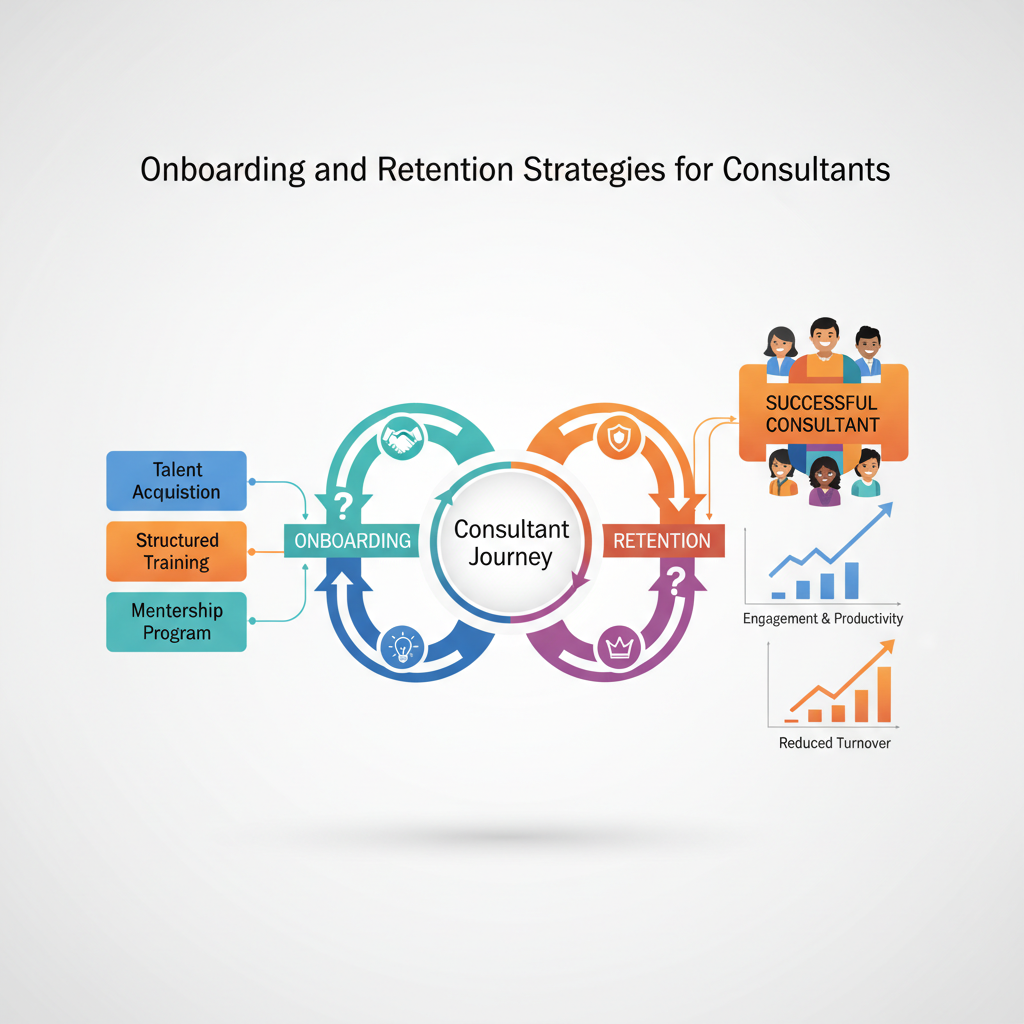
Successfully bringing in and retaining top-tier talent is paramount for any consulting firm. After investing significant resources to headhunt management consultants, the true challenge begins: ensuring their smooth integration and long-term commitment. A robust onboarding process is not merely a formality; it’s a strategic imperative that dictates immediate project success and significantly impacts retention. This section will explore best practices for seamlessly integrating new management consultants and cultivating an environment that encourages their professional growth and dedication for years to come.
1. Effective Onboarding for Immediate Project Success
The initial weeks and months are critical for new management consultants. An effective onboarding program should extend beyond administrative tasks, focusing on cultural integration, technical readiness, and immediate project contribution. Prior to their first day, new hires should receive comprehensive pre-boarding information, including details about their initial project, team members, and firm-specific tools. Upon arrival, a dedicated onboarding buddy or mentor can significantly ease the transition, providing an informal point of contact for questions and cultural nuances.
Crucially, new consultants should be assigned to meaningful projects early on, even if initially in a supporting role. This allows them to apply their skills, understand the firm’s methodologies in a practical context, and feel productive from day one. Alongside project assignments, structured training sessions on proprietary tools, methodologies, and client engagement strategies are essential. Regular check-ins with HR, direct managers, and assigned mentors can identify and address any challenges promptly, ensuring the consultant feels supported and valued. Setting clear expectations for performance, communication, and ethical conduct right from the start establishes a strong foundation for their career trajectory within the firm. This proactive approach minimizes the “ramp-up” period, allowing new talent to contribute effectively and quickly become an invaluable asset.
2. Mentorship and Professional Development Pathways
Beyond initial onboarding, sustained professional growth is a primary driver for retention among management consultants. Establishing formal and informal mentorship programs is pivotal. Experienced consultants can provide invaluable guidance, sharing insights into client management, problem-solving techniques, and career navigation within the consulting landscape. A well-structured mentorship program not only accelerates the mentee’s development but also reinforces a culture of knowledge sharing and collaboration.
Furthermore, firms must commit to continuous professional development. This includes access to advanced training courses, certifications relevant to emerging industry trends (e.g., AI, data analytics, sustainability consulting), and opportunities to attend industry conferences. Providing a clear, transparent career progression framework — outlining the skills and experiences required for advancement to senior consultant, manager, principal, and partner levels — motivates consultants by demonstrating a visible path for their future. Regular performance reviews, coupled with constructive feedback and goal-setting, are essential for tracking progress and identifying areas for further development. This commitment to fostering expertise and career growth signals that the firm invests in its people, making it an attractive long-term home for ambitious consultants. The importance of professional development and strong mentorship cannot be overstated in retaining top talent; studies show that organizations with strong learning cultures have higher retention rates. For instance, Deloitte’s “Global Human Capital Trends” report frequently highlights the critical role of continuous learning and development in talent management. Deloitte’s Global Human Capital Trends emphasize how modern workforces prioritize opportunities for skill development and career advancement.
3. Creating a Collaborative and Challenging Work Environment
Management consultants thrive on intellectual challenge and meaningful impact. A firm that consistently offers diverse, complex projects across various industries will naturally attract and retain high-caliber talent. The environment should foster an open culture where ideas are exchanged freely, and collaboration is encouraged, rather than individualistic competition. Team-based problem-solving, cross-functional project teams, and knowledge-sharing platforms contribute to a dynamic and engaging workplace.
Recognizing and rewarding exceptional performance is also crucial. This extends beyond financial compensation to include public recognition, opportunities for leadership roles, and involvement in strategic firm initiatives. While the consulting lifestyle is known for its intensity, firms that demonstrate genuine concern for consultant well-being — offering flexible work arrangements where feasible, promoting mental health resources, and encouraging downtime — will build stronger loyalty. Ultimately, retention hinges on creating an environment where consultants feel challenged, respected, supported, and integral to the firm’s success. This makes the firm a desirable destination for top professionals whom you might otherwise need to headhunt management consultants to replace. By cultivating a culture that values both high performance and personal well-being, firms can significantly reduce attrition and maintain a stable, expert workforce.
Partner with Shelby Global
You are looking for reliable HR Sevice Suppliers? Contact Shelby Global Now! To connect with verified talents and upgrade your orginization.
—————————————
References
– Evolving skills required for the future of work: https://www.mckinsey.com/capabilities/strategy-and-corporate-finance/our-insights/the-future-of-work-in-america#skills-and-future-of-work
– Consulting.com’s market insights on consulting salaries: https://www.consulting.com/consulting-salaries-how-much-do-consultants-make
– Forbes: https://www.forbes.com/sites/forbeshumanresourcescouncil/2023/10/05/how-ai-is-transforming-the-recruitment-industry/?sh=57a972c342f7
– The Power Of Structured Interviews In Hiring: https://www.forbes.com/sites/forbescoachescouncil/2021/04/22/the-power-of-structured-internews-in-hiring/?sh=513693e54b64
– Deloitte Global Human Capital Trends: https://www2.deloitte.com/us/en/pages/human-capital/articles/global-human-capital-trends.html