
Understanding Singapore’s Beauty SME Sector Landscape
Singapore’s vibrant beauty sector, characterized by a mix of established brands and dynamic Small and Medium-sized Enterprises (SMEs), presents a unique economic landscape. For beauty SMEs, navigating this competitive environment means grappling with specific challenges, chief among them being talent acquisition and retention. While the market offers significant opportunities driven by increasing consumer demand for wellness and aesthetic services, securing and keeping skilled professionals requires a strategic approach, particularly concerning compensation. This section delves into the intricacies of this sector, laying the groundwork for understanding how Optimized Salary Budget Structures for SMEs in beauty field in singapore can be a game-changer.

1. Market Trends and Talent Demands in Singapore’s Beauty Industry
The beauty industry in Singapore is experiencing robust growth, fueled by rising disposable incomes, an aging population seeking anti-aging solutions, and a growing emphasis on personal well-being. This expansion translates into high demand for skilled beauticians, therapists, aestheticians, and salon managers. However, this demand often outstrips supply, leading to fierce competition for talent. SMEs, in particular, often find themselves competing against larger, more established chains that can offer seemingly more attractive remuneration packages and benefits. Trends such as the increasing popularity of specialized treatments (e.g., advanced skincare, non-invasive procedures) and digital marketing expertise also necessitate a workforce with evolving skill sets. Attracting these highly sought-after professionals requires SMEs to look beyond conventional salary offerings and consider comprehensive compensation strategies. This includes understanding the market benchmarks for various roles and how to create appealing packages even with limited budgets. The challenge isn’t just about paying more; it’s about paying smarter and demonstrating value in the overall employment proposition.
2. Regulatory Frameworks and Labor Laws Affecting SMEs (e.g., CPF, SDL)
Operating within Singapore’s well-defined regulatory environment is crucial for any SME, and the beauty sector is no exception. Understanding the labor laws, particularly those pertaining to mandatory contributions, is fundamental to accurate salary budgeting. Key among these are the Central Provident Fund (CPF) contributions, where both employers and employees contribute a percentage of wages to a national savings scheme. These rates vary by age and wage ceiling and directly impact the total cost of an employee. Additionally, the Skills Development Levy (SDL) is a mandatory levy payable by employers for all employees, designed to support workforce upgrading programs. While the amount per employee might seem small, it adds up, especially for growing SMEs. Beyond these, employers must also be aware of the Employment Act, which covers aspects like working hours, leave entitlements, and termination processes. Non-compliance can lead to significant penalties, making meticulous adherence essential. For SMEs developing Optimized Salary Budget Structures for SMEs in beauty field in singapore, factoring in these statutory contributions from the outset is not merely a legal obligation but a strategic necessity to avoid unexpected financial burdens and ensure sustainable growth. The complexities require careful calculation and often necessitate professional advice to ensure full compliance and efficient budget allocation.
3. Common Salary Budgeting Pitfalls for Beauty SMEs
Many beauty SMEs, despite their passion and business acumen, fall into common traps when it comes to salary budgeting. A primary pitfall is the lack of a structured approach, often leading to ad-hoc salary decisions based on immediate needs rather than long-term strategy. This can result in internal pay inequities, dissatisfaction among staff, and high turnover rates. Another significant error is underestimating the true cost of an employee, neglecting to factor in mandatory contributions like CPF and SDL, as well as benefits, training costs, and potential bonuses. This oversight can lead to budget overruns and financial strain. Furthermore, some SMEs fail to regularly benchmark their salaries against industry standards, making their offers uncompetitive and difficult to attract top talent. They might also overlook the importance of non-monetary benefits, such as professional development opportunities, a positive work environment, or flexible working arrangements, which can significantly enhance an employee value proposition, especially for businesses working with a tighter budget. Without a clear understanding of market dynamics and a robust, forward-looking budgeting methodology, beauty SMEs risk not only losing valuable talent but also hindering their growth potential in Singapore’s competitive landscape. Addressing these pitfalls through proactive planning and an emphasis on Optimized Salary Budget Structures for SMEs in beauty field in singapore is paramount for success.
Foundations of an Optimized Salary Budget Structure
For Small and Medium-sized Enterprises (SMEs) in Singapore’s vibrant beauty sector, establishing an optimized salary budget structure is not merely an administrative task; it’s a strategic imperative for sustainable growth and competitive advantage. In a market characterized by high talent demand and evolving consumer expectations, a meticulously planned salary budget ensures fair compensation, attracts top talent, boosts employee morale, and ultimately drives business profitability. This guide delves into the core principles of building a robust and effective salary budget, focusing on data-driven approaches and strategic planning tailored specifically for beauty SMEs in Singapore, helping them navigate the complexities of human capital management with precision.
A well-thought-out salary budget acts as the financial backbone for your human resources strategy. It transcends simple cost allocation, becoming a dynamic tool that aligns your business goals with your workforce’s value. By adopting a data-driven methodology, beauty SMEs can move beyond guesswork, making informed decisions that reflect market realities, internal capabilities, and future aspirations. This approach is critical in Singapore, where attracting and retaining skilled aestheticians, therapists, and salon managers can significantly impact service quality and customer loyalty. Let’s explore the foundational pillars for constructing an optimized salary budget.
1. Conducting Comprehensive Market Research and Benchmarking
The first critical step in developing an effective salary budget is to gain an in-depth understanding of the external compensation landscape. For beauty SMEs in Singapore, this means conducting comprehensive market research and benchmarking specific to the beauty and wellness industry. This involves analyzing what competitors are paying for similar roles, skills, and experience levels. Data sources can include industry-specific salary surveys, government labor statistics (e.g., from the Ministry of Manpower Singapore), and reports from reputable HR consulting firms. Understanding these benchmarks allows your SME to offer competitive salaries that attract and retain high-caliber talent without overspending.
When conducting market research, consider roles unique to the beauty sector, such as senior aestheticians, advanced therapists, salon managers, and beauty consultants. Factors like specialized certifications (e.g., CIBTAC, CIDESCO), years of experience, and proficiency in niche services (e.g., advanced skincare technologies, aesthetic treatments) should be factored into your analysis. Overlooking this step can lead to offering salaries that are either too low, resulting in high employee turnover and difficulty in recruitment, or too high, unnecessarily inflating operational costs. Utilizing resources like the Hays Asia Salary Guide can provide valuable insights into prevailing remuneration trends across various sectors, including those relevant to service industries in Singapore, helping beauty SMEs position themselves competitively.
2. Defining Compensation Philosophy and Pay Scales
Once you have a clear picture of the external market, the next step is to define your SME’s compensation philosophy. This philosophy outlines your organization’s stance on pay – whether you aim to lead the market, match the market average, or lag slightly with a focus on other benefits and perks. For beauty SMEs, this decision should align with your brand’s values, financial capabilities, and long-term talent strategy. A clearly articulated compensation philosophy provides transparency and ensures fairness in your pay practices, fostering trust and motivation among your team.
Following the establishment of your philosophy, developing structured pay scales for various roles becomes essential. This involves creating distinct salary bands for different positions, taking into account job responsibilities, required skills, experience levels, and qualifications within your beauty business. For example, a junior aesthetician might fall into one pay band, while a senior therapist with advanced training and client management responsibilities would be in a higher band. These scales should include minimum, midpoint, and maximum salary ranges, allowing for growth and performance-based increments. Transparent pay scales reduce arbitrary decision-making, promote internal equity, and provide clear career progression paths for employees, which is particularly appealing in a service-oriented industry like beauty where skill development is continuous.
3. Forecasting Labor Costs and Strategic Budget Allocation
With market insights and a defined compensation philosophy in place, the final foundational step is to accurately forecast labor costs and strategically allocate your salary budget. This involves more than just current salaries; it encompasses a holistic view of all employee-related expenses. Consider not only base salaries but also mandatory employer contributions (such as CPF in Singapore), bonuses, commissions (common in beauty sales), overtime pay, benefits (health insurance, leave entitlements), training and development costs, and potential annual increments or adjustments for inflation.
Forecasting should utilize historical data, projected business growth, anticipated hiring needs, and any potential changes in regulatory requirements or industry wage trends. For beauty SMEs, seasonal fluctuations in business (e.g., peak holiday periods) might influence staffing needs and, consequently, labor costs. Strategic allocation means optimizing how your budget is distributed across different categories. This could involve balancing fixed salaries with performance-based incentives to motivate sales and service quality, or investing more in training to upskill existing staff rather than constantly recruiting. Building in a contingency fund for unforeseen circumstances or rapid market changes is also a prudent practice. By proactively forecasting and strategically allocating your salary budget, beauty SMEs in Singapore can ensure financial stability, operational efficiency, and a competitive edge in attracting and retaining the best talent.
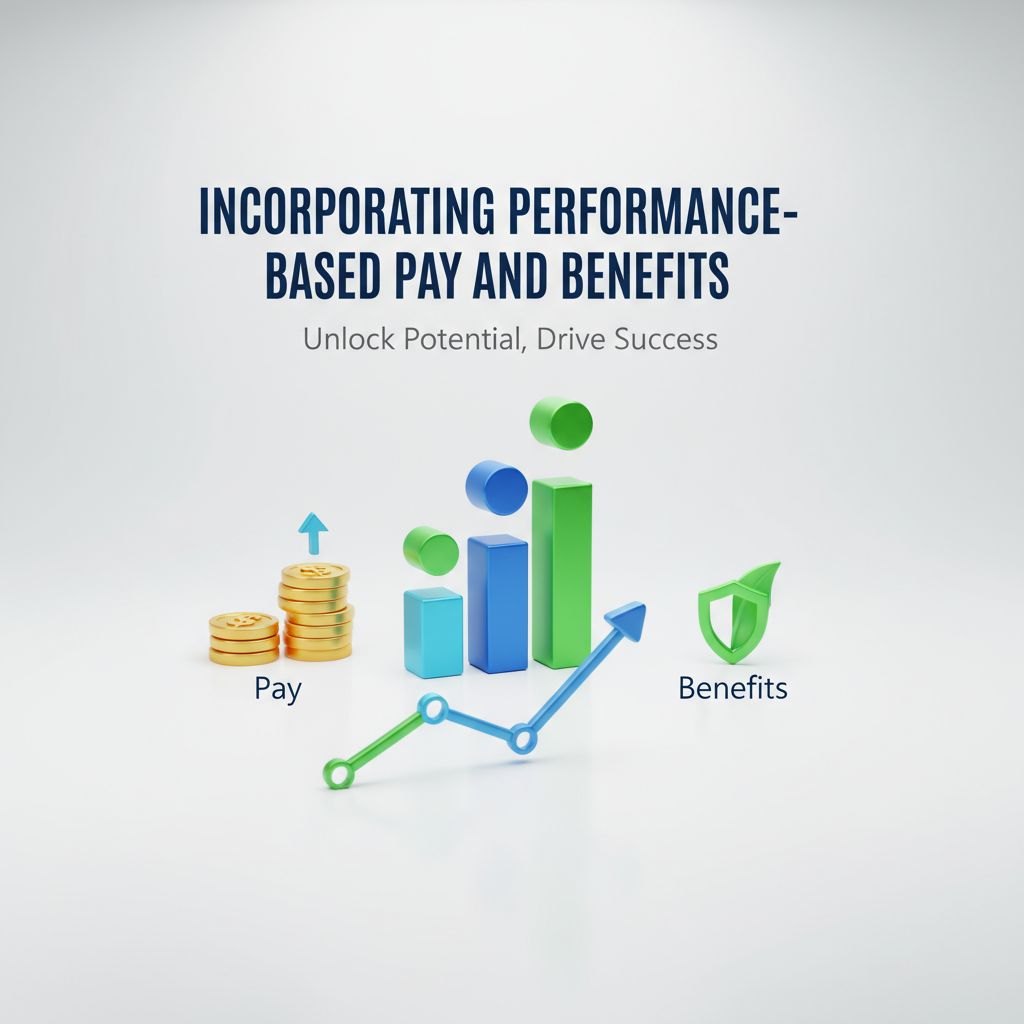
Incorporating Performance-Based Pay and Benefits
In the dynamic and competitive beauty industry of Singapore, attracting and retaining top talent goes far beyond offering a static base salary. To truly motivate employees, drive superior performance, and ensure alignment with overarching business goals, Small and Medium-sized Enterprises (SMEs) must strategically design comprehensive compensation packages. This involves moving beyond traditional pay structures to embrace performance-based incentives and robust benefits, thereby fostering a highly engaged and productive workforce. For Optimized Salary Budget Structures for SMEs in beauty field in singapore, a thoughtful approach to variable pay and benefits is not just an advantage, but a necessity to thrive and grow.
-
Implementing Variable Pay Structures (Commissions, Bonuses, Incentives)
Variable pay structures are powerful tools for directly linking an employee’s efforts and results to their financial rewards, which is particularly effective in the sales and service-oriented beauty sector. For beauty professionals, commissions are a common and highly motivating form of variable pay, often tied to service revenue generated, product sales, or upselling higher-value treatments. This direct link encourages proactive selling and superior client service. Beyond individual commissions, performance bonuses can be structured to reward team achievements, such as meeting monthly salon revenue targets, or company-wide success, fostering a sense of shared responsibility and collective effort. Incentives might also include performance-based tiers for reaching specific milestones, like client retention rates, acquiring new clients, or successfully introducing new services. When designing these structures, it’s crucial for SMEs in Singapore’s beauty field to ensure transparency, fairness, and clear communication of how these incentives are calculated, creating a tangible pathway for employees to increase their earnings through stellar performance. Properly implemented, these structures contribute significantly to Optimized Salary Budget Structures for SMEs in beauty field in singapore by ensuring compensation costs are aligned with revenue generation.
-
Designing Attractive Employee Benefits and Perks for Beauty Professionals
While competitive pay is essential, a comprehensive benefits package plays a pivotal role in distinguishing an employer and fostering long-term loyalty among beauty professionals. Beyond mandated benefits, SMEs can offer perks that genuinely resonate with this demographic. Consider offering health and wellness benefits, such as subsidized health screenings or gym memberships, which promote employee well-being. Professional development opportunities are highly valued; sponsoring advanced training in new beauty techniques, product application, or client communication skills not only upskills your team but also signals an investment in their career growth. Employee discounts on salon services and products are a popular and cost-effective perk. Furthermore, exploring flexible working hours or scheduling can significantly improve work-life balance, a key factor for retention in a demanding industry. Thoughtful benefits packages communicate that an employer values their staff beyond just their output, contributing immensely to job satisfaction and reducing turnover. These non-monetary elements, when combined with a well-structured pay system, form the bedrock of an Optimized Salary Budget Structures for SMEs in beauty field in singapore.
-
Linking Performance Metrics to Compensation Reviews
For performance-based pay to be truly effective, it must be firmly rooted in clear, measurable performance metrics and integrated into regular compensation reviews. In the beauty sector, relevant Key Performance Indicators (KPIs) might include client retention rates, average service ticket value, customer satisfaction scores (e.g., through feedback forms or online reviews), product sales targets, and adherence to service quality standards. Establishing these KPIs upfront provides employees with a clear roadmap for success and empowers them to understand how their daily actions impact their potential earnings. Compensation reviews should not merely be annual formalities but ongoing discussions that provide constructive feedback, celebrate successes, and identify areas for improvement. Transparently linking these performance metrics to adjustments in base pay, bonus eligibility, or promotion opportunities ensures that rewards are perceived as fair and directly attributable to effort and results. This systematic approach not only motivates high performance but also provides valuable data for strategic business decisions and fosters a culture of accountability and continuous improvement. As highlighted by HR best practices, linking pay to performance is a cornerstone of effective talent management. According to a Society for Human Resource Management (SHRM) article on Pay for Performance, “organizations with strong pay-for-performance programs demonstrate superior financial results and greater talent retention.”
Leveraging Technology and Data for Budget Management
In today’s competitive business landscape, particularly for Optimized Salary Budget Structures for SMEs in beauty field in singapore, the manual approach to salary budget management is no longer sustainable. Digital transformation is not just a buzzword; it’s a strategic imperative for streamlining processes, enhancing accuracy, and providing actionable insights for efficient resource allocation. Embracing cutting-edge technology and data analytics empowers businesses to move beyond reactive budget adjustments, fostering a proactive and predictive approach to compensation planning. This not only minimizes errors and reduces administrative overhead but also ensures that salary expenditures align perfectly with business objectives, fostering growth and employee satisfaction within the dynamic beauty sector in Singapore.
1. Utilizing HR Software for Payroll and Compensation Management
The foundation of an efficient salary budget lies in robust HR software. Modern HR Information Systems (HRIS) or specialized payroll and compensation management platforms offer a centralized solution for handling complex salary structures, benefits, deductions, and tax compliance. For SMEs in the beauty field, which often deal with varied compensation models – from fixed salaries for administrative staff to commission-based pay for therapists and stylists – such software is invaluable. It automates payroll processing, calculates bonuses and overtime accurately, and ensures timely disbursements, significantly reducing the risk of human error. Beyond mere payroll, these systems provide detailed employee records, track salary histories, and offer features for benefits administration, all of which contribute to a transparent and well-managed compensation ecosystem. By consolidating these functions, businesses can save considerable time, allocate resources more effectively, and ensure that every dollar spent on salaries is precisely accounted for, supporting an optimized salary budget structure.
2. Data Analytics for Identifying Salary Trends and Cost Efficiencies
The true power of technology in budget management comes to light through data analytics. HR software generates a wealth of data on salaries, employee turnover, performance metrics, and market compensation benchmarks. By applying analytical tools, SMEs in the beauty industry can uncover crucial insights into salary trends, identify potential cost efficiencies, and forecast future compensation needs. For instance, analyzing salary data against industry benchmarks in Singapore can reveal if current pay scales are competitive enough to attract and retain top talent without overspending. Similarly, by correlating salary expenses with employee performance and revenue generation, businesses can pinpoint areas where compensation investments yield the highest returns. Predictive analytics can even help anticipate the impact of salary increments or new hiring on the overall budget, allowing for proactive adjustments. This data-driven approach moves budget management from an annual guesswork exercise to a strategic, continuous process, ensuring that every decision regarding an optimized salary budget structure is backed by solid evidence.
3. Automating Budget Reporting and Monitoring
Manual budget reporting is time-consuming, prone to errors, and often lags behind real-time financial changes. Automation revolutionizes this process by providing instant access to up-to-date financial data. Integrated HR and accounting software can generate comprehensive salary budget reports with just a few clicks, showcasing actual versus budgeted expenditures, variance analysis, and future projections. These automated reports can be customized to display key performance indicators (KPIs) relevant to salary costs, such as cost-per-hire, salary-to-revenue ratios, or benefit costs per employee. Furthermore, automated monitoring systems can be set up to send alerts when expenditures approach or exceed budget thresholds, enabling managers to take corrective action promptly. This real-time visibility is indispensable for maintaining an Optimized Salary Budget Structure. It allows beauty businesses in Singapore to continuously track financial health, make agile decisions in response to market shifts or operational changes, and ensure sustained financial stability and growth by always staying on top of their salary expenditures.
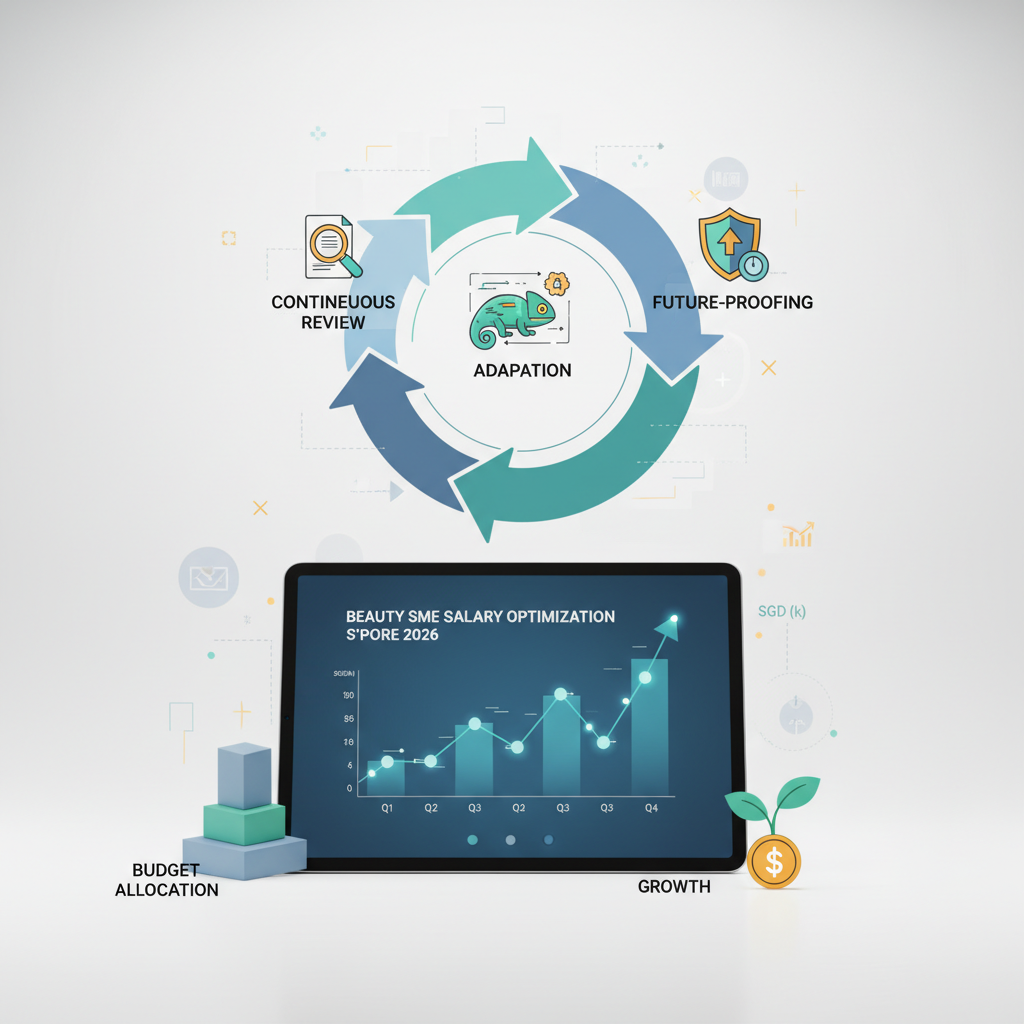
Continuous Review, Adaptation, and Future-Proofing Your Budget
In Singapore’s vibrant and rapidly evolving beauty market, an effective salary budget is not a static document but a living strategy that demands continuous review, adaptation, and foresight. For Small and Medium-sized Enterprises (SMEs) in this competitive sector, the ability to dynamically adjust compensation structures is paramount for attracting and retaining top talent, maintaining profitability, and ensuring compliance with local labor laws. This section delves into how beauty SMEs can implement robust processes to future-proof their salary budgeting, ensuring they remain agile and competitive amidst economic shifts and industry transformations.
1. Establishing a Regular Budget Review Cycle
A proactive approach to salary budgeting begins with a clearly defined and regularly scheduled review cycle. Instead of waiting for crises or annual reviews, beauty SMEs should consider quarterly or bi-annual deep dives into their compensation data. These reviews should encompass several key areas:
- Market Benchmarking: Continuously monitor salary trends for various roles within the Singaporean beauty industry. Tools and industry reports can provide invaluable insights into what competitors are offering for positions ranging from beauticians and therapists to salon managers and marketing specialists.
- Performance Metrics: Evaluate the impact of current salary structures on employee performance and business profitability. Are incentives driving desired outcomes? Is overall productivity justifying the compensation costs?
- Employee Feedback: Gather insights from your team regarding compensation and benefits satisfaction. High turnover rates or difficulty in attracting candidates can often signal uncompetitive salary packages.
- Inflation and Cost of Living: Singapore’s cost of living can fluctuate. Regular adjustments based on inflation rates ensure that your employees’ purchasing power is maintained, fostering loyalty and job satisfaction.
By establishing such a cycle, SMEs can make iterative, data-driven adjustments, preventing major discrepancies and ensuring their Optimized Salary Budget Structures for SMEs in beauty field in singapore remain competitive and fair.
2. Adapting to Economic Shifts and Industry Changes
The beauty industry, like any other, is susceptible to broader economic trends and specific sector-wide shifts. A truly future-proof budget must be flexible enough to adapt:
- Economic Volatility: Be prepared to adjust your budget in response to economic downturns or upturns. During challenging times, this might involve exploring variable pay components, profit-sharing schemes, or re-evaluating non-essential benefits. In periods of growth, it means being ready to invest more in talent to capitalize on market opportunities.
- Industry Innovations: The beauty sector is constantly innovating, from new treatment technologies to digital marketing strategies. These innovations often create new roles or demand specialized skills, necessitating adjustments in salary bands. For instance, the rise of digital marketing specialists or advanced aesthetic technicians requires different compensation structures than traditional roles.
- Regulatory Compliance: Stay abreast of Singapore’s labor laws and regulations, including changes to CPF contributions, foreign worker levies, or any industry-specific wage models. Compliance is not just about avoiding penalties but also about maintaining your reputation as a fair and ethical employer. For example, staying updated with Singapore’s dynamic labor market regulations is crucial for all employers.
Scenario planning, where you model different economic or industry conditions, can help SMEs prepare for various eventualities and develop contingency plans for their salary budgets.
3. Strategies for Long-Term Talent Retention and Succession Planning
While competitive salaries are crucial, long-term talent retention goes beyond just the pay cheque. An optimized salary budget strategy must integrate with broader HR initiatives aimed at building a stable and skilled workforce:
- Holistic Compensation Packages: Consider a total rewards approach that includes not just base salary, but also performance bonuses, health benefits, professional development opportunities, and employee wellness programs. These non-monetary benefits can significantly enhance an employee’s perceived value and commitment.
- Career Progression and Training: Investing in your employees’ growth through training programs and clear career paths can be a powerful retention tool. This can include certifications for new beauty techniques, management training, or even cross-functional skill development. A budget line item for continuous learning demonstrates your commitment to their future.
- Succession Planning: Identify critical roles within your SME and develop internal talent to fill them. This not only reduces recruitment costs but also creates a motivated workforce eager to advance. Allocating budget for mentorship programs or leadership development initiatives is a wise investment in your company’s future leadership.
By integrating these strategies, beauty SMEs can ensure their salary budgets not only attract talent today but also cultivate a loyal, skilled, and future-ready workforce for tomorrow, contributing to sustainable growth in Singapore’s competitive beauty landscape.
Partner with Shelby Global
You are looking for reliable HR Sevice Suppliers? Contact Shelby Global Now! To connect with verified talents and upgrade your orginization.
—————————————
References
– Optimized Salary Budget Structures for SMEs in beauty field in singapore: https://www.mom.gov.sg/employment-practices/salary-and-wage/calculating-salary
– Hays Asia Salary Guide: https://www.hays.com.sg/salary-guide/
– Society for Human Resource Management (SHRM) article on Pay for Performance: https://www.shrm.org/resources-and-tools/hr-topics/compensation/pages/pay-for-performance.aspx
– efficient salary budget: https://www.shrm.org/resources-and-tools/hr-topics/technology/
– :



































































































