Understanding the Landscape: Why Optimization Matters for SMEs
Singapore’s transportation sector is a critical backbone of its economy, facilitating trade, tourism, and daily commutes. However, Small and Medium-sized Enterprises (SMEs) operating within this vital industry face a unique confluence of challenges that threaten their sustainability and growth. From fierce competition and escalating operational costs to a persistent manpower crunch, these businesses navigate an increasingly complex economic environment. In such a landscape, where every dollar counts, an optimized salary budget is not just a strategic advantage—it is a critical imperative for survival and sustained success. This section delves into the specific pressures bearing down on Singaporean transport SMEs and articulates why a well-structured approach to employee remuneration is no longer optional but essential.

-
The Unique Economic Pressures on Singapore’s Transport SMEs
Operating in one of the world’s most expensive cities, Singaporean transport SMEs are acutely exposed to a range of economic pressures. High land costs, stringent regulatory compliance, and a heavy reliance on imported fuel mean that operational overheads are consistently elevated. Unlike larger conglomerates that benefit from economies of scale, smaller players often struggle to absorb these costs without significantly impacting their profit margins. Furthermore, the fragmented nature of the transport market leads to intense price competition, making it challenging for SMEs to pass on increased expenses to their clients. Global economic uncertainties, such as fluctuating fuel prices and supply chain disruptions, further exacerbate these vulnerabilities, demanding a high degree of financial agility and foresight. An inefficient salary structure under these conditions can quickly erode any remaining competitive edge, turning what should be a robust operation into a precarious one.
-
Impact of Manpower Shortages and Rising Operational Costs
Perhaps one of the most pressing issues for Singapore’s transport SMEs is the acute manpower shortage. The sector, encompassing everything from logistics and delivery services to taxi and bus operations, relies heavily on a skilled and available workforce. However, an aging population, coupled with a societal shift towards white-collar professions, has created a significant deficit in drivers, mechanics, and logistics coordinators. This scarcity drives up wage expectations, forcing SMEs to offer more competitive salaries to attract and retain talent. According to the Ministry of Manpower’s Labour Market Report 2023, Singapore’s labour market remains tight, with unemployment rates low and wage growth observed across various sectors. For transport SMEs, this translates directly into rising salary budgets, which often represent the largest controllable expense. Beyond wages, other operational costs, including vehicle maintenance, insurance premiums, and the imperative to invest in new technologies for efficiency, continue their upward trajectory. Without a meticulously planned and Optimized Salary Budget Structures for SMEs in transportation field in singapore, these escalating expenditures can quickly push businesses into the red, limiting their capacity for reinvestment and innovation.
-
The Business Imperative for Strategic Salary Budgeting
Given the aforementioned challenges, strategic salary budgeting is no longer a mere HR function but a critical business imperative for Singaporean transport SMEs. An optimized salary budget goes beyond simply paying employees; it involves a holistic approach to compensation that balances attraction, retention, and motivation with financial sustainability. By understanding market rates, implementing performance-based incentives, and exploring flexible compensation models, SMEs can ensure they are allocating resources effectively. This strategic approach helps prevent both under-compensation (which leads to high turnover and difficulty attracting talent) and over-compensation (which can cripple profitability). Moreover, a transparent and fair salary structure can significantly boost employee morale and productivity, transforming the workforce from a cost center into a strategic asset. In a sector where reliability and efficiency are paramount, retaining experienced staff through competitive and well-structured remuneration packages directly contributes to higher service quality and operational stability, ultimately fostering long-term growth and resilience against the prevailing economic headwinds.
Core Principles of Effective Salary Budget Structuring
In Singapore’s dynamic transportation sector, small and medium-sized enterprises (SMEs) face unique challenges in attracting and retaining skilled talent, particularly drivers and logistics personnel. Developing optimized salary budget structures is not merely about managing costs; it’s a strategic imperative for long-term sustainability and competitiveness. A well-designed salary structure ensures fair compensation, motivates employees, and aligns with business objectives, fostering a productive and loyal workforce. This section delves into the fundamental methodologies and best practices crucial for transport SMEs to craft a robust and competitive compensation framework.
1. Market Benchmarking and Competitive Wage Analysis in Singapore
The foundation of any effective salary structure is a thorough understanding of the external market. For transport SMEs in Singapore, this means engaging in diligent market benchmarking and competitive wage analysis. This process involves comparing your current salary ranges and benefits packages against industry standards and competitors within the local market. Key data points to consider include average wages for lorry drivers, delivery personnel, warehouse staff, and logistics coordinators, as well as prevailing benefits like overtime rates, allowances, and health insurance contributions.
Accessing reliable data sources is critical. Businesses can leverage reports from the Ministry of Manpower (MOM) for general labor market trends, participate in industry-specific salary surveys, or consult with HR and recruitment agencies specializing in the transportation and logistics sector in Singapore. Regularly updated competitive wage data allows SMEs to identify if their compensation packages are competitive, lagging, or leading the market. A lagging package can lead to high employee turnover and difficulty in recruitment, while a leading one might strain financial resources unnecessarily. The goal is to strike a balance that ensures your offering is attractive enough to secure top talent without overspending. Understanding the nuances of the Singaporean labor market, including national wage guidelines and sector-specific demand, is paramount for accurate and actionable insights. By staying informed on competitive wage data, SMEs can proactively adjust their salary structures to remain appealing and equitable.
2. Implementing Performance-Based Pay Models for Drivers and Logistics Staff
Beyond a competitive base salary, integrating performance-based pay models can significantly boost productivity, motivation, and employee engagement, particularly for operational roles like drivers and logistics staff. These models link a portion of an employee’s compensation directly to their individual or team performance, aligning their efforts with the company’s strategic goals. For drivers, performance metrics could include successful delivery rates, on-time performance, fuel efficiency, vehicle maintenance compliance, and safety records (e.g., accident-free mileage). For logistics staff, metrics might encompass order fulfillment accuracy, inventory management efficiency, timely loading/unloading, and error reduction rates.
Successful implementation requires clear, measurable, and fair performance indicators communicated transparently to all employees. Regular feedback and performance reviews are essential to ensure the system is perceived as equitable and motivating. While a purely commission-based system might not be suitable for all roles, a hybrid model combining a stable base salary with performance bonuses or incentives can offer both security and motivation. This approach not only rewards high performers but also encourages others to strive for excellence, directly impacting the operational efficiency and profitability of the transport SME. It’s a powerful tool for driving desired behaviors and fostering a culture of accountability and continuous improvement.
3. Integrating Employee Benefits, Incentives, and Non-Monetary Perks
An effective salary budget structure extends far beyond the basic take-home pay; it encompasses a comprehensive package of benefits, incentives, and non-monetary perks that contribute to the overall employee value proposition. In Singapore, statutory contributions like the Central Provident Fund (CPF) are mandatory, but beyond this, SMEs should consider a range of offerings to enhance their appeal. Health and accident insurance, transport allowances, meal subsidies, and overtime pay are standard but important considerations for the transport sector.
Beyond the monetary, non-monetary perks play a crucial role in employee satisfaction and retention. These can include opportunities for professional development and training (e.g., defensive driving courses, logistics management certifications), clear career progression paths, flexible working arrangements where feasible, employee recognition programs, and a positive, supportive work environment. For drivers, access to well-maintained vehicles, proper rest facilities, and fair scheduling can significantly improve job satisfaction. For logistics staff, a safe and organized warehouse environment, along with opportunities to upskill in areas like automation or data analytics, can be highly valued. By thoughtfully integrating these elements, transport SMEs can create a compelling compensation and benefits package that not only meets financial needs but also addresses employees’ holistic well-being and professional aspirations, ultimately strengthening Optimized Salary Budget Structures for SMEs in transportation field in singapore and ensuring a loyal, productive workforce.
In today’s dynamic economic landscape, particularly for small and medium-sized enterprises (SMEs) within Singapore’s bustling transportation field, traditional budgeting methods often fall short. The key to ensuring financial sustainability and agility lies in embracing data-driven approaches to budget allocation and forecasting. This involves leveraging analytics and predictive modeling not just for operational expenses, but critically for optimizing one of the largest expenditure categories: salaries. By moving beyond historical data and incorporating forward-looking insights, SMEs can develop Optimized Salary Budget Structures for SMEs in transportation field in singapore, enhancing competitiveness and resilience against market fluctuations.

1. Leveraging HR Analytics and Workforce Data for Budget Planning
Effective salary budget planning begins with a deep understanding of human capital. HR analytics provides invaluable insights by transforming raw workforce data into actionable intelligence. For SMEs in the transportation sector, this means analyzing employee turnover rates, recruitment costs, skill sets, productivity metrics, and compensation trends specific to drivers, logistics coordinators, and administrative staff. By identifying patterns in attrition, for instance, businesses can proactively budget for recruitment and training, minimizing disruptions and associated costs. Furthermore, understanding the demand for specific skills – such as proficiency in new logistics technologies or sustainable transport practices – allows for targeted investment in upskilling existing employees, which can be more cost-effective than constant external hiring. Predictive models built on this data can forecast future staffing needs and the associated salary implications, enabling businesses to create more resilient and cost-efficient Optimized Salary Budget Structures for SMEs in transportation field in singapore. This strategic approach ensures that resources are allocated where they can generate the most value, supporting operational excellence and employee retention.
2. Forecasting Salary Costs Amidst Economic Volatility and Inflation
The Singaporean economy, while robust, is subject to global economic shifts, inflation, and sector-specific pressures. For transportation SMEs, accurately forecasting salary costs in such an environment is paramount. Data-driven forecasting involves analyzing macroeconomic indicators like GDP growth, inflation rates, and labor market reports from authoritative sources such as the Ministry of Manpower. For example, insights from the Singapore Ministry of Manpower’s Labour Market Reports can offer crucial data on wage growth, employment trends, and industry-specific demand, which directly impacts salary expectations and talent availability. Beyond national data, businesses should monitor fuel prices, global supply chain disruptions, and regulatory changes within the transportation industry, as these factors indirectly influence operational profitability and, consequently, capacity for salary adjustments. Predictive models can integrate these diverse data points to simulate various economic scenarios, allowing SMEs to develop flexible salary budgets that account for potential wage inflation, shifts in employee benefits, and competitive market adjustments. This proactive stance helps maintain attractive compensation packages while safeguarding financial health.
3. Utilizing Digital Tools and Software for Efficient Budget Management
The complexity of modern salary budgeting necessitates the adoption of digital tools and specialized software. These platforms offer capabilities far beyond traditional spreadsheets, providing real-time data integration, advanced analytics, and scenario planning features. For SMEs in transportation, such tools can centralize all HR and financial data, automate data collection, and generate comprehensive reports on salary expenditures. They can perform intricate “what-if” analyses, allowing managers to instantly visualize the impact of different salary increments, bonus schemes, or staffing changes on the overall budget. For example, a business might model the financial impact of a 5% wage increase versus a targeted performance bonus system. Furthermore, these tools often come with built-in compliance features, ensuring that salary structures adhere to Singapore’s labor laws and regulations. By streamlining the budgeting process, reducing manual errors, and providing immediate access to critical financial insights, digital platforms empower SMEs to make agile and informed decisions, leading to more precise and Optimized Salary Budget Structures for SMEs in transportation field in singapore. This technological adoption is not merely an efficiency gain; it is a strategic imperative for navigating the intricacies of modern workforce management and financial planning.
Navigating Singaporean Regulations and Future-Proofing
For Small and Medium-sized Enterprises (SMEs) in Singapore’s dynamic transportation sector, establishing and maintaining optimized salary budget structures for SMEs in the transportation field in Singapore is not merely about managing costs; it’s a strategic imperative for long-term sustainability and competitiveness. The Lion City’s robust regulatory landscape, coupled with rapid technological advancements, demands a proactive approach to compensation. This section delves into the critical aspects of regulatory compliance and outlines how transportation SMEs can build resilient salary structures that not only adhere to current labor laws but also flexibly adapt to evolving industry trends and future challenges.
1. Adhering to Singapore’s Employment Act and MOM Guidelines
At the core of Singapore’s labor framework is the Employment Act, which provides foundational guidelines for employment terms and conditions. For transportation SMEs, understanding and meticulously adhering to these regulations is non-negotiable. Key provisions cover areas such as working hours, overtime pay, annual leave, sick leave entitlements, public holidays, and dismissal procedures. The Ministry of Manpower (MOM) actively enforces these guidelines, and non-compliance can lead to significant penalties, reputational damage, and industrial disputes, severely impacting business operations and staff morale. To ensure an optimized salary budget structure, SMEs must regularly review their employment contracts, payroll processes, and HR policies to align with the latest amendments and advisories from MOM. This includes correctly categorizing employees, ensuring fair wage practices, and maintaining accurate records. Proactive compliance not only mitigates risks but also fosters a fair and transparent work environment, attracting and retaining skilled talent critical for a thriving transportation business. Staying informed on the key provisions of Singapore’s Employment Act is essential for all employers.
2. Understanding the Impact of the Progressive Wage Model (PWM) for Transport Roles
The Progressive Wage Model (PWM) is a crucial policy designed to uplift wages for lower-wage workers in specific sectors by linking wage increases to productivity improvements and skills upgrading. While initially introduced for sectors like cleaning, security, and landscape, the PWM has progressively expanded to include various transportation-related roles. For instance, the Waste Management sector, Retail and Food Services sectors (which often include delivery drivers), and specific roles within the Logistics sector are increasingly covered. This means that SMEs employing drivers, porters, warehouse assistants, or other relevant personnel must ensure their compensation structures meet or exceed the stipulated wage floors and provide clear pathways for skills development. Implementing the PWM effectively requires a strategic approach to salary budgeting, factoring in annual wage adjustments, funding for training initiatives, and opportunities for employees to acquire new competencies that justify higher wages. Beyond compliance, embracing the PWM can enhance employee motivation, reduce turnover, and contribute to a more skilled and productive workforce, ultimately bolstering the resilience and competitiveness of transportation SMEs in the long run. An optimized salary budget structure will proactively incorporate these wage progressions.
3. Adapting Salary Structures to Technological Shifts and Automation in Logistics
The transportation and logistics industry is undergoing a profound transformation driven by technological advancements. Automation, Artificial Intelligence (AI), Internet of Things (IoT), and data analytics are reshaping job roles and operational paradigms, from automated warehousing and drone deliveries to route optimization software and autonomous vehicles. For transportation SMEs, this presents both opportunities and challenges for salary structuring. Traditional roles may evolve or diminish, while new roles requiring specialized digital and technical skills emerge. To future-proof optimized salary budget structures for SMEs in the transportation field in Singapore, companies must proactively assess their workforce’s skill gaps and invest in upskilling and reskilling initiatives. Compensation models should shift to reward competencies in areas like data analysis, digital logistics management, robotics operation, and cybersecurity. Performance-based incentives linked to efficiency gains from technology adoption can also be integrated. Furthermore, flexible salary structures that allow for rapid adjustments based on market demand for new skills are vital. By strategically adapting compensation to reflect the changing skill requirements brought about by technological shifts, SMEs can attract the talent necessary to leverage innovation, maintain operational efficiency, and secure a competitive edge in an increasingly automated and data-driven logistics landscape.
In conclusion, building optimized salary budget structures for SMEs in the transportation field in Singapore requires a multifaceted strategy. It involves diligent adherence to regulations like the Employment Act and PWM, alongside a forward-looking approach to technological disruption. By integrating compliance, skills development, and adaptive compensation models, transportation SMEs can ensure their salary budgets are not just compliant, but also strategic assets that drive growth, attract top talent, and secure their position in Singapore’s competitive economic environment.
Implementation Strategies and Measuring Return on Investment
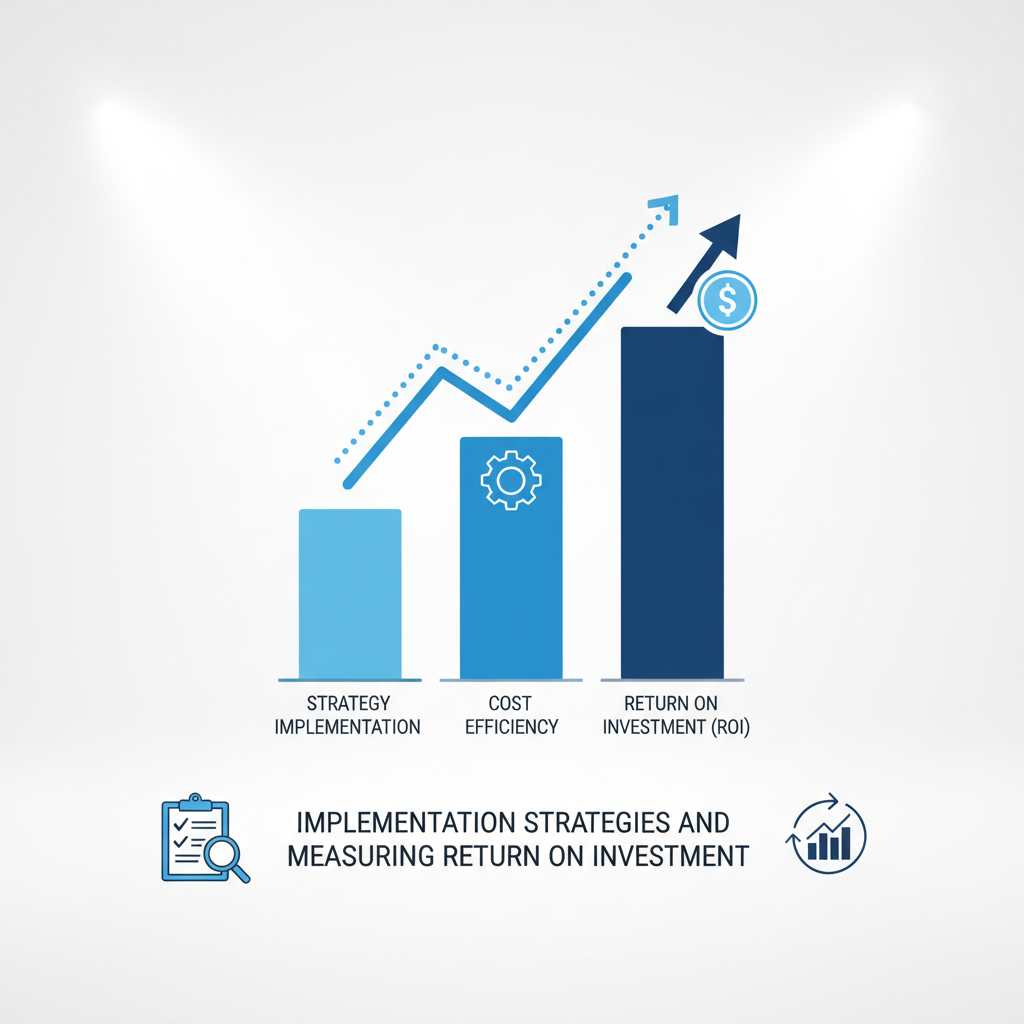
Implementing Optimized Salary Budget Structures for SMEs in transportation field in singapore requires more than just a well-crafted plan; it demands a strategic approach to implementation and robust methods for measuring its effectiveness. For SMEs navigating Singapore’s dynamic transportation sector, successfully rolling out these changes can significantly impact employee retention, productivity, and ultimately, profitability. This section outlines actionable steps for seamless integration and demonstrates how to quantify the tangible benefits, ensuring your investment yields a substantial return.
1. A Phased Approach to Budget Implementation and Transition
Transitioning to new salary structures, especially within an established SME, should be a methodical, phased process to minimize disruption and maximize acceptance. Begin by conducting a pilot program within a specific department or a smaller, representative team. This allows for real-world testing of the new compensation model, identifying potential kinks, and gathering crucial feedback before a full-scale rollout. For a transportation SME, this could mean implementing the new structure first with a group of drivers or logistics coordinators.
Based on pilot results, refine the budget structure and implementation plan. Crucially, involve key stakeholders and managers early in the process, training them extensively on the new guidelines, performance metrics, and communication protocols. This empowers them to act as internal champions and address immediate employee queries. A gradual, department-by-department rollout across the rest of the organization ensures that HR and management resources are not overstretched, allowing for focused support during each transition phase. Clear timelines and benchmarks for each phase will keep the process on track, ensuring a smooth and successful shift towards an optimized salary framework that truly benefits your transportation operations.
2. Key Metrics for Measuring ROI: Turnover Reduction and Productivity Gains
Measuring the Return on Investment (ROI) of an optimized salary budget structure is essential to justify the initial effort and resources. The primary indicators of success will manifest in improved employee retention and enhanced productivity. To quantify turnover reduction, track your voluntary turnover rate before and after implementation. A significant decrease indicates that your new structure is effectively retaining talent. Beyond the simple rate, calculate the true cost of employee turnover, which includes recruitment expenses, onboarding, training new hires, and the productivity loss during vacancy. Reducing these costs directly impacts your bottom line.
Productivity gains can be measured through various metrics relevant to your transportation SME. This might include output per employee (e.g., number of deliveries per driver, completed routes per shift), efficiency improvements (e.g., reduced idle time, faster load/unload times), or project completion rates. By establishing baseline metrics prior to implementation, you can concretely demonstrate improvements. Increased employee motivation, a direct result of fairer and more transparent compensation, often correlates with better service quality and reduced errors, further contributing to profitability. Ultimately, by reducing the outflow of skilled workers and boosting the output of your existing team, the optimized salary budget directly contributes to sustainable profit growth for your transportation business.
3. Effective Communication Strategies for Salary Structure Changes to Employees
The success of any new salary structure hinges on effective, transparent communication with employees. Without a clear understanding of the changes and their rationale, even the most beneficial adjustments can lead to confusion, distrust, or demotivation. Begin by explaining the ‘why’ behind the changes: emphasize that the goal is to create a more equitable, competitive, and performance-driven compensation system that supports career growth and ensures the long-term sustainability and competitiveness of the company within Singapore’s transportation market.
Utilize multiple communication channels, including company-wide announcements, departmental meetings, one-on-one sessions, and detailed FAQs. Provide clear, concise information about the new pay bands, performance review processes, and opportunities for progression. Train managers thoroughly to answer questions consistently and empathetically. Encourage an open-door policy for employees to voice concerns and seek clarification. By fostering an environment of transparency and trust, and clearly demonstrating the long-term benefits of Optimized Salary Budget Structures for SMEs in transportation field in singapore, you can ensure employee buy-in, minimize anxiety, and pave the way for a smoother transition and greater acceptance of the new compensation framework.
Partner with Shelby Global
You are looking for reliable HR Sevice Suppliers? Contact Shelby Global Now! To connect with verified talents and upgrade your orginization.
—————————————
References
– Ministry of Manpower’s Labour Market Report 2023: https://stats.mom.gov.sg/Pages/Labour-Market-Report-2023.aspx
– Ministry of Manpower Singapore Statistics: https://stats.mom.gov.sg/
– Singapore Ministry of Manpower Labour Market Reports: https://www.mom.gov.sg/publications-and-statistics/labour-market-reports
– Singapore’s Employment Act: https://www.mom.gov.sg/employment-practices/employment-act
– What Is the Cost of Turnover?: https://www.shrm.org/resourcesandtools/tools-and-samples/hr-qa/pages/whatisthecostofturnover.aspx