
Introduction: Understanding Malaysia’s Transportation Landscape
Malaysia, a strategically located nation in Southeast Asia, boasts a dynamic and diverse transportation landscape crucial to its economic prosperity and connectivity. From bustling urban centers like Kuala Lumpur to its extensive port facilities and rapidly expanding rail networks, the country’s transport sector is a cornerstone of national development, facilitating trade, tourism, and daily commutes. As Malaysia pursues its vision of becoming a high-income, sustainable nation, robust and efficient transportation infrastructure is not merely a convenience but a fundamental requirement for achieving its economic goals and improving the quality of life for its citizens.
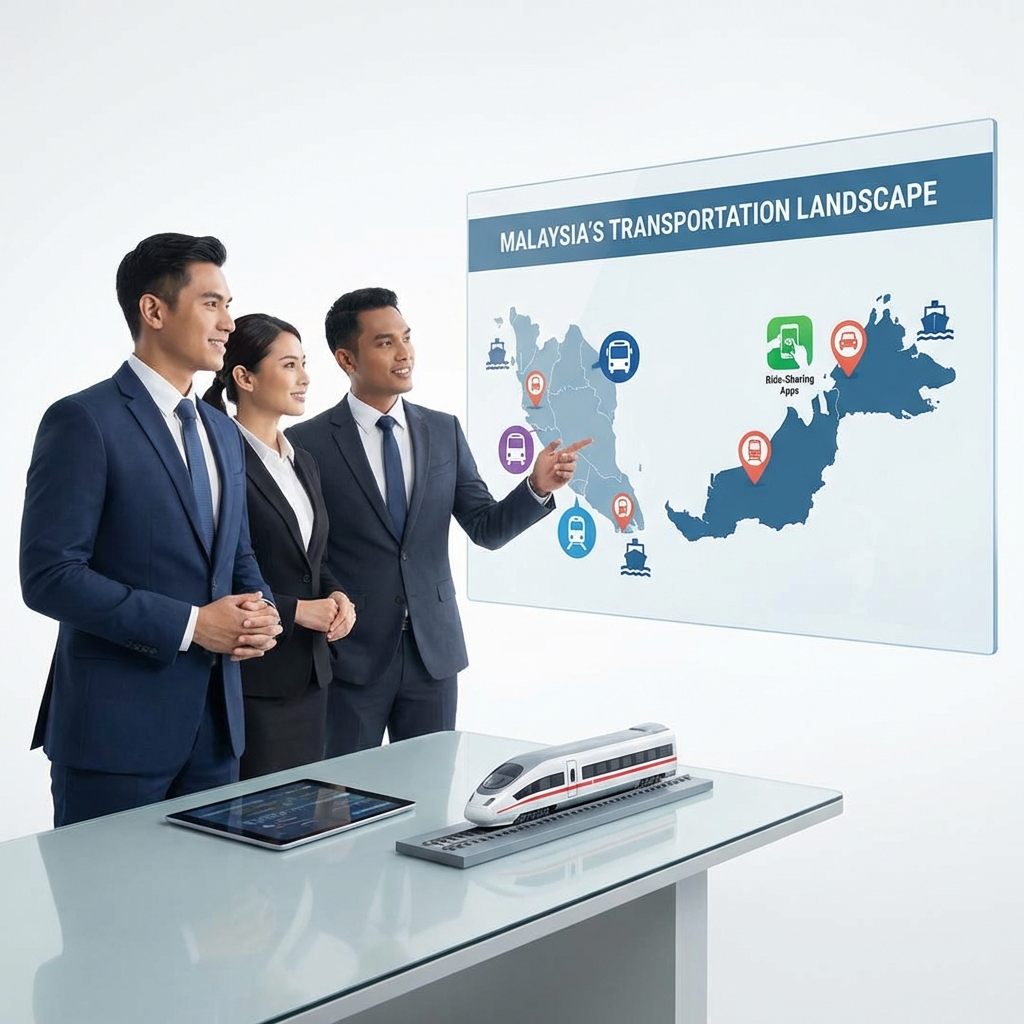
This market demand trend report of transportation field in malaysia aims to set the stage by offering an insightful overview of this critical sector. It delves into the current state of Malaysia’s transport infrastructure, evaluates its profound economic impact, and outlines the primary objectives of this comprehensive 2026 analysis. Understanding the evolving `market demand trends` within this sector is essential for policymakers, investors, and businesses seeking to navigate future growth opportunities and address emerging challenges in `Malaysia’s transportation landscape`.
1. Current State of Malaysia’s Transport Sector
Malaysia’s transport sector is characterized by a multi-modal network designed to support its economic activities and population distribution. Road transport remains dominant, with an extensive highway system connecting major cities and industrial hubs. However, significant investments are continuously being made to enhance other modes. The rail network, particularly urban light rail transit (LRT) and mass rapid transit (MRT) systems in Greater Kuala Lumpur, is expanding rapidly to combat urban congestion and promote `sustainable transportation`. Inter-city rail projects, such as the East Coast Rail Link (ECRL), promise to significantly boost connectivity and economic development in less accessible regions. Air travel is supported by well-developed international airports, serving as key regional hubs, while maritime transport thrives through strategic ports like Port Klang and Tanjung Pelepas, which are vital for international trade and `freight movement`. Digital transformation is also sweeping through the sector, with `logistics technology` and e-hailing services reshaping urban mobility and `supply chain resilience`.
2. Economic Impact and Contribution to GDP
The transportation sector’s contribution to Malaysia’s Gross Domestic Product (GDP) is substantial and multifaceted. Beyond direct revenue generation from transport services, it acts as a critical enabler for various other sectors, including manufacturing, agriculture, tourism, and retail. Efficient `transportation infrastructure` significantly reduces logistics costs, enhances market access for businesses, and attracts foreign direct investment, thereby fueling `economic growth Malaysia`. It facilitates the seamless movement of goods for export and import, underpinning Malaysia’s position as a trading nation. Furthermore, the sector is a major employer, creating numerous jobs in infrastructure development, operations, maintenance, and related services. Investments in `infrastructure development projects` not only stimulate immediate economic activity but also lay the groundwork for long-term productivity gains and national competitiveness, directly influencing the nation’s overall `economic significance` and prosperity.
3. Purpose and Scope of the 2026 Market Demand Report
This 2026 `market demand trend report of transportation field in malaysia` serves as a critical resource for stakeholders aiming to understand and capitalize on future opportunities. Its primary purpose is to provide a comprehensive analysis of the projected demand trends across various sub-sectors, including `urban mobility`, intercity travel, `public transport`, `freight transport`, and specialized logistics. The report will identify key drivers of demand, such as population growth, urbanization, e-commerce expansion, and shifts in consumer behavior. It will also highlight technological advancements like autonomous vehicles, electrification, and big data analytics, and their potential impact on the sector. The scope encompasses an in-depth examination of policy frameworks, regulatory changes, and environmental considerations that will shape the future of `Malaysia’s transportation landscape`. By offering data-driven insights and strategic recommendations, this report aims to equip businesses, government agencies, and investors with the intelligence needed to make informed decisions, foster innovation, and contribute to the sustainable development of Malaysia’s transport sector. For more insights into Malaysia’s transport policies and initiatives, please refer to the official Ministry of Transport Malaysia website.
Key Segment Analysis: Demand Trends Across Transportation Modes
Delve into specific segments of the transportation field, analyzing their current demand status, historical trends, and emerging patterns shaping their future. This market demand trend report of transportation field in malaysia offers a deep dive into the dynamics driving demand across key sectors, providing crucial insights for stakeholders.
-
Public Transportation: Urban Mobility & Ridership Demand
Malaysia’s urban centers, particularly the Klang Valley, have seen significant investments in public transportation infrastructure, including the MRT, LRT, and bus rapid transit (BRT) systems. The demand for public transportation is heavily influenced by factors such as urbanization, traffic congestion, fuel prices, and the availability of last-mile connectivity solutions. Historically, ridership saw a dip during the COVID-19 pandemic due to movement restrictions and work-from-home arrangements. However, with the full reopening of economic sectors and a renewed focus on sustainable urban mobility, ridership is steadily recovering. Emerging patterns indicate a growing preference for integrated multi-modal transport options, where users seamlessly transition between different public transport modes and feeder services. The government’s push for a car-lite society and initiatives like the free GO-KL bus service in Kuala Lumpur aim to further boost public transport demand. Key sub-keywords relevant here include: Malaysia public transport ridership, urban mobility Malaysia, public transport infrastructure, and transportation policy Malaysia. Future trends suggest increased adoption of cashless payment systems, real-time information apps, and improved accessibility to cater to diverse commuter needs, enhancing the overall user experience and driving sustained growth in ridership demand.
-
Logistics & Freight: E-commerce Boom & Supply Chain Dynamics
The Malaysian logistics and freight sector is experiencing an unprecedented boom, primarily fueled by the explosive growth of e-commerce. The shift in consumer behavior towards online shopping, accelerated by the pandemic, has created immense demand for efficient last-mile delivery and robust supply chain solutions. Historical trends show a consistent upward trajectory in parcel volumes and freight movements, with logistics providers rapidly expanding their warehousing, cold chain, and distribution networks. The demand is not just for speed but also for reliability, traceability, and cost-effectiveness. Emerging patterns include the adoption of automation and digitalization within warehouses, the rise of specialized logistics for niche markets (e.g., halal logistics, cold chain for pharmaceuticals), and the increasing importance of cross-border e-commerce logistics. Furthermore, global supply chain disruptions have highlighted the need for resilient and diversified logistics strategies, prompting investments in local manufacturing and warehousing capabilities. The Malaysian logistics sector outlook remains strong, with continuous innovation in areas like drone delivery and autonomous vehicles on the horizon. Sub-keywords for this segment include: logistics demand Malaysia, e-commerce logistics Malaysia, supply chain Malaysia, freight market trends, and last-mile delivery Malaysia.
-
E-hailing & Ride-Sharing: Market Penetration & Consumer Behavior
The e-hailing and ride-sharing market in Malaysia has matured significantly since its inception, transforming urban transportation and challenging traditional taxi services. Companies like Grab, AirAsia Ride, and others have achieved high market penetration, becoming integral to daily commutes for many Malaysians. Consumer behavior trends indicate a strong preference for the convenience, transparency, and often lower costs offered by these services compared to traditional alternatives. Historical data shows rapid adoption, especially among younger demographics and tourists. However, the sector faces challenges such as driver supply-demand imbalances, regulatory complexities, and intense competition, which influence pricing strategies and service availability. Emerging patterns suggest a diversification of services, including package delivery, food delivery integration, and subscription models to retain customer loyalty. There’s also a growing emphasis on electric vehicles (EVs) within e-hailing fleets, aligning with environmental sustainability goals and potentially reducing operational costs in the long run. The continued evolution of smartphone penetration and digital payment adoption will further shape this segment’s demand, solidifying its role in Malaysia’s diverse transportation landscape. Relevant sub-keywords include: e-hailing growth Malaysia, ride-sharing market share, and consumer transport behavior.
Drivers and Disruptors: Influencing Market Demand in Malaysia
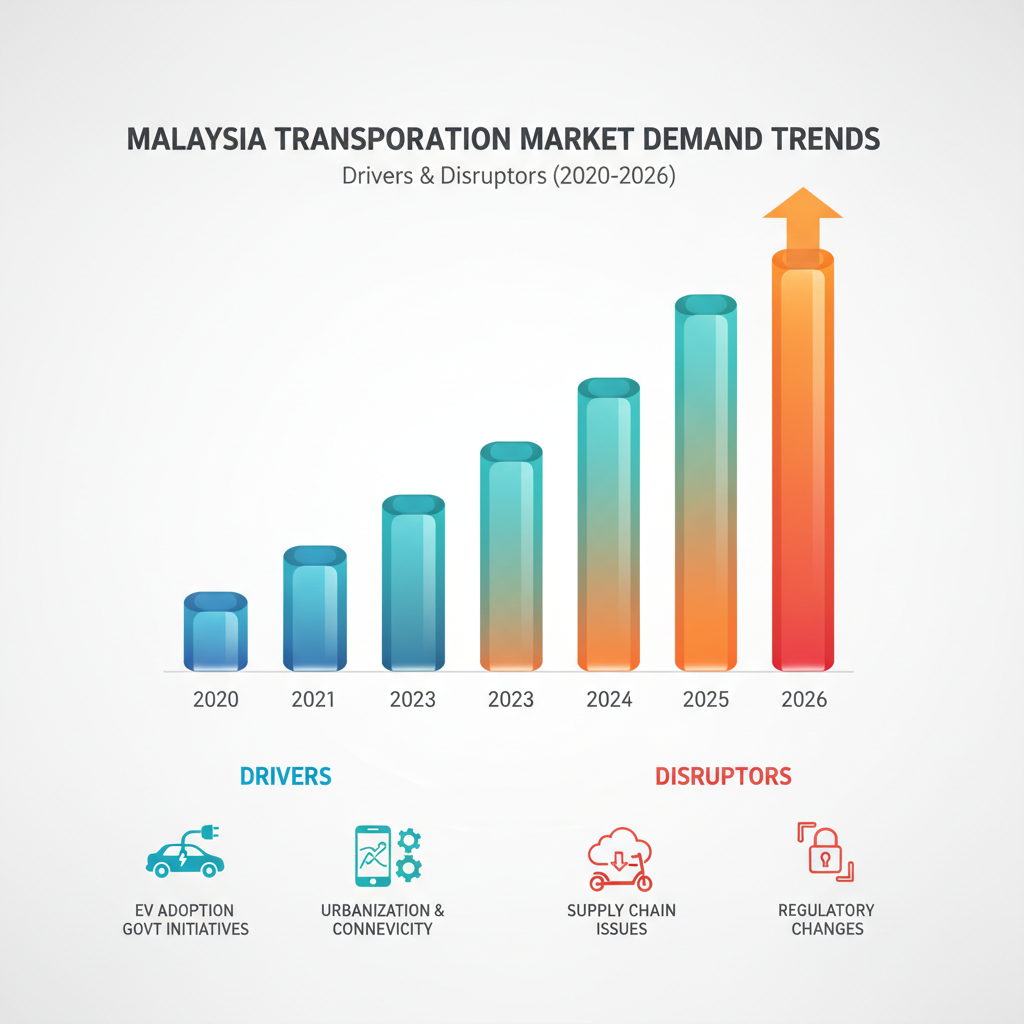
The transportation sector in Malaysia is experiencing a transformative period, driven by a confluence of technological innovation, strategic governmental initiatives, and evolving socio-economic landscapes. Understanding these dynamics is crucial for any market demand trend report of transportation field in Malaysia, as they collectively shape the future of mobility, logistics, and infrastructure development across the nation. From smart city initiatives to shifts in consumer behaviour, the forces at play are complex and interconnected, demanding a comprehensive analysis to navigate the rapidly changing environment.
1. Technological Innovations: EV Adoption, IoT, and AI Integration
Technological advancements are undoubtedly at the forefront of disrupting and reshaping transportation demand in Malaysia. The surge in EV adoption Malaysia, supported by government incentives and a growing charging infrastructure, signifies a major shift towards sustainable personal mobility. This transition impacts fuel demand, vehicle sales, and the entire automotive supply chain. Beyond individual vehicles, the integration of IoT transportation solutions is revolutionizing fleet management, public transit, and supply chain efficiency. Real-time tracking, predictive maintenance, and optimized route planning powered by IoT devices lead to significant operational improvements and altered demand for traditional logistics services.
Furthermore, the application of AI in logistics Malaysia is automating warehouses, optimizing delivery networks, and enhancing customer service. AI-driven analytics can predict demand fluctuations, manage inventory more effectively, and improve the overall resilience of the supply chain. This technological leap also underpins the development of smart city initiatives, where intelligent traffic management systems, autonomous public transport, and integrated mobility platforms are becoming increasingly prevalent. These innovations not only improve efficiency and reduce congestion but also redefine consumer expectations for speed, convenience, and environmental responsibility, fundamentally altering the consumer mobility preferences across urban and suburban areas. The relentless march of technology necessitates continuous adaptation for all stakeholders in the Malaysian transportation landscape.
2. Government Policies, Infrastructure Investments & Regulations
Governmental actions play a pivotal role in steering the trajectory of Malaysia’s transportation sector. Robust transportation infrastructure development, including expansions of highways, railways, and ports, directly influences logistics efficiency and accessibility, thereby stimulating economic activity and altering demand patterns. Projects like the East Coast Rail Link (ECRL) and various highway upgrades are not just about connectivity; they are strategic investments designed to redistribute economic growth and enhance trade flows, impacting the demand for freight and passenger services.
Beyond physical infrastructure, public transport policy initiatives aim to reduce reliance on private vehicles, particularly in dense urban areas. Investments in MRT, LRT, and bus rapid transit systems, coupled with efforts to improve first-mile/last-mile connectivity, are geared towards fostering a more sustainable and accessible public transportation ecosystem. Regulatory frameworks are also adapting to new realities; for instance, policies governing the ride-sharing economy have provided a legal and operational structure for services like Grab, significantly impacting traditional taxi services and shaping urban mobility choices. Moreover, governmental support for sustainable transportation initiatives, such as incentives for electric vehicles and public transport usage, is critical in driving the green transition. The Malaysian government’s commitment to these areas is evident in its long-term planning, as detailed in national development plans like the Twelfth Malaysia Plan, which underscores significant investments in infrastructure and sustainable development. For more insights into national infrastructure planning, consider reviewing reports from authoritative sources like the U.S. Energy Information Administration on Malaysia’s energy and infrastructure sector.
3. Socio-Economic Factors, Urbanization & Consumer Preferences
Underlying technological shifts and policy directives are the profound socio-economic transformations shaping transportation demand. Rapid urbanization impact on transport continues to concentrate populations in metropolitan areas, leading to increased demand for efficient intra-city travel solutions, yet simultaneously exacerbating congestion challenges. This demographic shift intensifies the need for integrated public transport systems and innovative urban mobility solutions.
The rise of the digital economy, particularly the surge in e-commerce, has fundamentally altered e-commerce logistics trends. Consumers expect faster, more reliable delivery services, driving exponential growth in the demand for last-mile delivery Malaysia. This has spurred innovation in parcel delivery networks, courier services, and warehousing strategies. Changing lifestyles and heightened environmental awareness among Malaysian consumers are also influencing transportation choices. There’s a growing preference for convenient, on-demand services, and a greater emphasis on eco-friendly options. This evolution in consumer mobility preferences is pushing providers to innovate, offering everything from micro-mobility solutions to subscription-based transit models. Understanding these intricate socio-economic dynamics is paramount for any comprehensive market demand trend report of transportation field in Malaysia, as they dictate the viability and acceptance of new transportation paradigms.
Challenges and Opportunities in the Malaysian Transport Market
The Malaysian transportation sector, a critical artery for economic growth and social connectivity, faces a dynamic landscape of significant obstacles and promising avenues for development. As the nation progresses, understanding the complex interplay of these factors is crucial for stakeholders interested in the market demand trend report of transportation field in malaysia. This section addresses the principal challenges while highlighting potential avenues for growth, innovation, and sustainable development, focusing on enhancing urban mobility, logistics efficiency, and overall infrastructure resilience.
1. Infrastructure Gaps, Congestion, and Environmental Concerns
Malaysia’s rapid urbanization, particularly in key economic hubs like Kuala Lumpur, has strained existing infrastructure, leading to prominent challenges. Infrastructure gaps persist, especially in expanding and upgrading public transport networks to meet growing demand. Traffic congestion remains a chronic issue in major cities, resulting in productivity losses and increased travel times. The heavy reliance on private vehicles contributes significantly to environmental concerns, including air pollution and carbon emissions, making the transition to green transport solutions imperative. While the country has made strides in expanding its railway and highway networks, maintaining and modernizing this infrastructure, along with developing robust public transport systems, continues to be a priority.
Opportunities in this area lie in accelerating investments in smart infrastructure. This includes deploying Intelligent Transport Systems (ITS) to manage traffic more effectively and investing in the expansion of electric vehicle (EV) charging networks to support the uptake of sustainable mobility solutions. Furthermore, embracing sustainable solutions like integrated urban planning and promoting non-motorized transport options can alleviate congestion and reduce the environmental footprint. Malaysia’s commitment to a sustainable transport future is encapsulated in initiatives like the National Transport Policy 2019-2030, which outlines a strategic direction for infrastructure development and environmental stewardship.
2. Digital Transformation & The Gig Economy’s Impact
The advent of digital technologies and the rise of the gig economy have profoundly reshaped the transportation landscape. On one hand, this presents challenges related to regulating new business models, ensuring fair worker conditions, and managing data privacy. Traditional logistics companies face pressure to adapt to new technologies and increased customer expectations for speed and transparency. On the other hand, the opportunities for innovation are immense. The proliferation of digital platforms has revolutionized ride-hailing services, food delivery, and e-commerce logistics, fostering greater efficiency and convenience. These platforms are crucial for enhancing urban mobility by offering flexible transport options and improving the efficiency of last-mile delivery, particularly in densely populated areas.
Malaysia can capitalize on this trend by fostering a conducive regulatory framework that encourages innovation while protecting consumer and worker rights. Investments in smart logistics, including AI-driven route optimization and drone delivery trials, can further streamline supply chains. The integration of big data analytics can provide valuable insights into consumer behavior and market demands, enabling more responsive and efficient transport services. This digital shift is not merely about technology adoption; it’s about fundamentally rethinking how people and goods move, creating new demand patterns reflected in any comprehensive market demand trend report of transportation field in malaysia.
3. Investment Potential and Public-Private Partnerships
Addressing the significant challenges and harnessing the opportunities in the Malaysian transport market requires substantial investment opportunities. Public funding alone may not suffice, making Public-Private Partnerships (PPPs) a vital mechanism for large-scale infrastructure development projects. These partnerships can bring in private sector expertise, efficiency, and capital, accelerating the implementation of critical projects ranging from port expansions to urban rail systems. Malaysia’s strategic geographical location also positions it as a regional logistics hub, attracting foreign direct investment (FDI) in areas such as port modernization and cross-border transport corridors.
The government’s long-term development plans, such as the 12th Malaysia Plan, often highlight key infrastructure projects and sustainable development goals, signaling clear investment targets. Focus areas include developing smart cities initiatives that integrate transport with other urban services, promoting the adoption of advanced transport technologies, and ensuring equitable access to transport across urban and rural areas. By fostering transparency, clear regulatory guidelines, and attractive incentive structures, Malaysia can draw both domestic and international investors. This collaborative approach is essential to build a resilient, efficient, and sustainable transport ecosystem that can continually adapt to evolving needs and contribute to a positive long-term market demand trend report of transportation field in malaysia, driving economic prosperity and improving the quality of life for its citizens.
Future Outlook and Strategic Recommendations for 2026
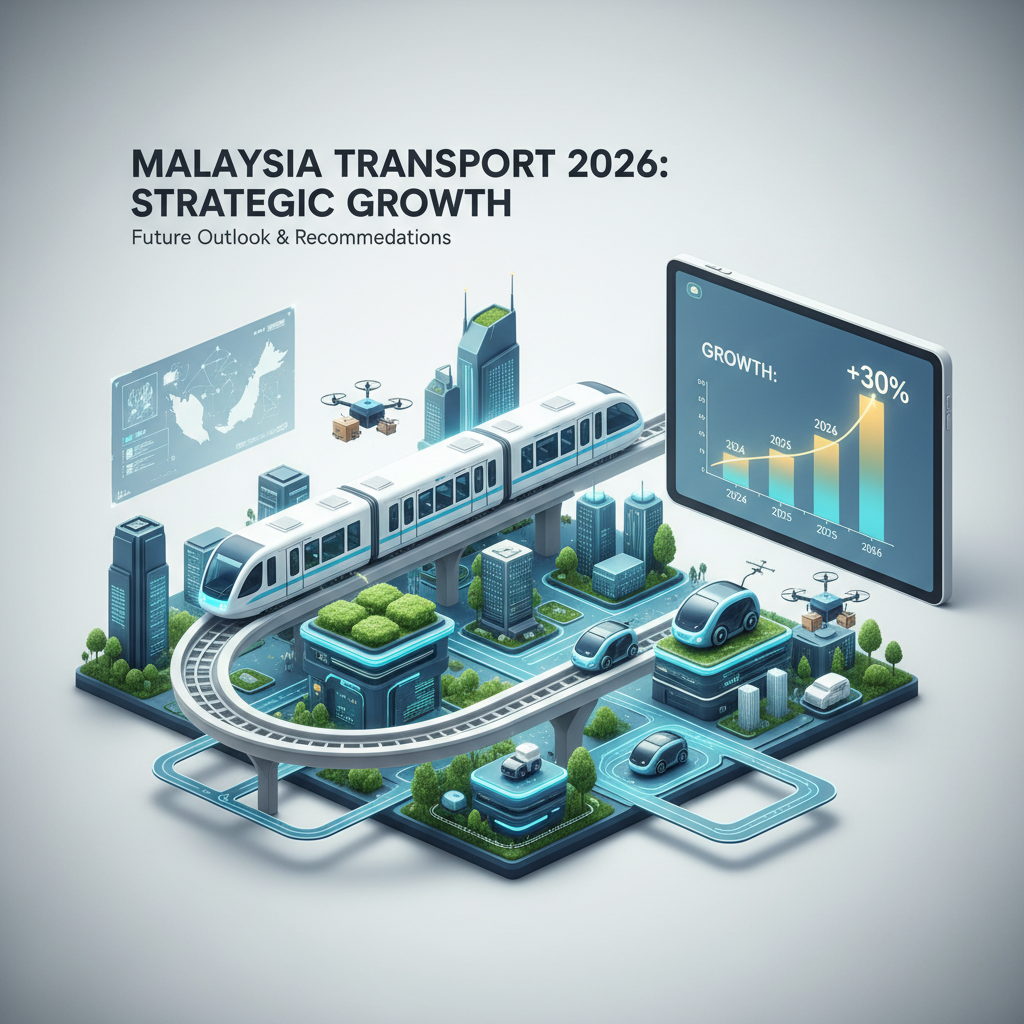
The Malaysian transportation market is poised for significant transformation, driven by an accelerating pace of digitalization, evolving consumer expectations, and a global push towards sustainability. This forward-looking perspective offers strategic recommendations for stakeholders, including operators and policymakers, aiming to navigate the complexities and capitalize on growth opportunities up to and beyond 2026. Understanding the nuanced shifts in market demand is crucial for any entity seeking to thrive in this dynamic sector.
1. Market Demand Forecasts & Growth Projections (2022-2026)
The Malaysian transportation sector is projected to experience robust growth, fueled by several key factors. Urbanization continues to drive demand for efficient public transport and last-mile delivery solutions in metropolitan areas. The exponential rise of e-commerce has fundamentally reshaped logistics, necessitating faster, more reliable, and cost-effective freight and parcel delivery services. Furthermore, increased disposable income among the burgeoning middle class will likely spur demand for personal mobility and regional travel.
Projections indicate a sustained uptick in freight volumes, particularly in segments supporting manufacturing and retail, while passenger transport will see a resurgence, albeit with a stronger emphasis on safety, convenience, and digital integration. A comprehensive market demand trend report of transportation field in malaysia reveals a growing inclination towards multimodal transport solutions, aiming to optimize efficiency and reduce environmental impact. The adoption of electric vehicles (EVs) and smart mobility services is also expected to accelerate, albeit from a smaller base, indicating a nascent but critical shift in consumer preference and policy direction.
2. Key Strategic Recommendations for Operators and Policymakers
For operators, the imperative is clear: embrace digital transformation and sustainability. Investing in advanced logistics technologies, such as AI-powered route optimization, real-time tracking, and automated warehousing, will be crucial for efficiency and competitive advantage. Diversifying service offerings to include specialized last-mile delivery, cold chain logistics, and green transport solutions will cater to evolving market niches. Furthermore, fostering strong partnerships across the supply chain can enhance resilience and operational synergy. Workforce upskilling, particularly in digital competencies and green logistics practices, is non-negotiable.
Policymakers, on the other hand, must focus on creating an enabling environment. This includes continued investment in critical infrastructure, such as smart highways, port expansions, and integrated public transport networks. Developing clear regulatory frameworks that encourage innovation, sustainable practices, and fair competition is paramount. Incentivizing the adoption of electric and autonomous vehicles, alongside supporting robust charging infrastructure, will accelerate the shift towards a greener transport ecosystem. Collaboration between government agencies and private sector stakeholders, as highlighted by official Malaysian transport policy directives from institutions like the Ministry of Transport Malaysia, is essential for holistic sector development.
3. Emerging Investment Hotspots and Innovation Areas
Several areas present significant investment opportunities. The development of smart logistics hubs, strategically located near industrial zones and urban centers, can optimize distribution networks. Investment in urban mobility solutions, including electric bike-sharing, micro-mobility services, and on-demand public transport, addresses the last-mile challenge effectively. Furthermore, the infrastructure for electric vehicles, encompassing charging stations and battery swapping networks, represents a burgeoning market.
Innovation will be particularly vibrant in areas such as data analytics for traffic management, predictive maintenance for fleets, and blockchain for supply chain transparency. Autonomous vehicle technology, while still in its nascent stages for widespread commercial deployment in Malaysia, remains a long-term area for research and development investment. The push for a circular economy also opens doors for innovations in reverse logistics and sustainable packaging. Companies that proactively identify and invest in these emerging trends will be best positioned to capture future market share and contribute to a resilient, efficient, and sustainable Malaysian transportation landscape.
Partner with Shelby Global
You are looking for reliable HR Sevice Suppliers? Contact Shelby Global Now! To connect with verified talents and upgrade your orginization.
—————————————
References
– Ministry of Transport Malaysia: https://www.mot.gov.my/en/about-us/corporate-info
– Logistics sector set to grow as digitisation, e-commerce booms: https://www.theedgemarkets.com/article/logistics-sector-set-grow-digitisation-ecommerce-booms
– U.S. Energy Information Administration on Malaysia’s energy and infrastructure sector: https://www.eia.gov/international/analysis/country/MYS
– :
– :



































































































