
Unpacking Vietnamese Fashion Consumer Behavior
Vietnam’s fashion landscape is a vibrant and rapidly evolving arena, significantly shaped by a dynamic consumer base. Understanding what drives Vietnamese consumers’ fashion choices is crucial for brands looking to thrive in this promising market. From ingrained cultural values to the relentless pace of globalization and digital transformation, a complex interplay of factors influences purchasing habits, brand loyalty, and preference shifts. This deep dive aims to unravel the intricacies of Vietnamese fashion consumer behavior, offering insights into their evolving tastes and expectations, critical for any market demand trend report of Fashion field in vietnam.

1. Influence of Demographics (Youth, Urbanization)
The demographic dividend is undeniably a primary driver of Vietnam’s fashion market. With over half of its population under 35, Vietnam boasts a youthful and fashion-conscious demographic eager for self-expression through clothing. This younger generation, often referred to as Gen Z and Millennials, has greater disposable income compared to previous generations and is highly receptive to global trends. Urbanization further amplifies this trend; as more people migrate to cities like Ho Chi Minh City and Hanoi, they gain exposure to diverse fashion influences, international brands, and modern retail experiences. This urban population is also more inclined to embrace new styles, pushing the demand for both fast fashion Vietnam options and aspirational luxury fashion Vietnam items. Their desire for individuality, coupled with increasing access to information, means brands must constantly innovate and offer unique collections to capture their attention.
2. Digital Adoption and Online Shopping Habits
The digital revolution has profoundly reshaped how Vietnamese consumers discover, evaluate, and purchase fashion items. With one of the highest internet penetration rates in Southeast Asia and widespread smartphone adoption, online shopping has become an indispensable part of their daily lives. E-commerce platforms, social media, and live streaming have transformed into powerful channels for fashion brands. Consumers increasingly turn to platforms like Shopee, Lazada, and TikTok for inspiration, product reviews, and direct purchases. The convenience of doorstep delivery, competitive pricing, and a wider variety of options are key motivators for the growth of e-commerce fashion Vietnam. The widespread use of mobile payments and efficient logistics networks further fuels this trend, making online retail a dominant force. According to the e-Conomy SEA 2023 Report by Bain & Company, Vietnam’s digital economy continues its rapid expansion, with e-commerce playing a pivotal role, indicating a persistent surge in online shopping across all categories, including fashion.
3. Brand Perception and Loyalty Factors
Brand perception and loyalty among Vietnamese fashion consumers are multifaceted. While price and practicality remain important, especially for everyday wear, there’s a growing emphasis on quality, design, and brand story. Local brands that successfully blend traditional aesthetics with contemporary styles are gaining significant traction, appealing to a sense of national pride and cultural identity. However, international brands, particularly those associated with prestige and global trends, also hold strong appeal, especially in the luxury fashion Vietnam segment. For many consumers, a brand’s reputation for sustainability and ethical practices is becoming increasingly influential. The rise of sustainable fashion Vietnam indicates a shift towards more conscious consumption, where environmental and social impact factors into purchasing decisions. Loyalty is often fostered through consistent quality, effective engagement on social media, personalized experiences, and value-added services. Brands that resonate with the aspirations and values of Vietnamese consumers, whether through innovative design, cultural relevance, or a commitment to sustainability, are more likely to build lasting relationships in this dynamic market.
The Rise of E-commerce and Digital Transformation in Vietnam Fashion
Vietnam’s fashion landscape is undergoing a dramatic transformation, driven by the rapid adoption of e-commerce and a comprehensive digital revolution. For any comprehensive market demand trend report of Fashion field in Vietnam, understanding this shift is paramount. The nation’s young, digitally savvy population and increasing internet penetration have created fertile ground for online platforms to reshape how fashion products are discovered, marketed, and purchased. This digital surge has not only introduced new retail models but also fundamentally altered consumer engagement strategies, pushing traditional brands to innovate and new players to emerge.
1. Dominant E-commerce Platforms and Market Share
The ascendancy of e-commerce platforms has been a defining feature of Vietnam’s digital fashion evolution. Giants like Shopee, Lazada, Tiki, and Sendo have carved out significant market shares, fundamentally altering the retail ecosystem. Shopee, in particular, has become a household name, leveraging aggressive marketing, free shipping promotions, and a vast network of sellers and buyers. These platforms offer unparalleled convenience, a wide array of products from local boutiques to international brands, and competitive pricing, making them the go-to destinations for millions of Vietnamese consumers. Their robust logistics networks, secure payment gateways, and user-friendly interfaces have significantly lowered barriers to entry for fashion businesses, enabling even small independent designers to reach a nationwide audience. This vibrant environment has fueled substantial Vietnam fashion e-commerce growth, with online sales consistently outpacing traditional brick-and-mortar retail in recent years.
2. Social Commerce and Influencer Marketing Trends
Beyond traditional e-commerce marketplaces, social commerce has emerged as a powerful force in the Vietnamese fashion industry, capitalizing on the country’s high social media penetration rates. Platforms like Facebook, Instagram, and TikTok are no longer just for social interaction; they are bustling storefronts where brands connect directly with consumers. This phenomenon is inextricably linked to the rise of influencer marketing. Key Opinion Leaders (KOLs) and Key Opinion Consumers (KOCs) wield significant influence, shaping trends and driving purchasing decisions through authentic content, product reviews, and styling tips. Live streaming commerce, particularly popular on platforms like TikTok Shop and Facebook Live, allows brands to showcase products in real-time, interact directly with potential buyers, and offer exclusive deals, creating an immersive and interactive shopping experience. The immediate feedback loop and sense of urgency generated by live sales events have proven incredibly effective for consumer engagement fashion Vietnam, fostering a community around brands and products.
3. Challenges and Opportunities for Online Fashion Brands
While the digital landscape presents immense opportunities, online fashion brands in Vietnam also navigate a unique set of challenges. Intense competition, fragmented logistics infrastructure, and the persistent preference for cash-on-delivery payments among certain demographics require sophisticated strategies. Building customer trust in the quality and authenticity of products, especially in a market grappling with counterfeits, remains a critical hurdle. Furthermore, managing returns and exchanges efficiently is crucial for customer satisfaction and retention. However, these challenges are overshadowed by substantial opportunities. The ability to leverage data analytics for personalized marketing campaigns, target niche markets with precision, and reduce overheads associated with physical retail are significant advantages. The burgeoning demand for sustainable and ethical fashion, coupled with the potential for cross-border e-commerce, offers avenues for innovative brands to differentiate themselves. Brands that invest in robust digital marketing fashion Vietnam strategies, prioritize customer experience, and adapt their online fashion retail models Vietnam to local preferences are best positioned to thrive in this evolving market. Continuous adaptation and a deep understanding of consumer behavior will be key to unlocking the full potential of Vietnam’s digital fashion future.
Emerging Fashion Trends and Sustainable Practices
The Vietnamese fashion landscape is undergoing a dynamic transformation, reflecting a blend of global influences and deep-rooted local heritage. As consumer preferences evolve and global environmental awareness intensifies, the market demand trend report of Fashion field in Vietnam reveals a clear shift towards innovative styles and, critically, a heightened emphasis on sustainability and ethical production. This exploration delves into the latest stylistic movements shaping the industry, alongside the escalating importance of responsible practices that are redefining what it means to be fashionable in Vietnam today.
1. Key Style Trends (Streetwear, Athleisure, Traditional Fusion)
Vietnam’s youth culture is a powerful engine driving contemporary fashion trends, readily embracing and adapting global styles while infusing them with local flair. Streetwear, characterized by its comfortable yet edgy aesthetic, has found a strong foothold, with oversized silhouettes, graphic tees, and statement sneakers dominating urban wardrobes. This trend reflects a desire for self-expression and individuality among younger demographics. Simultaneously, athleisure continues its ascent, blurring the lines between gym wear and casual attire. Functional fabrics, sporty designs, and comfortable activewear pieces are increasingly integrated into daily fashion, driven by a growing health-conscious lifestyle and the need for versatile clothing.
Perhaps the most distinctive and culturally rich trend is ‘Traditional Fusion.’ Local designers are masterfully reinterpreting classic Vietnamese elements – from the elegant lines of the Áo dài and Áo bà ba to intricate embroidery and vibrant silk patterns – into contemporary designs. This fusion creates unique garments that honor heritage while appealing to modern sensibilities, offering a fresh perspective on national identity within fashion. Brands are experimenting with traditional motifs on modern cuts, using sustainable fabrics, and crafting pieces that are both globally appealing and distinctly Vietnamese, showcasing the ingenuity within the Vietnamese fashion industry.
2. The Growing Demand for Eco-friendly and Ethical Fashion
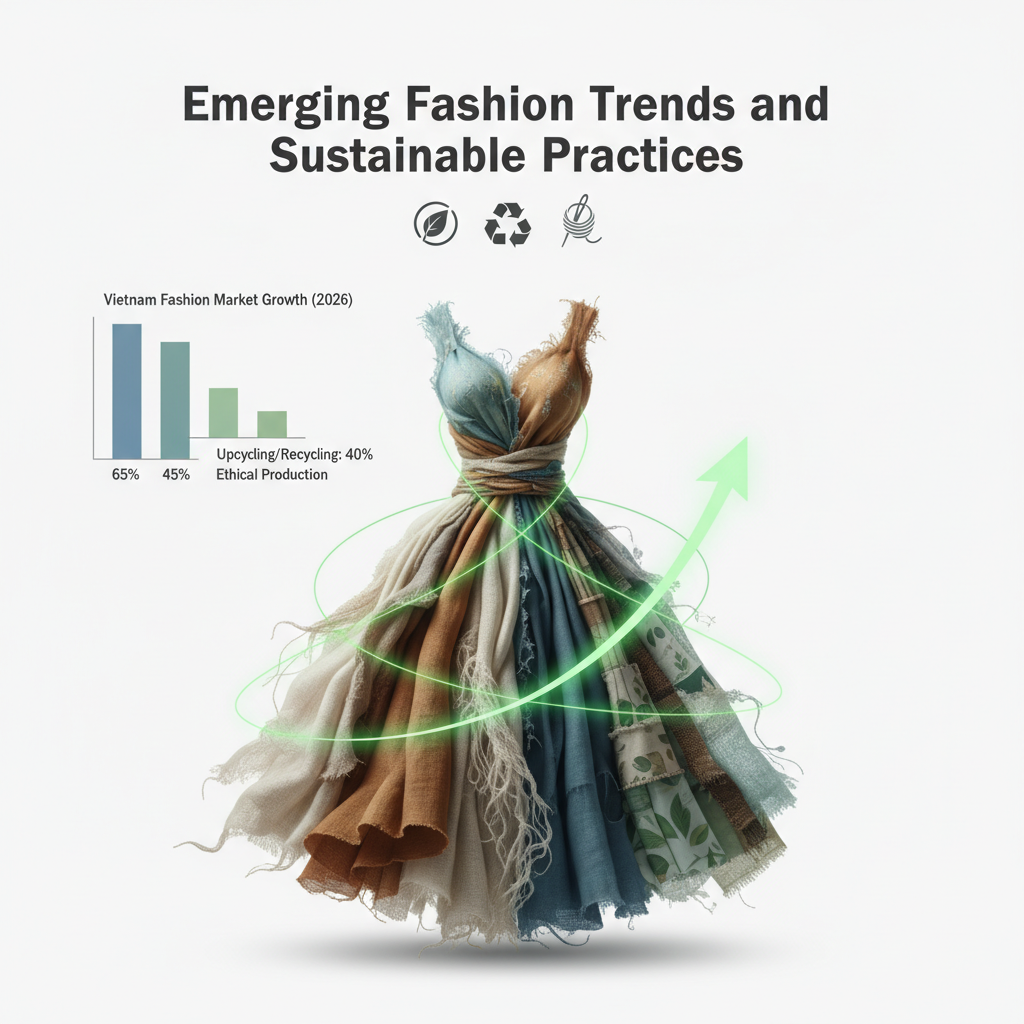
The global push for environmental responsibility has profoundly impacted the Vietnamese fashion scene, leading to a significant surge in demand for sustainable fashion Vietnam. Consumers, especially younger generations, are becoming increasingly aware of the environmental footprint of their clothing choices. This awareness fuels a preference for brands that prioritize eco-friendly materials, such as organic cotton, linen, hemp, and recycled polyester, as well as innovative bio-based fabrics. Brands that adopt transparent production processes, minimize waste, and conserve resources are gaining a competitive edge.
Beyond ecological concerns, there’s a burgeoning emphasis on ethical production Vietnam. This includes ensuring fair wages, safe working conditions, and preventing exploitation throughout the supply chain. Consumers are seeking assurance that their garments are not only environmentally sound but also produced without harm to human labor. Certifications and clear communication about sourcing and manufacturing practices are becoming crucial for brands looking to build trust and meet this evolving consumer expectation. This shift aligns with broader global movements towards responsible consumption and production, as highlighted in reports like the State of Sustainable Fashion Report, influencing how local brands operate and communicate their values.
3. Local Designers and Niche Market Innovations
The vibrant ecosystem of local fashion designers and independent brands is a testament to the innovation simmering within the Vietnamese market. These designers are not just replicating global trends; they are actively shaping new aesthetics and catering to specific, often underserved, niche markets. From minimalist aesthetics to avant-garde creations, and from gender-fluid collections to specialized artisanal crafts, local talents are demonstrating remarkable creativity and business acumen. Many are leveraging digital platforms and social media to connect directly with their audience, fostering a sense of community and authenticity.
These innovators are often at the forefront of experimenting with sustainable practices, integrating zero-waste design, upcycling existing materials, or collaborating with local artisans to preserve traditional craftsmanship while offering contemporary appeal. Their agility allows them to respond quickly to emerging micro-trends and consumer feedback, creating unique value propositions. This ground-up innovation is crucial for the diversification and long-term resilience of the Vietnamese fashion industry, positioning it as a dynamic hub for creativity and responsible production. The growth of these niche markets not only enriches the local fashion scene but also presents unique opportunities for international collaboration and market expansion, further solidifying Vietnam’s place on the global fashion map.
Future Outlook and Strategic Recommendations for Fashion Brands
The Vietnamese fashion market is a vibrant and rapidly evolving landscape, presenting both immense opportunities and unique challenges for brands looking to establish or expand their presence. With a burgeoning middle class, a youthful demographic, and increasing digital adoption, Vietnam is poised to become a significant player in the global fashion arena. To thrive in this dynamic environment, brands must adopt forward-looking strategies, understand nuanced consumer behavior, and embrace technological advancements. This section provides a strategic roadmap for navigating the future of fashion in Vietnam.
1. Forecasting Market Growth to 2026 and Beyond
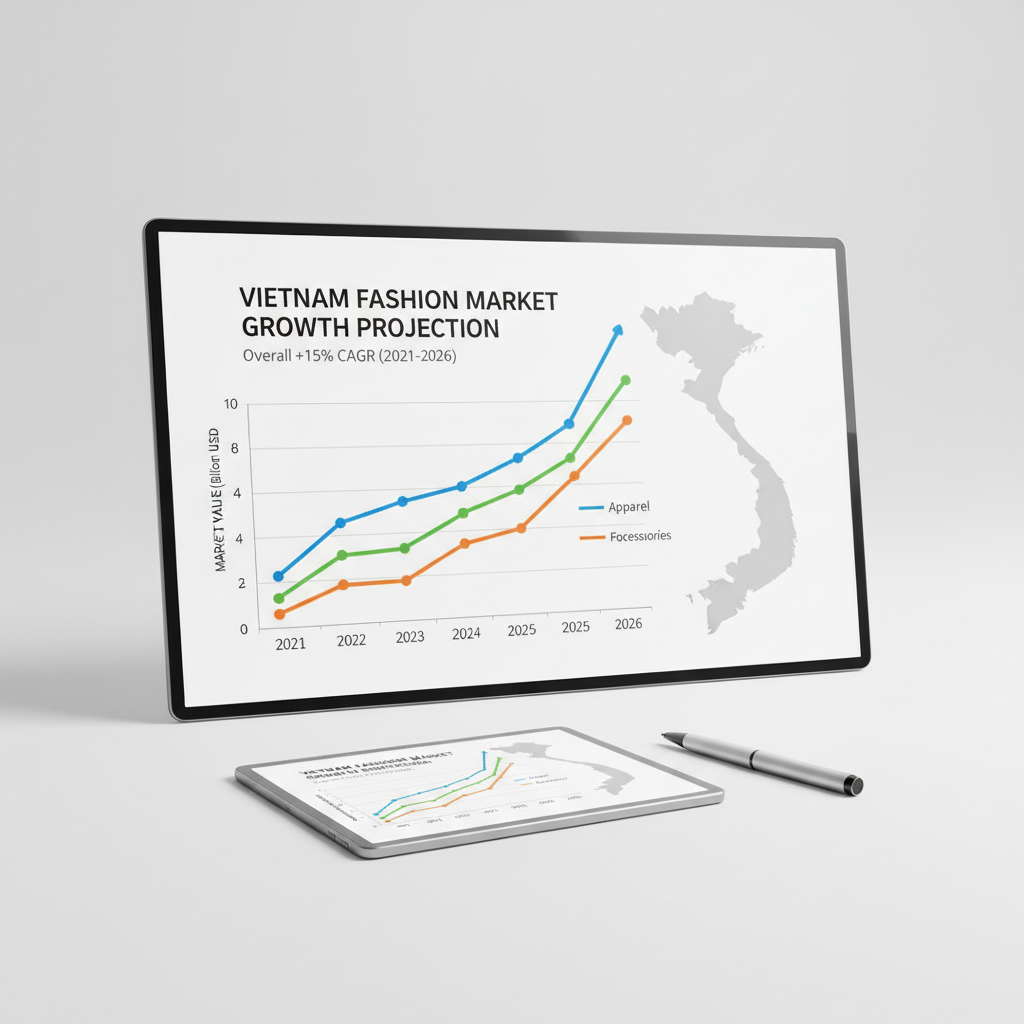
The Vietnamese fashion market is on a robust growth trajectory, propelled by several key demographic and economic factors. Projections indicate sustained expansion well beyond 2026, driven by rising disposable incomes, rapid urbanization, and a predominantly young, fashion-conscious population. Vietnam’s economic stability and increasing integration into global trade further fuel this growth, making it an attractive destination for both local and international fashion brands. Consumers are increasingly seeking diversified styles, higher quality, and branded apparel, moving beyond basic necessities to express personal identity through fashion. This shift signifies a maturing market where trends are quickly adopted and consumer preferences are becoming more sophisticated. According to market insights, the apparel market in Vietnam is expected to continue its upward revenue trend, underscoring the potential for significant returns for strategically positioned brands. For a detailed overview of market size and predictions, authoritative sources like Statista’s Apparel Market in Vietnam provide valuable insights into this expanding sector, reinforcing the optimistic outlook for Vietnamese fashion market growth.
2. Investment Opportunities and Partnership Potentials
The growth trajectory of the Vietnamese fashion market opens up a plethora of investment opportunities. A prominent area for investment is sustainable fashion Vietnam, where consumers are showing increased awareness and preference for ethical production, eco-friendly materials, and transparent supply chains. Brands investing in these areas can build strong consumer loyalty and differentiate themselves in a competitive market. Furthermore, strengthening digital infrastructure, including advanced e-commerce platforms, efficient logistics, and secure payment gateways, is crucial for capturing the online segment. There’s also significant potential in local manufacturing capabilities, leveraging Vietnam’s skilled workforce and established textile industry to produce high-quality garments. Strategic partnerships are equally vital. Collaborations with local designers can offer unique cultural insights and cater to specific local tastes, while partnerships with influencers and tech startups (e.g., for augmented reality (AR) try-ons or AI-driven recommendations) can enhance brand reach and customer experience. Engaging with local distributors and educational institutions for talent development can also foster a supportive ecosystem, ensuring long-term success and market penetration.
3. Adapting to Consumer Expectations and Technological Advancements
To thrive, fashion brands must be highly responsive to evolving consumer expectations and embrace rapid technological advancements. Vietnamese consumers increasingly demand authenticity, transparency, and personalization in their fashion choices. They value brands that demonstrate social responsibility, offer clear sourcing information, and provide tailored experiences. The convenience of omnichannel shopping – seamlessly integrating online and offline experiences – is no longer a luxury but a necessity. Brands must offer consistent service, inventory visibility, and personalized recommendations across all touchpoints. Technological advancements are revolutionizing the fashion retail landscape. E-commerce in Vietnam continues its dominance, necessitating mobile-first strategies and intuitive user interfaces. Artificial intelligence (AI) and machine learning (ML) can optimize inventory, forecast trends, and provide hyper-personalized product suggestions. Augmented reality (AR) and virtual reality (VR) offer immersive shopping experiences, allowing customers to virtually try on clothes or visualize products in their own space. Blockchain technology can enhance supply chain transparency and combat counterfeiting, building greater trust. Moreover, social commerce, leveraging platforms like TikTok, Facebook, and Instagram, is critical for direct engagement and driving sales. Staying ahead requires continuous innovation and agility to adapt to these shifts, as detailed in any comprehensive market demand trend report of Fashion field in Vietnam.
In conclusion, the Vietnamese fashion market offers a compelling future for brands willing to innovate and strategically position themselves. By understanding market dynamics, embracing sustainable practices, fostering key partnerships, and leveraging technology to meet evolving consumer expectations, fashion brands can unlock significant growth and build lasting success in this exciting Southeast Asian economy.
Market Demand Trend Report: Decoding the Fashion Landscape in Vietnam
Vietnam’s fashion industry is experiencing a profound transformation, driven by a dynamic interplay of evolving consumer preferences, rapid digital adoption, and a growing emphasis on sustainability. For businesses, investors, and designers alike, understanding these intricate shifts is paramount to unlocking success in this vibrant market. This comprehensive market demand trend report of Fashion field in Vietnam delves into the key drivers shaping the industry, offering insights into consumer behavior, the burgeoning e-commerce ecosystem, and the rising tide of local and sustainable fashion movements. As one of Southeast Asia’s fastest-growing economies, Vietnam presents a unique landscape where global influences meet deep-rooted cultural aesthetics, creating a challenging yet highly rewarding environment for those who can navigate its trends effectively.
1. The Shifting Tides of Vietnamese Consumer Preferences
The Vietnamese fashion consumer is increasingly sophisticated, driven by a young, tech-savvy population with growing disposable incomes. This demographic dividend, coupled with increased exposure to international trends via social media, has fueled a demand for diverse and up-to-date styles. While price remains a significant factor, there’s a noticeable shift towards valuing quality, brand reputation, and unique designs. Vietnamese consumers, particularly Gen Z and Millennials, are highly influenced by online personalities and influencers, often turning to platforms like Instagram, Facebook, and TikTok for inspiration and product discovery. This leads to rapid trend cycles and a strong desire for personalization and authenticity. Understanding specific Vietnamese fashion consumer behavior — from their preferred shopping channels to their style aspirations — is crucial for brands looking to resonate deeply within this market. The expanding middle class also contributes to a higher willingness to experiment with various fashion segments.
2. Digital Transformation and E-commerce Dominance in Fashion
The digital revolution has profoundly reshaped the retail landscape in Vietnam, with e-commerce emerging as a dominant force in the fashion sector. Platforms like Shopee, Lazada, and TikTok Shop have become integral to the shopping experience, offering unparalleled convenience, competitive pricing, and a vast selection. Mobile commerce, in particular, has seen explosive growth, with consumers increasingly making purchases directly from their smartphones. This digital pivot extends beyond transactional activities; social commerce, live streaming, and personalized digital marketing campaigns are now essential tools for engaging consumers. Brands that effectively leverage data analytics, artificial intelligence for recommendations, and immersive online experiences are gaining significant market share. Navigating the nuances of E-commerce fashion Vietnam requires not just an online presence, but a robust digital strategy encompassing everything from secure payment gateways to efficient logistics. For a deeper dive into these transformative shifts, explore our comprehensive market demand trend report of Fashion field in Vietnam insights.
3. The Rise of Sustainable and Local Fashion Movements
An increasingly environmentally conscious global community has found resonance within Vietnam, leading to a burgeoning demand for sustainable and ethical fashion. Consumers are becoming more aware of the environmental and social impact of their clothing choices, prompting brands to adopt greener practices, from sourcing eco-friendly materials to ensuring transparent supply chains. This trend is not merely a niche but a significant movement shaping future purchasing decisions, particularly among younger demographics who prioritize responsible consumption. Simultaneously, there’s a powerful resurgence of interest in local Vietnamese fashion brands and designers. These local players often blend traditional aesthetics with contemporary designs, offering unique products that celebrate cultural heritage while appealing to modern tastes. The “buy local” movement is gaining traction, driven by a desire to support domestic industries and a preference for handcrafted, quality items over mass-produced goods. This push towards Sustainable fashion Vietnam and the growing prominence of Local fashion brands Vietnam signify a maturing market that values both global standards of responsibility and the authenticity of homegrown talent. According to a report by Nikkei Asia, Vietnam’s expanding middle class is a significant driver of this diversified consumption, including a greater appetite for ethical and locally-produced goods.
In conclusion, the fashion landscape in Vietnam is a vibrant ecosystem characterized by rapid change and immense potential. Brands and businesses that actively monitor these demand trends, adapt to evolving consumer behaviors, embrace digital innovation, and commit to sustainable practices will be best positioned for long-term success. The insights from this market demand trend report serve as a crucial guide for strategic planning and execution in Vietnam’s exciting fashion future.
Partner with Shelby Global
You are looking for reliable HR Sevice Suppliers? Contact Shelby Global Now! To connect with verified talents and upgrade your orginization.
—————————————
References
– e-Conomy SEA 2023 Report by Bain & Company: https://www.bain.com/insights/e-conomy-sea-2023/
– Statista: E-commerce Revenue in Vietnam: https://www.statista.com/outlook/dmo/ecommerce/vietnam
– State of Sustainable Fashion Report: https://www.commonobjective.co/article/the-state-of-sustainable-fashion
– Statista’s Apparel Market in Vietnam: https://www.statista.com/outlook/apa/apparel/vietnam
– Nikkei Asia: https://asia.nikkei.com/Economy/Vietnam-s-growing-middle-class-drives-consumption