
Overview of Vietnam’s Film Industry Landscape
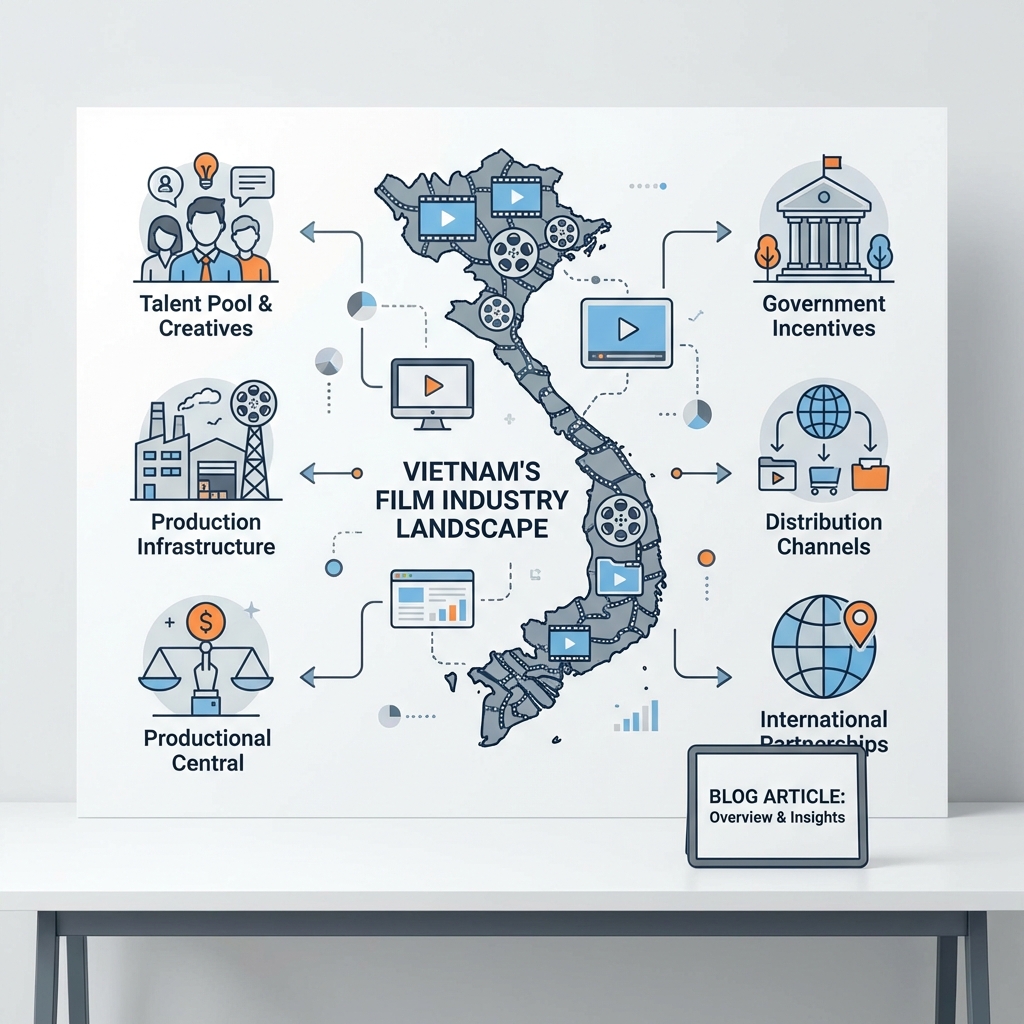
Vietnam’s film industry is a dynamic and rapidly evolving sector, presenting a fascinating case study for market analysts and cultural enthusiasts alike. Once dominated by state-sponsored narratives, the landscape has transformed into a vibrant market increasingly driven by diverse content and robust audience engagement. Understanding the current state, historical trajectory, and the interplay of key participants is crucial for anyone looking to grasp the market demand trend report of Films field in vietnam. This section delves into the foundational elements shaping the Vietnamese film market, from its storied past to its promising future.
1. Historical Growth & Milestones of Vietnamese Cinema
The history of Vietnamese cinema is deeply intertwined with the nation’s political and social narratives. Emerging in the 1950s, early films primarily conveyed revolutionary ideals. The “Đổi Mới” (renovation) economic reforms in 1986 marked a significant turning point, gradually opening the door for private production and broader thematic content. This era saw a shift from propaganda to films exploring personal struggles and social issues. While initially struggling against imported content, the early 2000s witnessed a resurgence with a new generation of filmmakers and private studios. The last decade has been truly transformative, characterized by significant box office growth, particularly for local productions. This exponential growth showcases a robust domestic appetite for Vietnamese stories, making it a key focus for any market demand trend report of Films field in vietnam. Audiences increasingly flock to cinemas for locally made blockbusters that blend genre appeal with cultural relevance, often outperforming Hollywood fare. This trend is a clear indicator of evolving consumer preferences in the films field in Vietnam.
2. Key Players: Local Production Houses & International Distributors
The Vietnamese film industry ecosystem is a complex interplay of local ingenuity and international investment. On the domestic front, several production houses have emerged as powerhouses, consistently delivering commercially successful films. Companies like Galaxy Studio, BHD, and HKFilm are pioneers in production, distribution, and exhibition, often operating their own cinema chains. Their understanding of local tastes allows them to tailor content that resonates deeply with Vietnamese audiences, driving significant box office revenues. Joint ventures, such as CJ HK Entertainment (a partnership between South Korea’s CJ ENM and Vietnam’s HKFilm), also play a crucial role, bringing international production standards and marketing prowess. The exhibition sector is largely dominated by international players, primarily South Korean conglomerates like CGV and Lotte Cinema, alongside Vietnam’s own Galaxy Cinema. These chains command a vast network of modern cinemas. International distributors also ensure a diverse film offering. This collaborative yet competitive environment among these key players directly influences the supply side of the market demand trend report of Films field in vietnam, dictating the types of films produced, distributed, and consumed, and ultimately shaping audience preferences in the films field in Vietnam.
3. Regulatory Environment & Government Support for Film Development
The Vietnamese government, primarily through the Ministry of Culture, Sports and Tourism (MoCST), plays a significant role in shaping the film industry. The regulatory framework encompasses film licensing, censorship, and classification, aimed at ensuring content aligns with national cultural values. While stringent, these regulations are complemented by active government support to foster local cinema growth. Initiatives include funding programs for film production, support for participation in international film festivals, and policies to promote Vietnamese films domestically and abroad. The government also champions film education and infrastructure, recognizing cinema’s potential for economic contribution and cultural diplomacy. Efforts are continually made to streamline administrative procedures for investors. This supportive, albeit carefully controlled, environment is a critical factor influencing investment decisions and creative output within the films field in Vietnam. Understanding these policies is paramount for any comprehensive analysis of the Vietnamese film market, as they directly impact production viability and distribution. The government’s strategic outlook underscores its commitment to nurturing a vibrant national cinema, an aspect often highlighted in reports on the region’s cultural economy. Recent industry reports highlight how local productions, often bolstered by domestic policies, are propelling Vietnam’s box office to record highs, demonstrating the effectiveness of integrated support systems.
In conclusion, the Vietnamese film industry stands at a fascinating juncture, characterized by strong historical roots, a dynamic competitive landscape, and proactive government involvement. The continued growth in audience numbers and the increasing quality of local content suggest a promising trajectory for the films field in Vietnam, making it a market ripe for further analysis and investment.
Current Market Demand & Consumption Patterns
In recent years, Vietnam’s film industry has witnessed a dynamic transformation, driven by evolving consumer behaviors and technological advancements. Understanding the current market demand and consumption patterns is crucial for stakeholders aiming to thrive in this rapidly expanding sector. This section delves into what Vietnamese audiences are currently watching, their preferences, and how box office performance alongside the rise of streaming platforms are profoundly influencing film consumption. The insights here contribute to a comprehensive market demand trend report of Films field in Vietnam, highlighting key shifts and opportunities.
1. Audience Demographics & Evolving Film Preferences
Vietnam’s film audience is predominantly young and digitally native, with a significant portion residing in urban centers. This demographic shapes a vibrant, yet discerning, taste in cinema. Preferences are increasingly diverse, though a strong inclination towards local Vietnamese films, particularly those that blend comedy, drama, and elements of national identity, remains evident. Genres like romantic comedies, horror, and action films, whether local or international, consistently attract large viewership. However, audiences are also showing a growing appetite for well-produced, thought-provoking dramas that offer depth and high production value. The influence of global cinema, especially K-dramas and Hollywood blockbusters, has further sophisticated local tastes, pushing Vietnamese filmmakers to elevate their craft. This continuous evolution in preferences underscores the need for constant monitoring to capture the intricate nuances of the market demand trend report of Films field in Vietnam.
2. Box Office Performance Analysis & Revenue Streams
The Vietnamese box office has demonstrated remarkable resilience and growth, albeit with fluctuations impacted by global events like the pandemic. Local blockbusters often outperform international releases, signaling a robust domestic market. Films like “Bố Già” (Dad, I’m Sorry) and “Hai Phượng” (Furie) have broken revenue records, proving the commercial viability of high-quality local content. Revenue streams for films primarily revolve around ticket sales, but there’s a burgeoning interest in secondary markets. While merchandise and licensing are still nascent, they represent potential future growth avenues. The success of a film is not just measured by its opening weekend but by its sustained performance, driven by word-of-mouth and effective marketing campaigns. The recovery post-pandemic saw a significant rebound, with cinemas adapting to new safety protocols and audiences eager to return to the communal experience of movie-watching. For a deeper dive into the specific metrics and financial health, industry players often consult a detailed market demand trend report of Films field in Vietnam.
3. The Impact of Streaming Services (OTT) on Film Consumption
The advent and rapid expansion of Over-The-Top (OTT) streaming services have undeniably reshaped film consumption patterns in Vietnam. Platforms like Netflix, FPT Play, VieON, and Galaxy Play have introduced unprecedented accessibility and convenience, allowing audiences to consume content on-demand, anytime and anywhere. This has led to a noticeable shift from traditional cinema-going for casual viewing to a more curated approach, where cinema attendance is reserved for blockbuster events or highly anticipated releases. OTT platforms are also heavily investing in original Vietnamese content, creating a new ecosystem for local filmmakers and broadening viewing options. While some initially feared OTT would cannibalize the cinema market, it appears to be more complementary, catering to different consumption occasions and preferences. The subscription model of these services also adds another significant revenue stream to the overall film ecosystem. This dual consumption model – traditional cinema and digital streaming – forms a crucial part of understanding the comprehensive market demand trend report of Films field in Vietnam. According to a report by Statista, the revenue in the Video Streaming (SVoD) market in Vietnam is projected to reach US$121.30m in 2024, indicating a strong growth trajectory for digital consumption. The increasing digital penetration and affordable data plans continue to fuel this trend, making streaming an indispensable part of the modern Vietnamese film landscape.
Emerging Trends Shaping the Future (Up to 2026)
The Vietnamese film industry stands on the precipice of a transformative era, driven by a confluence of technological innovation, evolving audience preferences, and increasing global connectivity. Understanding these forward-looking trends is crucial for stakeholders aiming to capitalize on future growth. This section of our market demand trend report of Films field in Vietnam delves into the key shifts poised to influence market dynamics and shape content creation and distribution strategies through 2026. From cutting-edge production techniques to the expansion of international collaborations, these emerging trends promise to redefine the landscape of Vietnamese cinema, offering both challenges and unprecedented opportunities for growth and audience engagement.
-
Technological Innovations in Film Production & Exhibition
The technological revolution continues to be a primary driver of change within the film sector, fundamentally altering how films are made, distributed, and consumed. In Vietnam, the adoption of advanced production technologies is expected to accelerate, leading to higher quality visuals, more immersive storytelling, and increased efficiency. Virtual Production (VP), utilizing LED walls and real-time game engine technology, is gaining traction globally and will likely see initial integration within larger Vietnamese productions, offering unprecedented creative control and cost savings on location shoots. Artificial intelligence (AI) is set to streamline post-production processes, from automated editing suggestions to sophisticated visual effects (VFX) enhancements and even AI-driven script analysis, improving efficiency and creative output.
Beyond production, exhibition is also evolving. While traditional cinemas will continue to be a cornerstone, the home viewing experience will be significantly enhanced by higher resolution formats, advanced sound systems, and improved streaming infrastructure. Immersive cinematic experiences, such as virtual reality (VR) and augmented reality (AR) short films or interactive narratives, though still nascent, represent a growing niche for experimental content and specialized viewing events. The convergence of these technological advancements will not only elevate the production value of Vietnamese films but also expand their reach and diversify the ways audiences engage with cinematic content, thereby boosting market demand for innovative and high-quality productions.
-
Shifts in Genre Popularity & Rise of Niche Markets
The tastes of Vietnamese audiences are becoming increasingly sophisticated and fragmented, moving beyond historically dominant genres like romantic comedies and horror. While these staples will retain their appeal, a noticeable shift towards a greater diversity of content is underway, driven by exposure to global cinema and changing social dynamics. This market demand trend report of Films field in Vietnam forecasts a rise in niche markets, with audiences actively seeking out films that resonate with specific interests, subcultures, or social commentaries.
Documentaries, once a marginal category, are experiencing a resurgence, fueled by a desire for factual storytelling and deeper explorations of Vietnamese history, culture, and contemporary issues. Independent films, often characterized by their unique artistic vision and willingness to tackle unconventional themes, will also find growing audiences, particularly among younger demographics and urban viewers. Furthermore, content tailored to specific age groups (e.g., young adult dramas, family-friendly animation) or cultural groups (e.g., films celebrating ethnic diversity) will see increased demand. Data analytics and personalized recommendation algorithms on streaming platforms will play a pivotal role in identifying and nurturing these niche markets, enabling creators and distributors to more effectively target specific segments and foster a richer, more diverse cinematic ecosystem in Vietnam.

-
Increased International Co-productions & Global Reach
The Vietnamese film industry is increasingly looking beyond its borders, recognizing the immense benefits of international collaboration. Co-productions, where two or more countries share funding, creative talent, and resources, are poised for significant growth through 2026. This trend is driven by several factors: the ability to access larger budgets, tap into diverse creative pools, benefit from shared marketing efforts, and, crucially, gain access to wider international distribution networks. Vietnam’s unique cultural narratives, picturesque landscapes, and burgeoning talent pool make it an attractive partner for foreign filmmakers seeking authentic stories and cost-effective production hubs.
Global streaming platforms have significantly lowered the barriers to entry for Vietnamese content on the world stage. Films and series previously limited to domestic release can now reach millions of viewers worldwide, fostering a greater appreciation for Vietnamese storytelling and culture. This expanded global reach not only enhances the prestige of Vietnamese cinema but also creates new revenue streams and investment opportunities. As the industry matures, strategic partnerships with established international studios and distributors will become more common, leading to a synergistic exchange of expertise and an elevation of production standards. This upward trend in international co-productions and the broadening global footprint will solidify Vietnam’s position as a significant emerging player in the broader global film market trends, driving sustained interest and demand for its cinematic offerings.
Investment Opportunities & Challenges in the Film Sector
Analyzing the economic aspects of Vietnam’s burgeoning film industry reveals a landscape ripe with potential, yet also fraught with significant hurdles. As the nation’s economy continues its robust growth trajectory, the creative sector, particularly film, is attracting increasing attention from both domestic and international investors. Understanding the market demand trend report of Films field in vietnam is crucial for stakeholders looking to capitalize on this vibrant, evolving sector.
1. Domestic vs. Foreign Investment Trends & Incentives
The Vietnamese film industry has witnessed a gradual but steady increase in both domestic and foreign investment. Domestically, local production houses, often backed by private conglomerates or media groups, are increasingly investing in high-quality productions, aiming to capture the expanding local audience. These investments are largely driven by patriotic themes, romantic comedies, and social dramas that resonate deeply with Vietnamese viewers, often achieving significant box office success. Government initiatives, while not always direct financial incentives for film production, aim to foster a conducive business environment, with policies promoting cultural development and offering tax breaks for certain investment sectors that can indirectly benefit film. This includes streamlined licensing processes and efforts to combat piracy, which is a significant deterrent to investment.
Foreign investment, on the other hand, is primarily characterized by co-productions, distribution deals, and strategic partnerships. International studios and streaming giants are increasingly looking to Vietnam for its relatively lower production costs, diverse landscapes, and growing talent pool. Co-production agreements, in particular, offer a mutually beneficial model, allowing Vietnamese filmmakers access to international expertise, technology, and wider distribution networks, while foreign partners gain local insights and access to the burgeoning Southeast Asian market. However, foreign investors often navigate complex regulatory frameworks, censorship concerns, and varying local content requirements, which can pose significant challenges. Despite these hurdles, the long-term growth prospects for Vietnam’s burgeoning creative industries continue to attract considerable interest, positioning the film sector as a key area for future economic growth.
2. Infrastructure Development: Cinemas, Studios & Post-Production
A critical component of a thriving film industry is robust infrastructure, and Vietnam is making strides, albeit with varying degrees of success, in this area. The cinema exhibition market has seen remarkable growth over the past decade, with multiplex chains expanding rapidly into urban centers and even second-tier cities. Modern cinemas equipped with state-of-the-art projection and sound systems are replacing older, standalone venues, enhancing the viewing experience and driving higher attendance. This expansion creates direct investment opportunities in new cinema complexes, as well as in associated retail and entertainment ventures.
However, the studio and post-production segments present a mixed picture. While there are a few established studios capable of handling medium-scale productions, the availability of world-class sound stages, motion capture facilities, and advanced visual effects (VFX) and computer-generated imagery (CGI) infrastructure remains limited. Most high-end post-production work is still outsourced to countries like Thailand, Singapore, or even further afield. This presents a significant investment opportunity for developing modern, internationally competitive studios and post-production houses within Vietnam. Such investments would not only attract more foreign productions but also enable local filmmakers to produce content that meets global technical standards, reducing costs and retaining more value within the domestic industry. The demand for improved infrastructure is inextricably linked to the insights from any comprehensive market demand trend report of Films field in vietnam, highlighting specific gaps that, if filled, could unlock significant growth.
3. Talent Development, Skill Gaps, and Industry Training
The human capital aspect is arguably the most vital, and challenging, area for investment in the Vietnamese film industry. Vietnam boasts a pool of passionate and creative individuals, from directors and screenwriters to actors and technicians. However, significant skill gaps exist, particularly in specialized areas required for large-scale, international-standard productions. While acting and directing talent is emerging, there is a pronounced shortage of highly skilled cinematographers, sound engineers, production designers, visual effects artists, and experienced line producers capable of managing complex budgets and logistics.
Addressing these skill gaps requires concerted investment in talent development and industry training programs. Current film schools and vocational training centers often lack the resources, equipment, and international pedagogical standards to produce graduates ready for the demands of modern filmmaking. Opportunities exist for partnerships with international film academies and production companies to establish advanced training programs, workshops, and mentorship initiatives. Furthermore, incentives for local talent to gain international experience and then return to contribute to the domestic industry would be beneficial. Investing in human capital not only elevates the quality of Vietnamese films but also makes the country a more attractive destination for international co-productions, creating a virtuous cycle of growth and opportunity. Ultimately, the industry’s ability to capitalize on its potential hinges on a strategic approach to nurturing and upskilling its creative workforce.
Strategic Recommendations for Industry Stakeholders
To fully capitalize on the burgeoning opportunities and address challenges identified in the comprehensive market demand trend report of Films field in vietnam, actionable strategies are essential for all industry stakeholders – producers, distributors, investors, and policymakers. By leveraging the insights gathered, the Vietnamese film industry can foster sustainable growth, enhance its global footprint, and maximize audience engagement.

1. Content Strategy for Maximizing Audience Engagement
Producers must prioritize a content strategy that deeply resonates with local audiences while possessing international appeal. The demand for diverse genres, beyond traditional romantic comedies, is evident. Investing in high-quality screenwriting that explores unique Vietnamese narratives, historical events, and contemporary social issues can differentiate local productions. Genres like horror, psychological thrillers, and action films have shown growing traction, indicating a need for diversification. Furthermore, content must reflect authentic cultural nuances and avoid clichés to truly connect with viewers. Embracing new storytelling formats, such as short-form content for mobile consumption or interactive narratives, can capture younger demographics. Collaborating with local influencers and online communities during the script development phase can also provide invaluable insights into audience preferences, ensuring a market-driven approach to content creation.
2. Innovative Distribution & Marketing Approaches
Distributors and marketers need to move beyond conventional theatrical releases. The digital landscape offers immense potential for reach and revenue, especially as highlighted by the growing digital consumption trends in the Vietnamese film market. Hybrid release models, combining theatrical runs with concurrent or staggered streaming availability on local and international OTT platforms, can significantly broaden accessibility. Data-driven marketing strategies, leveraging analytics to identify specific audience segments and tailor promotional campaigns, are crucial. This includes targeted social media advertising, influencer partnerships, and engaging content marketing that builds anticipation pre-release. Exploring experiential marketing, such as AR/VR activations or themed events, can create memorable engagement. Moreover, actively participating in international film festivals and markets is vital for securing global distribution deals and elevating the industry’s profile on the world stage, attracting foreign investment and co-production opportunities.
3. Policy Advocacy & Fostering Sustainable Industry Growth
Policymakers and industry associations play a pivotal role in creating an enabling environment for sustainable growth. Advocating for clearer, more supportive regulatory frameworks and incentive programs – such as tax breaks for local productions, co-production treaties, and film fund allocations – can significantly reduce financial burdens and attract investment. Strengthening intellectual property rights protection and implementing robust anti-piracy measures are critical to safeguarding creative assets and revenue streams. Furthermore, investing in infrastructure development, including state-of-the-art studios and post-production facilities, is essential. Crucially, fostering a skilled workforce through specialized film schools, workshops, and international exchange programs will ensure a steady supply of talented writers, directors, technicians, and crew members. By proactively addressing these areas, policymakers can create a vibrant, competitive, and globally recognized film industry that aligns with the long-term recommendations of the market demand trend report of Films field in vietnam.
Partner with Shelby Global
You are looking for reliable HR Sevice Suppliers? Contact Shelby Global Now! To connect with verified talents and upgrade your orginization.
—————————————
References
– Vietnam Box Office Reaches Record $190 Million, Propelled by Local Hits: https://variety.com/2023/film/asia/vietnam-box-office-record-local-hits-1235848520/
– Video Streaming (SVoD) in Vietnam – Statista Market Outlook: https://www.statista.com/outlook/smo/video-streaming/vietnam
– global film market trends: https://www.statista.com/outlook/dmo/media/film/worldwide
– Vietnam’s Cultural and Creative Industries: Investment Potential: https://www.vietnam-briefing.com/news/vietnams-cultural-and-creative-industries-investment-potential.html
– Film Industry in Vietnam – Statistics & Facts | Statista: https://www.statista.com/topics/7036/film-industry-in-vietnam/