
Understanding Unique HR Needs of IT SMEs in Vietnam
The rapid growth of Vietnam’s IT sector presents a unique paradox for Small and Medium-sized Enterprises (SMEs): immense opportunity coupled with significant human resource challenges. For CEOs in IT SMEs, understanding and adapting HR structures for SMEs in the IT field in Vietnam is not just about compliance, but about strategic survival and growth. This section delves into the specific human resource dynamics at play, considering Vietnam’s market intricacies and profound cultural factors that shape the workplace.

1. Attracting & Retaining Top IT Talent in a Competitive Market
One of the most pressing concerns for IT SMEs in Vietnam is the fierce competition for skilled talent. The burgeoning tech industry, fueled by both local startups and the expansion of multinational corporations, creates a highly competitive IT talent market. SMEs often struggle to match the salaries, benefits, and brand prestige offered by larger entities. To counter this, IT SMEs must innovate their talent acquisition and retention strategies. This includes focusing on a strong employer brand that highlights unique company culture, professional development opportunities, and meaningful work that larger corporations might not offer. Flexibility in work arrangements, a clear career progression path, and investment in upskilling and reskilling programs are critical. Furthermore, fostering an environment of psychological safety and empowering employees to take ownership can significantly boost retention, turning a potential disadvantage into a strategic differentiator against larger rivals.
2. Managing a Young, Tech-Savvy Workforce
Vietnam boasts a youthful population, and its IT sector is predominantly staffed by digital natives. This demographic, while agile and innovative, comes with distinct expectations for their workplaces. They prioritize transparency, feedback, work-life balance, and opportunities for continuous learning and personal growth. Traditional hierarchical management styles often prove ineffective with this generation. CEOs and HR managers must adopt more collaborative, mentorship-driven approaches. Implementing agile methodologies extends beyond project management to encompass HR practices, allowing for flexible policies and rapid adaptation to employee needs. Recognizing and rewarding contributions beyond monetary compensation, such as public acknowledgment, opportunities for leadership, and investment in wellness programs, resonate deeply with this tech-savvy workforce. Effective internal communication channels that foster open dialogue and psychological safety are paramount to harness their full potential and keep them engaged.
3. Navigating Cultural Nuances in Workplace Management
Understanding Vietnamese cultural nuances is crucial for effective HR management within IT SMEs. The workplace often reflects collectivistic values, with strong emphasis on harmony, respect for elders and authority (kính trên nhường dưới), and saving face (giữ thể diện). Direct confrontation or criticism, particularly in public, can be detrimental to morale and productivity. Feedback should ideally be delivered constructively, privately, and with a focus on improvement rather than blame. Building strong interpersonal relationships, both within teams and between management and staff, is highly valued. Team-building activities, communal meals, and celebrating traditional holidays contribute significantly to employee loyalty and a positive work environment. For foreign-led IT SMEs, cultural training for leadership and a willingness to adapt management practices to local customs are indispensable. A hybrid approach that integrates global best practices with respectful acknowledgment of Vietnamese traditions often yields the most successful HR outcomes.
In conclusion, the HR landscape for IT SMEs in Vietnam is complex but ripe with opportunity for those who approach it strategically. By proactively addressing talent attraction and retention, understanding and engaging a young, tech-savvy workforce, and skillfully navigating cultural nuances, CEOs can build resilient and high-performing teams. Tailored HR strategies, focusing on a strong employer brand, flexible management, and cultural intelligence, are the cornerstones for sustained success in Vietnam’s vibrant IT industry.
Key HR Structure Models for IT SMEs
For an IT SME in Vietnam, the HR organizational structure is a strategic framework that dictates agility, employee engagement, and ultimately, business success. As these companies navigate rapid growth and the dynamic tech landscape, the choice of HR model becomes critical for a CEO looking to optimize talent management and operational efficiency. Exploring various HR structures—from centralized to decentralized and hybrid models—is essential to identify the most suitable approach for different stages of an IT SME’s journey, ensuring the human capital strategy aligns with overarching business goals.
-
Centralized vs. Decentralized HR: Pros and Cons for IT SMEs
The fundamental choice between centralized and decentralized HR profoundly impacts how an IT SME manages its people. A centralized HR structure typically involves a single department handling all functions (recruitment, payroll, benefits, training) for the entire organization. For smaller Vietnamese IT startups, this model offers consistency, economies of scale, and ensures compliance, simplifying communication for the CEO. It’s effective when establishing foundational policies. However, as an IT SME grows and potentially expands, centralized HR can become slow to respond to specific departmental needs, leading to perceived detachment from local employee concerns or unique team cultures within the tech environment.
Conversely, a decentralized HR model distributes functions across various departments or business units. Each unit might have its own HR representative, allowing for greater responsiveness to local needs, faster problem-solving, and a deeper understanding of specific team dynamics—crucial for fostering agile IT teams. This localized approach enhances engagement and allows for tailored initiatives. However, decentralization can lead to inconsistencies in policies, duplication of effort, and higher overall HR costs. For an IT SME in Vietnam aiming for rapid scalability, balancing local responsiveness with organizational cohesion is paramount. The optimal choice often hinges on the company’s size, geographical spread, and the desired level of business unit autonomy.
-
Hybrid Models: Balancing In-house Expertise with External Support
Recognizing the limitations of purely centralized or decentralized approaches, many IT SMEs in Vietnam are increasingly adopting hybrid HR models. These strategically combine in-house HR expertise for core functions with external support for specialized tasks or overflow. An IT SME might maintain a lean internal HR team responsible for strategic HR planning, employee relations, and culture building—aspects deeply intertwined with the company’s unique identity. For more transactional or highly specialized areas, such as complex legal compliance, large-scale recruitment, or advanced HR analytics, external partners like HR consulting firms, Professional Employer Organizations (PEOs), or specialized technology platforms can be leveraged.
This hybrid approach offers significant benefits: it provides access to specialized skills and industry best practices without full-time overhead, enhances flexibility, and allows internal HR to focus on strategic initiatives that directly support business growth. For a CEO, this means a more agile HR function capable of scaling with business demands, while also benefiting from external perspectives on strategic organizational design principles and compliance expertise in the Vietnamese market. It’s an effective way for IT SMEs to optimize HR expenditure, mitigate risks, and ensure a robust HR framework that supports innovation and talent development without overburdening internal resources.
-
Flat vs. Hierarchical Structures: Impact on Agile IT Teams
Beyond the operational distribution of HR functions, the overall organizational hierarchy—either flat or hierarchical—significantly influences the HR experience and effectiveness, especially within agile IT environments. A flat HR structure is characterized by fewer levels of management, promoting direct communication, faster decision-making, and greater employee empowerment. This model aligns well with agile development principles, fostering self-organizing teams and a collaborative culture highly valued in tech. HR in a flat structure often acts as a facilitator, supporting employee autonomy. While boosting morale and innovation for IT professionals, it might require highly self-motivated employees and can sometimes lead to ambiguity in roles if not clearly defined.
In contrast, a hierarchical HR structure has multiple management layers, with clear reporting lines and defined roles. This traditional model offers clarity in command, structured career paths, and standardized processes, beneficial for larger, more mature IT SMEs requiring robust control and compliance. HR functions tend to be more specialized. While providing stability, a hierarchical structure can sometimes stifle innovation and slow decision-making, potentially clashing with the dynamic, fast-paced nature of many IT projects. For an IT SME’s CEO in Vietnam, selecting the appropriate structure requires careful consideration of company culture, growth stage, and the imperative to support efficient, adaptive agile IT teams. Many find success in adopting flexible, tailored HR structures that evolve with the business.
Building & Scaling Your HR Function: From Scratch to Growth
For IT CEOs in Vietnam, navigating the rapid growth of the tech landscape demands more than just technical prowess. A robust and adaptable Human Resources (HR) function is critical for attracting, retaining, and developing the talent that drives innovation. This guide provides a practical roadmap for establishing and scaling your HR department, evolving from foundational steps to strategic partnership as your IT SME expands. Understanding the unique challenges and opportunities in Vietnam’s dynamic market, optimizing your HR structures for SMEs in the IT field in Vietnam is not just an option but a necessity for sustainable success.
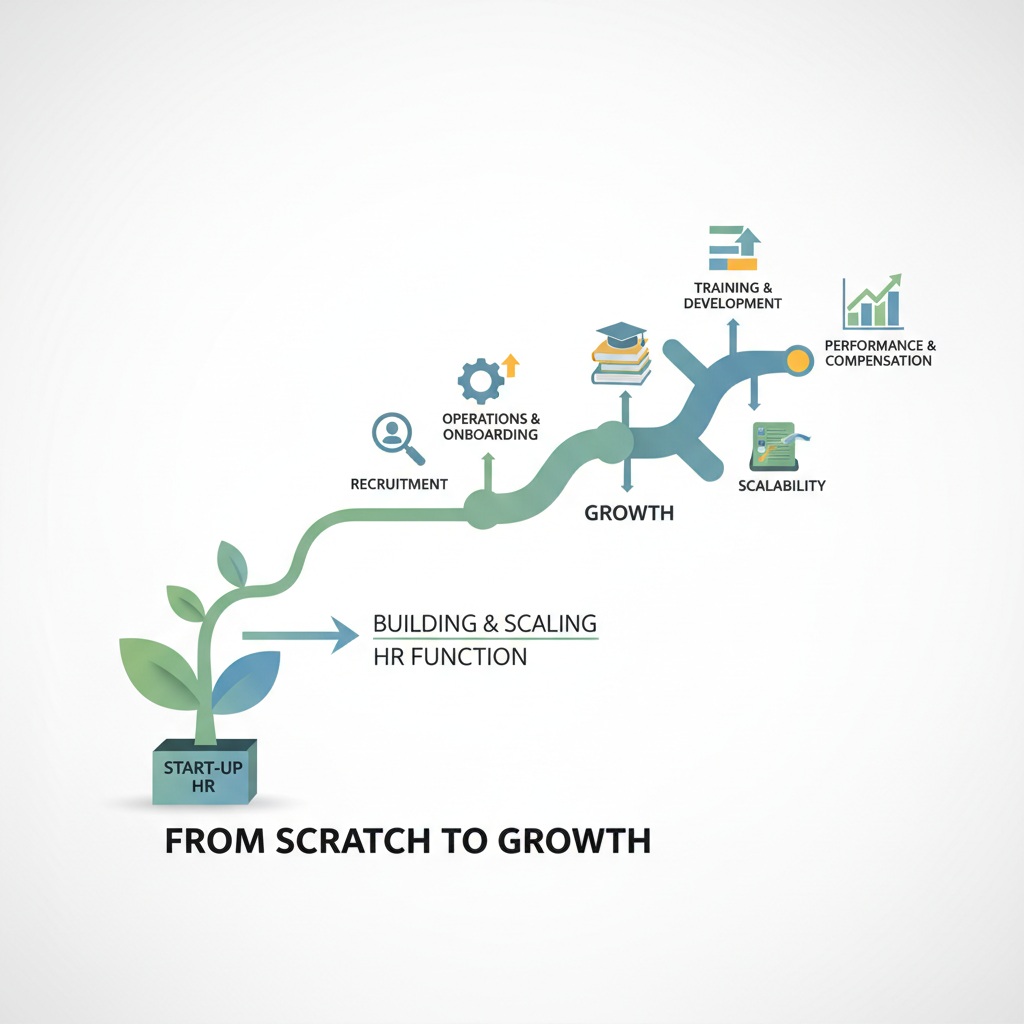
1. Phase 1: Foundational HR for Startups (Compliance, Basic Policies)
At the startup stage, HR often falls to the CEO or an administrative assistant. The primary goal is ensuring legal compliance and establishing basic operational frameworks. For IT startups in Vietnam, this means understanding local labor laws, social insurance contributions, and employment contracts.
- Legal Compliance: Adhere to Vietnam’s labor code (Bộ luật Lao động) regarding working hours, holidays, termination procedures, and minimum wages. Ensuring proper HR compliance from day one protects your company from future legal complications.
- Basic Policies & Procedures: Draft essential HR policies covering code of conduct, leave management (annual leave, sick leave), expense claims, and workplace safety. These foundational documents set clear expectations for employees and management.
- Onboarding & Offboarding: Implement simple processes for welcoming new hires (onboarding) and managing departures (offboarding). A structured approach to initial paperwork, system access, and exit interviews impacts employee experience and data security.
- Compensation & Benefits (C&B) Basics: Define competitive but sustainable salary ranges and basic benefits packages (e.g., health insurance, mandatory social insurance) aligned with market rates for IT professionals in Vietnam.
- HR Tools: Utilize basic HR management tools, even spreadsheets initially, to track employee data, leave, and payroll information efficiently.
2. Phase 2: Growth & Professionalization (Talent Acquisition, Performance)
As your IT company grows beyond 20-50 employees, a more structured and professional HR function becomes vital. This phase focuses on proactive talent acquisition, performance management, and developing a positive company culture.
- Dedicated HR Professional: Consider hiring a dedicated HR generalist or manager who can focus solely on HR responsibilities, allowing the CEO to concentrate on core business growth. This person will be instrumental in professionalizing your HR structures for SMEs in the IT field in Vietnam.
- Strategic Talent Acquisition: Move beyond reactive hiring. Develop a clear employer brand, implement effective recruitment strategies (e.g., leveraging tech job boards, social media, referrals), and refine interviewing and selection processes to attract top IT talent.
- Performance Management System: Introduce a formal performance review process with clear objectives, regular feedback loops, and performance improvement plans. This fosters accountability, identifies high-performers, and addresses underperformance.
- Employee Engagement & Culture: Actively cultivate your company culture. Implement initiatives like team-building events, employee recognition programs, and regular pulse surveys to gauge employee satisfaction and foster a sense of belonging.
- Training & Development (T&D): Start offering basic training programs for new hires (e.g., technical refreshers, soft skills) and identify opportunities for continuous learning to keep your IT team’s skills sharp and relevant.
- Advanced HR Technology: Explore HR Information Systems (HRIS) or cloud-based HR platforms to automate administrative tasks, manage employee data, payroll, and benefits more effectively.
3. Phase 3: Scaling & Strategic HR (Development, Succession Planning)
Once your IT company reaches a significant size (e.g., 100+ employees) and aims for rapid expansion, HR transitions from operational to strategic. The focus shifts to long-term workforce planning, talent development, and embedding HR as a key business partner.
- HR Leadership & Specialization: Establish an HR department with specialized roles, such as a Talent Acquisition Manager, HR Business Partner, or Learning & Development specialist. An HR Director or Chief People Officer will sit on the executive team.
- Workforce Planning & Analytics: Proactively forecast future talent needs based on business strategy. Utilize HR analytics to gain insights into recruitment effectiveness, retention rates, employee performance, and C&B competitiveness.
- Comprehensive Training & Leadership Development: Implement robust training programs, including leadership development for managers and technical upskilling paths for engineers. Foster a culture of continuous learning and career growth.
- Succession Planning: Identify critical roles and develop a plan for internal talent to fill these positions in the future. This ensures business continuity and provides clear career progression opportunities.
- Advanced Compensation & Benefits (C&B) Strategies: Refine C&B strategies to remain highly competitive in Vietnam’s IT market, potentially introducing performance-based bonuses, stock options, or advanced wellness programs.
- HR as a Strategic Partner: HR actively participates in business strategy discussions, providing insights on organizational design, talent implications of new projects, and change management. This transforms HR into a strategic enabler of business growth.
Conclusion:
Building and scaling your HR function is an iterative journey. For IT CEOs in Vietnam, proactively evolving your HR structures from compliance-focused to strategically integrated is paramount for attracting and retaining top talent in a competitive market. By investing in each phase, your HR department becomes a powerful engine driving your company’s innovation, growth, and long-term success.
Leveraging Technology & Outsourcing for HR Efficiency
For IT SMEs in Vietnam, optimizing human resources is not merely about administrative tasks; it’s a strategic imperative for sustained growth and competitiveness. As CEOs navigate the dynamic landscape of the tech industry, establishing robust and efficient HR structures for SMEs the CEO in IT field in Vietnam becomes paramount. This section explores how embracing HR technology (HR Tech) and strategic outsourcing can significantly streamline operations, reduce overheads, and fundamentally enhance the employee experience, allowing IT businesses to focus on their core innovations.
1. Essential HR Tech Solutions for SMEs (HRIS, ATS, Payroll)
The foundation of a modern, efficient HR department for any IT SME lies in its technology stack. Implementing key HR tech solutions Vietnam can revolutionize how small and medium-sized enterprises manage their workforce. A Human Resources Information System (HRIS) is the central nervous system, consolidating all employee data—from personal details and contracts to performance reviews and training records—into a single, accessible platform. This not only ensures precise employee data management but also significantly reduces the administrative burden, freeing up valuable time for strategic initiatives.
For IT companies facing intense competition for skilled talent, an Applicant Tracking System (ATS) is indispensable. An ATS automates and streamlines the entire recruitment process, from posting jobs and screening resumes to scheduling interviews and managing candidate communication. This boosts ATS for IT recruitment efficiency, helps identify the best candidates faster, and significantly improves the candidate experience. Furthermore, dedicated payroll management Vietnam software ensures accurate, compliant, and timely salary processing, a critical factor for employee satisfaction and adherence to local labor laws. These integrated solutions are crucial for achieving streamlining HR operations and fostering a positive employee experience enhancement Vietnam.
2. Strategic Outsourcing: Payroll, Recruitment, & Compliance Partners
While HR tech provides the tools, strategic outsourcing offers specialized expertise and scalability, particularly beneficial for IT SME HR challenges. Many IT SMEs in Vietnam find that offloading non-core yet critical HR functions to third-party experts can lead to substantial benefits, including significant cost reduction HR Vietnam. HR outsourcing services Vietnam can cover a spectrum of needs, from meticulous payroll processing Vietnam to comprehensive recruitment process outsourcing (RPO). Engaging RPO partners allows IT firms to tap into specialized talent acquisition strategies without maintaining a large in-house recruitment team, ensuring access to top-tier candidates efficiently.
Beyond talent acquisition and payroll, maintaining strict HR compliance in Vietnam is complex, given evolving labor laws and regulations. Partnering with a dedicated HR compliance firm ensures that all employment practices—from contracts and benefits to workplace safety and grievance handling—adhere to local legal frameworks. This mitigates risks, prevents potential legal disputes, and provides peace of mind for CEOs. Such HR consultancy Vietnam expertise is invaluable, allowing IT firms to focus their internal resources on developing innovative products and services, confident that their HR backbone is professionally managed. For up-to-date information on labor regulations affecting businesses in Vietnam, consult authoritative sources such as the International Labour Organization (ILO) Vietnam Office.
3. Automating HR Processes to Free Up Strategic Time
The ultimate goal of adopting HR tech and outsourcing is to move HR beyond transactional tasks towards a more strategic role. HR automation benefits extend beyond just payroll and recruitment, encompassing various touchpoints in the employee lifecycle. Automated onboarding processes can greet new hires with digital paperwork, welcome kits, and training schedules, creating a seamless and positive start. Performance management systems can automate review cycles, goal tracking, and feedback collection, promoting continuous employee development. Furthermore, employee self-service portals empower staff to manage leave requests, update personal information, and access HR policies, drastically reducing queries to the HR department.
This shift allows HR professionals within IT SMEs to dedicate their energy to more impactful initiatives, such as developing robust talent management strategies Vietnam, fostering a strong company culture, and driving employee engagement. By leveraging technology to handle routine operations, CEOs can ensure their HR teams become true strategic partners, contributing directly to business objectives and building a resilient, high-performing workforce. This strategic approach to HR is essential for sustainable growth and navigating the competitive IT landscape.
Navigating Vietnamese Labor Laws & Talent Landscape
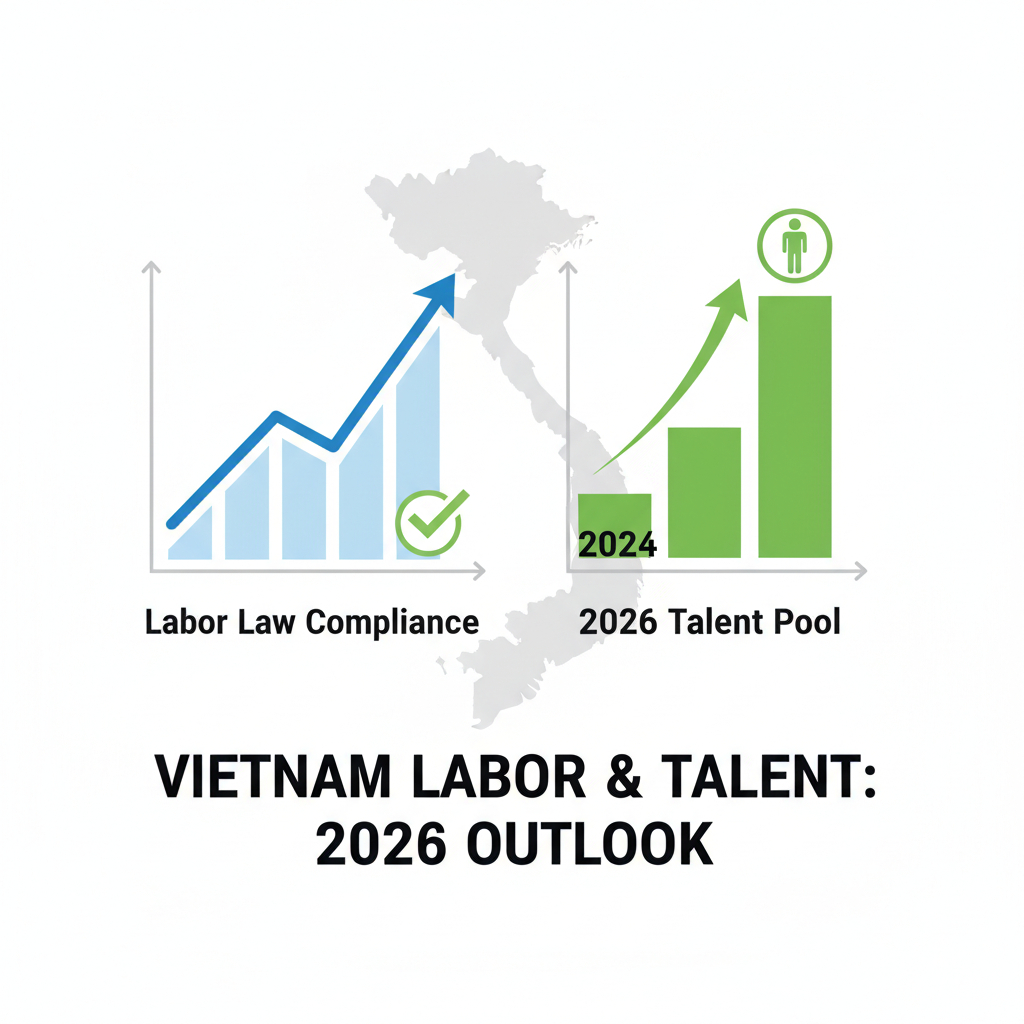
Vietnam’s burgeoning technology sector presents immense opportunities for growth, but HR structures for SMEs in the IT field in Vietnam demand a critical understanding of the local regulatory environment. Effectively managing human resources in this dynamic landscape requires not only strict compliance with Vietnamese labor laws but also a nuanced appreciation for the unique characteristics of the Vietnamese IT talent pool. This section delves into the essential legal frameworks, compensation practices, and strategies for building a compelling employer brand to attract and retain top local IT professionals.
1. Key Vietnamese Labor Laws & Regulations for IT Companies
For any IT company operating in Vietnam, navigating the intricate web of labor laws is paramount to ensuring smooth operations and avoiding costly legal disputes. The cornerstone of this regulatory environment is the Vietnamese Labor Code, which governs nearly all aspects of employment relationships. Key areas demanding attention include:
- Employment Contracts: Understanding the distinctions between indefinite-term, fixed-term, and seasonal contracts is crucial. Probation periods, their length, and conditions must strictly adhere to legal guidelines.
- Working Hours and Overtime: Standard working hours, limitations on overtime, and appropriate compensation for extended work are frequently scrutinized. IT companies often have flexible working arrangements, but these must align with statutory requirements regarding rest days and public holidays.
- Termination of Employment: The Labor Code specifies conditions for lawful termination, notice periods, and severance pay. Mismanagement in this area can lead to significant liabilities, making robust HR management procedures essential.
- Social Insurance and Personal Income Tax (PIT): Employers are responsible for mandatory contributions to social insurance (health insurance, social insurance, unemployment insurance) for their employees. Correct calculation and remittance of PIT are also critical. Keeping abreast of these regulations is vital for maintaining labor compliance.
For SMEs in the IT sector, developing a strong compliance framework is not just about avoiding penalties; it builds trust with employees and demonstrates a commitment to fair labor practices, which is a significant factor in talent acquisition and retention strategies.
2. Understanding Compensation, Benefits & Welfare in Vietnam
Beyond legal compliance, a competitive and culturally sensitive compensation and benefits package is crucial for attracting and retaining skilled Vietnamese IT talent. The Vietnamese workforce, particularly in tech, values a comprehensive approach to welfare.
- Salary Structure: While base salary is fundamental, performance-based bonuses, project incentives, and annual salary reviews are highly valued. Understanding local salary benchmarks for various IT roles (developers, QA engineers, data scientists, etc.) is key to competitive positioning.
- Mandatory Benefits: Beyond the compulsory social insurance contributions, companies often provide additional benefits. These include, but are not limited to, annual health check-ups, company trips, and Lunar New Year bonuses, which are culturally significant.
- Voluntary Benefits & Perks: To stand out in a competitive market, many IT companies offer supplementary benefits such as private health insurance, professional development budgets, language courses, gym memberships, and meal allowances. Flexible working hours and remote work options are also increasingly important perks that contribute to employee satisfaction and work-life balance, essential for modern workforce management.
A well-structured benefits package signals that an employer invests in employee welfare and growth, significantly impacting an employee’s decision to join or stay with a company. This is especially true for the highly sought-after Vietnamese IT professionals who often have multiple employment options.
3. Building Employer Branding to Attract Local IT Professionals
In Vietnam’s vibrant and competitive IT job market, employer branding is not merely a buzzword; it’s a strategic imperative for successful recruitment in Vietnam and effective talent acquisition. A strong employer brand helps companies differentiate themselves and become an employer of choice for the best local talent.
- Company Culture and Values: Vietnamese professionals are increasingly drawn to companies with a positive work environment, clear values, and a strong sense of community. Promoting an inclusive, collaborative, and innovative culture can significantly enhance your appeal.
- Career Development and Growth Opportunities: The desire for continuous learning and career advancement is strong among Vietnamese IT professionals. Companies that offer clear career paths, mentorship programs, and opportunities for upskilling (e.g., certifications, workshops, internal training) will be more attractive.
- Technological Innovation and Challenging Projects: Being associated with cutting-edge technology and engaging projects is a major draw. Showcasing your company’s innovative work and the impact employees can make will resonate with tech-savvy candidates.
- Work-Life Balance and Employee Well-being: While dedication is high, the importance of work-life balance is growing. Initiatives supporting mental health, flexible working arrangements, and social activities contribute to a positive employer brand.
Developing a robust employer branding strategy involves leveraging online platforms, participating in industry events, collaborating with universities, and encouraging employee testimonials. It’s about creating an authentic narrative that highlights the unique value proposition of working at your company, thereby strengthening your ability to attract and retain the highly skilled IT talent pool in Vietnam. Understanding these HR challenges and implementing effective strategies is key to sustainable business growth for SMEs.
Partner with Shelby Global
You are looking for reliable HR Sevice Suppliers? Contact Shelby Global Now! To connect with verified talents and upgrade your orginization.
—————————————
References
– The Evolving IT Landscape in Vietnam: https://www.cekindo.com/business-guide/it-landscape-vietnam
– Deloitte Insights: Organizational Design for the New World of Work: https://www2.deloitte.com/us/en/insights/topics/talent/organizational-design-new-models.html
– HR compliance: https://www.shrm.org/resourcesandtools/tools-and-samples/hr-qa/pages/what-are-the-basic-elements-of-an-hr-compliance-program.aspx
– International Labour Organization (ILO) Vietnam Office: https://www.ilo.org/hanoi/lang–en/index.htm
– Vietnam Labor Code: https://www.ilo.org/dyn/natlex/natlex4.detail?p_lang=en&p_isn=114092&p_country=VNM&p_count=21