
Introduction to Vietnam’s Marketing Landscape Risks
Vietnam’s marketing landscape is a vibrant tapestry woven with immense opportunities and intricate challenges. As one of Southeast Asia’s fastest-growing economies, its dynamic economic and social environment presents unique considerations for marketers. While the promise of a burgeoning consumer base and rapid digital adoption is alluring, navigating this market successfully requires a deep understanding of its inherent risks. This section sets the stage by outlining these unique challenges and opportunities, emphasizing why a proactive approach to risk assessment is paramount for sustainable growth.

1. Overview of Vietnam’s Dynamic Market Growth
Vietnam has emerged as a beacon of economic prosperity in recent decades, driven by robust GDP growth, strategic foreign direct investment (FDI), and an increasingly affluent, young population. This rapid expansion has fueled a significant shift in consumer behavior, with rising disposable incomes leading to greater demand for diverse products and services. The country’s commitment to global integration, evidenced by numerous free trade agreements, further enhances its appeal as an investment destination. Digitization is another powerful force; with high internet and social media penetration, Vietnam is a mobile-first market, fostering an environment ripe for digital marketing innovation and e-commerce growth. However, this fast-paced evolution also creates a complex, competitive landscape where market entrants must navigate not only traditional business hurdles but also the swift changes in consumer preferences and technological adoption.
2. Why a Marketing Risk Trend Report is Crucial for 2026
In such a rapidly evolving environment, a comprehensive the trend report of the risk of marketing field in vietnam is not merely beneficial but absolutely crucial for 2026. The pace of change, from technological advancements to shifts in regulatory frameworks, means that past strategies may quickly become obsolete. Factors such as evolving data privacy regulations, heightened cybersecurity threats, and the increasing demand for sustainable practices introduce new layers of complexity. Marketers must move beyond reactive measures to proactive risk identification and mitigation. Understanding emerging risks—be they related to brand reputation, supply chain disruptions, or shifts in consumer trust—allows businesses to build resilience, adapt their strategies, and allocate resources effectively. This forward-looking analysis helps anticipate challenges, capitalize on latent opportunities, and ensure long-term market sustainability in a volatile global economy.
3. Key Macroeconomic Factors Influencing Marketing Risk
Several macroeconomic factors significantly influence marketing risk in Vietnam. Global economic fluctuations, particularly shifts in major trading partners, can directly impact Vietnam’s export-driven economy, affecting consumer spending power and business investment. Domestically, managing inflation rates and exchange rate volatility remains a key challenge, which can erode purchasing power and complicate pricing strategies for imported goods. Geopolitical factors also play an increasingly critical role, potentially impacting supply chain disruptions and international trade relations. Furthermore, the Vietnamese government’s ongoing efforts towards economic restructuring, while beneficial in the long run, can introduce short-term regulatory changes that require careful adaptation from businesses. According to the World Bank’s Vietnam Economic Update, sustained growth requires vigilance against external shocks and continued focus on structural reforms, underscoring the interconnectedness of global and local economic forces on the marketing landscape. Addressing these broader economic shifts is essential for any marketing strategy aiming for resilience and success.
Emerging Digital & Data-Related Marketing Risks
Vietnam’s dynamic digital landscape presents unparalleled opportunities for marketers, but this rapid evolution also ushers in a complex array of risks. As businesses increasingly leverage advanced technologies and data, understanding and mitigating these threats is paramount. This section of our trend report on the risk of marketing field in Vietnam delves into the burgeoning challenges associated with digital marketing, data handling, and technological adoption, providing insights into safeguarding brand integrity and ensuring sustainable growth.
1. Impact of Rapid Digital Transformation Risks in Vietnam
Vietnam’s enthusiastic embrace of digital transformation, fueled by a young, tech-savvy population and supportive government initiatives, has propelled businesses into a new era of marketing. However, this accelerated pace brings inherent digital transformation risks Vietnam. Many companies, eager to capitalize on the latest trends, adopt new marketing technologies (MarTech) without fully understanding their implications or adequately training their teams. This can lead to inefficient resource allocation, data silos, and a lack of integration, hindering overall campaign effectiveness. The allure of artificial intelligence (AI) and machine learning in marketing, while promising, also introduces AI marketing risks related to data bias, algorithmic transparency, and the potential for misinterpretation of consumer behavior if not carefully managed. Furthermore, the sheer volume and velocity of data generated demand sophisticated handling capabilities, often outpacing a company’s internal infrastructure or expertise. Without robust governance frameworks, brands risk eroding consumer trust Vietnam through inconsistent messaging or perceived data misuse. Managing the burgeoning marketing technology risks effectively requires a strategic, phased approach, emphasizing thorough vetting, adequate training, and continuous monitoring rather than reactive adoption.
2. Navigating Data Privacy Concerns and Regulations
The exponential growth of data collection and processing in digital marketing amplifies data privacy Vietnam concerns. Consumers are increasingly aware of their digital footprints, and regulatory bodies globally are tightening personal data protection laws. Vietnam is no exception, with the issuance of Decree 13/2023/ND-CP on Personal Data Protection, which came into effect in July 2023. This landmark regulation imposes stringent obligations on organizations processing personal data, including requirements for consent, data breach notifications, and cross-border data transfer protocols. For marketers, understanding and complying with these complex rules is critical. Non-compliance can result in significant fines, operational disruptions, and severe damage to brand reputation management. Building and maintaining consumer trust Vietnam necessitates transparent data handling practices, clear consent mechanisms, and robust security measures to protect personal data protection Vietnam. Companies must conduct thorough data mapping, implement privacy-by-design principles, and continuously monitor changes in the regulatory landscape to ensure ongoing regulatory compliance Vietnam in their digital marketing efforts.
3. Cybersecurity Threats for Digital Marketing Campaigns
As marketing operations become increasingly digital-first, they also become prime targets for cybersecurity threats for digital marketing campaigns. From sophisticated phishing attacks targeting customer databases to ad fraud siphoning off campaign budgets, the landscape of online fraud Vietnam is constantly evolving. Data breaches, whether originating from internal vulnerabilities or compromised third-party vendors (e.g., CRM platforms, ad networks), can expose sensitive customer information, leading to legal liabilities, irreparable harm to brand reputation management, and a profound erosion of consumer loyalty. Malicious actors may also inject malware into advertising creatives or websites, hijacking user experiences and compromising device security. The rise of deepfakes and manipulated content further complicates matters, posing risks of disinformation and brand impersonation. Protecting valuable marketing assets, including customer data, intellectual property, and campaign integrity, requires a multi-layered cybersecurity strategy. This involves not only securing internal systems but also scrutinizing the security posture of all partners and platforms used in the marketing ecosystem. Proactive threat intelligence, regular security audits, and employee training are essential components in mitigating these significant digital marketing risks Vietnam.
The journey through Vietnam’s rapidly evolving digital marketing landscape is fraught with both immense opportunities and significant challenges. The interconnected nature of rapid digital transformation, stringent data privacy demands, and persistent cybersecurity threats underscores the need for a holistic risk management framework. For businesses to thrive and maintain competitive advantage, a proactive approach to identifying, assessing, and mitigating these marketing risks in Vietnam is indispensable. By fostering a culture of security, compliance, and ethical data stewardship, organizations can not only protect their assets but also reinforce consumer trust Vietnam and build enduring brand value in the digital age. For a deeper dive into these evolving challenges and strategic recommendations, refer to our comprehensive trend report of the risk of marketing field in Vietnam.
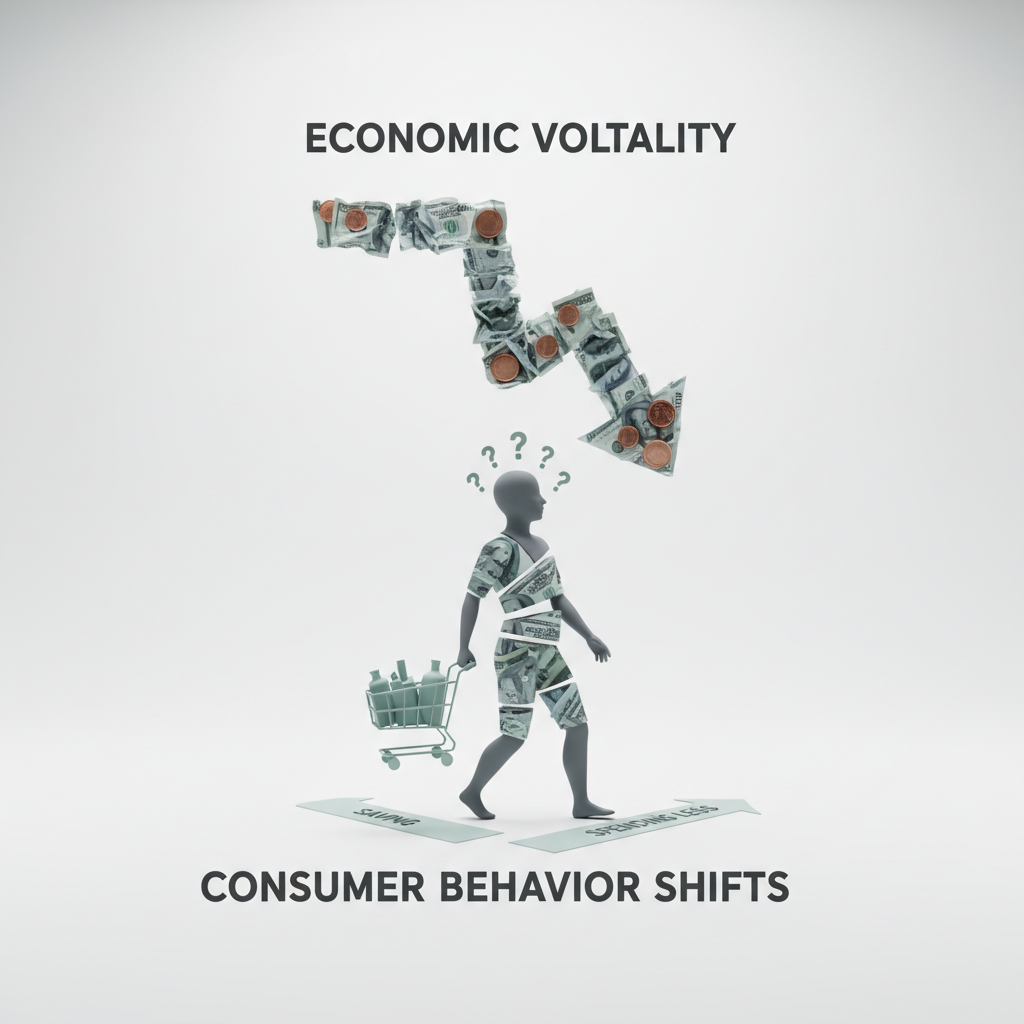
Economic Volatility and Consumer Behavior Shifts
The marketing field in Vietnam is navigating a period of significant flux, driven by an intricate interplay of economic volatility, evolving consumer preferences, and fluctuating purchasing power. These factors collectively contribute to a complex landscape, introducing considerable uncertainties for businesses striving to connect with their target audiences. Understanding these dynamics is crucial for developing resilient and effective marketing strategies that can adapt to rapid changes within the Vietnamese market. As businesses look to the future, discerning these shifts becomes paramount for sustained growth and risk mitigation in marketing. This section explores these critical elements, providing insights into their profound impact on the marketing domain in Vietnam.
1. Economic Volatility’s Marketing Impact in Vietnam
Vietnam’s impressive economic growth over recent decades has occasionally been punctuated by periods of instability, influenced by global economic slowdowns, trade tensions, and domestic policy shifts. Such economic volatility directly translates into profound marketing challenges Vietnam faces today. Businesses often contend with budget cuts as companies become more conservative with their spending, impacting everything from advertising campaigns to product development. Furthermore, fluctuations in inflation rates can significantly alter the cost of doing business, affecting supply chains and pricing strategies. Marketers must therefore develop agile strategies, moving away from rigid long-term plans towards more flexible, data-driven approaches that can quickly respond to market shifts. For comprehensive insights into these challenges, exploring the trend report of the risk of marketing field in vietnam can provide a deeper understanding of the specific threats and opportunities present. This proactive approach to risk management marketing is essential for maintaining market share and fostering brand resilience amidst economic uncertainty marketing.
2. Adapting to Shifting Consumer Behavior in Vietnam
Economic fluctuations invariably lead to substantial shifts in consumer preferences Vietnam’s market exhibits. During downturns or periods of high inflation, consumers often become more price-sensitive, prioritizing value for money over brand loyalty or premium features. This has accelerated the demand for promotions, discounts, and private label brands. Concurrently, the rise of digital marketing trends Vietnam has witnessed continues to influence how consumers research, shop, and interact with brands. E-commerce platforms, social media, and mobile apps are no longer supplementary channels but often the primary points of engagement. Brands must adapt their marketing strategy adaptation to meet these changing behaviors, investing in robust digital presences, personalized content, and omnichannel experiences. Understanding the evolving Vietnamese market insights into these shifts is crucial. For example, the World Bank’s economic updates frequently highlight key changes in consumption patterns and economic sentiment that directly influence consumer behavior. You can find more details on these trends and their implications for the economy and consumer spending in their official Vietnam Economic Update reports, offering authoritative insights into the broader context of economic shifts and their impact on purchasing power Vietnam possesses.
3. Purchasing Power and Market Demand Fluctuations
One of the most immediate consequences of economic volatility is the direct impact on consumer purchasing power Vietnam’s population experiences. Changes in disposable income, employment rates, and inflation directly affect what and how much consumers can afford. This leads to market demand Vietnam experiences fluctuating across different product and service categories. Discretionary spending on luxury goods, travel, and entertainment often sees a sharper decline, while essential goods and services may experience more stable, albeit value-driven, demand. Marketers must conduct continuous market research and segmentation to identify which consumer segments are most affected and how their spending habits are changing. This allows for targeted campaigns and product adjustments that resonate with current financial realities. For instance, brands might need to re-evaluate their pricing strategies, introduce more affordable product lines, or pivot their messaging to emphasize utility and value rather than aspirational luxury. Effectively navigating these fluctuations requires an in-depth understanding of macro-economic indicators and micro-level consumer sentiment, ensuring marketing efforts remain relevant and impactful in a dynamic economic environment, while also being mindful of brand loyalty shifts that may occur.
In conclusion, the marketing field in Vietnam is undeniably shaped by a confluence of economic volatility, evolving consumer preferences, and shifts in purchasing power. Businesses that thrive in this environment will be those that embrace agility, leverage data analytics for real-time insights, and consistently adapt their strategies to meet the changing needs and financial realities of Vietnamese consumers. Proactive monitoring and strategic flexibility are not just advantageous but essential for success in this challenging yet opportunity-rich market.
Regulatory, Competitive & Reputation Challenges
This section addresses the risks stemming from evolving legal frameworks, intense market competition, and the critical importance of maintaining brand reputation, all vital considerations in the trend report of the risk of marketing field in Vietnam.
The dynamic and rapidly expanding marketing landscape in Vietnam presents both immense opportunities and significant challenges. For businesses operating or looking to enter this vibrant market, understanding and effectively navigating these risks is paramount. From the intricate web of regulatory compliance to the fierce battles for consumer attention and the ever-present need to safeguard brand image, these elements form a cornerstone of the trend report of the risk of marketing field in Vietnam. Ignoring these factors can lead to severe financial penalties, erosion of market share, and irreparable damage to public trust. This section delves into the multifaceted nature of these challenges, offering insights into strategic approaches for mitigation and sustained success.
1.
Navigating Regulatory Changes in Vietnam Marketing
Vietnam’s regulatory environment is undergoing continuous evolution, driven by its rapid economic growth and increasing integration into the global digital economy. Marketers in Vietnam face a complex and often shifting legal framework that encompasses everything from advertising content and data privacy to e-commerce operations and consumer protection. A key challenge highlighted in the trend report of the risk of marketing field in Vietnam is staying abreast of these changes. For instance, regulations governing digital advertising are becoming more stringent, requiring explicit disclosures, ethical content standards, and adherence to specific guidelines for promotions and sweepstakes. Data privacy, while not as formalized as GDPR, is an emerging area of concern, with increasing scrutiny on how personal data is collected, stored, and utilized. Businesses must invest in robust legal counsel and compliance teams to ensure their marketing activities do not inadvertently fall afoul of local laws. This includes understanding the nuances of cross-border data transfer, consent mechanisms, and consumer rights regarding their personal information. The penalties for non-compliance can range from substantial fines to business suspension, underscoring the necessity for a proactive and adaptive approach to regulatory vigilance. A proactive stance, including regular audits of marketing practices against current laws, is essential for mitigating legal risks and fostering consumer trust.
2.
Intensifying Competitive Landscape Marketing Vietnam
The Vietnamese market is characterized by its intense and rapidly escalating competition. A burgeoning middle class, coupled with high internet and mobile penetration, has attracted a multitude of local and international players across various sectors. This includes not only traditional brands but also a new wave of digital-native businesses leveraging social commerce, influencer marketing, and direct-to-consumer models. The sheer volume of brands vying for consumer attention makes differentiation incredibly difficult. Price wars, aggressive promotional campaigns, and rapid product innovation are commonplace. For companies to thrive in this environment, as emphasized in the trend report of the risk of marketing field in Vietnam, they must develop highly agile and data-driven marketing strategies. Understanding specific consumer segments, tailoring messages effectively, and leveraging emerging technologies like AI for personalization and predictive analytics are no longer optional but critical for survival. The rise of local champions, often with a deep understanding of cultural nuances and lower operational costs, further intensifies the pressure on international entrants. Businesses must continually innovate their offerings, refine their brand messaging, and optimize their distribution channels to stand out. Failure to adapt to this competitive pressure can lead to stagnant growth, diminished market share, and ultimately, business failure. This necessitates a continuous review of market trends, competitor strategies, and consumer behavior to identify new opportunities for competitive advantage.
3.
Managing Brand Reputation in a High-Stakes Environment
In today’s hyper-connected world, brand reputation is more fragile and valuable than ever, especially in a market like Vietnam where social media engagement is exceptionally high. The trend report of the risk of marketing field in Vietnam consistently highlights the critical importance of reputation management. A single misstep, whether it’s a poorly executed marketing campaign, a product defect, an insensitive social media post, or even a customer service blunder, can quickly escalate into a full-blown crisis, damaging years of brand building within hours. Social media platforms act as powerful amplifiers, allowing negative feedback and misinformation to spread globally at unprecedented speeds. Influencer marketing, while effective, also carries inherent risks, as the actions or controversies of an influencer can directly impact the associated brand. Managing brand reputation requires a multi-faceted approach: proactive monitoring across all digital channels, a robust crisis communication plan, transparent and ethical business practices, and consistent delivery on brand promises. Consumers in Vietnam are increasingly discerning and socially conscious, expecting brands to demonstrate corporate social responsibility and authenticity. Rebuilding trust once it’s lost is an arduous and often costly endeavor. Therefore, investing in reputation management, from dedicated teams to advanced monitoring tools and continuous training for all customer-facing staff, is not an expense but a crucial investment in long-term brand equity and sustainable growth. For deeper insights into the intricacies of these challenges, especially those highlighted in the trend report of the risk of marketing field in Vietnam, and to understand the broader context of the market, exploring reports on Vietnam’s digital economy and consumer behavior is highly recommended.
Mitigating Risks and Future-Proofing Marketing Strategies
The dynamic and rapidly evolving landscape of Vietnam presents both immense opportunities and considerable challenges for businesses. As highlighted in the trend report of the risk of marketing field in vietnam, navigating these complexities requires more than just reactive measures; it demands a proactive, strategic approach to risk mitigation and the future-proofing of marketing initiatives. This concluding section provides actionable insights, strategic recommendations, and best practices for businesses to effectively manage and reduce marketing risks in Vietnam, ensuring sustained growth and competitive advantage in the years to come. By addressing critical areas such as foundational frameworks, talent development, and robust ROI measurement, businesses can transform potential threats into opportunities for innovation and resilience.
1. Building Resilient Marketing Frameworks for 2026
To future-proof marketing strategies in Vietnam, businesses must construct frameworks capable of withstanding market volatility, shifting consumer behaviors, and unforeseen regulatory changes. This involves embracing agility and adaptability at the core of all marketing operations. Scenario planning, for instance, allows marketers to anticipate various potential futures—from economic downturns to rapid technological disruptions—and develop pre-emptive strategies for each. Diversification across marketing channels (digital, traditional, experiential) and geographic regions within Vietnam can significantly reduce reliance on a single point of failure. Furthermore, investing in robust data analytics infrastructure is crucial. This enables real-time monitoring of campaign performance, early identification of emerging trends or risks, and quick pivots when necessary. An agile marketing methodology, characterized by iterative cycles, continuous feedback, and cross-functional collaboration, empowers teams to respond swiftly to new challenges and opportunities, ensuring marketing efforts remain relevant and effective amidst a rapidly changing environment. Establishing clear governance and crisis communication protocols is also vital for managing reputational risks and maintaining brand trust during challenging times.
2. Talent Gap and Skill Development in Vietnam Marketing
A significant risk identified in the Vietnamese marketing landscape is the growing talent gap, particularly in specialized areas like data analytics, AI-driven marketing, content localization, and advanced digital strategy. Bridging this gap is paramount for future success. Businesses must prioritize continuous learning and development for their existing teams. This includes providing access to certifications, workshops, and mentorship programs that focus on emerging technologies and global best practices. Fostering a culture of innovation and knowledge sharing can help retain top talent and cultivate a highly skilled workforce. Strategic partnerships with Vietnamese universities and vocational training centers can create pipelines for fresh talent, aligning academic curricula with industry needs. Moreover, attracting overseas Vietnamese professionals with international experience can inject invaluable expertise and diverse perspectives into local marketing teams. Addressing the talent challenge is not just about filling vacancies; it’s about building a sustainable ecosystem of skilled marketers capable of driving growth and innovation, as highlighted in reports discussing Vietnam’s digital transformation challenges.
3. Measuring ROI and Proving Marketing Value Amidst Risks
In an environment marked by uncertainty and increased scrutiny, demonstrating the tangible return on investment (ROI) of marketing activities is more critical than ever. Businesses must move beyond vanity metrics and establish clear, measurable key performance indicators (KPIs) directly linked to business objectives. This requires implementing sophisticated attribution models that accurately assign value across various touchpoints and channels, providing a holistic view of the customer journey. Leveraging advanced analytics tools to correlate marketing spend with sales, lead generation, and customer lifetime value allows marketers to prove their value and optimize budget allocation effectively. Regular, transparent reporting to stakeholders is essential to build confidence and secure continued investment, especially when facing potential economic headwinds or heightened competition. By rigorously measuring ROI and consistently demonstrating the impact of marketing efforts, businesses can mitigate the risk of budget cuts, justify strategic investments, and ensure marketing remains a recognized driver of sustainable growth even in the face of significant market challenges. Understanding and articulating this value proposition is key to navigating the complex landscape and effectively managing the top 10 risks in the marketing field in Vietnam.
Partner with Shelby Global
You are looking for reliable HR Sevice Suppliers? Contact Shelby Global Now! To connect with verified talents and upgrade your orginization.
—————————————
References
– :
– Decree 13/2023/ND-CP on Personal Data Protection: https://www.vilaf.com.vn/insights/vietnam-issues-new-decree-on-personal-data-protection/
– World Bank Vietnam Economic Update reports: https://www.worldbank.org/en/country/vietnam/overview#2
– reports on Vietnam’s digital economy and consumer behavior: https://www.statista.com/outlook/dmo/digital-economy/vietnam
– Vietnam’s Digital Transformation: Opportunities and Challenges | World Bank: https://www.worldbank.org/en/country/vietnam/publication/vietnam-s-digital-transformation-opportunities-and-challenges