
The Evolving Landscape of Vietnam’s FMCG Sector
Vietnam’s Fast-Moving Consumer Goods (FMCG) sector stands as a vibrant testament to the nation’s remarkable economic dynamism and burgeoning middle class. Characterized by rapid urbanization, rising disposable incomes, and a youthful, increasingly digital-savvy population, the market presents a compelling landscape for both local and international players. This constant evolution, however, brings with it a complex array of opportunities and inherent challenges. To navigate this intricate environment effectively and ensure sustainable growth, a proactive and thorough risk assessment is not merely advisable but absolutely crucial. Businesses must meticulously analyze market trends, consumer shifts, and regulatory frameworks to mitigate potential disruptions and capitalize on emerging avenues for expansion. Understanding the nuances of this market is key to unlocking its vast potential, making a comprehensive the trend report of the risk of FMCG field in Vietnam an indispensable tool for strategic planning.
1. Rapid Growth and Market Potential
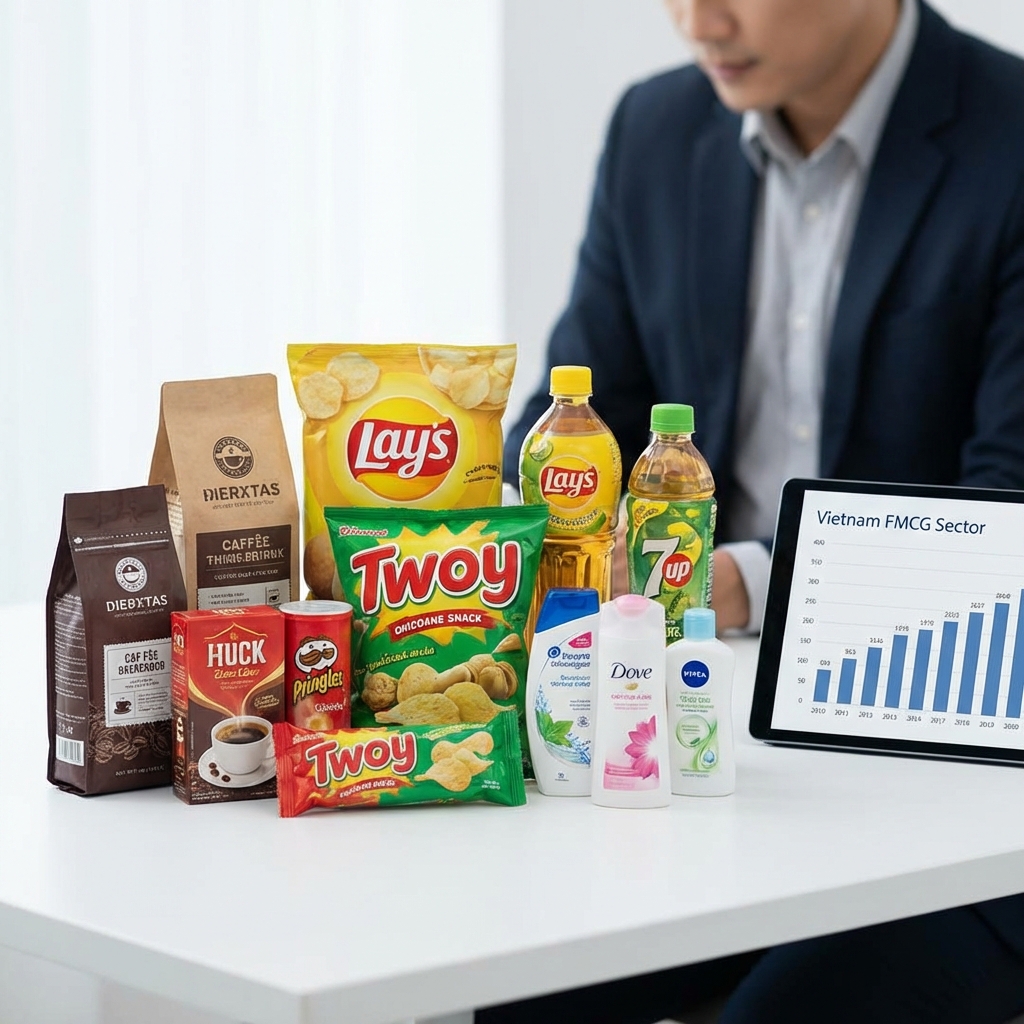
The Vietnamese FMCG market is on an impressive growth trajectory, fueled by robust economic expansion and a demographic sweet spot. With a population exceeding 100 million and a growing middle-income segment, consumer spending power is consistently on the rise. This surge in disposable income directly translates into increased demand for a wider variety of consumer goods, from everyday staples to premium products. Urbanization further amplifies this trend, creating dense consumer hubs with greater access to diverse distribution channels, including modern trade and e-commerce platforms. Analysts project continued strong growth, making Vietnam a standout market in Southeast Asia. For instance, the revenue in the Vietnamese FMCG market is expected to show an annual growth rate (CAGR 2023-2028) of 8.84%, leading to a market volume of US$39.38bn by 2028, according to Statista data. However, this attractive potential also means intense competition, requiring businesses to deeply understand market dynamics and invest in effective supply chain resilience and digital transformation to maintain a competitive edge and optimize market penetration.
2. Unique Consumer Behavior and Demographics
Understanding the unique tapestry of Vietnamese consumer behavior and demographics is paramount for success in the FMCG sector. The nation boasts a predominantly young population, with a significant proportion under 35, who are highly connected and digitally literate. This generation is a powerful force driving shifts towards online shopping, mobile payment solutions, and increased engagement with social media for product discovery and reviews. While traditional shopping habits, particularly in wet markets and small local stores, still hold sway in many rural and even urban areas, there’s a clear acceleration towards modern retail formats and e-commerce. Vietnamese consumers are increasingly seeking products that offer convenience, value for money, and a growing emphasis on health and wellness, as well as sustainability credentials. Brand loyalty can be strong, but consumers are also open to trying new products, especially if they align with evolving lifestyle trends or offer superior perceived benefits. Regional disparities in income and cultural preferences also mean that a one-size-fits-all approach is often ineffective, necessitating localized marketing strategies and product offerings.
3. Regulatory Environment and Policy Shifts
Operating within Vietnam’s FMCG landscape requires a keen awareness of its evolving regulatory environment and potential policy shifts. The Vietnamese government actively shapes the business climate through various decrees, circulars, and national strategies impacting everything from product safety and labeling requirements to import/export tariffs, advertising standards, and foreign investment regulations. Compliance with these often-dynamic rules is critical to avoid penalties, maintain market access, and build consumer trust. Recent years have seen increased scrutiny on food safety, environmental protection, and consumer data privacy, leading to more stringent requirements for businesses. Furthermore, Vietnam’s participation in numerous free trade agreements can both open up new opportunities and introduce new competitive pressures, requiring businesses to adapt quickly. Staying abreast of these changes, perhaps through a dedicated trend report of the risk of FMCG field in Vietnam focusing on regulatory compliance, is essential for strategic foresight and effective risk management, ensuring long-term operational stability and sustainable market presence.
Identifying Major Risk Categories in FMCG (2024-2026)
Delves into specific types of risks that FMCG companies in Vietnam are currently facing or are projected to encounter over the next few years.
FMCG companies in Vietnam operate within a dynamic and often unpredictable landscape. As the sector looks towards 2024-2026, understanding and mitigating potential challenges is paramount for sustainable growth. This analysis, drawing insights from current market dynamics, provides the trend report of the risk of FMCG field in Vietnam, identifying major risk categories that demand strategic attention. From global complexities to evolving local consumer behaviors, the agility to adapt will define success for FMCG players in the coming years.
1. Supply Chain Disruptions & Geopolitical Risks
The resilience of the supply chain remains a critical concern for FMCG Vietnam. The post-pandemic era has highlighted vulnerabilities, and 2024-2026 will likely see continued pressures. Geopolitical tensions, particularly in Southeast Asia and globally, pose significant geopolitical impact Vietnam on sourcing raw materials, logistics, and distribution networks. Events like trade disputes, regional conflicts, or even natural disasters can rapidly escalate, causing delays, increased costs, and stockouts. Companies must invest in robust supply chain resilience strategies, including diversification of suppliers, localized production capabilities, and advanced inventory management systems. Moreover, logistics challenges, from port congestion to last-mile delivery inefficiencies, persist, necessitating technological upgrades and strategic partnerships. The ability to forecast and react to these external shocks is fundamental for maintaining market share and consumer trust, mitigating broader risk management FMCG challenges. A recent World Bank report, East Asia and Pacific Economic Update, October 2023, highlights the continued global supply chain fragility and its implications for developing economies like Vietnam.
2. Economic Volatility & Inflationary Pressures
Economic outlook Vietnam for 2024-2026, while generally positive, is not immune to global and domestic economic volatility. Inflation FMCG Vietnam is a prominent risk, driven by rising energy costs, global commodity prices, and wage increases. This directly impacts the cost of production, transportation, and ultimately, the pricing of consumer goods. FMCG companies face the delicate balance of absorbing costs, passing them on to consumers, or optimizing operational efficiencies to maintain profitability. Excessive price increases risk alienating price-sensitive consumers and losing market share to more affordable alternatives or private labels. Beyond inflation, currency fluctuations can erode margins for companies dealing with international trade. Strategic financial planning, hedging mechanisms, and aggressive cost-control initiatives are vital. Furthermore, shifts in government policies, interest rates, and consumer purchasing power tied to broader economic health will continuously reshape the competitive landscape and demand careful market competition Vietnam analysis. Regulatory changes Vietnam related to pricing controls or import tariffs could also add complexity, demanding proactive engagement and compliance.
3. Changing Consumer Preferences & Digital Transformation Risks
The Vietnamese consumer landscape is evolving at an unprecedented pace, driven by increasing disposable incomes, urbanization, and digital penetration. Understanding and adapting to consumer behavior shifts is crucial. There’s a growing demand for healthier, sustainable, and ethically sourced products, often coupled with a preference for convenience and personalized experiences. Companies failing to innovate their product portfolios or marketing strategies to meet these new expectations risk becoming irrelevant. Simultaneously, the accelerating digital transformation FMCG presents both immense opportunities and significant risks. While e-commerce risks such as intense online competition, logistics challenges, and the need for robust digital infrastructure are evident, so are threats related to data privacy breaches and cybersecurity threats. Protecting sensitive consumer data and intellectual property is paramount for maintaining brand reputation risks. Companies must strategically invest in data analytics to understand consumer trends, enhance their online presence, and build secure digital ecosystems. Furthermore, the war for talent, particularly in digital marketing and e-commerce, creates talent retention FMCG challenges, necessitating continuous training and attractive compensation packages. Addressing sustainability challenges in production and packaging also plays a significant role in appealing to the modern, conscious consumer.
Navigating the complexities of the FMCG sector in Vietnam from 2024 to 2026 requires a proactive and multifaceted approach to risk management. By prioritizing risk management FMCG across supply chain vulnerabilities, economic pressures, and evolving consumer and digital landscapes, companies can build resilience, foster innovation, and ensure sustained growth in this vibrant market. Continuous monitoring, strategic partnerships, and agility will be key differentiators.
Underlying Drivers of Risk in Vietnamese FMCG
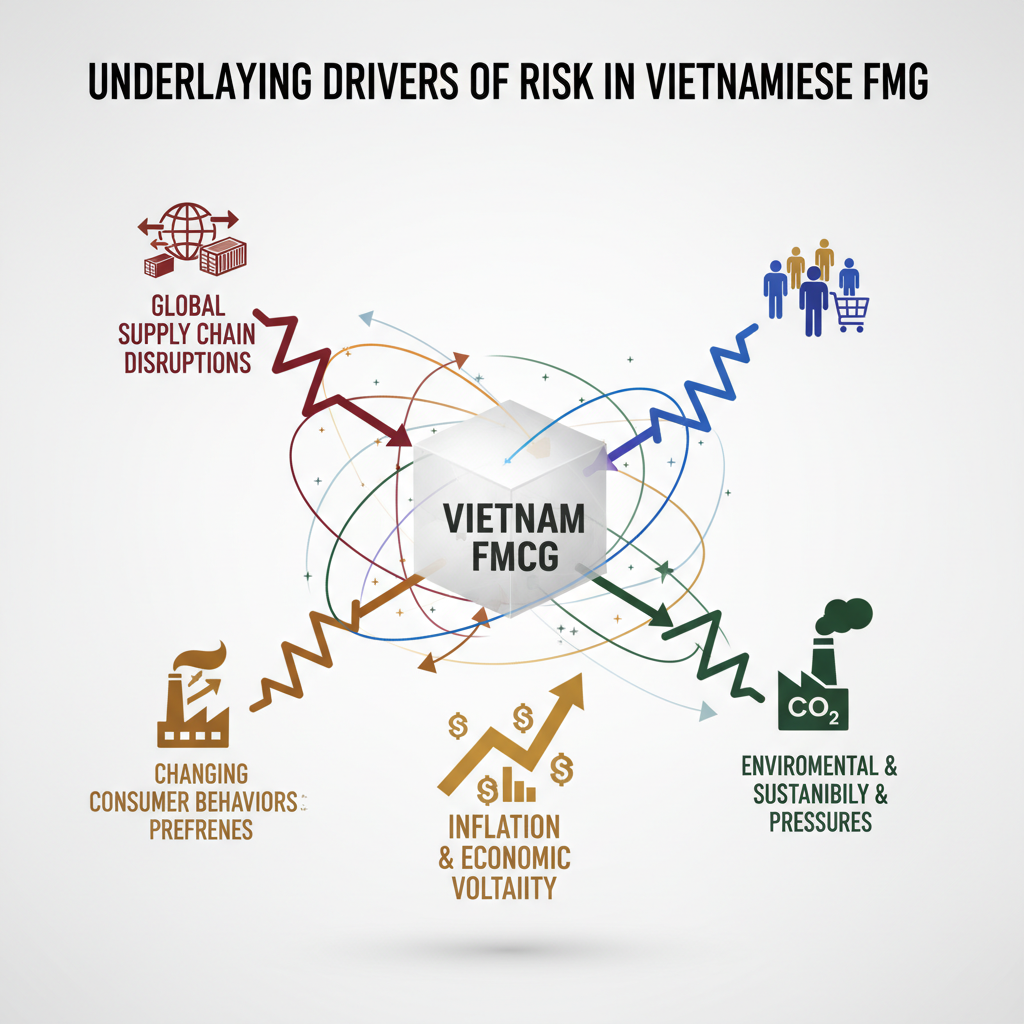
To effectively mitigate challenges in the Vietnamese Fast-Moving Consumer Goods (FMCG) industry, it’s crucial to look beyond immediate concerns and delve into the core macro trends and factors shaping the market. This analytical perspective, highlighted in the trend report of the risk of FMCG field in vietnam, reveals the origins of many identified risks, providing a deeper understanding for strategic planning.
1. Global Economic Slowdown & Trade Tensions
The Vietnamese FMCG sector, while driven by strong domestic consumption, remains sensitive to global economic shifts. A worldwide economic slowdown, often marked by inflation and rising interest rates, curtails consumer purchasing power both locally and in export markets. This leads Vietnamese consumers to prioritize essential goods, reduce discretionary spending, or opt for more affordable brands, directly impacting FMCG sales volumes and profit margins. Concurrently, escalating global trade tensions introduce significant supply chain disruptions. Vietnam’s reliance on imported raw materials means tariffs and trade barriers can inflate input costs, making production more expensive. Passing these costs to price-sensitive consumers is challenging, often eroding profitability and necessitating costly supply chain diversification. This unpredictable environment creates uncertainty, hindering long-term investment. The World Bank’s Global Economic Prospects continually highlight these global headwinds as critical risks for emerging economies, emphasizing the interconnectedness of Vietnam’s market.
2. Technological Advancements & Cybersecurity Threats
Technological evolution presents a dual challenge and opportunity for Vietnamese FMCG. While advancements in e-commerce, digital marketing, and AI-driven supply chain optimization offer pathways to enhanced efficiency and deeper consumer engagement, they simultaneously amplify exposure to cybersecurity risks. The digital transformation of operations and consumer interactions means companies are increasingly vulnerable to data breaches, ransomware, and intellectual property theft. Such incidents can inflict severe reputational damage, cause operational shutdowns, and incur significant financial losses and regulatory penalties. The rapid pace of innovation also demands substantial, continuous investment in new systems and skilled talent, which can strain resources for many businesses. Moreover, the rise of tech-savvy direct-to-consumer (D2C) brands intensifies competition, compelling traditional FMCG players to innovate swiftly or risk losing market relevance. Robust cybersecurity measures and ongoing technological upgrades are therefore indispensable for managing these evolving risks.
3. Climate Change and Sustainability Pressures
Climate change poses a profound and escalating threat to the Vietnamese FMCG industry, affecting everything from raw material security to supply chain resilience. As a nation highly susceptible to extreme weather events like floods and droughts, Vietnam faces disruptions to agricultural yields, impacting the supply and price stability of key ingredients. Damage to infrastructure further complicates logistics and distribution. Beyond physical impacts, increasing consumer, regulatory, and investor demands for sustainability are reshaping market expectations. Consumers are gravitating towards eco-friendly packaging, responsibly sourced products, and brands with transparent supply chains and reduced carbon footprints. Failing to meet these expectations can lead to significant brand erosion and market share loss. Stricter environmental regulations also introduce compliance risks and potential fines. Furthermore, access to financing is increasingly linked to Environmental, Social, and Governance (ESG) performance. Addressing these climate and sustainability pressures requires substantial investment in innovation, fostering responsible practices, and a strategic shift towards circular economy models within the FMCG sector to ensure long-term viability.
In essence, the risk landscape for Vietnamese FMCG is intricately woven into these overarching global and macro trends. By understanding these fundamental drivers – from economic volatility and technological disruption to the imperative of sustainability – businesses can formulate more resilient strategies and foster enduring growth in this dynamic market.
Impact of Risks on FMCG Business Operations & Profitability
The Fast-Moving Consumer Goods (FMCG) sector in Vietnam, a dynamic and rapidly expanding market, is perpetually exposed to a myriad of risks. These aren’t merely theoretical concerns; they translate into tangible consequences that significantly impact every facet of business operations, from the initial stages of production and intricate distribution networks to crucial market share metrics and, ultimately, the bottom line. Understanding the trend report of the risk of FMCG field in Vietnam is paramount for stakeholders aiming to navigate this complex landscape. The repercussions of unmitigated risks can lead to substantial financial losses, erosion of brand equity, and a significant weakening of competitive positioning within the vibrant Vietnamese consumer market. From inflationary pressures affecting input costs to evolving consumer demands and intensifying market competition, FMCG businesses must proactively identify and address these challenges to ensure sustainable growth and profitability.
1. Increased Operational Costs & Margin Compression
One of the most immediate and pervasive impacts of various risks on the FMCG sector in Vietnam is the relentless upward pressure on operational costs, leading directly to margin compression. Factors such as volatile raw material prices, often influenced by global supply chain disruptions and geopolitical events, directly inflate production expenses. For instance, a spike in the cost of palm oil, sugar, or packaging materials can drastically alter the profitability of essential consumer goods. Furthermore, escalating logistics and transportation costs, driven by rising fuel prices and infrastructure challenges in certain regions of Vietnam, add another layer of expense to the distribution network. Labor costs, too, are steadily increasing as the Vietnamese economy develops and the demand for skilled workers rises.
Beyond these direct input costs, regulatory changes, such as new environmental compliance standards or import tariffs, can introduce additional operational overheads. The necessity for advanced technological upgrades to improve efficiency or meet stricter quality controls also represents a significant capital outlay. When these rising costs cannot be fully passed on to consumers due to competitive pricing pressures or consumer price sensitivity, FMCG companies face severe margin compression. This scenario is a critical insight derived from an in-depth analysis of global supply chain challenges and economic shifts. Effectively managing these rising costs requires robust procurement strategies, supply chain optimization, and a keen understanding of market dynamics highlighted in a thorough trend report on the risk of the FMCG field in Vietnam.
2. Brand Reputation & Consumer Trust Erosion
In the age of instant information and pervasive social media, brand reputation and consumer trust are arguably an FMCG company’s most valuable assets. Risks such as product quality issues, food safety scandals, or unethical sourcing practices can swiftly and severely damage a brand’s image. A single instance of product contamination or a misleading advertising claim, rapidly disseminated through social networks and local news outlets in Vietnam, can lead to widespread public distrust. Regaining this trust is an arduous, time-consuming, and often expensive endeavor, potentially requiring costly product recalls, public apologies, and extensive marketing campaigns to rebuild credibility.
Moreover, modern Vietnamese consumers are increasingly discerning, not only about product quality but also about a brand’s social and environmental responsibility. Concerns regarding plastic waste, sustainable sourcing, and labor practices can significantly influence purchasing decisions. Brands failing to align with these evolving consumer values risk alienating a significant segment of their target market, resulting in reduced sales and a diminished market presence. This erosion of trust isn’t just a temporary dip in sales; it can have long-lasting effects, making it difficult for new product launches to gain traction and for existing brands to maintain loyalty. Comprehensive insights from any strong trend report of the risk of FMCG field in Vietnam underscore the increasing importance of transparency and ethical conduct in maintaining a strong brand in the competitive FMCG landscape.
3. Market Share Volatility & Competitive Intensification
The Vietnamese FMCG market is characterized by intense competition, with a blend of established global giants, nimble local players, and emerging start-ups all vying for consumer attention and loyalty. Risks such as rapid shifts in consumer preferences, disruptive technological innovations (like e-commerce and direct-to-consumer models), and aggressive competitive strategies can lead to significant market share volatility. A new local brand with a compelling value proposition or an international entrant leveraging superior marketing may quickly capture market segments previously dominated by incumbents.
Furthermore, economic downturns or changes in disposable income can alter consumer spending habits, leading them to down-trade to more affordable alternatives or shift to private-label brands. The rapid evolution of retail channels, particularly the explosive growth of online grocery and quick commerce platforms, presents both opportunities and threats. Companies that are slow to adapt to these digital transformations risk being left behind, losing out on critical sales channels and consumer engagement points. Price wars become common as companies struggle to maintain volume, further squeezing profit margins and making it challenging to invest in future growth. Navigating this dynamic environment requires a deep understanding of competitive landscapes and consumer trends, insights that are often meticulously detailed in any robust trend report concerning the risk of the FMCG field in Vietnam. Proactive market analysis and agile strategic responses are essential to mitigate market share erosion and sustain competitive advantage.
Strategic Responses and Future-Proofing for FMCG Companies
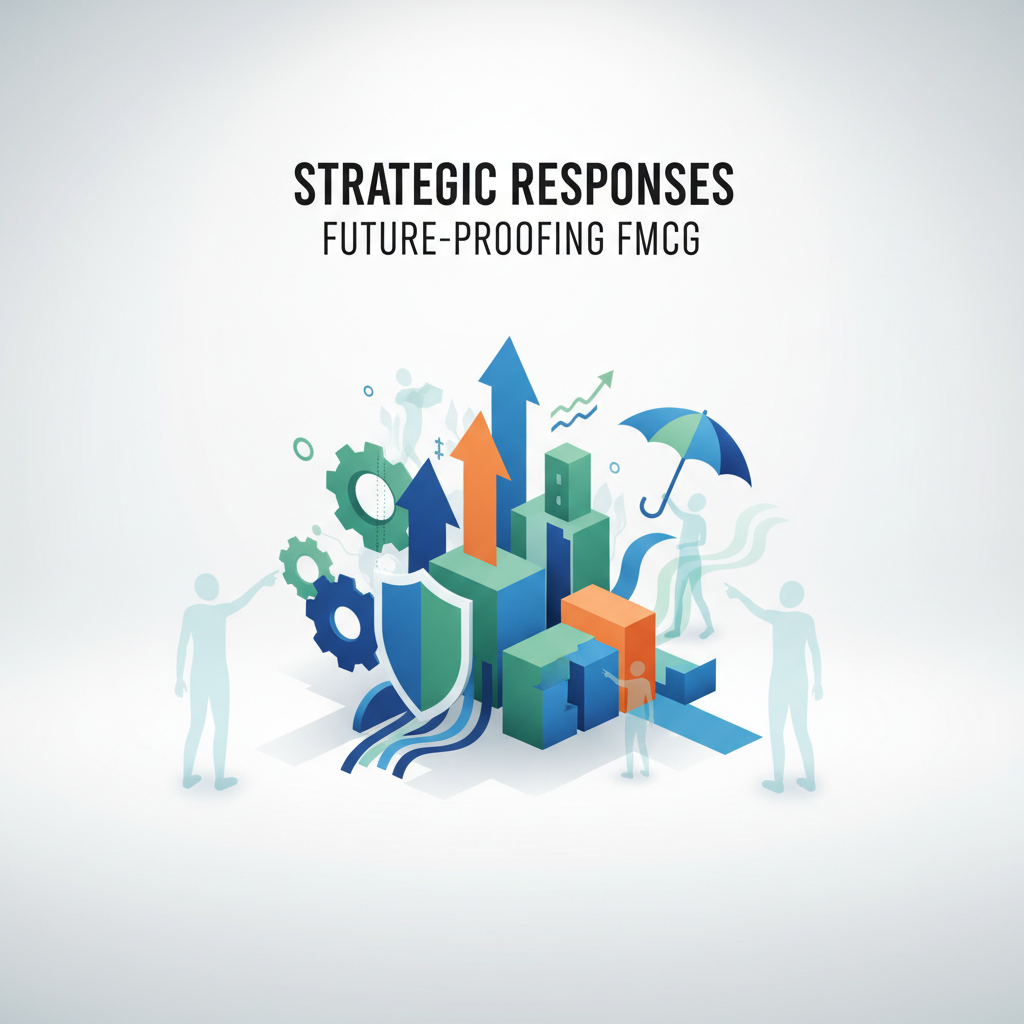
The dynamic Vietnamese market presents both unprecedented opportunities and significant challenges for Fast-Moving Consumer Goods (FMCG) companies. To navigate this complex landscape, informed by the trend report of the risk of FMCG field in vietnam, businesses must adopt proactive and strategic responses aimed at mitigating identified risks, adapting to rapid changes, and fostering long-term resilience. This section offers actionable insights and recommendations, ensuring companies are well-equipped to future-proof their operations and sustain growth amidst evolving consumer behaviors, economic shifts, and global disruptions. By focusing on key strategic pillars, FMCG players can transform potential weaknesses into competitive strengths, securing their position in this vibrant market.
1. Building Resilient Supply Chains & Diversification
Supply chain disruptions, ranging from natural disasters and geopolitical tensions to global pandemics and local logistical hurdles, pose a persistent threat to FMCG operations in Vietnam. A cornerstone of future-proofing is the development of inherently resilient supply chains. This involves moving beyond traditional linear models to create agile, flexible, and diversified networks. Companies should explore multi-sourcing strategies, reducing over-reliance on a single supplier or region. Investing in local and regional supplier development can not only mitigate international transit risks but also support local economies, potentially enhancing brand reputation. Furthermore, embracing advanced technologies such as real-time tracking, IoT, and blockchain can provide greater visibility across the entire supply chain, enabling quicker identification and resolution of bottlenecks. Strategic inventory management, including safety stock provisions and decentralized warehousing, also plays a crucial role in buffering against unforeseen interruptions. Collaboration with logistics partners, government agencies, and even competitors to share insights and resources during crises can also significantly enhance collective resilience, directly addressing findings from the trend report of the risk of FMCG field in Vietnam.
2. Leveraging Data Analytics for Predictive Risk Management
In a market as dynamic as Vietnam, the ability to anticipate and respond to change is paramount. Data analytics stands as a powerful tool for predictive risk management, transforming raw data into actionable intelligence. FMCG companies should invest in robust data infrastructure and analytical capabilities to monitor market trends, consumer sentiment, and operational performance in real-time. Advanced analytics, including AI and machine learning, can be deployed for accurate demand forecasting, identifying subtle shifts in consumer preferences, and predicting potential supply chain disruptions before they escalate. For instance, analyzing social media trends, sales data, and economic indicators can provide early warnings of changing purchasing habits or emerging competitive threats. Beyond just prediction, data analytics enables personalized marketing, optimized pricing strategies, and efficient inventory allocation, reducing waste and maximizing profitability. By proactively using data to understand and respond to the nuances highlighted in the trend report of the risk of FMCG field in vietnam, businesses can gain a significant competitive edge and minimize exposure to market volatilities.
3. Investing in Digital Transformation & E-commerce Channels
The rapid digital adoption across Vietnam, accelerated by recent global events, makes digital transformation and a strong e-commerce presence non-negotiable for future growth. FMCG companies must strategically invest in building and optimizing their digital ecosystems. This includes developing user-friendly e-commerce platforms, integrating with popular local marketplaces, and leveraging social commerce channels which are highly influential in Vietnam. Beyond sales, digital transformation encompasses enhancing customer relationship management (CRM) systems for personalized engagement, automating marketing efforts, and streamlining internal operations through cloud-based solutions. An omnichannel approach, seamlessly blending online and offline experiences, is crucial for meeting diverse consumer expectations. Furthermore, investing in robust cybersecurity measures is vital to protect customer data and maintain trust in the digital realm. By embracing digital technologies, FMCG brands can expand their market reach, directly engage with consumers, gather invaluable first-party data, and build stronger brand loyalty, thereby adapting effectively to the evolving retail landscape and reinforcing their position against risks identified in the trend report of the risk of FMCG field in Vietnam.
Partner with Shelby Global
You are looking for reliable HR Sevice Suppliers? Contact Shelby Global Now! To connect with verified talents and upgrade your orginization.
—————————————
References
– Statista – Vietnam FMCG Market Outlook: https://www.statista.com/outlook/cmo/fmcg/vietnam
– East Asia and Pacific Economic Update, October 2023: https://www.worldbank.org/en/region/eap/publication/east-asia-and-pacific-economic-update-october-2023-averting-a-lost-decade
– World Bank’s Global Economic Prospects: https://www.worldbank.org/en/publication/global-economic-prospects
– Deloitte on Supply Chain Resilience: https://www2.deloitte.com/us/en/insights/topics/supply-chain/supply-chain-resilience.html
– Building resilient supply chains in a volatile world: https://www.mckinsey.com/capabilities/operations/our-insights/supply-chain-management/building-resilient-supply-chains