
Understanding Vietnam’s Fashion Landscape & Risk Assessment
Vietnam has rapidly emerged as a powerhouse in the global fashion supply chain, attracting significant foreign direct investment and becoming a crucial manufacturing hub for leading international brands. Its strategic location, competitive labor costs, and a growing network of free trade agreements have solidified its position as a preferred sourcing destination. However, this escalating prominence comes with an inherent need for proactive risk identification and mitigation strategies. As the industry evolves, understanding the intricate layers of potential disruptions – from economic fluctuations and geopolitical shifts to environmental concerns and labor compliance – becomes paramount for sustained growth and resilience.

1. Vietnam’s Growing Role in Global Fashion Manufacturing
Vietnam’s journey to becoming a global fashion manufacturing giant is a testament to its strategic economic planning and robust industrial development. The nation has consistently invested in its textile and garment sector, building a strong infrastructure and a skilled workforce capable of producing high-quality apparel and textiles. Major international brands increasingly rely on Vietnamese factories for their production, drawn by the country’s commitment to quality, relatively stable political environment, and preferential trade access to key consumer markets, notably the EU, US, and CPTPP member states. This has led to a significant surge in exports, positioning Vietnam as one of the world’s top three textile and garment exporters. The country’s proactive engagement in global trade agreements further enhances its appeal, offering advantageous tariffs and streamlined customs procedures that contribute to its competitive edge in global supply chain resilience and diversification.
2. Why a Comprehensive Risk Trend Report is Essential
While Vietnam’s growth trajectory is impressive, navigating its dynamic fashion landscape requires more than just an understanding of its strengths. Businesses operating within or considering investment in the country must anticipate and prepare for potential risks. This is where a comprehensive trend report of the risk of Fashion field in Vietnam becomes indispensable. Such a report moves beyond anecdotal evidence, offering data-driven insights into emerging threats and opportunities. It allows stakeholders to identify patterns in market volatility, regulatory changes, labor issues, environmental sustainability pressures, and technological disruptions. Proactive risk identification isn’t just about avoiding losses; it’s about safeguarding brand reputation, ensuring operational continuity, optimizing resource allocation, and maintaining a competitive advantage in a rapidly evolving global market. Without a clear understanding of these trends, companies risk being blindsided by unforeseen challenges, impacting profitability and long-term viability.
3. Key Economic & Industry Indicators Driving the Sector
Several key economic and industry indicators underpin Vietnam’s fashion sector and provide critical insights into its risk profile. Economically, the country’s consistent GDP growth, stable inflation rates, and increasing foreign direct investment (FDI) signal a robust environment. Specifically for the fashion industry, indicators such as export volume and value, employment figures in textile and garment manufacturing, and investment in modern machinery and sustainable technologies are crucial. The government’s emphasis on upgrading industrial infrastructure, fostering technological adoption in textiles, and promoting sustainable fashion manufacturing practices also plays a significant role. Furthermore, shifts in global demand, changes in consumer purchasing power, and the evolution of global trade policies directly influence the sector’s performance. Monitoring these indicators enables businesses to forecast market trends, assess compliance risks related to evolving labor laws and environmental regulations, and strategically plan for diversification and expansion. A holistic view of these factors is fundamental for any entity seeking to thrive in Vietnam’s complex and competitive fashion landscape.
Macroeconomic & Geopolitical Influences on Fashion Risks
The dynamic global landscape, characterized by significant macroeconomic shifts and evolving geopolitical dynamics, profoundly shapes the risk profile of the Vietnamese fashion industry. For stakeholders preparing a comprehensive the trend report of the risk of Fashion field in vietnam, understanding these external forces is paramount. Vietnam, a prominent player in global textile and apparel manufacturing, is particularly susceptible to international economic fluctuations, intricate trade policies, and regional political stability, all of which directly and indirectly influence its operational costs, market access, and overall competitiveness. Examining these macro-level factors provides crucial insights into mitigating potential disruptions and capitalizing on emerging opportunities for fashion supply chain resilience.
1. Global Economic Slowdown and Inflationary Pressures
The specter of a global economic slowdown, coupled with persistent inflationary pressures, casts a long shadow over the Vietnamese fashion sector. As major export markets – primarily the US, EU, and Japan – grapple with reduced consumer purchasing power, demand for apparel and textiles inevitably wanes. This softening demand directly impacts order volumes for Vietnamese manufacturers, leading to potential underutilization of capacity and revenue shortfalls. Simultaneously, inflation drives up the cost of essential inputs, including raw materials (cotton, synthetic fibers), energy for production, and logistics. While labor costs in Vietnam remain competitive, they are not immune to inflationary pressures, further squeezing profit margins for businesses. A critical component of any the trend report of the risk of Fashion field in vietnam must therefore analyze these cost-push and demand-pull factors, assessing their cumulative effect on profitability and investment within the industry. Companies are forced to balance price increases to cover costs against the risk of alienating price-sensitive consumers, a delicate act in a contracting market. This economic volatility necessitates strategic planning for inventory management and market diversification to maintain sustainable growth amidst challenging global economic outlook fashion trends.
2. Impact of Evolving Trade Agreements and Tariffs
Vietnam’s integration into the global economy has been significantly bolstered by a network of Free Trade Agreements (FTAs), including the Comprehensive and Progressive Agreement for Trans-Pacific Partnership (CPTPP), the EU-Vietnam Free Trade Agreement (EVFTA), and the Regional Comprehensive Economic Partnership (RCEP). While these agreements generally provide preferential market access and reduced tariffs, they also introduce complex rules of origin and increased competition. For a comprehensive the trend report of the risk of Fashion field in vietnam, it is crucial to analyze how these evolving agreements create both opportunities and challenges. For instance, the EVFTA has boosted Vietnam textile exports to Europe, but it also demands stricter adherence to sustainability and labor standards. Beyond FTAs, the lingering impact of US-China trade tensions continues to reshape global supply chains, often positioning Vietnam as an attractive alternative sourcing hub. However, this also carries the risk of secondary tariffs or increased scrutiny. The World Trade Organization (WTO) consistently highlights the complexities of multilateral trade systems and the rise of non-tariff barriers, such as environmental and social compliance requirements, which represent growing risks for fashion manufacturers. Understanding these intricate trade policy fashion impact dynamics is essential for strategic market positioning and compliance.
3. Geopolitical Tensions and Regional Supply Chain Shifts
The escalating geopolitical tensions across various regions of the world, from Eastern Europe to the South China Sea, introduce significant uncertainties for the Vietnamese fashion industry. These tensions can disrupt global shipping routes, increase freight costs, and impact the availability of critical raw materials sourced internationally. Political instability in key supplier or consumer markets can also dampen investor confidence and hinder trade flows. A key theme in recent years has been the acceleration of the “China Plus One” strategy, where international brands diversify their manufacturing bases away from China, with Vietnam often being a primary beneficiary. This trend presents substantial opportunities for growth but also introduces new risks, such as potential over-reliance on specific export markets or increased infrastructure strain. Analyzing these shifts is vital for any comprehensive examination of the trend report of the risk of Fashion field in vietnam. Ensuring fashion supply chain resilience in this volatile environment requires robust risk management strategies, including diversifying sourcing geographies, optimizing logistics, and fostering strong relationships with international partners. For a deeper dive into these emerging risks and mitigation strategies, please refer to our detailed analysis on the trend report of the risk of Fashion field in vietnam. Proactive monitoring of geopolitical developments is not merely an option but a necessity for safeguarding the sector’s long-term viability and growth.
Supply Chain Vulnerabilities & Operational Risks
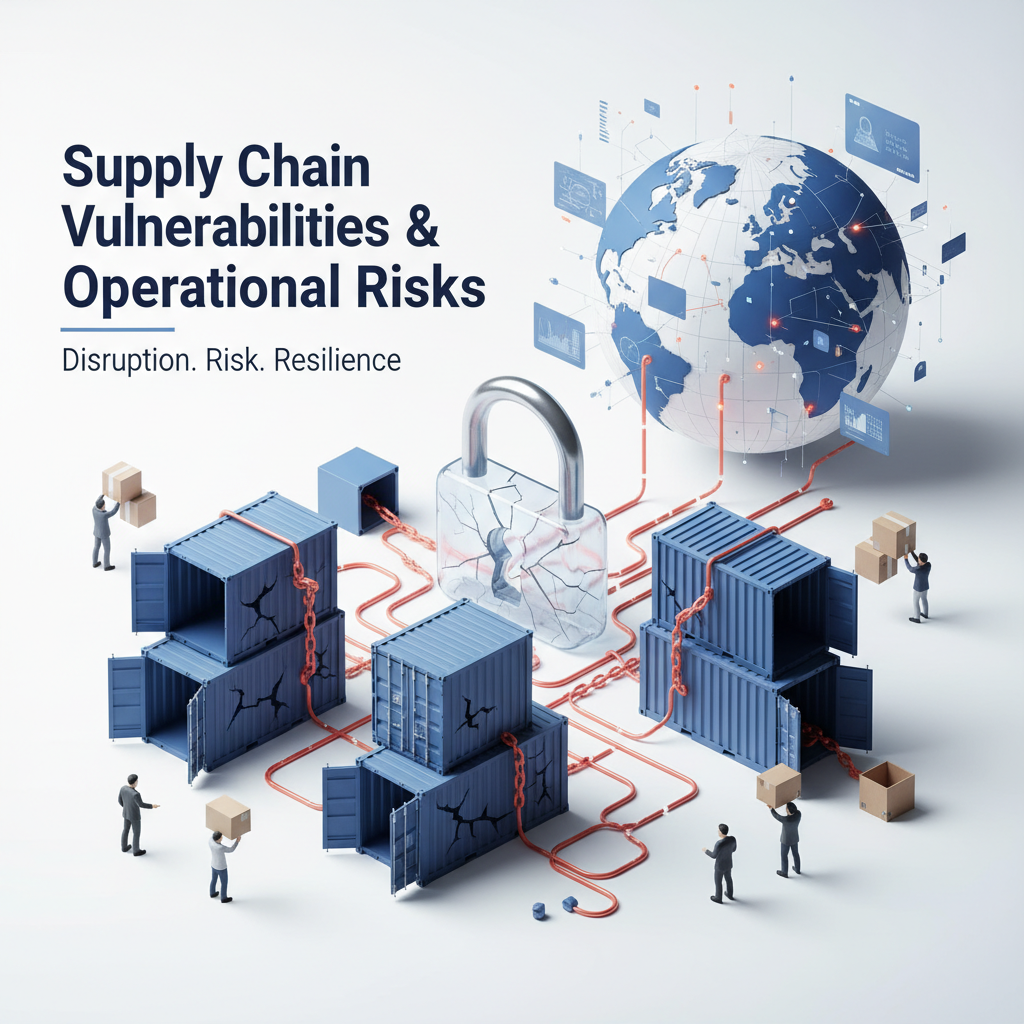
The global fashion industry, known for its rapid cycles and intricate networks, inherently faces numerous supply chain vulnerabilities and operational risks. For a burgeoning manufacturing hub like Vietnam, these challenges are amplified by its deep integration into international markets and its evolving economic landscape. From the initial sourcing of raw materials to complex manufacturing processes, global logistics, and labor management, each stage presents potential disruptions that can impact profitability, lead times, and brand reputation. Understanding these intrinsic challenges is crucial for businesses aiming to build resilient and sustainable operations, especially as highlighted in the trend report of the risk of Fashion field in vietnam. Proactive identification and mitigation strategies are paramount in navigating an increasingly volatile global economy.
-
Raw Material Sourcing Volatility and Price Fluctuations
The fashion supply chain in Vietnam is heavily reliant on imported raw materials, making it particularly susceptible to global supply chain challenges, including significant raw material sourcing volatility and price fluctuations. Commodities like cotton, synthetic fibers, and specialized textiles are often sourced from diverse international markets, which are themselves subject to geopolitical instability, extreme weather events, and shifts in global demand. For instance, drought in major cotton-producing regions or disruptions in oil supply can lead to sharp increases in the cost of natural and synthetic fibers, respectively. This directly impacts the manufacturing costs for Vietnamese textile and garment factories, narrowing profit margins and potentially delaying production schedules. Furthermore, currency exchange rate fluctuations exacerbate these issues, adding another layer of complexity to procurement strategies. Companies operating in the fashion field in Vietnam must therefore adopt sophisticated risk management approaches, including long-term contracts, diversification of suppliers, and exploring local sourcing alternatives to mitigate the impact of such unpredictable market dynamics and ensure supply chain continuity amidst fluctuating prices and availability of critical inputs like textile raw material volatility.
-
Labor Shortages, Wage Inflation, and Skill Gaps
Vietnam’s rise as a global manufacturing powerhouse has brought significant socio-economic changes, including shifts in its labor market that pose distinct challenges for the fashion industry. The sector is increasingly grappling with labor shortages, particularly for skilled positions, as younger generations opt for higher-paying or less physically demanding jobs. This demographic shift, coupled with an increasing cost of living, fuels wage inflation, pressuring manufacturers to raise salaries to attract and retain workers. While beneficial for the workforce, these rising labor costs can erode Vietnam’s competitive advantage as a low-cost production hub. Moreover, there is a noticeable skill gap between the demands of modern, technologically advanced garment production and the existing workforce capabilities. The transition towards smart factories and automation requires new skills in areas such as digital pattern making, automated machinery operation, and data analytics. Addressing these garment labor challenges in Vietnam necessitates substantial investment in workforce training and development programs, fostering industry-academia collaborations, and implementing fair labor practices to build a stable and skilled labor force capable of meeting the evolving needs of the fashion sector. Without strategic interventions, these labor market dynamics could impede the industry’s growth and efficiency.
-
Logistics Bottlenecks and Infrastructure Limitations
Efficient logistics are the backbone of any global supply chain, and the fashion industry in Vietnam faces considerable hurdles due to existing logistics bottlenecks and infrastructure limitations. While Vietnam has made strides in improving its infrastructure, issues such as port congestion, customs delays, and inadequate last-mile delivery networks persist, particularly during peak seasons or unforeseen global disruptions. Major ports can become overwhelmed, leading to longer dwell times for containers, increased demurrage charges, and significant delays in both raw material imports and finished product exports. Inland transportation, often reliant on a developing road network, can be slow and inefficient, especially when connecting remote manufacturing facilities to major export hubs. The lack of comprehensive cold chain logistics can also be an issue for certain delicate materials or finished goods. These logistical inefficiencies directly translate into higher operational costs, extended lead times, and reduced supply chain predictability. Overcoming these challenges requires continuous investment in modernizing port facilities, streamlining customs procedures through digitalization, and enhancing multi-modal transportation options. Improving logistics infrastructure in Vietnam is vital for maintaining the country’s attractiveness as a manufacturing destination and ensuring the smooth, timely flow of goods within the fast-paced fashion industry.
Shifting Consumer Behavior & Market Demand Risks
The dynamic landscape of consumer preferences, purchasing power shifts, and an intensely competitive environment in Vietnam’s fashion sector significantly reshape demand patterns, introducing a range of market-related risks for businesses. To navigate these challenges effectively, companies must keep abreast of Vietnamese fashion market trends and adapt their strategies proactively. Understanding these evolving dynamics is crucial for any business seeking to thrive in the risk of Fashion field in Vietnam.
-
Emergence of New Consumer Demands (e.g., Sustainability, Customization)
The Vietnamese consumer base is becoming increasingly sophisticated, driven by greater exposure to global trends and rising disposable incomes. A significant shift is the growing demand for sustainable and ethically produced fashion. Consumers, especially the younger demographic, are more aware of environmental impacts and social responsibility, pushing brands to adopt eco-friendly materials, transparent supply chains, and fair labor practices. This rise in sustainable fashion trend in Vietnam represents both an opportunity and a risk. Businesses failing to adapt to these new expectations face brand erosion and market share loss, while those embracing them can build strong brand loyalty. Furthermore, the desire for uniqueness has fueled demand for customization and personalized products, moving away from mass-produced items. This requires fashion businesses to invest in flexible production models and engage in more direct consumer dialogue, impacting everything from inventory management to design processes. Factors like changing consumer purchasing power Vietnam also influence these demands, as consumers are willing to pay a premium for values-aligned or personalized products.
-
Impact of Digitalization and E-commerce Penetration
Vietnam’s rapid digitalization has profoundly transformed the fashion retail landscape. E-commerce penetration continues to surge, accelerated by mobile adoption and convenient payment solutions. While this opens vast new markets and reduces geographical barriers for brands, it also introduces substantial e-commerce fashion risks. The online space is intensely competitive, with both local and international players vying for consumer attention. Businesses must invest heavily in robust digital marketing, user-friendly online platforms, and efficient logistics networks to ensure timely delivery and hassle-free returns. Managing customer expectations for instant gratification and seamless online experiences is paramount. Data privacy concerns, cybersecurity threats, and the challenge of building trust in an intangible shopping environment are also critical risks that require continuous vigilance and investment.
-
Brand Reputation, Social Media Influence, and Ethical Scrutiny
In the digital age, brand reputation is more fragile and valuable than ever. Social media platforms, influencers, and user-generated content hold immense power in shaping consumer perceptions and purchasing decisions. A single negative review or viral scandal, whether related to product quality, ethical sourcing, or customer service, can severely damage a brand’s image and sales overnight. Conversely, positive social media engagement can significantly boost brand visibility and loyalty. Fashion businesses in Vietnam are under increasing scrutiny regarding their ethical practices, from factory conditions to advertising authenticity. Maintaining transparency and authenticity in all operations is no longer optional but a fundamental requirement. Navigating this complex environment demands proactive reputation management, genuine engagement with consumers, and a clear articulation of brand values. For a more comprehensive look at these challenges, refer to our trend report on the risk of Fashion field in Vietnam.
Sustainability, Ethical & Regulatory Compliance Risks
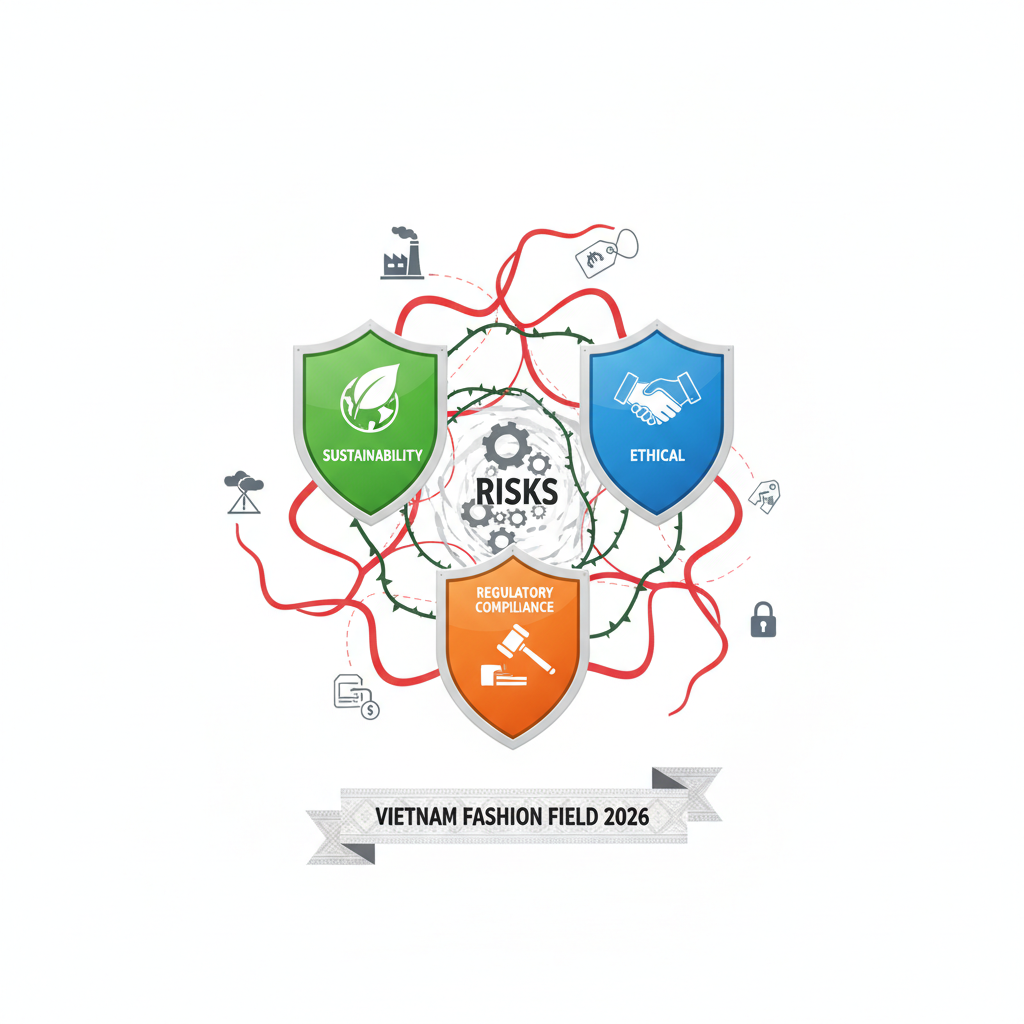
The fashion industry in Vietnam, a pivotal manufacturing hub, is increasingly navigating a complex landscape where environmental, social, and governance (ESG) factors are paramount. This section of our trend report of the risk of Fashion field in Vietnam delves into the critical challenges posed by sustainability demands, ethical sourcing, and the intricate web of local and international regulatory frameworks. As global consumers and regulators demand greater transparency and accountability, Vietnamese fashion businesses must proactively address these risks to maintain competitiveness and foster long-term resilience.
-
Environmental Compliance, Waste Management, and Greenwashing Concerns
Environmental compliance presents significant challenges for the Vietnamese fashion sector. As Vietnam commits to ambitious climate goals, including net-zero emissions, factories face heightened scrutiny over their carbon footprint, water usage, and chemical discharge. The sheer volume of textile waste generated throughout the production process and at the end-of-life cycle demands innovative waste management solutions. Many businesses struggle with implementing circular economy principles, from design to recycling, exacerbating the environmental impact.
A growing concern is the risk of greenwashing. With rising consumer demand for sustainable fashion in Vietnam, some brands may make unsubstantiated environmental claims without substantive changes in their practices. This lack of transparency can lead to reputational damage, loss of consumer trust, and potential legal repercussions from stricter advertising regulations. Brands must invest in verifiable certifications, life cycle assessments, and clear communication to genuinely demonstrate their commitment to sustainability. Embracing comprehensive strategies for sustainable textile waste management is crucial for navigating these evolving expectations and ensuring compliance.
-
Labor Rights, Ethical Sourcing, and Fair Practices
The global spotlight on labor practices in manufacturing supply chains places immense pressure on Vietnamese fashion producers. Ensuring robust labor rights, including fair wages, safe working conditions, reasonable working hours, and freedom of association, is not only an ethical imperative but also a regulatory necessity. Non-compliance can lead to severe reputational damage, consumer boycotts, and withdrawal of international buyers. The complexity of global supply chains makes ethical sourcing particularly challenging, requiring meticulous due diligence from raw material extraction to final production.
Companies must implement transparent sourcing policies, conduct regular factory audits, and collaborate with suppliers to foster a culture of fair practices. Addressing issues such as child labor, forced labor, and gender inequality requires a multi-faceted approach involving monitoring, capacity building, and strong grievance mechanisms. For a deeper understanding of these and other pressing issues, further exploring the findings of this comprehensive trend report of the risk of Fashion field in vietnam is highly recommended, as it sheds light on the intricacies of labor practices and ethical sourcing within the Vietnamese context.
-
Data Privacy, Cybersecurity, and Intellectual Property Risks
In an increasingly digital fashion landscape, data privacy and cybersecurity are critical risks. As fashion brands leverage e-commerce, digital marketing, and smart manufacturing, they collect vast amounts of customer data and proprietary information. Compliance with data protection regulations, such as Vietnam’s Decree 13 on Personal Data Protection and global standards like GDPR, is essential. Data breaches can result in significant financial penalties, irreparable brand damage, and loss of customer trust. Implementing robust cybersecurity measures, including encryption, regular security audits, and employee training, is non-negotiable for protecting sensitive information.
Furthermore, intellectual property (IP) protection remains a constant battle for fashion brands operating in Vietnam. The prevalence of counterfeiting and design infringement threatens revenue, brand reputation, and innovation. Brands must actively register their trademarks, designs, and patents, both locally and internationally, and vigorously enforce their IP rights. Proactive monitoring of the market, collaboration with law enforcement, and consumer education are vital strategies to mitigate these risks and safeguard creative assets within the competitive Vietnamese fashion market.
Partner with Shelby Global
You are looking for reliable HR Sevice Suppliers? Contact Shelby Global Now! To connect with verified talents and upgrade your orginization.
—————————————
References
– Vietnam’s Garment-Textile Exports Recover in Q1 2024: https://vietnamtimes.org.vn/vietnams-garment-textile-exports-recover-in-q1-2024-70617.html
– World Trade Report – World Trade Organization: https://www.wto.org/english/res_e/publications_e/wtr_e/wtr_e.htm
– What the future of supply chains holds: https://www.mckinsey.com/capabilities/operations/our-insights/what-the-future-of-supply-chains-holds
– Sustainable fashion trend on the rise in Vietnam: https://vietnamtimes.org.vn/sustainable-fashion-trend-on-the-rise-in-vietnam-43033.html
– Textiles: Towards Circularity Report 2023 – UNEP: https://www.unep.org/resources/report/textiles-towards-circularity-report-2023