
Navigating Malaysia’s Fashion Landscape: Key Challenges
The Malaysian fashion industry, a dynamic blend of traditional influences and contemporary trends, stands at a crucial juncture. Characterized by a burgeoning middle class and an increasingly digitally-savvy consumer base, the market has demonstrated robust growth over the past decade. However, beneath this vibrant facade lie significant complexities and risks that demand strategic attention. This section aims to provide the trend report of the risk of Fashion field in malaysia, setting the stage by outlining the current state of the industry and introducing the overarching ‘Malaysia fashion industry challenges’ it currently faces, from economic headwinds to evolving consumer demands.
1. Current State and Growth Trajectory of the Malaysian Fashion Market
Malaysia’s fashion market is an intriguing ecosystem, driven by a diverse population with varying fashion preferences, from modest wear to global luxury brands. The market has shown consistent expansion, fueled by increasing disposable incomes, urbanization, and a strong embrace of e-commerce. Local designers are gaining prominence, often blending traditional Malaysian aesthetics with modern silhouettes, contributing to a unique market identity. The modest fashion segment, in particular, represents a significant growth driver, positioning Malaysia as a hub for Islamic fashion innovation. Online retail platforms have democratized access, allowing smaller brands to reach a wider audience and larger players to expand their market share. The convenience and variety offered by e-commerce have become integral to consumer purchasing habits, accelerating the industry’s digital transformation. Despite this positive trajectory, underlying vulnerabilities persist, making a comprehensive trend report of the risk of Fashion field in malaysia essential for stakeholders.

The industry’s growth trajectory is also influenced by global fashion trends, with Malaysian consumers increasingly exposed to international styles and brand narratives. This exposure fosters higher expectations regarding quality, ethical sourcing, and sustainability, pushing local brands to innovate and adapt. While the market size continues to expand, driven by both domestic consumption and an emerging export potential, the challenges associated with maintaining this growth sustainably are becoming more pronounced. This includes navigating fierce competition and responding to rapid shifts in consumer preferences.
2. Economic Volatility and Regulatory Headwinds Impacting Fashion
The Malaysian fashion industry operates within an intricate economic and regulatory framework that significantly influences its stability and growth. Economic volatility, characterized by fluctuating exchange rates, inflation, and unpredictable consumer spending patterns, poses a direct threat. A weaker Ringgit, for instance, increases the cost of imported raw materials and finished goods, squeezing profit margins for businesses reliant on global supply chains. Inflationary pressures erode consumer purchasing power, leading to a downshift in discretionary spending, which directly impacts fashion sales, particularly in the mid-to-high end segments. Businesses must continuously adapt their pricing strategies and inventory management to mitigate these economic shocks.
Beyond economic pressures, regulatory headwinds add another layer of complexity. These include import duties, licensing requirements, and evolving labor laws that can increase operational costs. While designed to protect local industries and ensure fair practices, these regulations can inadvertently create barriers to entry for smaller businesses and complicate operations for international players. Furthermore, intellectual property rights protection, while improving, remains a critical area, especially for brands seeking to innovate and prevent counterfeiting. The increasing global focus on sustainability also translates into new regulatory expectations, such as environmental impact assessments and ethical sourcing mandates. Adhering to these standards requires significant investment in supply chain transparency and sustainable practices, adding to the ‘Malaysia fashion industry challenges’. Businesses failing to anticipate and comply with these regulatory shifts risk reputational damage and legal penalties, underscoring the need for proactive engagement with policy developments.
3. Identifying Overarching ‘Malaysia Fashion Industry Challenges’
Beyond economic and regulatory factors, a confluence of broader issues defines the overarching ‘Malaysia fashion industry challenges’. Intense competition, both from established international brands and a burgeoning number of local players, necessitates constant innovation and differentiation. Brands must not only compete on price and quality but also on brand narrative, customer experience, and unique value propositions. Supply chain resilience is another critical concern; the industry’s reliance on global manufacturing and logistics networks makes it vulnerable to disruptions, as demonstrated by recent global events. Building more localized or diversified supply chains is becoming a strategic imperative to ensure continuity and reduce lead times.
Talent development also presents a significant hurdle. While there’s a growing interest in fashion, a gap exists in specialized skills, from design and merchandising to sustainable production and digital marketing. Investing in education and vocational training is crucial to foster a skilled workforce capable of driving innovation and meeting industry demands. Moreover, the rapid pace of digital transformation requires brands to constantly upgrade their e-commerce capabilities, leverage data analytics for personalized marketing, and engage effectively on social media. Ignoring these trends means falling behind consumer expectations. Finally, sustainability and ethical practices are no longer niche concerns but mainstream demands. Consumers are increasingly scrutinizing brands’ environmental and social impact, making sustainable sourcing, waste reduction, and fair labor practices non-negotiable aspects of brand integrity. Addressing these multifaceted challenges requires a collaborative approach from industry stakeholders, government bodies, and educational institutions to foster a resilient, innovative, and sustainable Malaysian fashion ecosystem, as highlighted in any comprehensive trend report of the risk of Fashion field in malaysia.
Emerging Digital & Global Risks for Malaysian Fashion
The Malaysian fashion industry, a vibrant and growing sector, navigates the complex interplay of rapid digital transformation and an increasingly volatile global landscape. As businesses pivot towards online channels and expand internationally, they expose themselves to a new spectrum of challenges. Understanding these emerging digital and global risks is paramount for sustained growth and resilience. This section delves into key vulnerabilities, offering insights vital for a comprehensive the trend report of the risk of Fashion field in malaysia. The acceleration of e-commerce, coupled with intricate global supply chains, necessitates a proactive approach to risk management, ensuring Malaysian fashion brands can thrive amidst evolving threats, from digital transformation fashion Malaysia to data protection fashion brands.
-
Addressing ‘E-commerce Risks Fashion Malaysia’ in a Competitive Market
The online retail boom has redefined Malaysian fashion, presenting both opportunities and significant ‘E-commerce Risks Fashion Malaysia’. The digital landscape is intensely competitive, with new local and international players constantly entering. Brands face fierce price wars, increasing customer acquisition costs, and the struggle for differentiation. Counterfeit products, often online, threaten brand reputation and intellectual property. Managing logistical complexities like last-mile delivery, returns, and exchanges efficiently is crucial but can erode profit margins. Businesses must invest in robust e-commerce platforms, secure payment gateways, and responsive customer service. Adopting advanced analytics helps Malaysian fashion businesses understand consumer behavior, personalize experiences, and forecast demand, reducing inventory risks and enhancing competitiveness in the digital transformation fashion Malaysia journey.
-
Mitigating ‘Supply Chain Disruptions Fashion Malaysia’ and Geopolitical Impacts
Globalized fashion means Malaysian brands are linked to international supply chains, making them susceptible to ‘Supply Chain Disruptions Fashion Malaysia’. Recent years highlight network fragility, with pandemics, natural disasters, and geopolitical tensions causing delays, shortages, and escalating shipping costs. Malaysian fashion’s reliance on imported raw materials or components makes it vulnerable to global trade shifts, tariffs, or instability in supplier countries. Geopolitical risks fashion industry include trade wars, sanctions, and conflicts disrupting routes, increasing freight insurance, and necessitating costly re-sourcing. To build fashion supply chain resilience, businesses should diversify suppliers, explore near-shoring, and implement real-time visibility tools. Strategic inventory management also cushions sudden disruptions. The World Trade Organization (WTO) reports on global trade challenges, impacting supply chains directly WTO – Trade and economic statistics.
-
Cybersecurity Threats and Data Privacy Concerns for Fashion Businesses
As Malaysian fashion brands digitize, their exposure to cybersecurity threats fashion Malaysia and data privacy concerns escalates. E-commerce platforms, customer databases, and internal systems are targets for cybercriminals seeking financial details, personal data, and proprietary designs. Data breaches lead to financial losses, reputational damage, legal liabilities (under Malaysia’s Personal Data Protection Act 2010), and eroded customer trust. Phishing, malware, ransomware, and DoS attacks are constant threats. Ensuring robust data protection fashion brands practices is fundamental. This involves multi-layered security protocols, regular employee training, data encryption, and periodic security audits. Adopting strong data governance frameworks, including consent management and transparent data usage policies, is crucial for consumer confidence. Protecting digital assets and customer information is paramount for safeguarding long-term viability and credibility of Malaysian fashion businesses.
In conclusion, the Malaysian fashion industry’s trajectory is intertwined with its ability to navigate these emerging digital and global risks. From E-commerce challenges Malaysia fashion to cybersecurity fashion Malaysia, a holistic and forward-looking risk management strategy is essential. By proactively addressing vulnerabilities and investing in resilient infrastructure, diversified supply chains, and robust security, Malaysian fashion brands can fortify their position, ensuring sustainable growth and innovation within the dynamic global marketplace. This strategic foresight is critical for any comprehensive the trend report of the risk of Fashion field in malaysia guiding the industry forward.
Shifting Consumer Behavior & Sustainability Demands
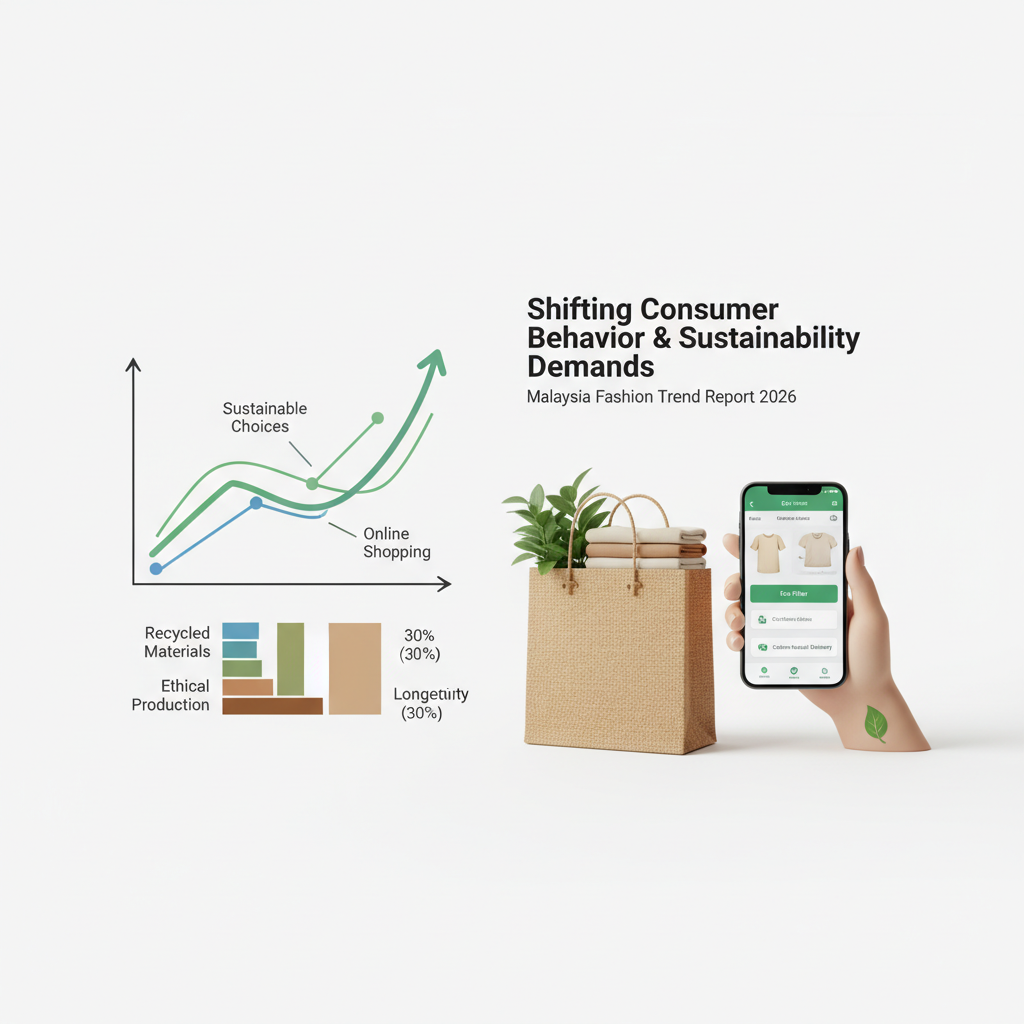
The Malaysian fashion landscape is undergoing a profound transformation, driven by an increasingly informed and ethically conscious consumer base. As we approach 2026, the industry faces not only the opportunities presented by digital connectivity but also the imperative to integrate sustainable practices. This section delves into the evolving preferences of consumers, the burgeoning influence of sustainable fashion trends, and the inherent risks that accompany this paradigm shift, all within the context of the Malaysian market. Understanding these dynamics is crucial for any stakeholder navigating the trend report of the risk of Fashion field in Malaysia.
1. Understanding Evolving ‘Consumer Behavior Fashion Malaysia 2026’
The digital age has fundamentally reshaped how Malaysians interact with fashion. By 2026, consumer behavior fashion Malaysia 2026 is expected to be characterized by several key shifts. Online retail, accelerated by recent global events, has cemented its position as a primary shopping channel, demanding seamless e-commerce experiences and personalized marketing. Beyond convenience, there’s a growing inclination towards authenticity and transparency. Malaysian consumers, particularly the younger demographic, are increasingly researching brands’ origins, production methods, and ethical fashion stances before making purchases. This rise in conscious consumption means that value is no longer solely defined by price or aesthetics but encompasses a brand’s environmental and social impact. Brands must now contend with an expectation for greater supply chain transparency and a commitment to fair labor practices. Furthermore, a burgeoning interest in local brands and artisanal craftsmanship reflects a desire for unique, culturally relevant pieces that often come with a stronger narrative of ethical production. This evolving sentiment necessitates a strategic pivot for brands looking to remain relevant and resonate with the modern Malaysian consumer, influencing digital consumer engagement strategies significantly.
2. The Rise of ‘Sustainable Fashion Trends Malaysia’ and Its Associated Risks
The global push for sustainability has found significant traction in Malaysia, driving a noticeable shift towards sustainable fashion trends Malaysia. This movement is fueled by increased awareness of textile waste, pollution, and the social costs of fast fashion. Malaysian consumers are actively seeking eco-friendly materials, upcycled garments, and brands committed to circular economy principles. This growing demand presents immense opportunities for innovation in design, production, and retail. However, this surge also carries inherent risks. One of the most significant challenges is greenwashing – where brands mislead consumers about their environmental credentials without genuine commitment. This can erode consumer trust and harm the reputation of truly sustainable brands. Additionally, integrating sustainable practices often entails higher upfront costs for sourcing ethical materials, implementing eco-friendly manufacturing processes, and ensuring fair wages, which can impact pricing and competitiveness. Educating consumers on the true value and cost of sustainable products, while also ensuring robust verification of claims, is paramount for the healthy growth of sustainable fashion in Malaysia. Overcoming these risks requires industry-wide collaboration, stringent standards, and transparent communication, mitigating potential greenwashing risks.
3. Fast Fashion’s Ethical Dilemmas and Brand Reputation Management
The traditional fast fashion model, characterized by rapid production cycles, low costs, and high volume, now faces intense scrutiny. Its well-documented ethical dilemmas, ranging from poor labor conditions in manufacturing hubs to massive environmental footprints from excessive waste and resource depletion, are increasingly unpalatable to the discerning Malaysian consumer. Brands operating within this model are under immense pressure to re-evaluate their practices or risk severe damage to their brand reputation management and long-term viability. Managing brand reputation in this environment involves more than just marketing; it requires a fundamental shift in operational philosophy. This includes investing in enhanced supply chain transparency, adopting ethical sourcing policies, ensuring fair wages and safe working conditions, and exploring more sustainable material alternatives. Some fast fashion giants are attempting to pivot by introducing “eco-collections” or investing in recycling initiatives, but true transformation demands deeper commitment. Failure to address these ethical concerns head-on can lead to consumer boycotts, negative media attention, and a significant decline in brand loyalty, posing considerable risks to the fashion field in Malaysia. The challenge for brands is to communicate their efforts authentically and demonstrate tangible progress, moving beyond performative sustainability to genuinely embed ethical practices into their core business model, thereby rebuilding brand trust.
Strategic Risk Assessment & Mitigation for 2026
Provides actionable insights into how fashion businesses in Malaysia can effectively assess, prepare for, and mitigate the identified risks, emphasizing robust ‘Fashion risk assessment Malaysia’ frameworks.
As the global economic and environmental landscapes continue to evolve, Malaysian fashion businesses face a dynamic array of challenges and opportunities. Proactive risk assessment and mitigation are no longer optional but critical for sustained growth and competitiveness. This section delves into strategic approaches for fashion enterprises in Malaysia to navigate potential disruptions, drawing insights from the the trend report of the risk of Fashion field in malaysia, ensuring resilience against future uncertainties. Focusing on tailored ‘Fashion risk assessment Malaysia’ frameworks, the goal is to equip businesses with tools to transform vulnerabilities into strategic advantages.
1. Implementing Robust ‘Fashion Risk Assessment Malaysia’ Frameworks
Effective risk management begins with a comprehensive and localized framework. For the fashion industry Malaysia, this involves systematically identifying, analyzing, and evaluating potential threats across the entire value chain. Businesses should move beyond generic risk registers to develop bespoke frameworks that consider Malaysia’s unique socio-economic context, regulatory environment, and regional market dynamics. Key components include:
- Identification: Regularly scan for macroeconomic shifts (e.g., inflation, currency fluctuations, impacting the economic outlook Malaysia), geopolitical tensions, climate change impacts (flooding, heatwaves affecting production or logistics), technological advancements (AI, automation), and evolving consumer behavior Malaysia (demand for sustainability, digital shopping).
- Analysis & Evaluation: Assess the likelihood and potential impact of each identified risk on operations, finances, brand reputation, and market share. Utilize quantitative and qualitative methods, including scenario planning and stress testing specific to the fashion industry Malaysia.
- Treatment & Monitoring: Develop clear mitigation strategies for high-priority risks, assigning responsibilities and establishing key performance indicators (KPIs) for tracking. Implement continuous monitoring mechanisms to ensure frameworks remain relevant and responsive to emerging threats. An agile framework allows businesses to quickly adapt their strategies, from inventory management to marketing campaigns, in response to real-time data and market shifts.
2. Diversifying Sourcing and Supply Chain Strategies for Resilience
The vulnerabilities of global supply chains were acutely exposed in recent years, highlighting the urgent need for enhanced supply chain resilience Malaysia. Fashion businesses must move away from over-reliance on single-source suppliers and embrace diversification strategies to mitigate disruptions from natural disasters, geopolitical events, or trade restrictions.
- Regionalization and Near-shoring: Explore sourcing from within ASEAN or Malaysia itself to reduce lead times, transportation costs, and exposure to distant supply chain shocks. This not only bolsters local economies but also offers greater control and visibility over ethical practices and product quality, aligning with growing demands for sustainability fashion Malaysia.
- Multi-vendor Approach: Establish relationships with multiple suppliers for critical components and materials. This redundancy ensures continuity of supply even if one vendor faces operational challenges.
- Technology Integration: Leverage digital tools for enhanced supply chain visibility. Blockchain can track materials from source to shelf, improving transparency and accountability. AI-driven analytics can optimize inventory management, forecast demand more accurately, and identify potential bottlenecks before they escalate, thereby strengthening overall supply chain resilience Malaysia. As highlighted by McKinsey & Company, future-proofing supply chains requires proactive strategies that integrate technology and diversified networks.
3. Adapting Business Models and Innovation for Future Resilience
To thrive in 2026 and beyond, Malaysian fashion businesses must be willing to innovate and adapt their core business models. This involves embracing digital transformation fashion Malaysia and integrating sustainability at every level, responding to evolving consumer values and technological advancements.
- Digital Transformation & E-commerce Expansion: Accelerate investments in e-commerce platforms, mobile shopping experiences, and digital marketing. Utilize data analytics to understand consumer behavior Malaysia, personalize offerings, and optimize sales strategies. Explore emerging technologies like AI for virtual try-ons, augmented reality (AR) for immersive shopping, and 3D design to streamline production processes and reduce waste.
- Circular Economy & Sustainability: Embed circular principles into product design, production, and consumption. This includes using recycled or upcycled materials, designing for longevity, offering repair services, and exploring rental or resale models. Prioritizing sustainability fashion Malaysia not only reduces environmental impact but also resonates strongly with eco-conscious consumers, enhancing brand loyalty and reputation.
- Agile Product Development: Adopt rapid prototyping and on-demand manufacturing to respond quickly to trends and minimize excess inventory, a significant risk for fashion businesses. This agility reduces financial exposure to unsold stock and allows for more efficient resource allocation, vital in a fluctuating economic outlook Malaysia.
By implementing these strategic approaches, Malaysian fashion businesses can effectively assess, prepare for, and mitigate risks, ensuring a resilient and prosperous future amidst the dynamic challenges of the modern global landscape.
Future Outlook: Opportunities Amidst the Challenges
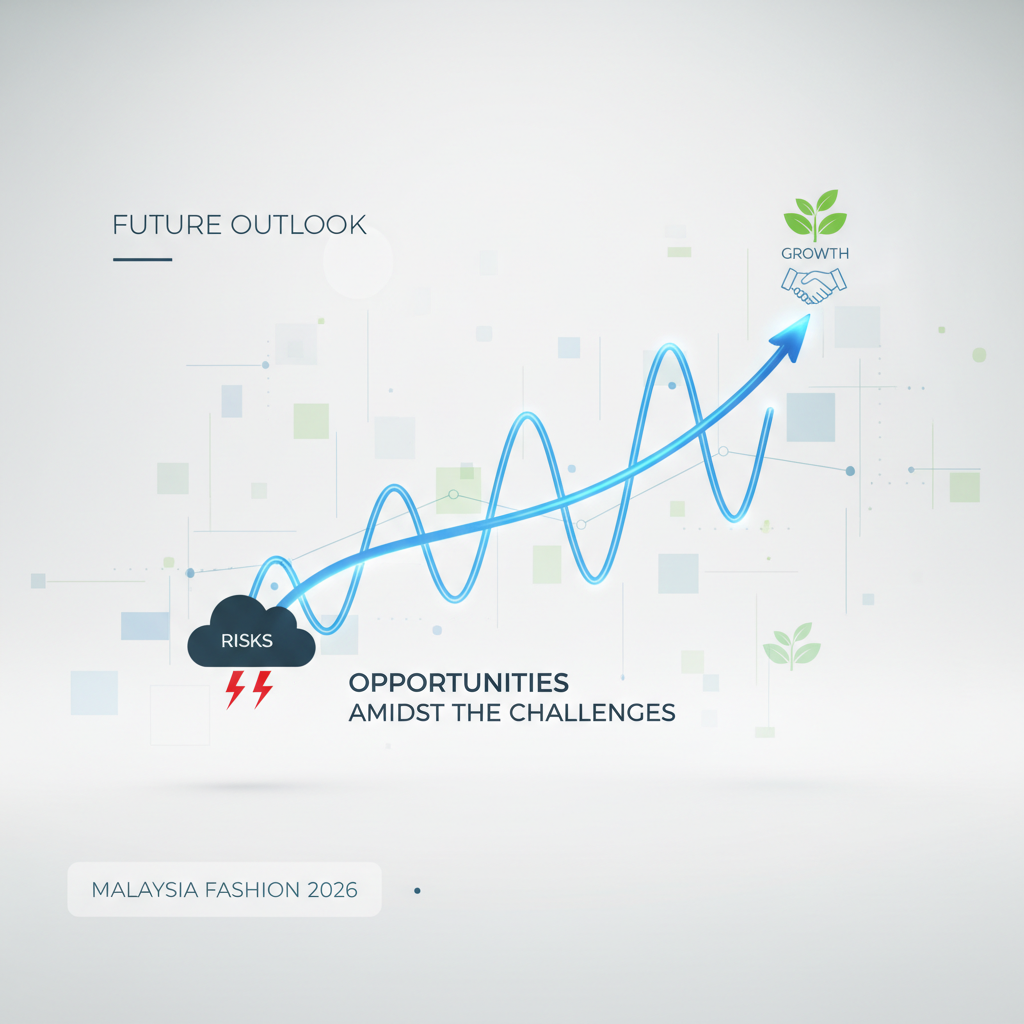
Malaysia’s fashion industry, while navigating a complex landscape of global economic shifts, evolving consumer preferences, and increasing sustainability demands, stands on the cusp of significant transformation. Far from being solely defined by challenges, a deeper look reveals a vibrant ecosystem brimming with opportunities for growth and innovation. This forward-looking perspective, building upon insights from the trend report of the risk of Fashion field in malaysia, highlights key areas where strategic investment and creative vision can propel the sector to new heights, making it a robust player on both the regional and international stages. Understanding these potential growth trajectories is essential for stakeholders looking to thrive amidst change and foster genuine Malaysian fashion innovation.
1. Leveraging Technology for Enhanced Operations and Customer Experience
The acceleration of digital transformation fashion presents an unparalleled opportunity for Malaysian brands to redefine their operational efficiencies and elevate customer engagement. The rapid growth of E-commerce fashion Malaysia continues to open doors to wider markets, both domestically and internationally. Brands can leverage Artificial intelligence (AI) and machine learning for personalized recommendations, predictive trend forecasting, and optimizing inventory management, significantly reducing waste and improving responsiveness to consumer demand. Augmented Reality (AR) and Virtual Reality (VR) technologies offer immersive shopping experiences, allowing customers to virtually try on garments or visualize products in their own environments, thus bridging the gap between online and physical retail. Furthermore, blockchain technology can enhance supply chain transparency, ensuring ethical sourcing and authenticity—a crucial factor for today’s conscientious consumers. Integrating these advanced technologies is not merely about staying competitive; it’s about pioneering new business models and creating seamless, engaging customer journeys that set Malaysian fashion apart. According to McKinsey’s State of Fashion 2024 report, digital adoption and supply chain resilience remain critical for growth in a volatile market.
2. Exploring Niche Markets and Celebrating Cultural Fashion Identity
While global trends often dictate the mainstream, significant potential lies in exploring and dominating niche markets, particularly those that celebrate Malaysia’s rich cultural tapestry. The global rise of modest fashion, for instance, offers a substantial market segment where Malaysian designers, with their deep understanding of local aesthetics and religious sensitivities, can truly excel. There’s also a growing demand for sustainable fashion Malaysia, driven by consumers who prioritize environmentally friendly materials and production processes. This aligns perfectly with opportunities for traditional crafts and artisanal techniques to be revitalized and integrated into contemporary designs, offering unique, handcrafted pieces that command premium value. By emphasizing authenticity, heritage, and unique storytelling, Malaysian brands can cultivate a distinct identity that resonates with both local and international audiences. Focus on ethical fashion practices and locally sourced materials not only reduces environmental impact but also empowers local communities, fostering a sense of pride and ownership in the garments produced. This approach taps into a desire for individuality and conscious consumption, driving a powerful cultural fashion revival.
3. Collaborative Approaches for Industry Growth and Sustainability
The future resilience and growth of Malaysia’s fashion sector will heavily depend on fostering a spirit of collaboration across all levels of the industry. Partnerships between designers, manufacturers, textile suppliers, educational institutions, and government bodies can create synergistic ecosystems. Such collaborations can facilitate shared access to advanced technologies, pooling resources for research and development in sustainable materials, and collective marketing efforts to promote “Made in Malaysia” brands on a global scale. Mentorship programs connecting established industry players with emerging talents can nurture the next generation of designers and entrepreneurs, ensuring a continuous flow of Malaysian fashion innovation. Furthermore, collective advocacy for supportive policies, such as tax incentives for eco-friendly production or intellectual property protection, can create a more conducive environment for growth. By working together, the industry can address common challenges more effectively, from optimizing supply chains to establishing robust circular economy models, thereby solidifying Malaysia’s reputation as a hub for responsible and creative fashion. This united front is crucial for long-term prosperity.
In conclusion, while the fashion landscape presents its share of complexities, Malaysia’s industry is well-positioned to transform these challenges into remarkable opportunities. By strategically embracing technological advancements, celebrating its unique cultural heritage through niche market specialization, and fostering strong collaborative networks, the sector can not only overcome existing hurdles but also forge a path towards a dynamic, sustainable, and globally recognized future. The potential for growth is immense, requiring only vision, adaptability, and collective effort to unlock it fully.
Partner with Shelby Global
You are looking for reliable HR Sevice Suppliers? Contact Shelby Global Now! To connect with verified talents and upgrade your orginization.
—————————————
References
– trend report of the risk of Fashion field in malaysia: https://www.statista.com/outlook/dmo/ecommerce/fashion/malaysia
– WTO – Trade and economic statistics: https://www.wto.org/english/res_e/statis_e/statis_e.htm
– What Is Greenwashing in Fashion? – The Business of Fashion: https://www.businessoffashion.com/articles/sustainability/what-is-greenwashing-fashion-environmental-claims-marketing/
– McKinsey & Company on Supply Chain Resilience: https://www.mckinsey.com/capabilities/operations/our-insights/supply-chain-resilience-how-to-future-proof-your-business
– McKinsey’s State of Fashion 2024 report: https://www.mckinsey.com/industries/retail/our-insights/the-state-of-fashion-2024-diverging-paths



































































































