
Understanding Vietnam’s Film Industry Landscape
Vietnam’s film industry is experiencing a dynamic period of growth and transformation, establishing itself as a significant player within Southeast Asia’s entertainment sector. Fueled by a burgeoning young population, increasing disposable incomes, and technological advancements, the landscape is ripe with opportunities but also presents unique challenges. This section delves into the current state of Vietnamese cinema, exploring its growth drivers, key participants, and audience engagement, providing essential context for a comprehensive trend report of the risk of Films field in vietnam.

1. Current Growth Trajectory and Market Size
The Vietnamese film industry has demonstrated an impressive growth trajectory over the past decade, moving from a nascent market to one with substantial potential. Prior to the global pandemic, the sector was consistently achieving double-digit growth annually, driven primarily by increasing cinema attendance and the expansion of modern multiplexes across urban centers. While the pandemic introduced temporary setbacks, the market has shown remarkable resilience and a robust recovery, signaling its underlying strength. The burgeoning middle class and a youthful demographic, which represents a significant proportion of the population, are key drivers. They possess a strong appetite for entertainment, both local and international productions.
The market size, while still smaller than regional giants, is expanding rapidly. Revenue streams are diversified, encompassing box office sales, streaming subscriptions, and growing investment in production. The government’s supportive policies, including incentives for local productions and efforts to combat piracy, further bolster this growth. According to recent analyses, the Vietnamese film market is poised for continued expansion, with a strong focus on enhancing local content quality and leveraging digital distribution channels. For instance, the film industry has seen substantial investment and government support, contributing to its rapid development and increasing its contribution to the national economy, as highlighted by a report on Vietnam’s film industry growth.
2. Key Players and Production Houses
The Vietnamese film landscape is characterized by a mix of established domestic entities and influential foreign players. Major domestic production houses like Galaxy Studio, BHD, and THIEN NGAN (which is behind CGV Vietnam’s local content strategy) play pivotal roles, not only in film production but also in distribution and exhibition. These companies have been instrumental in nurturing local talent and producing commercially successful films that resonate with Vietnamese audiences. Their vertically integrated models often allow them to control various aspects of the value chain, from content creation to screen delivery.
Foreign investment, particularly from South Korea’s CJ CGV (which operates the largest cinema chain in Vietnam) and American studios, significantly impacts the industry. While primarily focused on exhibition and distributing international blockbusters, these foreign entities also engage in local co-productions and provide crucial infrastructure. This blend of local entrepreneurship and international capital fosters a competitive yet collaborative environment. Additionally, a vibrant independent film scene is emerging, pushing creative boundaries and addressing niche subjects, often gaining international acclaim despite facing greater funding and distribution challenges. Understanding the interplay between these key players is crucial for assessing the trend report of the risk of Films field in vietnam, as their strategies directly influence market dynamics and potential for return.
3. Audience Demographics and Consumption Habits
Understanding the Vietnamese audience is paramount for any film industry stakeholder. The demographic profile is predominantly young, with a significant portion of the population under 35, concentrated in urban areas. This youth-centric audience is highly digitally literate, influencing both consumption habits and content preferences. Cinema remains a popular outing, especially for blockbusters and local comedies/romances, with peak attendance often seen on weekends and holidays.
Beyond traditional cinema, streaming services have rapidly gained traction. Both international platforms like Netflix and regional/local players are vying for market share, offering a diverse array of content to consumers who increasingly prefer on-demand viewing. Mobile devices are central to content consumption, highlighting the need for multi-platform distribution strategies. Genre preferences lean towards romantic comedies, action films, and horror, though thought-provoking dramas and historical epics occasionally break through. The audience also shows a strong preference for stories that reflect Vietnamese culture, identity, and contemporary social issues. This evolving landscape of audience preferences and consumption habits directly informs the creative and business strategies within the film sector, making it a critical component of any trend report of the risk of Films field in vietnam.
Identifying Major Risk Factors in Film Production
The vibrant landscape of Vietnamese cinema has seen remarkable growth and international recognition. However, behind the glamour lies a complex web of challenges that can derail even promising productions. Identifying and understanding these major risk factors is crucial for stakeholders navigating the path from concept to completion in Vietnam’s dynamic film industry. This section delves into economic, regulatory, and human resource hurdles that define the current production environment.
1. Financial Risks: Budget Overruns and Funding Challenges
Financial instability is a pervasive threat to film production in Vietnam. Projects frequently face severe budget overruns, often stemming from unforeseen circumstances like weather delays, logistical complications, or unexpected schedule changes. Limited specialized equipment or expertise can necessitate costly imports or international hires. Moreover, currency fluctuations, especially for co-productions, can significantly impact financial forecasts.
Beyond managing budgets, securing adequate funding remains a perennial challenge. The Vietnamese film industry largely relies on private investment and limited government grants. Access to traditional bank loans for film projects is often restricted due to perceived high risk. This reliance on fragmented funding sources means producers spend considerable time on fundraising, often delaying projects indefinitely. The absence of a robust, institutionalized film fund leaves many promising projects in a precarious financial position. A comprehensive understanding of the trend report of the risk of Films field in Vietnam underscores that financial vulnerabilities are paramount, requiring innovative financing and rigorous budgetary controls.
2. Regulatory and Censorship Hurdles
Navigating Vietnam’s intricate regulatory landscape and stringent censorship presents another formidable challenge. The government maintains strict oversight over cultural products to ensure alignment with national values and socio-political sensitivities. This often translates into lengthy and unpredictable approval processes for scripts, permits, and final cuts. Films touching upon sensitive historical events, political themes, social issues, or ‘unsuitable’ content can face significant delays, extensive edits, or even outright bans.
The implementation of new film laws, such as the one in 2022, have sometimes been criticized for not fully addressing creative freedoms or streamlining approval processes, as highlighted in discussions around Vietnam’s New Film Law. This environment creates a delicate balance for filmmakers who must self-censor or meticulously craft narratives to gain approval, potentially compromising artistic vision. For international co-productions, understanding and adhering to these local regulations is paramount, as non-compliance can result in severe financial penalties. The uncertainty surrounding content approval adds a layer of risk demanding extensive planning and legal consultation.
3. Talent Management and Crew Shortages
The rapid expansion of Vietnam’s film and television industry has created an acute demand for skilled professionals, leading to significant talent management challenges and persistent crew shortages. While a dedicated local talent pool exists, there remains a noticeable gap in highly specialized roles such as experienced cinematographers, visual effects artists, sound designers, and post-production supervisors proficient with international industry standards. This scarcity often forces productions to either compromise quality or incur higher costs by engaging expatriate professionals, adding to financial pressures and logistical complexities.
Furthermore, retaining top talent within Vietnam is a constant battle. Competitive offers from international productions or other creative industries often lead to a ‘brain drain,’ where skilled individuals seek opportunities abroad or in more stable sectors. Effective talent management involves not only competitive compensation but also opportunities for professional development, training in cutting-edge technologies, and a stable career path. The lack of formalized, comprehensive film education programs for certain technical roles exacerbates the problem, underscoring the need for greater investment in vocational training and industry partnerships to nurture a robust local workforce.
The challenges in film production in Vietnam are multi-faceted and interconnected. From budget overruns and fundraising complexities to regulatory hurdles and critical talent shortages, each factor demands proactive strategies and meticulous planning. For the Vietnamese film industry to continue its ascent and unlock its creative and economic potential, stakeholders must identify these risks and collaborate on fostering a more stable, supportive, and creatively liberal environment. Addressing these core issues will be fundamental to ensuring sustainable growth and global competitiveness.
Market & Distribution Risks: Reaching Audiences
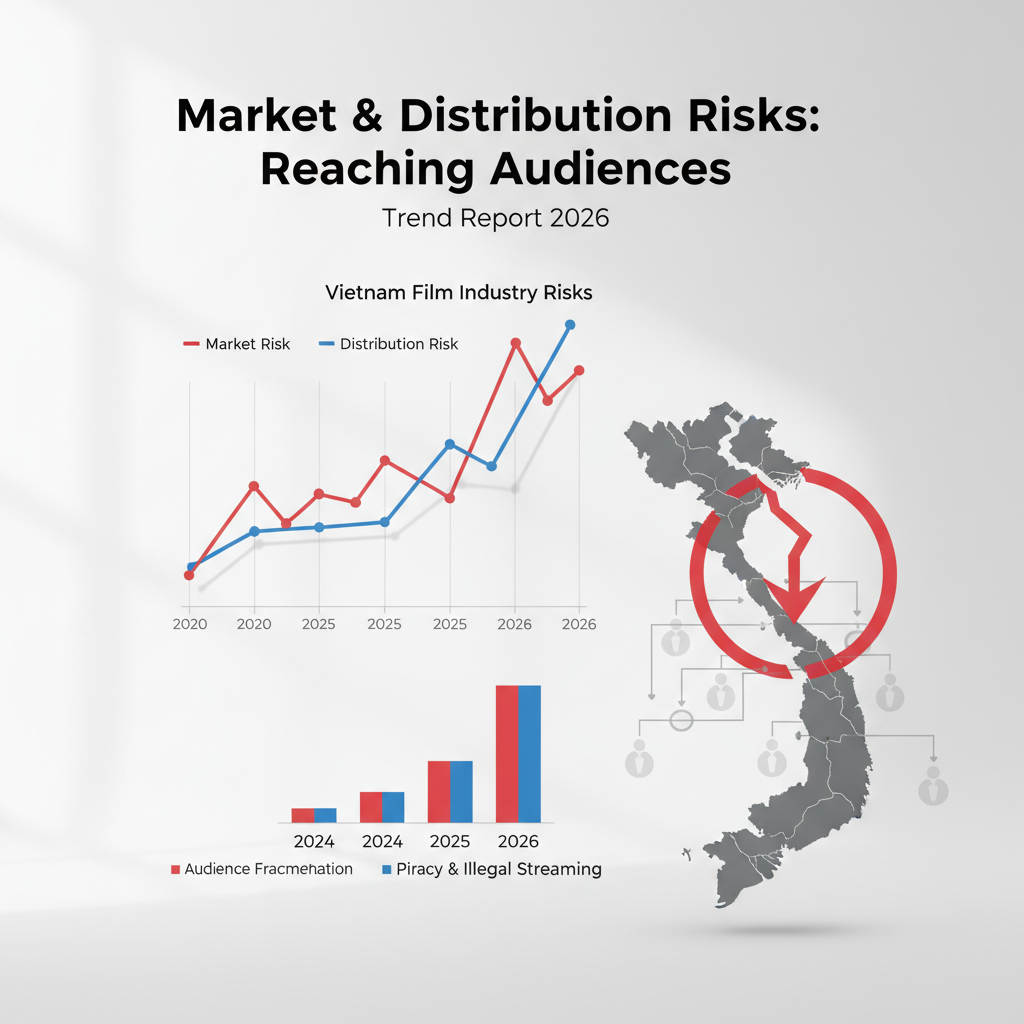
The burgeoning film industry in Vietnam, while showing immense potential and creative spirit, faces a complex web of market and distribution challenges. Navigating these obstacles is crucial for sustainable growth and for filmmakers to effectively reach their intended audiences. A comprehensive understanding of the trend report of the risk of Films field in vietnam reveals that difficulties associated with film distribution, fierce market competition, and the pervasive issue of piracy are significant hurdles that demand strategic foresight and robust solutions.
1. Intense Competition from International Content
Vietnamese cinema operates within a highly competitive landscape, where it constantly vies for audience attention and box office share against a formidable influx of international content. Hollywood blockbusters, with their colossal budgets, advanced special effects, and global marketing machinery, often dominate prime screening slots and capture significant public interest. Beyond the West, films from South Korea, China, and other regional powerhouses also command substantial fan bases and market presence, often leveraging established stars and popular genres.
This intense competition places local productions at a distinct disadvantage. Vietnamese films, typically produced with more modest budgets, struggle to compete in terms of marketing spend and spectacle. Securing sufficient screen time in multiplexes, especially during peak seasons, becomes a fierce battle. Audiences, spoiled for choice, often lean towards internationally acclaimed films, perceiving them as higher quality or more entertaining due to their extensive promotion. This challenge not only impacts immediate box office returns but also limits the visibility and potential longevity of local cinematic works, making it harder for domestic talent to thrive and for the industry to cultivate a loyal local audience base.
2. Piracy and Copyright Infringement Issues
Perhaps one of the most debilitating risks to the Vietnamese film industry is the pervasive problem of piracy and copyright infringement. Despite concerted efforts by authorities and industry stakeholders, illegal streaming websites, torrent platforms, and physical copies of pirated films remain readily accessible across the country. This widespread availability of unauthorized content severely undermines the economic viability of film production and distribution.
The direct consequence is substantial revenue loss for filmmakers, distributors, and exhibitors. When audiences can access films for free shortly after or even before their official release, the incentive to pay for tickets or legitimate streaming subscriptions diminishes significantly. This loss of revenue not only impacts the profitability of individual projects but also acts as a powerful disincentive for future investment in the local film sector. Why invest millions in production when the returns are constantly eroded by illegal consumption? The fight against piracy is a continuous uphill battle, requiring more stringent legal frameworks, effective enforcement mechanisms, and public awareness campaigns to educate consumers about the economic and ethical implications of copyright infringement. The scale of this problem is not unique to Vietnam but is a significant concern across the region, as highlighted in reports like the one detailing how digital video piracy remains rampant in Southeast Asia, posing a severe threat to content creators and distributors alike.
3. Evolving Distribution Channels (Streaming vs. Traditional Cinemas)
The global shift in content consumption patterns profoundly impacts film distribution in Vietnam, presenting both opportunities and significant risks. The rise of digital streaming platforms, both international giants like Netflix and local players, has fundamentally altered how audiences access films. While streaming offers unprecedented reach, allowing films to bypass the limitations of physical cinema screens and potentially reach a wider, more diverse audience, it also introduces a new set of challenges.
Traditional cinemas, once the primary revenue generator for films, now face stiff competition from the convenience and vast libraries of streaming services. This shift necessitates a delicate balancing act for distributors. Deciding between an exclusive theatrical release, a hybrid model, or a direct-to-streaming approach involves complex strategic considerations regarding potential revenue, audience engagement, and marketing costs. Furthermore, the fragmentation of the audience across numerous streaming platforms means that securing visibility and subscription numbers can be as challenging as competing for cinema screens. Lower per-view revenues from streaming compared to theatrical runs can also impact overall profitability, especially for high-budget productions. Filmmakers and distributors must adapt swiftly, exploring innovative release strategies and leveraging data analytics to understand audience preferences across these diverse channels. Successfully navigating this evolving landscape is critical for the long-term viability of the trend report of the risk of Films field in vietnam and its film industry.
In conclusion, the Vietnamese film industry faces a multi-faceted battle on the distribution front. From the intense pressure of international blockbusters and the continuous drain of piracy to the complex adaptation required by evolving digital platforms, each risk demands innovative solutions. A proactive approach, focusing on content differentiation, robust legal protection, and flexible distribution models, will be vital for Vietnamese cinema to not only survive but thrive in this dynamic and challenging environment.
Emerging Trends and Their Impact on Risk Assessment
The Vietnamese film industry is experiencing a profound transformation, driven by an accelerating pace of technological innovation, significant global shifts, and rapidly evolving audience preferences. These powerful forces are not merely changing how films are made and consumed; they are fundamentally reshaping the risk landscape for Vietnamese films. For producers, investors, and policymakers, a nuanced understanding of these emerging trends is crucial for effective risk assessment and strategic planning. Staying ahead in this dynamic environment requires continuous adaptation and an acute awareness of both the challenges and opportunities presented by this new era. A comprehensive look into the trend report of the risk of Films field in vietnam reveals key areas demanding immediate attention.
-
Rise of Digital Platforms and Shifting Viewer Preferences
The exponential growth of digital streaming platforms has undeniably disrupted traditional film distribution and consumption patterns in Vietnam. Local players like FPT Play and VieON, alongside international giants such as Netflix and Disney+, have redefined accessibility, offering a vast array of content directly to consumers’ screens. This shift presents a dual-edged sword for Vietnamese films. On one hand, it opens unprecedented avenues for wider reach, allowing niche content to find its audience and reducing reliance on physical cinema releases. This broader distribution potential can mitigate risks associated with limited theatrical runs and expand revenue streams through subscription video-on-demand (SVOD) and advertising video-on-demand (AVOD) models. On the other hand, it intensifies competition for viewer attention, leading to content saturation and the challenge of standing out in a crowded marketplace. New risks include digital piracy, subscription fatigue among consumers, and the need for significant marketing investment to cut through the noise. Moreover, audience preferences are now heavily influenced by global trends and data-driven algorithms, necessitating a more agile and data-informed approach to content creation and genre diversification to capture and retain viewers.
-
Impact of AI and Technology on Production Workflows
Artificial Intelligence (AI) and other advanced technologies are rapidly integrating into virtually every stage of film production, from pre-production to post-distribution. In Vietnamese cinema, AI is beginning to influence script analysis, character generation, virtual production techniques, and highly realistic visual effects (VFX) through deepfake technology. Post-production workflows are seeing automation in editing, color grading, and even localized dubbing and subtitling. While these advancements promise increased efficiency, reduced costs, and enhanced creative possibilities – allowing filmmakers to push boundaries like never before – they also introduce a new set of risks. Ethical concerns surrounding the authenticity of content, copyright infringement, and the potential for job displacement within traditional film crafts are paramount. Cybersecurity threats, data privacy breaches, and the reliability of complex AI systems become critical considerations. Furthermore, the significant upfront investment in cutting-edge technology and the need for specialized skills to operate it pose financial and human resource challenges. Understanding how AI is reshaping the film industry from script to screen is vital for anticipating and mitigating these evolving risks while harnessing the technology’s transformative potential.
-
Global Collaboration Opportunities and Challenges
The interconnected nature of the global film industry offers Vietnamese films unprecedented opportunities for international collaboration, co-productions, and market expansion. Such partnerships can unlock diverse funding sources, access to world-class talent and technical expertise, and broader distribution channels beyond domestic borders. This can significantly de-risk projects by sharing financial burdens and leveraging international marketing networks. Vietnamese culture, with its rich history and compelling narratives, holds unique appeal for global audiences, making it an attractive partner. However, global collaboration is not without its challenges. Navigating differing legal frameworks, intellectual property rights, and cultural nuances across countries can lead to complex negotiations and potential disputes. Geopolitical tensions can impact market access and project viability. Furthermore, the risk of cultural misinterpretation or dilution of local artistic vision to appeal to international markets needs careful management. Effective risk assessment in this context requires meticulous due diligence on partners, clear contractual agreements, and a deep understanding of international film financing and distribution mechanisms to maximize benefits while minimizing potential pitfalls.
Mitigating Risks and Future Outlook for Vietnamese Cinema 2026
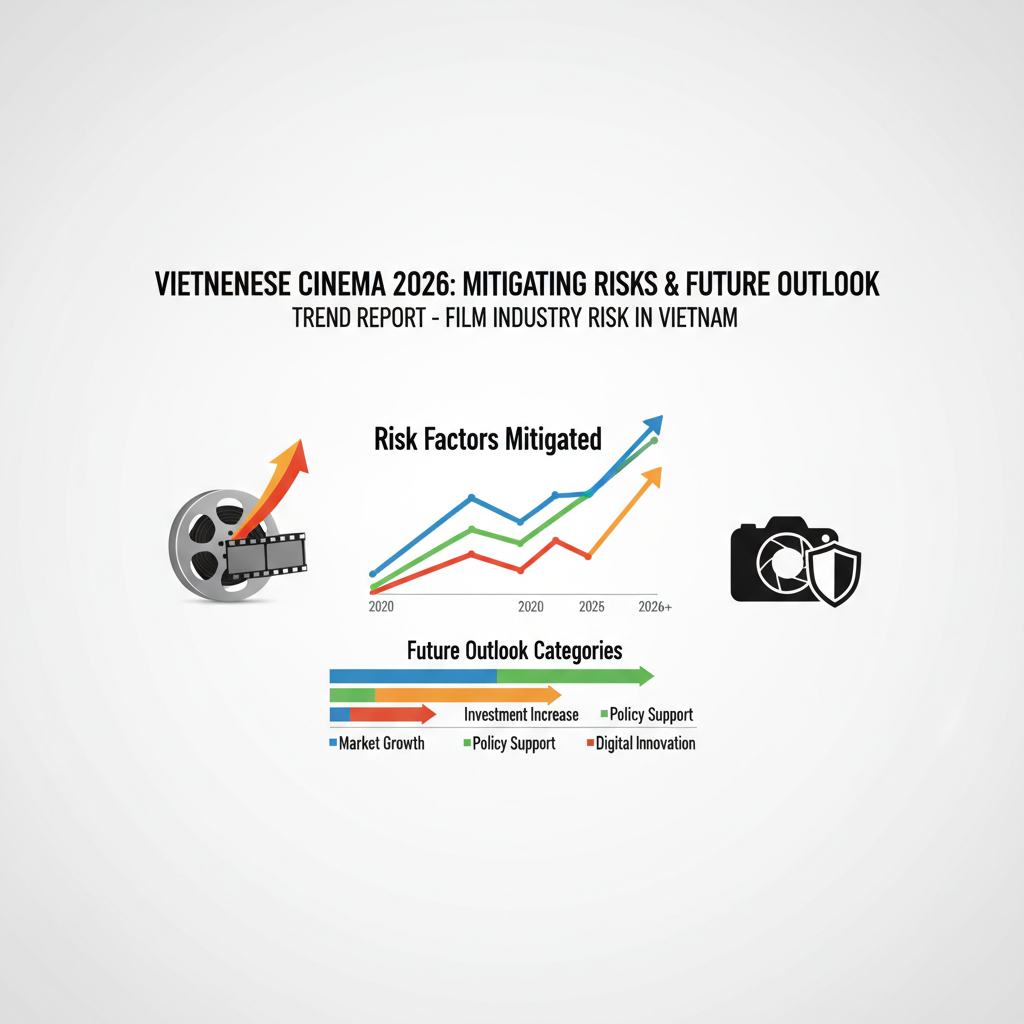
As Vietnamese cinema progresses, navigating and mitigating inherent risks is paramount for sustainable growth. This section offers strategic recommendations and a forward-looking perspective on how the industry can overcome identified challenges and thrive by 2026, building upon the insights from the trend report of the risk of Films field in Vietnam. By addressing funding, policy, and market opportunities proactively, Vietnamese filmmakers and industry stakeholders can pave the way for a vibrant and globally competitive cinematic landscape.
1. Strategies for Sustainable Funding and Investment
A critical challenge for Vietnamese cinema has been its reliance on state funding and limited private sector investment. To foster sustainable growth, a multi-pronged approach to funding is essential. Firstly, diversifying funding sources beyond traditional government subsidies is crucial. This includes exploring international co-production opportunities, which not only provide financial backing but also open doors to global distribution networks and knowledge exchange. Encouraging private equity and venture capital through attractive tax incentives and simplified investment processes can significantly boost local production budgets. The establishment of dedicated national film funds, drawing from both public and private contributions, could offer a stable and transparent mechanism for project development, production, and post-production.
Furthermore, innovative financing models such as crowdfunding, particularly for independent projects with unique cultural appeal, can engage audiences directly and foster a sense of community ownership. Attracting foreign investment requires greater transparency, clear legal frameworks, and reduced bureaucratic hurdles. Promoting public-private partnerships for infrastructure development, such as modern studios and post-production facilities, will also reduce operational costs and enhance production quality. Lastly, fostering financial literacy within the filmmaking community, from budgeting to intellectual property valuation, will empower creators to better manage their projects and attract investment.
2. Policy Recommendations for a Supportive Ecosystem
A robust and supportive policy environment is fundamental to mitigating risks and nurturing the film industry. The Vietnamese government can play a pivotal role by refining existing regulations and introducing new ones that encourage creativity while ensuring industry stability. Key recommendations include developing clearer and more consistent censorship guidelines, fostering a predictable environment for filmmakers and investors. Strengthening intellectual property rights (IPR) protection and enforcement is vital to combat piracy, safeguarding creators’ revenues and attracting further investment in Vietnam’s cultural industry development. Streamlining the licensing and permitting processes for film production, both domestic and international, will reduce administrative burdens and increase efficiency.
Investment in human capital is another critical policy area. This entails enhancing support for film schools, technical training programs for crew members, and workshops to upgrade skills in areas like VFX, sound design, and digital distribution. Policies that promote local content quotas on television and streaming platforms can ensure a steady demand for Vietnamese films, fostering local talent and storytelling. Additionally, creating incentives for film tourism, where international productions are encouraged to shoot in Vietnam, can generate revenue and global exposure for the industry. A collaborative approach involving government bodies, industry associations, and educational institutions will be essential for formulating and implementing these policies effectively.
3. Anticipated Growth Areas and Opportunities by 2026
Looking towards 2026, Vietnamese cinema is poised to capitalize on several significant growth areas. The exponential rise of streaming platforms, both global and local, presents a massive opportunity for wider distribution and audience engagement. This shift allows for the exploration of diverse genres and niche stories that might not find mainstream theatrical release. Content tailored for digital consumption, including series and short-form narratives, will see increased demand. Furthermore, regional co-productions with Southeast Asian neighbors can leverage shared cultural heritage and expand market reach, fostering a stronger regional film identity.
Technological advancements, such as virtual reality (VR) and augmented reality (AR) in storytelling, offer new immersive experiences for audiences and creative avenues for filmmakers. Investing in these emerging technologies early could position Vietnam as a pioneer in innovative cinematic experiences. The unique cultural narratives and rich history of Vietnam hold immense appeal for international audiences. Films exploring these themes, presented with high production values and universal storytelling, have the potential for significant global recognition, similar to the recent success of other Asian cinemas. By focusing on quality storytelling, embracing digital distribution, and strategically leveraging its cultural assets, Vietnamese cinema can not only mitigate risks but also achieve unprecedented growth and international acclaim by 2026 and beyond, ultimately strengthening the trend report of the risk of Films field in Vietnam.
Partner with Shelby Global
You are looking for reliable HR Sevice Suppliers? Contact Shelby Global Now! To connect with verified talents and upgrade your orginization.
—————————————
References
– Vietnam’s film industry grows rapidly thanks to government support, investment: https://en.vietnamplus.vn/vietnams-film-industry-grows-rapidly-thanks-to-government-support-investment/276709.vnp
– Vietnam’s New Film Law: A Missed Opportunity?: https://thediplomat.com/2022/07/vietnams-new-film-law-a-missed-opportunity/
– Digital video piracy remains rampant in Southeast Asia: Report: https://www.businesstimes.com.sg/tech/digital-video-piracy-remains-rampart-southeast-asia-report
– :
– Vietnam boosts cultural industry development: https://vietnamnews.vn/life-style/1487265/viet-nam-boosts-cultural-industry-development.html