
Understanding the Vietnamese Beauty Job Market Landscape
The Vietnamese beauty industry is a vibrant and rapidly expanding sector, reflecting the nation’s rising disposable income, burgeoning middle class, and strong cultural emphasis on personal care. Understanding the current state of this dynamic market, its growth trajectory, and specific regional nuances is crucial for developing an effective Salary Defining Strategy for all job titles in beauty field in vietnam.

1. Growth & Key Segments (Spa, Salon, Cosmetics Retail, Freelance)
Vietnam’s beauty market has experienced robust growth over the past decade, consistently outperforming many regional counterparts. This expansion is fueled by increased urbanization, a young population adopting beauty trends, and the growing influence of social media. Analysts project continued significant growth, making the Vietnamese beauty industry a lucrative market for both local and international players.
- Spa Services: From traditional Vietnamese therapeutic treatments to modern aesthetic procedures, the spa sector is thriving. Demand for wellness and anti-aging services is particularly high.
- Salon Services: Hair, nail, and skincare salons are ubiquitous. The trend towards specialized services (e.g., advanced hair treatments, intricate nail art) drives demand for skilled professionals.
- Cosmetics Retail: Both physical stores and e-commerce platforms are booming. This segment includes make-up artists, beauty advisors, and retail managers whose salaries often tie to sales performance and brand reputation.
- Freelance Beauty Professionals: A growing segment for make-up artists, hair stylists, and aesthetic consultants offering mobile or home-based services. Their flexibility and personalized attention can command premium rates.
The prosperity of these segments directly influences the Salary Defining Strategy for all job titles in beauty field in vietnam, pushing upwards demand for qualified staff and their compensation packages. As the market matures, specialization and continuous skill development become critical for earning higher salaries.
2. Regional Salary Variations (Hanoi, HCMC vs. Other Provinces)
When assessing beauty professional salaries in Vietnam, regional disparities are a significant factor. Major metropolitan areas like Ho Chi Minh City (HCMC) and Hanoi consistently offer higher salary expectations compared to other provinces. This divergence is primarily due to:
- Cost of Living: HCMC and Hanoi have substantially higher living costs, translating into higher baseline salaries.
- Concentration of High-End Establishments: These cities host more luxury spas, international hotel salons, and high-end cosmetics retailers, which typically offer more competitive salaries and benefits.
- Clientele Demographics: A larger affluent population and expatriate community in HCMC and Hanoi drives demand for premium services, allowing businesses to charge more and compensate staff better.
In contrast, professionals in smaller cities and rural areas may find lower average salaries, though their cost of living is also significantly lower. However, skilled professionals with a strong client base can still achieve respectable earnings. For businesses, understanding these regional nuances is vital for crafting a fair and competitive compensation plan aligned with local economic realities.
3. Impact of Economic Factors & Tourism on Beauty Sector Salaries
Vietnam’s robust economic growth has profoundly impacted the beauty sector. A rising middle class means more disposable income for personal care and beauty services. This economic stability encourages investment in the industry, leading to more sophisticated establishments, better training, and ultimately, higher earning potential for beauty professionals.
Tourism, both domestic and international, also plays a pivotal role in shaping beauty professional salaries Vietnam. As Vietnam emerges as a global tourist destination, the influx of visitors creates additional demand for high-quality spa treatments, salon services, and cosmetic products, particularly in tourist-heavy regions like Da Nang, Phu Quoc, and Ha Long Bay, beyond just Hanoi and HCMC.
- International Tourists: Often accustomed to higher service standards, international visitors are willing to pay a premium for quality beauty services, contributing to higher revenue for businesses and better tips/salaries for staff.
- Domestic Tourism: Increased domestic travel also means more opportunities for beauty businesses in resort areas and tourist hubs.
Fluctuations in economic growth or tourism numbers directly influence the profitability of beauty businesses, affecting salary structures. A booming tourism sector, for example, might lead to seasonal bonuses or increased service charges. Conversely, economic downturns or travel restrictions could exert downward pressure on wages. Therefore, a comprehensive Salary Defining Strategy for all job titles in beauty field in vietnam must factor in these broader economic and tourism trends to remain competitive and sustainable.
In conclusion, the Vietnamese beauty job market is characterized by dynamic growth, significant regional variations, and a strong link to the nation’s economic health and tourism sector. Professionals and employers alike must navigate these multifaceted factors to establish fair, attractive, and sustainable salary structures across all beauty segments and job titles.
Key Factors Influencing Beauty Professional Salaries
The beauty industry in Vietnam is a vibrant and rapidly expanding sector, with a growing demand for skilled professionals across a myriad of roles, from estheticians and hairstylists to nail technicians and spa therapists. While passion and talent are foundational, understanding the critical individual and professional attributes that collectively define an individual’s earning potential and salary placement is crucial for career advancement. Developing a robust Salary Defining Strategy for all job titles in beauty field in vietnam is essential for both aspiring and seasoned beauty professionals aiming to maximize their compensation and career growth.
This dynamic landscape means that beauty industry compensation isn’t static; it’s a reflection of various intertwined factors, ranging from technical prowess to interpersonal acumen. Professionals who strategically invest in these areas are better positioned to command higher salaries and achieve significant career growth beauty Vietnam. Let’s delve into the core elements that shape a beauty professional’s earning capacity.
1. Experience Level & Skill Specialization (e.g., advanced techniques, aesthetics)
One of the most immediate determinants of salary in the beauty field is a professional’s experience level. Entry-level positions, while valuable for foundational learning, naturally come with lower pay scales. As a professional gains years of practical experience, masters various techniques, and builds a consistent client base, their value in the market significantly increases. More experience often translates into greater efficiency, fewer errors, and a proven track record, all of which justify higher rates.
Beyond general experience, skill specialization is a powerful catalyst for increased earnings. Professionals who focus on and excel in advanced techniques or niche aesthetic treatments often command premium prices. For instance, expertise in advanced facial aesthetics (e.g., microdermabrasion, chemical peels, advanced anti-aging treatments), intricate hair coloring or cutting, permanent makeup artistry (microblading, lip blush), or highly specialized spa therapies (e.g., hot stone massage, lymphatic drainage) significantly elevates one’s skill-based pay beauty. The demand for these specialized services in Vietnam’s booming beauty and personal care market, which continues to show robust growth according to Statista’s market outlook for Vietnam, means that professionals with sought-after skills are invaluable assets to salons and spas, leading to higher compensation structures and commission opportunities.
2. Qualifications, Certifications & Continuous Professional Development
Formal qualifications and recognized certifications play a pivotal role in legitimizing a beauty professional’s expertise and directly impacting their salary potential. While some roles might allow for on-the-job training, official diplomas from accredited beauty schools or vocational training centers in Vietnam provide a strong foundation. These qualifications assure employers and clients of a baseline standard of knowledge and safety protocols.
However, the beauty industry is constantly evolving, with new technologies, products, and techniques emerging regularly. This necessitates a commitment to continuous professional development. Beauty professionals who actively pursue additional certifications, attend workshops, masterclasses, and industry seminars stay ahead of trends and acquire cutting-edge skills. For example, obtaining an international certification in a specific treatment (e.g., CIDESCO for aesthetics, Schwarzkopf Master for hair coloring) or completing advanced courses in business management for salon owners can significantly boost earning capacity and open doors to leadership roles. This ongoing investment in education is not just about keeping skills current; it’s a clear signal of dedication and professionalism, enabling a professional to justify higher service prices and securing better beauty industry compensation.
3. Soft Skills & Client Management (e.g., communication, sales ability, language proficiency)
While technical prowess is non-negotiable, a beauty professional’s soft skills and ability to manage client relationships are equally, if not more, crucial for long-term salary growth. Exceptional communication skills – active listening, clear explanation of services, and empathy – build trust and rapport with clients. A professional who can effectively communicate product benefits, address client concerns, and offer personalized advice creates a memorable experience that encourages repeat business.
Sales ability is another direct driver of income. The capacity to subtly upsell complementary services, cross-sell retail products, or introduce new treatments directly contributes to a professional’s commission and overall earnings. This isn’t about aggressive selling, but rather about understanding client needs and offering valuable solutions. Furthermore, client retention impact salary significantly; a beauty professional with a loyal, returning client base is a highly valued asset, as they bring consistent revenue to the salon or spa. Building strong relationships, remembering client preferences, and providing consistent, high-quality service are key to fostering this loyalty.
Lastly, language proficiency, particularly in English, Korean, or Japanese, can be a distinct advantage in Vietnam’s tourism-driven and increasingly international beauty market. Professionals serving high-end clientele, expatriates, or tourists often command higher rates due to their ability to provide comfortable and effective communication, further enhancing their career growth beauty Vietnam and overall compensation package.
Salary Benchmarking for Diverse Beauty Roles in Vietnam
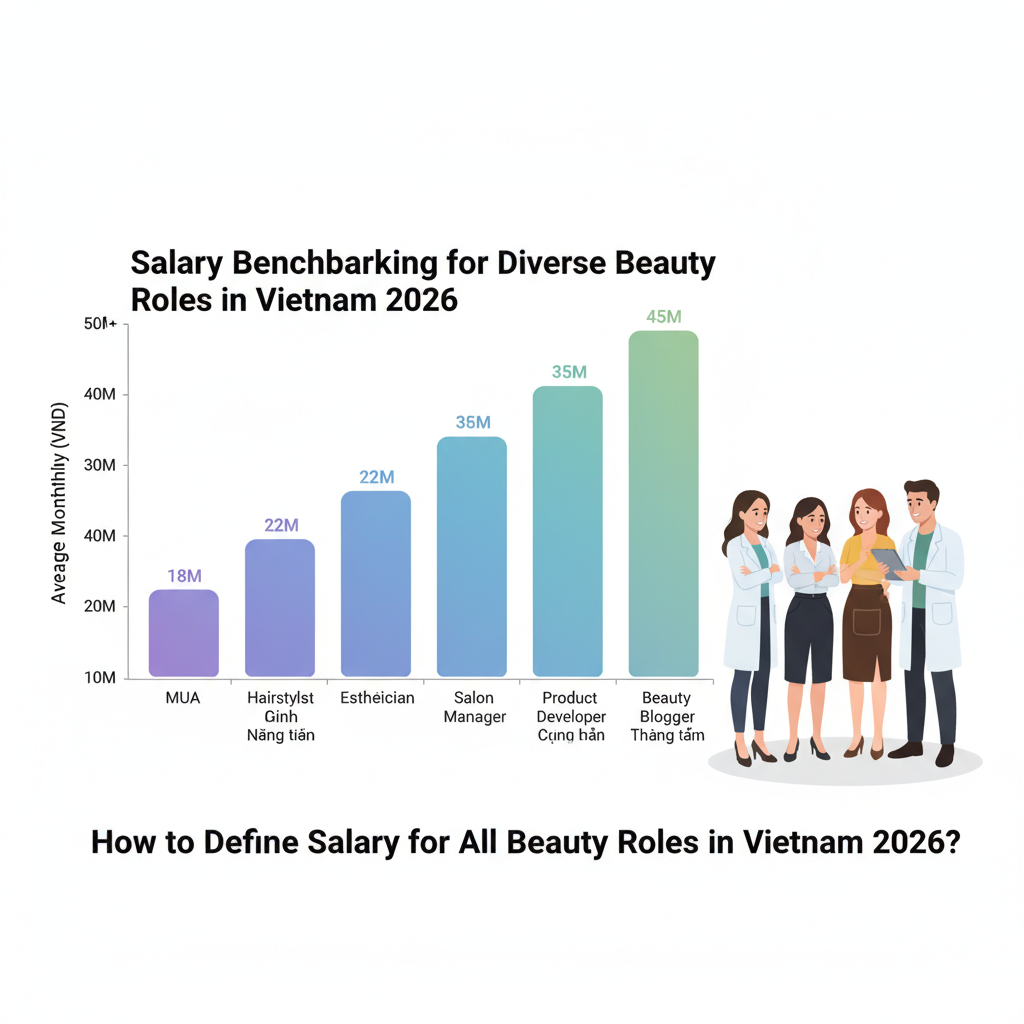
Vietnam’s beauty industry is experiencing significant growth, driven by an expanding middle class and increasing demand for professional aesthetic services. For both employers aiming to attract top talent and job seekers aspiring for rewarding careers, understanding the typical salary ranges and compensation structures is crucial. This section offers actionable insights into these aspects for popular beauty job titles, providing essential benchmarks for a robust Salary Defining Strategy for all job titles in beauty field in vietnam. By analyzing various roles, we aim to shed light on fair compensation practices and help professionals navigate the thriving Vietnamese labor market, particularly within the beauty sector, where beauty industry Vietnam salaries are becoming increasingly competitive. We will explore key factors influencing Vietnam beauty professional compensation, helping you develop effective strategies for fair and attractive pay scales.
1. Hair Stylists & Barbers: Entry, Mid, and Senior Level Compensation
Compensation for hair stylists and barbers in Vietnam varies significantly based on experience, skill level, salon prestige, and location. Typically, their income structure combines a base salary with commissions on services, product sales, and tips.
- Entry-Level Stylists/Barbers (0-2 years experience): Newcomers usually start with a modest base salary, often ranging from 5,000,000 VND to 8,000,000 VND per month. A significant portion of their income will come from commissions (typically 5-15% of service revenue) and client tips. Training and continuous skill development are key at this stage.
- Mid-Level Stylists/Barbers (2-5 years experience): With a growing clientele and enhanced skills, mid-level professionals can expect a base salary between 8,000,000 VND and 15,000,000 VND. Their commission rates may increase (10-20%), and their reputation allows for more consistent tips, potentially pushing total monthly earnings well beyond the base. Specializations like advanced coloring or specific haircutting techniques can further boost their earning potential within beauty salon pay scales Vietnam.
- Senior-Level Stylists/Barbers (5+ years experience): Highly experienced and reputable stylists or master barbers command the highest compensation. Base salaries can range from 15,000,000 VND to 30,000,000+ VND, with commission rates often reaching 20-30% or higher, especially in high-end salons. Many senior stylists also hold supervisory roles, mentor junior staff, or become salon managers, adding further allowances or profit-sharing to their package. Their strong client loyalty ensures a steady and high income.
2. Estheticians & Spa Therapists: Specialist vs. Generalist Pay Scales
The compensation for estheticians and spa therapists depends heavily on their specialization, the range of services offered, and the type of spa or clinic they work for (e.g., day spa, medical spa, hotel spa).
- Generalist Spa Therapists (Facials, Massages, Basic Treatments): Professionals performing a broad range of standard services typically earn a base salary from 7,000,000 VND to 12,000,000 VND per month. Their total income is augmented by commissions on treatments performed (usually 5-15%) and product sales (5-10%), plus tips. Customer service skills and the ability to upsell are crucial for maximizing earnings.
- Specialist Estheticians (Advanced Skincare, Medical Aesthetics, Specific Therapies): Estheticians with specialized training in areas such as advanced laser treatments, chemical peels, microdermabrasion, or specific body contouring therapies command higher wages. Their base salaries can range from 12,000,000 VND to 25,000,000 VND or more, depending on the clinic’s prestige and the complexity of the procedures. Commission rates might be higher for these specialized services (10-25%), reflecting the expertise and investment in training required. Certifications and continuous education are vital for career progression and increased earnings in this segment of Vietnam beauty professional compensation.
3. Nail Technicians, Makeup Artists & Freelancers: Income Projections
These roles often have more varied income streams, particularly for those operating on a freelance basis, making freelance beauty artist income Vietnam highly dynamic.
- Nail Technicians: Most nail technicians work on a commission-based structure, often receiving 30-50% of the service revenue, alongside a modest base salary (e.g., 4,000,000 – 7,000,000 VND) or a guaranteed minimum. Total monthly income, including tips, can range from 6,000,000 VND to 12,000,000 VND for experienced technicians in busy salons. Speed, artistry, and client retention are key drivers of higher earnings.
- Makeup Artists: Income for makeup artists is highly variable. Those working in salons might receive a base salary (7,000,000 – 10,000,000 VND) plus commission on services (10-20%) and product sales. Freelance makeup artists, however, earn per project (e.g., weddings, events, photoshoots, fashion shows). A single wedding makeup session can fetch from 1,500,000 VND to 5,000,000+ VND depending on reputation and complexity. Successful freelancers with strong portfolios and networks can achieve monthly incomes of 15,000,000 VND to 30,000,000+ VND, but income stability can be a challenge.
- Freelancers (across all categories): The allure of freelancing is the potential for high earnings and flexibility. For hair stylists, estheticians, or nail technicians who freelance, their income directly correlates with their client base, pricing strategy, and marketing efforts. While highly skilled and networked freelancers can surpass salon-based earnings (potentially 20,000,000 VND to 40,000,000+ VND per month), they also bear the costs of supplies, marketing, and self-management.
Understanding these benchmarks is vital for both employers formulating competitive offers and beauty professionals planning their career trajectory in Vietnam’s dynamic beauty sector. Negotiating based on experience, specialized skills, and market demand will be key to securing optimal compensation packages.
Crafting Your Personalized Salary Negotiation Strategy
In the dynamic and competitive beauty industry of Vietnam, mastering salary negotiation is crucial for both professionals seeking fair compensation and employers aiming to attract and retain top talent. A well-defined Salary Defining Strategy for all job titles in beauty field in vietnam is not just about securing a higher paycheck; it’s about establishing long-term professional satisfaction and fostering a thriving work environment. This guide explores effective techniques for beauty professionals to advocate for their worth and for employers to construct attractive, competitive salary packages that resonate with highly skilled individuals across roles from aestheticians and stylists to salon managers and spa therapists. By understanding market value and articulating personal contributions, both parties can achieve mutually beneficial outcomes, ensuring sustainable growth and success in Vietnam’s bustling beauty sector.
1. Research & Data-Driven Salary Expectations for Your Role
The foundation of any successful negotiation begins with thorough research. Before entering discussions, beauty professionals in Vietnam must have a clear understanding of the prevailing beauty industry salaries Vietnam for their specific role, experience level, and location. This data-driven approach empowers you with objective information, moving beyond guesswork. Start by exploring online job portals, industry-specific forums, and professional networking groups where compensation details might be shared or discussed. Consider factors such as the type of establishment (high-end spa, local salon, international chain), the range of services offered, and the city’s cost of living (e.g., Ho Chi Minh City vs. Da Nang).
Employers, similarly, benefit immensely from rigorous employer salary benchmarking beauty Vietnam. Regularly analyze competitor compensation packages, including base salaries, commission structures, and benefits, to ensure your offerings are not only competitive but also attractive. Resources like local recruitment agency reports, economic surveys, and global salary guides can provide valuable insights. For broader negotiation principles applicable to any industry, an article like “How to Negotiate Your Salary” by Harvard Business Review can offer universal strategies to refine your approach. Remember, knowledge is power; detailed research sets the stage for a confident and successful negotiation for both parties.
2. Highlighting Your Value, Achievements, and Unique Contributions
Once you understand the market rates, the next critical step for beauty professionals is to articulate your unique value proposition. This means moving beyond simply stating your job responsibilities and instead focusing on quantifiable achievements and contributions. For instance, have you significantly increased client retention rates for your salon? Did your specialized techniques lead to a 20% boost in a particular service’s bookings? Can you demonstrate excellence in client satisfaction scores or a proven track record in upselling premium products and services? These specific examples transform your experience into tangible assets.
When discussing beauty professional compensation, frame your accomplishments in terms of benefits to the employer. Emphasize any unique certifications, advanced training, or specialized skills (e.g., advanced aesthetic procedures, specific massage therapies, complex hair coloring techniques) that differentiate you from other candidates. For employers, this means creating a culture where employees are encouraged to track and communicate their successes. Understanding an individual’s impact allows for a more personalized and compelling offer. Tailoring your discussion with concrete examples of how you contribute to the business’s bottom line is a key strategy for effective negotiation tips for aestheticians/stylists and all beauty roles.
3. Negotiating Beyond Base Salary (Benefits, Commissions, Bonuses, Training)
While the base salary is often the primary focus, a truly comprehensive negotiation delves into the full spectrum of compensation and benefits. For beauty professionals, especially in a service-oriented industry like Vietnam’s, commission structures are vital. Understand how commissions are calculated, what targets are expected, and the potential for bonus earnings based on performance, sales, or client satisfaction. Beyond direct monetary benefits, consider the value of non-monetary perks.
These can include health insurance, paid time off, flexible working hours, product discounts, and most importantly, opportunities for professional development and continued education. Investing in advanced training, workshops, or certifications not only enhances your skill set but also increases your long-term earning potential and career mobility. Employers looking to attract and retain talent should highlight these comprehensive packages. Offering robust training programs, clear career progression paths, and an attractive benefits package can significantly differentiate your establishment from competitors. A holistic view of compensation, encompassing salary, performance incentives, and developmental opportunities, forms the bedrock of an appealing and competitive offer, reflecting a forward-thinking Salary Defining Strategy for all job titles in beauty field in vietnam.
Future Outlook & Sustaining Competitive Salaries in Beauty (2026)
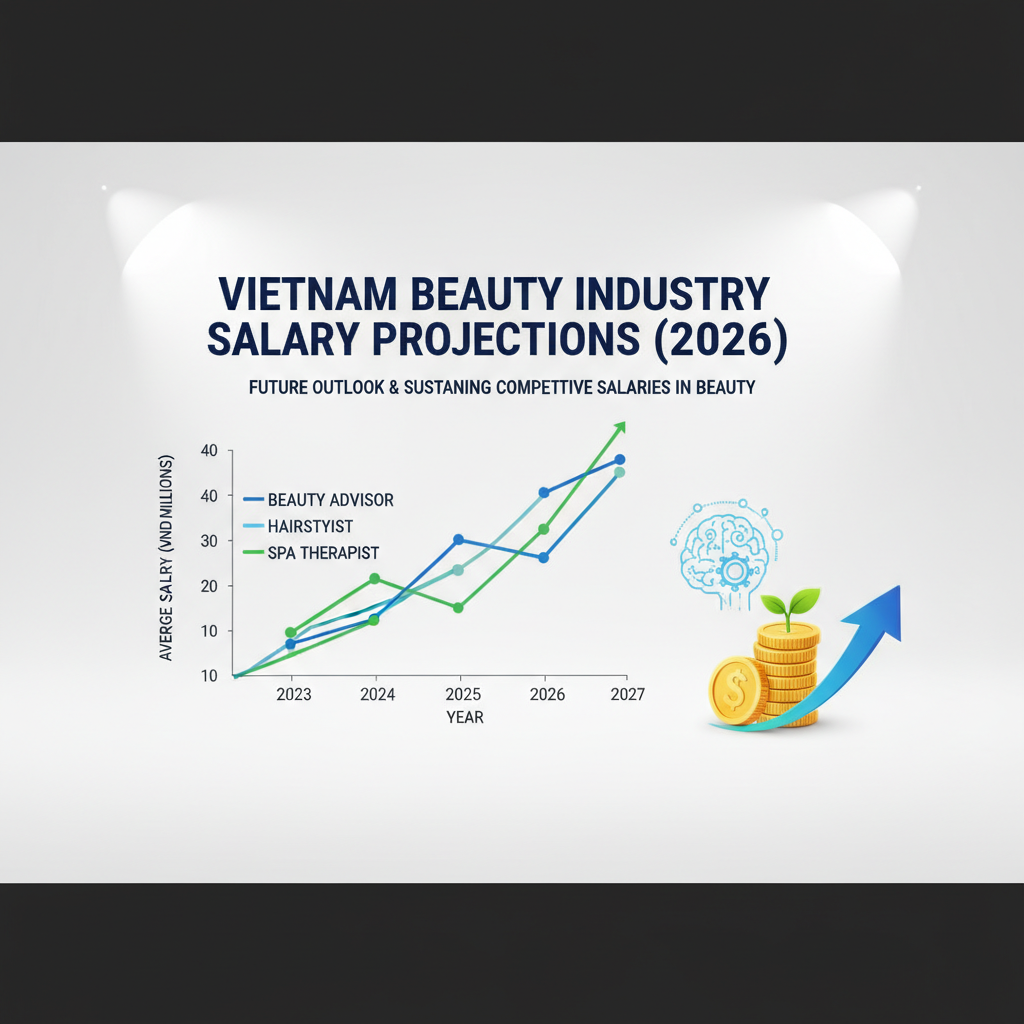
Vietnam’s beauty sector continues its dynamic growth trajectory, fueled by a young, increasingly affluent population and a growing emphasis on self-care and aesthetic enhancement. As we look towards 2026, maintaining and enhancing competitive compensation in this evolving landscape requires foresight, adaptability, and a strategic approach for both individuals and businesses. Understanding emerging trends, potential challenges, and robust Salary Defining Strategy for all job titles in beauty field in vietnam will be crucial for securing a prosperous future.
1. Impact of Technology & Digitalization on Future Beauty Roles and Pay
The beauty industry is undergoing a profound digital transformation, and Vietnam is no exception. By 2026, technology will not only streamline operations but also redefine job roles and influence earning potential, impacting Vietnam beauty industry salary trends. Artificial intelligence (AI) and augmented reality (AR) are already revolutionizing customer experiences, from virtual try-ons to personalized skincare diagnostics. Professionals skilled in integrating these technologies into services, managing beauty e-commerce platforms, or analyzing consumer data will command higher salaries. Roles like ‘Beauty Tech Specialist,’ ‘Digital Beauty Marketer,’ and ‘AI Skincare Consultant’ will emerge as high-value future beauty jobs Vietnam. Businesses that invest in digital tools and upskill their workforce in areas such as data analytics, CRM management specific to beauty, and virtual consultation platforms will secure a competitive edge and attract talent willing to embrace these advancements. Conversely, traditional roles that fail to adapt to digital tools may see stagnation in compensation.
2. Staying Ahead with In-Demand Skills (e.g., K-Beauty, advanced skincare tech)
The pursuit of specialized skills is paramount for individuals aiming to secure top-tier compensation in Vietnam’s beauty industry. The influence of K-Beauty (Korean Beauty) remains strong, not just in product trends but also in sophisticated skincare routines and non-invasive aesthetic techniques. Professionals proficient in authentic K-Beauty practices, advanced skincare technologies like laser treatments, HIFU, microneedling, and personalized aesthetic consultations will be highly sought after. Beyond technical skills, a holistic approach encompassing nutritional advice, wellness, and sustainable beauty practices is gaining traction. Employers are increasingly looking for professionals who can offer comprehensive solutions and demonstrate deep product knowledge, especially concerning clean beauty and ethical sourcing. Continuous learning through certifications, workshops, and international training programs will be key to staying relevant and commanding premium rates, essential for upskilling beauty professionals Vietnam. According to a Grand View Research report on the global beauty and personal care market, specialization and innovative service offerings are critical drivers of market growth, directly impacting demand for skilled professionals.
3. Employer Strategies for Attracting & Retaining Top Talent Post-2023
In a competitive market, employers must adopt sophisticated strategies to attract and retain the best talent. Beyond offering competitive salaries, which is a fundamental aspect of any Salary Defining Strategy for all job titles in beauty field in vietnam, businesses need to cultivate an attractive overall value proposition. This includes providing clear career progression paths, offering regular training and development opportunities, and fostering a positive and inclusive work environment. Performance-based incentives, comprehensive health benefits, and flexible working arrangements are becoming increasingly important beauty sector compensation strategies. Investing in employee well-being and creating a culture that values innovation and continuous learning will differentiate leading beauty establishments. By proactively identifying future skill gaps and offering internal upskilling programs, businesses can ensure their workforce remains at the forefront of the industry, securing loyalty and reducing turnover, ultimately leading to a more sustainable and profitable operation towards 2026 and beyond.
Partner with Shelby Global
You are looking for reliable HR Sevice Suppliers? Contact Shelby Global Now! To connect with verified talents and upgrade your orginization.
—————————————
References
– Vietnam’s Beauty and Personal Care Market: Opportunities for Foreign Investors: https://www.vietnam-briefing.com/news/vietnams-beauty-personal-care-market-opportunities-for-foreign-investors.html/
– Beauty & Personal Care – Vietnam | Statista Market Outlook: https://www.statista.com/outlook/cmo/beauty-personal-care/vietnam
– :
– How to Negotiate Your Salary: https://hbr.org/2023/10/how-to-negotiate-your-salary
– Grand View Research report on the global beauty and personal care market: https://www.grandviewresearch.com/industry-analysis/beauty-and-personal-care-market