
Overview of Vietnam’s E-commerce Landscape & HR Demands
Vietnam’s e-commerce sector is experiencing an unprecedented boom, transforming the nation’s retail landscape and significantly impacting its human resources demands. Fuelled by a young, digitally-savvy population and increasing internet penetration, the country has emerged as a dynamic hub for online commerce in Southeast Asia. This rapid Vietnam e-commerce growth, while offering immense economic opportunities, simultaneously presents unique challenges and evolving requirements for human resources departments across all industries, particularly within the digital economy. Understanding these shifts is crucial for businesses aiming to thrive in this competitive and fast-paced environment, requiring strategic approaches to HR report of Ecommerce field in vietnam and talent management.
1. Current State of E-commerce Growth in Vietnam
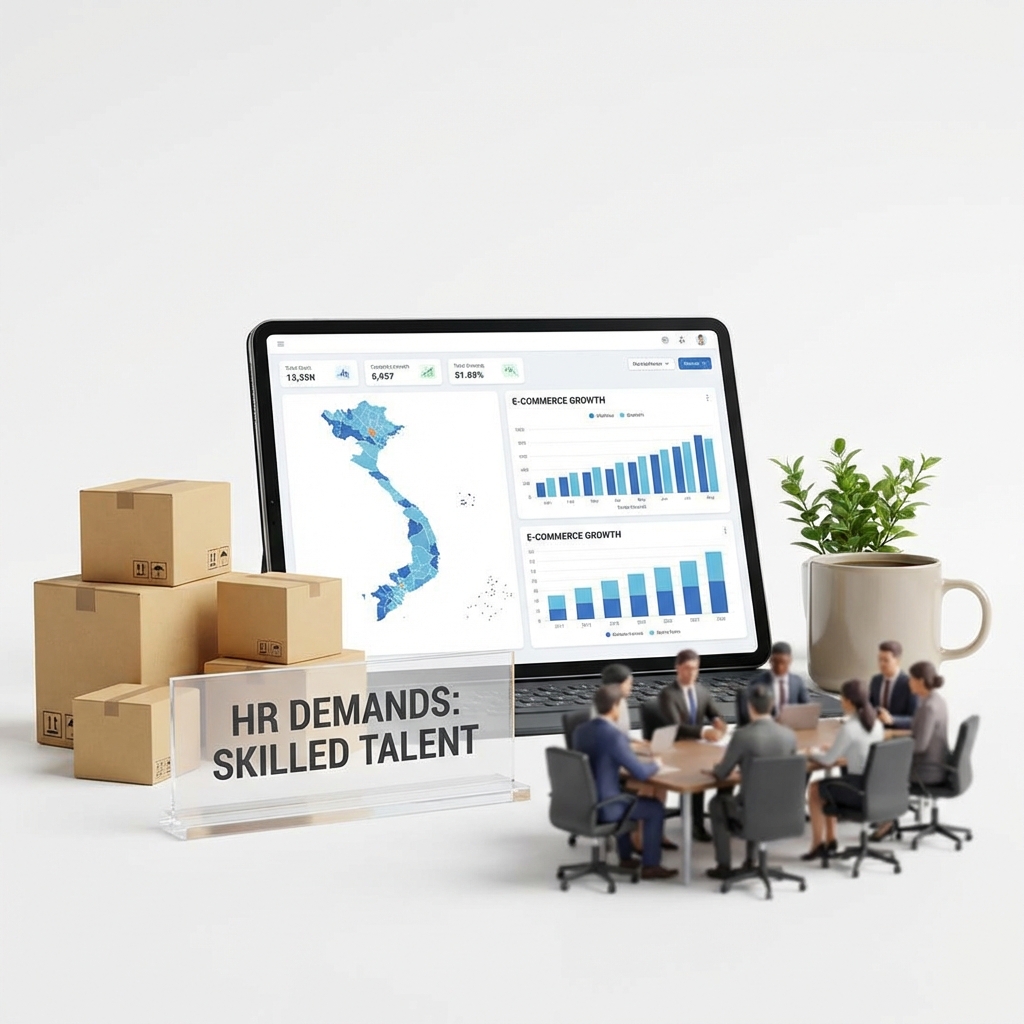
Vietnam’s e-commerce market is currently one of the fastest-growing globally. In 2023, the market size reached approximately $20.5 billion, and it is projected to continue its impressive trajectory, with forecasts indicating a market value of over $32 billion by 2025. This exponential expansion is driven by a profound shift in consumer behavior, with more Vietnamese embracing online shopping for its convenience, variety, and competitive pricing. Major players, both domestic and international, including Shopee, Lazada, Tiki, and Sendo, dominate the landscape, constantly innovating and expanding their services. The rise of social commerce and live-streaming sales further amplifies this trend, creating a vibrant and multifaceted online retail job market Vietnam. This growth underscores the urgent need for a robust and skilled workforce, making e-commerce talent Vietnam a critical asset for businesses.
2. Key Drivers of E-commerce Expansion
Several pivotal factors contribute to Vietnam’s e-commerce explosion. Firstly, high smartphone penetration and widespread internet access provide the fundamental infrastructure. Over 70% of the population owns a smartphone, enabling seamless access to online platforms. Secondly, Vietnam boasts a young demographic, with a significant portion of its population under 35, who are digital natives and early adopters of new technologies. This demographic readiness fuels demand for online services. Thirdly, supportive government policies and initiatives, such as the National E-commerce Development Plan, aim to foster a conducive environment for digital businesses, including improvements in digital payment infrastructure and logistics networks. Lastly, the increasing trust in online transactions, coupled with improving logistics and last-mile delivery services, mitigates previous barriers to adoption. These drivers collectively create a fertile ground for businesses, but also intensify the competition for skilled professionals, contributing to significant HR challenges Vietnam e-commerce.
3. Emerging HR Requirements in a Digital Economy
The rapid evolution of Vietnam’s digital economy, propelled by e-commerce, has redefined the landscape of human resources. Businesses are now grappling with an acute demand for specialized skills that often outpace the traditional talent supply. There’s a critical need for professionals proficient in digital marketing, data analytics, supply chain management, UI/UX design, cybersecurity, and e-commerce platform management. Traditional roles are also being reshaped, requiring employees to possess digital literacy and adaptability. Consequently, talent acquisition e-commerce has become more competitive, with companies vying for candidates who not only have technical expertise but also demonstrate strong problem-solving skills, creativity, and a customer-centric mindset. The focus is shifting towards continuous learning and e-commerce workforce development to bridge existing skill gaps. Furthermore, attracting and retaining top digital economy HR Vietnam talent requires innovative HR strategies, including flexible work arrangements, competitive compensation packages, and a robust culture of innovation. A detailed HR report of Ecommerce field in Vietnam reveals these pressing needs, emphasizing the importance of proactive HR planning to secure the talent required to sustain growth and competitiveness in this dynamic sector.
Key HR Trends Shaping Vietnam’s E-commerce Workforce
Vietnam’s e-commerce sector is a dynamic and rapidly expanding landscape, fueled by a young, digitally-savvy population and increasing internet penetration. As online retail continues its aggressive growth trajectory, driven by platforms like Shopee, Lazada, Tiki, and TikTok Shop, human resources departments face unique challenges and opportunities. Understanding the evolving HR report of Ecommerce field in vietnam is crucial for businesses aiming to attract, develop, and retain top talent in this competitive environment. From adapting to new work structures to cultivating essential digital skills and prioritizing employee well-being, several dominant HR trends are reshaping the workforce within Vietnam’s bustling e-commerce industry.
-
The Rise of Remote and Hybrid Work Models
The digital nature of e-commerce inherently supports flexible work arrangements, and the Vietnamese market has quickly embraced this shift. Following the global pandemic, remote and hybrid models have become increasingly prevalent among e-commerce companies in Vietnam, offering benefits such as expanded talent pools beyond major urban centers and improved work-life balance for employees. Companies are leveraging technology to manage distributed teams, from customer service representatives working from home to marketing and IT professionals collaborating across different locations. This trend addresses the intense competition for specialized digital talent by allowing companies to source skilled individuals from a wider geographical area, potentially reducing operational costs associated with large physical offices. However, it also presents HR with challenges related to maintaining company culture, ensuring effective communication, fostering team cohesion, and managing performance across dispersed teams. Successful implementation requires robust digital infrastructure, clear communication protocols, and a focus on outcomes rather than just presence.
-
Upskilling and Reskilling Initiatives for Digital Talent
The breakneck pace of technological advancement in e-commerce demands a constantly evolving skill set. As platforms integrate AI for personalized recommendations, optimize logistics with data analytics, and enhance customer experience through new digital tools, the existing workforce must adapt. HR departments in Vietnamese e-commerce firms are heavily investing in upskilling and reskilling programs to bridge the growing digital skill gap. There’s a particular demand for professionals proficient in areas such as data science, digital marketing analytics, cybersecurity, supply chain technology, and user experience (UX) design. Companies are partnering with educational institutions, offering internal training modules, and providing access to online learning platforms to ensure their employees remain relevant and effective. This proactive approach to talent development not only enhances employee capabilities but also boosts engagement and retention by demonstrating an investment in their long-term career growth within the dynamic e-commerce ecosystem.
-
Focus on Employee Well-being and Engagement
The e-commerce industry, characterized by its fast-paced operations, demanding customer expectations, and intense competition, can often lead to high levels of stress and burnout among employees. Recognizing this, Vietnamese e-commerce businesses are increasingly prioritizing employee well-being and engagement as critical components of their HR strategy. This involves moving beyond basic benefits to offer comprehensive wellness programs, including mental health support, flexible working hours, and initiatives promoting a healthy work-life balance. Building a supportive and engaging work environment is paramount for retaining talent, especially given the high turnover rates often seen in fast-growing sectors. HR teams are implementing regular feedback mechanisms, fostering a culture of recognition, and creating clear career development pathways. By investing in the holistic well-being of their workforce, companies aim to cultivate a more resilient, productive, and loyal employee base, which is essential for sustaining long-term growth in Vietnam’s competitive e-commerce landscape, which is projected to see continued robust expansion according to reports like the e-Conomy SEA 2023 report.
Talent Acquisition & Retention Strategies in a Competitive Market
Vietnam’s burgeoning e-commerce sector presents both immense opportunities and significant challenges for human resources professionals. As outlined in any comprehensive HR report of Ecommerce field in Vietnam, the competition for skilled talent is fiercer than ever. Companies must implement robust talent management strategies, leveraging advanced HR technology and fostering strong employee engagement to thrive. This section explores effective strategies for attracting and retaining top talent in this dynamic environment, addressing the unique demands and best practices required to build resilient and high-performing teams.
1. Sourcing and Recruiting Top E-commerce Talent
In a market where qualified professionals are a premium, aggressive and innovative sourcing is paramount. E-commerce roles often require a unique blend of technical expertise, digital marketing savvy, and business acumen. Therefore, relying solely on traditional recruitment methods is insufficient. Companies must embrace modern digital recruitment channels, including professional networking platforms like LinkedIn, specialized e-commerce job boards, and even social media campaigns tailored to specific skill sets. Partnering with recruitment agencies that possess deep industry knowledge can also provide access to passive candidates who might not be actively searching. Furthermore, data analytics should inform recruitment decisions, helping to identify talent pools, predict hiring needs, and optimize candidate outreach. Given the global nature of e-commerce, embracing remote or hybrid work models can significantly broaden the talent search, allowing companies to tap into a wider pool of experts beyond geographical constraints.
2. Building a Strong Employer Brand in E-commerce
Attracting top talent in Vietnam’s competitive e-commerce landscape is inextricably linked to having a compelling employer brand. A strong brand communicates an organization’s values, mission, and unique workplace culture, making it an attractive destination for potential employees. Companies should actively cultivate and promote their employer brand through various channels, including their corporate website, social media, and industry events. Showcasing employee testimonials, highlighting career development opportunities, and demonstrating a commitment to work-life balance can significantly enhance appeal. Given that Vietnam is Southeast Asia’s fastest-growing e-commerce market, emphasizing innovation, dynamic projects, and a forward-thinking workplace culture can resonate strongly with ambitious professionals. An authentic and transparent brand narrative not only attracts candidates but also sets realistic expectations, contributing to higher long-term retention.
3. Innovative Retention Programs and Benefits
Once top talent is acquired, the challenge shifts to keeping them engaged and committed. High employee turnover can be costly and disruptive, especially in fast-paced e-commerce environments. Effective retention strategies go beyond competitive salaries; they encompass a holistic approach to employee well-being and career growth. Offering robust compensation and benefits packages that are regularly benchmarked against industry standards is crucial, but so are opportunities for continuous skill development and career progression. This includes providing access to training, mentorship programs, and clear pathways for advancement within the organization. Fostering a supportive and inclusive environment, promoting work-life balance initiatives, and implementing recognition programs that celebrate achievements can significantly boost morale and loyalty. Personalized benefits, such as flexible working hours, health and wellness programs, and even mental health support, are increasingly valued by employees. By investing in these innovative retention programs, e-commerce companies can build a loyal, high-performing workforce, ensuring sustained growth and a competitive edge.
In conclusion, navigating the competitive waters of Vietnam’s e-commerce HR market demands a proactive and integrated approach to talent acquisition and retention. By strategically sourcing, building a powerful employer brand, and implementing innovative retention programs, businesses can not only attract the best but also cultivate a thriving environment where talent chooses to stay and excel.
Compensation Benchmarks and Benefits in Vietnam E-commerce
This section provides an in-depth analysis of salary expectations, diverse compensation structures, and the appealing range of benefits offered within the dynamic Vietnamese e-commerce sector. It aims to offer invaluable insights, serving as a critical reference for both employers striving to attract and retain top talent, and job seekers navigating their career paths in this rapidly expanding industry. Understanding these elements is crucial for a comprehensive HR report of the Ecommerce field in Vietnam.
1. Average Salary Ranges by Role and Experience Level
The Vietnamese e-commerce sector is characterized by intense competition for skilled professionals, driving a robust demand for talent across various functions. Salary expectations are significantly influenced by specific roles, the candidate’s level of experience, and the size and financial backing of the employing company. For entry-level positions, such as Junior Digital Marketing Specialists or E-commerce Assistants, monthly salaries typically range from VND 8,000,000 to VND 15,000,000. Mid-level professionals, with 3-5 years of experience in roles like E-commerce Managers, SEO Specialists, or Logistics Coordinators, can expect to earn between VND 18,000,000 and VND 35,000,000.
Senior-level roles, including Head of E-commerce, Marketing Director, or Lead Software Developers specializing in e-commerce platforms, command significantly higher compensation, often ranging from VND 40,000,000 to VND 80,000,000 or more, depending on the scale of the company and the complexity of their responsibilities. Highly specialized roles, such as Data Scientists focused on consumer behavior analytics or architects of large-scale e-commerce infrastructures, can push these figures even higher. Companies, particularly well-funded startups and established international players, frequently offer competitive compensation structures to attract and retain the best talent. These salary expectations are constantly evolving, necessitating regular market adjustments to remain competitive within this vibrant industry.
2. Popular Employee Benefits and Perks
Beyond base salaries, comprehensive employee benefits and perks play a pivotal role in talent attraction and retention within Vietnam’s e-commerce landscape. Standard benefits universally expected by employees include mandated social insurance contributions, comprising health insurance, social insurance, and unemployment insurance, which employers are legally obliged to provide, as detailed in guides like those on social insurance regulations in Vietnam. In addition to these, private health insurance often supplements state provisions, offering employees broader medical coverage and peace of mind. Paid annual leave, typically 12-15 days per year, along with public holidays, is also a standard offering.
The modern e-commerce workforce highly values additional perks. Flexible working hours and hybrid or remote work options have become increasingly popular, reflecting a global shift towards work-life balance. Professional development budgets for courses, certifications, and conferences are common, indicating a company’s commitment to continuous learning and employee growth. Performance-based bonuses, tied to individual or company success, are significant motivators. Other valued benefits include meal allowances, transportation support, company-sponsored team-building activities, gym memberships, and even mental wellness programs. Understanding and strategically deploying these compensation structures and benefits is key for businesses looking to thrive in Vietnam’s competitive e-commerce talent market, as highlighted by various labor market surveys.
3. Impact of Inflation and Economic Factors on Compensation
Vietnam’s robust economic growth, coupled with fluctuating inflation rates, significantly impacts compensation structures and salary expectations within the e-commerce sector. As the cost of living in major cities like Ho Chi Minh City and Hanoi continues to rise, employees naturally expect commensurate increases in their salaries to maintain their purchasing power. Companies must proactively monitor economic indicators to ensure their compensation packages remain attractive and fair. The country’s impressive GDP growth rates often fuel consumer spending, which in turn boosts the e-commerce market, leading to increased demand for skilled labor and upward pressure on wages.
Global economic factors also play a crucial role. Supply chain disruptions, international trade policies, and shifts in foreign direct investment can directly influence the profitability of e-commerce businesses in Vietnam. For instance, a slowdown in global trade might impact logistics and inventory costs, indirectly affecting a company’s ability to offer generous compensation. Conversely, increased foreign investment in Vietnam’s digital economy often brings in companies with higher global salary benchmarks, intensifying competition for local talent and driving up overall market rates. Employers must perform regular market adjustments and compensation reviews to stay competitive and retain valuable employees amidst these dynamic economic conditions. This ensures that their salary expectations align with the evolving economic landscape and the competitive landscape for talent.
Future Outlook and Recommendations for E-commerce HR in Vietnam
Vietnam’s e-commerce sector is experiencing explosive growth, driven by a young, digitally native population and increasing internet penetration. This rapid expansion places immense pressure on Human Resources (HR) departments, transforming them from administrative functions into strategic partners critical for business success. This section provides a forward-looking perspective on the future of HR in Vietnam’s e-commerce field, offering actionable recommendations for companies to thrive amidst evolving market dynamics and talent landscapes. Drawing insights from various market analyses, including what an HR report of Ecommerce field in vietnam might reveal, we explore the challenges, opportunities, and strategic imperatives for HR leaders.

1. Anticipated HR Challenges and Opportunities (2026 and Beyond)
As Vietnam’s e-commerce market matures, HR will confront a unique blend of challenges and opportunities. One significant challenge is the intensifying talent acquisition and retention battle. The demand for specialized skills in areas like digital marketing, data analytics, supply chain management, and cybersecurity is skyrocketing. Companies will struggle to find, attract, and retain professionals with the right blend of technical and soft skills, leading to a persistent skills gap. Furthermore, the fast-paced nature of e-commerce often results in high employee burnout and turnover, making effective employee retention strategies paramount.
Opportunities, however, are equally abundant. The sector’s dynamism provides a fertile ground for cultivating a highly agile and adaptable workforce. HR can capitalize on Vietnam’s young, tech-savvy demographic, fostering continuous learning and development programs to bridge skill gaps. Building a strong employer branding is crucial to becoming a preferred workplace. Moreover, the increasing availability of data empowers HR to make more informed decisions, moving towards data-driven talent management. The evolving nature of work, with the rise of remote and hybrid models, presents an opportunity for HR to innovate in fostering inclusive and flexible work environments.
2. Leveraging HR Tech for Enhanced Efficiency
The future of HR in e-commerce is intrinsically linked to technological adoption. HR technology, or HR tech, is no longer a luxury but a necessity for streamlining operations and enhancing employee experience. Automation of routine tasks such as payroll, onboarding, and leave management will free up HR professionals to focus on strategic initiatives like talent development and culture building. Advanced analytics and Artificial Intelligence (AI) can revolutionize recruitment by identifying ideal candidates, predicting flight risks, and personalizing learning paths, significantly improving workforce planning accuracy.
Cloud-based Human Resource Information Systems (HRIS) will become standard, offering centralized data management, scalability, and accessibility for distributed teams. Employee experience platforms will facilitate seamless communication, feedback collection, and engagement initiatives, fostering a more connected and productive workforce. For Vietnamese e-commerce companies, embracing these technological advancements is vital to maintaining a competitive edge in talent management. The insights from any comprehensive HR report of Ecommerce field in vietnam would invariably underscore the growing importance of digital transformation within HR functions.
3. Strategic Recommendations for Sustainable Talent Management
To thrive in Vietnam’s competitive e-commerce landscape, HR departments must adopt strategic and proactive approaches to talent management. Firstly, companies need to implement robust, forward-looking workforce planning that anticipates future skill demands and aligns with business growth trajectories. This involves continuous market analysis and internal capability assessments. Secondly, investing heavily in continuous learning and development programs is non-negotiable. Offering personalized learning paths, opportunities for upskilling in digital skills, and promoting internal mobility will not only enhance employee capabilities but also boost employee retention.
Thirdly, fostering a strong and authentic employer branding is paramount for attracting top talent. This goes beyond competitive compensation to include a positive work culture, clear career progression opportunities, and a commitment to employee well-being. Fourthly, embracing agile HR methodologies will enable HR teams to adapt quickly to the fast-changing demands of the e-commerce sector, from rapid scaling to addressing new regulatory requirements. Finally, HR must evolve into a strategic business partner, using data analytics to inform decisions, demonstrate ROI, and proactively shape the organizational culture to support innovation and sustained growth. These recommendations are critical for any organization seeking to optimize its human capital in this dynamic sector, as emphasized by relevant industry reports and strategic analyses, like an in-depth HR report of Ecommerce field in vietnam.
In conclusion, the future of HR in Vietnam’s e-commerce is bright yet challenging. By strategically addressing talent acquisition, leveraging HR technology, and adopting proactive talent management strategies, companies can build resilient, skilled, and engaged workforces capable of driving sustained success in this exhilarating market. HR must be at the forefront of this transformation, championing a people-first approach that aligns with the speed and innovation inherent in e-commerce.
Partner with Shelby Global
You are looking for reliable HR Sevice Suppliers? Contact Shelby Global Now! To connect with verified talents and upgrade your orginization.
—————————————
References
– E-commerce in Vietnam: https://www.statista.com/outlook/dmo/ecommerce/vietnam
– e-Conomy SEA 2023 report: https://economysea.withgoogle.com/report/e-conomy-sea-2023
– Vietnam Is Southeast Asia’s Fastest-Growing E-Commerce Market, But Not For Long: https://www.forbes.com/sites/yiningchen/2023/12/05/vietnam-is-southeast-asias-fastest-growing-e-commerce-market-but-not-for-long/?sh=303107025178
– social insurance regulations in Vietnam: https://www.vietnam-briefing.com/news/social-insurance-in-vietnam-a-guide-for-employers.html/
– Redefining Work, Human Connection: Deloitte Human Capital Trends 2023: https://www2.deloitte.com/us/en/insights/deloitte-human-capital-trends/2023/redefining-work-human-connection-trends.html