
The Rise of AI in SEO: Why it Matters for 2026
The landscape of Search Engine Optimization is undergoing a profound transformation, driven overwhelmingly by advancements in Artificial Intelligence. This foundational shift is not merely an update but a complete paradigm change, demanding immediate attention from digital marketers and businesses alike. For 2026 and beyond, understanding and integrating AI into SEO strategies will cease to be an option and will become a critical imperative for maintaining competitive advantage, ensuring visibility, and ultimately, securing market share. From algorithm interpretation to predictive analytics, AI’s role in shaping future search results is paramount, making adaptation crucial for anyone looking to thrive in the digital sphere.

1. Understanding AI’s Core Impact on Search Algorithms
AI’s integration into search engines like Google has fundamentally redefined how content is discovered, ranked, and presented to users. Gone are the days when simple keyword stuffing could game the system. Today, AI-powered algorithms, such as RankBrain, BERT, and MUM, analyze a vast array of signals far beyond traditional keyword density. These systems excel at contextual understanding, natural language processing (NLP), and even multimodal search, interpreting user queries with unprecedented accuracy. For businesses, this means that content must be genuinely valuable, authoritative, and contextually relevant. Optimizing for AI-driven algorithms requires a shift from targeting specific keywords to creating comprehensive, user-centric content that answers complex questions and demonstrates expertise. This deep impact of AI affects everything from content creation to backlink strategies, pushing SEO professionals to adopt more sophisticated, data-driven approaches. Ignoring these changes is akin to navigating without a compass in a rapidly evolving digital ocean, making effective AI-driven SEO strategies indispensable for future success.
2. Bridging the Gap: AI for User Intent vs. Keyword Matching
One of the most significant contributions of AI to SEO is its ability to decipher user intent with remarkable precision, moving far beyond simplistic keyword matching. Historically, SEO focused heavily on matching exact keywords from a user’s query to content. However, AI algorithms now interpret the underlying meaning, context, and purpose behind a user’s search. For instance, a search for “best travel manager jobs” isn’t just about the words; AI understands the user is likely looking for career opportunities, salary expectations, or even Job Description Templates for Manager Levels in Travels field in malaysia. This advanced understanding allows search engines to deliver more relevant and satisfying results, even when the exact keywords aren’t present on a page. This shift compels digital marketers to think holistically about user journeys and provide comprehensive answers to potential follow-up questions. Embracing semantic search optimization, which focuses on the relationships between entities and concepts rather than isolated keywords, becomes paramount. AI assists in identifying these latent semantic relationships, enabling content creators to anticipate user needs and craft experiences that resonate deeply, fostering higher engagement and improved rankings. This ability to predict and serve user intent is a cornerstone of effective SEO in the AI era.
3. The Imperative of AI Adaptation for Digital Marketers
The rapid evolution of AI within search engines presents both a challenge and an immense opportunity for digital marketers. Those who embrace AI adaptation will gain a significant competitive edge, while those who resist risk falling into obscurity. The imperative is clear: marketers must integrate AI tools and methodologies into every facet of their SEO strategies. This includes using AI for content generation and optimization, leveraging predictive analytics in search to anticipate future trends and user behavior, and employing AI-powered analytics to identify performance gaps and opportunities. Furthermore, understanding how AI interprets and values different content formats—text, images, video, and audio—is crucial for developing a robust multi-channel strategy. Professionals must also stay abreast of new AI models and their implications for search, continuously refining their approaches. For specialized niches, like those seeking Job Description Templates for Manager Levels in Travels field in malaysia, understanding the nuanced intent that AI can uncover will lead to highly targeted and effective content. The future of SEO is inextricably linked with AI, making continuous learning and proactive adaptation not just beneficial, but absolutely essential for relevance and growth in 2026 and beyond.
AI-Driven Content Creation and Optimization Strategies
AI tools are revolutionizing the landscape of content creation, transforming how businesses generate, optimize, and personalize their digital assets. In today’s hyper-competitive online environment, leveraging artificial intelligence is no longer a luxury but a strategic imperative for improving search rankings, driving user engagement, and ultimately achieving business objectives. From automating routine tasks to delivering hyper-targeted messaging, AI provides unparalleled capabilities for marketers and content creators alike.
1. Leveraging AI for High-Quality, Scalable Content Generation
The demand for fresh, high-quality content is incessant, posing a significant challenge for human content teams. AI content generation tools offer a powerful solution, enabling businesses to produce vast quantities of content efficiently and consistently. As highlighted by experts, the role of AI in content creation and its implications for SEO are profound, assisting in various stages of content creation, from brainstorming ideas and outlining structures to drafting full articles, social media posts, and even intricate technical documents. For example, creating comprehensive Job Description Templates for Manager Levels in Travels field in malaysia can be expedited significantly, ensuring consistency in language, tone, and formatting across multiple roles. This automation frees up human experts to focus on strategic oversight, fact-checking, and adding the nuanced, empathetic touches that only human creativity can provide. By automating the foundational content, businesses can scale their efforts without compromising quality, maintaining a steady stream of valuable information that keeps audiences engaged and search engines happy. AI helps maintain stylistic consistency and brand voice, crucial for establishing authority and recognition, especially when developing numerous `travel manager job descriptions Malaysia` or similar standardized documents.
2. Personalized Content Experiences with AI
Beyond mere generation, AI excels at delivering personalized content experiences that resonate deeply with individual users. Traditional content strategies often rely on broad audience segmentation, but AI takes personalization to a granular level. By analyzing vast amounts of user data—including browsing history, purchase behavior, demographics, and real-time interactions—AI algorithms can dynamically tailor content recommendations, website layouts, email campaigns, and even ad creatives. This hyper-personalization ensures that each user receives information most relevant to their needs and preferences, drastically improving engagement rates and conversion paths. Imagine a candidate searching for “strategic talent acquisition travel industry” roles in Malaysia; AI can dynamically serve up relevant `travel manager job descriptions Malaysia` and career advice, rather than generic HR content. For instance, an AI-powered platform could recommend specific Job Description Templates for Manager Levels in Travels field in malaysia to HR professionals based on their company size and specific hiring needs, or present a travel manager with curated industry news. This ability to anticipate and meet individual user intent fosters a deeper connection, building loyalty and driving repeat visits, which are critical metrics for any online presence. The precision of `AI content optimization for HR` in delivering the right message to the right audience at the right time is transforming user experience.
3. Optimizing Existing Content for AI-Powered Search Engines
The evolution of search engines, particularly with advancements like Google’s BERT and MUM algorithms, means that search is becoming increasingly semantic and AI-driven. This shift necessitates a new approach to content optimization. AI tools can analyze existing content inventories, identifying gaps, outdated information, and opportunities for improvement that might be missed by human reviewers. These tools can help in refining keyword strategies, moving beyond simple keyword stuffing to focus on natural language, user intent, and semantically related terms. For example, AI can suggest incorporating long-tail keywords or latent semantic indexing (LSI) keywords relevant to “strategic talent acquisition travel industry” to enhance visibility for complex queries. Furthermore, AI can assist in structuring content with appropriate headings, schema markup, and internal linking to make it more digestible for both users and search engine bots. It can also provide insights into content readability, sentiment, and comprehensiveness, helping refine articles, blog posts, and even `travel manager job descriptions Malaysia` to better answer user queries and align with evolving search algorithms. By continually optimizing existing content through `AI content optimization for HR` insights, businesses can ensure their digital assets remain competitive and continue to rank highly in an AI-dominated search landscape. This proactive optimization is crucial for maintaining relevance and authority, ensuring that valuable content continues to attract and serve its intended audience effectively.
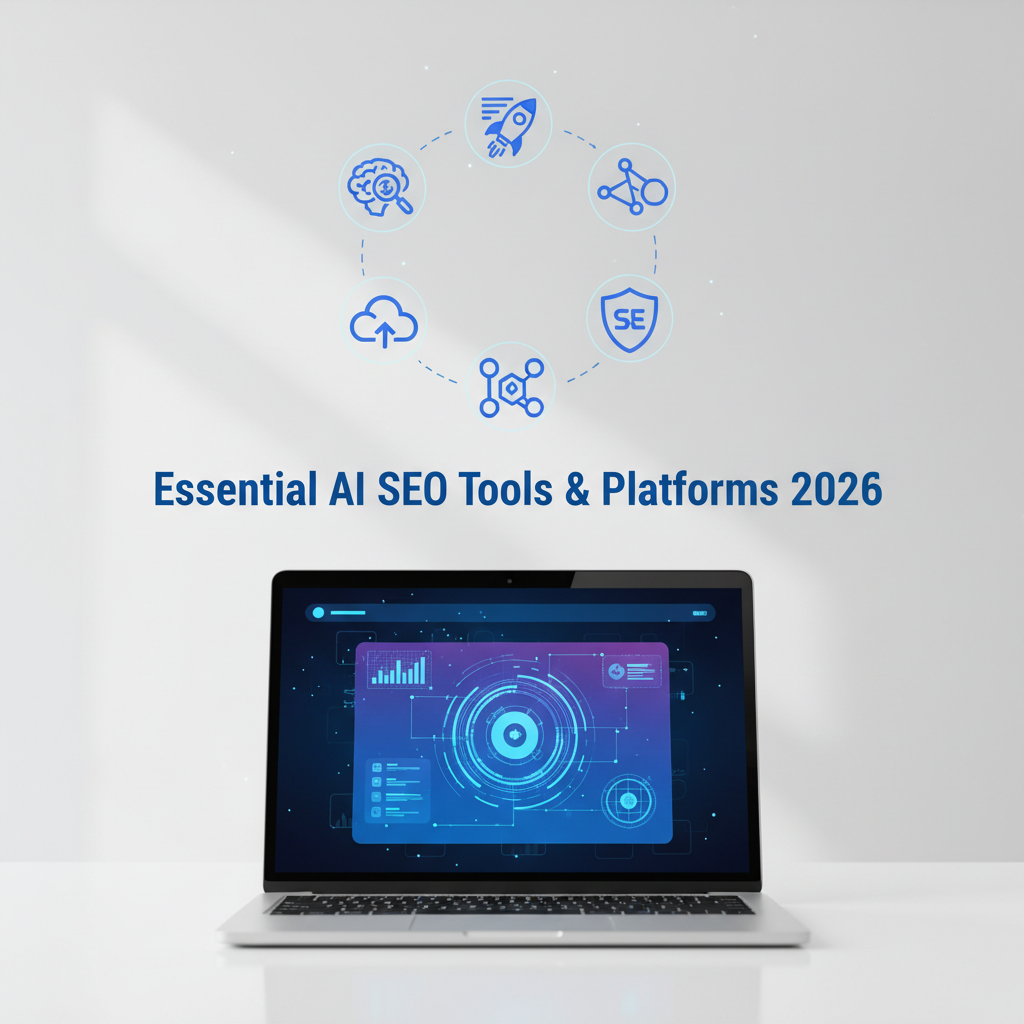
Essential AI SEO Tools and Platforms for 2026
The landscape of Search Engine Optimization is continually evolving, and by 2026, Artificial Intelligence (AI) will be an indispensable co-pilot for SEO professionals. AI-powered tools are no longer just an advantage but a necessity, transforming how we approach everything from content creation and technical audits to performance analysis and strategic planning. These sophisticated platforms empower teams, including those focused on niche areas like Job Description Templates for Manager Levels in Travels field in malaysia, to streamline workflows, gain unprecedented insights, and significantly enhance overall performance. Embracing these technologies will define the success of digital strategies, allowing businesses to adapt faster, innovate smarter, and achieve superior organic visibility in a fiercely competitive digital world.
1. Automating Keyword Research and Competitor Analysis with AI
In 2026, traditional keyword research will be largely supplemented, if not redefined, by AI. Tools leveraging Natural Language Processing (NLP) and machine learning will delve far beyond simple search volume and difficulty metrics. These platforms will expertly identify semantic relationships, uncovering latent long-tail opportunities and anticipating emerging search trends that human analysts might miss. Imagine an AI sifting through vast amounts of data to not only suggest relevant keywords but also to cluster them by user intent, providing a comprehensive content strategy roadmap. For travel industry management, this means pinpointing exactly what potential customers are searching for, from specific destinations to experiential travel packages, ensuring content directly addresses user needs.
Competitor analysis also undergoes a revolutionary shift with AI. Instead of manually comparing backlink profiles and content gaps, AI tools can autonomously monitor competitor strategies in real-time, predict their next moves, and even reverse-engineer their success factors. They can analyze competitor SERP features, identify their top-performing content, and even gauge their brand sentiment across the web, providing actionable insights for your own SEO strategy for travel businesses. This allows SEO professionals to quickly adapt and exploit opportunities, maintaining a competitive edge. This evolution marks a significant step forward in understanding the digital landscape, as detailed in discussions around the evolution of SEO with AI.
2. AI Tools for Technical SEO Audits and Site Health
Technical SEO, often perceived as a laborious and highly manual process, is being profoundly transformed by AI. By 2026, AI-powered audit tools will go far beyond basic crawl error detection. These sophisticated platforms will utilize advanced algorithms to diagnose complex technical issues such as inefficient crawl budget allocation, intricate canonicalization problems, and subtle JavaScript rendering issues that impact indexing. They can identify patterns in site performance degradation, predict potential Core Web Vitals issues before they severely affect user experience, and even recommend specific code-level optimizations.
Furthermore, AI tools will provide continuous, real-time monitoring of site health, offering anomaly detection that flags sudden drops in crawl rate, unexpected indexation problems, or changes in SERP presentation. This proactive approach allows SEO teams to address critical technical problems instantly, minimizing negative impact on rankings and user experience. For organizations focused on optimizing manager roles in travel, ensuring their online platforms are technically flawless is crucial for attracting and retaining talent, as well as showcasing their services effectively. These tools empower even non-technical managers to grasp complex issues through simplified reporting and actionable recommendations, making site health maintenance more accessible and efficient across the board.
3. Predictive Analytics and Reporting via AI
The future of SEO reporting moves beyond descriptive data to highly accurate predictive analytics, all thanks to AI. By 2026, AI-driven platforms will not merely show what happened, but will forecast future trends, predict the impact of impending algorithm updates on your specific niche, and identify nascent opportunities with remarkable precision. Imagine a dashboard that doesn’t just display current traffic but predicts future growth based on various strategic inputs, offering scenarios for different investment levels in content or link building.
These tools will provide hyper-personalized recommendations, suggesting specific actions that will yield the highest ROI for your unique SEO goals. For example, an AI might recommend focusing on updating specific historical blog posts, targeting a new cluster of voice search queries, or optimizing for a particular local pack feature. This level of foresight is invaluable for strategic decision-making, especially for businesses in the travel sector needing to plan for seasonal demand or emerging destination trends. When it comes to Job Description Templates for Manager Levels in Travels field in malaysia, predictive analytics can even inform what skills and experiences will be most critical for future SEO leadership within the industry, ensuring your team is always ahead of the curve. AI transforms reporting from a backward-looking exercise into a forward-thinking strategic asset, empowering managers to make data-driven decisions that propel their organizations forward.
Crafting an AI-First SEO Strategy for Sustainable Growth
In the rapidly evolving digital landscape, an AI-first approach to SEO is no longer a luxury but a necessity for businesses aiming for sustainable growth. This guide delves into developing a comprehensive strategy that embeds artificial intelligence at every level of your SEO operations, ensuring long-term success and adaptability. From optimizing content for niche queries like Job Description Templates for Manager Levels in Travels field in Malaysia to predicting algorithm shifts, AI empowers businesses to stay ahead. By harnessing AI, companies can transform their digital marketing efforts from reactive to proactive, ensuring their content not only ranks but resonates deeply with target audiences.
1. Integrating AI into Your Overall Digital Marketing Plan
The true power of AI in SEO emerges when it’s seamlessly integrated into your broader digital marketing framework. AI tools can analyze vast datasets to identify market trends, predict consumer behavior, and uncover untapped opportunities faster and more accurately than human analysts alone. For instance, AI can process search query data to pinpoint specific content needs, such as the demand for detailed travel industry manager job descriptions or nuanced insights into Malaysia travel sector roles. Beyond content ideation, AI-driven platforms can automate keyword research, optimize on-page elements, and even assist in generating highly relevant content briefs or drafts. This integration extends to personalizing user experiences, optimizing ad spend, and ensuring a consistent brand message across all digital touchpoints—from social media to email campaigns. By having AI act as the central intelligence hub, your entire marketing ecosystem becomes more agile, efficient, and capable of delivering personalized interactions that drive engagement and conversions. It’s about creating a unified strategy where every element, from a targeted ad to a comprehensive blog post, works in concert to achieve your overarching business objectives.
2. Measuring AI’s ROI in SEO Campaigns
Demonstrating the return on investment (ROI) of AI in SEO is crucial for justifying its adoption and scaling its use. AI tools offer unparalleled capabilities in tracking, analyzing, and attributing performance across complex campaigns. Unlike traditional analytics, AI can identify intricate patterns and correlations that might escape human detection, providing deeper insights into what truly drives organic traffic, leads, and sales. Metrics such as improved keyword rankings for competitive terms, significant increases in organic search traffic, higher click-through rates (CTR), and enhanced conversion rates are directly attributable to AI-driven optimizations. For example, by analyzing user engagement with specific content, AI can refine strategies for topics like HR templates for tourism management, ensuring they meet user intent more effectively. Furthermore, AI contributes to ROI by reducing the manual effort required for routine SEO tasks, freeing up human resources to focus on strategic initiatives. This efficiency translates into cost savings and a faster time to market for new content and campaigns. By providing granular data and predictive analytics, AI enables marketers to make data-driven decisions, allocate budgets more effectively, and continuously optimize their SEO efforts for maximum impact and measurable results.
3. Future-Proofing Your Strategy Against Algorithm Changes
One of the most compelling advantages of an AI-first SEO strategy is its inherent ability to adapt and future-proof your digital presence against the unpredictable nature of search engine algorithm updates. Google, in particular, frequently rolls out core updates that can drastically alter search rankings. AI systems are uniquely equipped to monitor these changes in real-time, analyze their potential impact on your specific content portfolio, and even predict future shifts based on vast amounts of historical data and emerging trends. This proactive capability allows businesses to adjust their strategies swiftly, minimizing negative impacts and often leveraging changes for competitive advantage. AI helps maintain content relevance by continuously analyzing user intent, search behavior, and E-E-A-T (Experience, Expertise, Authoritativeness, Trustworthiness) signals, which are increasingly critical factors for ranking well. By understanding evolving search nuances, AI can suggest immediate content optimizations, technical SEO adjustments, or new content creation opportunities, ensuring your site remains aligned with the latest search engine guidelines. For a deeper dive into how AI is reshaping the SEO landscape, consult resources like Search Engine Journal’s insights on AI in SEO. This dynamic adaptability is what makes an AI-first approach not just about current performance, but about building a resilient, long-term SEO strategy capable of navigating the ever-changing digital currents.
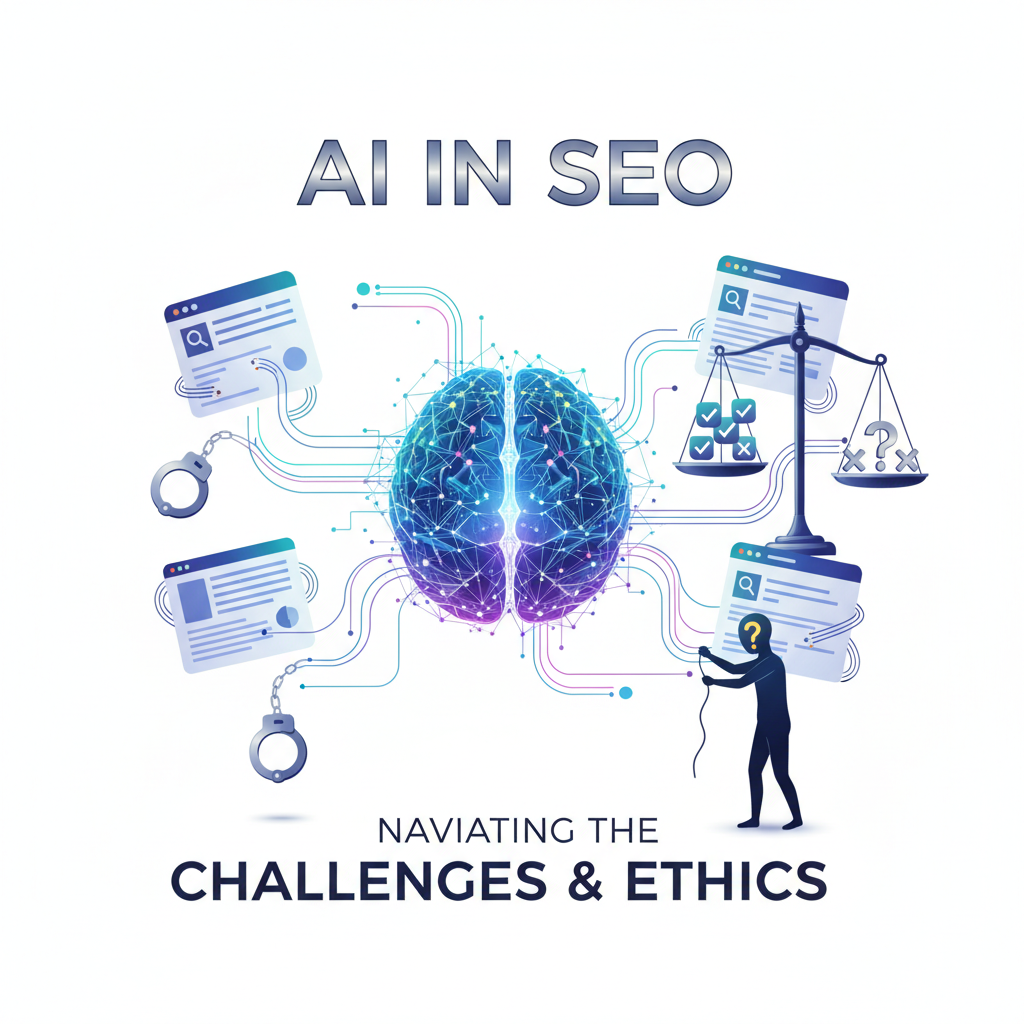
Navigating the Challenges and Ethics of AI in SEO
As Artificial Intelligence rapidly reshapes the digital marketing landscape, its integration into Search Engine Optimization (SEO) offers unprecedented efficiencies and analytical capabilities. However, this transformative power comes with its own set of significant challenges and ethical dilemmas. The increasing reliance on AI demands a critical examination of potential pitfalls, from the integrity of generated content to the perpetuation of biases. Crucially, human oversight remains not just beneficial, but absolutely indispensable in ensuring that AI-driven SEO practices are not only effective but also ethical and aligned with user needs and search engine guidelines.
1. Maintaining E-E-A-T with AI-Generated Content
One of the foremost concerns in the era of AI-powered content creation for SEO revolves around Google’s emphasis on E-E-A-T guidelines (Experience, Expertise, Authoritativeness, and Trustworthiness). While AI tools can generate vast quantities of text, they inherently lack genuine personal experience or the nuanced understanding that defines true expertise. Content produced solely by AI often risks being generic, superficial, or factually inaccurate, directly undermining E-E-A-T principles. For instance, AI can compile information on “AI content ethics” or “SEO human oversight,” but it cannot offer unique insights derived from years of practical application. Therefore, the challenge lies in leveraging AI for efficiency without sacrificing the depth, originality, and credibility that human experts provide. SEO professionals must act as the ultimate arbiters, meticulously reviewing, refining, and enriching AI-generated drafts with their unique voice, verifiable facts, and firsthand experience to ensure the content truly resonates as authoritative and trustworthy. This symbiotic relationship ensures that while AI handles initial generation, human intellect imbues it with E-E-A-T.
2. Addressing Bias and Misinformation in AI Outputs
A significant ethical hurdle in deploying AI for SEO is the potential for bias and misinformation. AI models learn from vast datasets, and if these datasets contain inherent human biases, AI outputs will inevitably reflect and amplify them. This can lead to SEO content that perpetuates stereotypes or presents skewed perspectives, alienating audiences and damaging brand reputation. Furthermore, AI’s ability to synthesize information rapidly also brings the risk of disseminating misinformation, especially in sensitive topics. The implications for content related to health or financial advice are particularly grave. Addressing this requires continuous vigilance: SEO teams must implement rigorous vetting processes for AI-generated content, focusing on fact-checking, diversity in language, and ethical adherence. It demands a proactive approach to understanding the limitations and potential biases of specific AI models. This is crucial for maintaining integrity and trust in an increasingly AI-driven content landscape, where even seemingly innocuous topics might require cultural sensitivity and legal accuracy that only human review can guarantee.
3. The Indispensable Role of Human Expertise in AI-Powered SEO
Despite the revolutionary advancements in AI, the notion that it will entirely replace human SEO expertise is a misconception. Instead, AI serves as a powerful co-pilot, enhancing capabilities rather than superseding them. Human creativity, critical thinking, empathy, and nuanced understanding of user intent remain irreplaceable. AI excels at processing large datasets, identifying patterns, and automating repetitive tasks, providing invaluable insights into “AI bias in SEO” or keyword research. However, it is the human strategist who interprets these insights, adapts to algorithmic shifts, crafts innovative content strategies, builds authentic relationships, and grasps cultural and psychological factors influencing search behavior. For instance, while AI can draft various Job Description Templates for Manager Levels in Travels field in malaysia, a human HR specialist in Malaysia would ensure these templates are culturally appropriate, legally compliant, and accurately reflect specific needs. This highlights that AI’s outputs are raw materials; human expertise transforms them into strategic, empathetic, and ultimately successful SEO campaigns. Human oversight is the critical differentiator in an ethical and effective AI-powered SEO world.
Partner with Shelby Global
You are looking for reliable HR Sevice Suppliers? Contact Shelby Global Now! To connect with verified talents and upgrade your orginization.
—————————————
References
– :
– AI in content creation and its implications for SEO: https://www.searchenginejournal.com/ai-in-content-creation-seo/440539/
– How AI is impacting SEO: A deep dive into current and future trends: https://searchengineland.com/how-ai-is-impacting-seo-a-deep-dive-into-current-and-future-trends-439562
– Search Engine Journal’s insights on AI in SEO: https://www.searchenginejournal.com/ai-in-seo/496929/
– E-E-A-T guidelines: https://developers.google.com/search/docs/fundamentals/how-search-works/e-e-a-t