
Understanding SME HR in Malaysian Education Companies
The landscape of Human Resources (HR) within Small and Medium-sized Enterprises (SMEs) in Malaysia’s vibrant education sector presents a unique blend of opportunities and significant challenges. Unlike their larger corporate counterparts, education SMEs operate with leaner teams, tighter budgets, and a more direct impact on individual employees. For a fresh CEO stepping into the dynamic world of an education company in Malaysia, grasping the nuances of this HR environment is not just beneficial—it’s absolutely critical for sustainable growth, talent retention, and achieving educational excellence. This section aims to illuminate these distinctions, providing a foundational understanding of what it takes to build a robust and effective HR structure in this specialized domain.

-
Defining HR’s Role in Malaysian Education SMEs
In a Malaysian education SME, the Human Resources function transcends mere administrative tasks. It is a strategic partner, deeply embedded in the company’s mission to deliver quality education. Here, HR professionals—or often, the CEO themselves, acting in an HR capacity—are not just managing payroll or leave requests. They are the architects of a learning-centric culture, the guardians of compliance with Malaysian labor laws and education ministry regulations, and the champions of talent development. Their role involves the intricate balancing act of attracting and retaining highly qualified educators and support staff, who are the backbone of any educational institution. This includes crafting competitive compensation packages despite budget constraints, fostering a supportive work environment that encourages professional growth, and ensuring all practices align with local employment legislation and ethical standards. Furthermore, HR in this context is instrumental in designing performance management systems that reflect educational outcomes and student success, while also nurturing employee well-being and engagement. This multi-faceted role demands agility, a deep understanding of the education sector, and a proactive approach to challenges unique to SMEs.
-
Key Distinctions: SME vs. Large Corporate HR Frameworks
The operational framework of HR in an education SME starkly contrasts with that of a large corporation. Large corporations typically boast dedicated HR departments, often segmented into specialized functions like recruitment, talent acquisition, compensation & benefits, and learning & development. They operate with extensive policies, sophisticated HRIS (Human Resources Information Systems), and a more formal, often bureaucratic, approach. In contrast, an education SME’s HR function is often a lean operation, frequently managed by a generalist or directly by the CEO or a senior leader. This means HR policies are usually more fluid, informal, and reactive, tailored to immediate needs rather than comprehensive long-term strategies. Resource constraints are a significant factor, limiting investment in advanced HR technology or extensive training programs. However, this also fosters a more personal touch; employee relations are often more direct and intimate, creating a strong sense of community and shared purpose. While large corporations might prioritize standardized processes, SMEs thrive on agility and adaptability, crucial for navigating the ever-evolving Malaysian education sector. Understanding these distinctions is paramount for a fresh CEO. They must appreciate that replicating a large corporate HR model within an SME is neither feasible nor desirable. Instead, the focus should be on creating an HR framework that is effective, lean, compliant, and aligned with the unique characteristics and growth trajectory of their educational enterprise. For more insights into the broader Malaysian SME landscape, authoritative bodies like SME Corp Malaysia provide valuable resources on national SME development and challenges.
-
Why a Solid HR Structure is Crucial for New CEOs
For a fresh CEO leading an education company in Malaysia, establishing a solid HR structure from the outset is not a luxury, but a fundamental requirement for success. A well-defined, even if lean, HR framework provides the necessary backbone for operational stability and strategic growth. Firstly, it ensures legal compliance with Malaysia’s labor laws, preventing costly fines and legal disputes that can cripple a growing SME. This includes proper employment contracts, adherence to minimum wage, statutory benefits, and fair dismissal procedures. Secondly, it is critical for talent acquisition and retention. In the competitive education sector, attracting and keeping skilled educators requires a clear recruitment process, transparent performance management, and a structured approach to professional development. Without this, SMEs risk high turnover, impacting educational quality and institutional reputation. Thirdly, a robust HR structure fosters a positive work culture, enhancing employee morale, productivity, and engagement—all vital for delivering an excellent learning experience. It provides clarity on roles, responsibilities, and career pathways, which is especially motivating for educators. Lastly, it enables scalability. As the education company grows, a foundational HR structure can evolve to meet increasing demands without becoming overwhelmed. For a comprehensive guide on navigating these complexities, consider exploring resources on the Step by Step to understand SMEs HR Structure for the fresh the CEO in education companies in malaysia. Ultimately, investing in a structured HR approach empowers the new CEO to focus on strategic growth initiatives, knowing that the foundation of their most valuable asset – their people – is well-managed and compliant.
Building the Foundation: Core HR Structure Components
For a fresh CEO leading an education company in Malaysia, understanding the intricacies of human resources isn’t just an administrative task; it’s a strategic imperative. A robust HR structure is the backbone of any successful enterprise, especially within the dynamic education sector where talent is paramount. This section offers a Step by Step to understand SMEs HR Structure for the fresh the CEO in education companies in malaysia, detailing the essential building blocks required to establish a compliant and effective HR framework, covering fundamental functions and the critical legal necessities specific to Malaysia. By proactively addressing these components, education SMEs can foster a stable, productive, and compliant work environment, attracting and retaining the best talent.
1. Mapping Core HR Functions: From Recruitment to Retention
At the heart of any effective HR system are its core functions, which manage the entire employee lifecycle. For an education SME, these functions are particularly vital for ensuring the right educators and support staff are in place to deliver quality learning experiences. The process begins with strategic recruitment in education SMEs, where the goal is to attract, assess, and hire qualified teachers, administrators, and specialized staff who align with the institution’s values and educational philosophy. This involves crafting compelling job descriptions, utilizing appropriate platforms, and conducting thorough vetting processes, including background checks relevant to working with students.
Once hired, effective onboarding integrates new employees into the school culture, familiarizing them with policies, procedures, and their roles within the educational ecosystem. Performance management systems are crucial for setting clear expectations, providing regular feedback, and fostering professional development through evaluations and goal setting. Continuous training & development is indispensable in education, ensuring teachers stay updated with pedagogical advancements and staff enhance their skills. Furthermore, managing compensation & benefits competitively helps attract and retain top talent in a competitive market. Finally, robust employee retention strategies, encompassing employee relations, conflict resolution, career progression opportunities, and fostering a positive work environment, are key to minimizing turnover and maintaining a stable, experienced workforce dedicated to student success. Understanding and executing these HR functions effectively lays the groundwork for a thriving education institution.
2. Crafting Essential HR Policies & Standard Operating Procedures
Policies and Standard Operating Procedures (SOPs) are the rulebook and roadmap for your education SME’s HR practices. They provide clarity, consistency, and fairness, which are paramount in an educational setting dealing with diverse staff and sensitive student interactions. Developing comprehensive HR policies for education companies is non-negotiable. Key policies include a Code of Conduct (addressing professionalism, ethics, and interaction with students), detailed Leave Policies (annual, sick, maternity, paternity), Disciplinary & Grievance Procedures, and a comprehensive Whistleblowing Policy. Crucially for education, a robust Safeguarding and Child Protection Policy is absolutely essential, outlining procedures for ensuring student safety and welfare, and mandatory reporting protocols.
Beyond individual policies, a Data Protection Policy adhering to Malaysian regulations (like the Personal Data Protection Act 2010) is vital for handling sensitive employee and student information. Standard Operating Procedures (SOPs) then translate these policies into actionable steps. For instance, an SOP for the recruitment process would detail each stage from vacancy announcement to offer letter, ensuring compliance and efficiency. Similarly, an SOP for managing student incidents or staff complaints provides a clear, consistent approach. These documents not only protect the company legally but also empower employees by clearly defining expectations and recourse mechanisms, contributing significantly to positive employee relations and overall education HR structure integrity.
3. Ensuring Compliance with Malaysian Labor Laws & Regulations
Navigating the complex landscape of Malaysian labor laws is perhaps the most critical component of building a compliant HR structure for any SME, particularly for fresh CEOs. Non-compliance can lead to hefty fines, legal disputes, and reputational damage. The foundational legislation is the Employment Act 1955, which governs basic terms and conditions of employment, including working hours, holidays, termination, and employment benefits. Adherence to this Act is non-negotiable for all employers in Malaysia. In addition to the Employment Act, education SMEs must comply with:
- Employees Provident Fund (EPF) Act 1991: Mandatory contributions for retirement savings.
- Employees’ Social Security Act 1969 (SOCSO): Provides social security protection against employment injury and invalidity.
- Minimum Wages Order: Ensuring all employees are paid at least the gazetted minimum wage.
- Occupational Safety and Health Act 1994 (OSHA): Maintaining a safe and healthy work environment, especially important in educational settings with students present.
- Personal Data Protection Act 2010 (PDPA): Strict rules for handling personal data of employees and students.
- Industrial Relations Act 1967: Governs trade unions and industrial disputes.
Regularly reviewing and updating your HR practices to ensure ongoing HR compliance Malaysia is crucial as laws and regulations can change. Engaging with HR consultants or legal professionals specializing in Malaysian labor law can provide invaluable guidance, helping your education company avoid pitfalls and establish a legally sound and ethical employment framework. This diligent approach to legal compliance is a cornerstone of responsible management and sustainable growth for education SMEs.
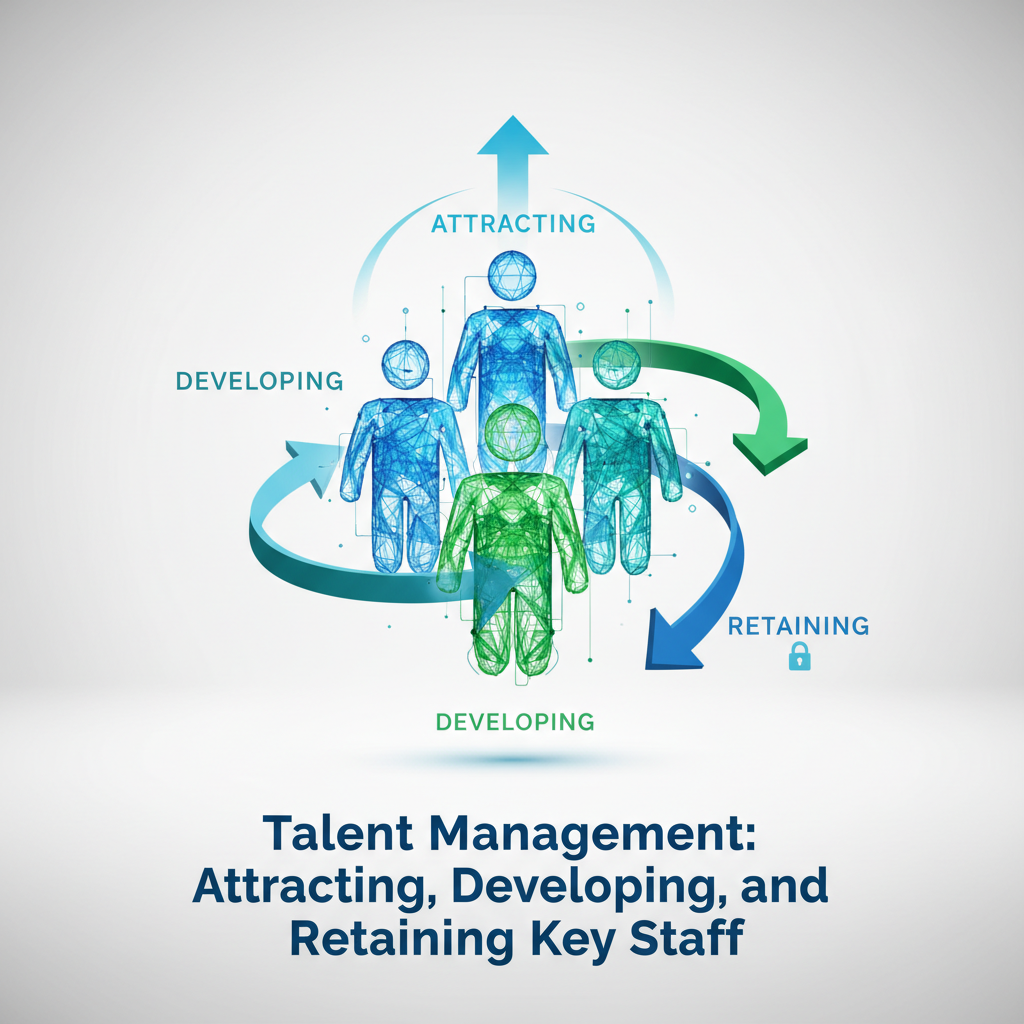
Talent Management: Attracting, Developing, and Retaining Key Staff
Effective human capital management is the cornerstone of any successful organization, and in the dynamic education industry, it holds even greater significance. For fresh CEOs in education companies in Malaysia, understanding and implementing robust talent management strategies is critical. This section will provide a Step by Step to understand SMEs HR Structure for the fresh the CEO in education companies in malaysia tailored for the education sector, focusing on how to strategically attract, develop, and retain the best educators and administrative professionals. Building a high-performing team is not merely about filling vacancies; it’s about cultivating an environment where talent thrives, contributing directly to institutional excellence and student success. From proactive talent acquisition to continuous educator development and effective staff retention strategies, every aspect contributes to a resilient and impactful educational enterprise.
-
Strategic Recruitment for Educators and Administrative Staff
Recruitment in the education sector requires a specialized approach beyond general corporate hiring. For education companies in Malaysia, attracting top-tier educators and support staff involves showcasing the institution’s unique vision, pedagogical approach, and commitment to professional growth. A strategic recruitment process begins with a clear understanding of the roles and the specific competencies required. This includes not only academic qualifications and teaching experience but also soft skills like empathy, adaptability, and a passion for learning. Utilize diverse channels such as educational job boards, university career fairs, professional networks, and targeted online campaigns. Emphasize the unique benefits of working in an educational setting, such as the opportunity to shape future generations, a collaborative work environment, and potential for educator development. For administrative roles, focus on individuals who understand the operational nuances of an educational institution and can support its mission efficiently. Implementing a structured interview process, including competency-based questions and perhaps even a teaching demonstration or case study for educators, ensures a more accurate assessment of candidates. This approach is fundamental for building a strong foundation for your SMEs HR structure.
-
Effective Onboarding & Continuous Professional Development Programs
Once the right talent is acquired, effective onboarding is crucial to integrate new staff into the institution’s culture and operations seamlessly. A well-structured onboarding program should extend beyond the first week, ideally spanning several months. It should cover institutional policies, pedagogical methodologies, classroom management techniques (for educators), technology systems, and an introduction to key colleagues and mentors. This initial investment significantly impacts staff retention and productivity. Beyond onboarding, continuous professional development (CPD) is non-negotiable in education. The world of pedagogy, technology, and curriculum is constantly evolving, and educators must keep pace. For Malaysian education companies, CPD programs could include workshops on new teaching methodologies, technology integration (e-learning platforms, AI tools), curriculum updates, leadership training for aspiring academic managers, and even opportunities for further academic qualifications. Partnering with local universities or educational consultancies can provide access to specialized training. Investing in CPD not only enhances the skills of your workforce but also signals a strong commitment to their growth, fostering loyalty and a culture of lifelong learning essential for educational excellence. This proactive approach to human capital management ensures your team remains at the forefront of educational innovation.
-
Implementing Performance Management and Feedback Systems
A robust performance management system is vital for monitoring progress, identifying areas for improvement, and recognizing outstanding contributions. For educators, this often involves classroom observations, student feedback (appropriately collected and anonymized), peer reviews, and self-assessment against clear teaching standards and learning outcomes. For administrative staff, key performance indicators (KPIs) related to efficiency, accuracy, and support for educational objectives are essential. Regular, constructive feedback sessions are paramount. These should be a two-way dialogue, allowing staff to voice concerns, propose solutions, and discuss their career aspirations. Rather than annual reviews, consider more frequent check-ins to provide timely guidance and support. A fair and transparent performance evaluation system, linked to professional development plans and, where appropriate, career progression, motivates staff and aligns individual goals with institutional objectives. Recognizing and rewarding excellence, whether through professional development opportunities, public acknowledgment, or performance-based incentives, strengthens organizational culture and reduces turnover. This systematic approach ensures that your SMEs HR structure not only attracts but also nurtures and maximizes the potential of every employee, driving the overall success of your education company. One useful resource discussing the critical role of talent management in education provides further insights into global best practices.
Fostering a Positive Workplace: Employee Relations & Engagement
Cultivating a healthy work environment, managing employee relations, resolving conflicts, and maintaining high morale and engagement among staff are paramount for the success of any educational institution. For a fresh CEO in an education company in Malaysia, understanding these dynamics and establishing a robust HR framework is a critical step. This guide offers a comprehensive approach to building a workplace where educators thrive, leading to better outcomes for students and the organization as a whole. Effective employee relations in education are not just about compliance; they’re about creating a vibrant community.
-
Cultivating a Supportive and Engaging Workplace Culture
A positive workplace culture in schools is the bedrock of a successful educational institution. It fosters trust, encourages collaboration, and significantly impacts staff well-being and productivity. For a CEO looking to enhance their institution’s environment, the first step is to define and actively promote core values that resonate with the mission of education. This involves transparent communication channels, ensuring every staff member feels heard and valued. Regular feedback mechanisms, such as anonymous surveys and open-door policies, can gauge sentiment and identify areas for improvement.
Furthermore, invest in professional development opportunities tailored to the unique needs of education professionals. Beyond enhancing skills, these programs signal an organization’s commitment to its staff’s growth. Recognition programs, whether formal awards or informal acknowledgements, are vital for boosting morale and affirming hard work. Celebrate achievements, milestones, and innovative contributions to foster a sense of accomplishment and belonging. Leaders play a crucial role in modeling desired behaviors, promoting psychological safety, and creating an inclusive environment where diverse perspectives are welcomed. By consciously shaping these aspects, institutions can build a supportive and engaging workplace culture that attracts and retains top talent. Cultivating a positive workplace culture requires consistent effort and a genuine commitment to staff welfare.
-
Handling Employee Grievances and Conflict Resolution Effectively
Even in the most positive environments, grievances and conflicts are inevitable. How an educational institution addresses these issues is a true test of its commitment to fair employee relations in education. A fresh CEO must ensure the establishment of clear, transparent, and accessible grievance procedures. These procedures should outline the steps employees can take, the timelines for resolution, and guarantee confidentiality where appropriate. Training for managers and HR personnel in conflict resolution for educators is essential, equipping them with the skills to mediate disputes impartially and effectively.
Active listening, empathy, and a focus on finding mutually agreeable solutions are key to resolving conflicts constructively. It’s crucial to address issues promptly to prevent escalation and maintain trust. Furthermore, institutions should view grievances not just as problems to solve, but as opportunities for organizational learning and improvement. Analyzing patterns in complaints can reveal systemic issues that need addressing in policies or practices. Understanding the comprehensive Step by Step to understand SMEs HR Structure for the fresh the CEO in education companies in malaysia is fundamental, as it includes the necessary frameworks for fair and effective grievance management and disciplinary actions. By proactively managing conflicts and grievances, institutions reinforce a culture of fairness and respect.
-
Motivation & Retention Strategies for Education Professionals
Retaining skilled and passionate educators is a significant challenge globally, and Malaysia is no exception. Developing robust teacher retention Malaysia strategies is paramount for long-term institutional stability and academic excellence. Beyond competitive salaries, which are often constrained by budgets, focus on non-monetary motivators that significantly impact job satisfaction and loyalty.
Professional growth opportunities, such as funding for further studies, participation in conferences, or leadership development programs, are powerful incentives. Providing opportunities for career progression within the institution can also motivate staff. Acknowledging the demanding nature of teaching, initiatives that promote work-life balance—such as flexible scheduling where possible, adequate support staff, and mental well-being programs—are crucial. Leadership that is supportive, appreciative, and provides constructive feedback contributes immensely to motivation. Creating a sense of purpose and highlighting the impact educators have on students can be a powerful intrinsic motivator. Regular one-on-one meetings, performance reviews that focus on development rather than just evaluation, and opportunities for staff to contribute to strategic decisions can further boost staff engagement strategies. By understanding the unique needs and aspirations of education professionals, institutions can craft tailored strategies that ensure a highly motivated and committed workforce, contributing to the overall success and reputation of the education company. This proactive approach to HR best practices in Malaysian education ensures a sustainable and thriving environment.
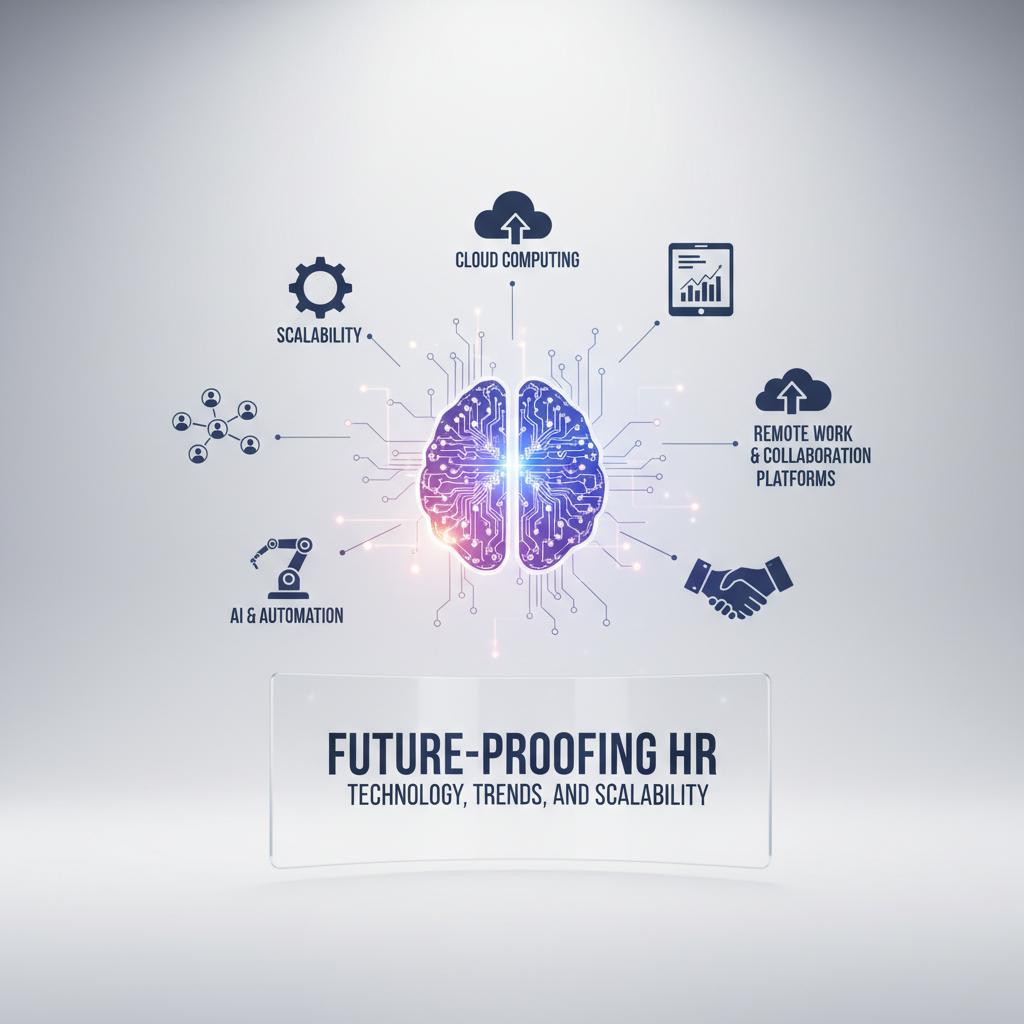
Future-Proofing HR: Technology, Trends, and Scalability
For a fresh CEO stepping into the dynamic world of education companies in Malaysia, understanding and optimizing the HR structure is paramount. The modern HR landscape is evolving rapidly, driven by technological advancements, shifting workforce expectations, and global economic pressures. To ensure an HR operation that is not just efficient but also scalable and resilient for future growth and challenges, a strategic approach to technology adoption, data leverage, and trend adaptation is essential. This section will guide new CEOs on how to future-proof their HR, transforming it from an administrative function into a strategic powerhouse.
Before diving into future strategies, a new CEO might want to get a foundational understanding of the current HR landscape. A comprehensive Step by Step to understand SMEs HR Structure for the fresh the CEO in education companies in malaysia is crucial for building a strong foundation.
1.
Adopting HR Technology (HRIS) for Streamlined Operations
The cornerstone of future-proofed HR lies in the intelligent adoption of Human Resources Information Systems (HRIS). For education companies in Malaysia, an integrated HRIS can revolutionize daily operations, moving beyond manual processes to embrace automation and efficiency. An effective HRIS centralizes critical HR functions such as payroll, recruitment, employee data management, performance tracking, and training administration. This not only significantly reduces administrative burden and potential for errors but also frees up HR personnel to focus on more strategic initiatives. When evaluating HRIS solutions, fresh CEOs should look for platforms that offer modularity and scalability, allowing the system to grow with the company. Key benefits include improved data accuracy, enhanced compliance with Malaysian labor laws, self-service portals for employees and managers, and streamlined onboarding processes crucial for attracting and retaining top talent in a competitive education sector. Implementing an HRIS is not just about digitalizing existing processes; it’s about reimagining how HR delivers value, ensuring operational excellence and laying the groundwork for more advanced capabilities like HR analytics.
2.
Leveraging Data Analytics for Strategic HR Decision-Making
Beyond basic HRIS functions, the next strategic leap for HR is harnessing the power of data analytics. HR data, when analyzed effectively, provides invaluable insights that can guide strategic decision-making across the organization. For a new CEO in an education company, understanding patterns in employee turnover, recruitment effectiveness, training ROI, and performance metrics can inform critical business strategies. For example, by analyzing retention data, HR can identify key drivers of employee satisfaction and dissatisfaction, allowing for targeted interventions to reduce attrition among high-performing educators. Similarly, recruitment analytics can optimize talent acquisition strategies by identifying the most effective sourcing channels and predicting candidate success. Leveraging data to understand workforce trends also enables proactive workforce planning, ensuring the company has the right talent with the right skills at the right time. This move towards data-driven HR transforms the function from reactive to proactive, providing concrete evidence to support investments in human capital and demonstrating HR’s tangible contribution to business outcomes. A recent study by Deloitte on Human Capital Trends highlights the increasing importance of analytics in shaping workforce strategies, underscoring its role in navigating complex talent landscapes.
3.
Adapting to Future Workforce Demands & Industry Shifts
The education sector, both globally and specifically in Malaysia, is undergoing significant transformation. Digital learning platforms, evolving pedagogical methods, and the demand for new skill sets (e.g., instructional design, online facilitation, digital literacy) mean that HR must be agile and forward-thinking. Fresh CEOs must guide their HR teams to anticipate and adapt to these shifts. This includes developing robust talent management strategies that focus on continuous learning and upskilling, preparing the workforce for future roles, and fostering a culture of adaptability. The rise of hybrid work models, accelerated by recent global events, also necessitates flexible HR policies and a renewed focus on employee experience and well-being. Attracting and retaining top educators often means offering not just competitive compensation but also opportunities for professional development, a supportive work environment, and work-life balance. HR must also be attuned to demographic changes and generational differences within the workforce, tailoring engagement and retention strategies accordingly. By proactively addressing these future workforce demands and industry shifts, HR ensures the organization remains competitive, innovative, and capable of overcoming unforeseen challenges, solidifying its place as a resilient and future-ready education provider in Malaysia.
Partner with Shelby Global
You are looking for reliable HR Sevice Suppliers? Contact Shelby Global Now! To connect with verified talents and upgrade your orginization.
—————————————
References
– SME Corp Malaysia – Empowering SMEs in Malaysia: https://www.smecorp.gov.my/index.php/en/about-us/overview
– Malaysia Ministry of Human Resources – Labour Legislation: https://www.mohr.gov.my/index.php/en/labour-policy-division/labour-legislation
– Talent Management in Education: Strategies for Success – Learning Forward: https://www.learningforward.org/journal/may-2012/talent-management-education-strategies-success/
– Cultivating a positive workplace culture: https://www.forbes.com/sites/forbeshumanresourcescouncil/2024/06/10/10-ways-to-create-a-positive-work-environment/?sh=12c62c3e4141
– Deloitte on Human Capital Trends: https://www2.deloitte.com/us/en/insights/focus/human-capital-trends/2023/human-capital-trends-report.html