
The Unique Landscape of Vietnam’s Entertainment SMEs
Vietnam’s entertainment industry is a vibrant and rapidly expanding sector, fueled by a young, digitally native population and increasing disposable incomes. This dynamic environment presents both exhilarating opportunities and significant challenges for Small to Medium-sized Enterprises (SMEs) operating within it. For these agile businesses – ranging from independent film studios and music labels to digital content creators and event organizers – navigating the human resources (HR) and compensation landscape is particularly complex. Success hinges not just on creative output, but on the ability to attract, retain, and motivate top talent through competitive and compliant compensation structures. Developing Optimized Salary Budget Structures for SMEs in Entertainment field in vietnam is paramount, as missteps can quickly lead to talent drain, financial instability, and regulatory penalties.
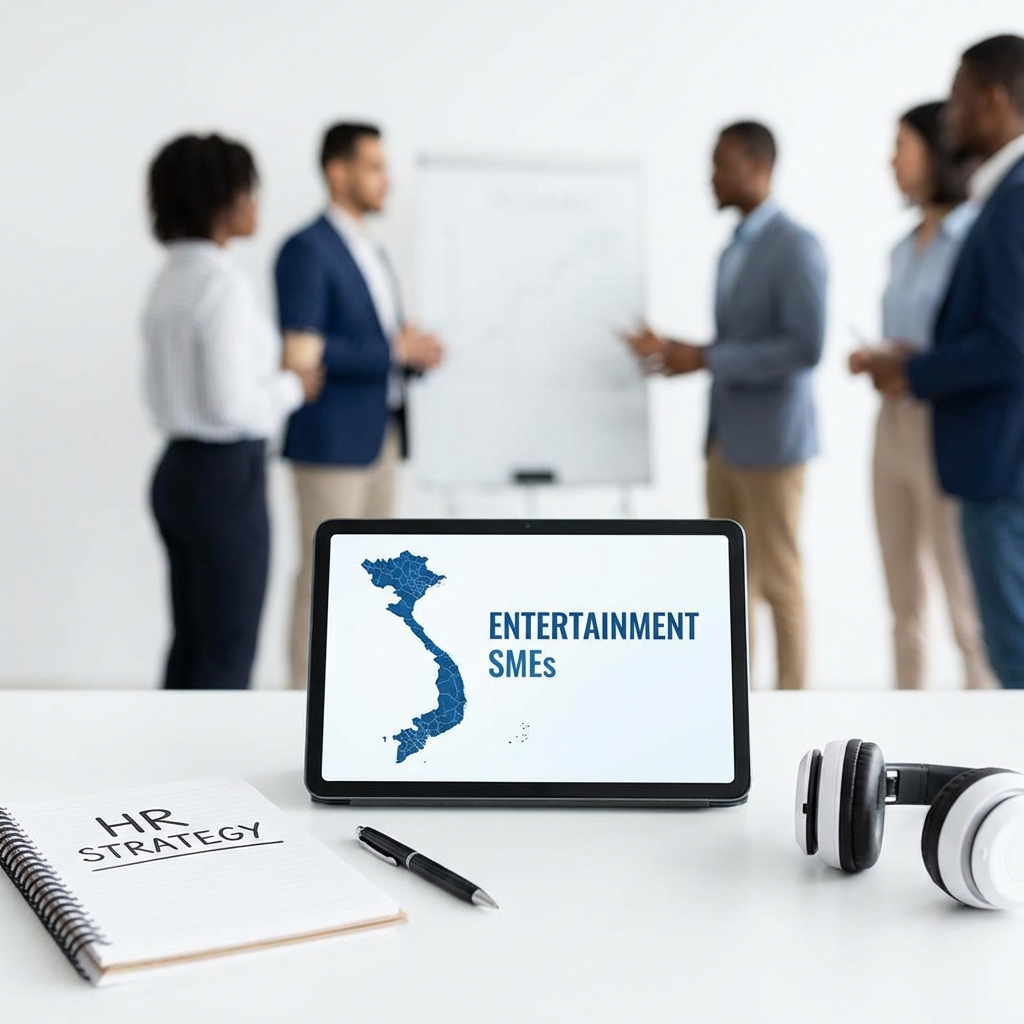
1. Market Trends and Talent Demand in Vietnam Entertainment
The Vietnamese entertainment market is characterized by explosive growth across various segments, from streaming services and gaming to live events and social media content creation. This boom has naturally intensified the demand for specialized talent, including scriptwriters, directors, producers, animators, digital marketers, sound engineers, and highly skilled technical staff. SMEs often find themselves competing for these professionals not only with larger domestic conglomerates but also with international players entering the market. This creates an upward pressure on salaries and benefits, making it challenging for smaller entities with limited budgets to keep pace. The creative nature of the work often leads to a preference for project-based or freelance arrangements, which, while offering flexibility, can complicate long-term HR planning and talent retention efforts. Understanding current market rates and future talent needs is crucial for SMEs to forecast budget requirements accurately and design attractive compensation packages that go beyond just base salary, incorporating aspects like profit-sharing, project bonuses, and professional development opportunities.
2. Common Salary Budgeting Pitfalls for SMEs
Despite the critical importance of strategic compensation, many entertainment SMEs in Vietnam fall into common budgeting traps. A primary pitfall is the lack of formal salary scales or clear compensation policies. Without these, salary decisions can be ad hoc, leading to internal inequities that foster dissatisfaction and high turnover. Another frequent issue is underestimating the ‘total cost of employment,’ focusing solely on gross salary while overlooking mandatory contributions like social insurance, health insurance, unemployment insurance, and union fees, which are significant in Vietnam. Furthermore, many SMEs fail to incorporate performance-based incentives effectively. In a creative industry, linking compensation to measurable outputs, project success, or audience engagement can be a powerful motivator. Neglecting market research on competitor compensation packages can also leave SMEs offering uncompetitive wages, resulting in a constant struggle to attract and retain top performers. It is essential for these businesses to proactively develop Optimized Salary Budget Structures for SMEs in Entertainment field in vietnam that are transparent, equitable, and forward-looking.
3. Regulatory Considerations for Compensation in Vietnam
Operating an entertainment SME in Vietnam requires careful adherence to a complex web of labor laws and regulations. Key considerations include compliance with the Labor Code, which dictates terms of employment, working hours, termination procedures, and minimum wage requirements. SMEs must also navigate the intricacies of mandatory social insurance, health insurance, and unemployment insurance contributions, which are shared between employer and employee. Personal income tax (PIT) regulations are another critical area; employers are responsible for withholding and remitting PIT on behalf of their employees, with varying tax rates based on income levels. Failure to comply with these regulations can lead to substantial fines, back payments, and reputational damage. For instance, misclassifying workers (e.g., treating employees as independent contractors to avoid benefits) is a common mistake with serious legal repercussions. Staying updated on changes to these laws, such as adjustments to the regional minimum wage or social insurance caps, is vital. Partnering with HR consultants or legal experts specializing in Vietnamese labor law, especially concerning the unique aspects of the entertainment industry, can help SMEs ensure full compliance and avoid costly errors. Understanding Vietnam’s broader labor landscape provides critical context for these decisions.
In conclusion, the unique landscape of Vietnam’s entertainment SMEs demands a sophisticated approach to HR and compensation. By understanding market trends, avoiding common budgeting pitfalls, and diligently adhering to regulatory requirements, these businesses can build resilient teams capable of driving innovation and achieving sustainable growth in this exciting sector.
Core Principles of Optimized Salary Budgeting
Delve into the fundamental strategies that SMEs can adopt to create a salary budget that is both competitive and sustainable, focusing on strategic allocation. For small to medium-sized enterprises (SMEs) operating within Vietnam’s burgeoning entertainment sector, navigating the complexities of salary budgeting is paramount. An Optimized Salary Budget Structures for SMEs in Entertainment field in Vietnam is not merely about managing costs; it’s a strategic tool for attracting top creative talent, fostering innovation, and ensuring long-term financial health. This section explores core principles for developing a salary budget that aligns with business objectives, market realities, and employee expectations, ensuring strategic allocation of resources.
1. Balancing Competitiveness with Financial Sustainability
The entertainment landscape in Vietnam is vibrant and competitive, demanding a delicate balance between offering attractive compensation packages and maintaining the financial viability of an SME. To thrive, companies must understand the market rates for key roles—from content creators and digital marketers to technical specialists and project managers—without overcommitting financial resources. This principle involves a nuanced approach: while direct competitors might offer aggressive salaries, SMEs can differentiate through comprehensive benefits, professional development opportunities, and a supportive work culture that resonates with creative professionals. Strategic allocation means earmarking funds not just for base salaries but also for performance-based incentives, bonuses tied to project success, and a robust benefits package (health insurance, training, flexible work arrangements). Understanding the specific economic context and average salary trends within Vietnam is crucial; for instance, roles in digital media and production are experiencing rapid growth and demand, influencing salary expectations. A sustainable budget forecasts future growth, considers potential revenue fluctuations inherent in project-based work, and avoids short-term spending that jeopardizes long-term stability.
2. Data-Driven Decision Making: Benchmarking and Analytics
Effective salary budgeting for SMEs in the Vietnamese entertainment sector must be anchored in robust data. Relying on anecdotal evidence or assumptions can lead to underpaying crucial talent, resulting in high turnover, or overpaying, leading to financial strain. Benchmarking involves systematically comparing your company’s salary structures against industry averages for similar roles, company sizes, and geographical locations within Vietnam. Reputable HR consultancies and salary survey reports, such as those often provided by firms like Navigos Search or internal industry analyses, provide invaluable insights into compensation trends across Southeast Asia, including Vietnam. Beyond external benchmarking, internal analytics are equally vital. SMEs should track key metrics such as salary-to-revenue ratios, employee retention rates relative to compensation levels, and the cost-effectiveness of various compensation components. This data allows for continuous refinement of the budget, identifying areas where adjustments are needed to improve talent attraction and retention without compromising financial health. Data-driven insights ensure that every dollar allocated to salaries contributes strategically to the company’s success.
3. Aligning Compensation with Business Goals and Performance
An optimized salary budget is not just a cost center; it’s a strategic investment directly linked to achieving business objectives. For SMEs in the entertainment industry, this means crafting compensation structures that motivate employees to deliver on key performance indicators (KPIs) relevant to content creation, audience engagement, project completion, and revenue generation. This often involves incorporating variable pay components such as project bonuses, profit-sharing schemes, or commissions for successful new client acquisitions or intellectual property development. By linking a portion of an employee’s compensation directly to individual, team, and company performance, SMEs can foster a culture of accountability and high achievement. For example, a video editor might receive a bonus for completing a project ahead of schedule and under budget, or a marketing specialist might earn incentives based on audience growth metrics. This approach not only rewards high performers but also encourages a shared sense of ownership in the company’s success. Regular performance reviews, clear goal setting, and transparent communication about how compensation is tied to business outcomes are essential for this principle to be effective and to ensure fairness and motivation across the team. By strategically aligning compensation with business goals, SMEs can ensure their salary budget actively drives growth and innovation within the competitive Vietnamese entertainment market.
Structuring Comprehensive Compensation Packages
In Vietnam’s dynamic and rapidly expanding entertainment sector, attracting and retaining top talent goes far beyond offering a competitive base salary. For Small and Medium-sized Enterprises (SMEs), which often operate with leaner budgets than their larger counterparts, a strategic and holistic approach to compensation is paramount. This involves crafting comprehensive packages that not only meet financial expectations but also foster professional growth, well-being, and a sense of belonging. An Optimized Salary Budget Structure for SMEs in the Entertainment field in Vietnam requires a nuanced understanding of market dynamics, employee motivations, and the unique cultural context, ensuring every compensation dollar contributes to long-term success and sustainability.

1. Base Salary: Fair Market Value vs. Internal Equity
The base salary remains the cornerstone of any compensation package, serving as a fundamental determinant of an employee’s perceived value and financial security. For SMEs in Vietnam’s entertainment sector, establishing the right base salary requires a delicate balance between external competitiveness and internal fairness. Determining fair market value involves meticulous research into industry benchmarks, considering roles, experience levels, and geographical factors specific to the Vietnamese market. Leveraging reliable salary surveys, industry reports, and competitor analysis helps ensure that your offers are attractive enough to draw skilled professionals away from rival companies, or even larger corporations with deeper pockets.
Simultaneously, internal equity is crucial for maintaining morale and productivity. This means ensuring that employees with similar roles, responsibilities, and performance levels within your organization receive comparable compensation. Discrepancies can quickly lead to resentment, high turnover, and a toxic work environment. SMEs should develop clear salary bands and pay scales, transparently communicating how salary decisions are made. While external market pressures might dictate higher pay for certain in-demand roles (e.g., VFX artists, digital marketers for entertainment content), ensuring that the internal pay structure is justifiable and understood helps maintain a sense of fairness across the team.
2. Performance-Based Incentives and Bonuses
Beyond the fixed base salary, performance-based incentives and bonuses are powerful tools for motivating employees, rewarding exceptional contributions, and directly linking individual and team success to organizational goals. For the project-driven entertainment industry, these can be particularly effective. Examples include project completion bonuses for hitting critical milestones in film production or album release, individual performance bonuses tied to KPIs (Key Performance Indicators) such as audience engagement metrics, box office revenue, or critical acclaim, and team-based incentives for successful collaborative projects.
Structuring these incentives requires clarity, transparency, and achievable targets. Employees must understand exactly what they need to accomplish to earn a bonus and how their efforts contribute to the company’s overall success. For SMEs, this approach offers flexibility; rather than committing to perpetually higher fixed costs, bonuses can be tied to the company’s financial performance or specific project profitability. This not only drives performance but also aligns employee interests with the company’s financial health, fostering a shared sense of ownership. A well-designed incentive program, as part of an Optimized Salary Budget Structure, can transform employees from mere recipients of a paycheck into active partners in the company’s growth, especially vital for creative and highly specialized roles.
3. Non-Monetary Benefits and Employee Well-being Programs
In today’s competitive talent landscape, particularly within the creative and often demanding entertainment sector, non-monetary benefits and robust employee well-being programs are increasingly vital for attraction and retention. These benefits demonstrate an employer’s commitment to their team’s overall health, professional development, and work-life balance, often at a lower direct cost than significant salary increases. For SMEs, this can be a crucial differentiator.
Consider offering flexible working arrangements, such as remote work options or flexible hours, which are highly valued by creatives seeking autonomy. Professional development opportunities—like workshops on new software, industry conferences, or mentorship programs—not only enhance skills but also signal investment in an employee’s long-term career. Health and wellness programs, including access to mental health support, gym memberships, or even healthy snacks in the office, contribute significantly to employee satisfaction and productivity. Recognition programs, showcasing employee achievements through internal awards or public acknowledgment, can be incredibly motivating. Furthermore, unique perks relevant to the entertainment industry, such as access to exclusive events, industry networking opportunities, or even creative freedom on personal projects, can create a highly desirable workplace culture. By embracing these holistic benefits, SMEs in Vietnam can build a strong employer brand that resonates with talent seeking more than just a paycheck, fostering loyalty and a truly engaged workforce.
Implementation and Continuous Monitoring of Your Budget
Putting an optimized salary budget into practice is only the first step; its true value is realized through diligent implementation and continuous monitoring. For SMEs in the vibrant, rapidly evolving entertainment sector of Vietnam, an Optimized Salary Budget Structures for SMEs in Entertainment field in Vietnam demands a proactive approach that emphasizes adaptability, regular evaluation, and stakeholder feedback to maintain its effectiveness and ensure long-term sustainability. This section provides actionable steps to operationalize your meticulously crafted budget and keep it aligned with both your business objectives and the dynamic market landscape.
1. Developing a Clear Budget Allocation Process
The success of your optimized salary budget hinges on a transparent and equitable allocation process. For SMEs in the Vietnamese entertainment industry, this involves more than just distributing funds; it requires a strategic approach that considers various factors unique to the sector.
- Define Allocation Criteria: Clearly establish the metrics for salary allocation. This might include job roles (e.g., creative director, content producer, marketing specialist), performance levels, experience, market rates for specific skills within Vietnam’s entertainment scene, and the strategic importance of each position.
- Segment Your Workforce: Categorize employees based on departments (e.g., production, marketing, administrative), project teams, or seniority. This segmentation allows for tailored budget distribution that reflects the specific needs and value contribution of each group.
- Establish a Decision-Making Framework: Outline who is responsible for allocation decisions (e.g., HR, department heads, senior management) and the approval process. Transparency here is key to building trust and ensuring fairness.
- Incorporate Performance-Based Pay: Integrate a system where a portion of compensation or bonuses is tied to individual and team performance, aligning employee incentives with company goals. This is particularly effective in the entertainment sector where project success and creative output are paramount.
- Compliance and Equity Checks: Regularly review your allocation process against Vietnamese labor laws and regulations to ensure compliance. Conduct equity checks to identify and address any unconscious biases or disparities in pay, fostering a fair and inclusive work environment.
2. Tools and Software for Budget Management
Efficient budget management, especially for complex Optimized Salary Budget Structures for SMEs in Entertainment field in Vietnam, relies heavily on appropriate tools and software. These solutions streamline processes, reduce human error, and provide valuable insights.
- Spreadsheets (Basic but Effective): For very small SMEs, well-structured spreadsheets (e.g., Microsoft Excel, Google Sheets) can serve as an initial budget tracking tool, allowing for basic data entry, calculations, and simple reporting.
- HRIS (Human Resources Information System) / Payroll Software: As your SME grows, investing in a dedicated HRIS or payroll system becomes crucial. These platforms integrate payroll processing, employee data management, benefits administration, and often include budgeting and reporting functionalities. Options can automate calculations, track expenditures against the budget, and generate detailed reports.
- Specialized Budgeting Software: Some software solutions are designed specifically for financial planning and budgeting, offering advanced forecasting, scenario planning, and variance analysis capabilities.
Selecting the right tool depends on your SME’s size, complexity, budget, and specific needs. It’s advisable to research local providers in Vietnam that understand the specific regulatory landscape. An article on choosing HRIS systems can provide general guidance on features and benefits.
3. Regular Review, Adjustment, and Feedback Mechanisms
An optimized salary budget is not a static document; it’s a living framework that requires continuous evaluation and adaptation. This dynamic approach is vital for Optimized Salary Budget Structures for SMEs in Entertainment field in Vietnam given the industry’s rapid changes.
- Scheduled Review Cycles: Implement regular review meetings, ideally quarterly or semi-annually, involving key stakeholders (HR, finance, department heads). These reviews should assess:
- Budget vs. Actuals: Compare planned expenditures against actual outlays.
- Performance Metrics: Evaluate if compensation strategies are driving desired business outcomes.
- Market Competitiveness: Monitor local and regional salary benchmarks to ensure your compensation remains competitive.
- Employee Turnover and Retention: Analyze turnover rates as a potential indicator of compensation issues.
- Agile Adjustment Strategies: Based on review findings, be prepared to make informed adjustments. This could involve reallocating funds, modifying bonus structures, or updating salary bands to reflect market shifts or company performance. The entertainment industry can experience sudden project wins or losses, necessitating swift budgetary changes.
- Feedback Mechanisms:
- Employee Surveys: Conduct anonymous surveys to gauge employee satisfaction with compensation and benefits.
- One-on-One Meetings: Encourage managers to discuss compensation and career progression during performance reviews.
- Exit Interviews: Use exit interviews to understand if compensation was a factor in an employee’s decision to leave.
Establish a continuous improvement loop where insights from reviews and employee feedback directly inform future budget planning and adjustments. This iterative process ensures your Optimized Salary Budget Structures for SMEs in Entertainment field in Vietnam remains relevant, fair, and effective in attracting and retaining top talent.
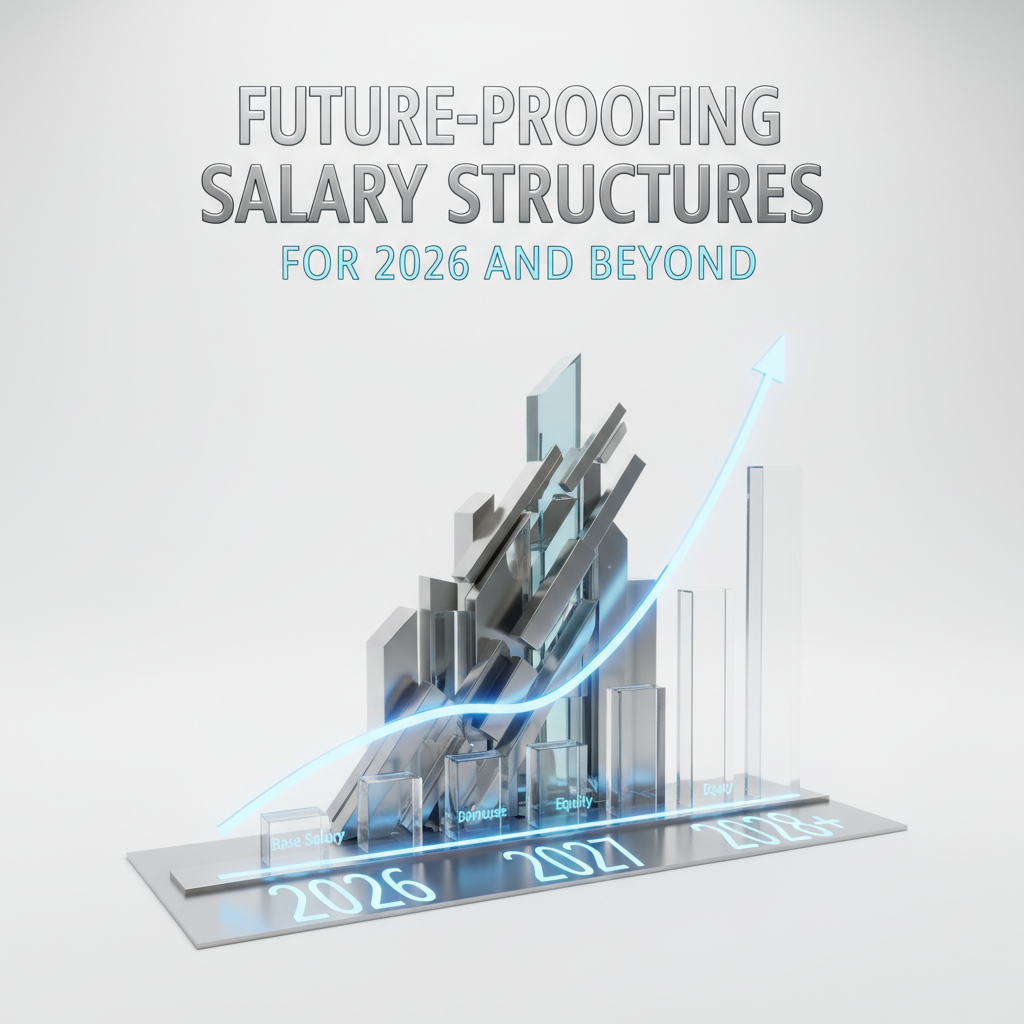
Future-Proofing Salary Structures for 2026 and Beyond
The Vietnamese entertainment industry is a dynamic landscape, constantly evolving with technological shifts and changing consumer behaviors. For Small and Medium-sized Enterprises (SMEs) in this sector, navigating talent acquisition and retention in such a fluid environment presents unique challenges, particularly concerning compensation. As we look towards 2026 and beyond, proactive strategies are essential for developing Optimized Salary Budget Structures for SMEs in Entertainment field in Vietnam. This forward-looking approach isn’t just about competitive pay; it’s about understanding the emerging trends, technological advancements, and evolving workforce expectations that will shape salary budgeting strategies in the coming years, ensuring sustainable growth and talent attraction.
1. Impact of Digitalization and Gig Economy on Compensation
The pervasive march of digitalization continues to reshape work, and the entertainment sector is at its forefront. This fuels the expansion of the gig economy, where project-based work, freelancing, and temporary contracts are increasingly prevalent. For Vietnamese entertainment SMEs, this shift means a diverse workforce often comprising both full-time employees and a significant pool of independent contractors.
Optimizing salary structures in this hybrid environment requires flexibility. Traditional fixed salaries might give way to performance-based incentives, project fees, and value-based compensation models for gig workers. SMEs must meticulously analyze market rates for specialized digital skills – think AI specialists for content analytics or social media strategists – to remain competitive without overburdening budgets. Understanding the total cost of engagement, including benefits and administrative overhead, is crucial. Moreover, the global nature of digital work means local SMEs compete not just domestically but potentially internationally for top digital talent. A recent McKinsey report on the gig economy highlights how flexible work arrangements are transforming traditional employment models, pushing companies to rethink compensation and benefits to attract and retain skilled independent workers globally.
2. Attracting Gen Z and Millennial Talent
Gen Z and Millennials now constitute the largest segments of the global workforce, and their expectations from employers differ significantly. For Vietnamese entertainment SMEs, understanding these nuances is key to developing Optimized Salary Budget Structures for SMEs in Entertainment field in Vietnam. While competitive salaries remain important, these younger generations often prioritize factors beyond base pay, seeking meaningful work, opportunities for professional development, clear career progression paths, and a positive work-life balance.
SMEs need to integrate these preferences into their overall compensation strategy. This could mean offering robust training programs for upskilling in digital production or marketing, mentorship initiatives, and transparent performance review systems linked to clear salary progression. Furthermore, non-monetary benefits play a crucial role. Consider flexible working hours, opportunities for creative input, and a company culture that fosters innovation and collaboration. For entertainment SMEs, highlighting the inherent creativity and impact of their work can be a significant draw, provided it’s backed by fair compensation and growth prospects. Budgeting for talent development and a supportive culture should be seen as an investment, directly impacting retention rates and reducing recruitment costs.
3. Embracing Flexibility and Hybrid Work Models
The pandemic accelerated the adoption of flexible and hybrid work models, and these are now entrenched expectations, particularly among younger talent. For entertainment SMEs, where some roles might traditionally require physical presence (e.g., on-set production), finding a balance is critical. Optimized Salary Budget Structures for SMEs in Entertainment field in Vietnam must account for the implications of these models on compensation and benefits.
A hybrid model, combining remote and in-office work, can broaden the talent pool by allowing recruitment from a wider geographical area. This can influence salary negotiations, as companies might offer location-agnostic pay or adjust compensation based on cost of living differences. Benefits packages may also need to be re-evaluated to include support for home office setups, enhanced digital collaboration tools, and mental wellness programs. Beyond monetary considerations, offering genuine flexibility signals trust and employee-centricity, significantly boosting job satisfaction and loyalty. Explore more strategies for creating efficient and adaptable pay scales by visiting our resources on Optimized Salary Budget Structures for SMEs in Entertainment field in Vietnam. Embracing these models isn’t just a perk; it’s a strategic move to future-proof your workforce and salary investments.
Conclusion
The path to future-proofing salary structures for Vietnamese entertainment SMEs by 2026 and beyond requires a multi-faceted approach. It demands a keen understanding of how digitalization and the gig economy are reshaping work, what motivates Gen Z and Millennial talent, and the strategic advantages of embracing flexibility. By proactively adapting compensation strategies to these evolving trends, SMEs can not only attract and retain top talent but also cultivate a resilient, innovative, and highly productive workforce capable of thriving in the dynamic entertainment landscape of Vietnam. Investing in robust, adaptable, and forward-thinking salary budgeting is no longer an option but a necessity for sustainable success.
Partner with Shelby Global
You are looking for reliable HR Sevice Suppliers? Contact Shelby Global Now! To connect with verified talents and upgrade your orginization.
—————————————
References
– Vietnam’s Labour Landscape: Challenges and Opportunities: https://www.vietnam-briefing.com/news/vietnams-labour-landscape-challenges-and-opportunities.html
– Mercer Salary Survey Spotlight: Southeast Asia Insights 2023: https://www.e.mercer.com/content/dam/mercer/assets/global/english/new-pdfs/asia-pacific-salary-guides/Mercer-Salary-Survey-Spotlight-Southeast-Asia-Insights-2023.pdf
– Mercer Compensation Surveys & Data: https://www.mercer.com/our-thinking/career/compensation-surveys-data/
– HRIS Systems | HR and Payroll Software: https://www.hrpayrollsystems.net/hris-systems/
– McKinsey report on the gig economy: https://www.mckinsey.com/capabilities/people-and-organizational-performance/our-insights/the-new-rules-of-talent-and-recruiting