
Understanding Vietnam’s Education Sector & Compensation Landscape
Vietnam’s education sector is a vibrant and rapidly evolving landscape, presenting unique opportunities and challenges for leaders, particularly for CEOs tasked with strategic salary budget optimization. A profound understanding of this dynamic market is paramount for developing effective compensation strategies that attract and retain top talent while ensuring financial sustainability. From burgeoning demand to intricate local regulations, navigating this environment requires a nuanced approach to human capital management and budget allocation.
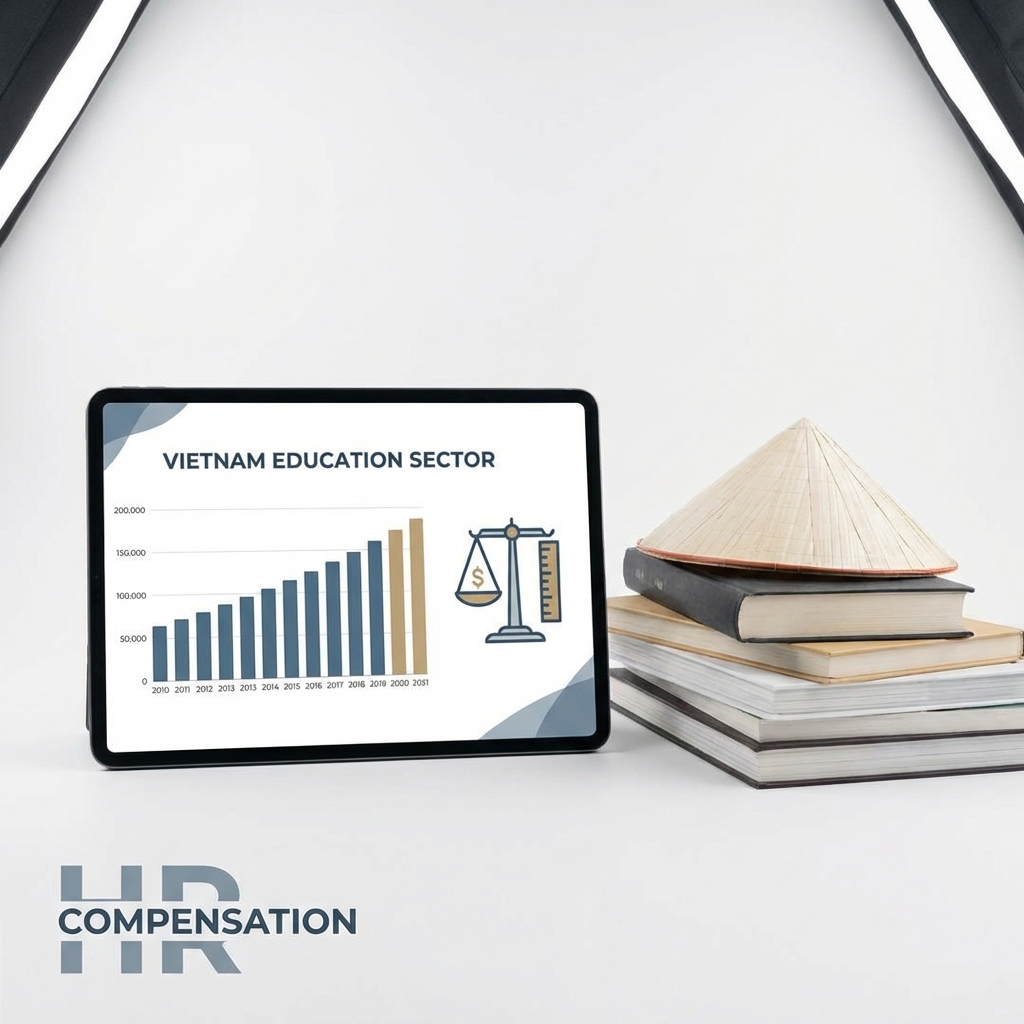
1. Current Trends and Growth Drivers in Vietnam’s Education Market
The Vietnamese education market is experiencing significant growth, driven by a confluence of factors. A large, youthful population, coupled with a growing middle class, fuels an increasing demand for quality education at all levels, from early childhood to higher education and vocational training. Parents are increasingly willing to invest in their children’s future, prioritizing English language proficiency, STEM subjects, and international standard curricula. This trend has led to a boom in private education institutions, foreign language centers, and international schools, intensifying the competition for qualified educators and administrative staff. Furthermore, the rapid adoption of technology and the rise of EdTech solutions are transforming learning methodologies and creating new roles within the sector. Government initiatives aimed at improving educational standards and promoting lifelong learning also contribute to this expansion, making it a lucrative yet competitive space for education companies. CEOs must recognize these drivers to anticipate talent needs and align compensation strategies accordingly, ensuring their institutions remain attractive employers in a fiercely contested market.
2. Navigating Local Labor Laws and Compliance for Salaries
Operating an education business in Vietnam necessitates a thorough understanding of the country’s labor laws and regulatory framework governing employee compensation. The Vietnamese Labor Code outlines critical provisions related to minimum wages, working hours, employment contracts, and social insurance contributions. Employers are legally obligated to contribute to various funds, including social insurance, health insurance, and unemployment insurance, for their employees. Personal income tax regulations also play a significant role in salary structuring, requiring careful calculation and timely remittance. Non-compliance with these regulations can lead to substantial penalties, reputational damage, and operational disruptions. For a CEO focused on navigating Vietnamese labor laws, it is crucial to consult with legal experts to ensure all compensation practices, from basic salaries to bonuses and benefits, adhere strictly to local statutes. This proactive approach not only safeguards the company but also fosters a fair and transparent working environment, which is vital for employee morale and retention in the long term.
3. Conducting Market Benchmarking for Competitive Salary Structures
In a competitive talent market like Vietnam’s education sector, establishing a competitive and equitable salary structure is fundamental to attracting and retaining high-caliber professionals. This requires robust market benchmarking, a strategic process that involves analyzing what competitors are paying for similar roles and skill sets. CEOs and HR leaders should regularly participate in industry-specific salary surveys, review compensation reports from reputable consulting firms, and monitor competitor job postings to gauge prevailing pay scales. Benchmarking helps in identifying where an organization’s compensation package stands in relation to the market average – whether it’s leading, lagging, or competitive. Without accurate benchmarking, education companies risk overpaying for roles, thus draining their budget, or underpaying, leading to high employee turnover and difficulty in recruitment. Effective benchmarking provides insights into market premiums for specialized skills (e.g., bilingual teachers, EdTech developers) and helps in crafting differentiated compensation strategies. This data-driven approach is a core component of salary budget optimizing manners for the CEO of education companies in Vietnam, ensuring that every dong spent on compensation yields maximum value in terms of talent acquisition and employee satisfaction, ultimately supporting the institution’s strategic goals and sustained growth.
Strategic Approaches to Salary Budget Allocation & Design
Focuses on high-level strategies CEOs can employ to distribute their salary budget effectively, align compensation with organizational goals, and maximize talent investment.
For CEOs leading education companies in Vietnam, mastering salary budget optimizing manners is not merely an HR function; it’s a strategic imperative. In a competitive and rapidly evolving educational sector, the ability to attract, retain, and motivate top talent directly impacts an organization’s success, from student outcomes to market share. Effective salary budget allocation demands a sophisticated understanding of both macro-economic conditions in the Vietnam education market and granular insights into employee needs and performance drivers. This section delves into high-level strategies for CEOs to intelligently distribute their salary budget, aligning compensation practices with overarching organizational objectives and ensuring every dollar invested in human capital yields maximum returns. It’s about transforming compensation from a cost center into a powerful strategic investment for sustainable growth.
1. Developing a Comprehensive Compensation Strategy Aligned with Business Goals
A successful approach to salary budget allocation begins with a robust, forward-looking compensation strategy that is inextricably linked to the company’s business goals. For education companies, this means clearly defining what success looks like – be it student enrollment growth, academic excellence, digital transformation, or geographical expansion – and then designing a pay structure that directly supports these aspirations. CEOs must collaborate with HR to conduct thorough market competitiveness analyses, particularly focusing on the unique nuances of the Vietnam education market and prevailing educational sector trends. This analysis informs decisions about teacher compensation and other critical roles, ensuring the company can attract and retain highly qualified professionals. Strategic workforce planning is crucial here, identifying future talent needs and proactively allocating budget. Implementing advanced HR analytics can provide insights into compensation effectiveness, allowing for data-driven adjustments that ensure the compensation strategy remains agile and aligned with evolving organizational objectives.
2. Implementing Performance-Based Pay Structures for Motivation and Productivity
To foster a culture of high achievement, CEOs should champion the adoption of performance-based pay structures. This approach ties a significant portion of an employee’s compensation to their individual and team contributions, directly enhancing employee motivation and overall productivity. For educators, this might involve incentives tied to student progress, course completion rates, or innovative teaching methodologies. Effective performance management systems are the backbone of such structures, requiring clear, measurable metrics and transparent reward systems. By linking salary increases, bonuses, and other incentives to tangible results, education companies can ensure that salary budget allocation is not merely an expense but a strategic investment in achieving specific outcomes. This also contributes significantly to budget efficiency, as payouts are directly correlated with achieved performance. Beyond financial rewards, a well-designed performance-based system can also boost talent retention by recognizing and rewarding top performers, creating a virtuous cycle of excellence.
3. Leveraging Skill-Based Compensation Models for Specialized Roles
As the educational landscape evolves, the demand for specialized skills – such as digital curriculum development, data analytics in education, or advanced pedagogical techniques – is increasing. Traditional role-based pay structures may not adequately reward or incentivize the acquisition of these critical competencies. Here, CEOs can strategically leverage skill-based compensation models. This approach pays employees not just for the job they hold, but for the breadth and depth of skills they possess and apply, particularly for specialized roles. Implementing skill-based models encourages continuous skill development among the workforce, ensuring the company remains at the forefront of educational innovation and adapts quickly to new educational sector trends. This is a powerful strategic investment in human capital, enhancing talent retention by valuing and compensating individuals for their growing expertise. For CEOs looking to cultivate a highly adaptable and expert workforce, especially in areas where talent is scarce, skill-based pay offers a compelling pathway to maximize the impact of their salary budget.
Enhancing Employee Value & Retention with Smart Spending
In the dynamic and competitive landscape of Vietnam’s education sector, CEOs face the perennial challenge of attracting and retaining top-tier talent. While base salaries are undoubtedly a critical component, savvy leaders understand that sustainable talent management goes far beyond compensation. This section explores how CEOs can implement salary budget optimizing manners for the CEO of education companies in Vietnam, strategically allocating resources not just to salaries but also to attractive benefits, professional development, and robust engagement initiatives. By adopting a holistic approach to human capital investment, education companies can cultivate a high-performing workforce, enhance employee value, and significantly improve retention rates.

1. Crafting Attractive Benefits Packages Beyond Base Salary
For education companies in Vietnam, competing for talent often means offering more than just a paycheck. CEOs must think creatively about constructing comprehensive benefits packages that genuinely resonate with employees’ needs and aspirations. This includes a range of perks such as robust health insurance plans, flexible working arrangements (critical for work-life balance), and wellness programs. Consider offering educational subsidies for employees’ children or professional certifications, aligning benefits with the company’s core mission. A well-rounded benefits structure can significantly elevate perceived employee value, acting as a powerful magnet for new hires and a strong deterrent against attrition. These strategic investments in employee well-being and security communicate a deeper commitment from the employer, fostering loyalty and a sense of belonging that pure salary increases alone often cannot achieve. Furthermore, tailoring benefits to the specific demographic and cultural context of Vietnam can yield exceptional results in talent attraction and retention.
2. Investing in Training & Development with Clear ROI Metrics
In a rapidly evolving educational environment, continuous learning is paramount. CEOs dedicated to salary budget optimizing manners recognize that investing in professional development is not an expense but a strategic asset. Education companies should establish clear pathways for career growth, offering opportunities for upskilling, leadership training, and specialized pedagogical techniques. Programs could include certifications, workshops, mentorship schemes, and even support for advanced degrees. Crucially, these investments must be coupled with clear Return on Investment (ROI) metrics. This means tracking improvements in teaching effectiveness, student outcomes, employee performance, and internal promotion rates directly attributable to training initiatives. By demonstrating a tangible link between development programs and business objectives, CEOs can justify budget allocation and ensure that every dollar spent contributes to both individual employee growth and the company’s strategic goals. This commitment to skill development and career advancement not only enhances employee capabilities but also signals that the organization values long-term career progression, making it an appealing prospect for ambitious professionals.
3. Fostering Employee Engagement and Well-being Programs
Beyond tangible benefits and professional growth, a positive and supportive workplace culture is indispensable for talent retention. CEOs must prioritize initiatives that foster strong employee engagement and comprehensive well-being. This involves creating channels for open communication, recognizing achievements, and soliciting regular feedback to ensure employees feel heard and valued. Team-building activities, social events, and corporate social responsibility (CSR) programs can strengthen camaraderie and build a sense of community. Moreover, mental health support and stress management resources are increasingly vital in today’s demanding work environment. By actively cultivating a culture of appreciation, respect, and psychological safety, education companies can significantly boost morale, reduce burnout, and enhance overall job satisfaction. Such programs contribute to a vibrant atmosphere where employees feel connected to the company’s mission and their colleagues, reducing turnover and fostering a productive, harmonious working environment. The strategic allocation of resources towards these initiatives is a prime example of effective salary budget optimizing manners, transforming a simple workplace into a thriving community where top talent chooses to stay and excel.
In conclusion, for CEOs of education companies in Vietnam, optimizing the salary budget extends far beyond mere pay scales. It involves a sophisticated interplay of competitive benefits, targeted professional development, and robust employee engagement strategies. By making smart, data-driven investments in these critical areas, leaders can not only attract the brightest minds but also cultivate a loyal, highly skilled, and motivated workforce, ensuring sustainable growth and a distinct competitive advantage in the educational market.
Operational Efficiencies & Technology Integration in HR
This section delves into how the strategic adoption of technology and the streamlining of human resource operations can significantly reduce administrative overheads, bolster data accuracy, and liberate valuable budget resources. For a CEO of education companies in Vietnam, understanding these modern approaches is paramount for shifting financial allocations from routine tasks to direct, impactful talent investment, ultimately enhancing competitiveness and educational outcomes. By embracing salary budget optimizing manners for the CEO of education companies in Vietnam, organizations can transform their HR function into a strategic asset.
-
Utilizing HR Technology for Payroll Management and Analytics
Modern HR technology adoption, particularly in payroll management, offers immense potential for operational efficiency and cost reduction strategies. Cloud-based HR solutions and advanced HR software automate repetitive tasks, minimizing human error and ensuring data accuracy in salary calculations, tax withholdings, and benefits administration. For a CEO of education companies in Vietnam, this translates into substantial savings in administrative time and a reduced risk of compliance penalties. Automated systems provide real-time access to crucial HR analytics, offering insights into workforce costs, turnover rates, and compensation trends. This granular data empowers strategic HR planning, allowing leadership to make informed decisions about budget allocation optimization and talent investment. Employee self-service portals, a key feature of many HR platforms, further enhance efficiency by allowing staff to access pay stubs, update personal information, and manage benefits independently, freeing up HR personnel for more strategic initiatives.
-
Implementing Cost-Reduction Strategies in HR Operations
Beyond payroll, integrating HR technology across all operations can revolutionize cost reduction strategies. Digital transformation in HR involves automating processes like recruitment, onboarding, performance management systems, and offboarding. For instance, applicant tracking systems reduce the time and cost associated with talent acquisition, while digital onboarding eliminates paper-based processes and ensures a consistent, compliant experience. By centralizing HR data, organizations improve data accuracy and simplify reporting, which is vital for regulatory compliance. Furthermore, consolidating HR vendors and leveraging integrated platforms can lead to economies of scale. These efforts in operational efficiency directly contribute to salary budget optimizing manners for the CEO of education companies in Vietnam, allowing funds to be reallocated from manual processing to professional development or enhanced compensation packages. According to ADP, investing in HR technology provides a strong business case, demonstrating significant ROI through improved productivity and cost savings.
-
Analyzing the Impact of Remote Work Models on Salary Budgets
The shift towards remote work models, while offering flexibility, also presents unique opportunities and challenges for budget allocation optimization within the Vietnam education sector. Remote work productivity can lead to reduced office space requirements and lower associated overheads, such as utilities and maintenance. This represents a direct cost saving that can be redirected towards talent investment or enhancing benefits. However, it also necessitates robust performance management systems to ensure sustained output and engagement. For a CEO of education companies in Vietnam, analyzing the impact of remote work means evaluating not just direct cost savings but also the potential to tap into a wider talent pool, potentially allowing for more competitive recruitment without escalating overall salary budgets. Strategic HR planning must consider the costs of remote work infrastructure, cybersecurity, and effective communication tools. By carefully balancing these factors, remote work can become a powerful component of salary budget optimizing manners, fostering flexibility while maintaining financial prudence.
Future-Proofing Your Education Company’s Workforce
In the dynamic landscape of Vietnam’s education sector, ensuring the long-term sustainability and resilience of an education company’s workforce is paramount. CEOs face the constant challenge of balancing growth ambitions with prudent financial management, particularly concerning talent acquisition, development, and retention. This requires a proactive approach to human capital strategy, moving beyond short-term fixes to build robust frameworks that can withstand market fluctuations and secure future leadership. Effective salary budget optimizing manners for the CEO of education companies in Vietnam are not just about cost-cutting; they are about strategic investments in people that yield sustainable competitive advantage, foster employee retention, and drive innovation.

1. Strategic Talent Acquisition and Development Pipelines
Building a future-proof workforce begins with a meticulously planned approach to talent acquisition strategies and continuous workforce development. For education companies in Vietnam, this means identifying not just current skill gaps but also anticipating future needs driven by technological advancements, curriculum shifts, and evolving student demands. Establishing robust leadership pipelines involves scouting for high-potential individuals, not only externally but also nurturing internal talent through structured development programs. These programs should focus on critical competencies such as digital literacy, pedagogical innovation, and cross-cultural communication. Investing in skill gap analysis and providing opportunities for continuous learning, professional development, and mentorship ensures that employees are not only proficient in their current roles but also prepared for future challenges and leadership opportunities. This proactive investment in human capital significantly enhances employee engagement and reduces the reliance on external hiring for senior roles, proving to be a highly effective strategy for sustainable growth education.
2. Implementing Robust Succession Planning for Key Leadership Roles
The resilience of an education company is heavily dependent on its ability to seamlessly transition leadership, especially in key executive talent management positions. Robust succession planning for education companies is not merely about identifying a backup; it’s about developing a strategic roadmap for future leaders development. This involves a multi-faceted approach where potential successors are identified early, provided with tailored training, cross-functional experiences, and mentorship from current leaders. For the CEO, ensuring a strong succession plan in critical areas like academic leadership, operational management, and financial oversight is vital to mitigate risks associated with unexpected departures or retirements. A transparent and well-communicated succession process also boosts morale and provides clear career paths, further contributing to employee retention and organizational stability. This proactive HR strategic planning minimizes disruptions, maintains institutional knowledge, and ensures continuity in strategic direction, even amidst significant personnel changes.
3. Adapting Compensation Strategies to Economic Shifts and Market Volatility
In a rapidly evolving economy like Vietnam’s, compensation models Vietnam must be agile and responsive to both economic resilience education and market volatility impact. CEOs need to continuously review and adapt their compensation strategies to remain competitive, attract top talent, and motivate existing employees. This goes beyond base salary, encompassing performance-based pay, comprehensive benefits packages, and non-monetary recognition programs that align with employee values and organizational goals. Regularly benchmarking against industry standards and local market rates is crucial to ensure equitable and competitive remuneration. Furthermore, considering flexible compensation structures, such as variable bonuses tied to company performance or individual metrics, can help manage salary budget optimizing manners more effectively during lean periods while rewarding success during prosperous times. Integrating insights from global talent strategies into local compensation frameworks, as highlighted by expert analysis on Harvard Business Review on Compensation & Benefits, can provide a competitive edge. This strategic approach to compensation ensures the company’s ability to retain its best people, sustain morale, and navigate economic uncertainties with confidence.
Partner with Shelby Global
You are looking for reliable HR Sevice Suppliers? Contact Shelby Global Now! To connect with verified talents and upgrade your orginization.
—————————————
References
– Vietnam Labour Law 2019 and Related Decrees: https://www.russinvecchi.com.vn/legal-news/vietnam-labour-law-2019-and-related-decrees/
– SHRM – Compensation: https://www.shrm.org/topics-tools/hr-topics/compensation
– SHRM – Society for Human Resource Management: https://www.shrm.org/resources-and-tools/pages/default.aspx
– The Business Case For HR Technology: https://www.adp.com/resources/articles-and-insights/articles/b/the-business-case-for-hr-technology.aspx
– Harvard Business Review on Compensation & Benefits: https://hbr.org/topic/compensation-benefits