
Understanding Vietnam’s FMCG Landscape & Economic Factors
Vietnam’s Fast-Moving Consumer Goods (FMCG) sector is a dynamic and pivotal component of its rapidly expanding economy. Characterized by a young, increasingly affluent population and a growing middle class, the market presents unique opportunities and challenges for businesses, directly influencing the Salary Defining Strategy for all job titles in FMCG companies in Vietnam. To formulate effective compensation frameworks, companies must navigate a complex interplay of market growth, economic shifts, and regulatory mandates. This section delves into the current market conditions and key economic factors that shape salary structures within this competitive environment.
1. Current Growth Trends in Vietnam’s FMCG Market
Vietnam’s FMCG market continues to exhibit robust growth, driven by several factors. Urbanization is a significant catalyst, leading to increased demand for convenience products and modern retail formats. The rise of e-commerce platforms has further democratized access to goods, boosting consumption even in rural areas. Disposable incomes are on an upward trajectory, shifting consumer preferences towards premium products and international brands, while still maintaining a strong affinity for value-for-money items. Local players, alongside multinational corporations, are intensifying competition, innovating with new product categories, and expanding distribution networks. This vibrant growth creates high demand for skilled professionals across all functions – from sales and marketing to supply chain and R&D – placing upward pressure on compensation levels. Companies are constantly vying for top talent, making a clear and competitive Salary Defining Strategy for all job titles in FMCG companies in Vietnam crucial for attraction and retention. According to the World Bank’s economic updates, Vietnam’s sustained economic expansion underpins this strong consumer spending and market vitality.
2. Inflation, Cost of Living, and Their Impact on Wages
While economic growth is a positive indicator, it often comes hand-in-hand with inflationary pressures and an increasing cost of living, particularly in major urban centers like Ho Chi Minh City and Hanoi. These economic realities directly impact employees’ purchasing power and expectations regarding compensation. Persistent inflation erodes the real value of wages, compelling companies to regularly review and adjust salary scales to maintain employee satisfaction and living standards. The cost of essential goods, housing, transportation, and education are key components of the cost of living index, and significant increases here necessitate higher base salaries and competitive benefits packages. For FMCG companies, understanding these dynamics is paramount. A well-designed Salary Defining Strategy for all job titles in FMCG companies in Vietnam must account for these external economic factors, incorporating mechanisms for periodic salary reviews and potential cost-of-living adjustments to ensure that compensation remains attractive and fair in a changing economic landscape. Failing to do so can lead to higher attrition rates and difficulties in recruiting qualified personnel.
3. Government Regulations and Labor Laws Affecting Compensation
The Vietnamese government plays a significant role in shaping compensation practices through its labor laws and regulations. Key elements include the minimum wage policy, which is periodically revised and varies by region, directly impacting entry-level salaries and base pay structures. Beyond the minimum wage, labor laws dictate aspects such as overtime pay, social insurance contributions (health insurance, social insurance, unemployment insurance), trade union fees, and severance pay. Compliance with these regulations is not just a legal obligation but also a critical aspect of an ethical and sustainable compensation strategy. Companies must stay abreast of all legal amendments and ensure their payroll systems and compensation policies are fully compliant. Moreover, understanding these legal frameworks is essential for developing a robust and legally sound Salary Defining Strategy for all job titles in FMCG companies in Vietnam. This includes classifying employees correctly, adhering to stipulated working hours, and providing statutory benefits, all of which contribute to the overall cost of employment and must be factored into the budgeting and salary setting processes. Navigating these complexities effectively requires a deep understanding of local regulations, as detailed in resources such as insights on Salary Defining Strategy for all job titles in FMCG companies in Vietnam.
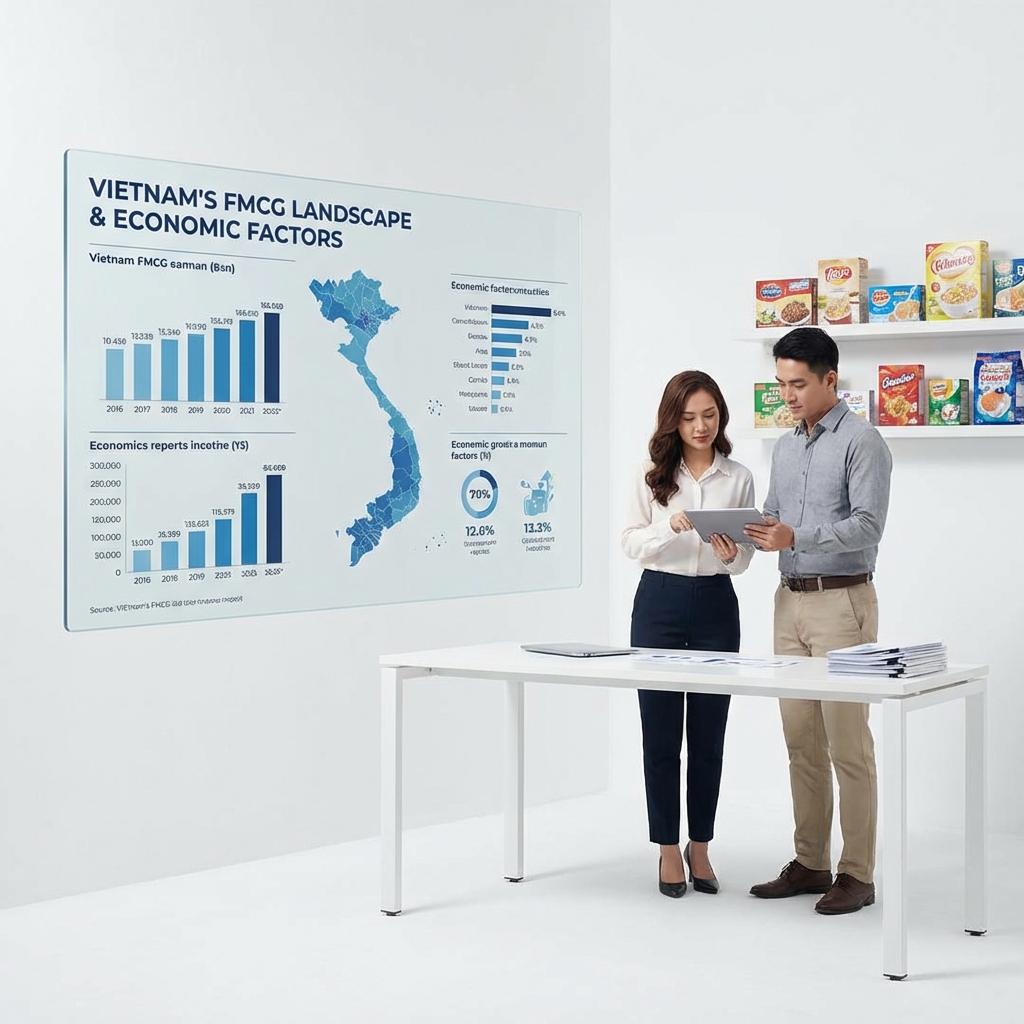
In conclusion, Vietnam’s FMCG sector offers immense growth potential, but defining competitive and fair salaries demands a holistic approach. Companies must consider the ongoing market expansion, the ever-present impact of inflation and cost of living, and the non-negotiable adherence to government labor regulations. A strategic and adaptive approach to compensation is not merely about attracting talent; it’s about fostering a productive, motivated workforce that drives sustained success in this vibrant market.
Key Compensation Components & Structures for FMCG Roles
In the dynamic and highly competitive Fast-Moving Consumer Goods (FMCG) sector in Vietnam, attracting and retaining top talent hinges significantly on a well-crafted compensation strategy. A robust Salary Defining Strategy for all job titles in FMCG companies in Vietnam is not merely about offering competitive pay; it involves a holistic approach that considers base salaries, performance incentives, and comprehensive benefits. This section delves into the intricate elements that constitute a compelling salary package, spanning roles from entry-level positions to senior management within FMCG organizations.
-
Base Salary Benchmarking Across Departments (Sales, Marketing, Supply Chain)
The base salary serves as the foundational element of any compensation package, representing the fixed pay an employee receives. For FMCG companies in Vietnam, establishing competitive base salaries requires meticulous benchmarking against industry peers, local market conditions, and regional economic factors. These benchmarks often vary significantly across departments, reflecting different market demands, skill sets, and typical compensation structures.
- Sales: Often characterized by a lower base salary paired with substantial performance-based incentives. Benchmarking here focuses on ensuring the base is sufficient to attract initial talent, with the earning potential driven by sales volume, market share growth, and new account acquisition.
- Marketing: Typically features a competitive base salary, reflecting the strategic importance of brand building, market research, and campaign execution. Benchmarking considers salaries for roles like Brand Managers, Product Managers, and Digital Marketing Specialists, ensuring parity with global and local FMCG competitors.
- Supply Chain: Roles such as Logistics Managers, Procurement Specialists, and Production Planners generally command a stable, competitive base salary. Their compensation reflects the critical need for efficiency, cost optimization, and seamless operations. Benchmarking here often considers the impact of global supply chain disruptions and the demand for specialized expertise.
Effective base salary benchmarking ensures that a company can attract skilled professionals while maintaining internal equity and cost control across its diverse operational needs.
-
Performance-Based Bonuses and Incentive Programs
Beyond the base salary, performance-based compensation is a cornerstone of FMCG remuneration, designed to motivate employees and align individual efforts with company objectives. These programs are particularly prevalent and diverse within the FMCG sector, driving productivity and rewarding tangible results.
- Individual Performance Bonuses: Linked directly to an employee’s achievement of specific Key Performance Indicators (KPIs). For sales roles, this might be achieving sales targets or expanding distribution. For marketing, it could involve successful campaign ROI or brand equity improvements. For supply chain, it might be tied to cost reduction, inventory optimization, or on-time delivery rates.
- Team and Departmental Incentives: These encourage collaboration and collective success. A sales team might receive a bonus for exceeding regional targets, while a marketing department could be rewarded for a successful product launch or market share gain across a portfolio.
- Company-Wide Profit Sharing: Senior management and sometimes all employees may participate in profit-sharing schemes, where a portion of the company’s annual profits is distributed, fostering a sense of ownership and collective responsibility for overall business success.
The transparency and fairness of these incentive programs are paramount. Clearly defined metrics, regular feedback, and consistent application ensure that employees perceive the system as equitable and motivating, directly contributing to the company’s bottom line.
-
Benefits and Perks: Health, Wellness, and Professional Development
A truly comprehensive compensation package extends beyond monetary components, encompassing a range of benefits and perks that significantly enhance employee well-being, job satisfaction, and long-term career growth. In Vietnam’s competitive talent landscape, these non-cash elements play a crucial role in talent attraction and retention.
- Health and Wellness: Private health insurance (often including family coverage), regular health check-ups, and wellness programs (e.g., gym memberships, mental health support) are highly valued. These benefits provide financial security and demonstrate a company’s commitment to employee welfare.
- Professional Development: FMCG companies invest in their talent through ongoing training programs (leadership, technical skills, digital transformation), opportunities for certifications, tuition reimbursement for higher education, and mentorship programs. Such investments not only enhance employee capabilities but also signal career progression opportunities.
- Other Perks: These can include transportation allowances, meal subsidies, company products, employee discounts, flexible working arrangements, and support for work-life balance initiatives. For specific roles, such as those requiring frequent travel or relocation, housing allowances or temporary accommodation might also be part of the package.
By integrating robust health, wellness, and professional development programs, FMCG companies can cultivate a supportive work environment that fosters loyalty, reduces turnover, and ultimately strengthens their position in the Vietnamese market. Understanding and implementing a tailored comprehensive Salary Defining Strategy for all job titles in FMCG companies in Vietnam is crucial for sustainable success, reflecting both market competitiveness and employee value. For more insights into broader compensation trends, you can refer to the latest compensation trends in Vietnam.
Data-Driven Salary Benchmarking for Competitive Advantage
In Vietnam’s dynamic and rapidly expanding Fast-Moving Consumer Goods (FMCG) sector, attracting and retaining top talent is paramount for sustained success. A robust and well-articulated Salary Defining Strategy for all job titles in FMCG companies in vietnam is no longer a luxury but a critical component of competitive advantage. This strategy hinges on the intelligent application of data and analytics to ensure that compensation structures are not only competitive and fair but also strategically aligned with market rates. By focusing on precision and insight, FMCG companies can cultivate an environment that rewards performance, fosters loyalty, and positions them as employers of choice in a highly competitive talent landscape.

1. Leveraging Industry Surveys and Market Research Tools
The foundation of any effective salary benchmarking lies in access to reliable and comprehensive market data. For FMCG companies in Vietnam, this means actively leveraging industry-specific surveys and sophisticated market research tools. These resources provide granular insights into compensation trends, average salary ranges, and benefits packages across various roles and experience levels within the sector and specific geographic regions. Reputable consulting firms and HR data providers offer detailed reports, allowing companies to understand prevailing compensation philosophies. This proactive approach ensures salary adjustments are data-backed, justifiable, and strategically aligned with market expectations and business objectives. Regularly participating in and subscribing to these surveys grants organizations access to comprehensive market insights, essential for informed decisions and keeping salary scales relevant and attractive.
2. Analyzing Competitor Compensation Packages
While industry surveys provide broad market context, a deeper dive into competitor compensation packages offers a sharper edge. For FMCG companies in Vietnam, understanding what direct rivals offer is crucial. This analysis goes beyond basic salary figures to encompass total rewards, including bonuses, incentives, health benefits, and non-financial perks like flexible working arrangements or professional development. Methods for gathering this intelligence include anonymous surveys, analysis of public job postings, networking, and engaging specialized recruitment consultants. The goal is to identify patterns, strengths, and weaknesses in competitors’ total compensation strategies. This granular understanding empowers companies to fine-tune their own compensation models, ensuring they can match or strategically differentiate their offerings to attract critical talent. A robust Salary Defining Strategy for all job titles in FMCG companies in vietnam requires this precise competitive intelligence, allowing organizations to react swiftly to market shifts and maintain their attractiveness as an employer.
3. Internal Equity vs. External Competitiveness: Striking the Balance
One of the most delicate challenges in salary benchmarking is balancing internal equity with external competitiveness. Internal equity refers to the perceived fairness of pay within an organization, ensuring employees with similar roles, responsibilities, skills, and performance are compensated commensurately. A lack of internal equity can lead to demotivation and increased turnover. Conversely, external competitiveness dictates that an organization’s compensation levels are comparable to what other employers in the market offer for similar positions. If an FMCG company in Vietnam’s salaries lag behind the market, it risks losing top talent and struggling to recruit qualified candidates. Striking the right balance requires a sophisticated approach. Companies must use a consistent job evaluation system to establish the relative worth of positions internally, creating clear pay grades and salary bands. Simultaneously, they must continuously monitor external market data to ensure these internal structures remain competitive. This often means making strategic adjustments – perhaps offering a market premium for roles in high demand or with specialized skills, while ensuring the overall pay philosophy remains fair across the board. Achieving this delicate equilibrium is fundamental to a sustainable and effective Salary Defining Strategy for all job titles in FMCG companies in vietnam, fostering both employee satisfaction and organizational success.
Tailoring Salary Strategies for Diverse Job Titles & Departments
In Vietnam’s dynamic and highly competitive Fast-Moving Consumer Goods (FMCG) sector, a one-size-fits-all approach to compensation is inherently ineffective. To attract, motivate, and retain top talent across various functions, companies must implement a sophisticated Salary Defining Strategy for all job titles in FMCG companies in Vietnam. This involves deeply understanding the unique market value, performance drivers, and specific challenges associated with different roles, from the front-line sales force to the strategic minds in R&D and the operational backbone of the supply chain. Tailored compensation packages not only ensure competitive positioning but also align individual incentives with departmental and overarching business objectives, driving efficiency, innovation, and market share growth in this vibrant economy.
1. Sales & Marketing Roles: Commission Structures and Brand-Specific Incentives
Sales and marketing professionals are the direct drivers of revenue and brand equity in the FMCG landscape. Their compensation structures must reflect this direct impact, emphasizing performance-based rewards. A foundational element is often a competitive base salary, providing stability, complemented by robust commission structures. These commissions should be meticulously designed to reward both individual sales targets and team achievements, encouraging collaboration while fostering healthy competition. Beyond raw sales volume, incentives can be tied to key performance indicators (KPIs) such as market share growth for specific brands, successful new product launches, distribution expansion into untapped channels, or even customer acquisition and retention rates.
Brand-specific incentives play a crucial role, particularly in companies managing a diverse portfolio. Bonuses for exceeding targets on high-margin or strategic growth brands can align individual efforts with corporate priorities. For marketing teams, incentives might extend to successful campaign ROI, brand sentiment improvement, or digital engagement metrics. Regular reviews of these structures are vital to ensure they remain competitive against industry benchmarks and continue to motivate a high-performing, agile workforce that is responsive to evolving consumer preferences and market dynamics in Vietnam.
2. Supply Chain & Operations: Efficiency Bonuses and Retention Premiums
The efficiency and resilience of an FMCG company’s supply chain and operations are critical competitive differentiators, especially in a market like Vietnam with its complex logistics and evolving infrastructure. Compensation for roles in procurement, logistics, manufacturing, and quality control should reflect their direct contribution to cost savings, operational excellence, and uninterrupted product availability. Efficiency bonuses are highly effective here, rewarding teams or individuals for achieving specific metrics such as reduced waste, improved inventory turnover, optimized logistics costs, increased production line uptime, or enhanced on-time delivery rates. These bonuses incentivize continuous improvement and lean methodologies, directly impacting the bottom line.
Furthermore, given the specialized skills required and the global competition for talent in areas like advanced manufacturing and digital supply chain management, retention premiums are increasingly important. These might be long-term incentives or loyalty bonuses designed to keep experienced professionals within the organization, mitigating the risk of talent drain and preserving institutional knowledge. A well-structured compensation plan for supply chain and operations not only drives performance but also builds a stable, expert team capable of navigating market challenges and supporting aggressive growth targets. Understanding regional compensation trends, as highlighted in various Robert Walters Salary Surveys, is crucial for benchmarking these critical roles.
3. R&D and Product Development: Innovation-Based Rewards
Innovation is the lifeblood of the FMCG industry, especially in a market driven by rapidly changing consumer tastes and demands. Roles in Research & Development and Product Development are pivotal in creating new products, improving existing ones, and exploring sustainable solutions. Their compensation strategies must be designed to foster creativity, reward breakthroughs, and encourage a long-term perspective on innovation. Innovation-based rewards can take several forms:
- Success-based Bonuses: Payouts tied to the successful launch of new products that meet specific market performance criteria (e.g., sales volume, market share within the first year, profitability).
- Milestone Payments: Rewards for achieving critical development stages, such as successful patent applications, regulatory approvals, or passing internal proof-of-concept stages.
- Long-term Incentives: Stock options or phantom shares for key innovators, aligning their financial interests with the long-term success of the company and the commercialization of their intellectual property.
- Recognition for Cost-Saving Innovations: Bonuses for developing processes or ingredients that significantly reduce production costs without compromising quality.
By explicitly linking compensation to tangible innovation outcomes, FMCG companies can cultivate a culture of continuous improvement and groundbreaking development, ensuring they remain at the forefront of consumer preferences and market trends in Vietnam and beyond.
Future-Proofing Your Salary Strategy: Trends & Retention
In the rapidly evolving Vietnamese FMCG market, a robust and forward-thinking salary strategy is no longer just about competitive paychecks; it’s about anticipating future trends, fostering a thriving work environment, and ensuring long-term employee retention. Companies must transcend traditional compensation models to attract and keep top talent, especially when crafting a comprehensive Salary Defining Strategy for all job titles in FMCG companies in Vietnam. This section delves into crucial future-proofing elements, from adapting to new work models to emphasizing non-monetary benefits and dynamic compensation reviews.
1. The Rise of Gig Economy and Flexible Work Arrangements
The global shift towards flexible work has profoundly impacted traditional employment structures, and Vietnam’s FMCG sector is no exception. The gig economy, characterized by short-term contracts or freelance work, offers agility and cost-effectiveness, appealing to both employers and a new generation of workers seeking autonomy. For FMCG companies, integrating flexible work arrangements – such as remote work options, compressed workweeks, or project-based roles – can significantly broaden their talent pool. This approach is particularly effective for specialized roles like market researchers, digital marketers, or supply chain consultants who can operate effectively outside conventional office settings. Embracing this trend means re-evaluating job descriptions and performance metrics to focus on output rather than hours spent in an office. A proactive Salary Defining Strategy for all job titles in FMCG companies in Vietnam must account for diverse employment models, offering fair and attractive compensation packages that reflect the value of these flexible contributions. This adaptability not only enhances employer branding but also improves employee satisfaction and retention by offering work-life integration that traditional models often lack. Companies that fail to adapt risk losing talent to more agile competitors or even to the burgeoning freelance market.
2. Non-Monetary Benefits: Work-Life Balance, Career Progression, and Culture
While competitive salaries remain foundational, non-monetary benefits are increasingly powerful differentiators in attracting and retaining talent within the Vietnamese FMCG landscape. Employees, especially younger generations, prioritize work-life balance, opportunities for skill development, clear career progression paths, and a positive organizational culture.
- Work-Life Balance: This extends beyond flexible hours to include wellness programs, mental health support, generous leave policies, and even facilities like onsite childcare or fitness centers. Promoting a culture that respects personal time reduces burnout and fosters loyalty.
- Career Progression: Employees want to see a future within the company. This involves clear promotion pathways, mentorship programs, ongoing training and development initiatives, and opportunities for cross-functional exposure. Investing in an employee’s growth not only retains them but also builds internal capabilities.
- Culture: A strong, inclusive, and supportive company culture is invaluable. This encompasses transparent communication, recognition programs, team-building activities, and a commitment to diversity and inclusion. A positive culture makes employees feel valued and connected, creating a sense of belonging that money alone cannot buy.
According to a recent survey by Navigos Search, work-life balance and a professional working environment are among the top factors Vietnamese employees consider when seeking new opportunities, underlining the importance of these non-monetary elements. The integration of these benefits into a holistic Salary Defining Strategy for all job titles in FMCG companies in Vietnam showcases a company’s commitment to its people, driving engagement and significantly reducing turnover rates.

3. Regular Review and Adjustment Cycles for Compensation Plans
The dynamic nature of the Vietnamese FMCG market, coupled with inflation, evolving talent expectations, and competitive pressures, necessitates a proactive approach to compensation plan reviews. Stagnant salary structures quickly become outdated, leading to disengagement and talent drain. Companies should establish regular, ideally annual or bi-annual, review and adjustment cycles for their Salary Defining Strategy for all job titles in FMCG companies in Vietnam. These cycles should involve:
- Market Benchmarking: Continuously comparing current salaries and benefits against industry standards and competitor offerings. Utilize reliable market data, such as reports from reputable HR consultancies or industry associations, to ensure competitiveness.
- Performance-Based Adjustments: Tying compensation increments to individual and team performance incentivizes high achievement and rewards valuable contributions. This should be transparent and based on clear, measurable KPIs.
- Inflation and Cost of Living Adjustments: Particularly crucial in developing economies like Vietnam, where economic conditions can shift rapidly. Ensuring salaries keep pace with the cost of living helps maintain employees’ purchasing power and overall satisfaction.
- Feedback Mechanisms: Incorporating employee feedback into compensation reviews fosters trust and ensures that the strategy addresses real needs and perceptions.
By implementing systematic review and adjustment cycles, FMCG companies can maintain a fair, competitive, and motivating compensation environment. This ongoing process demonstrates a commitment to employee well-being and strategic foresight, vital for long-term success and attracting the best talent to execute a forward-thinking Salary Defining Strategy for all job titles in FMCG companies in Vietnam.
Conclusion:
Future-proofing your salary strategy in the Vietnamese FMCG market demands a holistic and adaptive approach. Beyond mere remuneration, it involves embracing flexible work models, championing non-monetary benefits like work-life balance and career development, and establishing robust, regular review cycles for compensation plans. Companies that proactively integrate these elements into their Salary Defining Strategy for all job titles in FMCG companies in Vietnam will not only attract and retain top-tier talent but also cultivate a resilient and high-performing workforce ready to navigate the complexities and seize the opportunities of a dynamic market. This strategic foresight transforms human resources from a cost center into a powerful engine for sustainable growth.
Partner with Shelby Global
You are looking for reliable HR Sevice Suppliers? Contact Shelby Global Now! To connect with verified talents and upgrade your orginization.
—————————————
References
– World Bank’s economic updates: https://www.worldbank.org/en/country/vietnam/overview#1
– latest compensation trends in Vietnam: https://www.vietnam-briefing.com/news/vietnam-salary-trends-2024-and-beyond.html/
– What is Salary Benchmarking?: https://www.shrm.org/resources-and-tools/tools-samples/hr-qa/pages/what-is-salary-benchmarking.aspx
– Robert Walters Salary Survey: https://www.robertwalters.com.vn/en/hiring/salary-survey.html
– Navigos Search reveals insights into current job search trends and expectations of Vietnamese employees amidst the “new normal” context: https://www.vir.com.vn/navigos-search-reveals-insights-into-current-job-search-trends-and-expectations-of-vietnamese-employees-amidst-the-new-normal-context-96263.html