
Understanding the Vietnamese Sales HR Landscape

Vietnam’s dynamic economic growth, characterized by a rapidly expanding middle class and increasing digital adoption, has created a vibrant and competitive sales sector. For businesses operating or looking to enter this market, a nuanced understanding of the human resources landscape is paramount. Navigating the unique characteristics, market dynamics, and regulatory environment influencing HR within Vietnam’s burgeoning sales sector is crucial for attracting, retaining, and developing top-tier sales talent. This comprehensive overview provides insights into the key factors shaping HR strategies in this vital field, offering a critical lens for any HR report of sale field in Vietnam.
1. Current Market Trends & Growth Drivers
The Vietnamese sales landscape is currently propelled by several significant trends. A robust economic expansion, with a consistently high GDP growth rate, fuels consumer spending and business investment, directly impacting sales volumes across industries. The rise of e-commerce and digital transformation has reshaped sales channels, demanding a new breed of tech-savvy sales professionals capable of engaging customers online and leveraging data analytics. This shift is particularly evident in urban centers, where digital literacy is higher. Furthermore, the increasing integration of Vietnam into global supply chains and free trade agreements has opened up new markets, requiring sales teams with international communication and negotiation skills, impacting the demand for Vietnam sales talent.
Key growth drivers include a young, adaptable workforce and a burgeoning domestic market. Businesses are investing heavily in sales infrastructure and technology, creating a demand for skilled sales managers and frontline representatives. The focus is shifting from traditional, transactional sales to relationship-based and solution-oriented selling, especially in B2B sectors. This necessitates ongoing training and development in areas like consultative selling, customer relationship management (CRM) software proficiency, and cross-cultural communication. The competitive talent market means that companies must offer attractive compensation packages, career progression paths, and a positive work culture to secure the best sales talent in Vietnam.
2. Key Industries & Regional Variations
While the sales sector is growing nationwide, certain industries and regions exhibit distinct characteristics, highlighting varied Vietnam market dynamics. Fast-Moving Consumer Goods (FMCG) remains a dominant force, with extensive distribution networks and a high demand for field sales teams. Technology and telecommunications are experiencing rapid expansion, driving demand for sales professionals with expertise in software, hardware, and digital services. Financial services, including banking and insurance, also represent significant sales opportunities, albeit with more specialized skill requirements and regulatory oversight. Real estate, pharmaceuticals, and manufacturing also contribute significantly to the demand for sales talent.
Regional variations play a critical role in HR strategy. Ho Chi Minh City, as Vietnam’s economic powerhouse, boasts the largest and most competitive talent pool, particularly for international and high-tech sales roles. Compensation packages tend to be higher here, reflecting the cost of living and intense competition. Hanoi, the capital, offers a strong market for government-related sales, education, and public sector projects, with a slightly more conservative hiring approach. Emerging hubs like Da Nang, Hai Phong, and Can Tho are witnessing accelerated growth, offering a balance of talent availability and potentially lower operational costs, making them attractive for regional expansion. Understanding these geographical nuances is essential for effective sales force management in Vietnam, influencing recruitment strategies, compensation benchmarking, and sales territory planning.
3. Legal & Regulatory Frameworks for HR
Operating a sales force in Vietnam requires a thorough understanding of the country’s labor laws and regulations. The primary legislative instrument is the Labor Code, which governs employment relationships, working conditions, and employee rights. Key areas for HR attention, particularly concerning HR regulations Vietnam, include the types of employment contracts (e.g., definite-term, indefinite-term), minimum wages, social insurance contributions (health insurance, social insurance, unemployment insurance), and mandatory annual leave. For sales roles, specific considerations arise regarding commission structures, sales targets, and performance-based incentives, which must be clearly articulated in contracts and compliant with wage regulations.
Additionally, HR professionals must be aware of regulations pertaining to working hours, overtime, and occupational health and safety. The robust protection afforded to employees means that dismissal procedures are stringent, requiring adherence to notice periods and proper justification. Data privacy laws, though still evolving, also impact how companies manage employee and customer data. Ensuring full compliance with these frameworks is not merely a legal obligation but also a vital component of building a trustworthy employer brand and mitigating legal risks. Companies often seek local legal counsel or HR consulting expertise to navigate these complexities, ensuring their sales talent acquisition and management practices align with Vietnamese legal standards. For deeper insights into Vietnam’s economic landscape and regulatory environment, consult authoritative sources such as the World Bank’s overview of Vietnam’s economy.
Decoding Key HR Metrics for Sales Performance
In the dynamic and competitive landscape of Vietnam’s market, optimizing sales force effectiveness is paramount for business growth. For HR professionals, moving beyond traditional administrative roles to a strategic partnership with sales leadership means leveraging data. An effective HR report of sale field in vietnam provides invaluable insights, transforming raw data into actionable strategies that directly impact the bottom line. This approach, often termed ‘Sales HR analytics Vietnam’, focuses on essential HR metrics and analytics vital for evaluating and improving sales force effectiveness, ensuring that talent management for sales Vietnam aligns perfectly with business objectives.
1. Sales Force Productivity & Efficiency Indicators
Understanding what drives and hinders sales productivity is crucial. HR plays a pivotal role in tracking metrics that reveal the true efficiency of the sales team. Key indicators include revenue per salesperson, average deal size, sales cycle length, and conversion rates at various stages of the sales funnel. For instance, by analyzing training hours against subsequent sales performance, HR can gauge the effectiveness of sales force development Vietnam programs. A high-performing salesperson who underwent specific product training could indicate a successful investment, while a dip in performance post-training might signal a need for curriculum adjustment or better coaching. Similarly, tracking tenure alongside productivity helps identify if experienced staff are consistently outperforming newer recruits, or if a robust onboarding process is bringing new hires up to speed quickly. Monitoring the ramp-up time for new hires—the period it takes for a new salesperson to reach full productivity—is another critical metric. If new hires are taking too long to become productive, it points to potential gaps in recruitment, training, or initial support structures, all areas where HR can intervene with data-driven solutions. These sales performance metrics Vietnam offer a clear snapshot of where the sales team stands and where targeted HR interventions can yield the greatest impact on overall sales output.
2. Attrition Rates & Retention Strategies
Sales roles historically experience higher turnover, and the cost of attrition in the Vietnamese market can be substantial, encompassing recruitment expenses, lost productivity during vacancies, and the time invested in training replacements. HR analytics provides the tools to move beyond merely reporting attrition rates to understanding why salespeople leave. Metrics such such as voluntary vs. involuntary turnover, reasons for departure (exit interview data), and the tenure of departing employees offer critical insights. Is turnover highest among new hires within their first year? This might signal issues with job fit during recruitment or inadequate onboarding. Are experienced top performers leaving? This could point to compensation issues, lack of career progression opportunities, or dissatisfaction with management. By correlating attrition data with other HR metrics like compensation structures, performance review scores, and employee engagement survey results, HR can identify patterns. For instance, if salespeople earning below a certain threshold have a significantly higher attrition rate, it suggests a need to review compensation competitiveness in the local market. Armed with this granular data from the HR report of sale field in vietnam, HR can develop targeted retention strategies, from optimizing compensation and benefits packages to implementing robust career development paths, improving leadership training for sales managers, and fostering a more engaging work environment. Effective sales team HR analytics Vietnam allows businesses to proactively address the root causes of attrition, safeguarding their investment in sales talent.
3. Leveraging HR Analytics Tools & Data Reporting
The true power of HR metrics in sales performance lies in their analysis and presentation through robust analytics tools and clear data reporting. Modern HR analytics platforms can integrate data from various sources—HRIS, CRM systems, payroll, and even external market data—to create a holistic view. These tools enable the creation of interactive dashboards that provide real-time insights into key sales HR metrics. For example, a dashboard might display average sales per rep by region, correlated with training completion rates, or highlight regions with high attrition alongside manager effectiveness scores. Predictive analytics can further enhance this capability, allowing HR to forecast future trends, such as potential turnover hotspots or which new hires are most likely to succeed based on historical data. Regular, well-structured reporting is essential for making these insights accessible and actionable for both HR and sales leadership. A comprehensive HR report of sale field in vietnam should not just present numbers but tell a story, offering strategic recommendations for talent acquisition, training, compensation, and retention tailored to the specific challenges and opportunities within the Vietnamese sales environment. By embracing these tools, HR becomes a strategic partner, providing data-driven recommendations that directly enhance sales force performance and contribute significantly to overall business success.
Talent Acquisition & Development in Vietnam’s Sales Sector
Vietnam’s vibrant economy and burgeoning consumer market present unprecedented opportunities for businesses, yet they also amplify the ‘Recruitment challenges Vietnam sales’ professionals and companies face. Attracting, recruiting, and developing top sales talent is paramount for achieving sustained growth and market leadership in this dynamic environment. An effective strategy goes beyond merely filling vacancies; it involves creating a robust pipeline of skilled professionals, fostering a culture of continuous learning, and providing clear pathways for career progression. Addressing these challenges requires a strategic, data-driven approach, often illuminated by a comprehensive HR report of sale field in vietnam.
1. Effective Recruitment Channels & Practices
The highly competitive landscape for sales talent in Vietnam necessitates a multi-faceted approach to recruitment. Traditional job boards remain relevant, but their efficacy is often enhanced when combined with more targeted strategies. Leveraging professional networking platforms like LinkedIn is crucial for identifying experienced sales talent, particularly for senior roles or specialized industries. Direct headhunting and partnerships with local recruitment agencies specializing in sales can also yield high-caliber candidates, offering deep market insights and access to passive job seekers. Furthermore, establishing strong relationships with universities and vocational schools allows companies to tap into emerging talent pools, nurturing future sales leaders from the ground up.
To differentiate from competitors and overcome common ‘Vietnam sales recruitment challenges’, companies must cultivate a compelling employer brand. This involves showcasing a positive work culture, attractive compensation packages, and clear opportunities for professional growth. Job descriptions should be precise, highlighting not just required skills but also the company’s vision and values. Beyond technical sales skills, recruiters should prioritize candidates who demonstrate strong communication abilities, resilience, cultural adaptability, and a genuine passion for problem-solving. A thorough interview process, including behavioral questions and practical simulations, helps in assessing these critical attributes. According to a McKinsey & Company report on the future of work in Southeast Asia, businesses that invest in sophisticated recruitment analytics and tools often gain a significant edge in talent acquisition, ensuring a strategic advantage in the fiercely contested market for sales talent acquisition Vietnam.
2. Onboarding & Training Programs for Sales Teams
Once top talent is acquired, effective onboarding is critical for rapid integration and productivity. A structured onboarding program should extend beyond administrative tasks, immersing new hires in company culture, product knowledge, and sales processes. This initial phase sets the tone for their tenure and significantly impacts retention rates. For sales teams, this means accompanying experienced colleagues, understanding market dynamics, and familiarizing themselves with CRM systems and sales tools from day one.
Continuous learning and development are non-negotiable for sustained sales excellence. Comprehensive training programs should cover product updates, advanced sales methodologies (e.g., solution selling, challenger sale), negotiation tactics, and customer relationship management. Soft skills such as emotional intelligence, cross-cultural communication, and digital literacy are increasingly vital. Utilizing blended learning approaches—combining online modules, workshops, role-playing, and one-on-one coaching—can cater to diverse learning styles and schedules. Regular performance reviews, coupled with constructive feedback and personalized development plans, ensure that sales professionals continually hone their skills and adapt to market changes, contributing significantly to sales team development strategies. Investing in these programs not only boosts individual performance but also fosters a motivated and highly capable sales force, directly impacting the bottom line.

3. Succession Planning & Career Pathing
To retain high-performing sales professionals and ensure long-term organizational stability, robust succession planning and clear career pathing are essential. Top sales talent often seeks opportunities for advancement and professional growth. Organizations must proactively identify high-potential individuals within their sales teams and provide them with tailored development programs, mentorship, and exposure to leadership roles. This includes preparing them for team lead, sales management, or even regional director positions.
Defining clear career paths, both within individual contributor roles (e.g., Sales Executive to Senior Account Manager) and into management, motivates employees and demonstrates a commitment to their long-term development. This might involve cross-functional training, participation in strategic projects, or external leadership courses. Regular discussions about career aspirations, coupled with performance-based recognition and reward systems, are crucial for fostering loyalty and reducing attrition. Implementing a strong framework for career progression sales Vietnam helps companies build a sustainable leadership pipeline, mitigating the risks associated with key talent departures. By strategically investing in internal talent development and providing avenues for growth, businesses can cultivate a resilient and high-achieving sales organization ready to capitalize on Vietnam’s evolving market opportunities.
Compensation, Benefits, & Motivation Strategies
In Vietnam’s dynamic business landscape, attracting, motivating, and retaining top-performing sales professionals is paramount for sustained growth. Effective `sales compensation Vietnam HR` strategies are not merely about remuneration; they encompass a sophisticated blend of competitive pay, comprehensive benefits, and robust non-monetary incentives. This section delves into designing such structures, offering insights crucial for any `HR report of sale field in vietnam` aiming to optimize its sales force’s productivity and loyalty.
1. Designing Performance-Based Compensation Plans
A well-crafted compensation plan forms the backbone of a successful sales organization. In Vietnam, a common approach integrates a competitive base salary with variable components, ensuring stability while heavily incentivizing achievement. `Sales performance management Vietnam` begins with clearly defined Key Performance Indicators (KPIs) that align individual sales efforts with overarching company objectives.
- Base Salary vs. Variable Pay: Striking the right balance is crucial. A competitive base salary attracts experienced professionals, while the variable component—typically commissions and bonuses—should be substantial enough to drive high performance. Common structures include flat rate, tiered, or accelerator commissions, often complemented by MBOs for strategic objectives beyond pure sales volume. Clarity in how earnings are calculated is paramount.
- Market Benchmarking: Regularly benchmarking `sales compensation Vietnam` against industry standards and competitor offerings is vital. This ensures plans remain competitive and attractive, preventing top talent from seeking opportunities elsewhere. Utilizing data from reliable sources, such as an `HR report of sale field in vietnam` analysis, provides invaluable insights into market rates and evolving compensation trends.
- Alignment with Business Goals: Every component of the compensation plan should directly support business objectives. Whether it’s driving new customer acquisition, promoting specific product lines, or improving customer retention, the incentives must be clear and directly linked to desired outcomes.
2. Competitive Benefits & Perks
Beyond direct financial compensation, a robust `employee benefits Vietnam` package plays a pivotal role in `sales force retention Vietnam`. In a tight labor market, benefits can be a decisive factor for candidates evaluating job offers, contributing significantly to a company’s total rewards strategy.
- Comprehensive Health & Social Security: Compliance with Vietnamese labor law mandates social insurance, health insurance, and unemployment insurance. Beyond this, supplementary health insurance is highly valued. Wellness programs like health check-ups or mental well-being support demonstrate commitment to employee health.
- Professional Development & Growth: Opportunities for continuous learning and career advancement are powerful motivators for ambitious sales professionals. This includes sales training programs, leadership development, and clear pathways to senior roles. Investing in employee growth improves skills and fosters loyalty.
- Work-Life Balance & Flexibility: While sales roles are demanding, offering some flexibility (e.g., hybrid models, flexible hours for administrative tasks) can significantly boost morale. Initiatives promoting work-life balance, like additional leave or company events, contribute to a positive culture.
- Additional Perks: Allowances for transportation, mobile phones, and business travel expenses are standard. Some companies also offer housing support or attractive stock options, linking employee success directly to company performance. According to HR Asia, focusing on comprehensive total rewards is crucial for attracting and retaining top talent in Vietnam’s evolving HR landscape.
3. Recognition & Employee Engagement Initiatives
While monetary rewards are critical, non-monetary recognition and strong `employee engagement initiatives` are equally vital for sustainable `sales force motivation Vietnam`. These strategies tap into intrinsic motivators, fostering a sense of belonging, achievement, and purpose.
- Formal & Informal Recognition: This includes awards for top performers (e.g., “Salesperson of the Quarter”), public acknowledgment in company meetings, and celebratory trips. Equally important are informal gestures like personal thank-yous or small gifts for meeting tough targets. Recognizing effort, not just results, is key to boosting morale.
- Career Advancement & Skill Development: Providing clear career paths and investing in ongoing skill development (mentoring, advanced training) are powerful non-monetary motivators. Sales professionals often seek opportunities to grow into leadership roles or specialize; a visible path demonstrates commitment to their long-term journey.
- Positive Work Environment & Culture: A supportive, collaborative, and inclusive work environment is crucial, fostered by strong leadership, open communication, and team-building opportunities. This directly impacts loyalty and dedication.
- Empowerment & Purpose: Giving sales professionals autonomy in managing territories and client relationships increases ownership. Helping them understand the broader impact of their work—how their efforts contribute to the company’s mission—instills a deeper sense of purpose and commitment. For a deeper dive into the specific dynamics and trends, exploring a comprehensive HR report of sale field in Vietnam can offer tailored insights.
By strategically combining these elements, organizations can create a compelling value proposition that not only attracts top sales talent but also cultivates a highly motivated, engaged, and loyal sales force, critical for success in Vietnam’s competitive market.
Future Outlook & Strategic Recommendations for 2026
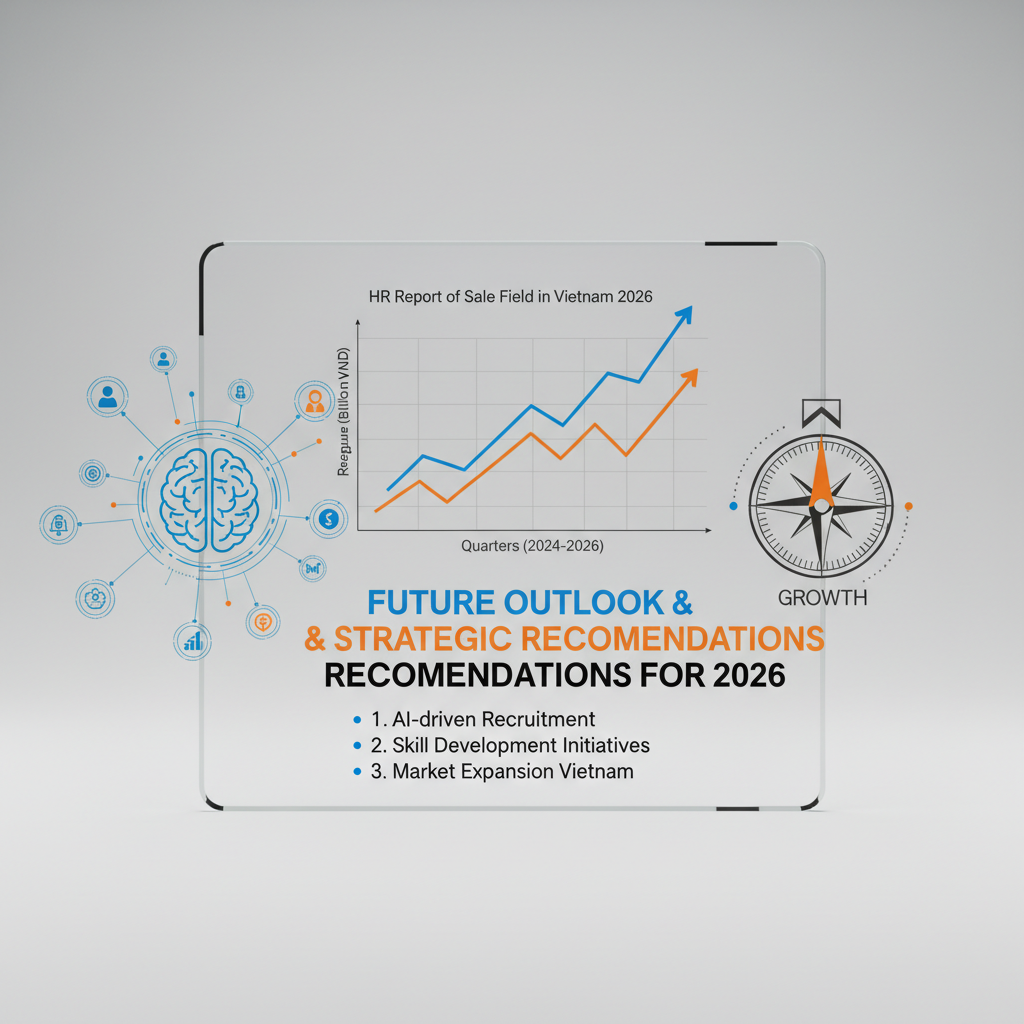
As the vibrant economy of Vietnam continues its rapid ascent, the sales landscape is undergoing profound transformations. For HR leaders managing sales forces, 2026 presents a critical juncture, demanding foresight and strategic agility. Navigating the evolving dynamics, particularly concerning Vietnam sales force HR trends, requires a proactive approach to talent management, technological integration, and cultural adaptation. This section provides forward-looking insights and actionable recommendations for cultivating a resilient, high-performing sales team in the years ahead.
1. Emerging Technologies & HR Innovation
The integration of advanced technologies is no longer a luxury but a necessity for enhancing sales efficiency and effectiveness in Vietnam. Artificial Intelligence (AI), Machine Learning (ML), sophisticated Customer Relationship Management (CRM) systems, and sales enablement platforms are reshaping how sales teams operate. For HR, this translates into a crucial mandate for HR innovation sales Vietnam strategies. HR must lead the charge in identifying and implementing tools that automate routine tasks, provide data-driven insights for lead prioritization, and personalize customer interactions. This includes leveraging AI for talent acquisition, predictive analytics for performance management, and virtual reality (VR) for immersive sales training simulations. Upskilling the existing sales force to competently use these tools is paramount. HR departments should design continuous learning programs focusing on digital literacy, data interpretation, and adaptive selling techniques. The ability of a sales professional to leverage AI effectively is becoming a key differentiator, influencing everything from prospecting to closing deals. Understanding how AI is changing the world of work is essential for HR leaders preparing their sales teams for the future.
2. Adapting to Demographic Shifts & Gen Z Workforce
Vietnam’s demographic landscape is rapidly shifting, with Generation Z emerging as a dominant force in the labor market. HR leaders must understand the unique characteristics and expectations of the Gen Z sales workforce Vietnam to attract and retain top talent. This generation, largely digital natives, values purpose-driven work, continuous learning, work-life balance, and authentic communication. Traditional sales incentive structures and hierarchical management styles may prove ineffective. Instead, HR should focus on creating a flexible, inclusive, and technologically advanced work environment. Offering hybrid work models, personalized career development paths, and opportunities for skill mastery will be crucial. Furthermore, Gen Z thrives on feedback and recognition; therefore, HR should implement robust performance management systems that provide real-time coaching and transparent progression opportunities. Cultivating a company culture that aligns with their values—social responsibility, transparency, and personal growth—will be key to building a loyal and motivated sales team.
3. Strategic Imperatives for HR Leaders in Sales
Looking towards 2026, HR leaders must embrace a more strategic role, moving beyond administrative tasks to become true business partners. A robust sales force HR strategy Vietnam hinges on several key imperatives. Firstly, data-driven HR analytics will be indispensable for understanding talent gaps, forecasting future needs, and measuring the ROI of HR initiatives. HR teams should leverage data to optimize recruitment processes, personalize employee development, and predict attrition risks. Secondly, fostering an agile talent management framework will allow sales organizations to quickly adapt to market shifts and competitive pressures. This involves cross-functional training, internal mobility programs, and a focus on transferable skills. Thirdly, strengthening employer branding, specifically tailored to the sales profession, is crucial for attracting high-caliber individuals. Highlighting career growth, innovative tools, and a supportive culture will differentiate organizations in a competitive talent market. Finally, HR must champion a culture of continuous learning and psychological safety, empowering sales teams to experiment, learn from failures, and innovate. For a deeper dive into the specifics, referencing a comprehensive HR report of sale field in Vietnam can provide invaluable context and localized insights, guiding these strategic decisions. By embracing these imperatives, HR leaders can position their sales organizations for sustained success in Vietnam’s dynamic marketplace.
Partner with Shelby Global
You are looking for reliable HR Sevice Suppliers? Contact Shelby Global Now! To connect with verified talents and upgrade your orginization.
—————————————
References
– World Bank’s overview of Vietnam’s economy: https://www.worldbank.org/en/country/vietnam/overview
– How to Diagnose and Fix a Sales Performance Problem: https://hbr.org/2023/10/how-to-diagnose-and-fix-a-sales-performance-problem
– McKinsey & Company report on the Future of Work in Southeast Asia: https://www.mckinsey.com/capabilities/people-and-organizational-performance/our-insights/the-future-of-work-in-southeast-asia
– HR Asia: Vietnam’s HR landscape: A focus on total rewards and employee well-being: https://hrasia.com/news/vietnams-hr-landscape-a-focus-on-total-rewards-and-employee-well-being/
– How AI is changing the world of work: https://www.mckinsey.com/capabilities/people-and-organizational-performance/our-insights/how-ai-is-changing-the-world-of-work