
The Current State of Vietnam’s Fashion & AI Integration
Vietnam’s fashion industry stands at a pivotal juncture, transitioning from a robust manufacturing hub to an emerging player in design and brand innovation. This dynamism is further amplified by the nascent yet impactful integration of Artificial Intelligence (AI), ushering in an era of Vietnam fashion tech. The question of How AI agent effect to Fashion field in vietnam is no longer theoretical but a tangible reality, shaping everything from production lines to consumer experiences. As local brands increasingly seek competitive edges in a globalized market, AI technologies are being identified as crucial accelerators for growth, efficiency, and sustainability. This section explores Vietnam’s fashion landscape and the initial penetration of AI, highlighting key drivers and early adopters.
1. Overview of Vietnam’s Fashion Industry Growth
Vietnam has long been recognized as a global manufacturing powerhouse for textiles and garments, boasting a significant share in international exports. The sector is a cornerstone of the national economy, employing millions and attracting substantial foreign direct investment. Over the past decade, the industry has demonstrated remarkable resilience and growth, driven by a skilled workforce, strategic trade agreements, and competitive production costs. While exports of ready-made garments, footwear, and textiles remain dominant, there’s a growing internal market with a burgeoning middle class demanding diverse and trend-aligned fashion. This domestic demand fuels local brand development, pushing companies beyond pure manufacturing into design, branding, and retail. However, this rapid expansion also brings challenges, including the need for greater design originality, faster responsiveness to market trends, and more sustainable practices. The push towards smart fashion Vietnam and sustainable fashion AI Vietnam is becoming increasingly evident as the industry seeks to elevate its global standing.
2. Early AI Adoption Trends in Local Brands
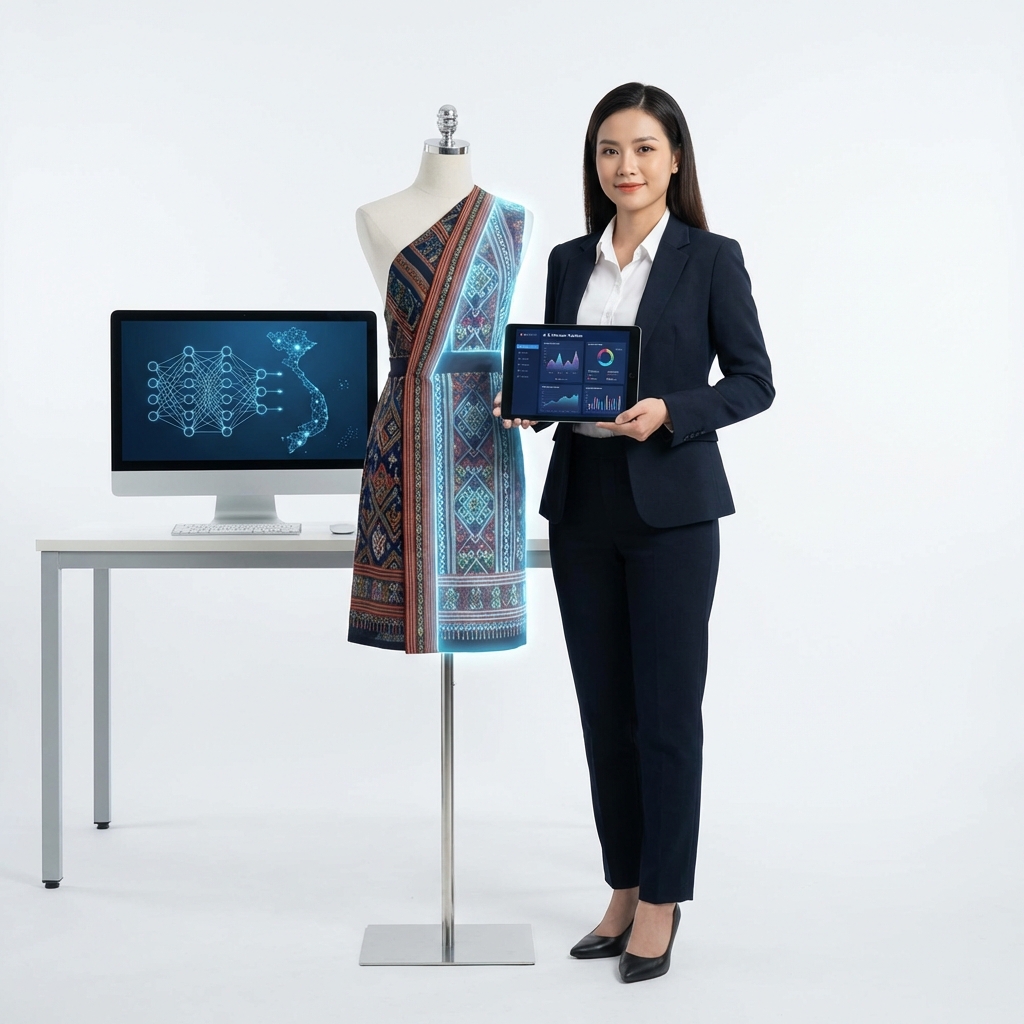
The initial penetration of AI technologies into Vietnam’s fashion sector is marked by a pragmatic approach, focusing on areas with immediate operational benefits. Early AI adoption Vietnam apparel trends reveal a keen interest in leveraging data analytics for informed decision-making. Local brands are experimenting with AI-powered tools primarily in three key areas: personalized customer experiences, optimized inventory management, and market trend prediction Vietnam. E-commerce AI Vietnam fashion platforms, both established and emerging, are deploying recommendation engines that analyze browsing history and purchase patterns to offer tailored product suggestions, significantly enhancing customer engagement and conversion rates. Furthermore, the role of AI agents in fashion is becoming critical for streamlining back-end operations. For a deeper dive into the specific ways AI agent’s role in fashion is transforming the sector, resources highlight innovative applications from design to delivery. AI in Vietnamese fashion is also aiding in demand forecasting, helping brands avoid overproduction and stockouts, thereby improving profitability and reducing waste. Early adopters are often digitally native brands or larger manufacturers looking to modernize their supply chain AI Vietnam, recognizing the competitive advantage offered by predictive analytics.
3. Key Challenges AI Aims to Solve in Vietnam Fashion
Despite its growth, Vietnam’s fashion industry faces several ingrained challenges that AI is uniquely positioned to address. One significant hurdle is the optimization of the supply chain AI Vietnam. Traditional, often fragmented, supply chains can lead to inefficiencies, extended lead times, and increased operational costs. AI agents can analyze vast datasets to identify bottlenecks, predict logistics issues, and recommend optimal routing and inventory distribution, thereby enhancing overall efficiency and reducing time-to-market. Another critical area is market trend prediction Vietnam. Fashion is notoriously fickle, and accurately forecasting consumer preferences is vital for reducing waste from unsold inventory and ensuring designs resonate with the target audience. AI-driven analytics, by processing social media trends, sales data, and global fashion show insights, can provide more precise and timely trend forecasts, allowing brands to respond with agility. Moreover, the industry grapples with sustainability concerns. AI can contribute to sustainable fashion AI Vietnam by optimizing material usage, identifying eco-friendly production methods, and even tracking the lifecycle of garments. The manual and often labor-intensive processes in fashion design AI Vietnam can also be augmented by AI, which can assist in generating design variations, analyzing fabric compatibility, and even rendering virtual prototypes. These capabilities are not just about cost reduction but about elevating the entire value chain, as highlighted by discussions around how AI is reshaping global industries, providing a blueprint for Vietnam’s textile and garment sector amid its robust economic performance, as detailed in reports like Vietnam’s Economy in H1 2023: Navigating Global Headwinds.
The strategic integration of AI in Vietnamese fashion is poised to transform the industry from a manufacturing base into a hub for innovation, smart fashion Vietnam, and sustainable practices. The early trends suggest a promising future where AI agents empower local brands to compete effectively on a global scale, addressing both operational inefficiencies and creative challenges.
AI’s Transformative Role in Design & Production
AI agents are no longer just a futuristic concept; they are actively revolutionizing the creative and manufacturing processes across various industries, notably in fashion and textiles. From discerning fleeting trends to optimizing complex supply chains and ensuring ethical production, AI’s influence is profound. For a nation like Vietnam, with its burgeoning textile and garment industry, understanding how AI agents affect the fashion field in Vietnam is crucial for maintaining global competitiveness and fostering local innovation. This digital transformation is reshaping everything from design conceptualization to the final product reaching the consumer, promising unprecedented efficiency gains and market responsiveness.
1. AI-Powered Trend Forecasting and Design Generation
The fast-paced world of fashion demands acute foresight, a capability where AI truly shines. AI-powered trend forecasting tools analyze colossal datasets, including social media trends, sales figures, fashion show reviews, economic indicators, and even geopolitical events, to predict upcoming styles, colors, and fabric preferences with remarkable accuracy. This sophisticated data analytics helps Vietnamese fashion brands and manufacturers stay ahead of the curve, enabling them to make informed decisions about collections, material sourcing, and production volumes. Beyond prediction, generative AI is also transforming the design generation process itself. These advanced algorithms can create novel patterns, prints, garment silhouettes, and even virtual prototypes based on specified parameters or existing inspirations. This not only accelerates the creative process but also allows for rapid iteration and customization, offering unparalleled opportunities for unique designs tailored to specific consumer segments. The integration of fashion technology at this initial stage ensures that designs are not only aesthetically pleasing but also commercially viable and aligned with evolving consumer preferences, driving significant efficiency gains in the pre-production phase.
2. Optimizing Supply Chains with Smart AI Agents
The fashion supply chain is notoriously complex, prone to disruptions, and often characterized by inefficiencies. Smart AI agents are dramatically streamlining these intricate networks, offering solutions that enhance transparency, predictability, and sustainability. In Vietnam, where textile manufacturing forms a significant part of the national economy, AI’s ability to optimize supply chain logistics is invaluable. AI systems can predict demand fluctuations with greater precision, allowing for optimized inventory management, reducing overproduction and waste. They facilitate efficient routing for transportation, identify potential bottlenecks before they occur, and even monitor supplier performance to ensure compliance with ethical sourcing and sustainability standards. The result is a more resilient, cost-effective, and environmentally responsible supply chain. This digital transformation also aids in achieving greater transparency, crucial for brands committed to ethical practices and traceability. By leveraging AI, Vietnamese manufacturers can better navigate the complexities of global logistics, ensuring timely delivery and enhanced customer satisfaction, thus strengthening their global competitiveness in transforming global supply chains. This holistic approach to optimization is key to fostering a more sustainable and responsive fashion industry.
3. Enhancing Production Efficiency and Quality Control
AI’s impact extends directly to the factory floor, revolutionizing production efficiency and quality control. In Vietnamese textile factories, AI-driven automation and robotics are taking over repetitive and labor-intensive tasks, freeing human workers for more skilled roles. Predictive maintenance algorithms analyze data from machinery to anticipate potential breakdowns, scheduling maintenance proactively to minimize downtime and avoid costly disruptions. This approach to lean manufacturing significantly boosts productivity and extends the lifespan of equipment. Furthermore, AI-powered computer vision systems are becoming indispensable for quality control. These systems can meticulously scan fabrics and garments for defects—such as misweaves, stains, or stitching errors—with higher accuracy and speed than human inspectors. Real-time feedback mechanisms allow for immediate adjustments in the production line, drastically reducing defect rates and ensuring consistent product quality. This focus on precision and automation not only improves the overall standard of products but also contributes to more sustainable production practices by minimizing material waste. The adoption of such advanced fashion technology is vital for Vietnamese manufacturers aiming to meet stringent international quality standards and solidify their position as reliable global suppliers, fostering both local innovation and ethical practices within their operations.
Elevating Retail and Customer Experience with AI Agents
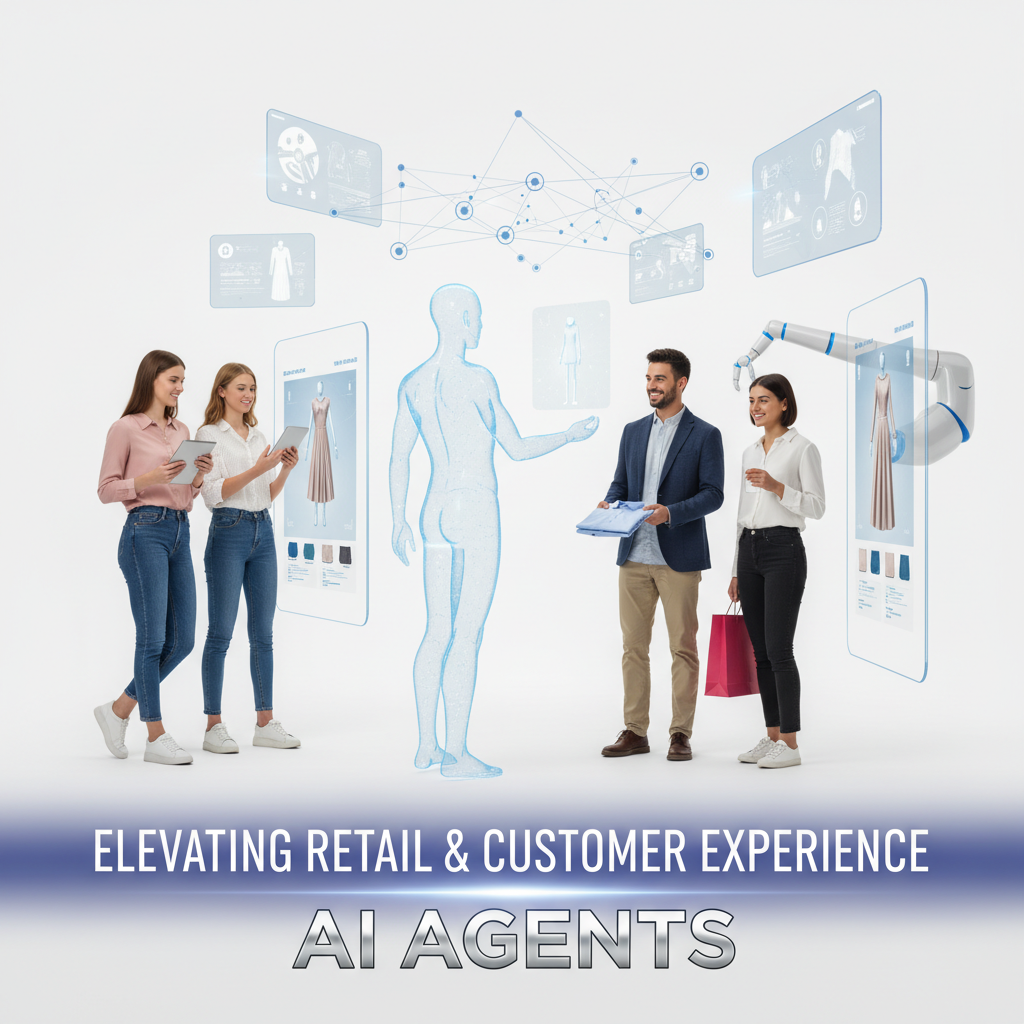
Discover how AI is reshaping the consumer journey in Vietnamese fashion, offering personalized experiences, virtual try-ons, and smarter marketing strategies. The rapid evolution of artificial intelligence (AI) is ushering in a transformative era for the global fashion industry, and Vietnam is no exception. As local brands increasingly embrace digital transformation, AI agents are emerging as pivotal tools for enhancing every facet of the How AI agent effect to Fashion field in Vietnam, from initial customer interaction to post-purchase engagement. These intelligent systems are not merely streamlining operations; they are fundamentally redefining the retail landscape, making shopping more intuitive, personalized, and efficient for the modern Vietnamese consumer.
1. Personalized Shopping Experiences and Recommendations
One of the most profound impacts of AI agents in Vietnamese fashion retail is their ability to deliver hyper-personalized shopping experiences. Traditional retail often struggles with one-size-fits-all approaches, but AI overcomes this by analyzing vast datasets of customer preferences, browsing history, purchase patterns, and even social media activity. AI agents can act as virtual stylists, understanding individual tastes and recommending apparel, accessories, and styling options that perfectly align with a customer’s unique profile. For instance, an AI agent can suggest a range of ao dai with specific fabric preferences or recommend modern streetwear brands based on a customer’s engagement with similar styles online. This level of personalization not only enhances customer satisfaction but also significantly boosts conversion rates and fosters brand loyalty within the competitive Vietnamese market. By predicting what customers are likely to want next, AI-powered recommendation engines ensure that every interaction feels bespoke, turning casual browsers into committed buyers and revolutionizing the entire customer journey.
2. AI in Virtual Try-ons and Augmented Reality (AR)
The advent of virtual try-ons and Augmented Reality (AR) powered by AI agents marks a significant leap forward in online and in-store fashion retail. These technologies allow customers to digitally “try on” clothes without physically wearing them, bridging the gap between the online shopping experience and the tactile nature of traditional retail. In Vietnam, where e-commerce is rapidly expanding, virtual try-ons are particularly valuable. Customers can use their smartphones or in-store kiosks to see how an outfit looks on their virtual avatar, complete with accurate sizing and draping. This reduces the need for returns, minimizes logistical complexities, and instills greater confidence in online purchases. AI agents process complex visual data, understand body measurements, and render garments realistically in a virtual environment. This innovation not only elevates the customer experience but also addresses practical challenges like fitting room queues and hygiene concerns. The integration of AR further allows shoppers to visualize how items would look in their own environment, for example, placing a new handbag on their virtual self in their home setting, offering a truly immersive and futuristic approach to fashion retail. The future of fashion, deeply intertwined with AI and the metaverse, is already here, as highlighted by industry leaders like Deloitte in their insights on ‘The Future of Fashion: AI and the Metaverse’.
3. Data-Driven Marketing and Sales Strategies
AI agents are indispensable for crafting sophisticated, data-driven marketing and sales strategies in the Vietnamese fashion sector. By continuously collecting and analyzing vast amounts of data – from website traffic and social media engagement to sales figures and inventory levels – AI systems provide actionable insights that traditional analytics often miss. This allows brands to identify emerging trends, forecast demand with greater accuracy, and optimize their marketing campaigns for maximum impact. For example, AI can pinpoint which demographics are responding best to a new collection, enabling targeted advertising that resonates deeply with specific consumer segments. Furthermore, AI agents can automate routine marketing tasks, such as personalized email campaigns and dynamic pricing adjustments, freeing up human teams to focus on creative and strategic initiatives. Beyond marketing, AI also plays a crucial role in inventory management, helping fashion brands in Vietnam predict seasonal demand, optimize stock levels, and minimize waste, thereby enhancing profitability and sustainability. The ability to understand consumer behavior and market dynamics at such a granular level empowers businesses to make smarter decisions, tailor product offerings, and ultimately drive stronger sales performance, ensuring their competitive edge in a dynamic retail landscape.
Challenges and Opportunities for AI in Vietnam’s Fashion
Vietnam’s vibrant fashion industry stands at the precipice of a technological revolution, with Artificial Intelligence (AI) poised to redefine everything from design to supply chain management and customer experience. However, the path to fully integrating AI is not without its hurdles. This section delves into the significant challenges that lie ahead for AI implementation in Vietnam’s fashion sector, such as skill gaps and data privacy concerns, while simultaneously highlighting the immense opportunities for growth, innovation, and global competitiveness. Understanding how AI agents affect the fashion field in Vietnam is crucial for stakeholders looking to leverage this transformative technology effectively.
1. Addressing the Skill Gap and Training Needs
One of the most pressing challenges facing the adoption of AI in Vietnam’s fashion industry is the significant skill gap. While the country boasts a young and dynamic workforce, there’s a noticeable scarcity of professionals with expertise at the intersection of fashion design, data science, and AI development. This deficit can impede the rapid prototyping of AI-powered solutions, hinder the effective management of AI systems, and limit the industry’s ability to innovate. To bridge this gap, concerted efforts are required from both the public and private sectors. Collaboration between universities and fashion companies can lead to specialized curricula focused on AI in fashion design, digital garment creation, and smart manufacturing processes. Furthermore, upskilling initiatives for the existing workforce, including designers, production managers, and merchandisers, are vital. Workshops and training programs on data analytics, machine learning fundamentals, and AI tool usage can empower employees to embrace new technologies, fostering a culture of continuous learning and adaptability essential for the digital transformation of Vietnam’s fashion landscape.
2. Navigating Data Privacy and Ethical AI Concerns
As AI systems become more sophisticated and data-hungry, navigating the complexities of data privacy and ensuring ethical AI practices emerge as paramount concerns. The fashion industry, by its nature, collects vast amounts of consumer data, from purchasing habits and preferences to body measurements and social media interactions. Protecting this sensitive information from breaches and misuse is critical for maintaining consumer trust and ensuring regulatory compliance. Vietnam, like many nations, is developing its data protection frameworks, which will significantly impact how fashion businesses gather, store, and utilize data for AI applications. Beyond privacy, ethical considerations surrounding algorithmic bias in personalized recommendations, transparent AI decision-making, and the responsible use of AI in areas like labor monitoring also need careful attention. Developing robust data governance strategies, adhering to international best practices for data security, and implementing ethical AI frameworks—like those discussed in various industry reports on responsible AI practices—are crucial steps to build consumer confidence and ensure that AI serves the industry fairly and equitably.
3. Investment Opportunities and Infrastructure Development
Despite the challenges, the potential for AI in Vietnam’s fashion sector presents significant investment opportunities. The promise of enhanced efficiency, personalized customer experiences, and optimized supply chains is attracting both domestic and international investors. However, realizing this potential requires substantial investment in both AI technologies and underlying digital infrastructure. Current infrastructure, particularly in terms of advanced computing resources and high-speed data networks, may need upgrades to support the demanding computational needs of complex AI models. Opportunities abound for venture capital and private equity firms to invest in AI startups focused on fashion tech, from predictive analytics for trend forecasting to AI-driven virtual try-on solutions. Government incentives, such as tax breaks for AI-related R&D and subsidies for technology adoption, can further stimulate investment. Additionally, fostering public-private partnerships to develop shared AI platforms and data infrastructure can democratize access to these technologies, accelerating the digital transformation across the entire fashion value chain in Vietnam and positioning the country as a leader in innovative fashion manufacturing and retail.
The Future of Fashion in Vietnam with AI Agents by 2026
Projecting forward, this section envisions the long-term impact of AI on Vietnam’s fashion industry, focusing on hyper-personalization, sustainability, and global competitiveness.
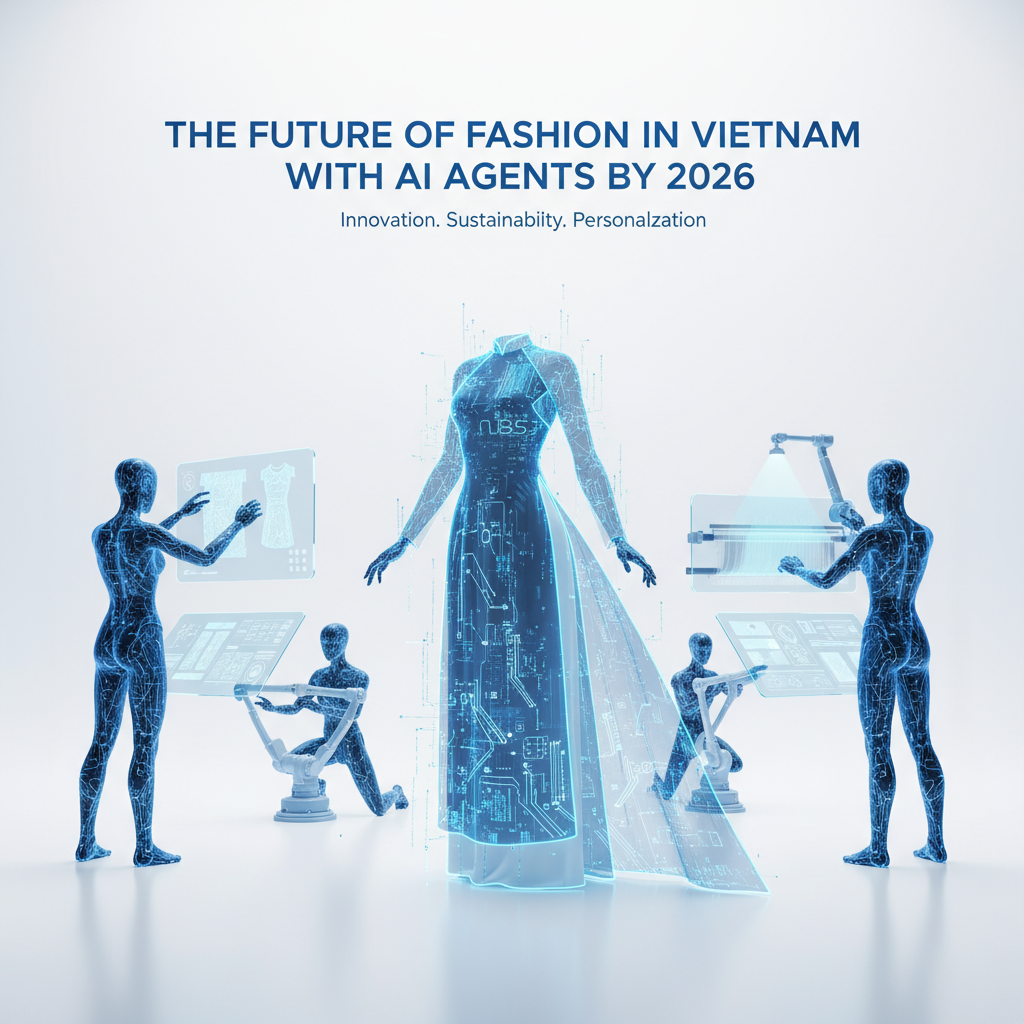
By 2026, the landscape of Vietnam’s vibrant fashion industry is set to undergo a profound transformation, driven significantly by the pervasive integration of AI agents. These intelligent systems are poised to revolutionize every facet of the value chain, from conceptual design and efficient production to hyper-personalized consumer engagement and robust sustainability initiatives. The question of How AI agent effect to Fashion field in vietnam will no longer be speculative but a tangible reality, reshaping its trajectory on the global stage. This strategic integration will elevate Vietnam’s standing, moving beyond its traditional manufacturing strengths to embrace a future defined by innovation, precision, and conscious consumption.
1. Hyper-Personalization and Mass Customization at Scale
The era of one-size-fits-all fashion is rapidly fading. By 2026, AI agents will be the cornerstone of hyper-personalization in Vietnam’s fashion sector. These advanced algorithms will meticulously analyze vast datasets—including individual customer preferences, purchase histories, social media interactions, body metrics, and even real-time trend data. This deep understanding will empower brands to offer truly bespoke experiences. Imagine AI-powered virtual try-ons that recommend not just sizes but styles perfectly suited to a customer’s unique body shape and aesthetic. AI agents will facilitate mass customization, allowing consumers to personalize elements of their clothing, from fabric choices to intricate design details, all while maintaining efficient production cycles. This capability significantly enhances customer satisfaction and loyalty, moving Vietnam’s fashion market towards a demand-driven model, drastically reducing waste from overproduction and inventory surplus. The integration of AI in fashion design tools will also enable smaller designers to compete with larger enterprises by rapidly prototyping and validating designs based on predictive analytics of consumer tastes.
2. AI’s Role in Driving Sustainable Fashion Practices
Sustainability is no longer a niche concern but a critical imperative, and AI agents are set to play a pivotal role in transforming Vietnam’s fashion industry into a more eco-conscious one. By 2026, AI will optimize every stage of the supply chain, starting with highly accurate demand forecasting. This minimizes overproduction, a major contributor to textile waste. Furthermore, AI will be instrumental in identifying and promoting sustainable materials, tracing their origins, and verifying their environmental impact, offering unparalleled transparency. In the manufacturing process, AI-driven pattern optimization algorithms will significantly reduce fabric waste during cutting, while predictive maintenance for machinery will prevent breakdowns, reducing energy consumption and downtime. Beyond production, AI agents will facilitate the growth of circular fashion models, managing platforms for clothing rental, resale, repair, and efficient recycling processes. This intelligent oversight creates a more resource-efficient and environmentally friendly ecosystem, moving Vietnam towards global leadership in sustainable fashion practices. The advancements in generative AI are also paving the way for more efficient and less wasteful design processes, as highlighted in various industry reports about how AI will transform customer interactions in fashion retail.
3. Vietnam’s Position in the Global AI-Driven Fashion Market
Vietnam currently holds a strong position as a global manufacturing hub for textiles and garments. With the strategic integration of AI agents, this position is set to evolve dramatically by 2026. The shift will be from merely ‘made in Vietnam’ to ‘designed by AI, crafted with precision in Vietnam,’ signifying a move up the value chain. AI-powered trend prediction will allow Vietnamese brands and manufacturers to anticipate global fashion shifts, enabling them to design and produce collections that are highly relevant and competitive on the international stage. This will foster the growth of unique Vietnamese fashion identities, blending traditional aesthetics with cutting-edge AI-driven innovation. Furthermore, AI will enhance production efficiency, allowing for quicker turnaround times and more agile responses to market demands, essential for global competitiveness. Attracting foreign investment in AI fashion technology and fostering collaborations between local tech startups and established garment manufacturers will be key. While challenges like developing a skilled workforce in AI and ensuring robust digital infrastructure remain, addressing these will cement Vietnam’s reputation as a dynamic leader in the global AI-driven fashion market. The comprehensive impact of How AI agent effect to Fashion field in vietnam will be evident in its economic growth, innovation, and enhanced global fashion influence.
Partner with Shelby Global
You are looking for reliable HR Sevice Suppliers? Contact Shelby Global Now! To connect with verified talents and upgrade your orginization.
—————————————
References
– Vietnam’s Economy in H1 2023: Navigating Global Headwinds: https://www.worldbank.org/en/country/vietnam/publication/taking-stock-navigating-global-headwinds-vietnam-s-economy-in-h1-2023
– How AI and blockchain are transforming supply chains: https://www.weforum.org/agenda/2021/04/how-ai-and-blockchain-are-transforming-supply-chains/
– The Future of Fashion: AI and the Metaverse – Deloitte: https://www2.deloitte.com/cn/en/pages/consumer/articles/the-future-of-fashion-ai-and-the-metaverse.html
– Putting responsible AI into practice: https://www.pwc.com/gx/en/issues/data-and-analytics/responsible-ai.html
– The new rules of engagement: How AI will transform customer interactions in fashion retail: https://www.mckinsey.com/industries/retail/our-insights/the-new-rules-of-engagement-how-ai-will-transform-customer-interactions-in-fashion-retail