Understanding the Unique Landscape of SME HR in Malaysian Retail
For a new CEO stepping into the vibrant, yet often complex, world of Malaysian retail SMEs, grasping the nuances of Human Resources is not just beneficial—it’s critical for sustainable growth and operational success. Unlike large corporations with dedicated HR departments and extensive resources, understanding the SME HR structure in this sector demands a tailored approach. This section provides a foundational overview, outlining what makes Human Resources in Malaysian retail SMEs distinct and why a proactive, informed strategy is paramount.
The retail landscape in Malaysia is dynamic, characterized by rapid consumer shifts, intense competition, and a diverse workforce. SMEs, which form the backbone of Malaysia’s economy, face unique HR challenges, from talent acquisition and retention to navigating specific labour laws. For a fresh CEO, it’s a step-by-step journey to understand the intricate balance required to manage people effectively, ensuring compliance, fostering engagement, and driving productivity amidst limited resources. This involves recognizing the specific Malaysian retail HR challenges and developing agile SME HR strategy Malaysia.

1. Defining an SME HR Department in Malaysia’s Retail Sector
In Malaysian retail SMEs, the ‘HR department’ often isn’t a standalone unit. It typically involves a myriad of responsibilities shared among owner-managers, administrative staff, or even a single HR generalist wearing multiple hats. This generalist might handle everything from payroll and recruitment to training, employee relations, and compliance. The focus is often on immediate operational needs rather than strategic HR planning, primarily due to resource constraints and the urgent demands of daily retail operations. Defining an SME HR department, therefore, means understanding its fluidity and the necessity for cross-functional collaboration. The emphasis here is on practical retail workforce management Malaysia rather than theoretical frameworks, with a continuous need to adapt to the fast-paced retail environment.
2. Key Differences: SME vs. Large Corporate HR Challenges
The disparity between HR challenges in SMEs and large corporations is vast. Large enterprises benefit from specialized HR teams, robust systems, and significant budgets for talent management, training, and compliance. SMEs, conversely, contend with:
- Limited Resources: Financial constraints often mean less budget for advanced HR software, training programs, or competitive compensation packages. This impacts talent retention in Malaysian SMEs significantly.
- Talent Attraction and Retention: Competing with larger players for skilled retail talent is tough. SMEs often rely on their unique culture, flexibility, and direct impact opportunities to attract and keep employees.
- Compliance Complexity: Navigating Malaysian employment laws without dedicated legal or HR experts can be daunting. Errors can lead to costly penalties. Adherence to the Employment Act 1955 for SMEs is paramount.
- Lack of Specialization: HR functions are often generalized, meaning less expertise in niche areas like organizational development or complex industrial relations.
- Informal Structures: While offering agility, informal HR processes can sometimes lead to inconsistencies or a lack of clear policies, posing challenges for fairness and legal defensibility.
For new CEOs, recognizing these differences is the first step by step to understand SMEs HR structure and enables the development of pragmatic solutions that leverage the SME’s strengths while mitigating its weaknesses.
3. Overview of Malaysia’s Employment Regulatory Environment
Malaysia’s employment landscape is primarily governed by the Employment Act 1955 (EA 1955), which has seen significant amendments, most notably in 2022 and effective from 1 January 2023. These amendments expanded the scope of the Act to all employees regardless of salary, introduced stricter regulations on forced labour, increased maternity and paternity leave, and mandated flexible working arrangements. Other crucial legislation includes the Industrial Relations Act 1967, Employees’ Social Security Act 1969 (SOCSO), Employees Provident Fund Act 1991 (EPF), and the Minimum Wages Order.
For retail SMEs, ensuring HR compliance retail Malaysia is non-negotiable. Ignorance of the law is not an excuse and can result in hefty fines, legal disputes, and reputational damage. New CEOs must:
- Stay updated with the latest amendments to the EA 1955 and other labour laws.
- Ensure employment contracts are compliant and clearly define terms, conditions, and benefits.
- Understand regulations concerning working hours, overtime, holidays, and leave entitlements.
- Implement fair disciplinary procedures and grievance handling mechanisms.
- Comply with statutory contributions like EPF, SOCSO, and EIS (Employment Insurance System).
Engaging with professional HR consultants or legal experts can be invaluable for SMEs to navigate this complex environment effectively, ensuring both protection for the business and fair treatment for employees. The Malaysian Ministry of Human Resources website provides comprehensive details on these legislative frameworks.
Core HR Functions: Essential Pillars for Retail SME Operations
For a fresh CEO navigating the dynamic retail landscape in Malaysia, understanding the core HR functions is not just about compliance; it’s about building a resilient, productive, and profitable enterprise. A well-structured HR framework is critical for any Small and Medium-sized Enterprise (SME) in retail, acting as the backbone that supports growth and ensures operational stability. This section offers a Step by Step to understand SMEs HR Structure for the fresh the CEO in retail companies in malaysia, focusing on the indispensable day-to-day HR functions that are critical for maintaining a stable and productive workforce within a retail SME setting. From attracting the right talent to managing their performance and ensuring fair compensation, these pillars are essential for sustainable success and fostering strong employee engagement.
-
Efficient Recruitment and Onboarding Processes for Retail Staff
The competitive nature of retail demands a strategic approach to talent acquisition. For a retail SME, attracting and retaining skilled staff is paramount. The journey begins with clearly defined job descriptions that outline responsibilities and required competencies, ensuring you target candidates who truly fit your brand’s ethos and operational needs. Effective recruitment strategies extend beyond traditional job boards; leveraging social media, local community partnerships, and employee referral programs can significantly enhance your reach and attract high-quality applicants. Once candidates are identified, a structured interview process, coupled with practical assessments (e.g., customer service scenarios), helps in selecting individuals with the right skills and attitude. This systematic approach reduces turnover and strengthens your workforce planning.
However, recruitment is only half the battle. A robust onboarding program is vital for employee retention and productivity. This process should extend beyond the first day, covering company culture, product knowledge, sales techniques, and crucial HR compliance aspects specific to Malaysian labor laws. Providing a welcoming environment and comprehensive training from day one helps new hires quickly integrate, feel valued, and become productive members of your team, ultimately boosting overall employee engagement and reducing early attrition.
-
Payroll, Compensation, and Benefits Administration Best Practices
Accurate and timely payroll processing is a non-negotiable HR function, directly impacting employee morale and your company’s reputation. For retail SMEs in Malaysia, adherence to local regulations such as the Employment Act 1955, minimum wage requirements, and contributions to EPF, SOCSO, and EIS is critical for avoiding penalties and maintaining good HR compliance. Implementing reliable payroll software or partnering with a trusted payroll service provider can streamline this complex process, ensuring accuracy and efficiency.
Beyond basic payroll, a well-structured compensation and benefits package plays a pivotal role in attracting and retaining top talent. This involves not only competitive base salaries but also performance-based incentives, sales commissions, and recognition programs that motivate staff to excel. Furthermore, offering benefits such as health insurance, paid time off, and employee discounts can significantly enhance the perceived value of employment, contributing to higher employee retention rates. Regularly reviewing your compensation strategy against market benchmarks is crucial to remain competitive and ensure your retail SME can continuously attract and keep valuable employees in the Malaysian market. This proactive approach supports robust workforce planning and fosters a sense of loyalty among staff.
-
Implementing Effective Performance Management Systems
An effective performance management system is more than just annual reviews; it’s a continuous cycle designed to optimize individual and team contributions towards business objectives. For retail SMEs, this involves setting clear, measurable goals for staff (e.g., sales targets, customer service scores), providing regular feedback, and conducting constructive performance appraisals. The goal is to identify strengths, address development areas, and foster professional growth among your team. This system helps in identifying top performers for career progression and provides a framework for addressing underperformance through coaching and training.
Integrating HR technology for tracking performance can simplify data collection and provide actionable insights, making the process more objective and less time-consuming. Regular one-on-one meetings between managers and staff are crucial for open communication, goal alignment, and fostering a culture of continuous improvement. By linking performance directly to rewards and recognition, retail SMEs can create a powerful incentive structure that drives excellence and significantly boosts employee engagement. This systematic approach to performance management is a cornerstone of effective HR structure, vital for a fresh CEO in retail companies in Malaysia looking to build a high-performing team and ensure sustained operational efficiency and employee retention.
Navigating HR Compliance and Legal Frameworks in Malaysia
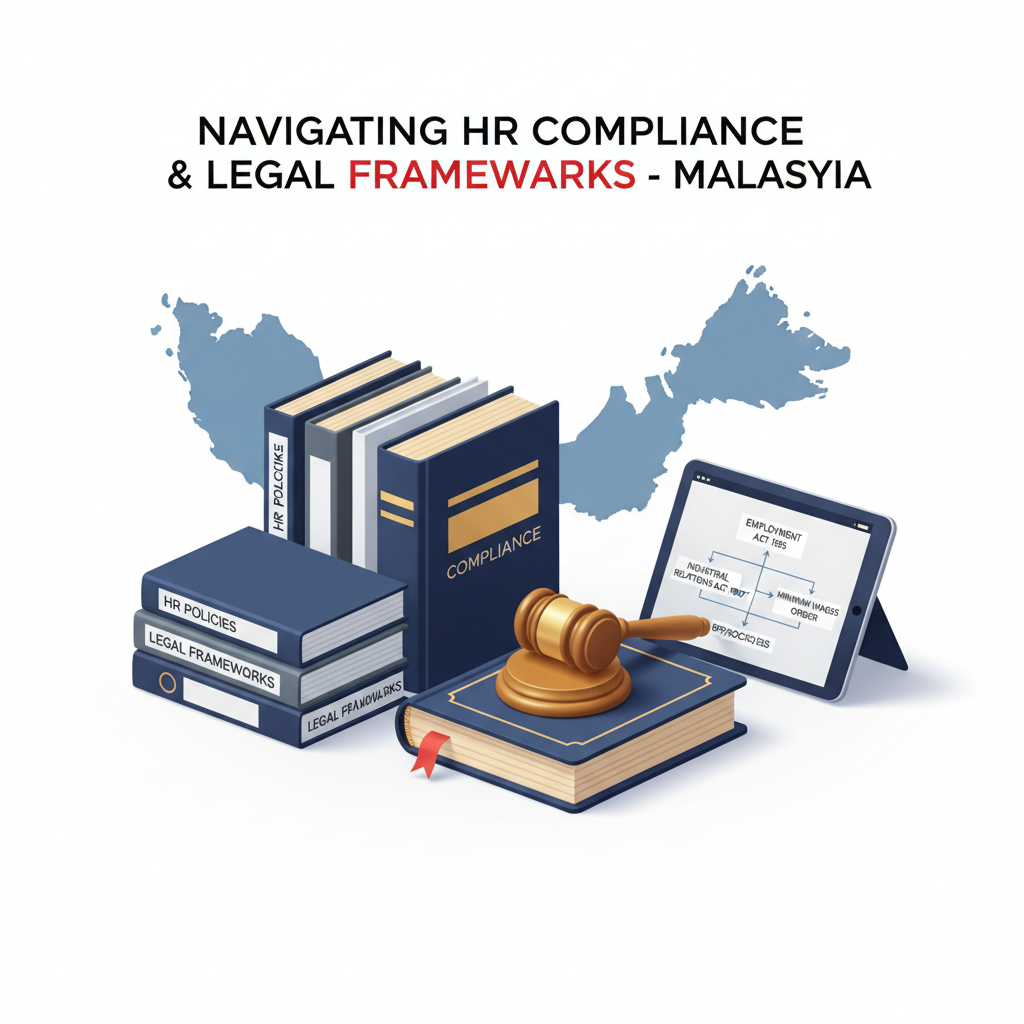
As a new CEO in the vibrant Malaysian retail sector, grasping the nuances of human resources (HR) compliance and legal frameworks is paramount. This section offers a comprehensive guide, addressing the vital legal and compliance aspects that new CEOs must understand to avoid penalties, foster a fair and lawful working environment, and lay a strong foundation for sustainable business growth. For a Step by Step to understand SMEs HR Structure for the fresh the CEO in retail companies in malaysia, this guide serves as an essential starting point, ensuring your business operates legally and ethically within the complex landscape of Malaysian employment law and HR regulations.
-
Understanding the Malaysian Employment Act 1955 and Amendments
The bedrock of Malaysian employment law is the Employment Act 1955 (EA 1955). For any CEO overseeing a retail HR structure, a thorough comprehension of this Act is non-negotiable. It dictates fundamental employment terms and conditions, from contracts of service, wages, and working hours to annual leave, sick leave, and termination procedures. Recent amendments, particularly those effective from 2023, have significantly broadened its scope, now covering all employees regardless of salary level (with specific exceptions) and introducing new provisions such as paternity leave, enhanced flexible working arrangements, and a reduced maximum working week from 48 to 45 hours.
Ignoring these regulations can lead to severe penalties, including fines and imprisonment, besides reputational damage. A proactive approach to HR compliance for SMEs involves regularly reviewing internal policies against the latest amendments, ensuring all employment contracts are up-to-date, and training HR personnel and managers on their obligations. This ensures not only legal adherence but also promotes workplace fairness and prevents costly disputes, a crucial step for a fresh CEO in retail companies in Malaysia.
-
Mandatory Statutory Contributions: EPF, SOCSO, EIS Explained
Beyond the Employment Act, new CEOs must master the landscape of mandatory statutory contributions Malaysia, a cornerstone of employee welfare and social security. These contributions are vital for both employer and employee and ensure the safety net for the workforce in Malaysia.
- Employees Provident Fund (EPF): EPF is a compulsory savings scheme primarily for retirement. Both employers and employees contribute a percentage of the employee’s monthly wages. Timely and accurate EPF contributions are not just a legal obligation but also a critical component of attracting and retaining talent, providing financial security for employees’ future.
- Social Security Organization (SOCSO): SOCSO, governed by the Employees’ Social Security Act 1969, provides social protection to employees and their dependents against employment injuries, invalidity, and occupational diseases. Contributions are mandatory for all employees, with specific rates for employers and employees. It’s crucial for retail businesses to register all eligible employees and ensure prompt payments to guarantee access to benefits like medical care, temporary disablement benefits, and invalidity pensions.
- Employment Insurance System (EIS): Administered by SOCSO under the Employment Insurance System Act 2017, EIS provides financial assistance to employees who lose their jobs due to various reasons (e.g., retrenchment, business closure). Both employers and employees contribute a small percentage of monthly wages. Understanding and adhering to EIS requirements is essential for maintaining a compliant retail HR structure and supporting employees through difficult transitions.
Ensuring meticulous and timely payment of these statutory contributions is fundamental. Non-compliance can result in hefty penalties, interest charges, and legal action, underscoring the importance of robust payroll management.
-
Ensuring Data Privacy and Ethical Employee Record Management
In the digital age, managing employee data demands stringent adherence to data privacy principles. The Personal Data Protection Act 2010 (PDPA) is Malaysia’s primary legislation governing the processing of personal data in commercial transactions. For a CEO, this means understanding how to responsibly handle sensitive employee information and ensuring employee data protection.
Employee records, which include personal details, salary information, medical histories, performance reviews, and contact information, must be collected, processed, stored, and disclosed ethically and securely. Key considerations for a new CEO include:
- Consent: Obtaining explicit consent from employees before collecting and processing their personal data for specified purposes.
- Transparency: Informing employees about what data is collected, why it’s collected, and how it will be used and protected.
- Security: Implementing robust technical and organizational measures to safeguard employee data against unauthorized access, disclosure, alteration, or destruction. This is particularly vital for retail companies handling a large volume of employee data.
- Accuracy and Access: Ensuring data accuracy and providing employees with the right to access and correct their personal information.
- Retention: Establishing clear policies for data retention, ensuring data is not kept longer than necessary for its intended purpose.
Prioritizing employee data protection not only ensures legal compliance but also builds trust and fosters a culture of integrity within the workplace. Establishing strong internal policies for HR record management is crucial for maintaining workplace fairness and protecting the organization from potential legal liabilities.
Strategic HR: Driving Growth and Talent Development in Retail
For fresh CEOs navigating the dynamic and often challenging landscape of retail in Malaysia, understanding the pivotal role of Human Resources (HR) is paramount. No longer confined to mere administrative tasks like payroll and compliance, HR is evolving into a critical strategic partner, directly contributing to business growth, robust talent retention, and proactive succession planning, especially within Small and Medium-sized Enterprises (SMEs). This shift demands a Step by Step to understand SMEs HR Structure for the fresh the CEO in retail companies in malaysia, enabling leaders to leverage HR for sustainable success. Retail SMEs face unique challenges, including high employee turnover, the need for specialized customer service skills, and intense market competition. Effective HR strategies become the backbone for overcoming these obstacles, transforming potential weaknesses into competitive strengths through focused talent management and development.
To truly drive growth, HR must address key areas that impact operational efficiency and employee morale. This includes developing proactive strategies for retail HR best practices, effectively managing SME HR challenges, and tailoring approaches to attract and retain Malaysian retail talent. By focusing on employee engagement and strategic development, HR can ensure the retail business not only survives but thrives in a competitive environment.
1. Talent Retention and Professional Development Strategies for Retail
One of the most pressing concerns for retail SMEs is retaining valuable employees. High turnover rates lead to increased recruitment costs, loss of institutional knowledge, and diminished customer service quality. Strategic HR mitigates this through comprehensive talent retention and professional development programs. This goes beyond competitive salaries and benefits, focusing on creating an engaging and supportive work environment. Implementing employee engagement strategies retail involves recognizing and rewarding good performance, fostering open communication, and providing opportunities for growth. Regular training programs, whether on new product knowledge, sales techniques, or customer service excellence, not only enhance skills but also signal to employees that their development is valued. Mentorship programs, clear career pathways, and internal promotion policies are vital in showing employees a future within the company, significantly reducing the likelihood of them seeking opportunities elsewhere. Investing in your team’s professional growth ensures they are not only more skilled but also more committed and loyal to your brand, directly impacting the customer experience and ultimately, the bottom line.
2. Building a Robust Succession Plan for Key Retail Roles
Ensuring business continuity and stability requires more than just hiring; it demands foresight in talent management. A robust succession planning SMEs strategy for key retail roles—such as store managers, department heads, and even senior sales associates—is indispensable. This involves systematically identifying critical positions within the organization and then pinpointing current employees who possess the potential and desire to fill these roles in the future. The process typically includes assessing skills, identifying development gaps, and crafting personalized development plans that might involve cross-training, leadership workshops, or external courses. By proactively preparing a pool of internal candidates, retail SMEs can significantly reduce the risk associated with unexpected departures, minimize downtime during transitions, and save substantial costs on external recruitment. Furthermore, a clear succession plan boosts employee morale and motivation, as it demonstrates a commitment to internal career progression and provides a tangible path for advancement within the company.
3. Leveraging Basic HR Technology for Enhanced Efficiency
For many retail SMEs, HR processes can still be manual and time-consuming. However, even basic HR tech for small businesses can revolutionize efficiency and free up HR personnel to focus on strategic initiatives. Implementing a simple Human Resources Information System (HRIS) can centralize employee data, manage attendance, track leave, and streamline onboarding. Cloud-based payroll software automates wage calculations and tax deductions, reducing errors and ensuring compliance. Basic Applicant Tracking Systems (ATS) can simplify the recruitment process, from posting job advertisements to managing applications and scheduling interviews. These technologies not only reduce administrative burdens but also provide valuable data insights into workforce trends, performance metrics, and engagement levels. By automating routine tasks, HR teams can dedicate more time to talent development, employee engagement, and strategic planning, directly contributing to a more agile and competitive retail operation. Boosting employee engagement and retention through such strategic applications of HR technology is a proven path to sustained success.
In conclusion, for fresh CEOs of retail companies in Malaysia, embracing a strategic HR framework is not an option but a necessity. By prioritizing talent retention, building robust succession plans, and judiciously leveraging HR technology, SMEs can transform their HR function into a powerful engine for growth, ensuring a skilled, engaged, and stable workforce ready to meet the demands of a competitive market.
Common HR Challenges and Practical Solutions for New CEOs
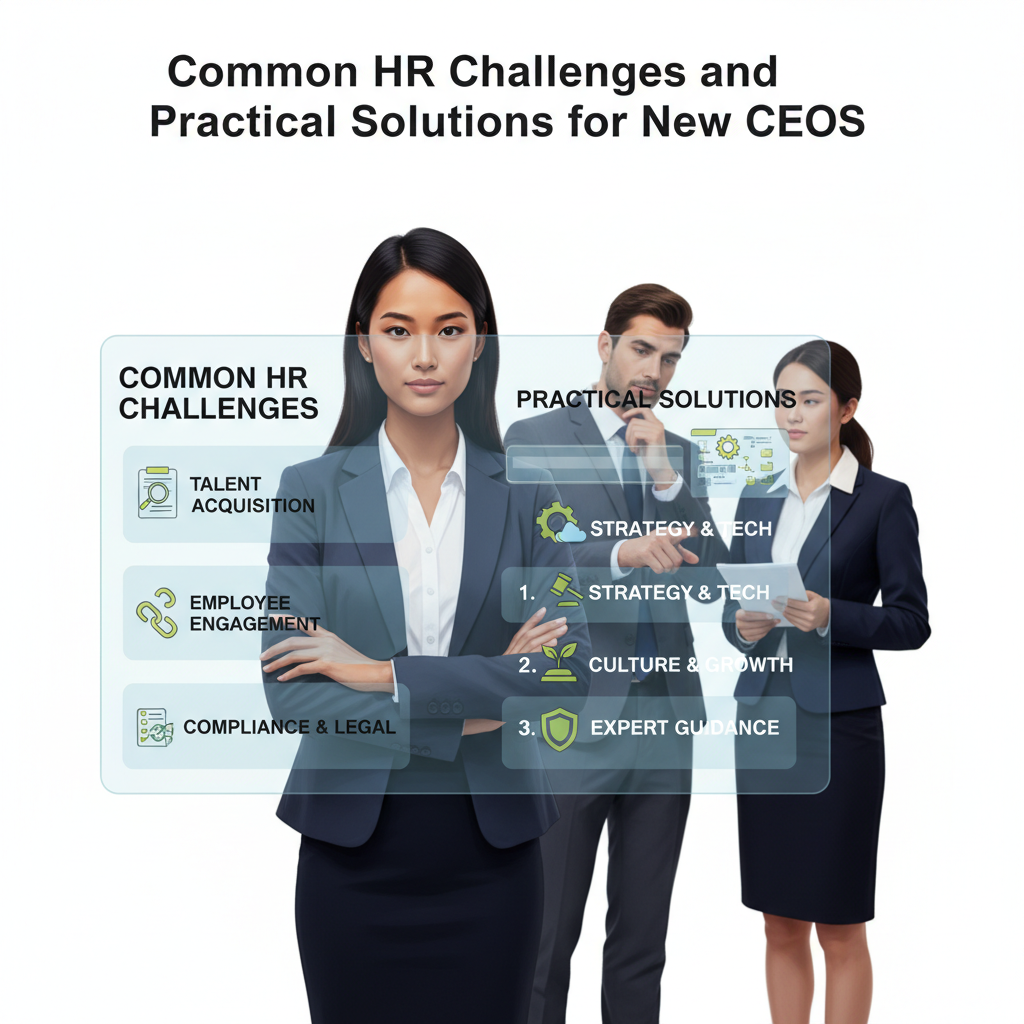
Navigating the intricate landscape of Human Resources can be particularly daunting for new CEOs stepping into the dynamic world of retail SMEs in Malaysia. This section identifies typical HR hurdles faced by these businesses and offers actionable strategies and insights for new CEOs to overcome them effectively, providing a crucial guide for those seeking to understand the nuances of HR management.
1. Addressing High Staff Turnover and Boosting Employee Engagement
New CEOs in Malaysian retail SMEs often confront high staff turnover, impacting operational efficiency and profitability. The competitive retail environment, demanding hours, and entry-level wages make retention a significant hurdle. For a fresh CEO, a deep dive into the current HR structure and employee sentiment is the first step in tackling this.
Practical Solutions:
- Robust Onboarding and Training: Structured onboarding and ongoing training in product knowledge, sales, and customer service improve early retention and signal investment in employees’ growth, reducing the likelihood of them seeking opportunities elsewhere.
- Foster a Positive Work Culture: Actively champion a culture of respect, open communication, and recognition. Regular feedback, team-building, and celebrating achievements drastically improve morale. Empowering employees with some autonomy also boosts job satisfaction.
- Competitive Compensation & Benefits: While budget-constrained, SMEs can still offer competitive packages. Benchmark wages and explore non-monetary benefits like flexible hours (where possible), employee discounts, wellness programs, or performance bonuses. Understanding workforce motivation is key. For further insights into employee engagement trends in Southeast Asia, refer to studies by reputable HR advisory firms like Willis Towers Watson’s Total Rewards and Employee Experience Trends in Malaysia.
- Clear Career Development: Create clear internal promotion paths, cross-training, or mentorship programs. This provides a compelling reason for employees to stay and grow with the company, aiding talent acquisition challenges.
2. Managing HR Budget Constraints and Resource Allocation
Many retail SMEs have lean HR departments or administrative staff handling HR functions without specialized expertise. New CEOs must optimize resources while achieving HR objectives through strategic budgeting and technology adoption.
Practical Solutions:
- Strategic HR Initiative Prioritization: Focus on high-impact areas. For instance, an applicant tracking system (ATS) might be more critical than a lavish wellness program if talent acquisition is a bottleneck.
- Leverage Technology Wisely: Cloud-based HR software automates payroll, attendance, and performance reviews. These scalable, affordable solutions free up HR time for strategic initiatives, crucial for effective workforce management retail.
- Outsource Non-Core HR Functions: Consider outsourcing payroll, benefits administration, or specialized recruitment. This can be more cost-effective than hiring full-time experts, providing access to specialized knowledge without overhead.
- Invest in Existing Staff HR Skills: Upskill an existing administrative staff member in key HR functions. This builds internal capability and demonstrates commitment to employee growth.
3. Adapting to Evolving Workforce Expectations and Market Trends
The Malaysian retail landscape evolves rapidly due to digital transformation, changing consumer behaviors, and a younger, tech-savvy workforce. New CEOs must be agile in adapting HR strategies. To truly guide a retail company effectively, a fresh CEO must undertake a thorough Step by Step to understand SMEs HR Structure for the fresh the CEO in retail companies in malaysia.
Practical Solutions:
- Embrace Digital HR Transformation: Modern employees expect digital convenience. Digitalize HR processes, offer mobile access to payslips/leave, and consider AI tools for recruitment or surveys.
- Promote Work-Life Integration: Where feasible, offer flexibility like staggered shifts, job sharing, or hybrid roles for back-office functions. Supporting work-life balance attracts the modern workforce.
- Focus on Diversity, Equity, and Inclusion (DEI): A diverse workforce brings varied perspectives. Implement fair hiring, create an inclusive environment, and offer equitable opportunities to attract and retain top talent.
- Continuous Learning and Development: Champion continuous learning, offering skill updates in e-commerce, digital marketing, data analytics, or customer experience. This keeps the workforce competitive and signals value for long-term growth, helping navigate HR challenges for retail SMEs effectively.
Partner with Shelby Global
You are looking for reliable HR Sevice Suppliers? Contact Shelby Global Now! To connect with verified talents and upgrade your orginization.
—————————————
References
– Malaysian Ministry of Human Resources: https://www.mohr.gov.my/index.php/en/perundangan
– How to Improve Your Retail Hiring: https://www.shrm.org/resourcesandtools/hr-topics/talent-acquisition/pages/how-to-improve-your-retail-hiring.aspx
– Malaysian employment law: https://www.meie.gov.my/en/enforcement-labour-department/labour-law/employment-act-1955
– Boosting Employee Engagement and Retention (SHRM): https://www.shrm.org/topics-tools/news/employee-engagement-retention/boost-engagement-retain-employees
– Willis Towers Watson’s Total Rewards and Employee Experience Trends in Malaysia: https://www.willistowerswatson.com/en-MY/Insights/2023/12/2024-total-rewards-and-employee-experience-trends-in-malaysia