Strategic Workforce Planning & Budget Allocation
This section outlines the foundational steps for any CEO of education companies in Singapore to strategically plan their workforce and allocate salary budgets efficiently, aligning with organizational goals for 2026. In Singapore’s dynamic education sector, where talent acquisition and retention are paramount, mastering salary budget optimizing manners for the CEO of education companies in Singapore is not just about cost control; it’s about strategic investment in human capital to drive future success. Proactive workforce planning ensures that educational institutions are equipped with the right talent, at the right time, and with the right skills to meet evolving demands and maintain a competitive edge.
The strategic allocation of salary budgets is a critical component of overall organizational health and growth. For education leaders, this involves more than just annual reviews; it requires a forward-looking approach that anticipates industry shifts, technological advancements, and pedagogical innovations. By meticulously planning for talent needs and compensation structures, CEOs can foster a high-performance culture, minimize attrition, and maximize the return on their most valuable asset – their people. This detailed approach is especially crucial as Singapore’s education landscape continues to evolve, pushing institutions to adapt quickly to new learning methodologies and digital transformation.

1. Assessing current talent gaps and future needs in education
The first critical step in strategic workforce planning is a thorough assessment of your current talent pool against projected future demands. For education companies in Singapore, this means looking beyond headcount to evaluate specific skill sets, pedagogical expertise, and technological proficiencies required for 2026 and beyond. Start by conducting a comprehensive skills audit of your existing staff, identifying strengths, weaknesses, and potential gaps. Consider the impact of emerging educational technologies like AI-powered learning platforms, virtual reality in classrooms, and adaptive learning systems. What new roles will be necessary? What existing roles will require significant upskilling or reskilling?
Future needs are driven by various factors, including curriculum changes, student demographic shifts, and market expansion plans. CEOs must anticipate these changes to develop effective talent acquisition strategies. This involves projecting demand for educators specializing in areas such as STEM, digital literacy, and socio-emotional learning, as well as administrative and support staff with expertise in data analytics and student engagement. Furthermore, proactive skill development initiatives are essential. Investing in continuous professional development for current employees not only addresses future skill gaps but also significantly boosts employee morale and retention. Understanding these needs allows for targeted recruitment and development programs, ensuring a robust talent pipeline capable of supporting organizational objectives.
2. Forecasting salary expenses and growth projections
Once talent needs are identified, the next step involves meticulous compensation planning and forecasting salary expenses. This requires a data-driven approach, factoring in market benchmarks, inflation rates, and expected salary growth. Researching salary data for comparable roles in the Singaporean education sector is crucial to ensure market competitiveness. Tools like compensation surveys and industry reports provide valuable insights into prevailing salary ranges and benefits packages. Education companies in Singapore must also consider the potential impact of economic factors on salary expectations and the cost of living.
Beyond base salaries, forecast expenses for bonuses, benefits, statutory contributions (like CPF), and professional development programs. Consider how performance-based incentives can be integrated to motivate staff and reward excellence, directly linking compensation to outcomes. Projecting staff turnover rates and the cost of replacing employees is also vital, as high attrition can significantly inflate recruitment and training expenses. Strategic investment in employee retention programs, such as competitive remuneration packages, career advancement opportunities, and a positive work environment, can yield substantial long-term savings by reducing turnover and maintaining institutional knowledge. An accurate forecast provides a realistic basis for budget allocation, preventing unexpected shortfalls and allowing for agile adjustments.
3. Aligning budget with strategic organizational goals
The final and perhaps most critical step is to ensure that your salary budget allocation directly supports your organization’s overarching strategic goals for 2026. This means viewing the budget not merely as an expense sheet but as a powerful tool for strategic HR management and achieving desired outcomes. Are you aiming to expand into new markets or develop specialized programs? Your salary budget should reflect the investment needed to hire or upskill the talent required for these initiatives. For instance, if digital transformation is a priority, a larger portion of the budget might be allocated to attract and retain tech-savvy educators or IT support staff.
CEOs should evaluate the ROI on human capital investments. How will each dollar spent on salaries and benefits contribute to student success, operational efficiency, or market share growth? This perspective encourages a more holistic and impactful approach to budgeting. Furthermore, establish clear metrics to track the effectiveness of your salary allocations. Are you attracting top talent? Is employee engagement improving? Are retention rates stable? Regular review and adjustment of the budget based on performance data are essential for maintaining agility and responsiveness. By integrating salary budget optimizing manners for the CEO of education companies in Singapore with long-term strategic vision, institutions can achieve sustainable growth, build a resilient workforce, and solidify their position as leaders in the educational landscape.
Implementing Performance-Based Compensation Models
For education companies in Singapore, optimizing the salary budget optimizing manners for the CEO of education companies in singapore is paramount to achieving sustainable growth and fostering a high-performing workforce. By strategically linking compensation directly to employee performance and broader company objectives, these institutions can ensure a robust return on investment, particularly in staff development and educational outcomes. This approach moves beyond traditional salary structures, transforming payroll from a fixed expense into a dynamic tool that motivates excellence, retains top talent, and directly supports the organization’s mission of delivering quality education. Effective implementation requires careful planning, transparent communication, and a commitment to fair and objective evaluation processes, ultimately driving both individual achievement and collective success. Learn more about effective strategies for your organization here.
-
Designing Effective Incentive Programs for Educators and Staff
Creating incentive programs that genuinely motivate educators and administrative staff requires a deep understanding of their roles, challenges, and aspirations within the Singapore education sector. Such programs should go beyond simple bonuses, encompassing a mix of financial and non-financial rewards that resonate with different employee segments. For educators, incentives might be tied to student academic improvement, innovative curriculum development, successful student placement, or positive parent feedback scores. For administrative staff, metrics could include efficiency gains in operations, successful project implementations, or improvements in student enrollment and retention rates. A robust program design should clearly articulate the objectives, eligibility criteria, and reward structures, ensuring transparency and fairness. Furthermore, these programs should be flexible enough to adapt to evolving educational landscapes and company goals, reinforcing a culture of continuous improvement and recognizing the diverse contributions across all roles. The goal is to foster a sense of ownership and accountability, where every team member sees a clear path from their efforts to tangible rewards, thereby enhancing overall organizational performance and driving key outcomes for education companies in Singapore. Understanding best practices in performance management is critical for designing these programs effectively. Explore resources on effective performance management strategies to build a foundation for your incentive models.
-
Setting Clear KPIs and Performance Metrics for All Roles
The cornerstone of any successful performance-based compensation model is the establishment of clear, measurable Key Performance Indicators (KPIs) and performance metrics tailored to every role. For educators, KPIs could include student progress in specific subjects, student retention rates, participation in professional development, or successful implementation of new teaching methodologies. For administrative support, metrics might focus on response times, accuracy in data management, operational cost savings, or successful event coordination. It is crucial that these KPIs are specific, measurable, achievable, relevant, and time-bound (SMART). In the context of Singapore education sector compensation strategies, these metrics must also align with national educational standards and the specific objectives of the institution, ensuring that individual performance directly contributes to broader organizational success. Regular review and adjustment of KPIs are essential to maintain their relevance and ensure they accurately reflect evolving job responsibilities and strategic priorities. Involving employees in the KPI-setting process can also foster greater buy-in and understanding, leading to higher engagement and more effective performance tracking. This level of clarity helps in objectively evaluating performance and justifying variable pay components.
-
Balancing Fixed vs. Variable Pay Structures for Motivation
Achieving the optimal balance between fixed and variable pay structures is critical for maintaining employee motivation and financial stability in education companies. Fixed pay (base salary) provides a sense of security and stability, acting as a foundational element that attracts talent. Variable pay, on the other hand, comprises performance-based bonuses, commissions, or profit-sharing, directly linking individual and team contributions to financial rewards. For educators and staff in Singapore, a well-designed variable pay model can significantly boost motivation by rewarding outstanding effort and results. The ideal ratio often depends on the role’s impact on revenue generation or strategic objectives. For roles with a direct impact on student numbers or funding, a higher variable component might be appropriate. Conversely, support roles might have a lower variable component but still benefit from team-based incentives. This delicate balance ensures that employees feel valued and secure while also being incentivized to exceed expectations. Too much variable pay can create insecurity, while too little can stifle initiative. CEOs focusing on salary budget optimizing manners for the CEO of education companies in singapore must continually assess this balance, ensuring it aligns with market trends, internal equity, and the company’s financial health, thereby maximizing both motivation and the return on HR investments.
Cost-Effective Benefits and Non-Monetary Perks
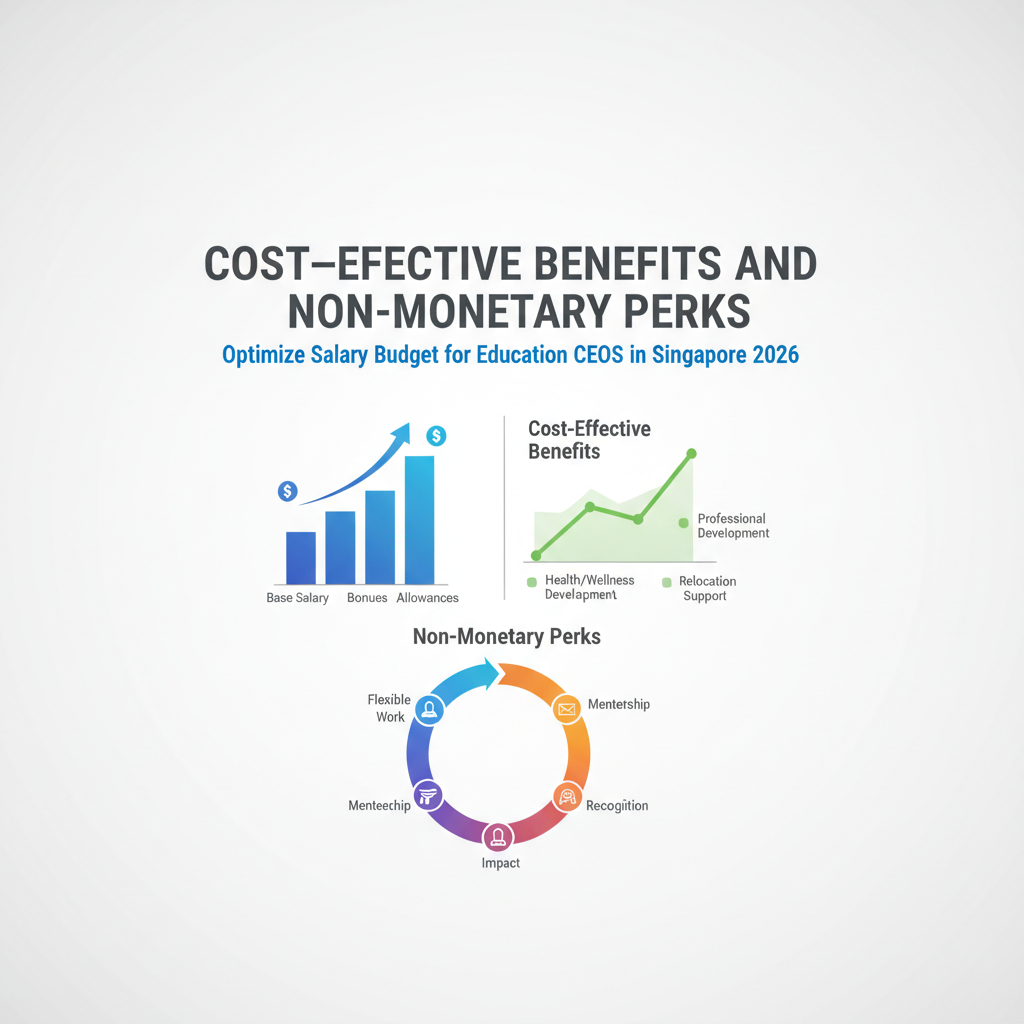
Discover innovative ways for education CEOs in Singapore to enhance overall compensation packages through cost-effective benefits and non-monetary perks, attracting and retaining top talent while optimizing the salary budget.
In Singapore’s dynamic education sector, attracting and retaining top talent requires more than just competitive salaries. Forward-thinking education CEOs are increasingly recognizing the power of a holistic compensation strategy that extends beyond direct pay. By focusing on cost-effective benefits and non-monetary perks, leaders can significantly enhance their value proposition to employees, fostering loyalty and boosting morale without straining the finances. This strategic approach is crucial for salary budget optimizing manners for the CEO of education companies in singapore, ensuring that every dollar spent contributes meaningfully to talent attraction and retention.
1. Exploring health and wellness programs and insurance options
Employee well-being is paramount, and investing in health and wellness programs can yield significant returns through reduced absenteeism and increased productivity. For education companies, this doesn’t necessarily mean expensive, comprehensive insurance plans for every ailment. Instead, consider partnering with local clinics or wellness providers for discounted rates on general check-ups, vaccinations, and mental health counseling. Subsidizing gym memberships, organizing company-wide fitness challenges, or offering ergonomic assessments for remote workers are cost-effective ways to promote a healthy lifestyle. Moreover, exploring flexible health savings accounts or tiered insurance options allows employees to choose benefits that best suit their individual needs, making the package feel more personalized and valuable. These initiatives demonstrate a genuine care for employees’ welfare, contributing positively to the overall perception of the compensation package.
2. Leveraging professional development and growth opportunities
Education professionals are inherently driven by learning and growth. Providing robust professional development opportunities is a powerful non-monetary perk that aligns perfectly with the sector’s mission. This can include sponsoring relevant certifications, offering internal mentorship programs, facilitating cross-functional projects, or subsidizing attendance at industry conferences and workshops. Encouraging employees to lead internal training sessions or develop new curriculum modules not only fosters skill development but also empowers them, enhancing their sense of ownership and contribution. Creating clear career progression paths and communicating these opportunities transparently can motivate employees to stay and grow with the organization, proving more effective than a simple pay raise for long-term retention. These investments in human capital are critical for keeping an education company competitive and innovative.
3. Creative employee recognition and work-life balance initiatives
Beyond monetary rewards, recognition and a healthy work-life balance are vital for employee satisfaction and retention. Implementing a peer-to-peer recognition program, where colleagues can acknowledge each other’s contributions, is a low-cost, high-impact strategy. Regular shout-outs in team meetings, personalized thank-you notes from leadership, or small, non-cash awards for milestones can significantly boost morale. Furthermore, initiatives promoting work-life balance are increasingly valued. This could include flexible working hours, compressed workweeks during off-peak seasons, hybrid work models, or even designated ‘no-meeting’ days. Offering extra leave days for personal development or volunteering, or providing access to childcare resources or eldercare support services, can greatly alleviate personal pressures. Such considerations demonstrate an understanding of employees’ lives outside of work, fostering a supportive environment that contributes to long-term loyalty and reduces burnout, a critical factor in today’s talent landscape. Understanding global trends in employee benefits can further inform these strategies, ensuring a competitive edge in attracting and retaining top talent, as highlighted in various Asia Pacific employee benefits trends reports.
By strategically implementing a mix of health and wellness programs, professional development avenues, and thoughtful recognition with work-life balance initiatives, education CEOs in Singapore can construct an irresistible compensation package. This holistic approach not only enhances employee satisfaction and loyalty but also serves as a shrewd strategy for optimizing the salary budget, ensuring the organization attracts and retains the best educators and administrators in a highly competitive market.
Leveraging HR Technology for Salary Management
For the CEO of education companies in Singapore, navigating the complexities of salary budget management is a critical strategic imperative. Modern HR technology offers a robust solution, empowering leaders to move beyond manual processes and embrace a data-driven approach. This section explores how advanced HR platforms can revolutionize salary budget optimizing manners for the CEO of education companies in singapore, ensuring unparalleled efficiency, accuracy, and unwavering compliance in a dynamic educational landscape. By harnessing the power of HR tech, education leaders can not only streamline operations but also make informed decisions that impact talent retention and financial health. Key benefits include enhanced HR tech for education sector capabilities, superior Singapore payroll automation, insightful compensation data analytics for schools, efficient employee benefits management Singapore, and robust HR compliance education industry frameworks.
1. Automating Payroll and Compensation Processes with HRIS
At the heart of efficient salary management lies the Human Resources Information System (HRIS). For education companies in Singapore, an HRIS automates the often-arduous tasks of payroll processing, tax calculations (including CPF contributions), leave management, and benefits administration. This automation significantly reduces the potential for human error, a common pitfall in manual systems, thereby enhancing accuracy and mitigating financial risks. Consider the varied employment types within an educational institution—full-time teachers, part-time instructors, administrative staff, and contract-based project leads. An advanced HRIS can seamlessly handle these different compensation structures, ensuring timely and correct payments for everyone. This not only frees up valuable time for HR and finance departments, allowing them to focus on more strategic initiatives, but also ensures greater transparency and consistency for employees. The shift towards Singapore payroll automation through an integrated HRIS means fewer discrepancies, faster processing times, and a significant boost in operational efficiency, directly contributing to salary budget optimizing manners for the CEO of education companies in singapore.
2. Utilizing Data Analytics for Salary Insights and Trends
Modern HR technology transcends basic record-keeping, offering powerful data analytics capabilities that are invaluable for strategic salary management. CEOs of education companies can leverage these tools to gain deep insights into their compensation structures, identify trends, and make proactive decisions. HR platforms can analyze salary expenditure across departments, compare pay scales against market benchmarks in Singapore’s education sector, and even assess internal pay equity. For instance, data analytics can highlight potential discrepancies in remuneration for similar roles, enabling leaders to address issues before they impact employee morale or lead to attrition. Furthermore, these insights are crucial for forecasting future salary budget needs, planning for performance-based increments, and ensuring that compensation packages remain competitive to attract and retain top talent—a perpetual challenge in the education industry. Understanding the granular details of where every dollar is spent on salaries allows for targeted optimizations, ensuring that budget allocations align with organizational goals and talent strategies. Embracing HR technology for strategic insights helps education leaders in Singapore stay ahead of the curve, optimizing their human capital investment.
3. Ensuring Compliance and Transparency with HR Tech Platforms
Compliance with Singapore’s labor laws and regulations is paramount for any business, and education companies are no exception. HR technology platforms are designed to embed these regulatory requirements directly into their systems, ensuring automatic adherence to statutory obligations such as minimum wage laws, CPF contribution rates, foreign worker levies, and income tax regulations. This built-in compliance functionality minimizes the risk of costly penalties and legal disputes, providing peace of mind for CEOs. Beyond compliance, HR tech platforms foster a culture of transparency regarding compensation. Employees can often access their payslips, benefits information, and compensation statements through secure self-service portals. This transparency builds trust, improves employee satisfaction, and reduces HR queries related to pay. Additionally, robust audit trails within HR systems provide clear documentation of all payroll and compensation activities, which is invaluable during internal audits or external regulatory checks. By leveraging these platforms, education companies in Singapore can maintain a high level of accountability, demonstrate ethical practices, and ensure that their salary management processes are not only efficient and accurate but also fully compliant and transparent, reinforcing strong governance.
Market Benchmarking & Future-Proofing Salary Structures
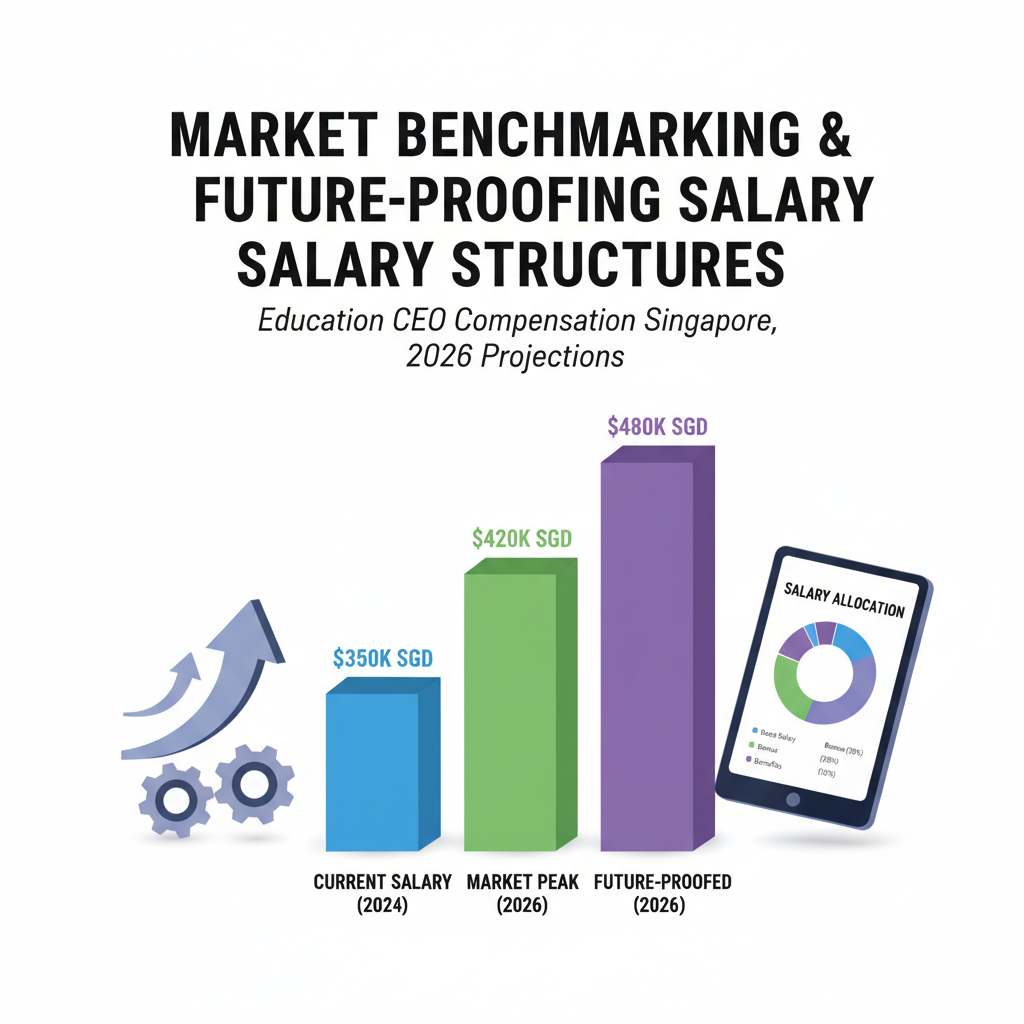
Understanding the critical importance of market benchmarking within Singapore’s education sector is paramount for ensuring competitive yet sustainable salary offerings. For education companies in 2026, this approach represents a key salary budget optimizing manners for the CEO of education companies in singapore. In a dynamic and competitive talent landscape, robust benchmarking not only attracts and retains top educators but also safeguards the organization’s financial health against unforeseen economic shifts. Proactive salary management is no longer just about paying competitive rates; it’s about strategic financial stewardship that aligns compensation with broader business objectives and market realities.
1. Analyzing competitor salary data in Singapore’s education market
The first step in any effective salary budget optimization strategy is a thorough analysis of competitor salary data within Singapore’s vibrant education market. This involves collecting and interpreting information on what other schools, private learning centers, and educational technology firms are paying for similar roles. Factors such as qualifications, experience, specialized skills (e.g., EdTech expertise, bilingualism), and even school reputation significantly influence compensation benchmarks. Utilizing reliable data sources – such as industry surveys, recruitment agency reports, and public filings where available – allows CEOs to gain a clear picture of market rates. This critical insight helps to prevent both underpaying, which leads to high attrition and difficulty in recruitment, and overpaying, which unnecessarily inflates operational costs. By understanding the competitive landscape, education companies can fine-tune their compensation packages to be attractive without overstretching their financial resources, directly contributing to effective salary budget optimizing manners for the CEO of education companies in Singapore.
2. Adapting to economic trends and inflation impacts on salaries
Singapore’s economy, while generally stable, is not immune to global economic trends, inflation, and changes in government policies that directly impact labor costs. CEOs must therefore integrate a mechanism for adapting salary structures to these external forces. For instance, sustained inflation erodes the purchasing power of salaries, necessitating adjustments to maintain real wage levels and employee satisfaction. Conversely, economic slowdowns might require more conservative approaches to salary increments and benefits. Proactive economic forecasting and staying informed about national labor market reports, such as those published by the Ministry of Manpower Singapore, are crucial. This adaptability ensures that salary structures remain equitable and competitive through varying economic cycles, mitigating the risk of employee discontent during high inflation periods and enabling strategic cost management during downturns. Future-proofing salary structures means building in flexibility and regular review cycles that respond to these broader economic indicators, ensuring long-term sustainability.
3. Developing a sustainable long-term compensation strategy
Beyond immediate market comparisons and economic adjustments, the ultimate goal for education leaders is to develop a sustainable long-term compensation strategy. This involves more than just base salaries; it encompasses a holistic view of total rewards, including performance-based bonuses, professional development opportunities, health and wellness benefits, and clear career progression paths. A well-designed strategy aligns compensation with the company’s strategic goals, such as improving educational outcomes, expanding market share, or innovating new learning methodologies. For the CEO of an education company, this means crafting a compensation philosophy that is transparent, fair, and motivates employees to contribute to the organization’s success, while remaining fiscally responsible. It also involves scenario planning for future growth or contraction, understanding the long-term impact of compensation decisions on the balance sheet, and ensuring that salary adjustments can be maintained without jeopardizing financial stability. This strategic foresight is a cornerstone of effective salary budget optimizing manners for the CEO of education companies in Singapore, ensuring the organization thrives both in terms of talent and financial health for years to come.
Partner with Shelby Global
You are looking for reliable HR Sevice Suppliers? Contact Shelby Global Now! To connect with verified talents and upgrade your orginization.
—————————————
References
– Gartner – Strategic Workforce Planning: https://www.gartner.com/en/human-resources/trends/strategic-workforce-planning
– SHRM Performance Management Toolkit: https://www.shrm.org/resources-and-tools/tools-and-samples/toolkits/performance-management
– Asia Pacific Employee Benefits Trends: https://www.willistowerswatson.com/en-SG/insights/2023/10/asia-pacific-employee-benefits-trends
– Embracing HR technology for strategic insights: https://www.shrm.org/resources-and-tools/hr-topics/technology/pages/hr-tech-trends.aspx
– Ministry of Manpower Singapore Press Releases: https://www.mom.gov.sg/newsroom/press-releases