Overview of Singapore’s Healthcare Landscape & HR Challenges
Singapore’s healthcare system is globally renowned for its efficiency, advanced infrastructure, and high standards of care. However, beneath this polished exterior, the sector grapples with a complex web of human resource challenges. As the nation progresses, the demand for medical services continues to surge, placing immense pressure on the healthcare workforce. Understanding these overarching human resource issues is crucial for medical institutions striving to maintain service excellence and ensure long-term sustainability. This section delves into the current state of Singapore’s healthcare sector and the critical HR challenges that define the HR report of medicine field in Singapore.
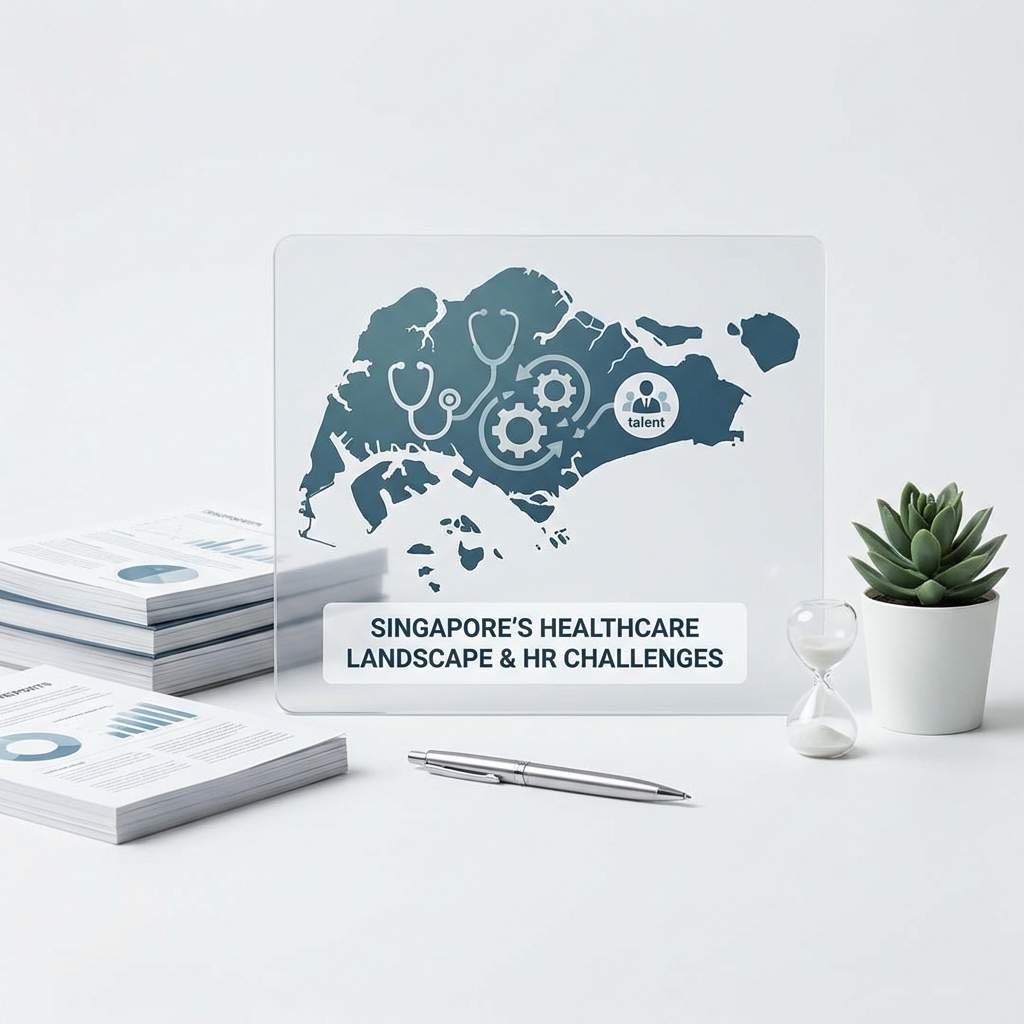
1. Demographic shifts and increasing healthcare demand
One of the most significant drivers reshaping Singapore’s healthcare landscape is its rapidly aging population. By 2030, one in four Singaporeans will be aged 65 and above, a stark increase from one in seven in 2017. This demographic shift brings a concomitant rise in age-related chronic diseases such as diabetes, hypertension, heart disease, and various cancers, necessitating more complex and long-term care. Furthermore, evolving patient expectations for higher quality, more personalised, and easily accessible care add another layer of demand. This escalating need for medical services spans across acute, community, and primary care settings, directly translating into an urgent requirement for a larger, more specialized, and highly skilled healthcare workforce. The pressure is felt acutely across all medical disciplines, from general practitioners to specialized surgeons and geriatric care professionals, intensifying the need for comprehensive HR strategies.
2. Government initiatives and policy influence on medical workforce
The Singaporean government, primarily through the Ministry of Health (MOH), has proactively implemented numerous initiatives to address the evolving healthcare landscape and its workforce needs. Strategic plans like ‘Healthcare 2020’ and subsequent roadmaps outline long-term goals for building a future-ready healthcare system. These policies influence the medical workforce through various channels: increasing local medical school intake, sponsoring scholarships for healthcare professions, and developing robust training and residency programs. The government also plays a crucial role in regulating the inflow of foreign healthcare talent to supplement local manpower, ensuring a balance between meeting demand and developing local capabilities. Efforts are also directed towards enhancing productivity through technology adoption, redesigning care models, and promoting preventive health. These top-down policies are instrumental in shaping the supply, distribution, and capabilities of the medical workforce, making a substantial impact on any assessment of Singapore’s healthcare sector and its HR outlook.
3. Key HR challenges in attracting and retaining medical talent
Despite proactive government measures and a robust education system, Singapore’s medical institutions face persistent and multifaceted HR challenges in attracting and retaining top medical talent. The global competition for healthcare professionals is fierce, with many developed nations offering attractive packages. Locally, medical professionals often grapple with demanding workloads, long hours, and the emotional toll of their profession, leading to burnout and, at times, contemplating career changes. While compensation in Singapore is competitive, concerns around work-life balance and career progression opportunities remain pivotal. Retaining experienced talent is equally critical; institutions must invest in continuous professional development, mentorship programs, and creating a supportive work environment that fosters well-being and growth. Addressing these challenges requires innovative HR strategies, encompassing competitive remuneration, flexible work arrangements where feasible, mental wellness support, and clear pathways for career advancement. A comprehensive HR report of medicine field in Singapore consistently highlights these issues as central to ensuring a sustainable and motivated healthcare workforce.
In conclusion, Singapore’s healthcare sector stands at a critical juncture, balancing its commitment to world-class patient care with the evolving demands of a changing demographic and a competitive global talent market. The interplay between an aging population, strategic government interventions, and persistent HR challenges in attracting and retaining skilled medical professionals forms the core narrative of the sector’s current state. Proactive and adaptive human resource management is not just an operational necessity but a strategic imperative for the continued success and resilience of Singapore’s healthcare system in the face of future uncertainties.
Workforce Trends and Talent Acquisition Strategies
The healthcare sector in Singapore is undergoing rapid transformation, driven by an aging population, evolving disease patterns, and technological advancements. This dynamic environment necessitates a keen understanding of workforce trends and the implementation of sophisticated talent acquisition strategies to ensure a robust and capable medical workforce. As highlighted in many an HR report of medicine field in Singapore, the competition for skilled healthcare professionals is intensifying, making proactive and innovative approaches critical for attracting and retaining top talent. This section delves into the evolving composition of the medical workforce and effective strategies for attracting top talent in a competitive environment.
1.
Specialty demands and physician distribution trends
Singapore’s demographic shift, characterized by a rapidly aging population and a growing prevalence of chronic diseases, significantly influences the demand for specific medical specialties. There’s an escalating need for geriatricians, palliative care specialists, and professionals adept in chronic disease management, including diabetes, hypertension, and mental health. While traditional specializations remain vital, a strategic pivot towards these high-demand areas is crucial for workforce planning. Furthermore, physician distribution presents its own challenges. The concentration of specialists in urban centers and public hospitals often leads to disparities in access and workload across different healthcare settings. Understanding these trends requires granular data analysis to predict future manpower needs, optimize training pipelines, and ensure equitable resource allocation. Effective workforce planning, informed by comprehensive data on patient demographics, disease burden, and geographical needs, is paramount to prevent shortages in critical areas and ensure a balanced distribution of expertise across the island nation. This analytical approach forms a core component of any insightful HR report on the medicine field in Singapore.
2.
Innovative strategies for attracting local and foreign medical talent
Attracting and retaining medical talent in Singapore’s competitive landscape demands multi-faceted and innovative strategies targeting both local and foreign professionals. For local talent, fostering early interest through robust pre-medical programs, offering competitive scholarships, and providing clear career progression pathways are essential. Initiatives that prioritize work-life balance, promote mental well-being, and offer opportunities for continuous professional development can significantly boost retention. Strong mentorship programs and supportive work environments also play a critical role in nurturing the next generation of healthcare leaders.
To augment the local pool, attracting foreign medical talent remains a strategic imperative. Singapore’s reputation for world-class healthcare, advanced research, and a high quality of life makes it an attractive destination. However, the process must be streamlined. This involves simplifying visa and licensing procedures, offering attractive relocation packages, and providing comprehensive integration support for new arrivals and their families. Creating an inclusive and welcoming professional environment, alongside opportunities for specialized training and research, can solidify Singapore’s appeal. The Ministry of Health (MOH) continuously outlines manpower planning initiatives to meet future healthcare workforce needs, emphasizing the importance of both local cultivation and strategic overseas recruitment. Employer branding, showcasing the unique advantages of practicing medicine in Singapore, from cutting-edge facilities to diverse patient populations, is key to standing out globally.
3.
Impact of technology and digital tools on healthcare recruitment
The digital revolution has profoundly reshaped talent acquisition in healthcare, offering sophisticated tools that enhance efficiency, reach, and candidate experience. Applicant Tracking Systems (ATS) are now standard, automating resume screening and candidate management. However, the impact extends far beyond basic automation. Artificial intelligence (AI) and machine learning are increasingly used for predictive analytics, identifying potential talent gaps before they emerge and even matching candidates with roles based on skills and cultural fit rather than just keywords. Virtual career fairs and online recruitment platforms have expanded reach, allowing healthcare organizations to connect with talent across geographical boundaries without the logistical constraints of traditional events.
Furthermore, social media platforms are no longer just for branding but serve as powerful recruitment channels, enabling targeted outreach and fostering engagement with potential candidates. Digital tools also facilitate personalized candidate experiences, from interactive online applications to virtual reality tours of facilities and realistic job previews. However, the adoption of these technologies must be balanced with human oversight and a focus on data privacy. Leveraging digital tools effectively can significantly reduce time-to-hire, improve the quality of candidates, and free up HR professionals to focus on strategic talent engagement, ultimately contributing to a more agile and responsive medical workforce.
In conclusion, navigating the complexities of the medical workforce in Singapore requires a comprehensive and adaptable approach to talent acquisition. By understanding specialty demands, implementing innovative strategies for both local and foreign recruitment, and harnessing the power of technology, healthcare institutions can build a resilient, skilled, and future-ready workforce that continues to deliver world-class patient care.
Compensation, Benefits, and Employee Well-being
This section delves into the intricate dynamics of salary trends, the structuring of competitive benefits packages, and the pivotal role of employee well-being in sustaining the satisfaction and productivity of healthcare professionals within Singapore’s vibrant medical landscape. Understanding these elements is crucial for any comprehensive HR report of medicine field in Singapore.
The Singaporean healthcare sector, renowned for its excellence and continuous innovation, faces unique challenges in attracting, retaining, and motivating its highly skilled workforce. Beyond competitive remuneration, a holistic approach encompassing robust benefits and proactive well-being initiatives is paramount. As demand for quality medical services grows, so does the imperative to ensure that healthcare professionals feel valued, supported, and adequately compensated for their tireless dedication. This segment provides an in-depth look at current practices and emerging trends.
1. Benchmarking medical professional salaries in Singapore
Competitive remuneration remains a primary driver for attracting top talent in any industry, and the medical field is no exception. In Singapore, healthcare salaries Singapore are influenced by several factors, including specialisation, experience, public vs. private sector roles, and demand for specific skills. A detailed HR report of medicine field in Singapore consistently highlights the need for organizations to regularly benchmark their compensation structures against market rates to remain competitive. Entry-level doctors, specialists, nurses, and allied health professionals all have distinct salary scales that require careful calibration. While public sector salaries often follow structured frameworks, the private sector offers more flexibility, driven by market forces and the profitability of practices. Recent trends indicate a steady increase in medical professional salaries, particularly for in-demand specialisations like geriatrics, palliative care, and critical care, reflecting Singapore’s aging population and evolving healthcare needs. Organizations that fail to keep pace with these benchmarks risk losing valuable talent to competitors, both locally and internationally. For a more detailed analysis of remuneration strategies, a deep dive into the overall HR report of medicine field in Singapore is highly recommended.
2. Evolving benefits, incentives, and recognition programs
Beyond base salaries, comprehensive medical benefits packages play a crucial role in the overall value proposition for healthcare professionals. These packages have evolved significantly, moving beyond standard health insurance to include a wider array of perks designed to enhance work-life balance and long-term security. Modern benefits often encompass enhanced leave policies, flexible work arrangements where feasible, professional development opportunities, and retirement planning support. Incentive programs, such as performance bonuses, skill-based pay, and retention bonuses, are increasingly used to reward high-performing individuals and critical staff. Furthermore, effective recognition programs, whether formal awards or informal acknowledgements, are vital for boosting morale and demonstrating appreciation for the demanding work undertaken by healthcare staff. These initiatives contribute significantly to healthcare talent retention and foster a positive work environment, ultimately leading to greater healthcare professional satisfaction.
3. Addressing burnout and promoting mental health in healthcare
The demanding nature of healthcare work, characterized by long hours, high-stress situations, and emotional toll, makes healthcare professionals particularly vulnerable to burnout. Recognizing this, employee well-being in healthcare has emerged as a critical component of HR strategy. Initiatives aimed at burnout prevention strategies are now a priority, including robust peer support programs, access to counselling services, and stress management workshops. Promoting mental health support for doctors and other medical staff is no longer a luxury but a necessity, with many institutions offering confidential mental health services and advocating for a culture that destigmatizes seeking help. Strategies also include workload management, fostering a supportive team environment, and providing opportunities for regular breaks and respite. Addressing these challenges not only improves the quality of life for healthcare professionals but also enhances patient care and reduces staff turnover, proving invaluable for the Singapore healthcare workforce. Investments in these areas demonstrate an organization’s commitment to its most valuable asset – its people. According to the World Health Organization (WHO), addressing burnout and promoting mental health in the workplace is crucial for health systems’ resilience and productivity, a sentiment echoed in many national healthcare policies, including those in Singapore. You can learn more about global strategies for supporting health workers on the WHO website.
In conclusion, a holistic approach to compensation, benefits, and employee well-being is indispensable for the sustainable growth and success of the medical field in Singapore. By strategically aligning competitive remuneration with comprehensive support systems, healthcare institutions can cultivate a resilient, satisfied, and highly productive workforce, ensuring the continued delivery of world-class healthcare services.
Retention, Development, and Future-Proofing the Workforce
The sustainability and excellence of Singapore’s healthcare system hinge critically on its human capital. As detailed in this HR report of medicine field in Singapore, strategic investments in retaining skilled staff, fostering continuous learning, and robust succession planning are paramount. The medical landscape, characterized by rapid technological advancements, evolving patient needs, and global talent competition, demands a proactive approach to workforce management. This section explores comprehensive strategies to ensure the Singaporean medical workforce remains resilient, adaptive, and prepared for the challenges and opportunities of the future.
1. Effective retention strategies for doctors, nurses, and allied health professionals
Retaining highly skilled doctors, nurses, and allied health professionals is a persistent challenge within the global healthcare sector, and Singapore is no exception. Beyond competitive remuneration packages, effective retention strategies must address the multifaceted needs of these critical professionals. For doctors, this includes clear career progression pathways into specialist roles, research, or leadership, coupled with support for work-life balance to mitigate burnout from demanding schedules. Nurses, who form the backbone of patient care, benefit immensely from professional autonomy, opportunities for advanced practice roles, and recognition programs that acknowledge their vital contributions. Allied health professionals, encompassing physiotherapists, occupational therapists, radiographers, and medical technologists, require tailored development pathways that enhance their specialized skills and integrate them more fully into interdisciplinary care teams. Furthermore, fostering a supportive work environment that promotes psychological safety, provides adequate staffing ratios, and offers mental health support services is crucial across all professional groups. Regular feedback mechanisms and engagement surveys can help identify pain points and inform targeted interventions, ensuring that healthcare institutions remain attractive workplaces in a competitive talent market.
2. Continuous professional development and upskilling initiatives
The rapid evolution of medical science, diagnostic technologies, and treatment modalities necessitates a commitment to continuous professional development (CPD) and upskilling. Future-proofing the medical workforce in Singapore involves cultivating a culture of lifelong learning that empowers healthcare professionals to adapt to new paradigms. Initiatives should include access to advanced specialist training programs, certifications in emerging fields such as artificial intelligence in medicine, telehealth, and precision medicine. Digital health literacy is no longer optional; it is essential for navigating integrated health records, remote monitoring tools, and data analytics platforms. Interdisciplinary training fosters collaboration and understanding across different healthcare roles, crucial for team-based care models. Simulation-based training offers a safe environment for practitioners to hone complex clinical skills and teamwork. Moreover, micro-credentials and modular learning pathways can provide flexible opportunities for professionals to acquire specific competencies without extensive time commitments. Singapore’s proactive approach to preparing its healthcare system for future challenges, as highlighted by the Ministry of Health’s strategies for a future-ready healthcare system, underscores the importance of such continuous investment in human capital.
3. Succession planning and leadership development in healthcare
Ensuring leadership continuity and innovation within Singapore’s healthcare institutions requires robust succession planning and targeted leadership development programs. Identifying high-potential individuals early across all professional tiers – from ward managers and chief nurses to heads of departments and clinical directors – is fundamental. Mentorship programs, where experienced leaders guide and nurture emerging talent, are invaluable. Leadership development initiatives should focus not just on clinical expertise but also on management skills, financial acumen, strategic planning, emotional intelligence, and change management. Rotational assignments across different departments or even different healthcare clusters can broaden perspectives and develop a holistic understanding of the system. Creating clear talent pipelines for critical roles minimizes disruption during transitions and ensures that institutional knowledge is preserved and enhanced. Investing in leadership development is not merely about filling future vacancies; it’s about cultivating visionary leaders who can steer healthcare organizations through complex challenges, inspire their teams, and drive excellence in patient care and population health outcomes in the evolving landscape of the HR report of medicine field in Singapore.
In conclusion, the strategic pillars of retention, continuous development, and proactive succession planning are interdependent and crucial for shaping a robust and adaptable medical workforce in Singapore. By prioritizing the well-being and growth of doctors, nurses, and allied health professionals, while simultaneously nurturing future leaders and embracing technological advancements, Singapore can ensure its healthcare system remains world-class, resilient, and ready to meet the evolving health needs of its population for decades to come.
The Role of HR Technology & Analytics in Healthcare
Singapore’s esteemed medicine field, renowned for its commitment to excellence and innovation, is increasingly navigating complex challenges related to workforce management, talent retention, and operational efficiency. In this dynamic landscape, Human Resources (HR) technology and data analytics are emerging as indispensable tools, fundamentally transforming how healthcare institutions attract, manage, and develop their most critical asset: their people. This section explores how these advancements are revolutionizing HR functions within Singapore’s medicine sector, driving significant efficiency gains and enabling more informed, strategic decision-making that ultimately supports better patient outcomes.

1. Leveraging HRIS and integrated HR platforms for workforce management
At the foundational level, Human Resource Information Systems (HRIS) and integrated HR platforms are reshaping workforce management across Singapore’s healthcare institutions. These systems centralize vast amounts of employee data, from personal details and qualifications to performance records and career progression, offering a single source of truth. This integration streamlines numerous administrative tasks that were once manual and time-consuming, such as onboarding new healthcare professionals, managing payroll accurately, tracking leave applications, and ensuring compliance with local labor regulations. For a sector characterized by complex rostering, shift work, and the need for highly specialized skills, an efficient HRIS is invaluable. It reduces administrative burden, minimizes errors, and frees up HR teams to focus on more strategic initiatives like employee engagement and talent development. Furthermore, integrated platforms connect various HR functions – from recruitment to learning and development – ensuring a cohesive approach to managing the healthcare workforce and enhancing overall operational agility.
2. Data analytics for talent insights and predictive HR in healthcare
Beyond mere data storage, HR analytics transforms raw HR data into powerful, actionable insights. In Singapore’s medicine field, this capability is proving crucial for making data-driven decisions regarding talent. By analyzing patterns in recruitment data, healthcare organizations can identify the most effective talent acquisition channels, predict future skill gaps, and refine their hiring strategies to attract top medical and allied health professionals. Similarly, predictive analytics plays a pivotal role in employee retention; by analyzing factors contributing to staff turnover, such as workload, career development opportunities, or management styles, institutions can proactively intervene to mitigate attrition risks. This is especially vital given the global shortage of healthcare workers. Data analytics also enhances performance management, allowing HR to identify high-performers, recognize training needs, and personalize career pathways. Ultimately, these insights contribute to a comprehensive HR report of medicine field in singapore, enabling strategic workforce planning that ensures the right talent is available at the right time and place. Insights derived from such analytics are critical for organizations seeking to optimize their human capital, aligning with broader strategic goals for healthcare excellence. Indeed, leveraging data to understand the workforce better is a key aspect of strengthening Singapore’s healthcare workforce resilience.
3. Future outlook: AI and automation in healthcare HR operations
The trajectory of HR technology in Singapore’s medicine field points towards an increasing integration of Artificial Intelligence (AI) and automation. AI-driven solutions are set to further revolutionize HR operations, particularly in areas like recruitment and employee development. AI can automate the initial screening of job applications, leveraging natural language processing to identify candidates whose skills and experience best match specific medical roles, thereby accelerating time-to-hire. Chatbots powered by AI can provide instant answers to common employee queries, from leave policies to benefits, reducing the administrative load on HR staff. Moreover, AI can personalize learning and development pathways for healthcare professionals, recommending relevant courses and certifications based on their performance, career aspirations, and emerging industry needs. Automation will take over repetitive, rule-based tasks, allowing HR professionals to pivot towards more strategic and human-centric roles, such as fostering a supportive work culture, enhancing employee well-being, and driving innovation in talent management. While the ethical considerations surrounding AI in HR, particularly concerning bias and data privacy, remain important, the potential for AI and automation to enhance efficiency, accuracy, and strategic impact within healthcare HR in Singapore is immense, promising a more agile, responsive, and data-informed future for the sector’s human capital management.
Partner with Shelby Global
You are looking for reliable HR Sevice Suppliers? Contact Shelby Global Now! To connect with verified talents and upgrade your orginization.
—————————————
References
– The State of Health in Singapore 2023 report: https://www.moh.gov.sg/docs/librariesprovider5/pressroom/press-releases/annex-a—the-state-of-health-in-singapore-2023.pdf
– Enhancing Our Healthcare System for the Future | Ministry of Health: https://www.moh.gov.sg/news-highlights/details/enhancing-our-healthcare-system-for-the-future
– WHO website: https://www.who.int/initiatives/health-workforce-resilience/support-health-workers
– Ministry of Health’s strategies for a future-ready healthcare system: https://www.moh.gov.sg/news-highlights/details/moh-outlines-strategies-for-a-future-ready-healthcare-system
– Strengthening Singapore’s healthcare workforce resilience: https://www.moh.gov.sg/docs/librariesprovider5/pressroom/press-releases/moh-announces-formation-of-health-reserves-to-strengthen-healthcare-workforce.pdf