
The Evolving Landscape of HR in Vietnam’s Travel Sector
Vietnam’s travel and tourism industry stands at a pivotal juncture, experiencing rapid growth and transformation. From its stunning natural landscapes and rich cultural heritage to its burgeoning infrastructure, Vietnam has cemented its position as a top global destination. However, this dynamic expansion presents unique challenges and opportunities for Human Resources. In a sector characterized by high demand for quality service, seasonal fluctuations, and a diverse workforce, the strategic importance of HR cannot be overstated. Ensuring a robust talent pipeline, fostering a skilled workforce, and maintaining high employee satisfaction are crucial for sustained success. This necessitates a modern approach to HR management, leveraging efficient HR tools – applications for Travels field in Vietnam to navigate complexities and capitalize on the industry’s immense potential.

-
Post-pandemic HR challenges in Vietnamese tourism
The COVID-19 pandemic delivered an unprecedented blow to the global travel sector, and Vietnam was no exception. While the recovery has been remarkable, it has left lasting imprints on the HR landscape. A primary challenge has been the significant labor shortage. Many skilled workers, displaced during the downturn, pivoted to other industries or left the workforce entirely. Attracting them back requires competitive packages, attractive work environments, and clear career progression paths. Furthermore, the pandemic accelerated changes in employee expectations, with a greater emphasis on work-life balance, health and safety protocols, and opportunities for upskilling and reskilling. HR departments are now tasked with rebuilding workforces, addressing skill gaps, and fostering a resilient and adaptable talent pool. This demands innovative recruitment strategies, comprehensive training programs, and the adoption of modern HR tools – applications for Travels field in Vietnam to streamline operations and enhance employee experience in a highly competitive market.
-
Growth drivers and talent demands in Vietnam’s travel
Vietnam’s tourism sector is projected to continue its impressive growth trajectory, driven by supportive government policies, increasing investment in infrastructure, and a rising global appreciation for its cultural and natural attractions. According to the World Bank’s Vietnam Economic Update, the country’s tourism industry is showing robust recovery and is poised for further expansion, contributing significantly to economic growth. This boom naturally translates into escalating talent demands across various segments of the industry. From luxury hotel chains and eco-tourism resorts to tour operators and digital travel platforms, there’s a pressing need for skilled professionals in areas such as hospitality management, foreign language proficiency, digital marketing, culinary arts, and customer service excellence. HR departments are at the forefront of this demand, tasked with identifying, attracting, and developing talent that can meet international service standards while embodying Vietnam’s unique hospitality. Effectively managing this rapid expansion and ensuring a steady supply of qualified personnel necessitates sophisticated HR tools – applications for Travels field in Vietnam for workforce planning, talent scouting, and performance management.
-
Unique talent acquisition and retention in hospitality
The hospitality industry, at its core, is a people-centric business, making talent acquisition and retention particularly critical and uniquely challenging. The sector often experiences higher turnover rates compared to others, primarily due to factors like demanding work schedules (including nights, weekends, and holidays), the emphasis on soft skills, and seasonal employment variations. Attracting top talent requires not just competitive compensation but also clear career development pathways, a positive work culture, and strong leadership. Retention strategies must focus on employee engagement, continuous training, recognition programs, and fostering a sense of belonging. Furthermore, the diverse roles within the travel sector—from front-line staff to strategic planners—each require specific skill sets and motivation drivers. Modern HR strategies must therefore be agile and data-driven, supported by specialized HR tools – applications for Travels field in Vietnam. These tools can assist with everything from efficient applicant tracking and onboarding to performance reviews, learning management, and predictive analytics to identify retention risks. By harnessing technology, HR can create more engaging employee experiences, streamline administrative tasks, and ultimately build a loyal, high-performing workforce essential for Vietnam’s thriving travel industry.
Essential HR Tools for Recruitment & Onboarding Efficiency
The burgeoning travel sector in Vietnam presents exciting opportunities, but also unique challenges for human resources. Companies operating across diverse landscapes, from bustling cities to remote island resorts, must efficiently recruit and onboard a varied workforce – from front-desk staff and tour guides to drivers and back-office personnel. Manual, paper-based processes are no longer sustainable for scaling operations and maintaining a competitive edge. This is where strategic investment in modern HR tools – applications for Travels field in vietnam becomes indispensable, transforming the hiring and integration experience for both employers and employees.
1. Applicant Tracking Systems (ATS) for diverse roles
For travel companies in Vietnam, managing a high volume of applicants for roles spanning hospitality, logistics, operations, and customer service can be overwhelming. An Applicant Tracking System (ATS) centralizes and automates much of the recruitment process, making it far more manageable. An ATS allows companies to:
- Streamline application management: Collect, sort, and filter applications from various sources (job boards, career pages, social media) into a single database.
- Enhance candidate experience: Provide a smooth, professional application process, automated communication, and timely updates, which is crucial for attracting top talent in a competitive market.
- Accelerate screening: Utilize keyword matching and AI-powered tools to quickly identify qualified candidates for specific roles, such as multilingual tour guides or experienced hotel managers. This is especially vital when dealing with applications from diverse backgrounds and languages.
- Improve collaboration: Enable hiring managers and HR teams to collaborate seamlessly, review candidates, provide feedback, and schedule interviews efficiently, regardless of their geographical location.
- Ensure compliance: Maintain accurate records for regulatory compliance, which is increasingly important in Vietnam’s evolving labor landscape.
By automating repetitive tasks, an ATS frees up HR teams to focus on strategic initiatives and engaging with promising candidates, ultimately reducing time-to-hire and improving recruitment quality across all roles.
2. Digital onboarding platforms for a mobile workforce
Once a candidate is hired, the onboarding process is critical for retention and productivity, especially for a workforce that is often mobile or dispersed across various locations like tour guides, drivers, or remote sales agents. Digital onboarding platforms revolutionize this by:
- Automating paperwork: Replace manual forms with digital documents, e-signatures, and automated workflows for contracts, tax forms, company policies, and permits. This is particularly beneficial for employees who might not have regular office access.
- Delivering consistent orientation: Provide all new hires with standardized, accessible online modules covering company culture, values, safety protocols, and job-specific training, ensuring a consistent message regardless of location.
- Facilitating compliance training: Automatically assign and track mandatory training sessions on local regulations, health and safety standards relevant to travel operations, and industry-specific certifications.
- Boosting engagement: Create a welcoming experience with personalized welcome messages, introductions to team members, and access to essential resources before their first day, making new hires feel valued and prepared.
- Integrating with other HR systems: Seamlessly transfer new hire data to payroll, HRIS, and learning management systems, reducing data entry errors and improving overall HR efficiency.
For travel companies in Vietnam, where employees might be spread across different provinces or constantly on the move, digital onboarding ensures that every new team member is effectively integrated, compliant, and ready to contribute from day one.
3. Skills assessment tools for hospitality and tourism
Hiring for the travel and tourism sector requires more than just reviewing résumés; it demands a precise evaluation of specific skills that are often unique to the industry. Skills assessment tools provide objective, data-driven insights into a candidate’s capabilities, moving beyond traditional interviews. These tools can help travel companies in Vietnam to:
- Evaluate language proficiency: Essential for roles interacting with international tourists (e.g., English, French, Mandarin, Korean) or local customers (Vietnamese). Assessments can range from basic conversation to advanced written comprehension.
- Test customer service aptitude: Utilize situational judgment tests or virtual role-playing scenarios to assess a candidate’s ability to handle difficult customer interactions, problem-solve on the spot, and demonstrate empathy – crucial skills for any hospitality role.
- Assess destination knowledge: For tour guides and travel consultants, tests can gauge their familiarity with local attractions, history, culture, and logistical details across Vietnam.
- Verify practical skills: Evaluate proficiency in booking software, reservation systems, basic accounting for hotel staff, or even first-aid knowledge for adventure tour guides.
- Identify cultural fit and soft skills: Psychometric assessments can help uncover personality traits, teamwork capabilities, and adaptability, which are vital for a dynamic and service-oriented environment.
By integrating targeted skills assessment into the recruitment process, travel companies can make more informed hiring decisions, reduce employee turnover, and ultimately enhance the quality of service provided to their customers. Investing in robust HR technology, like the tools outlined above, is no longer a luxury but a strategic imperative for travel businesses aiming for efficiency, scalability, and sustained success in Vietnam’s competitive market.
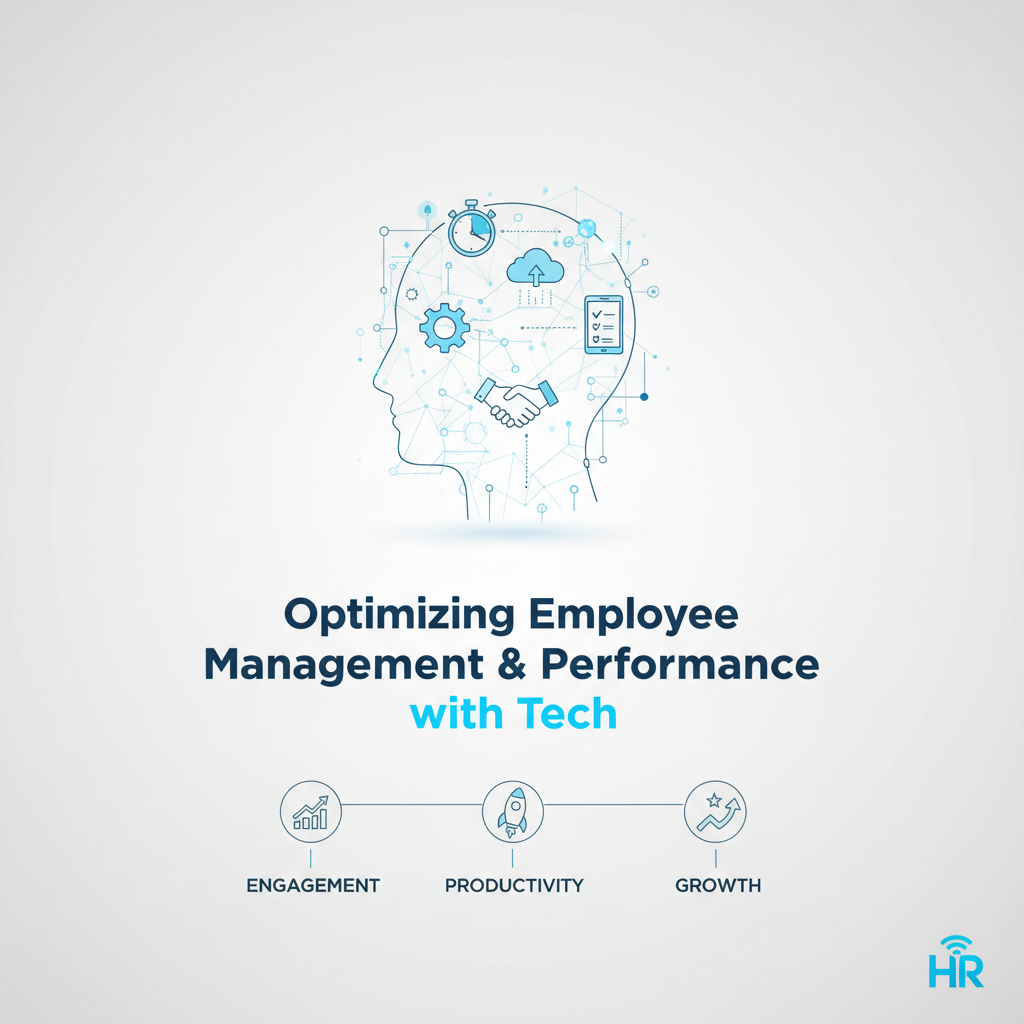
Optimizing Employee Management & Performance with Tech
The dynamic and fast-paced nature of the travel industry in Vietnam demands agile and efficient HR operations. To thrive in this competitive landscape, businesses are increasingly turning to advanced HR tools – applications for Travels field in vietnam. These technological solutions are not just about automating tasks; they are strategic investments designed to streamline employee management, elevate performance, and cultivate a highly engaged workforce. From managing diverse teams of tour guides and booking agents to ensuring compliance and fostering career growth, the right HR technology is becoming indispensable for optimizing every aspect of human capital.
1. HRIS for comprehensive employee data management
A Human Resources Information System (HRIS) serves as the central nervous system for all employee data, a critical component for any travel business operating in Vietnam. In an industry characterized by varied roles – from office-based staff and sales agents to remote tour guides and drivers – managing diverse employee profiles, contracts, attendance, and payroll can be a significant challenge. An HRIS consolidates all this information into a single, accessible platform, eliminating manual paperwork and reducing the risk of errors. For Vietnamese travel companies, this means efficient tracking of employee records, ensuring compliance with local labor laws, and simplifying administrative tasks like onboarding new hires or processing leave requests. By providing a holistic view of the workforce, HRIS empowers HR departments to make data-driven decisions, improve operational efficiency, and free up valuable time that can be redirected towards strategic initiatives like talent development and employee retention. It’s an essential HR tool for modernizing HR functions and building a robust foundation for growth.
2. Performance management software for travel teams
Effective performance management is paramount for maintaining high standards in the competitive travel sector. Performance management software offers specialized functionalities tailored to the unique demands of travel teams, whether it’s tracking the success rates of booking agents, the customer satisfaction scores of tour guides, or the efficiency of operational staff. These tools enable businesses to set clear, measurable KPIs (Key Performance Indicators) relevant to the travel context, facilitate regular feedback sessions, and conduct comprehensive performance reviews. Features often include goal setting, 360-degree feedback, continuous check-ins, and performance analytics. By providing transparent insights into individual and team contributions, such software not only identifies top performers but also highlights areas for improvement, enabling targeted training and development programs. This structured approach to performance evaluation fosters a culture of accountability and continuous improvement, directly contributing to enhanced service quality and overall business success. In Vietnam’s vibrant travel market, this can be the difference between merely competing and truly leading.
3. Employee self-service portals (ESS) for convenience
In the bustling travel industry, where employees might be frequently on the move or working varied schedules, convenience is key to boosting satisfaction and productivity. Employee Self-Service (ESS) portals are indispensable HR tools – applications for Travels field in vietnam that empower employees to manage various HR-related tasks independently. From accessing payslips and tax documents to submitting leave requests, updating personal information, or enrolling in training programs, ESS platforms put control directly into the hands of the workforce. This not only significantly reduces the administrative burden on HR departments, allowing them to focus on more strategic initiatives, but also enhances the employee experience. For a travel company, an ESS portal means that a tour guide on assignment can easily check their leave balance or a sales agent can update their contact details without needing to contact HR directly. This level of accessibility and autonomy contributes to higher employee engagement and satisfaction, fostering a more independent and efficient workforce, which is crucial for retaining talent in a service-oriented industry like travel.
Embracing these sophisticated HR tools is no longer a luxury but a necessity for Vietnamese travel businesses aiming for sustainable growth and operational excellence. By optimizing employee management, tracking performance effectively, and empowering staff through self-service options, companies can build a resilient, engaged, and high-performing workforce ready to navigate the evolving demands of the global travel landscape.
Training, Development & Compliance Tools for Vietnam
In Vietnam’s rapidly expanding travel and tourism sector, strategic HR technologies are essential. For businesses from hotels to tour operators, effectively managing HR tools and applications for the travel field in Vietnam is crucial. These technologies are vital for upskilling staff, ensuring compliance with local labor laws, and managing training records, ultimately driving operational excellence and competitive advantage.
1. Learning Management Systems (LMS) for hospitality training
The hospitality and travel sectors demand a highly skilled, evolving workforce. Learning Management Systems (LMS) are essential for structured, scalable training in Vietnam’s travel businesses, centralizing materials from onboarding to advanced customer service and destination knowledge. For the Vietnamese market, multi-language support (Vietnamese and English) is key. Businesses deploy engaging courses on responsible tourism, cultural sensitivity, crisis management, and reservation systems.
Beyond content, an effective LMS provides robust tracking and reporting. HR monitors progress, assesses skill gaps, and ensures staff complete mandatory certifications and refreshers. This systematic approach to hospitality training ensures consistent service quality, reduces training costs through digitalization, and builds a resilient, capable team, directly impacting guest satisfaction and business reputation.
2. Compliance management software for Vietnam labor laws
Navigating Vietnam’s labor laws is challenging, especially for the travel sector with varied hours, seasonal employment, and specific licensing. Compliance management software is an indispensable HR tool, automating adherence to regulations and mitigating legal risks. It provides up-to-date information on MOLISA decrees, ensuring companies stay current with contracts, working hours, leave, social insurance, and severance.
Key functionalities include automated policy change alerts, centralized document management, and robust audit reporting. Ensuring proper documentation for foreign workers, understanding local holiday pay, or managing probation periods are critical. The software helps businesses avoid non-compliance pitfalls, from fines to reputational damage. Implementing dedicated HR tools for compliance ensures confident operation within the legal framework, promoting fair employee treatment. For detailed insights, consult DLA Piper’s Vietnam Employment Guide.
3. Certification and license tracking for travel professionals
The travel industry requires various certifications and licenses for professionals to operate legally. Tour guides, agents, drivers, and some hotel staff need permits or accreditations regularly renewed. Manual tracking is error-prone, leading to compliance lapses and disruptions. Specialized HR tools for certification and license tracking are invaluable.
These systems centralize qualifications, set automated renewal reminders, and easily verify credentials. Prevent license expirations for tour guides or drivers. The software categorizes certifications by role or skill, ensuring only qualified personnel are assigned. It also identifies skill gaps and informs future training, ensuring the workforce meets legal requirements and possesses industry competencies. Maintaining an updated overview of certifications guarantees continuous legality, upholds service quality, and fosters client trust.
The strategic adoption of these HR technologies—Learning Management Systems, compliance management software, and certification tracking tools—is fundamental for any travel business seeking sustainable growth and operational excellence in Vietnam. They streamline complex HR functions, reduce risks, and empower employees, transforming challenges into opportunities for a thriving future.
Future Trends & Selecting the Right HR Tools for 2026
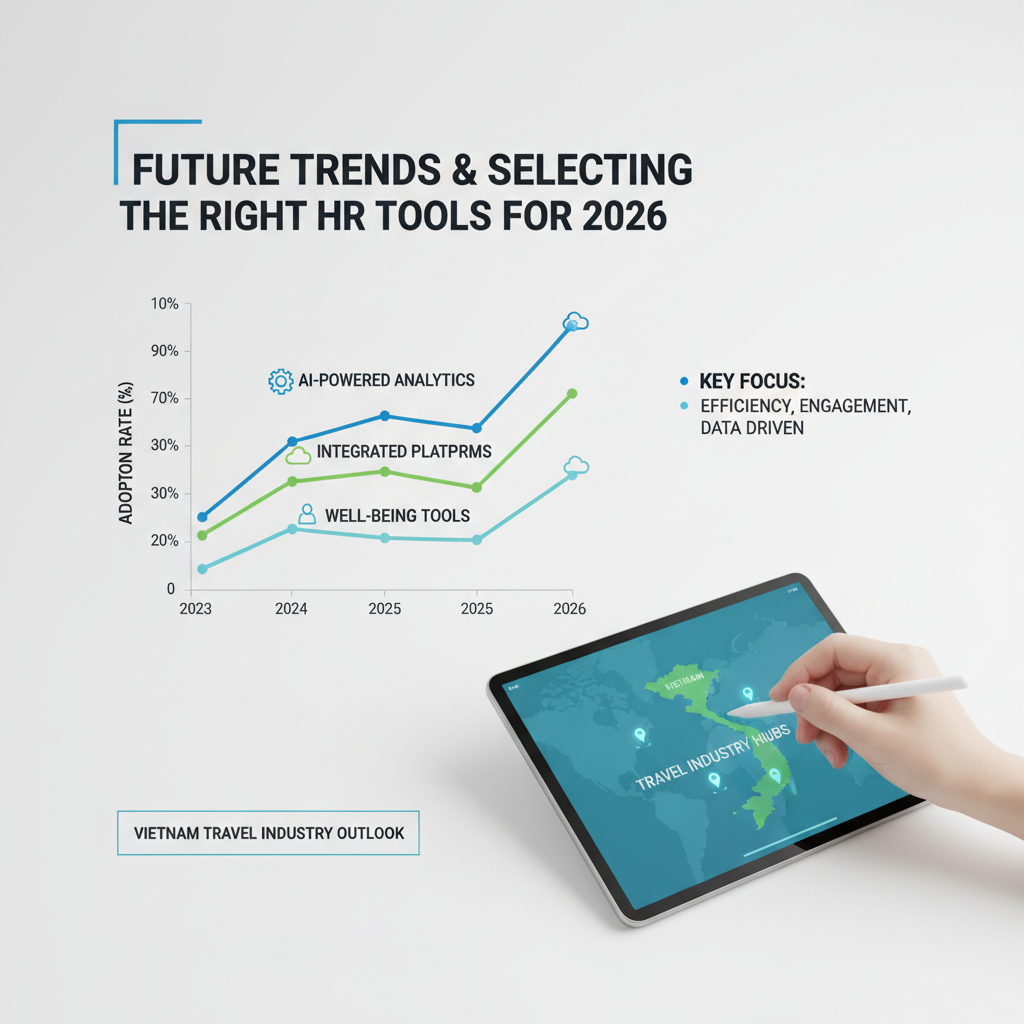
The Vietnamese travel industry is dynamic, requiring agility and innovation to thrive. As businesses look towards 2026, the strategic implementation of advanced HR technology is no longer a luxury but a necessity for competitive advantage. The right HR tools – applications for Travels field in Vietnam can revolutionize talent management, streamline operations, and enhance employee experience, directly impacting guest satisfaction and profitability. This section explores the pivotal trends shaping HR tech and offers practical guidance for Vietnamese travel businesses navigating this evolving landscape.
1. AI and automation in HR for predictive insights
Artificial Intelligence (AI) and automation are rapidly transforming human resources, moving beyond simple task automation to deliver sophisticated predictive insights. For the Vietnamese travel sector, characterized by seasonal fluctuations, high turnover rates, and diverse workforce needs, AI-powered HR tools – applications for Travels field in Vietnam offer unparalleled advantages. AI can analyze vast datasets to predict staffing needs based on booking trends, identify employees at risk of attrition, and personalize learning and development paths. Imagine an AI system that forecasts peak season recruitment requirements months in advance, or one that flags potential performance issues before they escalate, allowing for proactive interventions.
Automation, on the other hand, liberates HR teams from repetitive administrative tasks – from onboarding paperwork to payroll processing – enabling them to focus on strategic initiatives such and employee engagement. Tools leveraging machine learning can even assist in sifting through resumes to identify the most suitable candidates, significantly speeding up the hiring process for roles ranging from front-desk staff to tour guides. According to a Gartner report on top HR priorities, investing in technology that enhances workforce experience and operational efficiency is paramount for HR leaders globally. Embracing these technologies means more efficient operations, better talent decisions, and ultimately, a more resilient and responsive workforce ready to meet the demands of the modern traveler.
2. Seamless integration with existing operational systems
One of the most critical aspects when selecting new HR technology for travel businesses is its ability to seamlessly integrate with existing operational systems. In a sector where various departments rely heavily on interconnected software – Property Management Systems (PMS), online booking platforms, CRM software, and financial systems – HR data cannot exist in a silo. The ideal HR tools – applications for Travels field in Vietnam must offer robust APIs (Application Programming Interfaces) or pre-built connectors that allow for smooth data flow between systems.
This integration ensures data consistency, eliminates manual data entry errors, and provides a holistic view of both employee and operational performance. For instance, an integrated system could automatically update payroll based on shift schedules from a PMS, or link employee performance reviews to guest feedback data. Such interconnectedness fosters greater operational efficiency, reduces administrative burdens, and enhances decision-making across the entire organization. Businesses must prioritize platforms that emphasize open architecture and compatibility, ensuring their HR tech ecosystem works as a unified whole, rather than a collection of disparate parts.
3. Key considerations for ROI, scalability, and local support
Investing in new HR technology is a significant decision that requires careful evaluation beyond just features. For Vietnamese travel businesses, three critical factors stand out: Return on Investment (ROI), scalability, and local support.
Firstly, ROI must be clearly defined. How will the new HR system contribute to cost savings, improved productivity, reduced employee turnover, or enhanced employee satisfaction? Businesses should calculate potential savings from reduced administrative hours, faster recruitment cycles, and better talent retention. A comprehensive business case outlining these benefits is essential for justifying the investment.
Secondly, scalability is paramount. The Vietnamese travel market is prone to rapid growth and seasonal fluctuations. The chosen HR tool must be able to scale up or down effortlessly to accommodate changes in workforce size, new locations, or evolving business models without requiring a complete overhaul. Cloud-based solutions often offer this flexibility, allowing businesses to pay for what they use and expand as needed.
Finally, local support cannot be overstated. Navigating Vietnam’s specific labor laws, cultural nuances, and business practices requires more than just generic global support. Choosing a vendor that offers dedicated local support, in terms of language assistance, compliance expertise, and on-the-ground technical help, can make a significant difference in implementation success and ongoing user satisfaction. This ensures that the HR tools are not only functional but also perfectly aligned with the unique operational and legal environment of the country. When looking for the ideal HR tools – applications for Travels field in Vietnam, prioritizing vendors with a strong local presence and understanding is a strategic move that pays dividends in the long run.
By strategically adopting HR technologies that embrace AI for insights, ensure seamless integration, and meet strict criteria for ROI, scalability, and local support, Vietnamese travel businesses can build a future-ready workforce that drives sustained growth and delivers exceptional customer experiences.
Partner with Shelby Global
You are looking for reliable HR Sevice Suppliers? Contact Shelby Global Now! To connect with verified talents and upgrade your orginization.
—————————————
References
– World Bank’s Vietnam Economic Update: https://www.worldbank.org/en/country/vietnam/publication/vietnam-economic-update-april-2024-tourism-and-climate-resilience
– HR technology: https://www.shrm.org/resources-and-tools/hr-topics/technology/
– What Is an HRIS?: https://www.shrm.org/resources-and-tools/tools-and-samples/hr-qa/pages/whatisanhris.aspx
– DLA Piper’s Vietnam Employment Guide: https://www.dlapiper.com/en-us/insights/publications/vietnam-employment-guide
– Gartner report on top HR priorities: https://www.gartner.com/en/articles/top-priorities-for-hr-leaders-in-2024