Overview of Malaysia’s Tech Sector & HR Landscape
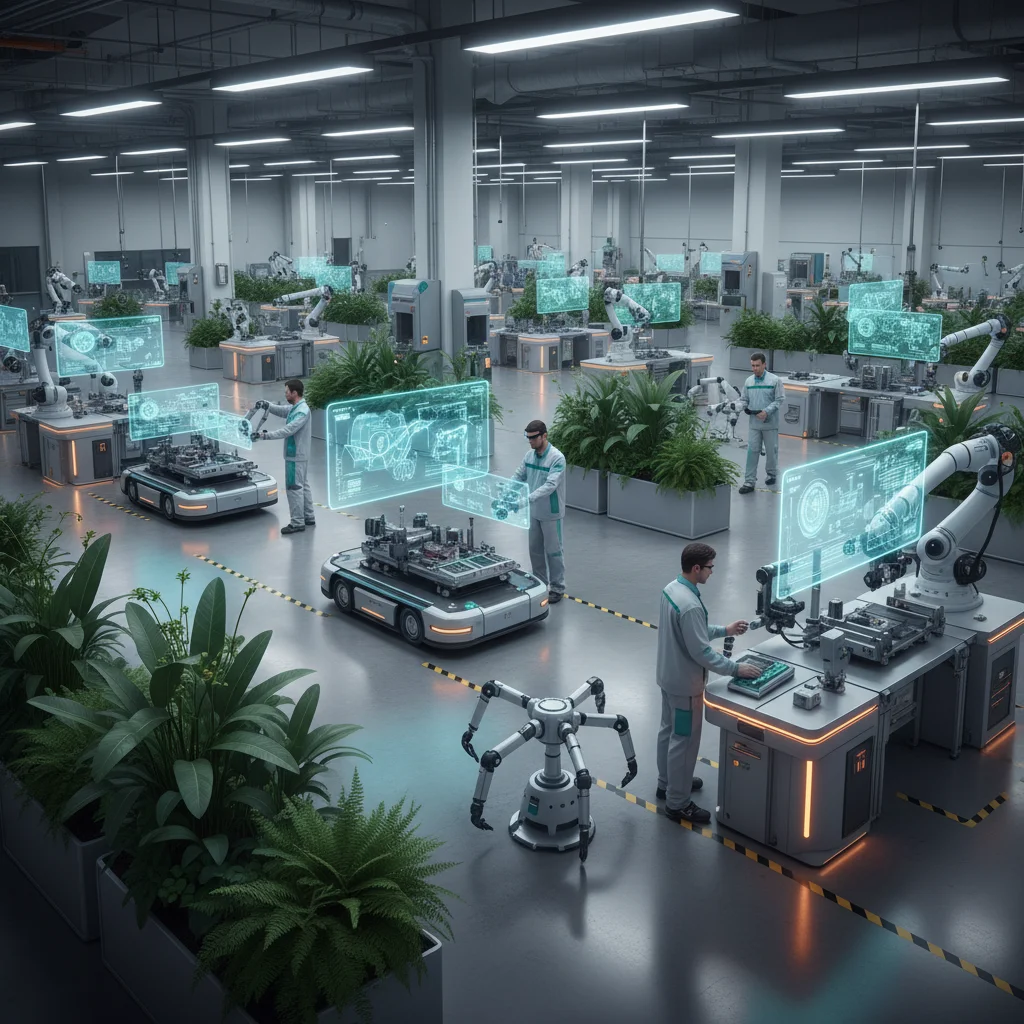
Malaysia’s technology sector is experiencing an unprecedented boom, transforming its economic landscape and creating a dynamic environment for businesses and professionals alike. Driven by robust government initiatives like the Malaysia Digital Economy Blueprint (MyDIGITAL) and increasing foreign direct investment, the nation is rapidly positioning itself as a regional digital hub. This rapid expansion, however, brings forth significant implications for Human Resources professionals, necessitating a strategic pivot in talent acquisition, development, and retention. Understanding the intricate dynamics of this burgeoning sector is crucial for any comprehensive HR report of technology field in malaysia, as it directly influences workforce planning and organizational success in the digital age.

1. Key Growth Areas and Emerging Technologies
The Malaysian tech ecosystem is diverse, with several key growth areas propelling its advancement. E-commerce continues its meteoric rise, fueled by a digitally savvy population and improved logistics infrastructure. Fintech is another vibrant domain, witnessing innovation in digital payments, peer-to-peer lending, and insurtech, driven by supportive regulatory frameworks. Cloud computing adoption is accelerating across industries, enhancing scalability and efficiency. Beyond these, emerging technologies are gaining traction. Artificial Intelligence (AI) and Machine Learning (ML) are being integrated into various applications, from predictive analytics to automated customer service. The Internet of Things (IoT) is making inroads in smart cities and industrial automation, while cybersecurity remains a critical focus amidst rising digital threats. Big data analytics is indispensable for businesses seeking actionable insights. This technological diversification creates a demand for specialized skills, highlighting the need for HR to align talent strategies with these evolving technical competencies. The government’s continuous efforts to promote digital adoption further solidifies these growth areas, making Malaysia an attractive hub for tech innovation and investment.
2. Current Tech Workforce Demographics in Malaysia
Malaysia boasts a relatively young and digitally literate population, forming a strong foundation for its tech workforce. However, a closer look at the demographics reveals both strengths and areas for development. The current tech talent pool, estimated to be over half a million professionals, is predominantly concentrated in urban centers like Kuala Lumpur and Penang. While there’s a good representation of local talent, there’s also a significant influx of expatriates, particularly in highly specialized roles, bridging immediate skill gaps. Educational institutions are increasingly churning out graduates in STEM fields, but often with foundational knowledge that requires further industry-specific training. Diversity initiatives are gaining momentum, with efforts to encourage more women into tech roles and leadership positions, recognizing the benefits of varied perspectives. The overall talent landscape shows a strong base in software development, IT infrastructure, and technical support, but a noticeable gap in cutting-edge areas like advanced AI/ML engineering, blockchain development, and specialized cybersecurity roles, which often demand global expertise.
3. Challenges in Attracting & Retaining Tech Talent
Despite the promising growth, Malaysia’s tech sector faces substantial challenges in attracting and retaining top-tier talent. A primary concern is the intense competition, not just locally but regionally and globally. High-growth tech companies from Singapore, Vietnam, and beyond often offer more competitive salaries and benefits, leading to a brain drain of skilled professionals. The perceived lack of opportunities for career advancement in certain niche areas also contributes to attrition. Furthermore, while the education system is evolving, there remains a persistent skills gap between academic output and industry demands, particularly in advanced digital competencies. Many graduates require extensive upskilling to meet the immediate needs of tech employers. HR professionals are tasked with navigating this complex environment, needing to develop innovative employer branding strategies, offer competitive remuneration packages, and invest heavily in continuous learning and development programs. Cultivating a compelling company culture that fosters innovation, provides clear career pathways, and prioritizes employee well-being is paramount to counter the allure of overseas opportunities and secure Malaysia’s position as a regional tech powerhouse. According to a report on Malaysia’s digital economy, its contribution to the GDP is steadily increasing, underscoring the urgent need to address these talent challenges to sustain this growth trajectory.
Key HR Trends Shaping the Malaysian Tech Industry
The Malaysian tech industry is a vibrant and rapidly expanding sector, characterized by dynamic innovation and fierce competition for skilled talent. As technology continues its relentless march forward, the human resource landscape within this industry is undergoing a significant transformation. HR departments are no longer merely administrative functions but strategic partners, crucial for attracting, developing, and retaining the specialized tech talent needed to drive growth. Understanding these evolving HR trends is paramount for companies aiming to thrive and secure their competitive edge in this challenging market. This section dives into the most impactful human resource trends specifically influencing technology companies and the overall talent market in Malaysia, drawing insights from recent developments and future projections for the HR report of technology field in malaysia.
1. Rise of Hybrid Work Models and Remote Talent Acquisition
The global pandemic undeniably accelerated the adoption of flexible work arrangements, and the Malaysian tech sector has embraced this shift wholeheartedly. Hybrid work models, combining in-office collaboration with remote flexibility, have become the new norm for many tech firms. This paradigm shift offers significant advantages, including enhanced employee satisfaction and the ability to tap into a broader talent pool, extending beyond geographical boundaries. Companies are now actively engaging in remote talent acquisition strategies, enabling them to hire top-tier professionals from across Malaysia and even internationally, without the constraints of physical office space. This expanded reach is vital for addressing the persistent tech talent shortage in Malaysia.
However, the transition isn’t without its challenges. Ensuring robust IT infrastructure, maintaining strong team cohesion, and fostering a vibrant company culture remotely requires strategic planning and investment. For remote work Malaysia tech companies, developing clear policies, providing adequate tools, and prioritizing consistent communication are key to success. This trend is also reshaping HR tech trends Malaysia, with increased reliance on digital tools for collaboration, performance management, and employee engagement, further solidifying the future of work Malaysia tech landscape.
2. Focus on Employee Well-being and Mental Health Support
The high-pressure, fast-paced nature of the tech industry can often lead to burnout and stress. Recognizing this, Malaysian tech companies are placing an unprecedented emphasis on employee well-being tech Malaysia and comprehensive mental health support. HR initiatives are increasingly incorporating programs designed to promote a healthier work-life balance, reduce stress, and destigmatize mental health issues in the workplace. This includes offering confidential counseling services, mental health days, wellness workshops, and flexible working hours that allow employees to prioritize personal health.
The shift towards prioritizing mental health support tech industry workers reflects a growing understanding that a healthy workforce is a productive one. Beyond ethical considerations, investing in employee well-being directly impacts talent retention Malaysia tech, reduces absenteeism, and boosts overall productivity. Companies are realizing that comprehensive support systems are not just a perk but a fundamental component of their employee value proposition, essential for creating a supportive and sustainable work environment in a competitive market.
3. Importance of Upskilling and Reskilling Initiatives
The rapid pace of technological innovation means that skills can quickly become obsolete. To stay competitive, the Malaysian tech workforce requires continuous learning and adaptation. Consequently, upskilling tech Malaysia and reskilling tech workforce initiatives have become critical HR priorities. Tech companies are heavily investing in training programs, workshops, and certifications to ensure their employees possess the latest in-demand skills, whether it’s in artificial intelligence, cybersecurity, cloud computing, or data analytics.
HR departments are playing a pivotal role in identifying skill gaps, curating relevant learning pathways, and leveraging government grants (such as those from HRD Corp) to fund these development programs. This commitment to continuous workforce development Malaysia not only enhances individual career growth but also drives the company’s overall digital transformation HR Malaysia efforts. By fostering a culture of lifelong learning, businesses can build a resilient and adaptable workforce capable of navigating future technological advancements and ensuring long-term success in the dynamic Malaysian tech landscape.
Compensation, Benefits, and Employee Retention Strategies
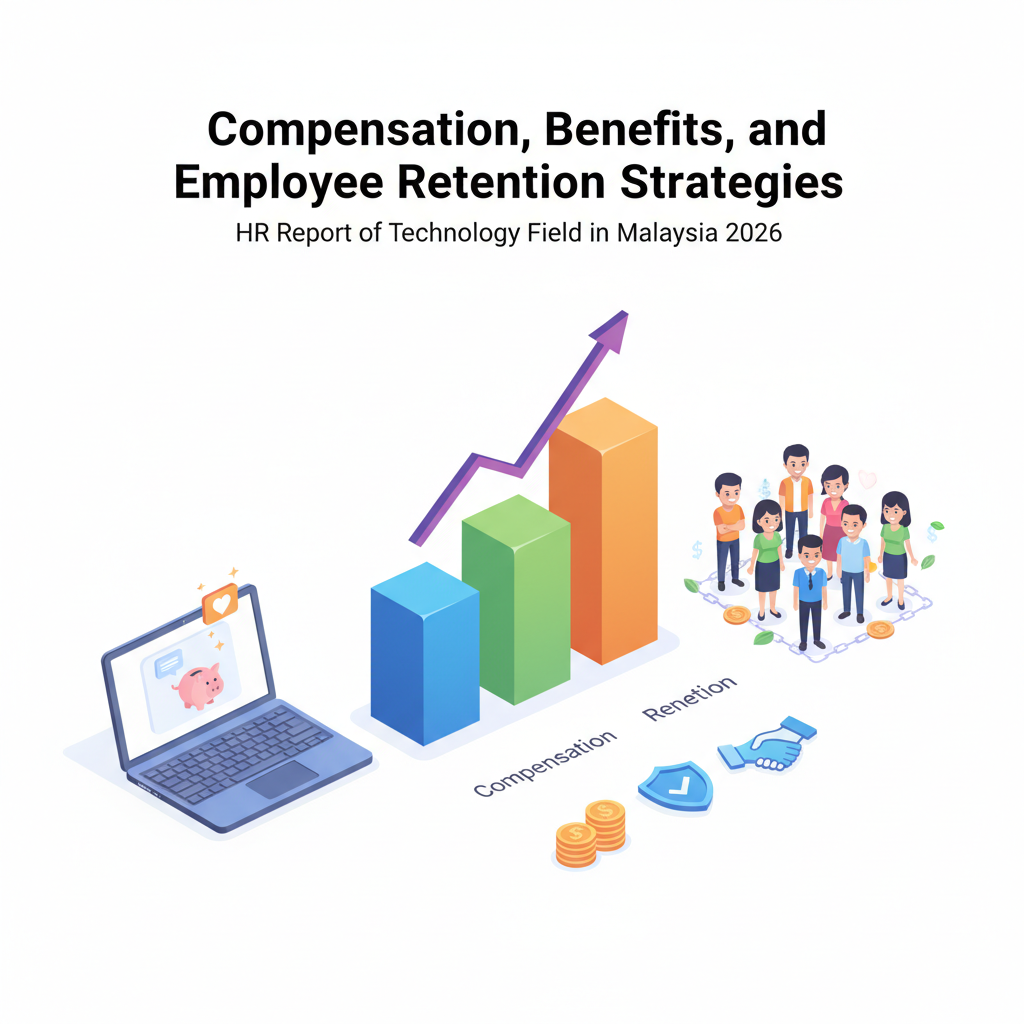
In Malaysia’s rapidly evolving technological landscape, securing and retaining top tech talent is a critical challenge for businesses aiming for sustained growth. This section, part of an extensive HR report of technology field in malaysia, delves into the essential components of competitive compensation, comprehensive benefits, and innovative strategies that companies are employing to keep their invaluable tech talent engaged and loyal. As the demand for skilled professionals intensifies, a holistic approach to employee value proposition becomes paramount, moving beyond mere salaries to encompass a wide array of incentives and a supportive work environment. The insights provided here are crucial for HR professionals and business leaders navigating the complexities of the Malaysian tech labor market.
1. Benchmarking Tech Salaries & Benefits in Malaysia
Understanding and offering competitive compensation packages is the cornerstone of attracting and retaining high-calibre tech talent. In Malaysia, where the tech sector is experiencing exponential growth, companies must continuously benchmark tech salaries against industry standards to remain attractive. This involves not only base salaries but also performance-based bonuses, stock options, and other monetary incentives. An accurate assessment of market rates for roles like software developers, data scientists, cybersecurity specialists, and AI engineers is vital. Reliable sources, such as the Michael Page Malaysia Salary Guide 2024, provide invaluable data for HR professionals seeking to create competitive salaries Malaysia. Beyond direct pay, comprehensive employee benefits tech packages play a significant role. These typically include robust health insurance plans, retirement savings schemes, generous leave policies, and even wellness programs. Tailoring benefits to meet the diverse needs of a tech-savvy workforce, which often values flexibility and health consciousness, can significantly enhance a company’s talent attraction capabilities and overall value proposition.
2. Non-Monetary Incentives & Employee Engagement
While competitive remuneration is crucial, non-monetary incentives are increasingly pivotal for employee engagement and long-term tech talent retention. These strategies focus on creating an enriching work environment and fostering a sense of belonging and purpose. Key non-monetary incentives include opportunities for continuous skill development and professional growth, clear career progression paths, and mentorship programs. Tech professionals often prioritize learning new technologies and expanding their expertise, making robust training budgets and access to industry certifications highly valued. Furthermore, fostering a positive company culture that emphasizes work-life balance, flexibility (including remote work benefits), and employee well-being can dramatically reduce turnover. Recognition programs, transparent communication, and involving employees in decision-making processes also contribute significantly to engagement and loyalty. Companies that invest in these areas often see higher morale and productivity, creating a virtuous cycle of positive employee experience.
3. Addressing Tech Talent Turnover Rates
High tech talent turnover rates pose significant challenges to productivity, innovation, and organizational knowledge retention in Malaysia. Effectively addressing this issue requires a multifaceted approach driven by proactive HR analytics and strategic interventions. Companies must first understand the root causes of turnover, which can range from insufficient compensation and limited growth opportunities to poor management and lack of work-life balance. Implementing exit interviews and conducting regular employee satisfaction surveys can provide actionable insights. Based on these insights, HR departments can develop targeted retention programs. This might involve enhancing performance management systems to ensure fair evaluations and regular feedback, creating bespoke career progression plans for high-potential individuals, and fostering an inclusive work environment. Furthermore, investing in leadership development programs for managers helps create supportive and engaging teams. Ultimately, a comprehensive strategy that continually adapts to the evolving needs of the tech workforce and leverages data to predict and prevent attrition is essential for sustained success in the competitive Malaysian tech landscape. This strategic approach reinforces the importance of a detailed HR report of technology field in malaysia in guiding future talent management decisions.
The imperative for Malaysian companies to attract and retain tech talent is clearer than ever. By offering competitive compensation and employee benefits tech, coupled with meaningful non-monetary incentives, organizations can cultivate a loyal and highly engaged workforce. Proactive strategies to address tech talent turnover rates, supported by robust HR analytics and a focus on employee well-being, are not just good HR practices—they are critical business imperatives for thriving in the digital age. This comprehensive approach ensures that companies can continue to innovate and grow, securing their position in the global technology arena.
Addressing the Skills Gap and Future Workforce Needs
The rapid digital transformation sweeping across industries globally presents both immense opportunities and significant challenges for nations striving for economic growth and technological advancement. In Malaysia, the vibrant tech sector stands at the forefront of this evolution, yet it grapples with a persistent and evolving skills gap. Addressing this gap is paramount for sustaining innovation, attracting investment, and ensuring the nation’s competitiveness in the global digital economy. This section delves into the current landscape of skill shortages within the Malaysian tech sector, projects the future workforce needs, and outlines strategic approaches to effectively bridge these critical disparities, drawing insights from comprehensive HR report of technology field in malaysia and industry analysis.
1. Critical Skills Shortages in AI, Data Science, and Cybersecurity
Malaysia’s ambition to become a regional digital hub is heavily reliant on a skilled workforce capable of navigating complex technological landscapes. Currently, critical tech talent gaps are most pronounced in high-demand specializations such as Artificial Intelligence skills, Data Science expertise, and Cybersecurity professionals. An MDEC report highlights that while there’s a growing pool of IT graduates, many lack the specialized digital skills required by cutting-edge industries. Companies are struggling to find candidates proficient in machine learning, deep learning frameworks, advanced analytics, and robust cyber defense strategies. This shortage isn’t merely a minor inconvenience; it significantly impedes the development and deployment of innovative solutions, slowing down the pace of digitalization across various sectors, from finance to manufacturing. Without an adequate supply of these specialized talents, the Malaysian tech sector risks losing its competitive edge and failing to fully capitalize on the potential offered by Industry 4.0 technologies. The demand for these skills continues to outpace supply, creating a bottleneck in the nation’s technological progress and underscoring the urgency for targeted talent development initiatives.
2. Collaboration Between Academia and Industry
Bridging the present and future tech talent gap necessitates a stronger, more symbiotic industry-academia collaboration. Traditional academic curricula often struggle to keep pace with the rapidly evolving demands of the technology industry. To address this, universities and colleges must work hand-in-hand with tech companies to co-develop relevant programs, ensuring that graduates emerge with job-ready digital skills. This partnership can manifest through several key initiatives: industry experts contributing to curriculum design and guest lectures, establishing practical internship programs that provide real-world experience, and collaborative research projects that address current industry challenges. Such synergy not only enriches the learning experience but also provides companies with a direct pipeline to emerging talent. Insights from an HR report of technology field in malaysia emphasize that organizations that actively engage with academic institutions often find it easier to source and train candidates, reducing their time-to-hire and increasing the relevance of fresh graduates. This collaborative model is crucial for creating a dynamic ecosystem where education aligns seamlessly with industrial needs, fostering continuous learning and innovation.
3. Developing a Robust Pipeline for Future Tech Talent
Beyond immediate skills alleviation, Malaysia requires a long-term, comprehensive strategy to build a robust pipeline for future tech talent. This involves nurturing interest in technology from an early age, strengthening STEM education at primary and secondary levels, and promoting digital literacy across all demographics. Furthermore, significant investment in upskilling and reskilling programs for the existing workforce is essential. As technologies advance, roles transform, and employees need opportunities to acquire new digital skills or adapt existing ones. Government initiatives play a crucial role here, providing incentives for companies to invest in employee training and offering subsidized courses in critical areas like Artificial Intelligence skills and Cybersecurity professionals. Digital bootcamps, online learning platforms, and professional certification programs can significantly contribute to this continuous learning culture. By focusing on both foundational education and ongoing professional development, Malaysia can cultivate a sustainable talent pool capable of meeting the dynamic future workforce needs of its evolving tech landscape. This holistic approach, supported by strategic planning and ongoing evaluation, will ensure that the Malaysian tech sector remains resilient, innovative, and globally competitive for years to come.
The Role of HR Technology and Digital Transformation
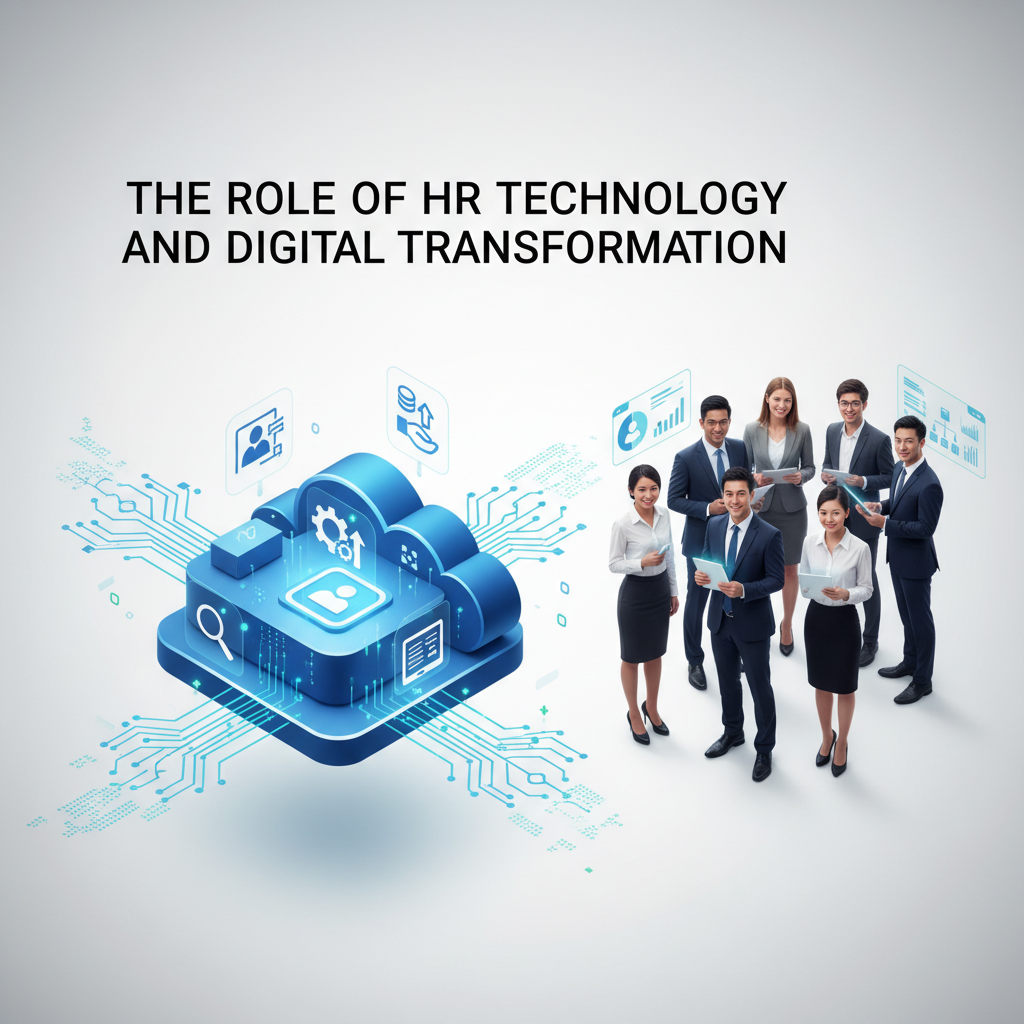
In the rapidly evolving Malaysian tech field, HR departments are at the forefront of a significant transformation, strategically leveraging advanced technology to streamline operations, enhance employee experience, and drive insightful decision-making. The demand for an up-to-date HR report of technology field in Malaysia highlights the sector’s keen interest in understanding and adopting innovative digital solutions. This shift is not merely about adopting new tools but about fundamentally redefining HR’s role from administrative support to a strategic business partner, crucial for talent management and organizational growth within a competitive landscape.
1. Adoption of HRIS, AI, and Automation in HR Functions
The foundation of digital HR transformation in Malaysia’s tech sector often begins with the robust implementation of Human Resources Information Systems (HRIS). These systems centralize employee data, manage payroll, benefits, and statutory compliance, significantly improving operational efficiency. Beyond foundational HRIS, Malaysian tech companies are increasingly integrating Artificial Intelligence (AI) and automation to revolutionize core HR functions. AI-powered tools are being utilized in recruitment for intelligent resume screening, candidate matching, and even conversational AI chatbots that provide instant support to applicants and employees, enhancing the overall candidate journey. In performance management, AI analyzes employee feedback and performance data to provide personalized insights and recommendations for development paths. Automation, meanwhile, handles repetitive and time-consuming administrative tasks such as onboarding paperwork, leave requests, expense claims, and routine query resolution. This frees up HR professionals from transactional duties, allowing them to focus on more strategic initiatives like talent development, employee engagement, and workforce planning, directly contributing to business objectives and fostering a more agile and responsive HR function.
2. Data-Driven HR Analytics for Strategic Insights
The true power of HR technology emerges when data is transformed into actionable insights. Malaysian tech companies are moving beyond basic HR metrics to embrace sophisticated HR analytics, using data to inform strategic decision-making. By collecting and analyzing vast amounts of employee data – from recruitment sources and performance reviews to training participation and employee sentiment – HR departments can gain a deeper understanding of workforce dynamics. This enables them to predict attrition risks, identify skill gaps, optimize talent acquisition strategies, and measure the effectiveness of various HR programs. For instance, predictive analytics can help forecast future talent needs or identify factors leading to employee turnover, allowing proactive interventions. Through comprehensive dashboards and reporting tools, HR leaders can present data-backed arguments to the C-suite, demonstrating HR’s tangible contribution to organizational success. This data-driven approach elevates HR from a cost center to a value creator, aligning human capital strategies directly with business goals and enhancing organizational agility. Understanding the strategic implications of HR technology is crucial for modern businesses, as detailed in resources like PwC’s HR Technology Strategy, which emphasizes the strategic role of HR tech in driving business outcomes.
3. Enhancing Employee Experience Through Digital Platforms
In the competitive Malaysian tech talent market, an exceptional employee experience is paramount. HR technology plays a pivotal role in creating a seamless, engaging, and personalized employee journey from hire to retire. Digital platforms such as self-service portals, mobile HR applications, and integrated communication tools empower employees by providing easy access to personal information, pay slips, benefits details, and leave management. Learning and development platforms offer personalized training modules, allowing employees to upskill or reskill at their own pace, fostering continuous growth. Furthermore, digital feedback tools and engagement surveys provide real-time insights into employee sentiment, enabling HR to address concerns promptly and cultivate a positive workplace culture. By simplifying administrative processes and providing intuitive digital tools, HR technology significantly reduces friction points, improves employee satisfaction, and boosts productivity. This focus on digital employee experience not only helps in attracting top talent but also plays a crucial role in retaining valuable employees, ensuring that tech companies in Malaysia remain competitive and innovative by nurturing a highly engaged and skilled workforce.
Partner with Shelby Global
You are looking for reliable HR Sevice Suppliers? Contact Shelby Global Now! To connect with verified talents and upgrade your orginization.
—————————————
References
– report on Malaysia’s digital economy: https://www.statista.com/statistics/1231853/malaysia-digital-economy-contribution-to-gdp/
– Randstad Malaysia HR Trends: https://www.randstad.com.my/hr-trends/
– Michael Page Malaysia Salary Guide 2024: https://www.michaelpage.com.my/salary-guide
– MDEC Accelerates Digital Talent Development: https://mdec.my/news/mdec-accelerates-digital-talent-development-to-meet-demand/
– :