
The Evolving Landscape of Logistics HR in Vietnam
Vietnam’s logistics sector is currently experiencing unprecedented growth, fueled by its booming e-commerce market, increasing foreign direct investment, and strategic geographical location. However, this rapid expansion also brings forth significant HR challenges. The industry grapples with an acute need for a skilled and adaptable workforce, efficient talent management, and modernized HR processes. Without targeted technological adoption, logistics companies risk stifling their potential and falling behind competitors. This section will delve into the specific pain points currently afflicting HR in Vietnamese logistics and underscore the imperative for digital transformation, particularly through the implementation of advanced HR tools – applications for logistics field in vietnam.

1. Current HR Pain Points in Vietnam Logistics
The logistics sector in Vietnam is plagued by several critical HR issues that impede efficiency and growth. A persistent challenge is the shortage of skilled labor, particularly in specialized areas such as supply chain management, data analytics, and warehouse automation. While there’s an abundance of manual labor, finding qualified personnel capable of operating modern logistics technologies remains difficult. This skills gap is exacerbated by high employee turnover rates, as intense competition for talent leads to constant churn, increasing recruitment and training costs for businesses. Many companies still rely on outdated, manual HR processes for tasks like payroll, attendance tracking, and performance reviews. These methods are not only time-consuming and prone to errors but also make it difficult to gain actionable insights into workforce performance and needs. Furthermore, the lack of structured training and development programs means employees often do not receive the necessary upskilling to meet evolving industry demands. Effective HR tools – applications for logistics field in vietnam are crucial to address these systemic inefficiencies and foster a more stable and skilled workforce.
2. Impact of E-commerce Boom on Workforce Demands
The explosion of e-commerce in Vietnam has profoundly reshaped the logistics landscape, placing immense pressure on HR departments. With consumers expecting faster and more reliable deliveries, there’s a heightened demand for last-mile delivery personnel, warehouse staff, and customer service representatives. This surge necessitates a significantly larger, more agile, and tech-savvy workforce. E-commerce logistics requires specialized skills in areas like inventory management, order fulfillment, and reverse logistics – competencies that are often in short supply. The fluctuating nature of e-commerce demand, marked by peak seasons and promotional events, also creates challenges for workforce planning and management. HR teams must be equipped to rapidly scale up or down their workforce, manage temporary staff, and ensure compliance with labor laws, all while maintaining service quality. Traditional HR systems struggle to cope with such dynamic requirements, making the adoption of robust HR tools – applications for logistics field in vietnam an urgent priority to handle the complexity introduced by the e-commerce boom.
3. The Digital Transformation Imperative for Logistics Companies
For Vietnamese logistics companies to thrive amidst these challenges and capitalize on the sector’s immense potential, digital transformation of HR is not merely an option but an imperative. Embracing modern HR tools – applications for logistics field in vietnam offers a strategic pathway to overcome current pain points and build a resilient, future-ready workforce. Implementing cloud-based HR platforms can automate routine tasks, from recruitment and onboarding to payroll and performance management, freeing up HR professionals to focus on strategic initiatives. Advanced HR analytics tools provide valuable data insights into workforce trends, helping companies make informed decisions regarding talent acquisition, retention, and development. Learning Management Systems (LMS) can facilitate continuous upskilling and reskilling programs, addressing the skills gap and improving employee engagement. Furthermore, mobile-first HR applications can enhance employee experience by providing easy access to HR services, improving communication, and fostering a sense of belonging. Companies like Giao Hang Nhanh (GHN) and Ninja Van have already started leveraging technology to optimize their operations, demonstrating the tangible benefits of digital adoption. By investing in comprehensive HR technology, Vietnamese logistics firms can not only streamline operations and reduce costs but also attract and retain top talent, ultimately gaining a competitive edge in Vietnam’s burgeoning logistics sector.
Core HR Tools Revolutionizing Workforce Management
In the fast-paced and demanding world of logistics, managing a diverse workforce—from drivers and warehouse staff to administrative personnel—presents unique challenges. Ensuring operational efficiency, compliance, and employee satisfaction requires more than traditional spreadsheets and manual processes. This is where modern HR tools – applications for logistics field in Vietnam become indispensable, transforming how logistics companies manage their most valuable asset: their people. By embracing specialized HR software, Vietnamese logistics firms can streamline daily operations, improve efficiency, ensure data integrity, and ultimately, drive sustainable growth. These technological advancements are not just about automation; they are about strategic workforce management that empowers both employers and employees.
-
Integrated HRIS/HRMS for Centralized Data Management
At the heart of modern HR operations for logistics lies the Human Resources Information System (HRIS) or Human Resources Management System (HRMS). An integrated HRIS acts as a centralized database, consolidating all employee-related data into a single, accessible platform. For logistics companies in Vietnam, this means managing everything from recruitment and onboarding to performance management, training, and offboarding for a geographically dispersed workforce. Imagine a system where HR can quickly access employee profiles, contracts, certifications (especially critical for drivers and equipment operators), and performance reviews, all from one dashboard. This integration eliminates data silos, reduces manual errors, and provides a holistic view of the workforce. For instance, an HRIS can track driver license renewals, ensuring compliance with local regulations, or monitor warehouse staff’s safety training certifications. Beyond mere record-keeping, these powerful HR tools facilitate strategic decision-making by providing robust reporting and analytics capabilities. They enable HR departments to identify talent gaps, track key performance indicators (KPIs) relevant to logistics operations, and forecast future workforce needs, aligning HR strategies with operational goals. To learn more about the profound benefits of an integrated HRIS, delving into comprehensive HR technology resources can be highly insightful. This holistic approach significantly enhances efficiency and accuracy in managing complex human capital requirements.
-
Efficient Payroll and Benefits Administration Solutions
Processing payroll accurately and on time is paramount for employee morale and regulatory compliance, especially in Vietnam where labor laws can be intricate. For logistics companies with varying work schedules, overtime, and field allowances, payroll can become exceedingly complex. Dedicated payroll and benefits administration solutions automate these intricate processes, minimizing errors and saving valuable HR time. These HR tools can automatically calculate wages, deductions, taxes (including social insurance and health insurance contributions specific to Vietnam), and process reimbursements for fuel or travel expenses common in logistics. Furthermore, they streamline benefits enrollment and management, allowing employees to access information about their health insurance, pension plans, or other company perks. Automation in payroll also ensures adherence to Vietnamese labor laws regarding minimum wage, overtime pay, and holiday allowances, reducing the risk of penalties. By integrating with time and attendance systems, payroll solutions ensure that employees are paid accurately for the hours they work, a critical factor for field staff whose schedules can be unpredictable. This efficiency not only boosts employee satisfaction but also frees up HR personnel to focus on more strategic initiatives rather than getting bogged down in administrative tasks.
-
Advanced Time & Attendance Tracking for Field Staff
Managing time and attendance for a mobile logistics workforce, including drivers, delivery personnel, and field technicians, presents unique challenges. Traditional punch clocks are impractical, and manual timesheets are prone to errors and potential fraud. Advanced time and attendance tracking systems are essential HR tools for logistics operations. These solutions leverage technologies like GPS tracking, geofencing, and mobile clock-in/out capabilities, allowing employees to record their work hours accurately from any location using their smartphones. This provides real-time visibility into staff whereabouts and working hours, which is invaluable for operational planning and resource allocation. For example, geofencing can automatically clock an employee in when they arrive at a designated warehouse or client site and clock them out upon departure. The systems also offer robust scheduling features, enabling HR and operations managers to create and manage shifts efficiently, allocate resources based on demand, and track breaks and overtime. This not only ensures accurate payroll processing but also aids in compliance with working hour regulations, preventing fatigue-related incidents and enhancing safety, particularly for drivers. The data collected from these systems can also be used for productivity analysis, helping identify bottlenecks and optimize delivery routes or warehouse processes, further underscoring their strategic importance.
Enhancing Talent Acquisition and Development in Logistics
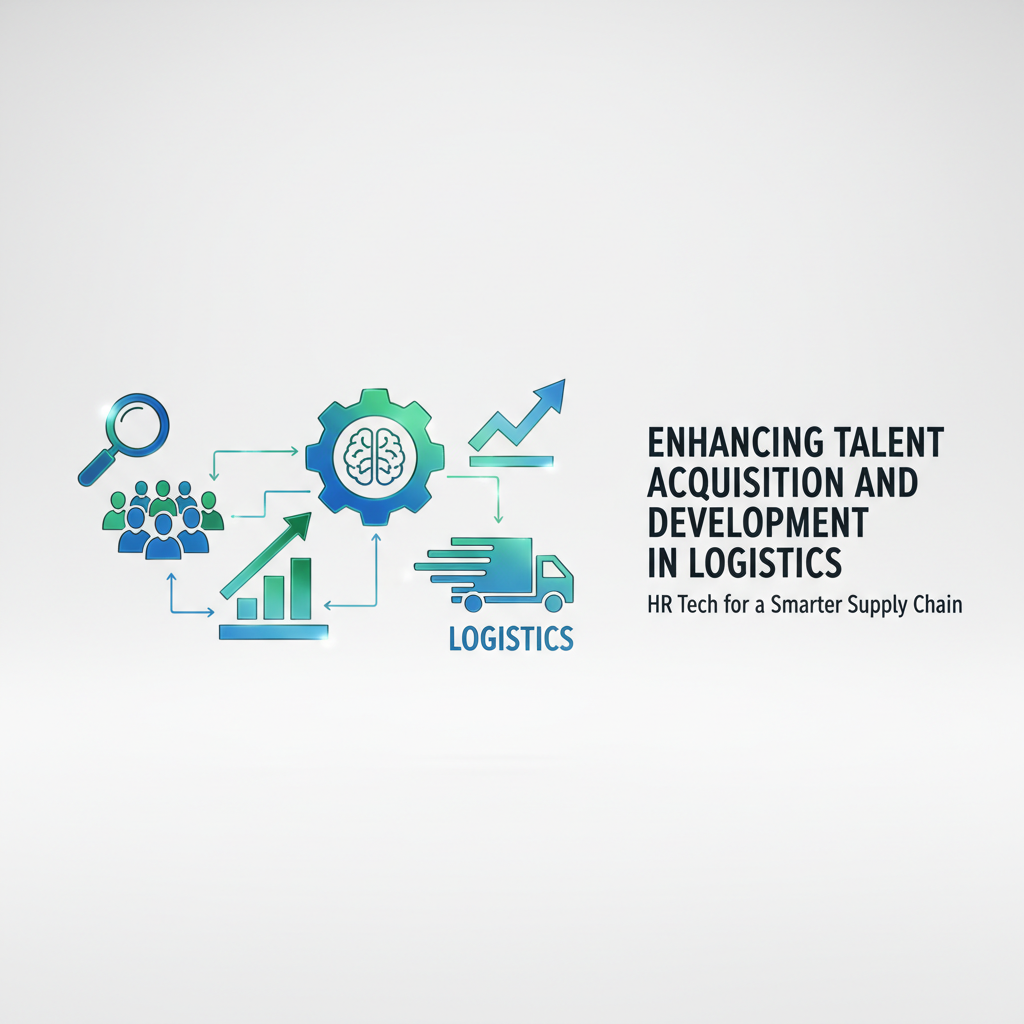
The logistics sector in Vietnam is experiencing unprecedented growth, driven by e-commerce expansion, global trade integration, and infrastructural development. However, this rapid growth also brings significant challenges, particularly in attracting, developing, and retaining a skilled workforce. The traditional HR approaches often fall short in addressing the specialized and dynamic needs of logistics operations, leading to critical skill gaps in areas such as supply chain digitalization, data analytics, and sustainable logistics practices. To overcome these hurdles and ensure sustainable growth, specialized HR tools – applications for logistics field in vietnam are becoming indispensable. These modern applications are designed to streamline the entire employee lifecycle, from targeted recruitment to continuous professional development, empowering logistics companies to build a robust, agile, and future-ready workforce.
1. Applicant Tracking Systems (ATS) for Targeted Recruitment
Recruiting top talent in logistics requires more than just posting job ads; it demands a strategic, data-driven approach. Applicant Tracking Systems (ATS) are powerful HR tools that revolutionize the recruitment process for logistics companies. An ATS helps in managing job postings across various platforms, screening resumes for specific logistics competencies (e.g., freight forwarding experience, warehouse management system proficiency, customs clearance knowledge), and automating communication with candidates. For the Vietnamese logistics market, an ATS can be particularly beneficial in filtering through a large volume of applications to identify individuals with specific certifications or experience relevant to local regulations and regional supply chains. By utilizing advanced keyword matching and AI-powered screening, an ATS ensures that recruiters efficiently identify candidates who not only possess the necessary technical skills but also align with the company’s operational demands and cultural fit. This precision in recruitment significantly reduces time-to-hire and improves the quality of new hires, directly impacting operational efficiency and service delivery.
2. Learning & Development Platforms for Upskilling Logistics Personnel
The logistics industry is in a constant state of evolution, driven by technological advancements and shifting global trade dynamics. What was state-of-the-art yesterday might be obsolete tomorrow. Therefore, continuous learning and development are paramount for logistics personnel to remain competitive and effective. Learning & Development (L&D) platforms offer tailored solutions for upskilling the logistics workforce, directly addressing current and future skill gaps. These platforms can host customized modules covering topics from advanced inventory management techniques and cold chain logistics to blockchain applications in supply chains and sustainable transportation practices. E-learning courses, virtual workshops, and certification programs can be delivered flexibly, allowing employees to learn at their own pace without disrupting critical operations. For logistics companies in Vietnam, investing in such platforms is crucial for nurturing local talent, preparing them for digital transformation, and ensuring compliance with international standards. By fostering a culture of continuous learning, companies can empower their employees to adapt to new technologies, improve operational efficiencies, and contribute more effectively to the company’s strategic objectives. This proactive approach to skill development is vital for maintaining a competitive edge in a rapidly changing industry, as highlighted by various reports on global supply chain talent challenges.
3. Performance Management and Continuous Feedback Tools
Effective talent development extends beyond initial training; it requires ongoing performance management and constructive feedback. Modern performance management tools move away from sporadic annual reviews towards a model of continuous feedback, goal setting, and real-time performance tracking. In the demanding environment of logistics, where timely decisions and operational precision are critical, these tools provide managers with the means to set clear, measurable KPIs (Key Performance Indicators) for various roles, from warehouse operators to logistics coordinators and supply chain analysts. Employees receive regular feedback on their performance against these goals, allowing for immediate course correction and professional growth. This continuous dialogue fosters a culture of transparency and accountability. Furthermore, these platforms can integrate skill matrices, helping to identify individual and team-wide skill gaps that can then be addressed through targeted L&D initiatives. By facilitating regular check-ins, peer feedback, and 360-degree reviews, these HR tools help logistics companies not only to evaluate performance but also to proactively identify high-potential employees, develop personalized career paths, and enhance employee engagement and retention. Ultimately, this leads to a more motivated, productive, and skilled workforce capable of driving operational excellence.
Specialized HR Applications for Logistics Operations
The dynamic and often demanding environment of logistics operations, particularly in a rapidly developing economy like Vietnam, presents unique human resource challenges. Managing a mobile workforce, coordinating remote teams across vast geographical areas, and ensuring stringent compliance with local and international regulations require more than just traditional HR software. Specialized HR tools – applications for logistics field in vietnam are crucial for optimizing efficiency, enhancing safety, and fostering a cohesive work environment.
These tailored solutions address the intricacies of the supply chain, from managing diverse employee roles – drivers, warehouse personnel, customs agents, and administrative staff – to navigating fluctuating demand and tight delivery schedules. Embracing these advanced HR applications allows logistics companies in Vietnam to streamline operations, reduce operational costs, and build a more resilient and productive workforce.
1. Workforce Scheduling and Optimization Software
For logistics companies, efficient workforce scheduling is paramount. Operations run around the clock, involving multiple shifts, varied job roles, and complex routes, especially with Vietnam’s expanding infrastructure and cross-border trade. Specialized workforce scheduling and optimization software goes beyond basic shift planning, offering advanced capabilities essential for this sector.
These systems leverage artificial intelligence and machine learning to forecast demand, optimize driver routes, assign personnel based on skills and availability, and ensure adherence to stringent labor laws regarding working hours and rest periods. Features often include real-time tracking of personnel and assets, automated shift assignment, leave management, and conflict resolution for scheduling clashes. By centralizing these functions, businesses can minimize idle time, reduce overtime costs, prevent burnout, and significantly improve service delivery times. This is particularly vital in Vietnam, where managing urban traffic congestion and diverse rural delivery conditions requires precise planning to maintain efficiency and meet customer expectations.
2. Employee Communication Platforms for Distributed Teams
Logistics operations inherently involve distributed teams: drivers on the road, warehouse staff in various locations, and administrative personnel potentially working remotely. Maintaining consistent and effective communication across these segments is a significant challenge. Specialized employee communication platforms are designed to bridge these gaps, ensuring that vital information reaches the right people at the right time, irrespective of their location.
These platforms often integrate features such as instant messaging, secure document sharing, digital announcement boards, and feedback channels. They enable managers to quickly disseminate operational updates, safety alerts, or policy changes to an entire fleet or specific teams. For a country like Vietnam, where geographical distances can be considerable and internet access might vary, mobile-friendly applications with offline capabilities or low-bandwidth options are particularly beneficial. Fostering a connected workforce enhances collaboration, improves morale, and ensures everyone is aligned with operational goals, ultimately leading to smoother logistics processes and quicker problem resolution.
3. Compliance and Safety Training Modules for Transportation
Safety and regulatory compliance are non-negotiable in the logistics and transportation sector. The industry faces high risks related to accidents, cargo damage, and adherence to intricate local and international regulations. Specialized compliance and safety training modules are indispensable for mitigating these risks, especially given the diverse road conditions and varying regulatory landscapes in Vietnam.
These modules provide accessible, standardized training on critical topics such as road safety protocols, hazardous materials handling, vehicle maintenance checks, and adherence to specific transport laws (e.g., driver hours, cargo weight limits). They often feature interactive content, progress tracking, and automated certification management, ensuring that all employees, from new hires to experienced veterans, complete mandatory training and refreshers. By implementing robust training programs, companies can significantly reduce the incidence of accidents, minimize legal liabilities, and foster a strong safety culture. This proactive approach not only protects employees and assets but also reinforces the company’s reputation for reliability and responsibility. For more detailed insights into global road safety practices and regulations, organizations often refer to guidelines from international bodies such as the World Health Organization, which provides comprehensive data and recommendations to improve road safety worldwide.
Future Trends and Implementation Strategies for 2026
The Vietnamese logistics sector is embarking on a significant transformation, fueled by robust economic growth, increasing trade volumes, and a dynamic digital landscape. As companies prioritize greater efficiency, transparency, and agility, the strategic role of human resources is becoming increasingly vital. Beyond traditional administrative functions, modern HR tools – applications for logistics field in vietnam are emerging as key enablers, helping businesses not only manage their workforce effectively but also optimize operations, enhance employee engagement, and foster innovation. For 2026 and beyond, the successful integration of these technologies will be a critical differentiator, empowering market leaders to attract, retain, and develop the talent essential for a rapidly evolving industry.

1. AI and Predictive Analytics in Logistics HR
Artificial Intelligence (AI) and predictive analytics are set to revolutionize HR functions within Vietnamese logistics companies, shifting from reactive responses to proactive strategic planning. In recruitment, AI-powered platforms can automate candidate sourcing and screening, efficiently matching profiles with specific job requirements for drivers, warehouse managers, and supply chain specialists, thereby reducing time-to-hire and improving quality. Predictive analytics can accurately forecast workforce needs based on operational demand, seasonal fluctuations, and projected growth, enabling companies to strategically plan staffing levels and identify potential talent gaps well in advance.
Furthermore, AI can analyze performance data to pinpoint high-potential employees, identify precise training needs, and predict attrition risks among critical staff like long-haul drivers or specialized technicians. This facilitates targeted retention strategies and personalized development plans. For instance, by analyzing historical performance, route efficiency, and incident reports, AI can help optimize driver assignments and even suggest preventative maintenance, indirectly impacting HR by reducing stress and improving safety. Embracing these advanced HR tools will enable Vietnamese logistics firms to build a more resilient, skilled, and engaged workforce, vital for navigating modern supply chain complexities. The adoption of AI in HR offers profound insights and efficiencies, as explored in various industry reports such as those detailing Artificial Intelligence in HR: The challenges and opportunities for organizations.
2. Mobile-First HR Solutions for Drivers and Warehouse Staff
Given the often-dispersed and highly mobile nature of logistics workforces, mobile-first HR solutions are not just beneficial but essential for Vietnamese companies. Drivers spend significant time on the road, and warehouse staff operate across vast facilities, making traditional desktop-based HR systems impractical. Mobile HR applications provide immediate access to essential services and information directly from their smartphones or tablets.
These applications can facilitate real-time attendance tracking (via geo-fencing), dynamic shift scheduling and swapping, and instant communication channels for urgent operational updates or safety alerts. Employees can effortlessly access payslips, request leave, view training modules, and provide feedback, fostering empowerment and transparency. Training and compliance modules, delivered in concise, mobile-friendly formats, ensure continuous learning and adherence to safety protocols—crucial in high-risk logistics environments. By reducing administrative friction and enhancing accessibility, mobile HR solutions significantly boost employee engagement, improve operational responsiveness, and streamline HR processes for critical frontline workers, strengthening the overall effectiveness of HR tools – applications for logistics field in vietnam.
3. Overcoming Implementation Challenges in the Vietnamese Context
While the benefits of advanced HR technologies are undeniable, their successful implementation in the Vietnamese logistics landscape presents unique challenges. A primary hurdle is digital literacy among certain segments of the workforce, particularly older employees or those in remote areas, necessitating robust training programs and intuitive interfaces. Data security and privacy are paramount, requiring strict compliance with local regulations and building trust through transparent data handling. Integration with existing legacy systems, common in many established Vietnamese logistics firms, can also be complex and costly, demanding careful planning and potentially phased rollouts.
Furthermore, cost-effectiveness must be carefully evaluated, especially for Small and Medium-sized Enterprises (SMEs) which form a significant portion of Vietnam’s logistics ecosystem. Vendors should offer scalable and flexible pricing models. Cultural adaptation is another critical factor; HR tools must be designed or customized to align with Vietnamese work culture, communication styles, and legal frameworks to ensure smooth adoption. Strategies for overcoming these challenges include investing in comprehensive user training and support, partnering with local tech providers or experienced global vendors understanding the Vietnamese market, conducting thorough pilot programs, and clearly communicating long-term benefits to all stakeholders. By proactively addressing these issues, Vietnamese logistics companies can maximize the return on investment from their sophisticated HR tools – applications for logistics field in vietnam, paving the way for sustainable growth and operational excellence.
Partner with Shelby Global
You are looking for reliable HR Sevice Suppliers? Contact Shelby Global Now! To connect with verified talents and upgrade your orginization.
—————————————
References
– Vietnam’s Logistics Sector: Opportunities for Investors: https://www.vietnam-briefing.com/news/vietnams-logistics-sector-opportunities-for-investors.html/
– What is an HRIS? Human Resources Information System: https://www.bamboohr.com/hr-glossary/hris
– global supply chain talent challenges: https://www.weforum.org/agenda/2023/05/global-logistics-supply-chain-talent-labour-skills-gap-future/
– World Health Organization: https://www.who.int/news-room/fact-sheets/detail/road-traffic-injuries
– Artificial Intelligence in HR: The challenges and opportunities for organizations: https://www.pwc.com/gx/en/issues/future-of-work/ai-in-hr.html