
The Dawn of AI Agents in Vietnamese Film Production
The vibrant landscape of Vietnamese cinema is undergoing a revolutionary transformation as artificial intelligence (AI) agents integrate into the initial phases of filmmaking. This groundbreaking shift profoundly enhances creativity and efficiency throughout the pre-production process, signaling a new era for the industry. From story development to visual planning and logistical details, AI is reshaping How AI agent effect to Films field in vietnam, offering unprecedented tools for filmmakers. The strategic adoption of these advanced digital tools promises to elevate the quality of local productions, making them more competitive globally. This integration augments human ingenuity with computational power, opening doors to new possibilities in storytelling and visual design. AI agents are becoming indispensable partners for directors, screenwriters, producers, and artists. Their capacity to analyze vast datasets, generate novel concepts, and optimize complex decisions accelerates development cycles, freeing human talent for nuanced artistic expression. This synergy between human creativity and AI sets a new benchmark for production efficiency and artistic innovation within Vietnamese film, fostering an environment where bolder narratives and ambitious visuals can be brought to life with greater precision and speed.
1. Scriptwriting and Story Development with AI
One of the most exciting frontiers for AI agents in Vietnamese film is in scriptwriting and story development. AI-powered platforms can assist screenwriters from generating initial plot outlines and character concepts to refining dialogue and exploring alternative narrative arcs. These intelligent systems analyze successful scripts, identify compelling storytelling structures, and predict audience engagement. For Vietnamese filmmakers, this offers a powerful ally in overcoming creative blocks and accelerating the arduous process of crafting a compelling screenplay. AI can offer suggestions for pacing, character motivations, and genre conventions, allowing writers to focus on the emotional depth and unique cultural nuances that define Vietnamese storytelling. Additionally, AI aids in translation and localization, making Vietnamese stories more accessible globally while preserving their authentic voice. Rapidly prototyping story ideas with data-driven feedback significantly shortens the development cycle, enabling quicker transitions from concept to polished script.
2. Concept Art and Pre-visualization Automation
Visualizing a film’s world before cameras roll is crucial, and AI agents are revolutionizing concept art and pre-visualization. Artists leverage AI tools to rapidly generate diverse concept art variations, mood boards, and character designs from text prompts or imagery. This dramatically speeds up the visual development phase, allowing directors and production designers to iterate on ideas with unprecedented efficiency. Beyond static images, AI automates elements of pre-visualization, generating basic 3D models or animating simple camera moves from storyboards. This establishes a clearer, more detailed understanding of the film’s aesthetic and logistical requirements much earlier. For Vietnamese productions, this technology bridges the gap between imagination and execution, enabling ambitious visual narratives to be planned with greater precision and cost-effectiveness. The speed and versatility of AI in this domain allow for extensive creative exploration and refinement before costly physical production.
3. AI-Powered Casting and Location Scouting
The logistical challenges of casting actors and finding ideal filming locations are immense, but AI agents offer sophisticated solutions. For casting, AI platforms analyze vast databases of actors, evaluating resumes, showreels, and social media presence against specific character requirements. These systems identify talent based on attributes like emotional range, language proficiency, physical appearance, and box office performance, presenting filmmakers with a highly curated list. This minimizes time-consuming manual searches and uncovers diverse talent. Similarly, AI in filmmaking is transforming location scouting. By analyzing geographical data, satellite imagery, public records, and user-generated content, AI agents pinpoint suitable locations matching a script’s aesthetic and logistical needs, considering accessibility, light conditions, and permit requirements. This significantly reduces extensive physical scouting, saving time and resources for Vietnamese film projects. The precision and speed of AI ensure crucial pre-production decisions are data-driven, optimizing the entire production pipeline.
In conclusion, AI agent integration into Vietnamese film pre-production is a paradigm shift, not just an improvement. By enhancing scriptwriting, streamlining visual development, and optimizing critical logistical processes like casting and location scouting, AI empowers filmmakers to tell richer, more imaginative stories with greater efficiency. This technological embrace positions Vietnamese cinema at the forefront of innovation, ensuring a vibrant future where creativity knows no bounds and technical challenges are significantly reduced.
Revolutionizing Filming & Special Effects with AI
The cinematic landscape in Vietnam is undergoing a profound transformation, spearheaded by the integration of Artificial Intelligence (AI) agents into every facet of film production. From the initial conceptualization to the final visual effects, AI is reshaping workflows, enhancing creative possibilities, and optimizing resource allocation. This revolution is particularly impactful for Vietnamese cinema, offering unprecedented opportunities for independent filmmakers and large studios alike to push creative boundaries and achieve world-class production values previously out of reach. The question of How AI agent effect to Films field in vietnam is no longer hypothetical, but a tangible reality, demonstrating its transformative power in elevating storytelling and visual spectacle.
1.
AI-Assisted Camera Work and Cinematography
AI agents are becoming indispensable partners for cinematographers and camera operators, bringing a new level of precision and efficiency to on-set work. AI-powered camera systems can autonomously track subjects, adjust focus, and compose shots with remarkable accuracy, freeing human operators to concentrate on artistic interpretation rather than technical minutiae. This includes sophisticated drone technology, where AI enables complex, dynamic aerial shots that were once prohibitively expensive or technically challenging. For instance, AI algorithms can analyze scripts and storyboards to suggest optimal camera angles and movements, aiding in pre-visualization and ensuring seamless shot transitions. In Vietnam, where productions often operate with tighter schedules, AI’s ability to streamline camera setups and automate repetitive tasks significantly reduces production time and costs. This technological leap allows Vietnamese filmmakers to experiment with complex visual language, achieving sophisticated cinematography that rivals international productions.
2.
Enhancing Visuals with AI-Generated VFX
Perhaps one of the most visually striking contributions of AI in cinema lies in its capacity to generate and enhance visual effects (VFX). AI-powered tools are revolutionizing everything from creating hyper-realistic digital characters and environments to automating labor-intensive post-production processes. Techniques like AI-driven rotoscoping and matte painting, which once required countless hours of manual effort, can now be executed in a fraction of the time with superior accuracy. AI agents can also generate realistic textures, simulate complex physics (like water or smoke), and even de-age actors or seamlessly integrate CGI elements into live-action footage. This transformative impact extends to making high-quality VFX more accessible for Vietnamese productions. Previously, ambitious visual effects sequences might have been too costly or time-consuming, but AI democratizes these capabilities, allowing local filmmakers to realize their grandest visions. According to industry experts, the revolution in filmmaking driven by AI is only just beginning, promising even more innovative visual storytelling techniques in the near future.
3.
Virtual Production and Digital Set Creation
Virtual production, a cutting-edge methodology combining physical and digital elements in real-time, is another area where AI agents are making monumental strides. AI is central to creating dynamic and interactive digital sets, allowing filmmakers to shoot scenes in fantastical or historically accurate environments without ever leaving the soundstage. Through AI-driven real-time rendering, directors and actors can see the final composite shot, complete with backgrounds and effects, directly on LED volume stages during filming. This immediate feedback loop fosters greater creative control and collaboration. AI algorithms can rapidly generate variations of digital environments, adjust lighting conditions, and even populate scenes with virtual extras, dramatically reducing the need for costly physical sets, extensive location scouting, and large crowds. For the Vietnamese film industry, virtual production powered by AI offers a strategic advantage, enabling them to produce visually rich and complex narratives more efficiently and sustainably, overcoming geographical limitations and logistical hurdles while fostering a new era of creative freedom.
Streamlining Post-Production Workflows
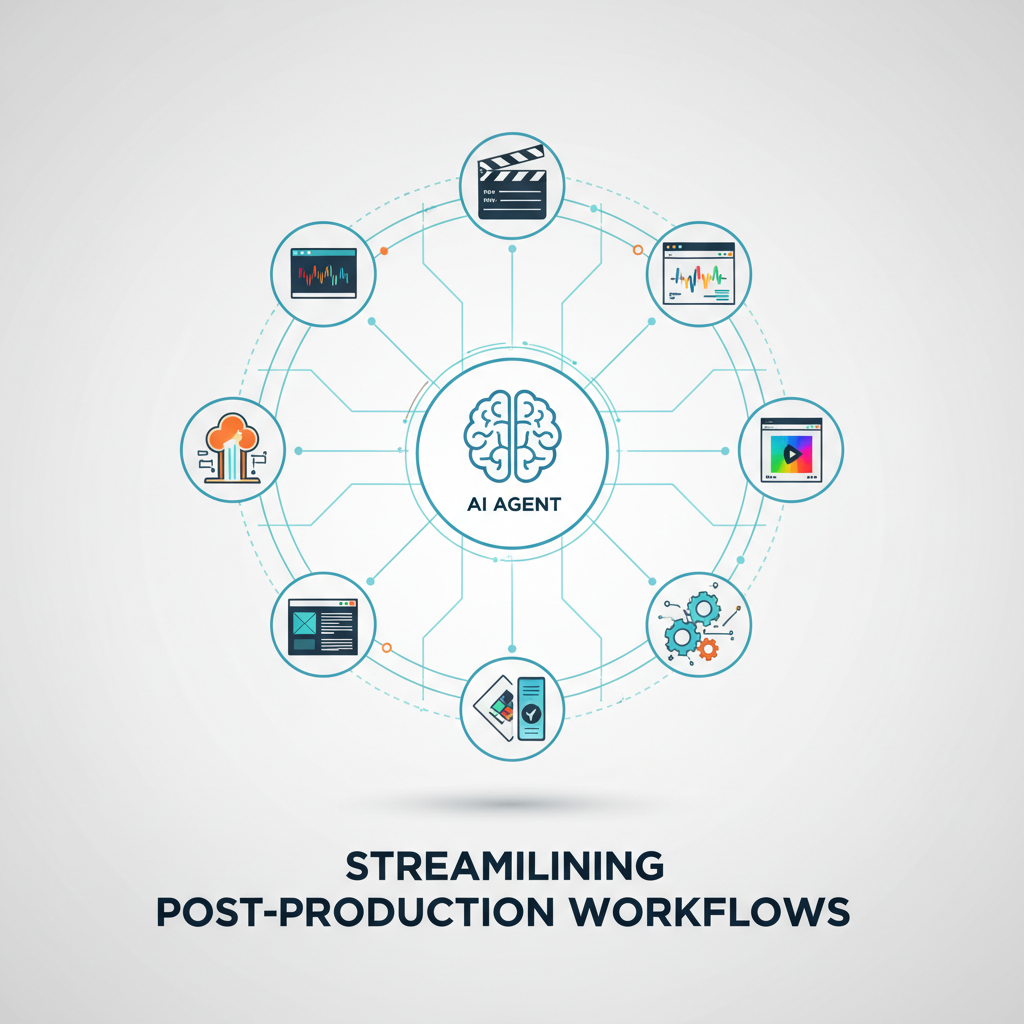
The magic of cinema often comes alive not just on set, but in the meticulous and often time-consuming stages of post-production. For Vietnamese films, facing increasing demand for high-quality content and shorter turnaround times, optimizing these workflows is paramount. This is where artificial intelligence (AI) agents are emerging as transformative tools, fundamentally changing how films are edited, sound designed, and color graded. The profound how AI agent effect to Films field in Vietnam is becoming increasingly evident, as these intelligent systems promise not only to speed up tasks but also to enhance creative possibilities and overall efficiency.
From automating repetitive tasks to providing sophisticated analytical insights, AI is enabling filmmakers in Vietnam to push boundaries, refine their craft, and deliver compelling stories with unprecedented speed and precision. This technological evolution allows creative professionals to dedicate more time to artistic direction and narrative storytelling, leaving the heavy lifting of data processing and initial optimization to their AI counterparts. The integration of AI agents is not just about cutting costs; it’s about elevating the standard of Vietnamese cinematic output on a global stage.
1. AI for Faster Editing and Content Assembly
One of the most significant impacts of AI in post-production is its ability to revolutionize the editing suite. AI-powered editing software can analyze vast amounts of raw footage, automatically identifying key moments, detecting shot types, and even recognizing faces or objects. This capability dramatically speeds up the initial content assembly phase, generating rough cuts or suggesting sequences based on predefined criteria or narrative arcs. For Vietnamese film projects, where resources and deadlines can be tight, this translates into substantial time savings, allowing editors to bypass hours of mundane footage review.
Moreover, AI agents can assist with tasks like multi-camera synchronization, automated transcription for subtitles, and even scene detection, ensuring seamless transitions and consistency. By handling these technical and often repetitive aspects, AI frees up human editors to focus on the nuanced storytelling, emotional pacing, and creative flow that define a great film. This accelerated workflow means that Vietnamese films can move from production to screen much faster, responding more dynamically to market demands while maintaining, or even improving, the quality of the final cut. This strategic application of AI is a game-changer for enhancing efficiency in film production.
2. Automated Sound Design and Audio Enhancement
Audio is often half the picture, and AI is proving to be an invaluable asset in crafting immersive soundscapes and pristine dialogue. Automated sound design tools leverage AI to analyze audio tracks, identify common issues like background noise, hums, or inconsistent volume levels, and apply intelligent noise reduction and enhancement. This significantly reduces the manual effort traditionally required for audio clean-up, which can be particularly challenging in varying production environments prevalent in Vietnamese filmmaking.
Beyond correction, AI agents can assist in generating ambient sounds, foley effects, and even suggesting musical cues that complement the visual narrative. Imagine an AI system analyzing a jungle scene and automatically suggesting appropriate bird calls, rustling leaves, and distant animal sounds, intelligently blending them to create a realistic sonic environment. For dialogue, AI can isolate voices, remove reverb, and ensure consistent levels across different takes, guaranteeing clarity and intelligibility. This automated audio enhancement capability means that even independent Vietnamese productions can achieve a level of sound quality previously reserved for larger studios, thereby enhancing the overall viewer experience and showcasing the true impact of AI on creative workflows.
3. Color Grading and Visual Correction through AI
Color grading is a crucial artistic process that establishes the mood, tone, and visual consistency of a film. AI is now empowering colorists with tools that streamline this complex task. AI algorithms can analyze a film’s entire visual spectrum, detect inconsistencies between shots, and automatically apply baseline corrections to ensure uniformity. This initial pass saves immense time, allowing human colorists to focus on the more subjective and creative aspects of styling and mood creation.
Furthermore, AI-powered color correction tools can learn from existing visual styles or specific director preferences, suggesting palettes and adjustments that align with a desired aesthetic. From precise skin tone adjustments to global color shifts that evoke specific emotions, AI provides a powerful assistant. It can also manage tasks like de-noising visual artifacts, sharpening blurry footage, and even performing sophisticated upscaling. For Vietnamese films aiming for international distribution, consistent and high-quality color grading is essential, and AI agents are instrumental in achieving this standard efficiently. The intelligent application of AI here significantly boosts post-production optimization, ensuring visual excellence across the board.
AI Agents in Film Distribution & Audience Engagement
The cinematic landscape of Vietnam is experiencing a profound transformation, driven significantly by the advent of Artificial Intelligence (AI) agents. As Vietnamese films increasingly seek broader local and international audiences, understanding How AI agent effect to Films field in vietnam becomes crucial. AI is not merely a tool but a strategic partner, reshaping traditional distribution channels, refining marketing strategies, and revolutionizing how audiences discover and engage with content. From predictive analytics that identify potential blockbusters to personalized recommendations that foster deeper connections, AI agents are optimizing every facet of the film industry’s outreach efforts, making distribution more efficient and audience engagement more impactful.
1. AI-Driven Marketing and Promotion Strategies
AI agents are fundamentally redefining how Vietnamese films are marketed and promoted, shifting from broad-stroke campaigns to highly targeted, data-driven approaches. By analyzing vast datasets—including demographic information, past viewing habits, social media trends, and even sentiment analysis of film reviews—AI can create incredibly precise audience segments. This allows distributors to tailor marketing messages and choose optimal channels for specific groups, whether it’s promoting a historical drama to an older demographic on traditional media or a youth-oriented comedy through TikTok and influencer collaborations.
Predictive analytics, a core capability of AI, enables marketers to forecast the potential success of a film based on its genre, cast, plot elements, and historical performance of similar titles. This intelligence informs budget allocation, helping studios invest their marketing spend more effectively. AI can also optimize campaign timing, identifying peak periods for trailer releases, social media engagement, and ticket sales. For instance, an AI might suggest launching a specific ad campaign for a Tết holiday film weeks in advance, leveraging seasonal excitement. This strategic precision minimizes waste and maximizes reach, ensuring that Vietnamese films resonate with their intended audiences both domestically and abroad.
2. Personalized Content Recommendation for Viewers
One of the most significant impacts of AI agents lies in their ability to personalize content recommendations, fundamentally altering the viewer’s discovery journey. Just as global streaming giants have mastered personalized feeds, AI is enabling Vietnamese platforms and distributors to offer bespoke film selections. These AI-powered recommendation engines analyze individual viewing history, genre preferences, actor popularity, director’s filmography, and even mood indicators to suggest films that are highly likely to appeal to each specific user.
For Vietnamese audiences, this means a more relevant and engaging viewing experience. Instead of endlessly scrolling through generic lists, viewers are presented with content tailored to their tastes, potentially introducing them to lesser-known local gems they might otherwise overlook. This personalization extends beyond mere genre matching; AI can consider cultural nuances, regional dialects, and specific historical contexts that resonate deeply with Vietnamese viewers. By continuously learning from user interactions—what they watch, how long they watch, and what they rate—AI refines its suggestions, fostering a stronger connection between the audience and Vietnamese cinema. This not only enhances viewer satisfaction but also drives content consumption and loyalty.
3. Data Analytics for Audience Behavior and Trends
Beyond marketing and personalization, AI agents are indispensable for deep data analytics, providing unparalleled insights into audience behavior and emerging trends. The sheer volume of data generated by digital viewing platforms—from watch times and pause points to re-watches and device preferences—is too vast for human analysis alone. AI algorithms can sift through this data, identifying intricate patterns and correlations that reveal what truly resonates with viewers.
This analytical power allows Vietnamese filmmakers and distributors to understand market demands with unprecedented clarity. They can identify popular genres, uncover preferred narrative structures, understand the effectiveness of different promotional materials, and even predict future trends. For example, AI might reveal a growing interest in historical documentaries among young urban viewers or a preference for animated features with strong female protagonists. Such insights are invaluable for informing future production decisions, guiding script development, and shaping acquisition strategies. Furthermore, AI helps in optimizing distribution windows and platforms, determining whether a film performs better on a specific streaming service or in traditional cinemas. This data-driven approach minimizes risk and maximizes potential returns, empowering the Vietnamese film industry to make more informed, strategic decisions that align with evolving audience tastes and market dynamics, reflecting AI’s transformative role in marketing personalization and broader industry analytics.
In conclusion, AI agents are not just augmenting but fundamentally transforming the landscape of Vietnamese film distribution and audience engagement. From intelligently crafted marketing campaigns and deeply personalized content recommendations to sophisticated data analytics that illuminate audience preferences, AI is proving to be an invaluable asset. It empowers the industry to connect with viewers more efficiently and effectively, fostering growth, innovation, and a vibrant future for Vietnamese cinema on both national and international stages.
Challenges, Ethics, and The Future of AI in Vietnamese Cinema
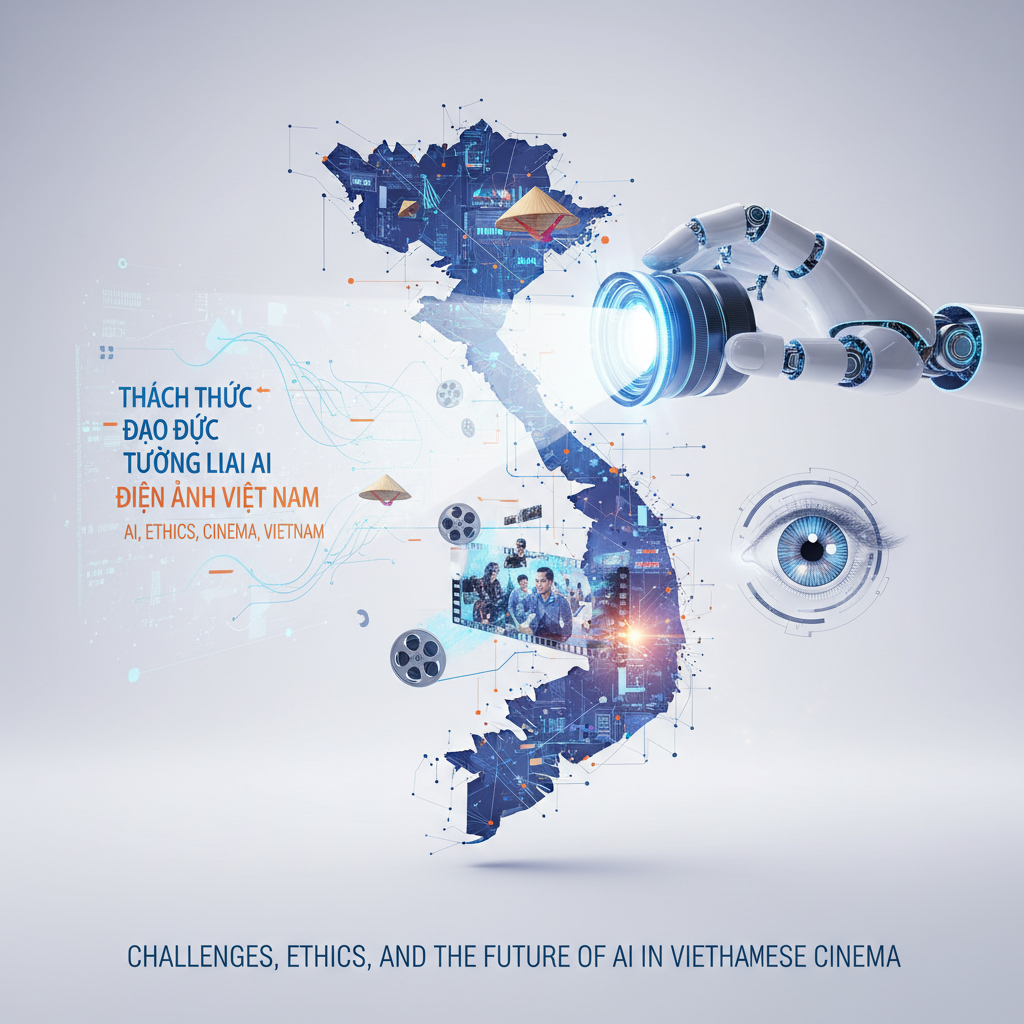
The integration of artificial intelligence (AI) agents into the global film industry heralds a transformative era, and Vietnam is no exception. While the promise of enhanced creativity, efficiency, and unprecedented visual experiences is compelling, understanding how AI agent effect to Films field in Vietnam requires a careful examination of the inherent challenges, profound ethical considerations, and the strategic pathways for future development. The journey toward an AI-augmented Vietnamese cinema landscape is fraught with potential hurdles that demand proactive solutions and thoughtful policy-making.
1. Job Displacement Concerns and Skill Adaptation
One of the most immediate and frequently discussed concerns surrounding AI adoption in any industry is the potential for job displacement, and the film sector is particularly vulnerable. As AI agents become more sophisticated in tasks like scriptwriting, visual effects generation, editing, and even virtual actor creation, traditional roles for screenwriters, animators, editors, and production assistants could be significantly altered or reduced. In Vietnam, where the film industry is still developing and often relies on a substantial human workforce, this presents a critical socio-economic challenge.
However, the narrative isn’t solely one of replacement. Instead, the focus should shift towards skill adaptation and the creation of new roles. Understanding how AI agent effect to Films field in Vietnam means recognizing the emergence of demand for AI trainers, AI ethicists, prompt engineers, and creative directors who can effectively collaborate with AI tools. Educational institutions and vocational training centers in Vietnam must proactively revise curricula to equip the next generation of filmmakers with AI literacy, data science skills, and a strong understanding of human-AI collaboration. This proactive approach can mitigate job loss anxieties and foster a workforce capable of leveraging AI as a powerful co-creator rather than fearing it as a competitor.
2. Copyright, Authenticity, and Ethical AI Use
The ethical landscape surrounding AI in cinema is complex, touching upon core principles of authorship, authenticity, and intellectual property. When an AI agent generates a script, a piece of music, or even an entire visual sequence, questions arise regarding who holds the copyright. Is it the programmer, the data provider, the prompt engineer, or the AI itself? For Vietnam’s creative industries, navigating these uncharted legal waters will be crucial. Establishing clear intellectual property frameworks and guidelines for AI-generated content is paramount to protect creators and foster innovation.
Beyond legalities, the concept of authenticity in art is at stake. While AI can produce incredibly realistic visuals or compelling narratives, the human element of emotion, lived experience, and unique cultural perspective remains irreplaceable. Vietnamese cinema, renowned for its storytelling deeply rooted in national identity and historical context, must ensure that AI tools augment, rather than dilute, this authentic voice. Ethical AI use also extends to avoiding biases embedded in training data, ensuring fair representation, and preventing the misuse of deepfake technology. International bodies like UNESCO are actively exploring these ethical dimensions, advocating for responsible AI development that respects human rights and cultural diversity. This foresight will be critical in shaping how AI agent effect to Films field in Vietnam, ensuring that technology serves art ethically.
3. Vietnam’s Unique Position and Policy Frameworks
Vietnam’s burgeoning digital economy and its vibrant cultural landscape place it in a unique position to embrace and shape the future of AI in cinema. The government has shown a keen interest in digital transformation, creating an environment ripe for technological innovation. However, translating this into concrete policy frameworks for the film industry will be essential. These policies must address the specific challenges mentioned above, including job adaptation strategies, clear intellectual property rights for AI-generated content, and ethical guidelines tailored to Vietnamese cultural values.
A holistic approach would involve multi-stakeholder collaboration: filmmakers, technologists, legal experts, policymakers, and educators. This collaborative effort can develop a national strategy for AI in Vietnamese cinema that encourages innovation while safeguarding creative integrity and social well-being. Furthermore, investing in local AI research and development centers focused on film-specific applications can help Vietnam develop its own AI tools that understand and reflect its unique cinematic traditions and audience preferences. By proactively engaging with these complex issues, Vietnam can harness the transformative power of AI to elevate its film industry on the global stage, ensuring that how AI agent effect to Films field in Vietnam is a story of progress, ethical stewardship, and enhanced creativity. For more insights into the broader impact of AI in film, explore relevant discussions on how AI agent effect to Films field in Vietnam.
Partner with Shelby Global
You are looking for reliable HR Sevice Suppliers? Contact Shelby Global Now! To connect with verified talents and upgrade your orginization.
—————————————
References
– AI in filmmaking: https://variety.com/2023/artisans/news/ai-filming-screenwriting-virtual-production-1235650742/
– revolution in filmmaking driven by AI: https://www.forbes.com/sites/forbescommunicationscouncil/2023/12/05/how-ai-is-revolutionizing-the-filmmaking-industry/
– AI In The Creative Industries: The Future Of Work For Creatives: https://www.forbes.com/sites/forbestechcouncil/2023/11/01/ai-in-the-creative-industries-the-future-of-work-for-creatives/
– How AI Is Transforming Marketing Personalization: https://www.forbes.com/sites/forbescommunicationscouncil/2023/07/11/how-ai-is-transforming-marketing-personalization/
– UNESCO Recommendation on the Ethics of Artificial Intelligence: https://www.unesco.org/en/artificial-intelligence/recommendation-ethics