
Understanding Vietnam’s Labor Law Landscape for Fashion
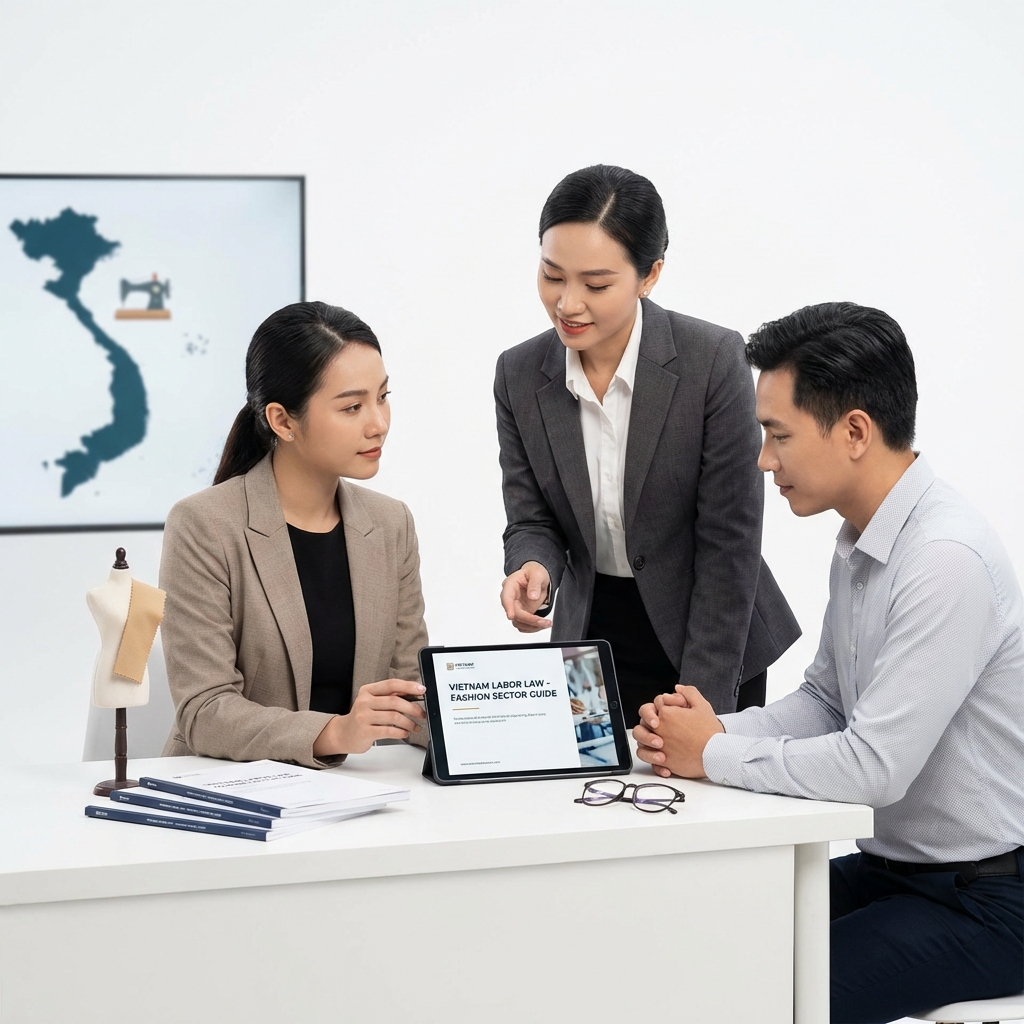
Vietnam has emerged as a powerhouse in the global fashion manufacturing sector, attracting significant foreign investment due to its competitive labor costs and strategic location. However, for businesses to thrive sustainably in this dynamic environment, a comprehensive understanding of legal HR terms and conditions for the fashion field in Vietnam is not just beneficial, but imperative. This section delves into the core labor laws governing the nation’s workforce, with a specific lens on their application within the unique operational demands and workforce dynamics of the fashion industry.
Compliance with Vietnamese labor laws ensures not only legal adherence but also fosters a stable, productive workforce, crucial for meeting international supply chain standards and maintaining brand reputation. Navigating this landscape requires diligence and strategic foresight, especially as the industry faces increasing scrutiny on ethical labor practices.
1. Key Labor Codes and Decrees Affecting Fashion Businesses
At the heart of Vietnam’s labor legal framework lies the Vietnam’s Labor Code 2019, effective from January 1, 2021. This foundational legislation, alongside numerous guiding decrees and circulars, dictates the employment relationship from inception to termination. For fashion manufacturers, key areas of focus include:
- Employment Contracts: The Code mandates written contracts specifying job scope, working hours, wages, and social insurance contributions. Distinguishing between indefinite-term, definite-term, and seasonal contracts is critical, particularly given the fashion industry’s fluctuating production cycles.
- Working Hours and Overtime: Standard working hours are capped, typically at 8 hours a day or 48 hours a week. However, the fashion sector often requires significant overtime during peak production seasons. Strict regulations govern overtime hours, premium rates, and consent, making careful monitoring and compliance essential.
- Wages and Social Insurance: Businesses must adhere to regional minimum wage rates, which are periodically adjusted. Employers are also obligated to contribute to mandatory social insurance, health insurance, and unemployment insurance schemes.
- Occupational Safety and Health (OSH): Robust OSH protocols are paramount in garment and textile factories. The law requires employers to provide a safe working environment, conduct regular risk assessments, and provide protective equipment.
- Trade Unions: Employees have the right to form or join trade unions. Employers must engage with union representatives on matters such as collective bargaining agreements and working conditions.
Understanding these fundamental aspects ensures that fashion businesses establish compliant and fair employment practices.
2. Unique HR Challenges in Vietnam’s Fashion Sector
Beyond the general legal framework, the fashion industry in Vietnam presents distinct HR challenges that require tailored approaches to navigating the specific legal HR terms and conditions for the fashion field in Vietnam. These unique facets often amplify the complexity of labor law compliance:
- Seasonal Fluctuations and Workforce Management: The cyclical nature of fashion demand leads to significant peaks and troughs. Managing a flexible workforce through temporary contracts while adhering to legal limits on their duration and conversion can be intricate, requiring careful balance to scale efficiently without violating labor stability provisions.
- Skill Gaps and Training Requirements: While Vietnam boasts a large labor pool, specialized skills for high-fashion manufacturing or advanced textile technology can be scarce. Attracting and retaining skilled workers often necessitates competitive compensation packages and continuous training programs, all within legal bounds.
- Predominantly Female Workforce: The garment industry heavily relies on a female workforce. This demographic requires employers to be particularly attentive to regulations concerning maternity leave, childcare support, and non-discrimination.
- International Brand Compliance: Many Vietnamese factories supply international brands, which often impose Corporate Social Responsibility (CSR) and ethical sourcing standards exceeding local legal requirements. Adhering to these stringent audit demands adds another layer of HR complexity.
- Foreign Labor Regulations: For foreign-owned fashion enterprises, specific regulations govern the employment of expatriate staff, including work permits, visas, and local compensation benchmarks, adding administrative burdens.
Addressing these industry-specific hurdles proactively is key to fostering a resilient and compliant human resources strategy.
3. Anticipated Legal Amendments & Their 2026 Impact
Vietnam’s labor legal landscape is not static; it undergoes periodic reviews and amendments. While specific changes for 2026 are still evolving, several areas are under continuous discussion and could significantly impact fashion businesses:
- Minimum Wage Adjustments: Regular increases in regional minimum wages are almost a certainty. Fashion businesses, known for their labor-intensive operations, will need to factor these rising labor costs into their production budgets and pricing strategies.
- Enhanced Social Insurance Provisions: There is an ongoing trend towards expanding social insurance coverage and benefits. This could mean increased employer contributions or broader eligibility, impacting overall compensation packages.
- Working Hours Flexibility: Discussions around potentially adjusting regulations on working hours, including greater flexibility or stricter enforcement of overtime limits, could present both opportunities and challenges for the fashion sector’s demanding production schedules.
- Digitalization and Gig Economy: As digital platforms become more prevalent, future amendments may seek to regulate “gig” workers or employment facilitated by technology, potentially affecting certain outsourced design or logistics roles within the broader fashion ecosystem.
- ESG Integration: With increasing global focus on Environmental, Social, and Governance (ESG), future amendments might strengthen labor protection related to environmental sustainability within workplaces and bolster regulations on fair recruitment practices, directly impacting manufacturing supply chains.
Proactive monitoring of legislative developments and adapting HR strategies well in advance will be crucial for fashion businesses aiming for sustained growth and compliance in Vietnam through 2026 and beyond. Engaging with legal experts and industry associations can provide invaluable insights into these evolving legal HR terms and conditions for the fashion field in Vietnam.
Employment Contracts & Working Conditions Compliance
Delves into the intricacies of drafting compliant employment contracts and ensuring that working conditions meet Vietnamese legal standards, crucial for all fashion enterprises.
The thriving fashion industry in Vietnam, while dynamic and opportunity-rich, operates within a stringent regulatory framework concerning human resources. For any fashion enterprise, from a boutique design studio to a large manufacturing plant, understanding and adhering to Vietnamese labor laws is not merely a bureaucratic hurdle but a foundational element of sustainable operations. Ensuring robust Legal HR terms & conditions for Fashion field in Vietnam is paramount to mitigate risks, foster a stable workforce, and uphold corporate responsibility. This section explores the critical aspects of employment contracts and working conditions, highlighting compliance essentials for the fashion sector.
1. Types of Employment Contracts: Seasonal vs. Permanent Staff
Navigating the various types of employment contracts is fundamental for HR compliance in Vietnam. The Labour Code 2019 primarily categorizes contracts into two main forms: indefinite-term contracts and definite-term contracts. Understanding their implications is crucial for businesses hiring both “seasonal” staff for specific collection launches or production cycles, and “permanent” employees forming the core team.
- Indefinite-Term Contracts: These are akin to “permanent” staff contracts, with no specific end date. They are typically offered to employees who perform stable, long-term work. Once an employee is on an indefinite-term contract, termination requires specific legal grounds and procedures, including notice periods and severance pay as stipulated by law.
- Definite-Term Contracts: These contracts have a specific duration, typically ranging from 12 to 36 months. They are often used for “seasonal” staff, project-based work, or probationary periods that extend beyond standard practice. The law allows for a maximum of two successive definite-term contracts for the same job before an indefinite-term contract must be offered, with some exceptions. For fashion businesses, this is particularly relevant for hiring designers for specific collections, production line workers for peak seasons, or models for campaigns. Misclassifying employees or repeatedly renewing definite-term contracts without proper justification can lead to legal challenges and significant penalties. Properly structured contracts ensure compliance and clarify the employment regulations Vietnam employers must follow.
Beyond these, there are also contracts for seasonal or specific jobs with a term of less than 12 months, although the emphasis often lies on the definite and indefinite terms. Correctly identifying the nature of the employment and drafting the appropriate contract is vital to avoid disputes regarding termination rights, social insurance contributions, and other employee benefits.
2. Regulations on Working Hours, Overtime, and Rest Periods
The demanding nature of the fashion industry, with its tight deadlines and production cycles, often necessitates flexible working arrangements. However, Vietnam labor law for fashion enterprises imposes strict regulations on working hours, overtime, and rest periods, which must be diligently observed.
- Standard Working Hours: The standard working day is generally 8 hours, and the standard working week is 48 hours for most sectors. For certain physically demanding or hazardous jobs, working hours may be reduced. Employers must clearly document working hours, often through timekeeping systems, to demonstrate compliance.
- Overtime Regulations: Overtime work is permitted but subject to significant restrictions and specific compensation rates. The total overtime hours cannot exceed 200 hours per year, with special cases allowing up to 300 hours (e.g., in textile/garment production, but with specific government approval). Overtime pay rates are mandated:
- 150% of the normal wage for overtime on normal working days.
- 200% for overtime on weekly days off.
- 300% for overtime on public holidays or paid annual leave, plus the normal daily wage for that holiday/leave day.
- Night shift overtime incurs an additional 30% of the normal wage, on top of the regular overtime rate.
Strict adherence to these rates and limits is crucial for HR compliance Vietnam and to prevent worker fatigue and legal grievances.
- Rest Periods: Employees are entitled to daily rest breaks (at least 30 minutes within an 8-hour shift), weekly days off (at least 24 consecutive hours per week), and annual leave entitlements based on years of service. Public holidays are also mandated paid days off. Managing these entitlements correctly is key to ensuring worker well-being and legal conformity. For a deeper dive into these regulations, employers can refer to comprehensive guides on the Vietnam Labour Code 2019: Key Amendments and What Employers Should Know.
3. Mandatory Health, Safety, and Workplace Environment Standards
The fashion industry, particularly manufacturing and production, presents specific occupational safety and health (OSH) challenges. Ensuring a safe and healthy workplace environment is not only a legal obligation but also a moral imperative that boosts productivity and employee retention.
- Risk Assessment and Prevention: Employers are required to conduct regular risk assessments to identify potential hazards, implement preventive measures, and develop emergency response plans. This includes hazards related to machinery (sewing machines, cutting blades), chemical exposure (dyes, fabric treatments), ergonomic issues (repetitive tasks, prolonged standing), and fire safety.
- Personal Protective Equipment (PPE): Depending on the job role, employers must provide appropriate PPE, such as safety gloves, masks, earplugs, and protective eyewear, especially for roles involving cutting, dyeing, or operating noisy machinery. Training on the correct use and maintenance of PPE is also mandatory.
- Workplace Environment: The physical working environment must meet specific standards regarding lighting, ventilation, temperature, noise levels, and sanitation facilities. For example, textile factories need adequate dust extraction systems, and design studios require proper lighting to prevent eye strain. Regular inspections and maintenance of equipment and facilities are essential for workplace safety fashion Vietnam.
- Training and Reporting: Employers must provide OSH training to all employees, particularly new hires and those operating specialized machinery. Additionally, there are strict requirements for reporting occupational accidents and diseases to the authorities. Proactive measures in OSH not only prevent accidents but also demonstrate a commitment to ethical labor practices, which is increasingly important for brand reputation in the global fashion market. For comprehensive guidance on navigating these intricate Legal HR terms & conditions for Fashion field in Vietnam, further resources can be found by exploring expert insights on legal HR compliance.
Adhering to these stringent regulations is not optional; it is a critical component of successful and ethical fashion business operations in Vietnam. Staying updated on legislative changes and seeking expert advice on legal HR matters is highly recommended to ensure continuous compliance and foster a resilient, productive workforce.
Wages, Benefits, and Social Insurance Obligations
Navigating the intricate landscape of employment regulations is paramount for any business operating in Vietnam, especially within the dynamic fashion industry. This section outlines the legal requirements for compensation, mandatory social insurance contributions, and other essential employee benefits, providing a robust framework for fashion enterprises to ensure compliance and foster a productive workforce. Understanding these Legal HR terms & conditions for Fashion field in Vietnam is not just about avoiding penalties; it’s about building a sustainable and ethical business foundation that attracts and retains top talent in a competitive market.
1. Minimum Wage, Salary Structures, and Performance-Based Pay
Vietnam’s labor laws establish a tiered minimum wage system, categorizing regions into four zones (I, II, III, IV), each with a distinct minimum wage. Fashion businesses must diligently adhere to the minimum wage applicable to their operational region. Beyond the statutory minimum, establishing clear and equitable salary structures is crucial. These structures should reflect job roles, responsibilities, and industry benchmarks, ensuring fair compensation for designers, production staff, marketers, and retail employees alike. Many fashion companies in Vietnam are also adopting performance-based pay models. This approach links a portion of an employee’s compensation directly to their individual or team performance, fostering motivation, productivity, and goal attainment. Such systems must be transparent, objective, and clearly communicated to employees, aligning with legal frameworks on wages and incentives. Regular review and adjustment of salary structures are vital to remain competitive and compliant with evolving labor market dynamics and inflation rates, ensuring that compensation packages remain attractive and equitable.
2. Comprehensive Guide to Social, Health, and Unemployment Insurance
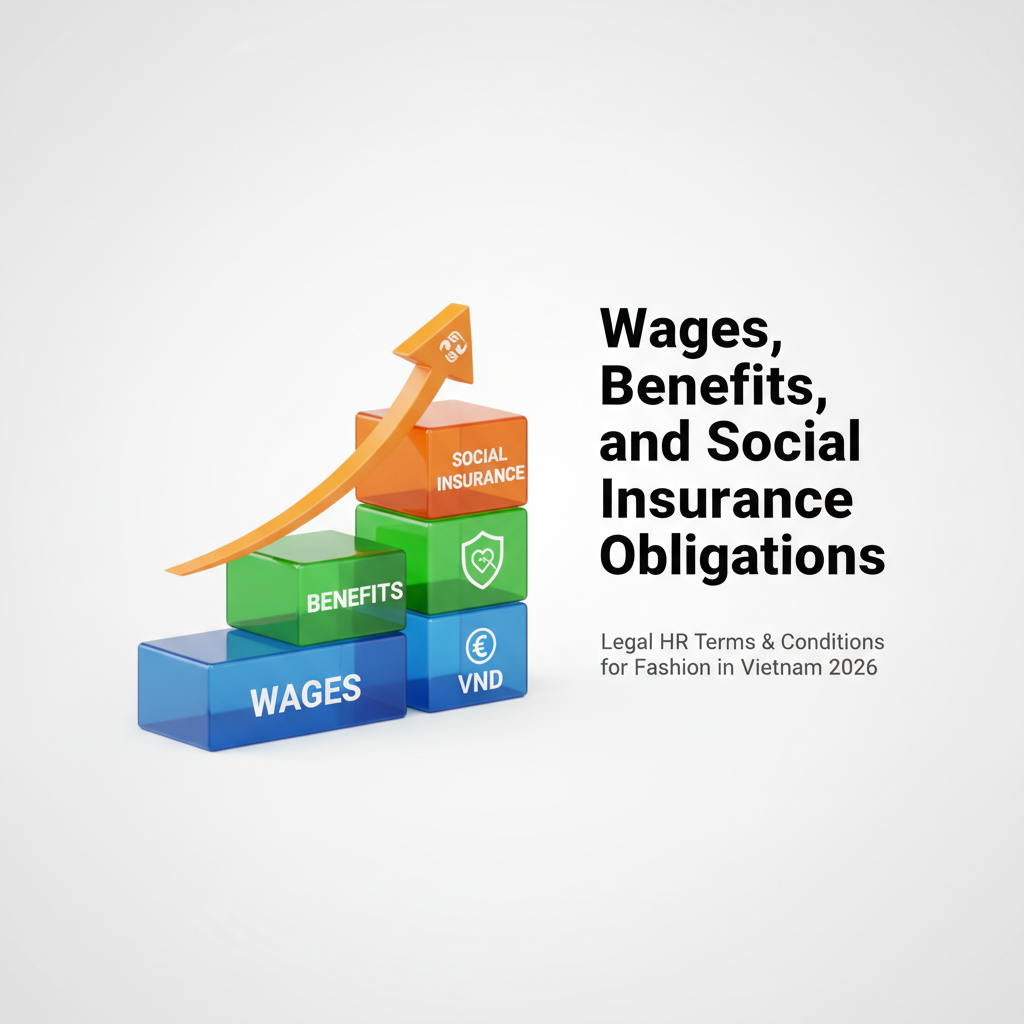
Mandatory social insurance contributions form a cornerstone of Vietnam’s labor protection system, safeguarding employees against various life risks. Employers in the Vietnamese fashion industry are legally obligated to contribute to three primary insurance schemes: Social Insurance (SI), Health Insurance (HI), and Unemployment Insurance (UI). Social Insurance covers aspects like sickness, maternity, occupational diseases, labor accidents, retirement, and death benefits. Health Insurance ensures access to medical services and treatments. Unemployment Insurance provides financial support and job placement assistance during periods of unemployment. Both employers and employees are required to make contributions at specified rates, which are periodically updated by the government. Accurate and timely calculation and remittance of these contributions are critical for compliance, as non-adherence can lead to significant fines and penalties. Fashion companies must register their employees with the Vietnam Social Security agency and maintain meticulous records of contributions. Staying informed about the latest regulations and contribution rates issued by governmental bodies, such as those detailed on the Vietnam Social Security (VSS) legal documents portal, is essential for seamless operation and employee welfare. This comprehensive system is designed to provide a safety net for workers, enhancing job security and overall well-being, which in turn fosters a more stable and dedicated workforce.
3. Statutory Allowances, Bonuses, and Employee Welfare Programs
Beyond basic salary and mandatory insurance, Vietnamese labor law stipulates various allowances, bonuses, and welfare provisions that fashion businesses must consider. Common statutory allowances may include those for seniority, hazardous or arduous work (though less common in typical fashion roles, applicable to certain manufacturing or dyeing processes), and sometimes regional allowances depending on the employee’s location. The annual Tet (Lunar New Year) bonus is a widely anticipated and often legally mandated or strongly customary payment, typically equivalent to at least one month’s salary, ensuring employees receive additional financial support for the most important holiday. Other discretionary bonuses, such as performance bonuses or 13th-month salaries (if stipulated in contracts or collective labor agreements), are powerful tools for motivation and retention. Furthermore, companies are encouraged to implement comprehensive employee welfare programs. These can range from providing nutritious meals, transportation support, and housing assistance, to funding professional development and training initiatives that enhance skills relevant to the fashion sector. Establishing trade union funds, as mandated for businesses with a certain number of employees, also contributes to collective welfare activities. Investing in these welfare programs demonstrates a commitment to employee well-being, fostering a positive work environment, reducing turnover, and ultimately enhancing the company’s reputation as a desirable employer in Vietnam’s competitive fashion industry.
Adhering to Vietnam’s extensive labor laws concerning wages, benefits, and social insurance is not merely a legal obligation but a strategic imperative for fashion businesses aiming for long-term success. By meticulously managing compensation structures, ensuring timely social insurance contributions, and investing in employee welfare, companies can cultivate a compliant, motivated, and productive workforce, ready to thrive in the dynamic Vietnamese market.
Termination Procedures & Dispute Resolution in Fashion HR
In the dynamic and often fast-paced fashion industry in Vietnam, effective human resources management demands a robust understanding of Legal HR terms & conditions for Fashion field in vietnam, particularly concerning employment termination and the resolution of labor disputes. This section delves into the legal framework governing the cessation of employment, outlines compliant severance procedures, and provides strategies for managing and resolving labor disputes in a manner that protects both employer and employee interests. Navigating these complexities is crucial for maintaining compliance and a harmonious workplace in a sector known for its unique demands, from seasonal staffing to evolving production cycles. Key considerations include legitimate grounds for termination, appropriate notice periods, fair severance calculations, and established mechanisms for labor dispute resolution in Vietnam, ensuring HR compliance in the fashion industry.
1. Legitimate Grounds for Termination and Required Notice Periods
Understanding the legitimate grounds for terminating an employment contract in Vietnam is paramount for fashion companies to avoid legal pitfalls. The Vietnamese Labor Code 2019 specifies a limited set of circumstances under which an employer can unilaterally terminate a contract. These include: employees failing to complete work as per the contract; repeated disciplinary violations; prolonged illness or injury preventing return to work; natural disasters or force majeure rendering operations impossible; and employees not being present at the workplace after specific periods. Crucially, employers must adhere strictly to these defined grounds and maintain thorough documentation to support any termination decision, a critical aspect of employment termination in Vietnam.
Equally important are the statutory notice periods. For an indefinite-term labor contract, employers generally must provide at least 45 days’ notice before termination. For definite-term contracts, the notice period is typically 30 days. In specific cases, such as termination due to the employee’s poor performance (where a performance improvement plan has been implemented and failed), shorter notice periods may apply, or even immediate termination in cases of severe disciplinary offenses. The fashion sector, with its often project-based or seasonal nature, must ensure these notice periods are meticulously observed, aligning with the stringent HR compliance requirements in the fashion industry.
2. Calculating Severance Pay and Handling Redundancy
When an employment contract is terminated in Vietnam, employers are often obligated to provide severance pay or job-loss allowance, depending on the reason for termination and the employee’s tenure. Severance allowance applies to employees who have worked for 12 months or more and whose contract is terminated for reasons such as mutual agreement, unilateral termination by the employer (other than disciplinary dismissal), or cessation of the employer’s operations. The calculation for severance allowance is half a month’s salary for each year of service, a critical component of severance pay in the fashion industry. The salary used for calculation is the average salary of the last six months preceding the termination.
Conversely, job-loss allowance is required when an employer restructures, changes technology, or downsizes due to economic reasons, leading to redundancy. Employees with 12 months or more of service are entitled to one month’s salary for each year of service, with a minimum of two months’ salary. This process, often part of handling redundancy, necessitates careful planning, clear communication with affected employees, and consultation with the grassroots trade union or employee representative organization. Adhering to these provisions, as outlined in the Vietnam Labour Code 2019, is fundamental to ensure compliance and mitigate legal risks for fashion businesses undergoing restructuring.
3. Mediation and Litigation: Resolving Labor Disputes Effectively
Despite best practices, labor disputes can arise. Effective resolution mechanisms are crucial for maintaining a productive work environment and protecting a company’s reputation. In Vietnam, the legal framework prioritizes amicable resolution, often through mediation, before resorting to litigation. Individual labor disputes can be resolved through direct negotiation or, if unsuccessful, through labor conciliators or district-level People’s Courts. For collective labor disputes, mediation by a labor conciliator is mandatory. If mediation fails, the dispute can be referred to a Labor Arbitration Council or, for certain types of disputes, directly to a People’s Court.
Fashion companies should invest in robust internal grievance procedures and training for HR personnel and managers on conflict resolution techniques. Proactive communication, clear policies on Legal HR terms & conditions for Fashion field in vietnam, and consistent application of rules can significantly reduce the incidence of disputes. When disputes escalate, engaging with an impartial conciliator can often lead to a mutually agreeable solution, avoiding the time-consuming and costly process of litigation. Litigation, while a final resort, should be approached with comprehensive legal counsel, thorough documentation, and a clear understanding of potential outcomes. By prioritizing mediation and internal resolution, fashion businesses can more effectively navigate labor dispute resolution in Vietnam, preserving employee relations and operational continuity.
IP, Data Protection & Strategic HR Compliance for Brands
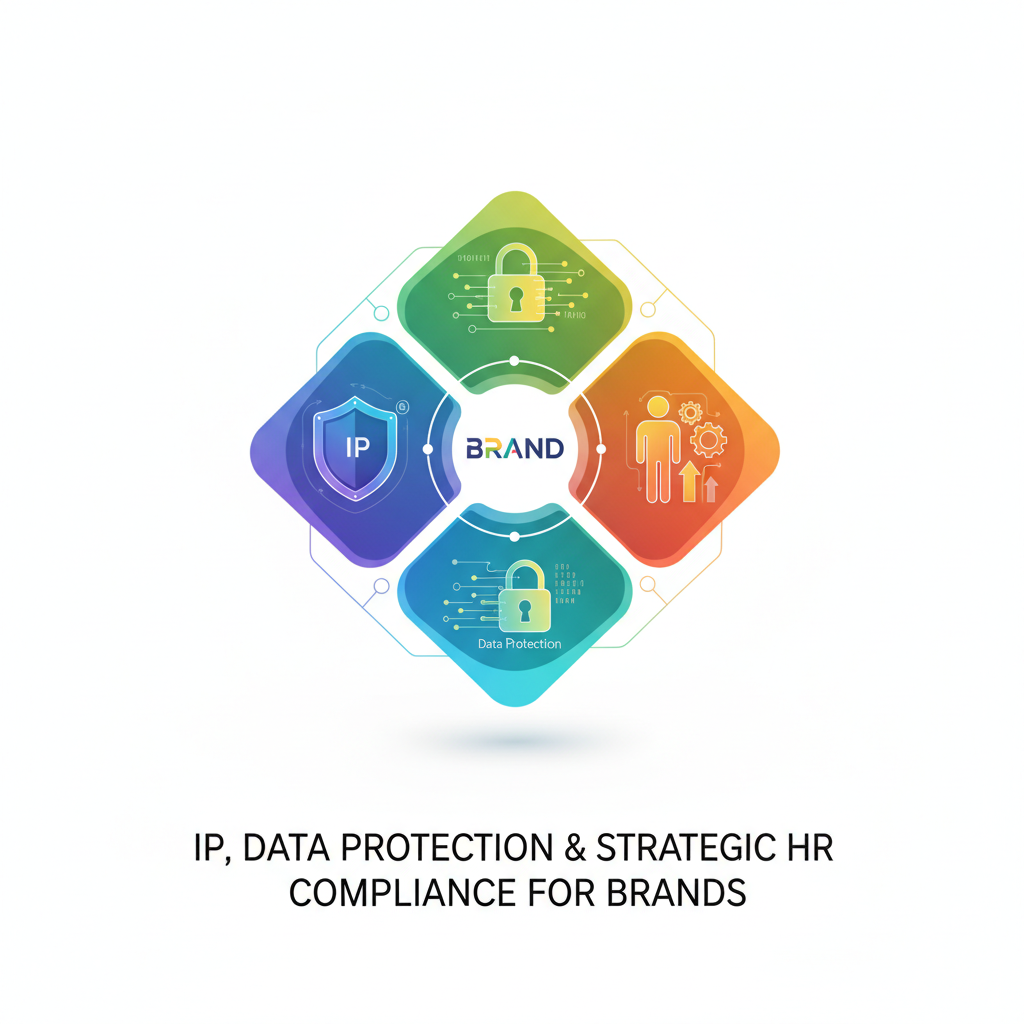
In the competitive realm of fashion, brands must navigate a complex legal landscape encompassing intellectual property (IP) protection for their innovative designs, meticulous handling of sensitive employee and customer data, and robust strategies for ongoing human resources (HR) compliance. This section explores these specialized legal considerations, providing insights crucial for brands operating, particularly within Vietnam’s evolving regulatory environment, focusing on Legal HR terms & conditions for Fashion field in vietnam.
1. Protecting Fashion Designs, Trademarks, and Trade Secrets (IP)
Fashion brands thrive on creativity and distinctiveness. In Vietnam’s dynamic market, safeguarding intellectual property (IP) is paramount. This involves a multi-faceted approach to protect designs, trademarks, and trade secrets from infringement. Fashion designs, whether unique garment patterns, fabric prints, or accessories, can be protected through industrial design registrations or copyright. Registering an industrial design grants exclusive rights to the visual appearance of a product, crucial for preventing competitors from mimicking your aesthetic innovations. Trademarks, encompassing brand names, logos, and slogans, distinguish your products and services. Registration with the National Office of Intellectual Property of Vietnam (NOIP) is essential to establish ownership and provide a legal basis for enforcement against unauthorized use. Beyond explicit registrations, trade secrets — such as unique manufacturing processes, supplier lists, or marketing strategies — offer a competitive edge. Protecting these requires robust internal policies, non-disclosure agreements (NDAs) with employees and partners, and strict access controls. For fashion brands, integrating clauses related to IP ownership and confidentiality into Legal HR terms & conditions for Fashion field in vietnam is crucial to prevent employees from misappropriating or disclosing sensitive information. This proactive stance is vital for maintaining brand integrity and market position.
2. Employee Data Privacy Regulations and Best Practices
With the increasing digitalization of business operations, handling employee data requires strict adherence to privacy regulations. In Vietnam, Decree 13/2023/ND-CP on Personal Data Protection significantly strengthens the legal framework for data privacy. Fashion brands, which collect a range of personal information from employees—including sensitive data like health records, bank details, and identification documents—must navigate these regulations carefully. Compliance involves obtaining explicit consent for data collection and processing, ensuring data minimization (collecting only what is necessary), and implementing robust security measures to prevent breaches. Brands must also establish clear policies for data storage, retention, transfer (especially cross-border transfers), and destruction. Employees have rights concerning their personal data, including the right to access, rectify, or erase their information. Developing transparent internal policies and providing regular training to HR personnel and management on these data privacy obligations are critical. Failure to comply can result in significant penalties and reputational damage. Understanding the implications of these regulations is a core component of sound HR management, directly impacting the Legal HR terms & conditions for Fashion field in vietnam. For a detailed overview of Vietnam’s personal data protection framework, refer to this insightful analysis from DLA Piper.
3. Developing a Robust HR Compliance Strategy & Internal Audits
A proactive and robust HR compliance strategy is the bedrock of sustainable operations for fashion brands in Vietnam. This goes beyond mere adherence to labor laws; it encompasses developing comprehensive internal policies, regular training, and systematic internal audits. Key areas of compliance include employment contracts (ensuring they align with Vietnamese labor law regarding terms, conditions, and termination clauses), fair wage practices, adherence to working hour regulations, and proper management of social insurance and health insurance contributions. Fashion brands must also develop clear policies on discrimination, harassment, grievance procedures, and disciplinary actions, ensuring they are consistently applied and legally defensible. Regular internal audits are indispensable for identifying potential compliance gaps before they escalate into legal issues. These audits should cover all aspects of the employee lifecycle, from recruitment and onboarding to performance management and termination. Updating employee handbooks, conducting compliance training for all staff (especially HR and management), and staying abreast of evolving legal requirements are essential components. A well-structured compliance strategy not only mitigates legal risks but also fosters a positive and ethical work environment, enhancing employee trust and brand reputation.
Partner with Shelby Global
You are looking for reliable HR Sevice Suppliers? Contact Shelby Global Now! To connect with verified talents and upgrade your orginization.
—————————————
References
– Vietnam Labor Code 2019: https://www.ilo.org/dyn/natlex/natlex4.detail?p_lang=en&p_isn=114878&p_country=VNM
– Vietnam Labour Code 2019: Key Amendments and What Employers Should Know: https://www.dfdl.com/insights/legal-and-tax-updates/vietnam-labour-code-2019-key-amendments-and-what-employers-should-know/
– Vietnam Social Security (VSS) legal documents portal: https://english.vss.gov.vn/content/legal-documents-27-268
– Vietnam Labour Code 2019 – Summary of Key Changes: https://www.pwc.com/vn/en/publications/2020/vietnam-labour-code-2019-summary-of-key-changes.html
– Vietnam issues new Personal Data Protection Decree: https://www.dlapiper.com/en-us/insights/publications/2023/05/vietnam-personal-data-protection-decree