
Current Landscape of Vietnam’s Fashion HR in 2026
In 2026, Vietnam’s fashion industry stands at a pivotal juncture, marked by robust growth and evolving human resource dynamics. Far from being merely a manufacturing hub, Vietnam has solidified its position as a significant player in design, production, and retail, with a burgeoning domestic market and strong export capabilities. This vibrant expansion underscores the critical strategic importance of its human capital. The HR landscape is characterized by a blend of a large, adaptable workforce and an increasing demand for specialized skills, reflecting global trends towards sustainability, digitalization, and innovation. Understanding the current state, size, and growth trajectory of human resources within this sector is crucial for both local enterprises and international investors looking to leverage Vietnam’s potential.

1. Industry Growth & Workforce Demographics
The Vietnamese fashion industry continues its impressive growth trajectory in 2026, propelled by government support, foreign direct investment, and a growing consumer base. This growth translates directly into a expanding demand for a skilled workforce. The industry employs millions, primarily in textile and garment manufacturing, but there’s a discernible shift towards higher-value activities such as fashion design, brand management, digital marketing, and sustainable production practices. The workforce is predominantly young, dynamic, and increasingly educated, with a strong willingness to adapt to new technologies and global standards. Approximately 70-80% of the labor force comprises women, particularly in the manufacturing segment, highlighting the industry’s social impact. Projections indicate a continued expansion of the workforce, with an emphasis on upskilling and reskilling programs to meet the evolving technological and creative demands. According to recent analyses, the broader textile and garment sector, a backbone of the fashion industry, is expected to see consistent growth, reinforcing the need for continuous HR development and talent acquisition strategies. This surge has made the industry a cornerstone of the national economy, constantly seeking innovative talent.
2. Key Players & Regional Talent Hubs
Vietnam’s fashion HR landscape is shaped by a diverse array of key players, ranging from large state-owned enterprises like Vinatex, international manufacturing giants operating under ODM/OEM models, to rapidly emerging domestic fashion brands and a burgeoning ecosystem of independent designers. These entities actively compete for talent, particularly for roles requiring creativity, technical expertise, and international business acumen. The primary talent hubs are concentrated in major metropolitan areas. Ho Chi Minh City stands as the undisputed fashion capital, boasting a high concentration of design schools, fashion businesses, and a vibrant retail scene. Hanoi follows closely, with a strong presence of traditional textile manufacturing and a growing modern fashion sector. Da Nang is emerging as a significant regional hub, attracting investment in sustainable manufacturing and technology-driven fashion initiatives. These hubs benefit from a supportive educational infrastructure, including specialized fashion academies and vocational training centers, which are crucial for nurturing the next generation of fashion professionals. Keeping abreast of these dynamics requires a comprehensive HR report of Fashion field in vietnam, providing invaluable insights into talent availability and competitive landscapes.
3. Impact of Global Economic Shifts on Local HR
Global economic shifts are profoundly influencing Vietnam’s fashion HR strategies in 2026. The increasing consumer demand for sustainable and ethical fashion worldwide is pushing Vietnamese manufacturers and brands to adopt greener production processes, requiring new skill sets in material science, waste management, and supply chain transparency. The rapid digitalization and e-commerce boom, accelerated by recent global events, have created an urgent need for professionals skilled in digital marketing, data analytics, e-commerce platform management, and virtual design. Furthermore, ongoing geopolitical shifts and potential disruptions to global supply chains necessitate a more agile and resilient workforce, capable of adapting to rapid changes in market demands and production flows. These global pressures mean that Vietnamese fashion companies must invest heavily in training and development to bridge existing skill gaps and attract talent with international exposure and advanced technological capabilities. The competition for such talent is intense, with companies offering increasingly competitive remuneration and benefits to retain their high-performing employees. The shift also means greater scrutiny on labor practices and worker well-being, driving companies to enhance HR policies to meet international standards and maintain their competitive edge in the global market.
Key Talent Trends and Challenges in the Sector
The Vietnamese fashion industry stands at a critical juncture, marked by rapid growth, increasing global integration, and evolving consumer demands. While this expansion brings immense opportunities, it also presents a complex array of talent trends and HR challenges. Understanding these dynamics is crucial for businesses aiming to thrive in this vibrant sector. From attracting skilled professionals to nurturing existing talent, a strategic approach to human resources is paramount. This section delves into the evolving talent landscape, shedding light on prevalent recruitment difficulties, critical skill gaps, and effective strategies for employee retention, all critical components of any comprehensive HR report of Fashion field in Vietnam.
1. Recruitment & Hiring Trends: Attracting Top Talent
Recruiting top talent in Vietnam’s competitive fashion landscape is becoming increasingly challenging. The sector’s rapid growth fuels a high demand for skilled labor, often outpacing the available supply. Companies are not only competing with each other but also with other booming manufacturing and service industries for the same talent pool. There’s a particular scarcity in specialized roles that require a blend of creativity, technical prowess, and international business acumen. This includes positions like experienced designers, proficient merchandisers, advanced pattern makers, and supply chain managers capable of navigating complex global logistics.
Modern recruitment trends reflect a shift towards more sophisticated strategies. Traditional methods are giving way to digital-first approaches, leveraging social media, professional networking platforms, and targeted online advertising to reach a wider, yet more specific, candidate pool. Employer branding has emerged as a crucial differentiator; companies that effectively showcase their unique culture, values, and career development opportunities are better positioned to attract high-caliber candidates. Furthermore, competitive compensation and benefits packages, including non-monetary perks like flexible working arrangements and wellness programs, are becoming non-negotiable in the quest to secure and onboard the best in the field. A deep dive into an HR report of Fashion field in Vietnam would undoubtedly highlight these emerging recruitment patterns and the increasing importance of a strong employer value proposition.
2. Addressing Skill Gaps & Upskilling Initiatives
A significant challenge plaguing the Vietnamese fashion sector is the persistent skill gap, which has been exacerbated by the industry’s swift technological advancements and global integration. While basic manufacturing skills are abundant, there’s a pronounced shortage in higher-value, specialized competencies. Critical gaps include advanced technical skills such as proficiency in CAD/CAM software for design and pattern making, operation of sophisticated automated machinery, and expertise in sustainable manufacturing practices. Digital skills, encompassing e-commerce management, digital marketing, and data analytics relevant to fashion retail, are also in high demand as brands increasingly move online.
Beyond technical proficiencies, soft skills such as critical thinking, problem-solving, effective communication, and cross-cultural collaboration are vital for navigating the complexities of the global fashion supply chain. To bridge these gaps, companies are increasingly investing in robust upskilling and reskilling initiatives. This includes developing in-house training programs, establishing apprenticeship schemes, and collaborating with vocational schools and universities to tailor curricula to industry needs. Continuous professional development (CPD) is no longer a luxury but a necessity, fostering a learning culture that encourages employees to adapt to new technologies and trends. By proactively addressing these skill deficits, the sector can enhance its competitiveness and innovate more effectively.
3. Employee Retention Strategies Amidst Competition
Even after successfully recruiting and developing talent, retaining skilled employees remains a formidable challenge in Vietnam’s dynamic labor market. High turnover rates can be costly, disrupting operations and hindering long-term growth. The fierce competition for talent means that employees often have multiple opportunities, making loyalty to a single employer less assured. While competitive salaries are a baseline requirement, effective retention strategies extend far beyond monetary incentives.
Key to fostering loyalty is creating a supportive and engaging work environment. This involves offering clear career development paths, providing opportunities for professional growth, and ensuring a healthy work-life balance. Recognition programs, performance-based bonuses, and transparent communication channels can significantly boost employee morale and commitment. Regular employee engagement surveys are crucial for understanding staff needs and concerns, allowing HR departments to implement targeted improvements. Furthermore, mentorship programs, leadership development initiatives, and a company culture that values innovation and employee well-being are powerful tools for building a stable and dedicated workforce. Proactive strategies focused on employee satisfaction and professional growth are essential for businesses navigating Vietnam’s competitive labor landscape and are frequently highlighted in any comprehensive report on Vietnam’s labor market trends.
In conclusion, the Vietnamese fashion sector’s journey towards global prominence is intrinsically linked to its ability to manage its human capital effectively. Addressing recruitment challenges, proactively closing skill gaps through strategic upskilling, and implementing robust retention strategies are not merely HR functions but strategic imperatives. By embracing these challenges with foresight and adaptability, businesses can build resilient, skilled workforces capable of driving innovation and sustaining growth in this rapidly evolving industry.
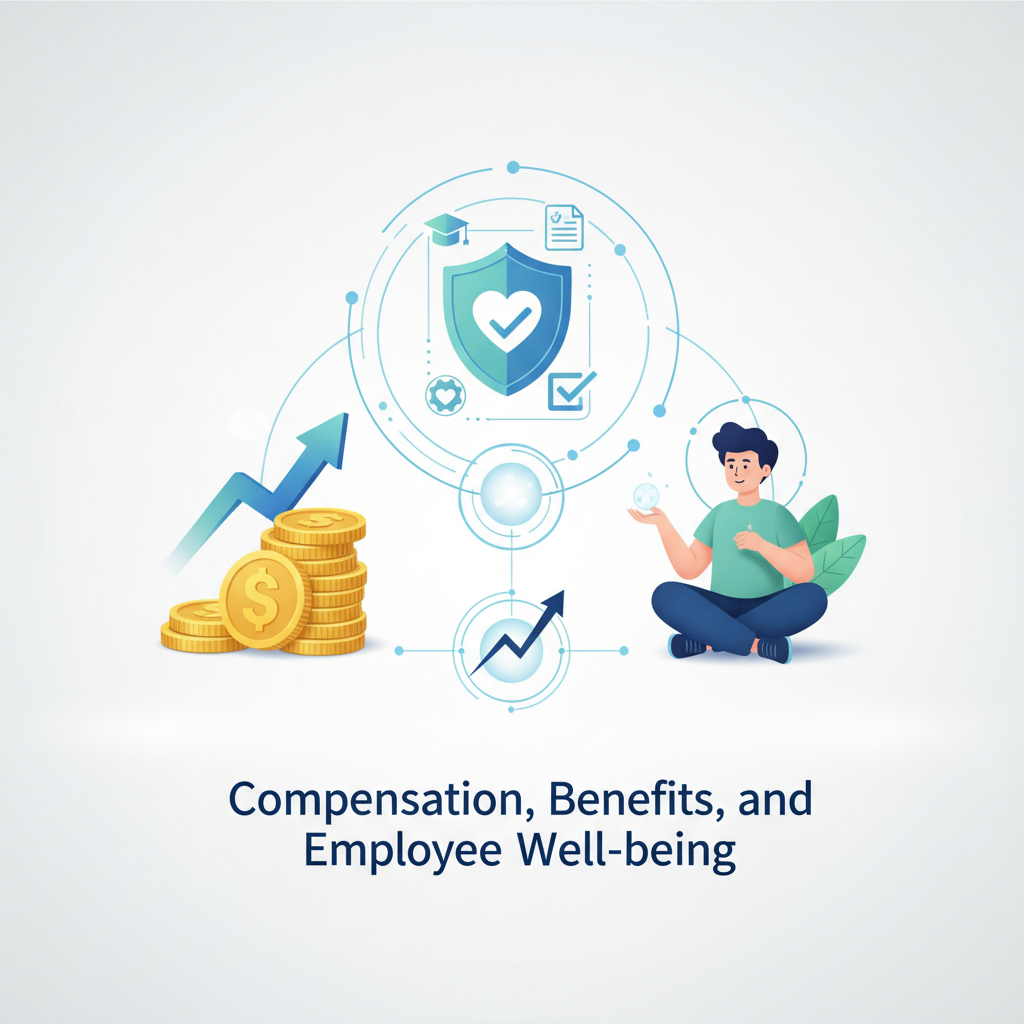
Compensation, Benefits, and Employee Well-being
The dynamic fashion industry in Vietnam, marked by rapid growth and evolving consumer landscapes, presents unique challenges and opportunities in talent management. Attracting and retaining top talent increasingly hinges on more than just competitive salaries; it involves a holistic approach to compensation, comprehensive benefits, and a genuine commitment to employee well-being. This section delves into current compensation practices, the competitive benefits landscape, and crucial initiatives fostering satisfaction and a healthy work-life balance within the Vietnamese fashion sector. Understanding these elements is vital for any organization looking to thrive and lead, as highlighted in detailed HR report of Fashion field in Vietnam.
1. Salary Benchmarks for Key Fashion Roles
In Vietnam’s bustling fashion scene, salary benchmarks are constantly shifting, influenced by global trends, local economic conditions, and rising demand for specialized skills. For key roles like Creative Directors, Merchandisers, Production Managers, E-commerce Specialists, and Marketing Executives, salaries are becoming highly competitive. Entry-level positions offer foundational salaries, with significant increments for mid-level and senior professionals bringing extensive experience, proven track records, and niche expertise in areas such as sustainable fashion or digital transformation. For instance, a skilled Apparel Merchandiser with 5+ years of experience in a reputable brand might command a salary significantly above average, reflecting their crucial role in product lifecycle management and market strategy. Similarly, Creative Directors leading innovative collections or E-commerce Managers driving substantial online sales growth are among the highest earners, their compensation reflecting direct impact on brand revenue and market positioning. Regular market surveys and competitive analysis are indispensable for fashion companies to ensure their salary structures remain attractive and equitable, preventing talent drain. A comprehensive HR report of Fashion field in Vietnam would typically detail these nuances, offering granular data for various role levels and specializations.
2. Competitive Benefits & Perks Landscape
Beyond base salaries, a robust and attractive benefits package is a powerful tool for talent acquisition and retention in the Vietnamese fashion industry. While traditional benefits like health insurance, social insurance, and annual leave remain standard, leading fashion companies differentiate themselves through a wider array of perks. These often include performance-based bonuses, commissions for sales-driven roles, and profit-sharing schemes that align employee success with company growth. Non-monetary benefits are also gaining prominence, ranging from professional development opportunities (e.g., workshops on fashion technologies, design software) to sponsorships for industry events and advanced degrees. Employee discounts on brand products, flexible working hours (especially for design and marketing), and opportunities for international exposure are highly valued. Some forward-thinking companies also explore comprehensive well-being programs, recognizing that a healthy, engaged workforce is more productive. The strategic implementation of these benefits not only enhances employee satisfaction but also strengthens the employer brand, making the company a more desirable workplace. For broader insights into global trends influencing such packages, a recent McKinsey report on talent and recruiting highlights evolving employee expectations worldwide.
3. Mental Health & Work-Life Balance Initiatives
The fast-paced, often high-pressure environment of the fashion industry, characterized by tight deadlines and creative pressures, can impact employee mental health and work-life balance. Recognizing this, Vietnamese fashion companies increasingly prioritize initiatives to support workforce well-being. Efforts range from implementing mental health awareness programs and providing access to counseling services (in-house or external) to promoting stress management workshops. Flexible work arrangements, such as hybrid models or compressed workweeks, are becoming more common, offering employees greater autonomy and helping them manage personal commitments. Companies also invest in creating supportive workplace cultures that encourage open communication, reduce mental health stigma, and foster belonging. Initiatives like “wellness days,” team-building activities, and on-site fitness or mindfulness sessions contribute significantly to morale and reduce burnout. By proactively addressing mental health and promoting work-life balance, fashion organizations in Vietnam are not only fulfilling corporate social responsibility but also realizing tangible benefits: increased productivity, reduced absenteeism, and higher employee retention. These efforts are crucial for building a sustainable and resilient workforce capable of navigating the industry’s demands.
In conclusion, the competitive landscape of Vietnam’s fashion industry demands a sophisticated and empathetic approach to human resources. Beyond attractive salary benchmarks, a comprehensive suite of benefits and a genuine commitment to employee well-being are paramount for success. Organizations that invest proactively in these areas will be best positioned to attract, retain, and empower the talent essential for innovation and sustained growth.
Technology and Innovation in Fashion HR Practices
The vibrant and rapidly expanding fashion industry in Vietnam is undergoing a significant transformation, driven by technological advancements that are reshaping every facet of business operations, especially human resources. As Vietnamese fashion companies navigate global competition and strive for greater efficiency, the adoption of cutting-edge HR technologies, including artificial intelligence (AI) and automation, is becoming paramount. This shift is not merely about digitizing old processes but fundamentally re-envisioning how talent is attracted, managed, and retained, offering a competitive edge in a dynamic market. For a deeper understanding of industry trends, refer to this HR report of Fashion field in vietnam, which highlights key developments and challenges faced by the sector.
1. Adoption of HR Tech Solutions & Platforms
Vietnamese fashion enterprises, traditionally characterized by large workforces and often manual HR processes, are increasingly embracing integrated HR technology solutions and platforms. The move towards cloud-based Human Resources Information Systems (HRIS) is central to this shift, consolidating employee data, payroll, benefits administration, and timekeeping into single, accessible systems. These platforms empower HR departments to manage complex employee lifecycles more efficiently, reduce administrative overhead, and ensure compliance. Furthermore, specialized talent management modules for performance appraisal, learning and development, and succession planning are gaining traction. By leveraging these technologies, fashion companies can foster a more engaged and skilled workforce, crucial for maintaining product quality and innovation in a design-centric industry. The digital transformation of HR functions provides a unified view of human capital, enabling quicker, more informed decisions that directly impact business outcomes.
2. Data Analytics for Strategic HR Decision-Making
Beyond simply managing data, the power of data analytics is fundamentally transforming HR from an operational function to a strategic business partner within Vietnam’s fashion sector. HR departments are now utilizing sophisticated analytical tools to extract actionable insights from vast amounts of employee data. This includes predictive analytics to anticipate employee turnover, identify high-potential individuals, and forecast future workforce needs based on production cycles and market demand. For instance, by analyzing recruitment sources, performance metrics, and exit interview data, fashion companies can refine their hiring strategies to attract candidates with the highest likelihood of success and long-term retention. Data-driven insights also enable the optimization of training programs, ensuring that skill development aligns directly with business objectives and addresses specific gaps within the organization. This strategic use of data helps fashion businesses make informed decisions that enhance productivity, reduce costs, and build a resilient talent pipeline.
3. Automation in Recruitment & Onboarding Processes
The recruitment and onboarding phases, often time-consuming and resource-intensive, are prime areas for technological innovation through automation and AI in Vietnam’s fashion industry. AI-powered Applicant Tracking Systems (ATS) can now automatically screen resumes, identify qualified candidates based on predefined criteria, and even schedule interviews, significantly reducing the manual effort involved. Chatbots are increasingly used to answer candidate queries, provide application status updates, and conduct initial screenings, enhancing the candidate experience and improving communication efficiency. Moreover, automation streamlines the onboarding process, from digital paperwork and e-signatures to automated assignment of initial training modules and allocation of IT resources. This not only accelerates the time-to-productivity for new hires but also ensures a consistent and positive introduction to the company culture. For more insights into how AI is revolutionizing HR practices globally, a comprehensive report on global human capital trends highlights the increasing adoption of AI and automation in various HR functions.
The integration of technology into HR practices is propelling Vietnam’s fashion industry towards greater operational excellence and strategic talent management. As these companies continue to scale and innovate, leveraging AI, automation, and data analytics will be crucial for attracting, developing, and retaining the talent essential for sustained growth and global competitiveness.
Future Outlook and Strategic Recommendations for HR
The fashion industry in Vietnam stands at a pivotal juncture, characterized by rapid growth, shifting consumer preferences, and an increasingly competitive global landscape. For Human Resources departments, this environment presents both significant challenges and unparalleled opportunities. To thrive, HR must transition from a reactive, administrative function to a proactive, strategic partner, anticipating future trends and spearheading innovation. This section provides critical insights into the anticipated future HR trends in Vietnam’s fashion sector, offering actionable recommendations for companies to adapt, innovate, and maintain a competitive edge.
-
Emerging HR Trends: Gig Economy, DEI, Sustainability
The future of work in Vietnam’s fashion industry will be profoundly shaped by several key trends. Firstly, the gig economy is set to expand, offering flexibility but also requiring HR to redefine talent acquisition and management. Fashion companies will increasingly leverage freelance designers, consultants, marketing specialists, and even production technicians for project-based work, demanding agile contracting, performance management, and integration strategies. HR must develop robust frameworks for engaging, compensating, and retaining this fluid workforce, ensuring compliance with labor laws while maximizing specialized skill access.
Secondly, Diversity, Equity, and Inclusion (DEI) will move from a buzzword to a fundamental pillar of HR strategy. As Vietnamese fashion brands gain international recognition and target diverse consumer bases, a diverse workforce reflecting these markets becomes crucial for innovation and authenticity. HR must champion initiatives that foster an inclusive culture, provide equal opportunities regardless of gender, background, or ability, and ensure equitable career progression. This includes blind recruitment processes, anti-bias training, and the creation of employee resource groups.
Thirdly, sustainability will increasingly impact HR practices. With global consumers demanding ethical production and environmental responsibility, fashion companies in Vietnam must align their entire value chain, including human capital, with sustainable principles. HR’s role will involve promoting sustainable practices within the workplace, embedding environmental awareness into training programs, ensuring ethical labor practices throughout the supply chain, and attracting talent committed to green initiatives. This shift not only enhances brand reputation but also resonates with a new generation of employees. According to Deloitte’s Global Human Capital Trends report, organizations are increasingly recognizing the need for human-centered design to drive sustainability outcomes.
-
Strategic Planning for Future Talent Acquisition
The intensifying competition for skilled talent necessitates a more strategic and forward-looking approach to acquisition. HR departments in Vietnam’s fashion companies must move beyond reactive hiring to proactive workforce planning. This involves anticipating future skill gaps driven by technological advancements (e.g., AI in design, 3D printing, data analytics in retail) and market shifts. Developing robust talent forecasting models and building strong talent pipelines through partnerships with fashion schools, vocational training centers, and local universities will be paramount.
Employer branding will become a critical differentiator. Fashion companies need to articulate a compelling employee value proposition (EVP) that highlights their unique culture, career development opportunities, commitment to innovation, and purpose-driven work. Leveraging digital platforms and social media will be key to attracting tech-savvy talent. Furthermore, HR must embrace advanced recruitment technologies, including AI-powered applicant tracking systems (ATS) and predictive analytics, to streamline processes, enhance candidate experience, and make data-driven hiring decisions. Focusing on internal mobility and upskilling current employees will also be a cost-effective and loyalty-building strategy to meet future talent needs.
-
Building a Resilient & Agile HR Framework
The volatile nature of the fashion industry, coupled with global uncertainties, demands an HR framework that is inherently resilient and agile. This means HR must be equipped to respond swiftly to disruptions, whether they are supply chain issues, economic downturns, or rapid technological shifts. A resilient HR framework will prioritize employee well-being, offering comprehensive support for mental health, flexible work arrangements, and robust communication channels during crises. HR leaders must cultivate a culture of psychological safety where employees feel empowered to adapt and innovate.
Agility in HR also entails leveraging technology to automate routine administrative tasks, freeing up HR professionals to focus on strategic initiatives. Implementing integrated Human Resources Information Systems (HRIS) will provide real-time data for better decision-making regarding talent management, compensation, and organizational design. Furthermore, HR must champion a continuous learning culture, ensuring employees and leaders possess the adaptive skills necessary to navigate change. Regular review and iteration of HR policies and programs will ensure they remain relevant and effective. For more comprehensive insights into the HR report of Fashion field in Vietnam, this report provides further details.
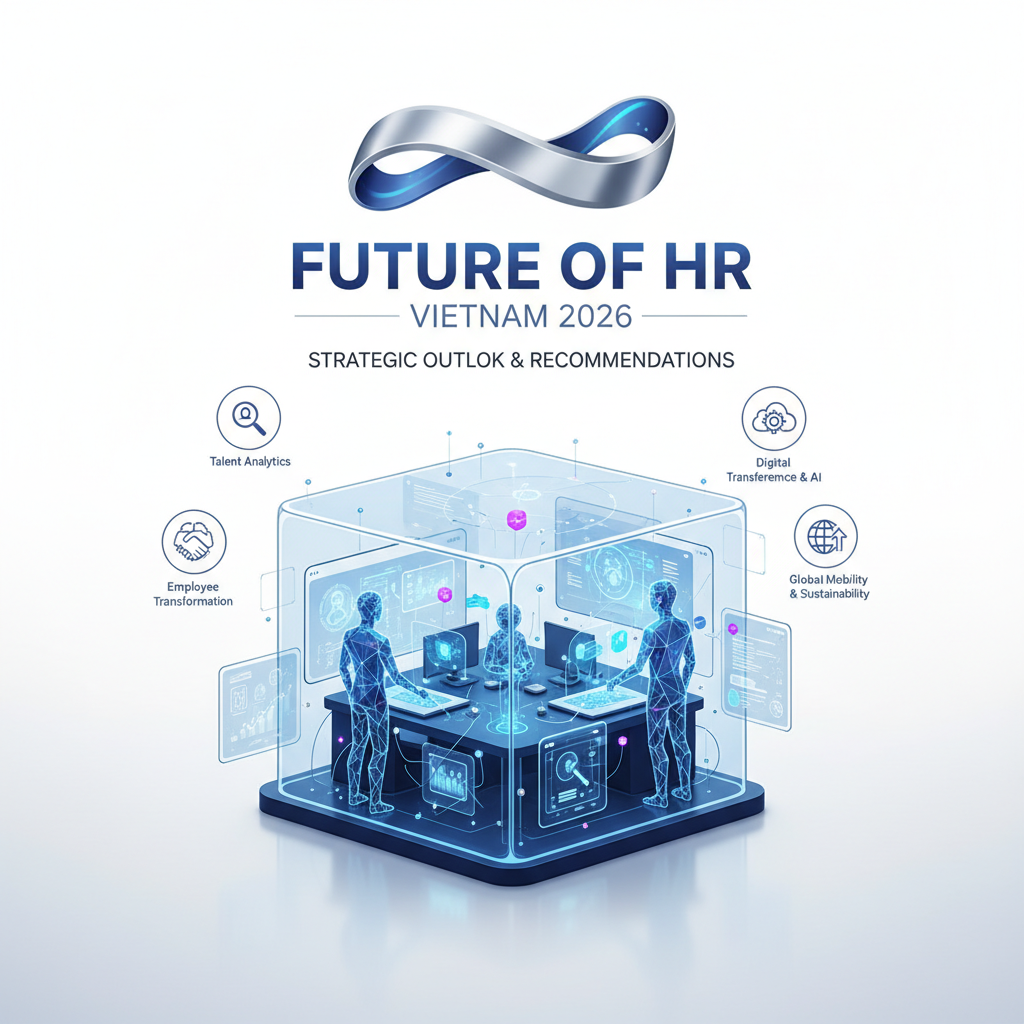
In conclusion, the future success of fashion companies in Vietnam hinges significantly on their HR department’s ability to foresee, adapt, and lead through change. By embracing emerging trends like the gig economy, DEI, and sustainability, strategically planning for talent acquisition, and building a resilient and agile HR framework, organizations can not only navigate the complexities of the dynamic market but also emerge as leaders in the global fashion arena. HR is no longer just about managing people; it’s about shaping the future workforce and fostering an organizational culture that thrives on innovation and adaptability.
Partner with Shelby Global
You are looking for reliable HR Sevice Suppliers? Contact Shelby Global Now! To connect with verified talents and upgrade your orginization.
—————————————
References
– Vietnam’s garment-textile exports to rise 10% this year – VnExpress International: https://e.vnexpress.net/news/business/industries/vietnam-s-garment-textile-exports-to-rise-10-this-year-4602956.html
– Vietnam’s Labour Market in H1 2023: Key Trends and Challenges: https://www.aseanbriefing.com/news/vietnams-labour-market-in-h1-2023-key-trends-and-challenges/
– McKinsey report on talent and recruiting: https://www.mckinsey.com/capabilities/people-and-organizational-performance/our-insights/the-new-rules-of-talent-and-recruiting
– Deloitte Global Human Capital Trends: https://www2.deloitte.com/us/en/insights/focus/human-capital-trends.html
– Deloitte’s Global Human Capital Trends: https://www2.deloitte.com/us/en/insights/topics/talent/global-human-capital-trends.html