
Key HR Trends Shaping Singapore’s Education Sector
This section provides an executive summary of the most significant HR trends identified in the education sector across Singapore, setting the stage for deeper analysis. As Singapore solidifies its position as a global education hub, understanding the evolving human resources landscape within its learning institutions is crucial. Insights from an HR report of education companies in Singapore reveal a dynamic environment, influenced by technological advancements, demographic shifts, and changing workforce expectations. These trends are not merely operational challenges but strategic imperatives that demand proactive HR leadership for sustained growth and excellence.
The education sector, from K-12 schools to universities and private training providers, is undergoing profound transformation. HR departments are at the forefront, grappling with issues impacting talent attraction, development, and retention. A comprehensive HR report of education companies in Singapore consistently highlights several pivotal areas that merit immediate attention and strategic planning. These overarching trends underscore the need for adaptability and innovation in HR practices to foster a resilient educational ecosystem.

1. Workforce Demographics and Diversity in Education
The demographic makeup of Singapore’s education workforce is shifting, presenting both challenges and opportunities for HR. An aging educator population necessitates robust succession planning and knowledge transfer. Concurrently, the influx of younger generations (Millennials and Gen Z) brings new expectations regarding work-life balance, career progression, and technological integration, demanding diversified HR strategies. Promoting diversity and inclusion extends beyond age, encompassing gender, ethnicity, and cultural backgrounds. HR departments increasingly focus on creating inclusive environments that leverage diverse perspectives to enrich the learning experience. Addressing these demographic nuances is a recurring theme in any insightful HR report of education companies in Singapore, emphasizing tailored talent management strategies. According to the Ministry of Manpower’s Labour Force in Singapore 2023 report, Singapore continues to see evolving workforce demographics across all sectors, necessitating adaptable HR frameworks. Embracing diversity is not just a moral imperative but a strategic advantage, fostering innovation and improved educational outcomes.
2. The Rise of Flexible Work Arrangements in Learning Institutions
The pandemic significantly accelerated the adoption of flexible work arrangements, a trend that continues to reshape the education sector. From hybrid teaching models to remote administrative roles and flexible working hours, institutions are re-evaluating traditional work structures. This shift is driven by a desire to improve employee well-being, enhance work-life balance, and attract a wider talent pool. While flexibility can boost job satisfaction and retention, it also poses challenges related to maintaining team cohesion, ensuring pedagogical effectiveness, and managing performance across distributed teams. HR professionals in Singapore’s education companies are tasked with developing clear policies, providing adequate technological infrastructure, and training managers to lead effectively in flexible environments. The implications for an HR report of education companies in Singapore are clear: flexibility is no longer a perk but a fundamental expectation, demanding innovative solutions from HR to ensure both institutional productivity and employee engagement. Balancing the needs of students, faculty, and administration in a flexible paradigm requires careful strategic planning.
3. Impact of Digital Transformation on HR Operations
Digital transformation profoundly impacts HR operations within Singapore’s education sector, moving beyond mere digitization to a complete re-imagination of processes. The adoption of Human Resources Information Systems (HRIS), AI-powered recruitment tools, and sophisticated learning and development platforms is becoming commonplace. These technologies streamline administrative tasks, enhance data analytics for strategic decision-making, and personalize employee experiences. HR departments can now leverage data to identify talent gaps, predict attrition, and tailor training programs. However, this transformation also requires significant investment in technology and upskilling HR professionals to maximize these digital tools. The insights from an HR report of education companies in Singapore highlight that while the benefits of digital HR are immense, successful implementation hinges on change management and continuous learning. Embracing digital solutions allows education companies to operate more efficiently, make data-driven decisions, and create more engaging and supportive environments for their staff. This focus on technological integration is critical for any future-forward HR strategy in the educational landscape.
In conclusion, the HR landscape within Singapore’s education sector is complex and rapidly evolving. Addressing shifts in workforce demographics, embracing flexible work models, and leveraging digital transformation are not isolated tasks but interconnected strategic priorities. For education companies to thrive, HR leaders must adopt a proactive, data-driven, and people-centric approach, continuously adapting to new challenges and opportunities. A detailed HR report of education companies in Singapore serves as an indispensable guide for institutions aiming to build resilient, innovative, and high-performing teams, ultimately ensuring the continued excellence of Singapore’s educational offerings.
Talent Acquisition and Retention Strategies
The education sector in Singapore faces a unique set of challenges in attracting and retaining top talent, mirroring the broader competitive landscape for skilled professionals. This section of our comprehensive HR report of education companies in Singapore delves into the critical strategies employed by educational institutions to navigate these hurdles. From identifying effective sourcing channels to cultivating robust employer brands and implementing innovative retention programs, understanding these approaches is crucial for sustainable growth and delivering quality education in a dynamic environment. Education companies must adapt swiftly to the evolving expectations of today’s workforce, integrating modern HR best practices education Singapore to attract and nurture talent effectively.
1. Effective Sourcing Channels for Educators and Staff
Securing highly qualified educators and support staff is paramount for any education company. Traditional job boards are often no longer sufficient in a tight labor market. Education companies in Singapore are increasingly diversifying their sourcing channels to cast a wider net. Professional networking platforms like LinkedIn, specialized education job portals, and university career fairs are becoming indispensable. Collaborations with local universities and polytechnics, offering internships and practicum placements, serve as excellent pipelines for nurturing future talent, particularly for entry-level positions and fresh graduates who are keen to enter the education sector hiring Singapore market.
Furthermore, referrals from existing staff often yield high-quality candidates who are already aligned with the company culture. Strategic partnerships with overseas recruitment agencies can also address specific teacher recruitment challenges, especially for specialized subjects or international school curricula where local talent pools may be limited. Leveraging data analytics to track the effectiveness of various channels allows HR departments to optimize their recruitment spend. This ensures focus on channels that consistently deliver the best candidates, such as dedicated millennial Gen Z educators. Adopting a multi-channel approach is key to overcoming the intense competition for talent in this vital sector, improving overall talent management education industry efforts.
2. Employer Branding: Attracting Millennials and Gen Z
In today’s talent-driven market, a strong employer brand is vital for attracting and engaging prospective employees, particularly among millennial Gen Z educators. These generations are not solely motivated by financial incentives; they prioritize purpose, professional growth, work-life balance, and a positive organizational culture. Education companies in Singapore must articulate a compelling employer value proposition (EVP) that highlights their commitment to pedagogical innovation, professional development, and employee well-being. This involves showcasing success stories, teacher testimonials, and the positive impact educators have on students’ lives through various digital platforms, including social media and corporate websites.
An effective employer branding for teachers strategy includes transparent communication about career progression paths, opportunities for continuous learning, and a supportive work environment. Emphasizing the company’s mission and values, especially its contribution to society and the future of education, resonates deeply with these purpose-driven demographics. Regular engagement with potential candidates through workshops, webinars, and online content that reflects the company’s vibrant culture can also significantly boost attraction efforts. Building a reputation as an innovative and supportive workplace helps education companies stand out, reducing the teacher recruitment challenges by making them an employer of choice. According to Randstad’s comprehensive Talent Trends Report, a strong employer brand is crucial for attracting top talent in competitive sectors like education.
3. Innovative Retention Programs and Employee Engagement
Attracting talent is only half the battle; retaining them is equally, if not more, critical for the long-term success of education companies. High turnover rates can disrupt learning environments and significantly increase operational costs. Therefore, sophisticated staff retention strategies education companies employ focus on fostering a supportive and engaging work environment. This includes robust professional development education Singapore programs, mentorship schemes, and clear pathways for career advancement within the organization. Investing in continuous learning opportunities, such as certifications in new teaching methodologies or EdTech HR trends, keeps educators motivated and skilled.
Beyond professional growth, employee engagement education initiatives play a pivotal role. Regular feedback mechanisms, open communication channels, and opportunities for educators to contribute to curriculum development or strategic decisions can significantly enhance job satisfaction. Recognising and rewarding achievements, both formally and informally, instills a sense of value and belonging. Companies are also exploring flexible work arrangements where feasible, and comprehensive well-being programs that support mental, physical, and financial health, understanding that a holistic approach is key to retaining dedicated staff and complement **competitive compensation education** structures. Crafting a comprehensive HR report of education companies in Singapore would inevitably highlight the success of firms that prioritize these human-centric policies. For a deeper understanding of talent management and HR best practices in the sector, refer to our comprehensive HR report of education companies in Singapore. Such proactive measures ensure that education companies not only attract the best but also retain them, fostering a stable and high-performing workforce essential for educational excellence.
Compensation & Benefits Landscape for Educators
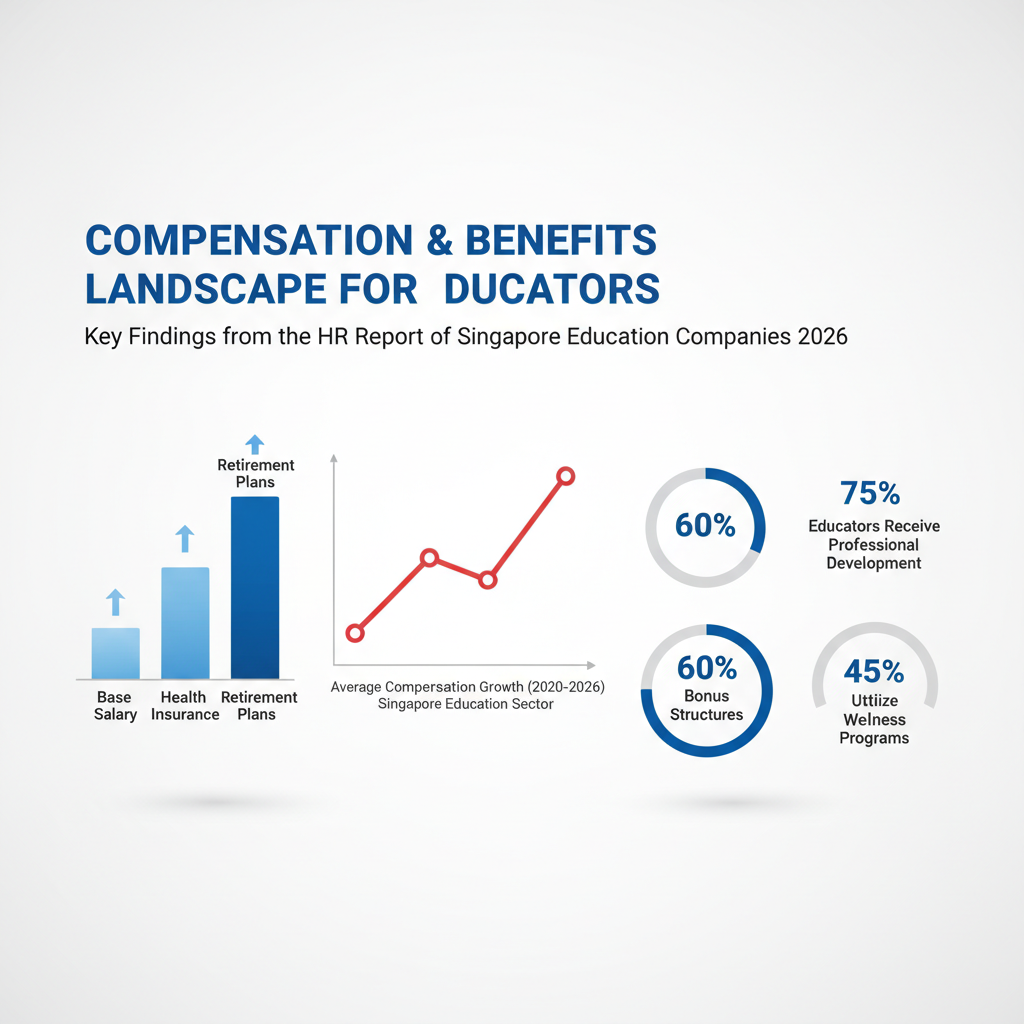
An in-depth look at salary benchmarks, benefit packages, and overall compensation structures prevalent in Singapore’s education companies, comparing different segments. Understanding the nuances of remuneration within this dynamic sector is crucial for both employers aiming to attract top talent and professionals seeking rewarding careers. This analysis provides a comprehensive HR report of education companies in Singapore, highlighting the key components that define employee value propositions across various educational settings.
1. Salary Benchmarks Across Various Education Roles
The education sector in Singapore is diverse, encompassing everything from international schools and private tuition centers to vocational training institutes and burgeoning ed-tech platforms. Consequently, salary benchmarks vary significantly based on the role, institution type, experience level, and qualifications. For instance, educators in established international schools often command premium salaries, reflecting their extensive experience, international qualifications, and the schools’ fee structures. Entry-level teaching positions in tuition centers, while competitive, may offer different compensation models, sometimes incorporating performance-based bonuses linked to student enrollment or academic results.
Specific roles such as Lead Teachers, Curriculum Developers, and Educational Technologists are seeing increasing demand, leading to specialized salary scales. Administrators and support staff also form a vital part of the workforce, with their remuneration benchmarking against general corporate roles but often adjusted for the specific educational environment. Factors like subject specialization (e.g., STEM subjects often attract higher pay), leadership responsibilities, and proficiency in digital learning tools further influence an educator’s earning potential. For a broader context on employment and remuneration trends across Singapore’s industries, the Ministry of Manpower’s (MOM) official statistics offer valuable insights into the labour market dynamics impacting educators.
2. Emerging Trends in Employee Benefits and Perks
Beyond base salaries, modern education companies in Singapore are increasingly investing in robust benefits packages to attract and retain talent. Traditional benefits like health insurance and annual leave remain standard, but new trends are rapidly gaining prominence. These include comprehensive wellness programs, mental health support services, and flexible work arrangements – a critical perk, especially after the global shift towards remote and hybrid learning models. Professional development opportunities are also highly valued; companies offering funded certifications, master’s degree sponsorships, or regular workshops on pedagogical innovation stand out.
Other emerging perks include paternity/maternity benefits beyond statutory requirements, childcare support, transport allowances, and even housing subsidies for expatriate staff in international schools. Ed-tech companies, in particular, often mirror tech industry benefits such as stock options or performance-based equity, fostering a sense of ownership. A well-rounded benefits package is no longer just a supplement to salary; it’s a core component of an employer’s brand and a key differentiator in a competitive market, reflecting an understanding of employees’ holistic needs.
3. Total Rewards Strategy: Beyond Basic Compensation
Progressive education companies are moving beyond a simple pay-and-benefits approach, adopting a ‘Total Rewards’ strategy. This holistic framework encompasses five key elements: compensation, benefits, work-life balance, performance and recognition, and career development. In Singapore’s education sector, this means creating an environment where educators feel valued, supported, and have clear pathways for professional growth. Recognition programs, whether formal awards or informal appreciation, play a significant role in boosting morale and motivation.
Emphasis on work-life integration, through initiatives like sabbaticals, flexible hours, or reduced administrative loads, helps combat burnout—a prevalent issue in the teaching profession. Opportunities for leadership, participation in curriculum design, or involvement in school-wide projects contribute to career development and job satisfaction. Companies that successfully integrate these elements into their strategy not only improve retention rates but also enhance employee engagement, ultimately leading to better educational outcomes. For a deeper dive into the overall compensation and benefits landscape and what drives employee satisfaction in the sector, exploring a comprehensive HR report of education companies in Singapore can provide invaluable strategic insights for both job seekers and HR professionals.
Employee Development and Performance Management
In the dynamic and competitive landscape of Singapore’s education sector, investing in HR report of education companies in Singapore reveals a strong emphasis on nurturing a high-performing workforce. Education companies understand that their most valuable asset is their people, especially the educators and administrative staff who directly impact learning outcomes. Consequently, robust employee growth strategies encompassing comprehensive training, strategic career development, and sophisticated performance management systems are paramount. These initiatives are designed not only to enhance individual capabilities but also to align staff development with organizational goals, fostering an environment where talent thrives and innovation flourishes. By prioritizing continuous learning and transparent performance assessments, these companies cultivate a resilient and adaptive team capable of navigating evolving educational demands and delivering exceptional value.
-
Learning & Development Initiatives for Upskilling Educators
Education companies in Singapore are increasingly dedicating significant resources to employee development through tailored Learning & Development (L&D) initiatives. These programs are critical for upskilling educators and administrative staff, ensuring they remain at the forefront of pedagogical innovation and technological integration. Key focus areas include digital literacy training, to empower staff with the skills to leverage e-learning platforms and educational technologies effectively, and specialized workshops on modern teaching methodologies such as flipped classrooms, blended learning, and project-based learning. Furthermore, these initiatives often extend to developing soft skills like communication, critical thinking, and emotional intelligence, which are vital for fostering engaging learning environments and managing diverse student populations. The goal is to cultivate a culture of continuous professional development, where educators are encouraged to explore new approaches, share best practices, and adapt to the ever-changing educational landscape. Such investment in training programs not only enhances individual competency but also significantly contributes to the overall quality of education provided, directly impacting student success and the company’s reputation. This commitment to ongoing learning is a cornerstone of building a truly high-performing workforce.
-
Career Pathing and Succession Planning
Beyond immediate skill enhancement, forward-thinking education companies in Singapore implement structured career development frameworks and robust succession planning to ensure long-term organizational stability and talent retention. This involves defining clear career paths for various roles, from junior educators to senior leadership positions, providing employees with a transparent roadmap for advancement. Mentorship programs, leadership training, and cross-functional rotations are integral components of these strategies, allowing employees to gain diverse experiences and develop a broader skill set. By identifying high-potential individuals early on, companies can strategically invest in their growth, preparing them to assume greater responsibilities and leadership roles in the future. This proactive approach to employee growth not only motivates staff by offering tangible opportunities for progression but also mitigates the risks associated with key personnel departures. Effective succession planning ensures a continuous pipeline of qualified leaders, safeguarding institutional knowledge and maintaining operational continuity. These strategies are crucial for fostering talent retention and demonstrating a commitment to employees’ professional journeys within the organization.
-
Performance Review Systems and Feedback Mechanisms
To underpin employee growth and ensure accountability, education companies deploy sophisticated performance management systems complemented by effective feedback mechanisms. These systems typically involve regular performance reviews, often conducted quarterly or bi-annually, where employees and their managers collaboratively set SMART goals (Specific, Measurable, Achievable, Relevant, Time-bound). Beyond formal appraisals, continuous feedback loops are encouraged through regular check-ins, one-on-one meetings, and peer-to-peer feedback. Some companies also adopt 360-degree feedback, gathering insights from colleagues, subordinates, and supervisors to provide a holistic view of an employee’s performance and developmental needs. The focus of these performance review systems is not solely on evaluation but also on identifying areas for improvement and recognizing achievements. Constructive feedback, coupled with clear performance improvement plans where necessary, helps employees understand their strengths and weaknesses, enabling targeted development. Furthermore, linking performance outcomes to reward structures, such as bonuses or promotional opportunities, reinforces a culture of high achievement. These transparent and objective systems are vital for motivating staff, improving productivity, and ensuring that individual contributions align with the company’s strategic objectives, thereby strengthening the overall high-performing workforce.
Future Outlook and Strategic Recommendations for HR Leaders
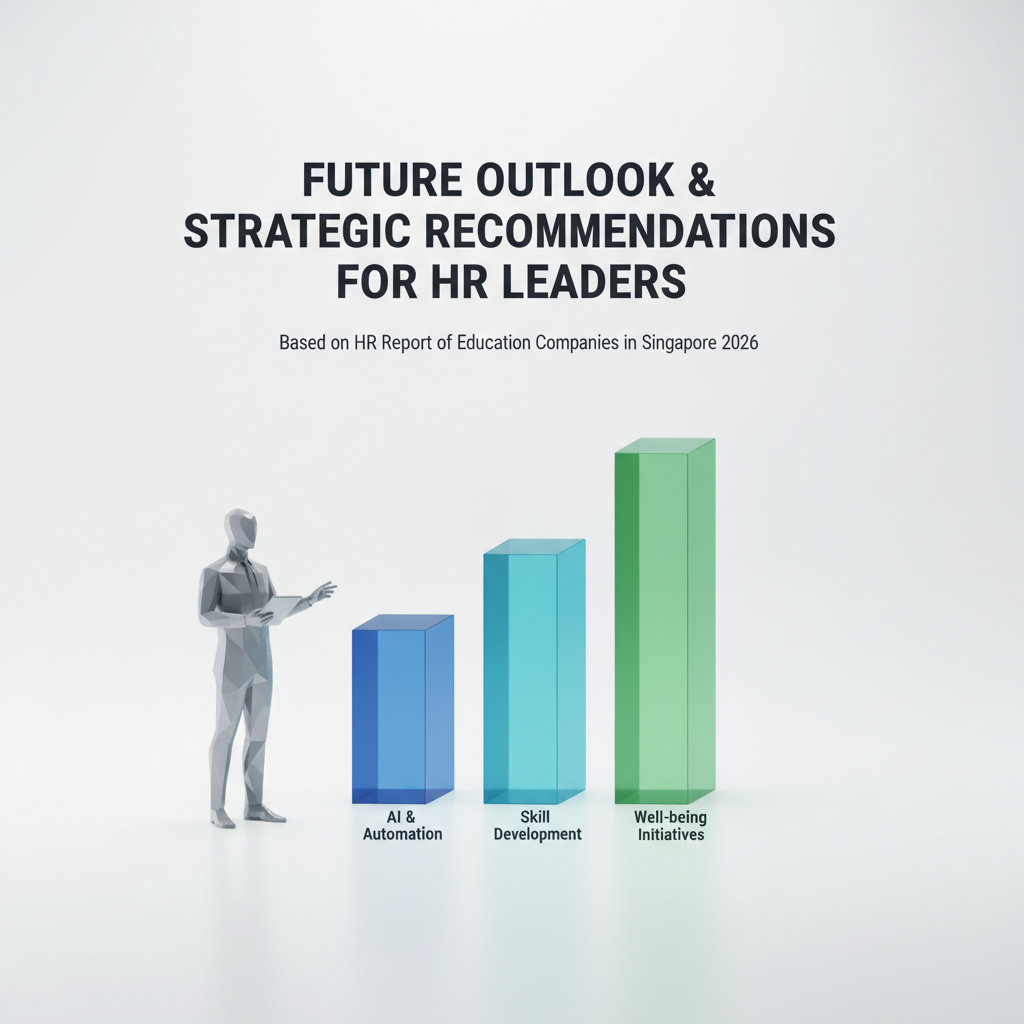
As the education landscape in Singapore continues its rapid evolution, driven by technological advancements, demographic shifts, and changing learner expectations, the role of Human Resources within education companies becomes increasingly pivotal. This section offers forward-looking insights and actionable recommendations for HR professionals, empowering them to proactively prepare for the challenges and opportunities that lie ahead. By adopting a strategic, forward-thinking approach, HR leaders can ensure their organizations remain resilient, attractive to top talent, and at the forefront of educational innovation, as highlighted in comprehensive analyses like the HR report of education companies in Singapore.
1. Anticipated HR Challenges in the Next 3-5 Years
The coming years will present a complex array of HR challenges for education companies. Firstly, talent attraction and retention will intensify. The global competition for skilled educators, ed-tech specialists, and administrative professionals, coupled with Singapore’s tight labor market, necessitates innovative recruitment strategies and compelling employee value propositions. HR leaders must contend with a growing skills gap, particularly in areas like digital literacy, AI integration in pedagogy, and data analytics, requiring robust upskilling and reskilling initiatives for existing staff. Employee well-being and mental health will also remain a critical concern, demanding comprehensive support systems as educators navigate increased digital demands and evolving teaching methodologies. Furthermore, adapting to flexible work models, including hybrid and remote arrangements for non-teaching staff, while maintaining organizational culture and productivity, will be a significant operational and cultural challenge. Finally, managing generational diversity within the workforce – from experienced educators to digitally native new hires – requires tailored engagement strategies and inclusive leadership development.
2. Leveraging HR Technology for Strategic Advantage
Embracing and strategically deploying HR technology is no longer optional but a necessity for education companies aiming for sustained success. HR leaders should prioritize investments in advanced HR Information Systems (HRIS) that offer integrated solutions for payroll, benefits, and employee data management, freeing up HR teams for more strategic tasks. The adoption of AI and machine learning tools can revolutionize talent acquisition, from intelligent resume screening and candidate matching to personalized onboarding experiences. Predictive analytics, powered by HR data, can offer invaluable insights into workforce trends, potential attrition risks, and future skill demands, enabling proactive workforce planning. Furthermore, digital learning platforms and personalized development tools are essential for continuous professional development, allowing educators and staff to acquire new skills flexibly. Technologies that enhance employee engagement, such as sentiment analysis tools and internal communication platforms, will also play a crucial role in fostering a connected and motivated workforce. By automating routine processes and providing data-driven insights, HR technology will empower leaders to make more informed decisions and create a more efficient, responsive HR function.
3. Policy Recommendations for Sustainable HR Practices
To build a resilient and thriving workforce, HR leaders in education must champion policies that promote sustainability, equity, and continuous growth. Developing flexible work policies that support work-life integration for all employees, including educators, is paramount to attract and retain talent in a competitive market. This extends beyond remote work to include compressed workweeks, sabbatical programs, and enhanced parental leave. Robust learning and development (L&D) frameworks are essential, moving beyond traditional workshops to embrace micro-learning, mentorship programs, and partnerships with external educational technology providers. Prioritizing diversity, equity, and inclusion (DEI) initiatives is critical to fostering an innovative and representative workforce that mirrors Singapore’s multicultural society. This includes implementing bias-free recruitment processes, creating inclusive leadership programs, and establishing employee resource groups. Furthermore, ethical guidelines for the use of AI in HR processes must be developed to ensure fairness and transparency. Finally, establishing competitive compensation and benefits packages, regularly benchmarked against industry standards and broader professional sectors, will be vital to recognizing employee value and securing a stable, high-performing team. These policies, coupled with a culture of open communication and continuous feedback, will position education companies for long-term success.
In conclusion, the path forward for HR leaders in Singapore’s education companies demands foresight, adaptability, and a commitment to strategic innovation. By anticipating challenges, leveraging technology, and implementing progressive policies, HR can transform from a support function into a true strategic partner, driving organizational growth and ensuring a bright future for education in the region. Staying informed on global trends, such as those discussed in the World Economic Forum’s Future of Jobs Report, will be crucial for navigating this evolving landscape.
Partner with Shelby Global
You are looking for reliable HR Sevice Suppliers? Contact Shelby Global Now! To connect with verified talents and upgrade your orginization.
—————————————
References
– Ministry of Manpower’s Labour Force in Singapore 2023 report: https://www.mom.gov.sg/statistics-and-publications/labour-market-information/labour-force-in-singapore
– Randstad Singapore Talent Trends Report: https://www.randstad.sg/hr-solutions/talent-research/talent-trends-report/
– Ministry of Manpower’s (MOM) official statistics: https://stats.mom.gov.sg/Pages/Employment-Summary-Table.aspx
– employee development: https://www.shrm.org/resources-and-tools/hr-topics/learning-and-development
– World Economic Forum’s Future of Jobs Report: https://www.weforum.org/reports/the-future-of-jobs-report-2023/



































































































