
Foundational Differences in Organizational Setup
The Vietnamese e-commerce landscape thrives on agility and scale, presenting distinct operational realities for Small and Medium-sized Enterprises (SMEs) and large Corporates. These fundamental differences profoundly impact their Human Resources (HR) departments, defining their very existence, structure, and core responsibilities. Understanding the Differences between the SMEs’ HR Structure and the Corporates’ HR Structure in Ecommerce field in vietnam is key to appreciating human capital management in this vibrant digital marketplace.

While both organizational types aim for efficiency and talent acquisition, their approaches, resource allocation, and strategic integration of HR functions diverge significantly due to their inherent size and operational scale.
-
HR Department Size and Scope
For SMEs in Vietnamese e-commerce, HR typically operates as a lean function, often managed by a single HR generalist or an individual with broader administrative duties. Their primary focus is transactional: handling immediate recruitment needs (e.g., e-commerce fulfillment staff), payroll processing, basic employee relations, and ensuring fundamental labor law compliance. Specialized HR functions—like dedicated talent acquisition teams or extensive learning and development departments—are rare, constrained by budget and a smaller employee base. Here, HR’s role is largely reactive, centered on essential administrative tasks rather than strategic initiatives, highlighting the evolving role of HR more as an operational necessity.
Conversely, Corporates within this sector possess comprehensive HR departments, structured into specialized units. These include dedicated teams for talent acquisition (sourcing, screening, large-scale onboarding), compensation and benefits (designing competitive packages, performance incentives), learning and development (training programs, career pathing), and HR business partners who act as strategic consultants to specific business units. The sheer volume of employees and the complexity of multinational operations necessitate this specialization. The HR scope extends from robust administration to strategic workforce planning, employer branding, organizational development, and advanced analytics to optimize human capital across the enterprise.
-
Integration with Business Strategy
The degree of HR integration into overall business strategy marks another critical distinction. In SMEs, HR decisions are frequently reactive and tactical, driven by immediate operational demands rather than long-term strategic blueprints. For instance, a sudden e-commerce sales surge might trigger urgent hiring, or high turnover could lead to an ad-hoc review of benefits. HR is often perceived as an administrative function, with minimal formal involvement in core business planning, market expansion, or product development strategies. This limits its capacity to directly influence critical organizational directions or proactively shape talent strategies.
In contrast, Corporate HR is a pivotal strategic partner, deeply integrated into the overarching business strategy. HR leaders, typically at the executive committee level, actively contribute to strategic planning, talent mapping for future growth, succession planning for key roles, and organizational design for new market entries or technological adoptions. HR strategies are meticulously crafted to align with and propel corporate objectives, such as digital transformation, customer acquisition targets, or market share expansion. This strategic positioning enables Corporate HR to proactively cultivate the workforce capabilities, culture, and organizational structure vital for achieving ambitious business goals in Vietnam’s competitive e-commerce landscape.
-
Reporting Structures and Autonomy
Reporting structures and departmental autonomy also differ significantly. In many SMEs, the HR function (or individual) reports directly to the CEO/Founder or a general manager. While this direct line can facilitate rapid decision-making, it often means HR decisions are heavily influenced by top leadership’s immediate perspectives, potentially lacking formalized policy frameworks. The HR professional might have limited autonomy in developing and implementing independent HR policies, frequently acting more as an implementer of management directives rather than a strategic architect of human capital programs. This can result in less standardized processes and a greater reliance on ad-hoc solutions.
For Corporates, established HR hierarchies are standard. A Chief Human Resources Officer (CHRO) or HR Director typically leads the department, often holding a seat on the executive leadership team. This grants HR a powerful, independent voice in strategic discussions, ensuring human capital considerations are integral to all major business decisions. Corporate HR departments possess substantial autonomy in developing and implementing comprehensive HR policies, programs, and initiatives within corporate guidelines. They are empowered to establish best practices, innovate in employee engagement and performance management, and drive organizational change, reflecting a mature and well-integrated approach to human resources within their robust organizational setup in the Vietnamese e-commerce sector.
In essence, the fundamental differences between the SMEs’ HR Structure and the Corporates’ HR Structure in Ecommerce field in vietnam are shaped by their scale and operational complexity. While SMEs prioritize agility and foundational HR support, Corporates leverage specialized, strategically integrated HR functions to manage complex talent agendas and drive large-scale organizational growth. Recognizing these distinctions is crucial for effective human capital management across Vietnam’s thriving digital economy.
Talent Acquisition and Development Strategies
The burgeoning Vietnamese e-commerce market presents both immense opportunities and significant challenges, particularly when it comes to attracting and retaining top talent. The distinct approaches adopted by Small and Medium-sized Enterprises (SMEs) and large Corporations for sourcing, recruiting, onboarding, and fostering employee growth reveal fundamental differences between the SMEs’ HR structure and the Corporates’ HR structure in e-commerce field in Vietnam. Understanding these variations is crucial for navigating the competitive landscape and building a robust workforce in a dynamic sector.
1. Recruitment Channels and Branding
For SMEs in the Vietnamese e-commerce sector, talent acquisition often relies on a more agile and personal approach. Lacking the extensive budgets of their larger counterparts, SMEs typically leverage professional networking, employee referrals, and cost-effective online job boards. Their branding efforts are often grassroots, focusing on their unique company culture, startup energy, and the opportunity for employees to make a significant impact directly. This can be appealing to candidates seeking rapid career development and a less bureaucratic environment. However, this approach can limit their reach for niche e-commerce talent, leading to intense recruitment challenges when specific technical or leadership skills are required. They often prioritize candidates who are generalists and can wear multiple hats.
Corporates, on the other hand, boast sophisticated recruitment strategies backed by substantial resources. They invest heavily in employer branding campaigns, partnerships with universities, and utilize premium job platforms and executive search firms. Their brand recognition often precedes them, making them attractive to a wider pool of candidates, including those looking for stability, structured career paths, and comprehensive benefits. They employ dedicated HR teams with specialists in talent sourcing, often using advanced HR technology to streamline applications and assessments. This allows them to effectively target and acquire specific skill sets for specialized roles within areas like digital marketing, supply chain optimization, and data analytics, which are critical for their large-scale operations.
2. Onboarding and Training Programs
The onboarding experience also highlights significant differences between the SMEs’ HR structure and the Corporates’ HR structure in e-commerce field in Vietnam. SMEs often have a less formalized onboarding process. New hires might be integrated quickly into small teams, learning on the job through mentorship from colleagues or direct managers. Training programs, if available, are usually informal, customized, and focused on immediate operational needs. This hands-on approach can foster rapid learning and a strong sense of team camaraderie, but it may also lead to inconsistencies in training quality and a steeper learning curve for complex tasks. While resourceful, this can sometimes put strain on existing team members who take on mentoring roles.
Corporates, conversely, typically implement highly structured and comprehensive onboarding and employee development programs. New hires often undergo multi-day orientations covering company policies, values, and department-specific training. They invest in formal learning management systems (LMS), workshops, and certifications to ensure employees acquire the necessary skills and knowledge. These extensive programs are designed not only to integrate new employees efficiently but also to standardize performance and ensure compliance across the organization. This systematic approach supports continuous professional growth and skill enhancement, contributing to a more skilled and adaptable workforce planning strategy, as detailed by various reports on the Vietnamese labor market, such as those from the International Labour Organization (ILO).
3. Career Pathing and Employee Retention
Employee retention in Vietnam’s competitive e-commerce landscape is a critical concern for both types of organizations, though their approaches to career progression and motivation vary. SMEs often offer less formal career pathing but can provide faster upward mobility and greater exposure to diverse responsibilities. Employees might advance quickly based on performance and impact, gaining broad experience rather than deep specialization. Retention strategies often hinge on fostering a strong sense of belonging, offering flexible work arrangements, and providing direct recognition. However, without clear long-term growth frameworks, talented individuals might eventually seek more structured opportunities. For more insights on this dynamic, one can refer to discussions on Differences between the SMEs’ HR Structure and the Corporates’ HR Structure in Ecommerce field in Vietnam.
Corporates excel in providing well-defined career ladders, mentorship programs, and opportunities for internal mobility across departments or even international offices. Their comprehensive performance review systems are often linked to clear promotion criteria and salary increments. They leverage a combination of competitive compensation, robust benefits packages, and investment in continuous learning to retain employees. While progression might seem slower, the long-term prospects, specialized training, and prestige associated with working for a large corporation often appeal to professionals seeking stability and structured advancement. Both types of entities are constantly refining their HR strategies Vietnam to meet the evolving demands of their workforce and the market.
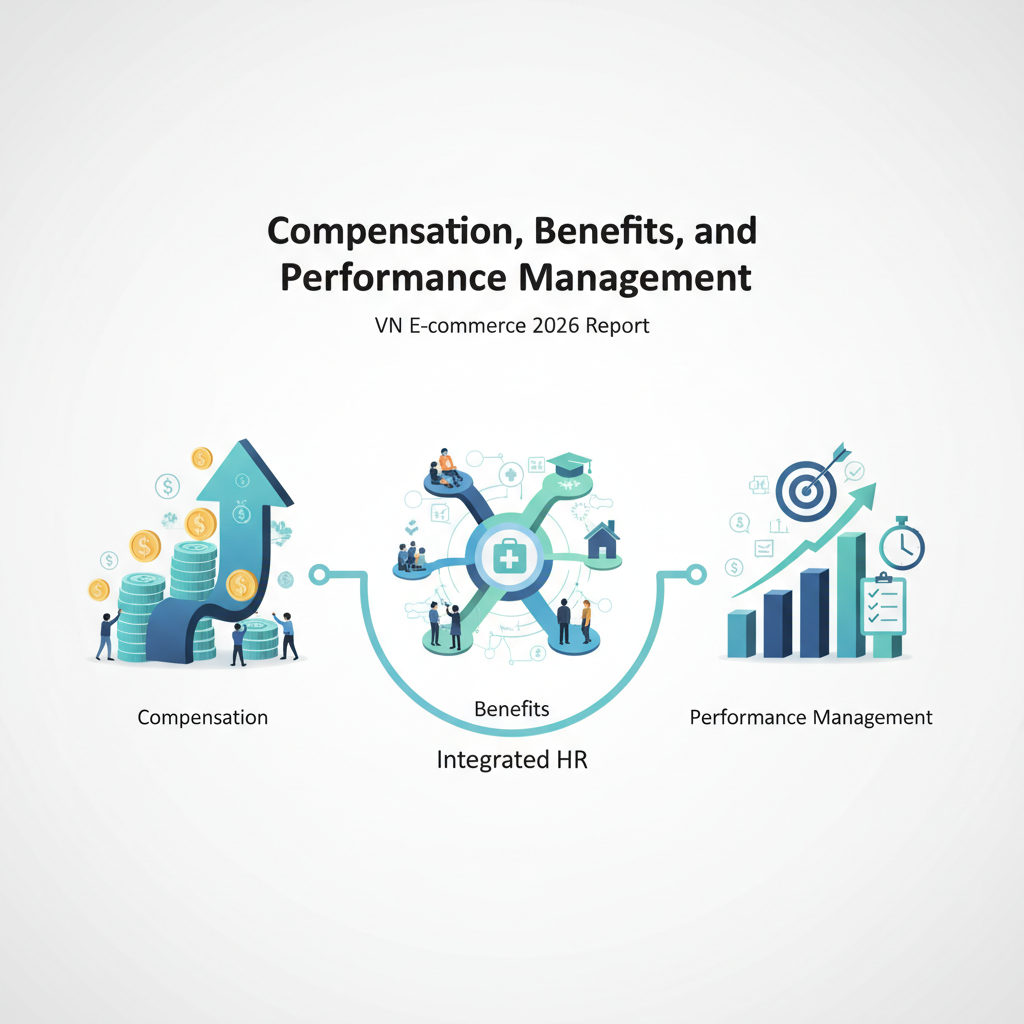
Compensation, Benefits, and Performance Management
Vietnam’s burgeoning e-commerce sector presents a dynamic landscape for human resources, where attracting and retaining top talent is paramount. The strategies employed by Small and Medium-sized Enterprises (SMEs) and large Corporates in this space often diverge significantly, particularly concerning compensation, benefits, and performance management. Understanding these Differences between the SMEs’ HR Structure and the Corporates’ HR Structure in Ecommerce field in vietnam is crucial for both employers and employees navigating this competitive environment.
While both aim to motivate and retain staff, their varying scales, resources, and organizational philosophies lead to distinct methodologies in structuring employee remuneration, incentives, and performance evaluation. This section delves into these varying approaches, highlighting key distinctions that define the landscape of e-commerce HR in Vietnam.
1. Salary Structures and Incentive Models
In the realm of salary structures and incentive models, SMEs and Corporates in Vietnamese e-commerce exhibit fundamental differences. SMEs, often characterized by their agility and lean operations, tend to adopt more flexible and performance-driven compensation models. Their *SME compensation Vietnam* strategies often include a lower fixed salary complemented by significant commission, project-based bonuses, or equity options, directly tying individual contributions to the company’s immediate success. This approach aims to foster a strong sense of ownership and can be a powerful driver for *employee retention strategies* by offering direct rewards for high performance. They frequently use simple yet effective *incentive programs Vietnam* that are easy to understand and quick to disburse, catering to a workforce that thrives on visible impact.
Conversely, large Corporates in Vietnam’s e-commerce sector typically employ more formalized and structured *remuneration models Vietnam*. These organizations often operate with established salary bands, grade levels, and clearly defined career progression paths. Their compensation packages usually comprise a competitive base salary, annual performance bonuses, and sometimes long-term incentive plans like stock options or profit-sharing, aligning individual goals with long-term corporate objectives. The complexity of these *corporate benefits Vietnam* structures often reflects their larger scale and more intricate organizational hierarchies, aiming for fairness, transparency, and a predictable career trajectory that appeals to candidates seeking stability and structured growth within *e-commerce HR Vietnam*.
2. Employee Benefits Packages
The provision of employee benefits packages further illustrates the distinct HR approaches between SMEs and Corporates. For SMEs in the Vietnamese e-commerce space, budget constraints often mean less comprehensive formal benefit offerings. Instead, they frequently emphasize soft benefits such as flexible working hours, opportunities for rapid skill development, direct mentorship from founders, and a strong, inclusive company culture. These personalized perks and a supportive work environment serve as crucial tools for *talent acquisition Vietnam*, especially when competing with larger entities. While statutory benefits are always provided, additional offerings might include subsidized meals, informal team-building activities, or professional development opportunities tailored to individual needs.
Corporates, on the other hand, boast extensive and standardized *HR policies e-commerce* that include a wide array of comprehensive benefits designed to attract and retain top-tier talent. These typically encompass robust private health insurance, social and unemployment insurance, generous annual leave, sick leave, and specific allowances (e.g., transportation, mobile phone, wellness stipends). Many also offer attractive parental leave policies, professional development budgets for external courses, and access to wellness programs. These substantial *corporate benefits Vietnam* packages are a significant draw, providing employees with a sense of security and long-term investment from the company. The structured nature of these benefits reflects a more established and resource-rich HR framework. According to Navigos Search’s IT-Software & E-commerce Labor Market Report 2023, competitive benefits remain a key differentiator in attracting skilled professionals in Vietnam’s tech and e-commerce sectors.
3. Performance Appraisal Systems
The methodologies for performance appraisal also showcase a clear divergence. SMEs in Vietnamese e-commerce typically utilize less formalized and more frequent performance review processes. These often involve direct, continuous feedback from managers or founders, focusing on immediate results and adaptability. Performance evaluations might be less structured, relying on open dialogue, project milestones, and an agile approach to goal setting. This allows for quick adjustments and fosters a culture of direct accountability and rapid learning, aligning with the fast-paced nature of many startups. The emphasis is on fostering growth and providing actionable insights rather than rigid adherence to a complex system.
In contrast, Corporates implement highly structured and often technology-driven *performance management e-commerce* systems. These typically involve annual or bi-annual reviews, utilizing frameworks such as Objectives and Key Results (OKRs), Key Performance Indicators (KPIs), or 360-degree feedback mechanisms. These systems are usually integrated with HR software, showcasing a reliance on *HR technology Vietnam* to streamline processes, track progress against predefined goals, and ensure fairness and transparency across a large workforce. Performance appraisals in corporates are often directly linked to career progression, salary increments, and bonus allocations, forming a comprehensive system that supports long-term talent development and strategic organizational alignment. The formality ensures consistency and provides a clear framework for employee development and accountability within their extensive *e-commerce HR Vietnam* operations.
HR Policy, Compliance, and Risk Management
The rapid growth of the e-commerce sector in Vietnam presents unique opportunities and critical challenges for human resources management. Effective HR policy, robust compliance frameworks, and proactive risk management are paramount for business sustainability and ethical operations. This section examines how HR functions in both Small and Medium-sized Enterprises (SMEs) and larger corporate entities within the Vietnamese e-commerce landscape approach policy formulation, adherence to stringent Vietnamese labor laws, and the mitigation of HR-related risks. Understanding the Differences between the SMEs’ HR Structure and the Corporates’ HR Structure in Ecommerce field in vietnam is crucial for navigating the evolving regulatory landscape and ensuring effective workforce management.
1. Policy Development and Implementation
In the dynamic realm of Vietnamese e-commerce, HR policy development and implementation vary significantly between SMEs and large corporates. SMEs, driven by entrepreneurial spirit and lean models, typically adopt a more organic and agile approach to policy formulation. Their policies might be less formalized, often evolving reactively to immediate needs. Resource constraints, including limited dedicated HR personnel and budget, frequently prevent comprehensive, proactive policy frameworks. Policy communication might be ad-hoc, primarily through direct management, focusing on quick decision-making over extensive documentation. While this offers flexibility, it risks inconsistency, legal gaps, and potential employee misunderstandings, impacting operational efficiency and talent retention.
Conversely, large corporations in e-commerce boast well-defined, structured policy development processes. These organizations have dedicated HR teams, often with specialists in compensation, benefits, and legal compliance. Their approach is proactive, benchmarking international best practices while meticulously adapting them to the local Vietnamese context. Extensive communication strategies, including mandatory training and accessible digital manuals, ensure widespread understanding and adherence. Regular reviews and updates are standard, reflecting changes in legislation or business needs. However, this structured approach can introduce bureaucracy, potentially slowing adaptation to rapid e-commerce shifts. Both types of organizations must develop policies for remote work, data privacy (customers and employees), intellectual property, flexible work arrangements, and performance-based incentive structures relevant to the e-commerce business model.
2. Adherence to Vietnamese Labor Laws
Navigating the complexities of Vietnamese labor law is a critical aspect of HR policy and risk management. SMEs often face considerable challenges in ensuring full compliance due to a lack of specialized legal HR expertise. They might rely on generalist HR staff or engage external legal advisors only when disputes arise, leading to potential oversight of nuanced regulatory requirements concerning employment contracts, social insurance contributions, working hours, and termination procedures. This reactive stance exposes them to significant risks, including fines, protracted employee disputes, and reputational damage, hindering their HR strategy and long-term growth.
Large corporations, on the other hand, typically benefit from robust internal HR compliance teams or dedicated legal counsel. They employ a systematic approach to proactively monitor legislative changes, ensuring all HR functions—from recruitment and payroll to benefits and occupational safety—align with the latest regulations. Regular training for managers on essential labor law provisions fosters a culture of compliance. While large-scale operations generally maintain high levels of legal adherence, the sheer volume of their workforce and the diverse nature of e-commerce roles (e.g., warehouse staff, delivery riders, online marketers) mean that isolated compliance issues can still emerge. Staying updated on regulations like Vietnam’s Labor Code 2019 and data protection laws (e.g., Decree 13/2023/ND-CP) is crucial for both, especially regarding online marketing ethics and conditions for gig economy workers if applicable.
3. Handling Employee Disputes and Grievances
Effective management of employee disputes and grievances is vital for maintaining a positive work environment and mitigating legal risks. For e-commerce SMEs, dispute resolution often takes an informal route, with employees directly addressing concerns to founders or managers. While this can offer quick resolutions, the absence of formal grievance procedures can lead to inconsistent outcomes, perceived biases, and potential escalation of conflicts. This informal approach risks alienating key talent and creating a negative work environment, impacting overall workforce management.
In contrast, large corporations implement structured, multi-level grievance procedures. These typically involve stages such as direct manager consultation, formal submission to the HR department, and internal appeals. Dedicated HR professionals, often trained in conflict resolution and mediation, ensure complaints are handled fairly, impartially, and with proper documentation. While these robust systems are designed for equity and legal defensibility, they can sometimes be perceived as slow or bureaucratic, especially in the fast-paced e-commerce environment where rapid resolutions are often desired. Common e-commerce-specific disputes might revolve around performance metrics (e.g., sales targets, delivery times), commission discrepancies, intellectual property ownership of generated content, and issues related to remote work harassment or ethical conduct online. Robust HR capabilities in this area are critical for talent management and operational continuity.
In conclusion, while both SMEs and corporates in Vietnam’s e-commerce sector strive for effective HR policy, compliance, and risk management, their approaches are shaped by their respective resources, structures, and strategic priorities. Recognizing these inherent Differences between the SMEs’ HR Structure and the Corporates’ HR Structure in Ecommerce field in vietnam is essential for developing tailored HR strategies that ensure legal adherence, foster a productive workforce, and mitigate potential risks in this highly competitive digital market.
Technology Adoption and Future Trends in HR
The rapidly evolving e-commerce landscape in Vietnam demands that Human Resources (HR) functions adapt swiftly, leveraging technology to stay competitive. As we look towards 2026, both Vietnamese e-commerce SMEs and Corporates are navigating a complex digital transformation journey. The core differences between the SMEs’ HR structure and the Corporates’ HR structure in the e-commerce field in Vietnam significantly influence their approach to technology adoption, data analytics, and emerging HR trends. This section explores how HR technology is reshaping traditional functions, driving efficiency, and enhancing employee experience across the sector.

1. HRIS and Automation Level
The foundation of modern HR lies in robust Human Resources Information Systems (HRIS) and automation. For Vietnamese e-commerce SMEs, the initial adoption of HR tech often starts with basic, modular solutions focusing on payroll processing, time tracking, and leave management. These systems streamline administrative tasks, allowing lean HR teams to focus on core business operations. The goal is often efficiency and cost-effectiveness, with a gradual shift towards more integrated platforms as the business scales. In contrast, large e-commerce Corporates typically boast comprehensive, integrated HRIS suites that cover the entire employee lifecycle—from recruitment and onboarding to performance management, learning & development, and succession planning. Their investment in advanced HR automation extends to AI-powered chatbots for employee queries, automated recruitment pipelines, and self-service portals, significantly reducing manual workloads and improving service delivery. The level of automation reflects not just budget but also the complexity and scale of operations, dictating the strategic capacity of their HR departments and influencing HR tech adoption in Vietnam’s e-commerce.
2. Data Analytics and Strategic HR
The ability to harness HR data is a critical differentiator for strategic HR in the e-commerce sector. For SMEs, data analytics might initially involve tracking basic metrics such as employee turnover rates, recruitment costs, and training completion. These insights help in making operational adjustments and identifying immediate areas for improvement. As they mature, some SMEs are beginning to explore more advanced analytics to understand employee engagement drivers or predict workforce needs, showcasing a gradual shift towards more sophisticated HR analytics for SMEs. Meanwhile, e-commerce Corporates are at the forefront of leveraging sophisticated HR analytics. They employ dedicated HR data scientists or analysts to delve into predictive analytics, workforce planning, talent segmentation, and impact analysis of HR interventions. This enables them to make data-driven decisions on talent acquisition strategies, identify high-potential employees, mitigate flight risks, and optimize compensation and benefits packages. The goal is to move beyond descriptive reporting to prescriptive and predictive models that directly inform business strategy and contribute to organizational performance, aligning with emerging e-commerce HR trends 2026.
3. Focus on Employee Experience and Well-being
As the war for talent intensifies in Vietnam’s competitive e-commerce market, a strong focus on employee experience (EX) and well-being has become paramount. Technology plays a crucial role in enhancing EX. For SMEs, this might translate to using internal communication platforms for better information flow, offering flexible work arrangements supported by basic remote work tools, and implementing simple recognition programs. The emphasis is on creating a positive, supportive work environment to retain talent. Corporates, with larger budgets and resources, are investing in holistic EX platforms that integrate various aspects of the employee journey. This includes personalized learning paths, advanced feedback mechanisms, digital well-being apps, mental health support programs, and platforms for fostering internal communities. The aim is to create an immersive, empowering, and supportive environment that caters to the diverse needs of a large workforce. Technologies such as AI-driven sentiment analysis of employee feedback and personalized development recommendations are becoming standard, demonstrating a commitment to creating a thriving digital workplace culture and mitigating burnout, which is particularly relevant in the fast-paced e-commerce environment and highlights the importance of employee experience technology and workplace well-being initiatives.
Looking ahead to 2026, the convergence of advanced HR technologies, sophisticated data analytics, and a profound focus on employee well-being will define the future of HR in Vietnamese e-commerce. Both SMEs and Corporates will continue to invest in digital HR transformation, with SMEs steadily catching up by adopting scalable, cloud-based solutions and leveraging HR software solutions, while Corporates push the boundaries with cutting-edge innovations to maintain their competitive edge. The strategic imperative for HR will be to leverage these technological advancements to foster agility, resilience, and human-centric workplaces through effective strategic HR planning.
Partner with Shelby Global
You are looking for reliable HR Sevice Suppliers? Contact Shelby Global Now! To connect with verified talents and upgrade your orginization.
—————————————
References
– The Evolving Role Of HR: From Administrator To Strategic Partner: https://www.forbes.com/sites/forbeshumanresourcescouncil/2023/10/26/the-evolving-role-of-hr-from-administrator-to-strategic-partner/
– :
– :
– Vietnam: New Labor Code 2019: https://www.bakermckenzie.com/en/insight/publications/2020/01/vietnam-new-labor-code-2019
– Deloitte Global Human Capital Trends: https://www2.deloitte.com/us/en/pages/human-capital/articles/human-capital-trends.html