
Understanding the Unique HR Landscape in Vietnamese Retail
The retail sector in Vietnam is a dynamic and rapidly evolving industry, fueled by a growing middle class, increasing urbanization, and robust economic development. For HR professionals, navigating this landscape presents a unique set of challenges and opportunities. From intricate labor laws to a young, tech-savvy workforce, understanding the specifics of Vietnamese retail HR is crucial for sustainable growth and operational excellence. Effective human resource management, often supported by specialized HR tools – applications for retail companies in vietnam, is paramount to success in this competitive market.
1. Navigating Vietnam’s Labor Laws and Compliance Requirements
Vietnam’s legal framework for labor is comprehensive and constantly evolving, requiring retail companies to maintain diligent labor compliance retail. The primary legislation, the Vietnamese Labor Code, outlines extensive regulations concerning contracts, working hours, wages, social insurance, and dispute resolution. A critical aspect for retailers is understanding the nuances of probation periods, fixed-term contracts, and termination procedures, which differ significantly from many Western jurisdictions. For instance, regulations around annual leave, public holidays, and sickness benefits are strictly enforced, directly impacting operational planning and payroll.
Furthermore, the determination of the minimum wage Vietnam retail is regionally differentiated and subject to annual review, necessitating constant vigilance for businesses to avoid penalties. Compliance also extends to workplace safety, occupational health, and the fair treatment of employees, particularly concerning gender equality and non-discrimination. Navigating these complexities often requires internal expertise or external consultation to ensure adherence to all legal stipulations. Companies can leverage robust HR systems to track compliance, manage employee data, and automate reporting, making legal adherence more manageable and mitigating risks associated with non-compliance. These systems are essential HR technology adoption strategies for foreign and local businesses alike. An authoritative resource for detailed information on the Vietnamese labor code can be found at the International Labour Organization (ILO) Vietnam site.
2. Demographics and Expectations of the Retail Workforce in Vietnam
The Vietnamese retail workforce is predominantly young, dynamic, and increasingly educated, reflecting the nation’s overall demographic profile. A significant portion falls into the Gen Z and Millennial categories, bringing with them distinct expectations regarding workplace culture, career development, and technology. Unlike previous generations, today’s retail employees often seek more than just a paycheck; they value opportunities for growth, a positive work environment, and a sense of purpose. This drives the need for sophisticated workforce retention strategies.
Youth employment Vietnam statistics highlight a large pool of potential talent, yet staffing challenges Vietnam persist, particularly in attracting and retaining skilled retail professionals. High turnover rates are common in entry-level positions, making effective employee engagement Vietnam initiatives and competitive compensation packages crucial. Retailers must invest in comprehensive retail training programs that not only develop sales and customer service skills but also offer clear career paths and opportunities for upward mobility. Leveraging performance management retail systems can help identify high-potential employees and tailor development plans, fostering loyalty and reducing recruitment costs. Furthermore, understanding the impact of social media and digital communication on employee perceptions is vital for building a strong employer brand and improving talent acquisition retail Vietnam efforts.
3. The Impact of Digitalization and E-commerce on Retail HR
The rapid expansion of digitalization and e-commerce has fundamentally reshaped the retail industry globally, and Vietnam is no exception. This transformation has significant implications for HR, creating new roles, demanding new skill sets, and altering traditional workforce structures. The rise of online shopping, delivery services, and omnichannel retail requires a workforce adept at digital tools, logistics, and data analytics. This directly impacts e-commerce workforce demands, necessitating a shift in recruitment and training priorities.
HR departments are tasked with reskilling existing employees and attracting new talent with digital competencies, from online customer service representatives to logistics coordinators and digital marketing specialists. The increasing reliance on technology also means that digital HR solutions are becoming indispensable. Platforms for applicant tracking, onboarding, learning and development, and payroll are no longer luxuries but necessities for managing a dispersed and technologically inclined workforce. Effective HR tools – applications for retail companies in vietnam can streamline administrative tasks, provide valuable data analytics for strategic decision-making, and enhance the overall employee experience. As the industry continues to evolve, HR will play a pivotal role in ensuring that retail businesses possess the agility and human capital necessary to thrive in an increasingly digital marketplace, adapting to everything from flexible working arrangements to new privacy regulations.
Key HR Tool Categories Essential for Retail Operations
In the dynamic and often high-turnover world of retail, efficient human resource management is not just an administrative function; it’s a strategic imperative. For HR tools – applications for retail companies in Vietnam, the right software can transform challenges into opportunities, streamlining everything from initial hiring to ongoing employee development. This overview explores the fundamental categories of HR software that are critical for managing the diverse needs of a retail workforce, ensuring operational excellence, compliance, and a positive employee experience.
1. Recruitment and Onboarding Software for High-Volume Hiring
Retail thrives on a strong frontline team, necessitating a constant, high-volume flow of recruitment. Effective recruitment and onboarding software are indispensable HR tools for retail companies in Vietnam looking to maintain optimal staffing levels and reduce time-to-hire. These systems, often referred to as Applicant Tracking Systems (ATS), automate the entire hiring workflow, from posting job advertisements on multiple platforms to screening resumes, scheduling interviews, and managing candidate communications. For the Vietnamese market, where rapid expansion and diverse talent pools are common, these tools can significantly enhance the efficiency of talent acquisition. They help retailers manage thousands of applications for various roles—from store associates to visual merchandisers and store managers—ensuring that no promising candidate is overlooked.
Beyond recruitment, robust onboarding modules are vital. They facilitate a seamless transition for new hires, handling all necessary paperwork digitally, providing access to company policies, training materials, and team introductions even before their first day. This digital approach not only reduces administrative burden but also ensures compliance with local labor laws and creates a positive first impression, which is crucial for employee retention in a sector known for its high turnover rates. Investing in such specialized recruitment and onboarding tools is a strategic move for retail businesses aiming to build a stable and engaged workforce from day one.
2. Time & Attendance Tracking and Scheduling Systems
Managing employee schedules and tracking working hours in a retail environment is inherently complex. With varying shift patterns, part-time staff, weekend work, and differing pay rates for overtime or holidays, manual processes are prone to errors, compliance risks, and significant administrative overhead. Modern time and attendance tracking and scheduling systems are crucial HR applications for retail companies in Vietnam. These platforms allow managers to create optimal schedules that align with projected customer traffic, sales targets, and employee availability, ensuring adequate staffing without incurring unnecessary labor costs. Features like drag-and-drop scheduling interfaces, automated shift assignments, and instant communication tools simplify what was once a time-consuming task.
Furthermore, these systems provide accurate, real-time data on employee attendance, clock-ins/outs, breaks, and overtime. Biometric scanners, mobile apps, or web-based punch clocks eliminate “buddy punching” and ensure precise record-keeping, which is critical for payroll accuracy and compliance with Vietnamese labor regulations regarding working hours, breaks, and leave entitlements. Employee self-service portals often allow staff to view schedules, request time off, and swap shifts, empowering them and reducing direct managerial intervention. By integrating seamlessly with payroll, these systems ensure that employees are paid correctly and on time, while also providing valuable data for workforce management analytics, helping retailers optimize operational efficiency and manage labor costs more effectively.
3. Payroll and Benefits Administration Platforms with Localized Features
Accurate and compliant payroll processing is non-negotiable for any business, and for retail companies operating in Vietnam, it requires specific attention to local regulations. Payroll and benefits administration platforms are essential HR software for retail companies in Vietnam, designed to handle the intricate details of employee compensation. These systems automate the calculation of wages, salaries, commissions, bonuses, and deductions, including compulsory contributions to social insurance, health insurance, unemployment insurance, and personal income tax, all in strict accordance with Vietnamese law. Given the often fluctuating hours and commission-based structures common in retail, the ability to accurately process varied pay scenarios automatically is invaluable.
Beyond mere salary disbursement, these platforms often include comprehensive benefits administration modules. They manage employee enrollment in company-sponsored benefits, track leave accruals (annual leave, sick leave, maternity leave), and ensure that all benefit deductions and contributions are correctly applied and reported. The localization aspect is paramount; a good system will stay updated with the latest changes in Vietnamese tax laws and labor codes, minimizing the risk of penalties and ensuring full compliance. Integration with time and attendance systems, as well as accounting software, creates a cohesive financial ecosystem. This not only saves HR and finance departments countless hours but also enhances data security, provides transparent pay stubs for employees, and allows retail businesses to focus on growth rather than getting bogged down in complex administrative tasks related to compensation and compliance.
Top HR Tools & Platforms Tailored for Vietnamese Retailers
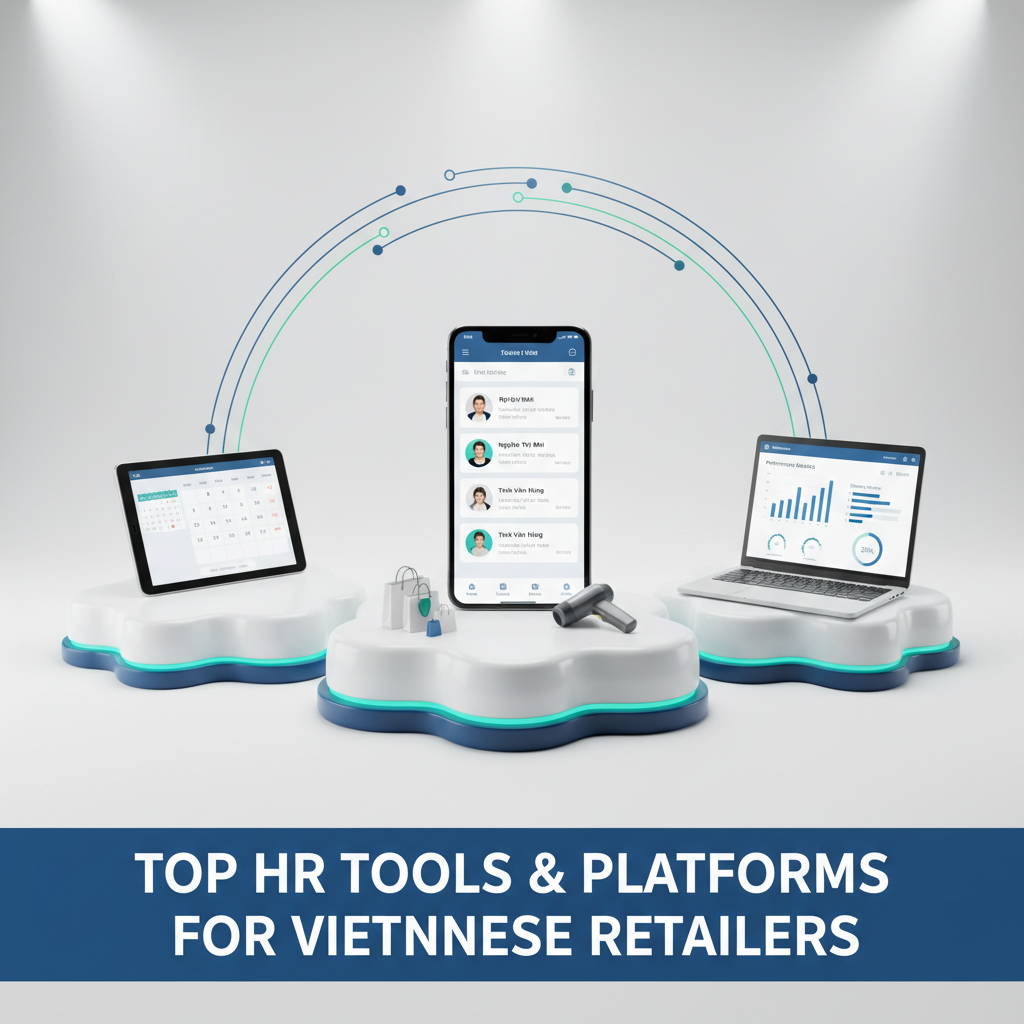
The dynamic and rapidly expanding retail landscape in Vietnam demands sophisticated human resources management. With a large, often young, and geographically dispersed workforce, traditional HR methods can quickly become inefficient. Implementing the right HR tools – applications for retail companies in vietnam is no longer a luxury but a strategic imperative. Modern HR technology provides the backbone for efficient operations, enhanced employee engagement, and robust compliance within the unique Vietnamese market context. This section highlights specific types of HR tools and integrated platforms that offer significant benefits and are well-suited for the Vietnamese retail market, considering local nuances.
1. Integrated HRIS (Human Resources Information Systems) Solutions
For Vietnamese retail chains, managing diverse employee data across multiple outlets can be a logistical nightmare. Integrated Human Resources Information Systems (HRIS) offer a comprehensive solution by centralizing various HR functions into a single platform. These powerful HR tools – applications for retail companies in vietnam streamline processes such as payroll, time and attendance, leave management, employee self-service, and performance evaluations. A unified HRIS ensures data consistency and accuracy, drastically reducing the manual errors often associated with disparate systems.
Crucially, an integrated HRIS can be configured to comply with Vietnamese labor laws and social insurance regulations, a complex area for many businesses. This helps retailers avoid costly penalties and ensures fair treatment of employees. By automating routine administrative tasks, HR departments can shift their focus from transactional activities to more strategic initiatives like talent development and employee retention. The ability to generate real-time reports and analytics from a centralized database provides invaluable insights for strategic decision-making, helping retailers optimize staffing levels, identify performance trends, and improve overall operational efficiency. This integration is vital for large and growing retail operations aiming for seamless HR management.
2. Mobile-First HR Applications for Distributed Teams
Given the widespread mobile penetration and tech-savviness of the Vietnamese population, mobile-first HR applications are indispensable for retail companies with distributed workforces. Retail staff, including sales associates, cashiers, and stockroom personnel, are often on their feet and do not have constant access to desktop computers. Mobile HR apps provide immediate access to essential HR functions directly from their smartphones, catering to the need for flexibility and instant information.
These applications facilitate crucial features such as mobile clock-in/out, easy shift swapping, access to payslips and personal information, and instant communication channels for company announcements. For example, a store manager can quickly disseminate urgent updates or new policy changes to all staff members across different locations. Furthermore, mobile platforms can host bite-sized training modules, enabling continuous learning and skill development for employees during their downtime, directly contributing to better customer service. This approach significantly enhances employee engagement, improves communication flow, and provides the agility needed for effective shift management in a fast-paced retail environment.
3. Cloud-Based HR Management Systems for Scalability
For Vietnamese retailers experiencing rapid growth or operating multiple stores across different provinces, cloud-based HR management systems are a game-changer. Unlike on-premise solutions that require significant upfront investment in hardware and IT infrastructure, cloud HR systems offer unparalleled scalability and flexibility. Businesses can easily add new users, locations, or modules as they expand, without incurring substantial additional costs or IT headaches. This makes them ideal HR tools – applications for retail companies in vietnam looking to grow rapidly.
Cloud solutions provide secure, remote access to HR data from anywhere with an internet connection, empowering regional managers and HR professionals to manage their teams efficiently, whether they are in Ho Chi Minh City, Hanoi, or Da Nang. Vendors typically handle all maintenance, security updates, and data backups, ensuring system reliability and robust data protection, which is critical for compliance and business continuity. The subscription-based model often associated with cloud services also helps retailers manage their operational expenses more predictably, making advanced HR technology accessible even for small to medium-sized enterprises poised for expansion.
Implementing HR Tools: Best Practices for Success in Vietnam
Navigating the dynamic retail landscape in Vietnam requires agility, efficiency, and a keen understanding of local nuances. For retail companies aiming to optimize their human resources, the strategic selection and implementation of HR tools are paramount. This guide provides actionable insights and best practices for effectively integrating HR tools – applications specifically designed for retail companies in Vietnam – ensuring they not only streamline operations but also foster a more engaged and productive workforce within the unique operational context of the Vietnamese market.
1. Assessing Your Retail Business’s Specific Needs and Budget
Before diving into the vast ocean of HR tools, the foundational step for any retail company in Vietnam is a thorough internal assessment. Identify the specific pain points and strategic objectives that HR tools are intended to address. Are you struggling with high employee turnover, inefficient payroll processing, cumbersome shift scheduling, or a lack of robust performance management? Understanding these challenges will dictate the required features and functionalities.
Consider the scale and complexity of your operations. A small boutique chain has different needs than a large supermarket conglomerate. Look for HR tools that offer scalability, allowing them to grow with your business. Crucially, factor in the “Vietnam context.” Evaluate how well the HR tool can accommodate local labor laws, unique public holidays, specific tax regulations, and cultural communication styles. Some global solutions might offer customization, while local Vietnamese providers might have these built-in.
Budget is another critical component. Beyond initial purchase/subscription, account for implementation fees, training expenses, ongoing maintenance, and potential customization costs. Calculate the potential return on investment (ROI) by estimating savings in time, reduced errors, and improved productivity. This holistic financial perspective ensures the investment in HR tools – applications for retail companies in Vietnam – is both justified and sustainable.
2. Strategies for Phased Implementation and User Adoption
The success of any new HR tool hinges not just on its technical capabilities but critically on its adoption by employees. In Vietnam, where digital literacy can vary, especially across different age groups and regions within a retail workforce, a phased implementation approach is often most effective.
Start with a pilot program involving a small, representative group or a single department. This allows for testing the system in a real-world environment, identifying glitches, and gathering feedback before a full rollout. Early adopters can become champions. Comprehensive, hands-on training tailored to different user groups (e.g., HR managers, store managers, individual employees) is essential, with materials available in Vietnamese.
Effective change management is paramount. Communicate the “why” behind the new HR tools clearly and consistently. Explain how these tools will simplify tasks, improve efficiency, and ultimately benefit individual employees (e.g., easier leave requests, transparent pay slips, better access to training). Address concerns proactively and establish clear support channels. Encouraging feedback fosters ownership and ensures the HR tools genuinely meet the needs of the retail company’s workforce in Vietnam.
3. Ensuring Data Security and Privacy Compliance
In an increasingly digital world, data security and privacy are non-negotiable, especially when dealing with sensitive employee information. Vietnam has been strengthening its data protection framework, notably with Decree 13/2023/ND-CP on Personal Data Protection (PDPD), which came into effect in July 2023. Retail companies implementing HR tools must ensure full compliance with these regulations.
When selecting HR tools, prioritize vendors that demonstrate robust security protocols, including data encryption, access controls, and regular security audits. Inquire about their data hosting practices – whether data is stored locally within Vietnam or internationally, and how this complies with local data localization requirements. It’s crucial to understand the vendor’s commitment to data privacy through their terms of service and privacy policies.
Beyond the HR tool’s technical aspects, internal practices are equally vital. Establish clear internal policies for data handling, access, and retention. Train all employees, particularly HR staff and managers, on their responsibilities regarding personal data protection. Regular data privacy audits and assessments should be conducted to ensure ongoing compliance. By prioritizing data security and adhering to Vietnamese privacy laws, retail companies can build trust with their employees and safeguard against potential legal and reputational risks associated with their HR tools.
Future Trends: Evolving HR Tech for Vietnamese Retail in 2026
The dynamic retail landscape in Vietnam is undergoing rapid transformation, driven by digital adoption and evolving consumer behaviors. For retail companies to thrive, their most valuable asset – their people – must be effectively managed, developed, and engaged. As we look towards 2026, HR technology is poised for a significant evolution, offering sophisticated HR tools – applications for retail companies in vietnam that move beyond traditional administrative functions. This shift will redefine employee experience, enhance operational efficiency, and provide crucial insights for strategic decision-making, ensuring businesses remain competitive in a fast-paced market. Key trends emerging in HR tech will focus on personalization, predictive capabilities, and adaptability to new workforce models.

1. Hyper-Personalization in Employee Experience Platforms
The era of one-size-fits-all HR solutions is rapidly fading, especially within the diverse retail sector. By 2026, hyper-personalization will be a cornerstone of employee experience platforms. These advanced HR tools will leverage artificial intelligence (AI) and machine learning (ML) to tailor every aspect of an employee’s journey, from onboarding and training to benefits and career development. Imagine a sales associate in Ho Chi Minh City receiving personalized learning modules based on their performance data and specific product knowledge gaps, or a warehouse operative being offered flexible shift options that align with their personal preferences and productivity patterns. This level of customization fosters higher employee engagement, reduces turnover—a perennial challenge for retail companies in Vietnam—and significantly boosts productivity. Personalized communication, recognition programs, and even mental well-being support will become standard features, contributing to a holistic digital employee experience. This focus on individual needs is critical for attracting and retaining top talent in a competitive market, moving beyond generic talent management approaches to truly bespoke support.
2. Predictive Analytics for Workforce Planning and Retention
Moving from reactive to proactive HR will be a defining characteristic of HR tech in Vietnamese retail. Predictive analytics, powered by sophisticated HR analytics tools, will enable businesses to foresee future workforce needs, identify potential flight risks, and optimize staffing levels with unprecedented accuracy. By analyzing historical sales data, seasonal trends, employee performance metrics, and external market indicators, retail companies can forecast staffing requirements for peak seasons, plan talent acquisition strategies effectively, and prevent costly understaffing or overstaffing. More crucially, these data-driven predictions can pinpoint employees most likely to leave, allowing HR teams to intervene with targeted retention strategies, such as upskilling opportunities, mentorship programs, or improved compensation packages. This capability is invaluable for optimizing workforce planning and ensuring business continuity. The insights gained from predictive analytics also extend to identifying skill gaps, informing reskilling initiatives, and enhancing overall workforce optimization, leading to better operational efficiency and reduced HR costs.
3. The Rise of Gig Economy Management Features
The global shift towards flexible work models is profoundly impacting Vietnam’s retail sector, with a growing reliance on part-time, seasonal, and contract workers, often referred to as the gig workforce. Traditional HR systems are often ill-equipped to manage this dynamic segment of the workforce. By 2026, specialized HR tools designed for gig economy management will become indispensable. These applications will streamline every aspect of engaging flexible talent, from rapid onboarding and contract management to compliant payroll processing and performance tracking. For retail companies in Vietnam, this means seamless integration of full-time employees with a flexible workforce for roles like last-mile delivery, in-store promotions, or temporary customer service support during peak demand. Features will include automated scheduling, real-time payment processing, compliance management for diverse worker classifications, and dedicated communication channels. Efficient management of the flexible workforce not only offers operational agility but also ensures fair treatment and engagement, contributing to a more adaptable and resilient retail operation. This evolution in workforce management highlights the need for robust HR tools that can handle both traditional and non-traditional employment models seamlessly.
Partner with Shelby Global
You are looking for reliable HR Sevice Suppliers? Contact Shelby Global Now! To connect with verified talents and upgrade your orginization.
—————————————
References
– International Labour Organization (ILO) Vietnam: https://www.ilo.org/hanoi/Whatwedo/labour-laws-and-policies/lang–en/index.htm
– SHRM Article on Recruitment and Onboarding Tools: https://www.shrm.org/resources-and-tools/hr-topics/talent-acquisition/pages/recruiting-trends-2023.aspx
– The Business Case for HRIS: Why Your Company Needs One: https://www.shrm.org/resources-and-tools/hr-topics/technology/pages/the-business-case-for-hris-why-your-company-needs-one.aspx
– Vietnam New Personal Data Protection Decree: https://vilaf.com/vietnam-new-personal-data-protection-decree/
– data-driven predictions: https://www.shrm.org/resources-and-tools/hr-topics/technology/pages/data-analytics-predictions.aspx