
The Unique HR Landscape for Vietnamese Medical SMEs
The healthcare sector in Vietnam is experiencing unprecedented growth, driven by a rising middle class, increasing health awareness, and government investment. For Small and Medium-sized Enterprises (SMEs) operating within this dynamic medical landscape, managing Human Resources (HR) presents a unique set of challenges and opportunities. For the CEO, strategic HR navigation is critical for sustained success and competitive advantage. CEOs of Vietnamese medical SMEs must master complex regulatory environments, contend with intense talent competition, and manage rapid expansion with often limited resources. This section explores the intricate HR landscape for these leaders, offering strategies for robust HR frameworks.

Navigating these waters requires more than just administrative oversight; it demands a strategic, forward-thinking approach to human capital.
1. Navigating local labor laws and healthcare regulations
Vietnamese labor law is intricate and frequently updated, demanding vigilant compliance from all employers. For medical SMEs, this complexity is compounded by sector-specific healthcare regulations that govern everything from professional licensing and certification to patient data privacy and ethical conduct. A CEO’s ability to effectively manage compliance with these dual regulatory frameworks is paramount. Missteps lead to penalties, disruptions, and reputational damage, especially critical in healthcare. Opportunities lie in proactively establishing robust internal policies, conducting regular audits, and investing in continuous training for HR and management teams. Many SMEs, however, struggle with the resources to maintain this level of diligence. CEOs often find themselves needing to act as legal interpreters, ensuring their practices align with decrees from the Ministry of Health and the Ministry of Labor, Invalids and Social Affairs, while simultaneously fostering a culture of adherence among their medical professionals. Effective HR structures leverage compliance for operational excellence and patient trust, not just avoiding fines.
2. Attracting and retaining specialized medical talent
One of the most pressing challenges for CEOs of Vietnamese medical SMEs is the fierce competition for specialized medical talent. Doctors, nurses, and allied health professionals with specific expertise are in high demand across public and private sectors. SMEs often cannot compete with the salaries and benefits offered by larger hospitals or international clinics. Therefore, CEOs must innovate their HR structures for SMEs in the medicine field in Vietnam to attract and retain critical personnel. This involves crafting compelling employee value propositions that go beyond monetary incentives. Focus shifts to professional development opportunities, access to modern technology, a supportive work environment, clear career progression paths, and the chance to make a significant impact on patient care. Building a strong organizational culture that values continuous learning and professional growth can be a powerful differentiator. Furthermore, leveraging technology for recruitment, creating engaging onboarding processes, and implementing performance management systems that recognize and reward excellence are vital. CEOs must shape this talent strategy, as their credibility and vision significantly influence top professionals to join and stay.
3. Balancing rapid growth with HR resource constraints
Vietnam’s healthcare market is expanding rapidly, presenting significant growth opportunities for agile medical SMEs. However, this rapid expansion often outpaces the development of internal HR resources. CEOs frequently find themselves managing an accelerating pace of hiring, onboarding, and training, all while their HR team might consist of just a handful of individuals, or even be managed directly by general administrative staff. This constraint necessitates strategic HR planning that is scalable and efficient. CEOs face tough decisions on HR budget allocation: technology, external consultancy, or internal team expansion? Developing clear organizational structures, defining roles and responsibilities, and implementing lean HR processes become paramount. The challenge is not just filling immediate vacancies but also foresight in workforce planning to anticipate future needs, identify skill gaps, and cultivate a talent pipeline. CEOs must champion HR as a strategic partner, ensuring human capital infrastructure keeps pace with growth without compromising care quality or employee well-being.
In conclusion, the HR landscape for Vietnamese medical SMEs is a dynamic arena where CEOs must wear multiple hats, from legal expert to talent strategist and organizational architect. Success hinges on a proactive and holistic approach to HR structures, one that is deeply integrated with the overall business strategy. By mastering the complexities of local regulations, creatively attracting and retaining specialized talent, and judiciously balancing growth with resource limitations, CEOs can transform HR challenges into powerful engines for sustainable growth and deliver exceptional healthcare services in Vietnam’s vibrant market.
Essential HR Structures for Sustainable Growth
Outlining the fundamental HR frameworks and departments necessary for a medical SME to establish efficient operations and support long-term expansion in Vietnam.
1. Defining key HR roles and responsibilities in a lean team
For a medical SME in Vietnam, establishing robust HR structures doesn’t necessarily mean building a large department. Instead, the focus should be on defining clear HR roles and responsibilities within a lean team, often starting with a dedicated HR manager or even the CEO overseeing initial functions. This approach is crucial for HR structures for SMEs the CEO in medicine field in Vietnam aiming for sustainable growth.
The primary responsibilities in these lean HR teams Vietnam typically encompass recruitment, basic compliance with local labour laws, payroll administration, and employee relations. Even with limited personnel, creating a well-defined Medical SME HR strategy is paramount. This involves outlining who is accountable for critical tasks like ensuring HR compliance Vietnam, managing leave requests, and handling initial disciplinary actions. Clarity in these roles prevents operational bottlenecks and ensures that essential HR frameworks Vietnam are in place, even if initially informal. For example, one person might manage all administrative HR tasks while another (perhaps the COO) focuses on strategic talent development. The key is distributing responsibilities effectively to support efficient operations and lay the groundwork for future expansion, balancing immediate needs with long-term strategic objectives.
2. Establishing effective recruitment and onboarding processes
Attracting and retaining qualified medical professionals is a significant challenge for healthcare SMEs globally, and particularly in the competitive Vietnamese market. Therefore, establishing effective recruitment in Vietnamese healthcare and robust onboarding processes is non-negotiable. A well-structured recruitment process should go beyond simply posting job ads; it needs to focus on defining clear job descriptions, identifying critical skill sets for specific medical roles, and leveraging local networks and digital platforms tailored for the healthcare sector. Emphasizing the company’s culture and growth opportunities can significantly enhance talent attraction.
Once talent is acquired, an exemplary onboarding medical staff Vietnam program is vital for integration and retention. This process should extend beyond mere administrative paperwork, encompassing cultural orientation, an introduction to the SME’s specific medical protocols, ethical guidelines, and integration into existing teams. Providing mentors or buddies can accelerate new hires’ understanding of their roles and the company environment. Neglecting a thorough onboarding can lead to high turnover, particularly in a field where skill specialization is high. Adhering to Healthcare HR best practices in recruitment and onboarding not only ensures compliance with Vietnamese labour laws but also fosters a positive first impression, contributing significantly to long-term employee satisfaction and overall business success. For comprehensive guidance on human resources in Vietnam, including recruitment nuances, refer to authoritative sources such as Dezan Shira & Associates’ Guide to Human Resources in Vietnam.
3. Developing performance management and compensation systems
To foster a high-performing medical team and ensure sustainable growth HR Vietnam, medical SMEs must implement clear and equitable performance management and compensation systems. Performance management healthcare Vietnam should move beyond annual reviews to include regular feedback sessions, objective setting aligned with clinical outcomes and business goals, and opportunities for employee development medical staff. For a lean team, this might involve simplified, yet consistent, check-ins that focus on both professional growth and operational efficiency. Setting realistic KPIs for medical professionals, such as patient satisfaction rates, clinical accuracy, or contribution to team efficiency, can drive accountability and continuous improvement.
Equally important is a competitive compensation medical sector Vietnam structure. While SMEs might not match the large enterprises in salary, they can offer attractive benefits, professional development opportunities, and a positive work environment to improve talent retention healthcare SMEs. Compensation packages should consider market benchmarks for specific medical roles in Vietnam, statutory benefits, and potential performance-based incentives. Transparency in how performance links to rewards motivates staff and ensures fairness. Leveraging a robust system for performance and compensation contributes significantly to employee engagement, reduces turnover, and ultimately supports the sustained operational excellence of the medical SME.
Strategic HR’s Role in a Medical CEO’s Vision
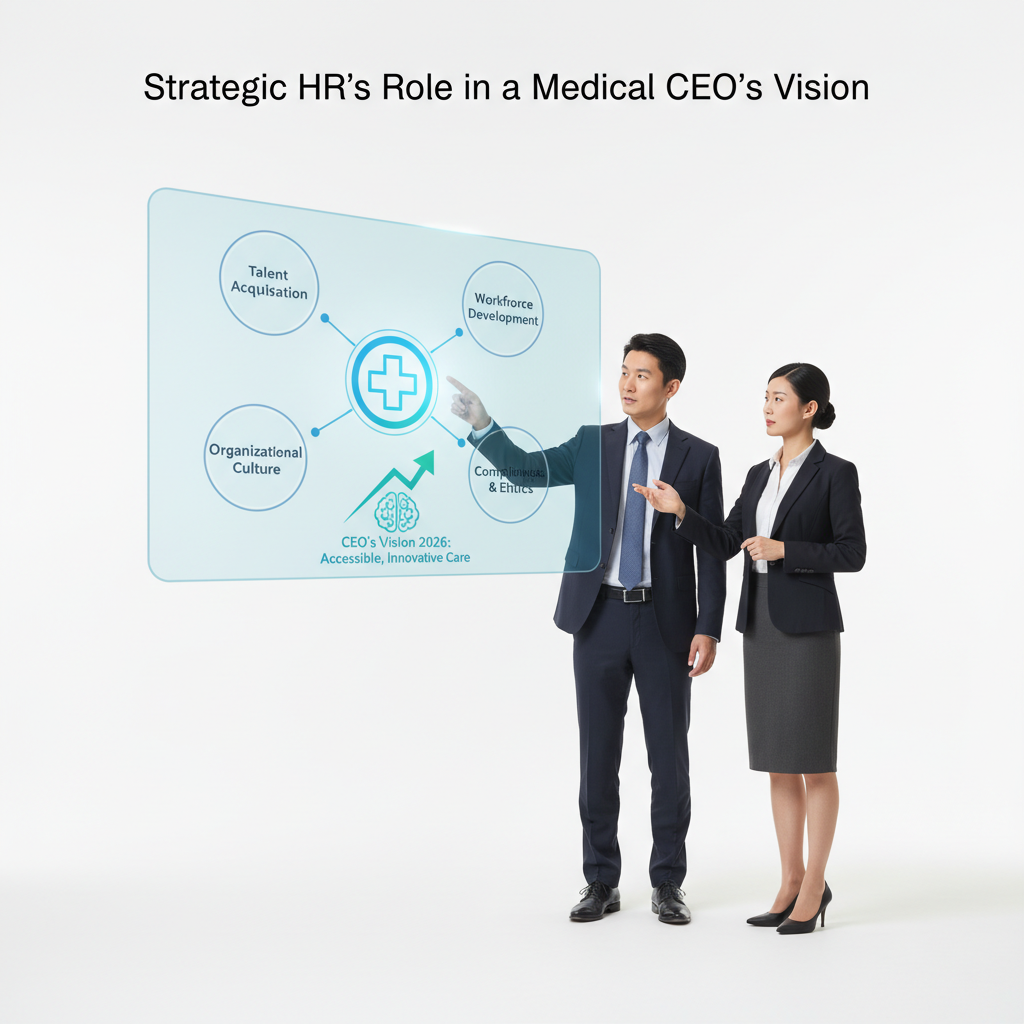
In the dynamic and often complex landscape of modern medicine, particularly within emerging markets like Vietnam, a Medical CEO’s vision for growth, innovation, and superior patient care hinges critically on the strategic capabilities of their Human Resources department. Far from being a mere administrative function, HR, when strategically aligned, transforms into an indispensable partner, driving business objectives, fostering innovation, and cementing competitive advantage. For CEOs navigating the unique challenges of healthcare delivery in Vietnam, understanding and implementing robust HR structures for SMEs the CEO in medicine field in vietnam is not just beneficial, but essential for long-term success.
The healthcare sector demands a workforce that is not only highly skilled but also deeply committed, adaptable, and innovative. A strategic HR function anticipates future talent needs, develops comprehensive retention strategies, and cultivates a workplace culture that mirrors the organization’s overarching mission. This proactive approach ensures that medical institutions can recruit, develop, and retain the best medical professionals, support cutting-edge research, and deliver compassionate, patient-centric care, ultimately achieving the CEO’s ambitious goals.
1. Integrating HR strategy with core business goals
For a Medical CEO, core business goals often revolve around improving patient outcomes, expanding service lines, enhancing operational efficiency, and achieving financial sustainability. Strategic HR translates these broad objectives into actionable talent strategies. This involves designing compensation and benefits packages that attract top medical talent, implementing performance management systems that align individual and team goals with organizational priorities, and developing training programs that equip staff with the latest medical knowledge and technological proficiencies. For SMEs in Vietnam’s medical field, this integration is particularly vital. HR can identify gaps in physician specialties, nursing competencies, or administrative support, and then proactively recruit or develop talent to fill these needs. By understanding the intricate demands of healthcare delivery, HR ensures that every hiring decision, training initiative, and policy change directly contributes to the organization’s strategic roadmap, rather than operating in isolation. This strategic partnership allows the CEO to focus on high-level strategy, confident that the human capital foundation is robust and aligned.
2. Fostering a culture of innovation and patient-centricity
Innovation is the lifeblood of modern medicine, from adopting new surgical techniques to implementing advanced diagnostic tools. Equally important is a deeply embedded culture of patient-centricity, where empathy, quality of care, and patient experience are paramount. Strategic HR plays a pivotal role in cultivating such an environment. This includes designing recognition programs that celebrate innovative ideas and exceptional patient care, establishing clear communication channels for feedback and suggestions, and promoting continuous learning and professional development. For medical institutions in Vietnam, fostering this dual culture can significantly enhance their competitive edge. HR can champion initiatives that encourage interdepartmental collaboration for complex cases, support research and development activities, and provide empathy training for frontline staff. By building a workforce that feels empowered to innovate and is deeply committed to the well-being of patients, HR helps to create a distinctive brand identity that resonates with both employees and the community. As SHRM emphasizes, HR’s role as a strategic business partner is crucial in driving organizational success beyond traditional functions.
3. Succession planning and leadership development in medicine
The medical field requires highly specialized leadership, often combining clinical expertise with administrative acumen. A critical component of a Medical CEO’s long-term vision is ensuring a steady pipeline of competent leaders who can take the reins in key departments and executive roles. Strategic HR develops comprehensive succession plans that identify high-potential employees, provide them with targeted development opportunities, and mentor them for future leadership positions. This is particularly challenging and important in medicine, where the loss of a key surgeon, department head, or researcher can have significant operational and reputational impacts. In Vietnam, where the healthcare system is evolving rapidly, robust leadership development programs are essential to prepare future generations of medical leaders to navigate regulatory changes, technological advancements, and shifting patient demographics. HR facilitates mentorship programs, executive coaching, and cross-functional rotations that broaden leaders’ perspectives and hone their decision-making skills. By proactively investing in leadership development, HR mitigates the risks associated with leadership transitions and ensures the continuity of high-quality patient care and strategic direction, directly supporting the CEO’s vision for a resilient and forward-thinking organization.
In conclusion, for a Medical CEO in Vietnam, leveraging HR as a strategic asset is not merely about managing personnel; it’s about building a formidable human capital engine that propels the organization toward its most ambitious goals. By integrating HR strategy with core business objectives, fostering a culture of innovation and patient-centricity, and meticulously planning for leadership succession, HR enables medical institutions to thrive in an increasingly competitive and complex environment. The success of future healthcare initiatives in Vietnam will largely depend on how effectively CEOs integrate strategic HR structures for SMEs the CEO in medicine field in vietnam into their overall business strategy.
Leveraging Technology and Digital Tools for HR Efficiency
For medical SMEs in Vietnam, navigating the complexities of human resources while focusing on patient care can be a significant challenge. However, the judicious application of HR technology presents a powerful solution. By embracing digital HR transformation Vietnam, these organizations can streamline operations, enhance data analytics capabilities, and significantly improve the overall employee experience. Moving beyond traditional, paper-based processes, modern HR tech for medical SMEs offers a strategic advantage, allowing CEOs to build robust HR structures for SMEs the CEO in medicine field in Vietnam.
1. Implementing an effective Human Resources Information System (HRIS)
At the core of digital HR transformation lies the Human Resources Information System (HRIS). An HRIS for healthcare businesses centralizes all employee data, from personal details and employment history to payroll, benefits, and performance records. For medical SMEs, implementing an effective HRIS offers numerous benefits: it automates routine administrative tasks, reduces errors, ensures compliance with local labor laws, and frees up HR personnel to focus on more strategic initiatives. This centralization not only boosts HR efficiency healthcare Vietnam but also provides a more coherent and satisfying employee experience medical sector. Employees can access their own information, request leave, and manage benefits through self-service portals, reducing the administrative burden and fostering a sense of empowerment. This foundational step is crucial for any medical SME looking to modernize its HR structures for SMEs the CEO in medicine field in Vietnam and prepare for future growth.
2. Utilizing AI and automation in recruitment and administration
The next frontier in digital HR tools for clinics involves leveraging Artificial Intelligence (AI) and automation. In recruitment, AI can significantly enhance the speed and quality of candidate sourcing and screening. Applicant tracking systems Vietnam, often augmented with AI, can parse countless resumes, identify top candidates based on predefined criteria, and even automate initial outreach. This is particularly valuable for medical SMEs constantly seeking specialized talent in a competitive market. Beyond recruitment, AI and automation streamline various administrative tasks. Automated HR administration can handle aspects like onboarding checklists, policy dissemination, and even initial employee query resolution through chatbots, improving response times and reducing HR workload. This strategic HR in Vietnamese healthcare approach not only attracts talent more efficiently but also ensures that the valuable time of HR professionals is spent on engagement and development, not on repetitive data entry or scheduling.
3. Data-driven decision making for talent management and retention
Perhaps one of the most transformative aspects of modern HR technology is its capacity for HR data analytics Vietnam. An integrated HRIS combined with specialized analytics tools allows medical SMEs to gather, analyze, and interpret vast amounts of employee data. This provides CEOs with invaluable, data-driven insights into their workforce, revealing trends in performance, engagement, absenteeism, and turnover. By understanding these patterns, organizations can develop more targeted talent management strategies healthcare, such as identifying key skill gaps, designing effective training programs, and pinpointing factors contributing to employee dissatisfaction. This proactive approach is vital for improving employee retention medical SMEs, as it allows leadership to address issues before they escalate. With robust HR data analytics Vietnam, medical SMEs can make informed decisions that optimize their workforce, foster a positive work environment, and ensure long-term success in the dynamic Vietnamese healthcare landscape.
Building a Resilient HR Ecosystem: Compliance and Culture 2026
As the medical sector in Vietnam continues its rapid evolution, Small and Medium-sized Enterprises (SMEs) face a unique set of challenges and opportunities. For the CEO in the medicine field in Vietnam, establishing robust HR structures for SMEs in the medicine field in Vietnam is not just about managing personnel; it’s about addressing crucial aspects of regulatory compliance, fostering a positive workplace culture, and anticipating future HR trends. This proactive approach is vital for sustainable growth, talent retention, and delivering high-quality patient care in an increasingly complex environment, ensuring the medical SME remains robust and adaptable.
-
Ensuring Compliance with Vietnamese Labor and Healthcare Laws
Navigating the intricate landscape of Vietnamese labor and healthcare laws is paramount for any medical SME. The legal framework governing employment, patient data privacy, medical ethics, and workplace safety is dynamic and requires continuous vigilance. CEOs must prioritize comprehensive HR policies that strictly adhere to the Labour Code, Social Insurance Law, and specific healthcare regulations issued by the Ministry of Health. This includes accurate payroll, appropriate working hours for medical professionals, robust occupational health and safety protocols, and strict adherence to licensing for all medical staff. Neglecting compliance can lead to significant financial penalties, legal disputes, reputational damage, and even license revocation. Regular audits, coupled with ongoing training for HR personnel and management on the latest legal updates, are indispensable. Engaging with legal experts specializing in Vietnamese employment laws can provide invaluable guidance, ensuring HR practices are compliant and reflect best practices. Implementing a digital HR system can also aid in meticulous record-keeping and automating compliance checks, safeguarding the enterprise’s ability to function effectively.
-
Cultivating a Strong, Ethical, and Collaborative Medical Culture
Beyond legal compliance, the heart of a successful medical SME lies in its workplace culture. A strong, ethical, and collaborative culture is particularly critical in healthcare, directly impacting patient outcomes, employee satisfaction, and talent retention. CEOs must lead by example, embedding values like integrity, empathy, and professional excellence into every aspect of the organization. This involves establishing clear codes of conduct, promoting transparent communication, and fostering an environment where all staff feel valued, respected, and empowered. Encouraging open dialogue, providing professional development, and recognizing achievements can significantly boost employee engagement and loyalty. In a medical setting, collaboration among doctors, nurses, administrative staff, and technicians is crucial for seamless operations and effective patient care. Implementing team-building initiatives, interdepartmental training, and mentorship programs strengthens these bonds. Furthermore, an ethical culture supports responsible decision-making, protects patient confidentiality, and upholds the highest standards of medical practice. Such a positive environment not only attracts top talent but also reduces burnout, a common challenge in healthcare, ensuring your team remains motivated and dedicated. Fostering psychological safety is also key, allowing staff to raise concerns without fear of retribution.
-
Preparing for Future HR Trends and Workforce Shifts in Medicine
The healthcare industry is constantly evolving, driven by technological advancements, demographic shifts, and changing patient expectations. Medical SMEs must proactively prepare their HR strategies for future trends to remain competitive and effective. This includes embracing digitalization in HR operations, such as cloud-based HRIS, AI-powered recruitment tools, and telemedicine platforms, which streamline processes and enhance efficiency. Workforce shifts, like the increasing demand for specialized medical professionals, the rise of remote consultations, and the need for adaptable skill sets, necessitate forward-thinking talent management strategies. CEOs should focus on continuous upskilling and reskilling programs for existing staff, investing in training for new medical technologies, data analytics, and patient communication techniques. Developing robust succession planning and leadership development pipelines is also crucial to ensure continuity and future leadership readiness. Furthermore, understanding the preferences of the younger generation entering the workforce, who often prioritize work-life balance, flexible arrangements, and a strong sense of purpose, is essential for attracting and retaining talent. By anticipating these shifts and integrating them into their HR structures for SMEs, medical CEOs in Vietnam can build a resilient, future-proof workforce capable of navigating tomorrow’s healthcare landscape. Staying abreast of global HR trends, while adapting them to the unique Vietnamese context, will be a significant differentiator.

Partner with Shelby Global
You are looking for reliable HR Sevice Suppliers? Contact Shelby Global Now! To connect with verified talents and upgrade your orginization.
—————————————
References
– ILO Labour Law and Industrial Relations in Vietnam: https://www.ilo.org/wcmsp5/groups/public/—asia/—ro-bangkok/documents/publication/wcms_375635.pdf
– Guide to Human Resources in Vietnam: https://www.vietnam-briefing.com/news/guide-human-resources-vietnam.html/
– HR as a Strategic Business Partner: https://www.shrm.org/resources-and-tools/hr-topics/talent-acquisition/pages/hr-as-strategic-business-partner.aspx
– :
– Vietnam Employment Laws: https://www.bakermckenzie.com/en/insight/publications/2023/11/vietnam-employment-laws