
Introduction: Understanding the FMCG HR Landscape in Vietnam
Vietnam’s economy is a vibrant tapestry of rapid growth and dynamic consumerism, positioning the Fast-Moving Consumer Goods (FMCG) sector as a cornerstone of its economic development. This sector, characterized by high volume, low margin, and rapid inventory turnover, demands exceptional agility and strategic foresight, particularly within its human resources functions. In such a competitive and evolving environment, an in-depth HR report of FMCG companies in Vietnam is not merely a documentation exercise but a critical strategic tool. It serves to unravel the complexities of talent management, workforce dynamics, and operational efficiencies, providing invaluable insights for sustained success. Understanding the unique blend of cultural nuances, evolving labor laws, and a burgeoning young workforce is paramount for HR leaders striving to attract, develop, and retain top talent in this high-stakes market.
As the nation’s economic engine continues to accelerate, the HR landscape within FMCG faces both unprecedented opportunities and significant challenges. From navigating the demands of a diverse consumer base to harnessing the potential of a digitally native workforce, the role of HR has transcended administrative tasks to become a strategic partner in business growth. This analysis sets the stage for a comprehensive understanding of these dynamics, underscoring why data-driven HR insights are indispensable for any FMCG company operating in Vietnam.
1. The Growing Significance of FMCG in Vietnam’s Economy
Vietnam’s impressive economic trajectory, marked by increasing urbanization and a steadily rising middle class, has created a fertile ground for the FMCG sector. Consumers are increasingly discerning, with a growing appetite for quality, convenience, and variety across food and beverages, personal care, and household products. This burgeoning demand fuels robust competition among both multinational corporations and strong local players, all vying for market share. The sector’s contribution to GDP, coupled with its role as a major employer, solidifies its critical importance to the national economy. According to recent market analysis, Vietnam’s FMCG market continues to demonstrate robust growth, driven by evolving consumer preferences and innovative product development. This sustained expansion inherently amplifies the need for sophisticated HR strategies that can support rapid scaling, manage diverse workforces, and ensure a continuous supply of skilled professionals. Effective **workforce planning FMCG** strategies are essential to capitalize on this growth, requiring HR departments to move beyond reactive hiring to proactive talent pipeline development and retention.
2. Why HR Data is Crucial for Strategic Decisions
In an environment as fast-paced as Vietnam’s FMCG sector, guesswork in talent management is a luxury no company can afford. This is where the power of HR data comes to the forefront. Moving beyond traditional HR functions, modern human resources departments leverage analytics to inform every strategic decision, from recruitment and onboarding to performance management and employee retention. Data points such as employee turnover rates, time-to-hire, training effectiveness, and engagement scores provide a tangible basis for understanding workforce health and predicting future trends. Implementing robust **HR analytics Vietnam** practices allows companies to identify critical skill gaps, forecast future talent needs, and pinpoint the most effective strategies for employee motivation and development. For instance, analyzing the impact of specific training programs on productivity or correlating engagement scores with retention rates can reveal actionable insights. This data-driven approach transforms HR from a support function into a strategic business partner, directly influencing profitability and competitive advantage. A comprehensive HR report of FMCG companies in Vietnam is therefore indispensable for crafting agile and effective people strategies that align with broader business objectives.
3. Key Objectives of the 2026 HR Report Analysis
The upcoming 2026 HR report analysis for FMCG companies in Vietnam aims to provide an unparalleled snapshot of the sector’s human capital landscape, offering actionable intelligence for HR professionals and business leaders. The primary objectives include: first, benchmarking key HR metrics such as compensation and benefits packages, talent acquisition strategies, and employee retention rates against industry standards. This will help companies understand where they stand in the fiercely competitive market for talent. Second, the report seeks to identify emerging trends in **talent acquisition Vietnam**, exploring innovative recruitment channels, employer branding effectiveness, and the integration of technology in hiring processes. Third, it aims to uncover the critical drivers of employee engagement and satisfaction within Vietnamese FMCG organizations, highlighting best practices in creating a positive and productive work environment. Finally, the analysis will provide insights into the challenges and opportunities associated with developing local leadership talent and fostering a diverse and inclusive workforce. By addressing these critical areas, the 2026 HR report of FMCG companies in Vietnam will serve as a vital guide, empowering organizations to make informed, data-backed decisions that drive sustainable growth and enhance their competitive edge in this dynamic market.
Talent Acquisition & Retention Strategies in Vietnam’s FMCG Sector
Vietnam’s Fast-Moving Consumer Goods (FMCG) sector is a dynamic and rapidly expanding market, fueled by a growing middle class and increasing disposable incomes. This vibrant landscape, however, presents significant challenges for companies aiming to attract and retain top talent. The intense competition, coupled with a evolving workforce demographic, necessitates sophisticated and strategic approaches to human resources. This section delves into how FMCG companies in Vietnam are navigating this competitive environment, focusing on specific talent acquisition challenges and offering innovative solutions to secure and maintain a high-performing workforce. Understanding the nuances of the Vietnamese labor market is critical for any comprehensive HR report of FMCG companies in Vietnam.
1. FMCG Talent Acquisition Vietnam: Best Practices & Emerging Trends
In the fiercely competitive FMCG sector of Vietnam, effective talent acquisition strategies are paramount. Best practices increasingly lean towards a data-driven and digitally-enhanced approach. Companies are heavily investing in employer branding, leveraging social media platforms, professional networks (like LinkedIn), and career websites to project a strong, attractive corporate image. This involves showcasing company culture, career growth opportunities, and employee testimonials to resonate with potential candidates.
Emerging trends indicate a shift towards proactive talent pipelining, where companies continuously scout for promising candidates even when specific roles aren’t open. Recruitment marketing, utilizing analytics to understand candidate behavior and optimize job postings, is also gaining traction. Furthermore, there’s a growing emphasis on skill-based hiring over purely experience-based hiring, particularly for roles requiring adaptability and digital literacy. Partnerships with universities and vocational schools are becoming vital for cultivating a fresh talent pool, providing internships, and aligning curricula with industry needs. This forward-thinking approach is crucial for building a sustainable talent pipeline for FMCG talent strategies Vietnam.
2. Addressing the Talent Shortage: Challenges and Innovative Solutions
The Vietnamese FMCG sector grapples with a notable talent shortage, particularly in specialized areas such as supply chain management, digital marketing, data analytics, and product innovation. Vietnam recruitment challenges are exacerbated by the rapid pace of technological change and a competitive salary environment, often driven by foreign direct investment and other booming sectors. Many companies also face difficulties in finding candidates with a blend of local market understanding and international business acumen.
Innovative solutions are being deployed to counteract these challenges. Beyond competitive compensation, companies are focusing on robust learning and development programs to upskill their existing workforce and bridge skill gaps internally. This includes leadership development, cross-functional training, and sponsoring employees for further education. Furthermore, organizations are exploring regional talent mobility, bringing in experts from other ASEAN countries, and enhancing internal referral programs. Creating a diverse and inclusive workplace is also recognized as a key strategy, attracting a wider range of candidates. According to the Vietnam Human Capital Trends report by Deloitte, prioritizing workforce transformation and well-being are critical for future success in the local market.
3. Effective Retention Programs and Employee Development Pathways
Attracting talent is only half the battle; retaining it is equally, if not more, critical for sustained success in Vietnam’s FMCG landscape. High employee turnover can be costly, impacting productivity and institutional knowledge. Effective retention programs extend beyond basic benefits to encompass a holistic approach to employee well-being and career progression. Competitive salary and benefits packages remain foundational, but are increasingly augmented by performance-based incentives and comprehensive health and wellness programs.
A significant focus is placed on creating clear employee retention FMCG Vietnam pathways, offering employees transparent opportunities for advancement, mentorship programs, and succession planning. Regular feedback sessions, performance reviews, and personalized development plans are instrumental in keeping employees engaged and motivated. Fostering a positive and supportive work culture, promoting work-life balance, and recognizing employee contributions through formal and informal channels also play a crucial role. Investing in workforce development Vietnam by empowering employees with new skills and responsibilities not only enhances their value to the company but also fosters a sense of loyalty and commitment, significantly reducing the likelihood of them seeking opportunities elsewhere. Agile HR strategies that continually adapt to employee needs and market trends are essential for long-term talent retention in this vibrant sector.
Compensation, Benefits & Performance Management Benchmarks
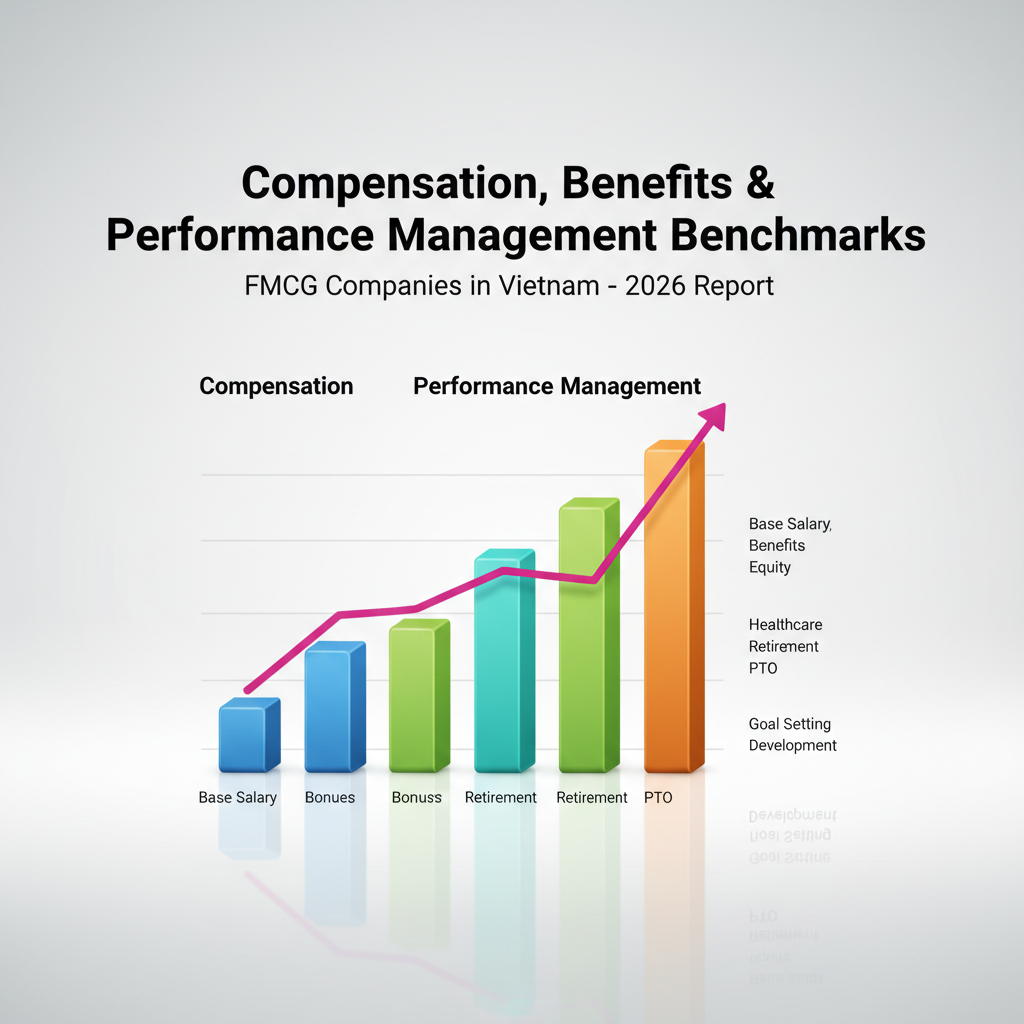
Analyze the latest trends in salary structures, employee benefits, and performance evaluation within Vietnam’s FMCG industry, offering competitive insights.
In Vietnam’s dynamic and fiercely competitive Fast-Moving Consumer Goods (FMCG) sector, attracting, retaining, and motivating top talent is paramount for sustained success. A comprehensive understanding of market benchmarks in compensation, benefits, and performance management is not just advantageous but essential. This section delves into the critical elements that shape an effective human resources strategy, providing invaluable insights for any organization seeking a competitive edge. Leveraging a robust HR report of FMCG companies in Vietnam allows businesses to fine-tune their approaches, ensuring alignment with industry best practices and employee expectations.
1. Competitive Salary Benchmarking in Vietnam FMCG
Salary structures in Vietnam’s FMCG industry are influenced by a confluence of factors, including rapid economic growth, increasing foreign direct investment, and a burgeoning consumer base. For companies to remain competitive, accurate FMCG compensation Vietnam benchmarking is non-negotiable. Entry-level salaries have seen a steady increase, particularly in major economic hubs like Ho Chi Minh City and Hanoi, reflecting the rising cost of living and a demand for skilled labor. Mid-management and senior executive roles often command premiums, especially those with international experience or specialized skills in areas like digital marketing, supply chain optimization, or new product development.
Benchmarking involves more than just matching base salaries; it requires a granular analysis of total cash compensation, including bonuses, sales incentives, and other performance-related pay. Organizations must frequently update their benchmarks to account for inflation, sector-specific talent shortages, and the increasing sophistication of the Vietnamese workforce. Companies that offer transparent and fair compensation packages, clearly linked to roles and responsibilities, tend to have higher talent attraction and retention rates. A proactive approach to understanding salary trends Vietnam HR is vital for staying ahead in this tight talent market.
2. Compensation and Benefits FMCG Vietnam: Beyond Basic Pay
While competitive salaries lay the foundation, modern talent acquisition and retention strategies in Vietnam’s FMCG sector extend far beyond basic pay. The focus has shifted towards a holistic total rewards philosophy, where comprehensive employee benefits Vietnam FMCG play a pivotal role. Health and wellness programs, including private health insurance, gym memberships, and mental health support, are increasingly valued by employees. Professional development opportunities, such as training courses, certifications, and mentorship programs, are also highly sought after, as they contribute directly to career progression and skill enhancement.
Furthermore, evolving work culture preferences, especially post-pandemic, highlight the importance of flexible work arrangements, remote work options, and a strong work-life balance. Companies that adapt to these demands and offer a suite of benefits tailored to different demographic segments within their workforce are more likely to foster loyalty and engagement. Understanding the latest FMCG benefits trends Vietnam is crucial for crafting a compelling employer value proposition. According to a recent report on Vietnam’s workforce, adaptability and evolving employee expectations are key drivers for HR strategies, emphasizing the need for flexible and comprehensive benefits packages. This strategic investment in a robust benefits framework not only improves employee well-being but also significantly enhances an organization’s appeal in a competitive labor market, as detailed in reports like Vietnam’s Workforce: Adaptability Amidst Global Shifts.
3. Effective Performance Management Systems for Sustainable Growth
Effective performance management systems are the backbone of sustainable growth in the FMCG industry. Moving away from traditional annual reviews, leading companies in Vietnam are adopting more agile and continuous feedback models. These systems emphasize regular check-ins, goal setting through methodologies like OKRs (Objectives and Key Results), and transparent performance dialogues. Such an approach fosters a culture of continuous improvement, employee development, and accountability, directly impacting business outcomes.
A well-designed performance evaluation FMCG Vietnam system aligns individual and team goals with overarching organizational objectives. It should also be closely integrated with compensation and career progression frameworks, ensuring that high performers are recognized and rewarded appropriately. The use of data analytics in performance management allows HR departments to identify trends, pinpoint skill gaps, and implement targeted training interventions. Investing in robust performance management FMCG frameworks not only boosts productivity and innovation but also plays a critical role in retaining high-potential employees who seek clear pathways for growth and recognition. Ultimately, strategic performance management is a vital component of a thriving and future-ready FMCG enterprise in Vietnam.
Key HR Challenges and Future Trends for FMCG in Vietnam
Vietnam’s Fast-Moving Consumer Goods (FMCG) sector is a vibrant and rapidly expanding market, driven by a young population, rising disposable incomes, and increasing urbanization. However, this dynamism presents a unique set of human resources (HR) challenges for companies operating within the country. From navigating complex labor regulations to adapting to the swift pace of digital transformation, HR leaders in Vietnamese FMCG must strategically evolve to ensure sustainable growth and a competitive edge. This exploration delves into the primary HR obstacles faced by FMCG companies in Vietnam and predicts future shifts in the Vietnamese HR landscape, including the profound impacts of digital transformation, offering insights crucial for any comprehensive HR report of FMCG companies in vietnam.
1. HR Challenges Vietnam FMCG: Navigating Labor Laws & Regulations
One of the most significant hurdles for FMCG HR Vietnam professionals is the intricate and frequently evolving landscape of Vietnamese labor laws and regulations. The legal framework, while designed to protect workers, often presents compliance complexities for businesses. Companies must contend with specific provisions regarding working hours, social insurance contributions, severance pay, and the role of trade unions. Misinterpretations or a lack of up-to-date knowledge can lead to hefty fines, labor disputes, and reputational damage. Furthermore, the administrative burden of ensuring full compliance with national and local regulations diverts valuable HR resources that could otherwise be focused on strategic initiatives like talent development and employee engagement. The dynamic nature of the Vietnam labor market and its regulatory environment necessitates continuous monitoring and proactive adaptation by HR departments to maintain operational stability and attract top talent.
2. Impact of Digital Transformation on HR Operations and Workforce
Digital transformation is fundamentally reshaping HR operations and the workforce within Vietnam’s FMCG sector. The adoption of advanced HR Information Systems (HRIS), AI-driven recruitment platforms, and sophisticated analytics tools is streamlining processes from talent acquisition to performance management and payroll. This shift towards digital HR transformation Vietnam offers immense potential for efficiency gains, data-driven decision-making, and enhanced employee experiences. However, it also introduces new challenges. HR departments need to invest in upskilling their teams to effectively utilize these new technologies, moving beyond purely administrative tasks to strategic roles focused on insights and innovation. For the broader workforce, digital transformation means a growing demand for digital literacy and adaptability. FMCG companies must facilitate training programs to equip employees with the necessary skills to thrive in an increasingly automated and data-centric work environment, ensuring no segment of the workforce is left behind in this technological evolution.
3. Preparing for Future Workforce Demands and Skill Gaps
Looking ahead, preparing for the future of work Vietnam FMCG requires a proactive approach to identifying and addressing emerging workforce demands and potential skill gaps. As consumer behaviors shift and technology advances, new roles are emerging while existing ones are transforming. There’s a growing need for skills in areas such as data analytics, e-commerce management, digital marketing, supply chain optimization, and sustainability practices. The competitive nature of Vietnam’s talent market, particularly for specialized and high-tech roles, makes talent attraction and retention a critical strategic imperative. HR leaders must develop robust talent management strategies that encompass aggressive recruitment drives, compelling employer branding, continuous learning and development programs, and attractive compensation and benefits packages. Cultivating a strong employee value proposition (EVP) and fostering a culture of continuous learning are essential to bridge skill gaps and ensure that FMCG companies in Vietnam have the agile and competent workforce needed to navigate future challenges and capitalize on new opportunities.
Employee Engagement, Culture & Well-being Initiatives
In the vibrant and rapidly evolving landscape of Vietnam, Fast-Moving Consumer Goods (FMCG) companies face a unique set of challenges and opportunities. Beyond market share and product innovation, a critical determinant of success lies in their human capital strategies. This section delves into how FMCG companies in Vietnam are actively fostering positive work environments, promoting robust employee engagement, and implementing comprehensive well-being initiatives to cultivate a thriving and resilient workforce. The insights gleaned from a recent HR report of FMCG companies in Vietnam highlight a strategic shift towards prioritizing people, recognizing that a motivated, healthy, and engaged team is the cornerstone of sustainable growth and competitive advantage in this dynamic market.
1. Cultivating a Strong Company Culture in a Dynamic Market
The FMCG sector in Vietnam is characterized by its fast pace, intense competition, and a diverse workforce. In such an environment, cultivating a strong and adaptive company culture is not merely a perk but a strategic imperative. Leading FMCG companies are investing heavily in defining and embedding their core values, ensuring they resonate with local cultural nuances while aligning with global corporate principles. This involves promoting transparency, open communication channels, and a sense of psychological safety where employees feel empowered to voice ideas and concerns. Many are building cultures of continuous learning, recognizing that upskilling and reskilling are vital for their teams to keep pace with market changes and technological advancements. Diversity, equity, and inclusion (DE&I) initiatives are also gaining traction, ensuring that the workforce reflects the consumer base and fostering an environment where every employee feels valued and belongs. These efforts create a cohesive organizational identity, driving collective purpose and commitment among employees, which is crucial for long-term retention and overall business performance.
2. Employee Engagement FMCG Vietnam: Strategies for Motivation and Productivity
Effective employee engagement strategies are pivotal for FMCG companies aiming to boost productivity and foster a motivated workforce in Vietnam. Companies are moving beyond traditional incentive programs to embrace holistic approaches that address intrinsic motivators. This includes implementing robust performance management systems that provide regular feedback and opportunities for growth. Career development pathways, mentorship programs, and access to advanced training are critical components, allowing employees to envision long-term futures within the organization. Recognition and reward systems are being refined to be more personalized and timely, acknowledging both individual and team contributions. Furthermore, FMCG giants are leveraging technology to enhance engagement through internal communication platforms, employee feedback surveys, and gamified learning experiences. By creating opportunities for employees to contribute meaningfully, take ownership of their work, and see the impact of their efforts, these companies are fostering a sense of purpose and commitment that directly translates into higher productivity and reduced turnover, as evidenced by positive trends observed in recent HR report of FMCG companies in Vietnam findings.
3. Prioritizing Employee Well-being and Mental Health Programs
Recognizing that a healthy workforce is a productive workforce, FMCG companies in Vietnam are increasingly prioritizing employee well-being and mental health. This shift goes beyond basic health insurance to encompass comprehensive programs designed to support employees’ physical, mental, and emotional health. Initiatives include promoting work-life balance through flexible working arrangements where feasible, implementing wellness challenges, and providing access to fitness facilities or subsidies. Crucially, there’s a growing emphasis on mental health support. This involves offering confidential counseling services, employee assistance programs (EAPs), and training leaders to recognize and respond to signs of stress or mental distress among their teams. Campaigns to destigmatize mental health issues are also being launched, creating an open and supportive environment where employees feel comfortable seeking help. According to the World Health Organization, promoting mental well-being in the workplace is vital for enhancing productivity and reducing absenteeism. By investing in these holistic well-being programs, FMCG companies are not only fulfilling their duty of care but also building a resilient workforce better equipped to navigate the demands of a high-pressure industry, ultimately contributing to a more sustainable and successful business model in Vietnam.
Partner with Shelby Global
You are looking for reliable HR Sevice Suppliers? Contact Shelby Global Now! To connect with verified talents and upgrade your orginization.
—————————————
References
– Vietnam FMCG Market Value: https://www.statista.com/statistics/1231610/vietnam-fmcg-market-value/
– Vietnam Human Capital Trends: https://www2.deloitte.com/vn/en/pages/human-capital/articles/vietnam-human-capital-trends.html
– :
– Vietnam’s talent market: Riding the wave of change: https://www.pwc.com/vn/en/publications/vietnams-talent-market-riding-the-wave-of-change.html
– World Health Organization: https://www.who.int/news-room/fact-sheets/detail/mental-health-in-the-workplace