
The Unique HR Landscape for Vietnamese Tech SMEs
Vietnam’s technology sector is experiencing unprecedented growth, positioning the nation as a vibrant hub for innovation and digital transformation. Amidst this rapid evolution, Small and Medium-sized Enterprises (SMEs) play a pivotal role, driving much of the innovation and employment. However, for CEOs leading these dynamic tech SMEs, navigating the human resources (HR) landscape presents a unique blend of formidable challenges and exciting opportunities. Effective comprehensive HR structures and strategies are not merely administrative functions; they are critical enablers of sustainable growth and competitive advantage in a market characterized by intense competition for talent, distinct cultural nuances, and the constant need to balance agility with organizational maturity. Understanding these specific dynamics is paramount for any CEO in the technology field in Vietnam aiming to build resilient, high-performing teams.
1. Navigating the Competitive Talent Pool in Vietnam
One of the most pressing challenges for Vietnamese tech SMEs is the fierce competition for skilled professionals. Vietnam’s rapidly growing digital economy fuels an insatiable demand for top-tier tech talent, from software developers and AI specialists to data scientists and cybersecurity experts. This creates a highly competitive talent pool, where SMEs often find themselves vying against larger domestic corporations and well-funded multinational companies offering lucrative packages and extensive benefits. This environment necessitates sophisticated tech talent acquisition Vietnam strategies.
For SMEs, simply matching salaries isn’t always feasible or sustainable. Instead, success hinges on developing a compelling employer brand that highlights unique value propositions. This includes fostering a vibrant, innovative work culture, offering accelerated career development paths, providing opportunities for meaningful impact, and investing heavily in continuous learning and development. Employee retention Vietnam SMEs requires more than just compensation; it demands a commitment to professional growth, mentorship, and creating an inclusive environment where individuals feel valued and empowered. Proactive HR initiatives, such as internal training programs and partnerships with local universities, can help cultivate a pipeline of talent and mitigate the risks associated with the competitive market.
2. Cultural Nuances in Workplace Management
Effective workplace management in Vietnam requires a nuanced understanding of its rich cultural context. Traditional Vietnamese values, such as respect for hierarchy, collectivism, and maintaining harmony, often intersect with the fast-paced, often flatter structures typical of global tech startups. CEOs must skillfully blend these elements to create a productive and harmonious work environment. Communication, for instance, often tends to be indirect, and direct criticism might be perceived negatively, potentially hindering feedback processes. Therefore, adopting empathetic and constructive feedback mechanisms is crucial.
Leadership styles need to be adaptive, emphasizing guidance and mentorship over purely autocratic approaches. Recognizing and rewarding team contributions, rather than solely individual achievements, can significantly boost morale and foster a stronger sense of belonging. Understanding these cultural nuances in workplace management is vital for employee engagement and overall team cohesion. Bridging traditional expectations with modern agile practices requires sensitive HR policies that support both individual expression and collective goals. Workplace culture Vietnam tech must foster innovation while respecting the deep-rooted social fabric.
3. Balancing Agility with Structure in Growth Phases
A hallmark of successful tech SMEs is their agility – the ability to pivot quickly, innovate rapidly, and adapt to market changes. However, as these companies grow, an inevitable tension arises between maintaining this essential agility and establishing the necessary HR structures for scalability and stability. Initially, informal processes might suffice, but unchecked growth can lead to inefficiencies, lack of clarity, and compliance risks.
CEOs must strategically introduce more formalized HR structures for SMEs the CEO in technology field in vietnam without stifling the entrepreneurial spirit. This involves implementing clear performance management systems, establishing transparent compensation and benefits Vietnam tech frameworks, and defining career progression paths. The goal is to scale HR in tech SMEs by designing adaptable policies and processes that support growth while retaining the flexibility that makes startups successful. This includes developing robust onboarding programs, implementing effective training initiatives, and fostering a culture of continuous improvement. Finding this balance ensures that the company can mature organizationally without losing its competitive edge or its vibrant, innovative identity, thereby laying the groundwork for sustainable scaling.
In conclusion, the HR landscape for Vietnamese tech SMEs is dynamic and multifaceted. CEOs who proactively address the challenges of talent acquisition and retention, embrace cultural intelligence in management, and strategically evolve their HR strategies for startups Vietnam with scalable structures are best positioned to unlock their company’s full potential. Strategic HR is not just about managing people; it’s about shaping the future of Vietnam’s tech industry, one innovative SME at a time.
Essential HR Structures for Early-Stage Tech Growth
For technology SMEs in Vietnam, rapid innovation often takes center stage, but overlooking robust HR structures for SMEs the CEO in technology field in Vietnam can jeopardize long-term success. Early implementation of fundamental HR frameworks is not merely a bureaucratic task; it’s a strategic imperative for ensuring scalable growth, maintaining compliance, and fostering a productive work environment. CEOs leading early-stage tech ventures must prioritize these foundations to effectively manage talent, mitigate risks, and build a resilient organizational culture from day one, laying the groundwork for sustainable scalable HR practices from the outset.
1. Defining Roles, Responsibilities, and Reporting Lines
One of the first and most critical HR structures for SMEs the CEO in technology field in Vietnam involves establishing clear organizational design. As tech startups scale, ambiguity in roles and reporting lines can lead to significant inefficiencies, conflicts, and delays. CEOs should meticulously define each position’s core responsibilities, key performance indicators (KPIs), and reporting hierarchy. This clarity is crucial for effective collaboration, performance management, and career development. For early-stage tech companies, this means moving beyond informal assignments to documented job descriptions and an organizational chart. This not only sets expectations for employees but also forms the bedrock for future talent acquisition and succession planning, vital for effective talent management for early-stage tech. It ensures every team member understands their contribution to overarching goals, promoting accountability and a cohesive work environment. Establishing these clear boundaries upfront is a cornerstone of any effective organizational design for startups, preventing common growing pains and fostering a robust tech startup HR strategy.
2. Implementing Core HR Policies and Procedures
Even for lean tech teams, a comprehensive set of HR policies and procedures is non-negotiable. These frameworks serve as the operational guide for day-to-day employment matters, ensuring fairness, consistency, and legal HR compliance in Vietnam. Key documents include an employee handbook for tech SMEs outlining company values, code of conduct, working hours, leave policies, disciplinary procedures, and data privacy guidelines. For a burgeoning tech startup HR strategy, specific policies around intellectual property, remote work, and data security are especially vital. Implementing these early helps standardize practices, reduce potential disputes, and protect the company’s interests. Clear guidelines on intellectual property ownership are paramount in an innovation-driven environment like Vietnam’s tech sector. Furthermore, a transparent performance review process and grievance handling mechanism contribute significantly to employee morale and retention. These policies are not static; they should be reviewed and updated regularly to reflect changes in labor laws, company growth, and industry best practices, ensuring truly scalable HR practices. A well-crafted employee handbook acts as a primary reference point, minimizing ambiguity and promoting a consistent employee experience.
3. Leveraging External HR Consultants vs. In-house Generalists
The decision of whether to engage external HR consultants or hire an in-house HR generalist is a strategic one for early-stage tech SMEs. Initially, limited resources and the need for specialized expertise often make HR outsourcing in Vietnam an attractive option. External consultants can provide immediate access to expertise in labor law, compensation and benefits benchmarking, policy development, and talent acquisition, without the overhead of a full-time salary and benefits. This is particularly beneficial for establishing initial frameworks and ensuring robust HR compliance in Vietnam. They can lay the groundwork for a comprehensive tech startup HR strategy, developing customized policies and recruitment processes. As the company grows (typically around 30-50 employees), the cost-effectiveness and cultural integration benefits of an in-house HR generalist become more apparent. An in-house generalist can deeply embed with the team, understand the company culture intimately, and provide ongoing support, becoming a key partner in talent management for early-stage tech. The ideal approach might involve a hybrid model: utilizing consultants for initial setup and complex compliance issues, then transitioning to an in-house hire for daily operations and cultural development. This balanced strategy allows CEOs to build foundational HR capabilities while keeping an eye on operational efficiency and long-term strategic HR needs, ensuring sustainable scalable HR practices.
Strategic Talent Acquisition and Retention in Tech
The burgeoning tech sector in Vietnam presents a paradox for Small and Medium-sized Enterprises (SMEs): immense growth opportunities coupled with fierce competition for skilled professionals. For these dynamic businesses, particularly those led by HR structures for SMEs the CEO in technology field in vietnam, mastering strategic talent acquisition and retention is not merely an HR function but a critical pillar of business success. Attracting and keeping top tech talent amidst a limited pool and aggressive poaching requires a nuanced, proactive approach that extends beyond traditional recruitment methods. This section provides actionable strategies to navigate Vietnam’s competitive landscape, ensuring your SME can build and maintain a high-performing team crucial for innovation and sustained growth.

1. Developing a Strong Employer Brand and Value Proposition
In a talent-short market like Vietnam’s tech industry, an SME’s ability to stand out begins with its employer brand. This isn’t just about marketing; it’s about authentically showcasing what makes your company a great place to work. A compelling employer brand communicates your unique culture, mission, values, and the growth opportunities you offer. For tech talent Vietnam, particularly younger generations, factors beyond salary, such as purpose-driven work, innovative projects, and a supportive work environment, are increasingly important. Highlight your company’s contributions to the tech ecosystem, its commitment to professional development, and the impact employees can make. Engage your current employees as brand ambassadors by fostering a positive internal culture and encouraging them to share their experiences. A strong value proposition clearly articulates the unique benefits and rewards an employee receives in exchange for their contributions, making your SME an attractive option even when competing with larger enterprises for key skills.
2. Effective Recruitment Channels and Interview Techniques
Reaching the right candidates requires a multi-channel approach. Beyond conventional job boards, tech SMEs in Vietnam should leverage specialized platforms like TopDev, ITviec, and LinkedIn, which are hubs for tech professionals. Engaging with local tech communities, universities, and participating in hackathons or tech conferences can also be invaluable for direct sourcing and building relationships with future talent. When it comes to interview techniques, move beyond generic questions. Implement structured interviews that assess both technical proficiency and cultural fit. Utilize coding challenges, technical tests, and behavioral questions to gauge problem-solving abilities, teamwork, and adaptability. Emphasize a positive candidate experience throughout the recruitment process, providing clear communication and timely feedback. A smooth and respectful process not only enhances your employer brand but also increases the likelihood of securing top candidates. Effective talent acquisition strategies are about more than filling a role; they’re about finding the right long-term fit.
3. Building Compensation & Benefits Packages That Compete
While a strong employer brand attracts initial interest, competitive compensation and benefits are essential for securing and retaining top tech talent. SMEs must research market rates in Vietnam to ensure their offerings are attractive, but a “total rewards” approach goes beyond base salary. Consider a comprehensive package that includes performance-based bonuses, stock options or profit-sharing (if viable), health insurance, and robust professional development budgets for upskilling and certifications. Flexible work arrangements, such as remote work options or flexible hours, are also highly valued in the tech sector and can be a significant differentiator, especially for employee retention. Invest in employee well-being initiatives and foster a work-life balance culture. For HR best practices, focusing on a holistic benefits strategy can significantly impact employee satisfaction and loyalty, crucial for maintaining a stable and motivated workforce. By understanding and meeting the diverse needs of your tech professionals, you can build packages that not only compete but also cultivate long-term commitment and reduce costly turnover.
By diligently implementing these strategic approaches to talent acquisition and retention, tech SMEs in Vietnam can transform their human resources from a challenge into a powerful competitive advantage. A proactive stance in employer branding, smart recruitment, and competitive total rewards is fundamental for any CEO seeking to build robust HR structures for SMEs the CEO in technology field in vietnam, ensuring the sustained success and innovation of their enterprise.
Optimizing Performance and Employee Development
For tech SMEs in Vietnam, navigating rapid growth and market demands requires more than just innovative products; it necessitates robust HR structures for SMEs the CEO in technology field in vietnam. CEOs must strategically build HR systems that not only drive performance but also foster continuous learning and promote a high-performance culture. In a dynamic sector where talent is king, an integrated approach to HR becomes the cornerstone for sustainable success, ensuring employees are skilled, engaged, and motivated. This involves moving beyond traditional HR functions to create an environment where development is intrinsic to the company’s DNA, directly impacting productivity and innovation within these vibrant tech companies.
1. Designing Effective Performance Management Systems
Effective performance management is crucial for any growing tech SME, moving beyond annual reviews to embrace continuous, data-driven processes. CEOs must prioritize systems that align individual goals with overarching business objectives, ensuring every team member understands their contribution to the company’s success. This involves implementing clear, measurable objectives, such as OKRs (Objectives and Key Results), alongside regular check-ins and honest feedback loops. Modern performance management approaches emphasize ongoing dialogue rather than a single annual assessment, fostering a culture of continuous improvement and accountability. For tech companies, where project cycles are often short and agile methodologies common, this continuous feedback mechanism is particularly vital. Integrating technology solutions, such as HRIS platforms, can streamline goal tracking, feedback collection, and performance reviews, making the process more efficient and transparent. Such systems not only identify high achievers but also highlight areas for development, providing a clear pathway for employee growth and ensuring the HR strategy for tech SMEs in Vietnam supports ambitious targets.
2. Learning & Development Programs for Tech Skill Enhancement
In Vietnam’s fast-paced tech landscape, the shelf-life of skills is increasingly short. CEOs must invest proactively in comprehensive learning and development (L&D) programs to ensure their workforce remains at the cutting edge. These programs should go beyond generic training, focusing on specific tech skill enhancement relevant to the company’s product roadmap and market trends. Examples include specialized workshops on new programming languages, cloud technologies, cybersecurity, or AI/ML applications. A continuous learning culture tech SMEs can cultivate includes mentorship programs, access to online courses (e.g., Coursera, Udemy for Business), internal knowledge-sharing sessions, and opportunities for cross-functional projects. Employee development programs in Vietnam should also consider soft skills essential for tech professionals, such as problem-solving, critical thinking, and communication. By empowering employees to acquire new skills, companies not only boost individual competencies but also enhance overall organizational capability, leading to greater innovation and improved talent retention strategies for Vietnam’s competitive market.
3. Fostering a Culture of Feedback and Growth
A thriving tech SME requires more than just skilled individuals; it needs a culture where feedback is embraced as a catalyst for growth. CEOs play a pivotal role in establishing an environment of psychological safety where employees feel comfortable giving and receiving constructive criticism. Implementing structured feedback mechanisms in tech SMEs, such as 360-degree reviews, peer feedback sessions, and regular one-on-one meetings with managers, can normalize this practice. Importantly, feedback should be actionable, specific, and future-oriented, focusing on development rather than blame. Recognition programs that celebrate achievements and efforts also contribute significantly to a positive, high-performance culture for tech SMEs. When employees feel their contributions are valued and their development is supported through open communication, engagement levels soar. This growth mindset, where mistakes are seen as learning opportunities, drives innovation and resilience, making the company more adaptable to market changes and solidifying its position as an attractive employer in the Vietnamese tech sector. Ultimately, it’s about nurturing an environment where every individual is empowered to reach their full potential, contributing to the collective success of the organization.
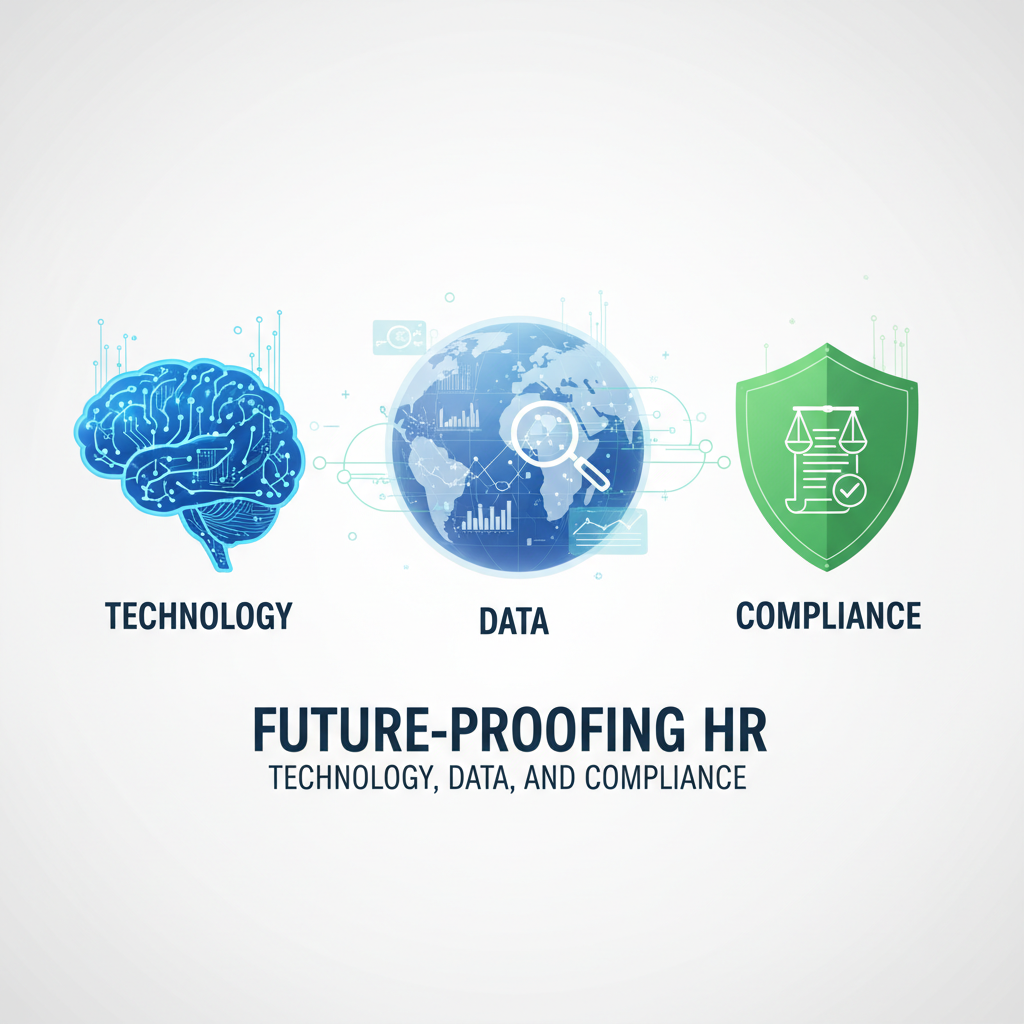
Future-Proofing HR: Technology, Data, and Compliance
For a HR structures for SMEs the CEO in technology field in Vietnam, navigating the complexities of human resources is critical for sustainable growth. As SMEs expand, especially in the dynamic tech sector, establishing robust HR structures that are adaptable, efficient, and compliant is not just beneficial—it’s imperative. This section explores how integrating cutting-edge HR tech Vietnam, leveraging insightful HR analytics Vietnam, and ensuring stringent labor law compliance Vietnam can future-proof your organization. Addressing Tech CEO HR challenges proactively through a strategic SME HR strategy Vietnam allows businesses to not only meet current demands but also anticipate and adapt to future HR trends Vietnam and market shifts. Building resilient HR frameworks powered by technology and data insights is key to maintaining a competitive edge and fostering a thriving workplace.
1. Implementing HRIS and Payroll Solutions
Modernizing HR operations begins with the adoption of integrated Human Resources Information Systems (HRIS) and advanced payroll solutions Vietnam. For SMEs in Vietnam, especially those in the technology sector, a well-implemented HRIS can significantly streamline administrative tasks, from onboarding and employee data management to performance tracking and leave requests. By digitizing these processes, companies can reduce manual errors, save considerable time, and free up HR personnel to focus on more strategic initiatives. A robust HRIS provides a centralized database, ensuring data accuracy and accessibility, which is crucial for compliance and reporting. Furthermore, integrating payroll solutions directly with HRIS guarantees timely and accurate salary disbursements, tax calculations, and social insurance contributions, adhering strictly to Vietnamese regulations. This not only enhances employee satisfaction through reliable payment but also minimizes the risk of penalties associated with non-compliance. Selecting a scalable solution that can grow with your company, offering modular features, is a vital component of a forward-thinking SME HR strategy Vietnam.
2. Utilizing HR Analytics for Strategic Decision-Making
Beyond automating processes, the true power of HR tech Vietnam lies in its ability to generate actionable insights through HR analytics Vietnam. For Tech CEOs, understanding workforce data is paramount for strategic decision-making. HR analytics moves beyond basic reporting to uncover trends in recruitment, retention, performance, and employee engagement. By analyzing data on turnover rates, hiring sources, training effectiveness, and compensation structures, businesses can identify areas for improvement and make data-driven decisions. For example, understanding the factors contributing to high attrition among certain tech roles can inform targeted retention strategies. Predictive analytics can even help forecast future workforce needs, allowing SMEs to proactively plan for talent acquisition and development. This strategic use of data transforms HR from a purely administrative function into a critical business partner, directly impacting the bottom line and ensuring the organization’s adaptability to future HR trends and employee engagement. Embracing an analytics-driven approach helps address pressing Tech CEO HR challenges by providing clear insights into human capital investment and its returns.
3. Navigating Vietnamese Labor Laws and Regulations
Compliance with Vietnamese labor laws and regulations is a non-negotiable aspect of operating an SME in Vietnam, particularly for international and technology-focused companies. The legal landscape in Vietnam is dynamic, with frequent updates to decrees, circulars, and the Labor Code itself regarding employment contracts, working hours, social insurance, severance pay, and dispute resolution. Ensuring strict labor law compliance Vietnam protects the company from costly fines, legal disputes, and reputational damage, all of which can severely impact growth and stability. A robust HR structure must include mechanisms for staying updated on these changes, which might involve engaging legal counsel, subscribing to regulatory updates, or leveraging HR professionals with local expertise. HR tech Vietnam solutions, especially those with localized payroll and compliance features, can play a significant role in automating adherence to statutory requirements like social insurance contributions and personal income tax declarations. Proactive management of compliance, rather than reactive responses, is a hallmark of a mature SME HR strategy Vietnam, ensuring a stable and ethical operational environment for both employers and employees.
Ultimately, future-proofing HR for SMEs in Vietnam’s technology sector demands a holistic approach that integrates technology, data, and a deep understanding of the local regulatory environment. By investing in scalable HRIS and payroll solutions, harnessing the power of HR analytics for strategic insights, and meticulously navigating Vietnamese labor laws, Tech CEOs can build resilient, efficient, and compliant HR functions that support long-term success and adapt to the ever-evolving business landscape.
Partner with Shelby Global
You are looking for reliable HR Sevice Suppliers? Contact Shelby Global Now! To connect with verified talents and upgrade your orginization.
—————————————
References
– e-Conomy SEA 2023 Report: https://www.temasek.com.sg/en/news-and-insights/e-conomy-sea-2023
– organizational design for startups: https://www.shrm.org/resourcesandtools/tools-and-samples/hr-qa/pages/what-is-organizational-design.aspx
– SHRM: Compensation & Benefits: https://www.shrm.org/topics-tools/compensation-benefits/benefits
– What is continuous performance management?: https://www.shrm.org/resources-and-tools/tools-and-samples/hr-qa/pages/continuousperformancemanagement.aspx
– The new rules of engagement: What data analytics can do for HR: https://www.mckinsey.com/business-functions/people-and-organizational-performance/our-insights/the-new-rules-of-engagement-what-data-analytics-can-do-for-hr