
Understanding the Vietnamese Beauty SME Landscape & Salary Challenges
Vietnam’s beauty sector is experiencing explosive growth, attracting both international giants and a burgeoning ecosystem of small to medium-sized enterprises (SMEs). This dynamic environment presents incredible opportunities but also unique operational and financial hurdles, particularly concerning compensation. Navigating the complexities of Optimized Salary Budget Structures for SMEs in the beauty field in Vietnam is crucial for sustainable growth and talent retention. This section delves into the distinctive market dynamics and the common compensation challenges faced by these vital businesses, highlighting why strategic financial planning in employee remuneration is paramount for their success.

1. Growth Trends in Vietnam’s Beauty Industry
The Vietnamese beauty market is a vibrant arena, fueled by a young, increasingly affluent population with a growing awareness of personal care and aesthetic trends. Disposable incomes are rising, and social media significantly influences consumer behavior, driving demand across various beauty segments from skincare and makeup to hair care and spa services. Recent reports indicate substantial year-on-year growth, positioning Vietnam as one of the fastest-growing beauty markets in Southeast Asia. This expansion is not solely concentrated in major metropolitan areas like Ho Chi Minh City and Hanoi; secondary cities are also witnessing a surge in beauty consumption. SMEs are at the forefront of this growth, often catering to niche markets, offering personalized services, and leveraging local understanding to connect with consumers. However, this rapid expansion also intensifies competition for skilled labor, placing pressure on compensation packages within the Vietnamese beauty market.
2. Common Salary Budgeting Pitfalls for SMEs
Despite the promising market outlook, many beauty SMEs in Vietnam struggle with effective salary budgeting. A primary pitfall is the lack of structured pay scales and clear compensation philosophies. Often, salaries are determined on an ad-hoc basis, leading to internal inequities and a perception of unfairness among employees. Another significant challenge is underestimating the competitive pressure from larger domestic and international players. Talented beauticians, stylists, and therapists are in high demand, and without competitive offers, SMEs face high turnover rates. Furthermore, insufficient market research into prevailing wage rates for specific roles can lead to either overpaying (straining budgets) or underpaying (failing to attract or retain staff). The absence of robust performance-based incentive programs also hinders motivation and productivity, contributing to overall SME compensation challenges. Businesses often focus on immediate operational costs without considering the long-term strategic value of a well-compensated and motivated workforce, impacting employee retention strategies.
3. Impact of Local Economic Factors on Wages
The Vietnamese economy, while robust, introduces several factors that directly influence wage structures for beauty SMEs. Inflation, for instance, steadily erodes the purchasing power of fixed salaries, necessitating regular adjustments to maintain employee satisfaction and living standards. The cost of living varies significantly across different regions; a salary competitive in a rural province might be inadequate in a bustling urban center. This regional disparity requires SMEs with multiple locations or those looking to expand to adopt flexible compensation models. Furthermore, government policies regarding minimum wages, social insurance contributions, and labor laws add layers of complexity. Staying compliant while ensuring affordability is a constant balancing act. Currency fluctuations and global economic shifts can also indirectly impact local wages by influencing raw material costs, consumer spending habits, and the overall economic impact on salaries. Understanding these macro and micro-economic forces is essential for developing pragmatic and sustainable salary budgets within the Vietnamese beauty market.
In conclusion, while the Vietnamese beauty sector offers immense potential for SMEs, strategic management of salary budgets is critical. By understanding market growth, avoiding common budgeting pitfalls, and adapting to local economic factors, SMEs can develop optimized salary budget structures that attract, motivate, and retain top talent, ensuring their long-term viability and success in this competitive landscape.
Core Components of an Optimized Salary Structure
For small and medium-sized enterprises (SMEs) in Vietnam’s dynamic beauty sector, establishing an Optimized Salary Budget Structures for SMEs in beauty field in vietnam is not merely about managing costs; it’s a strategic imperative. A well-designed salary framework ensures fairness, drives performance, fosters employee loyalty, and positions the business competitively in a talent-hungry market. It moves beyond basic pay, encompassing a holistic approach to compensation that attracts top talent, motivates continuous improvement, and sustains long-term growth. Understanding the essential elements of such a structure is critical for creating a fair, competitive, and sustainable compensation model for beauty professionals.
1. Base Pay Strategies (Fixed vs. Variable)
The foundation of any compensation system for beauty professionals lies in its base pay strategy. SMEs in Vietnam have two primary approaches: fixed salaries, variable salaries, or a hybrid model. Fixed salaries offer employees stability and a predictable income, making budgeting easier for both the employee and the employer. This can be particularly appealing for new hires or roles with less direct revenue generation. However, a purely fixed model might not sufficiently incentivize high performance in a sales and service-driven environment like a beauty salon. On the other hand, variable salaries, often tied to performance metrics or service volume, can significantly motivate staff to exceed targets. While offering the potential for higher earnings, this model can lead to income instability for employees, especially during slow periods, and might be perceived as riskier. For many beauty businesses in Vietnam, a hybrid approach proves most effective, combining a reasonable fixed base salary with performance-based incentives. This provides a safety net while still rewarding exceptional effort. When determining base pay, it’s crucial for SMEs to consider local labor laws and minimum wage requirements, ensuring compliance and competitiveness. Navigating labor laws and HR compliance in Vietnam is essential for setting appropriate and legal base pay, forming a solid foundation for your overall beauty salon compensation Vietnam strategy.
2. Performance-Based Incentives & Commissions
Beyond the base salary, performance-based incentives and commissions are powerful tools for driving motivation, productivity, and profitability within beauty SMEs. These elements directly link an employee’s earnings to their contributions, encouraging higher service quality, increased client bookings, and stronger product sales. Common models include individual commissions on services performed (e.g., a percentage of each haircut, facial, or nail service), product sales commissions, and target-based bonuses for achieving specific revenue goals. Team-based incentives can also foster collaboration and collective responsibility, rewarding the entire staff when salon-wide targets are met. For hairdressers, customized hairdresser commission models, such as tiered structures that offer higher percentages for exceeding certain revenue thresholds, can be highly effective. Transparency is paramount in these systems; employees must clearly understand how their performance is measured and how it translates into their earnings. Fair, attainable, and consistently applied metrics prevent demotivation and foster trust. An Optimized Salary Budget Structures for SMEs in beauty field in vietnam will strategically integrate these incentives, ensuring they align with business objectives and contribute to a thriving work environment, ultimately enhancing the overall beauty salon compensation Vietnam package.
3. Benefits & Non-Monetary Compensation
An truly optimized salary structure extends beyond direct monetary payments to include a comprehensive package of benefits and non-monetary compensation. For beauty professionals in Vietnam, these elements play a significant role in attracting and retaining talent, boosting morale, and fostering a positive work culture. Mandatory benefits, such as social insurance and health insurance, are a given in Vietnam and must be meticulously managed. Beyond these, SMEs can differentiate themselves by offering additional perks. This might include paid time off, employee discounts on services and products, opportunities for continuous professional development and training (e.g., new techniques, product knowledge), and a comfortable, supportive working environment. Career progression paths, even within a small salon, can offer significant non-monetary value, showing employees a future within the company. Flexible scheduling options, recognition programs, and team-building activities also contribute to a strong employee value proposition. These “soft” benefits, often overlooked, are crucial for employee well-being and loyalty. A comprehensive spa staff pay structure that thoughtfully incorporates these employee benefits beauty industry Vietnam specific considerations can significantly reduce turnover and enhance the overall appeal of working for an SME in the competitive beauty sector. It’s about demonstrating that the business values its employees beyond their immediate output, investing in their long-term growth and satisfaction.
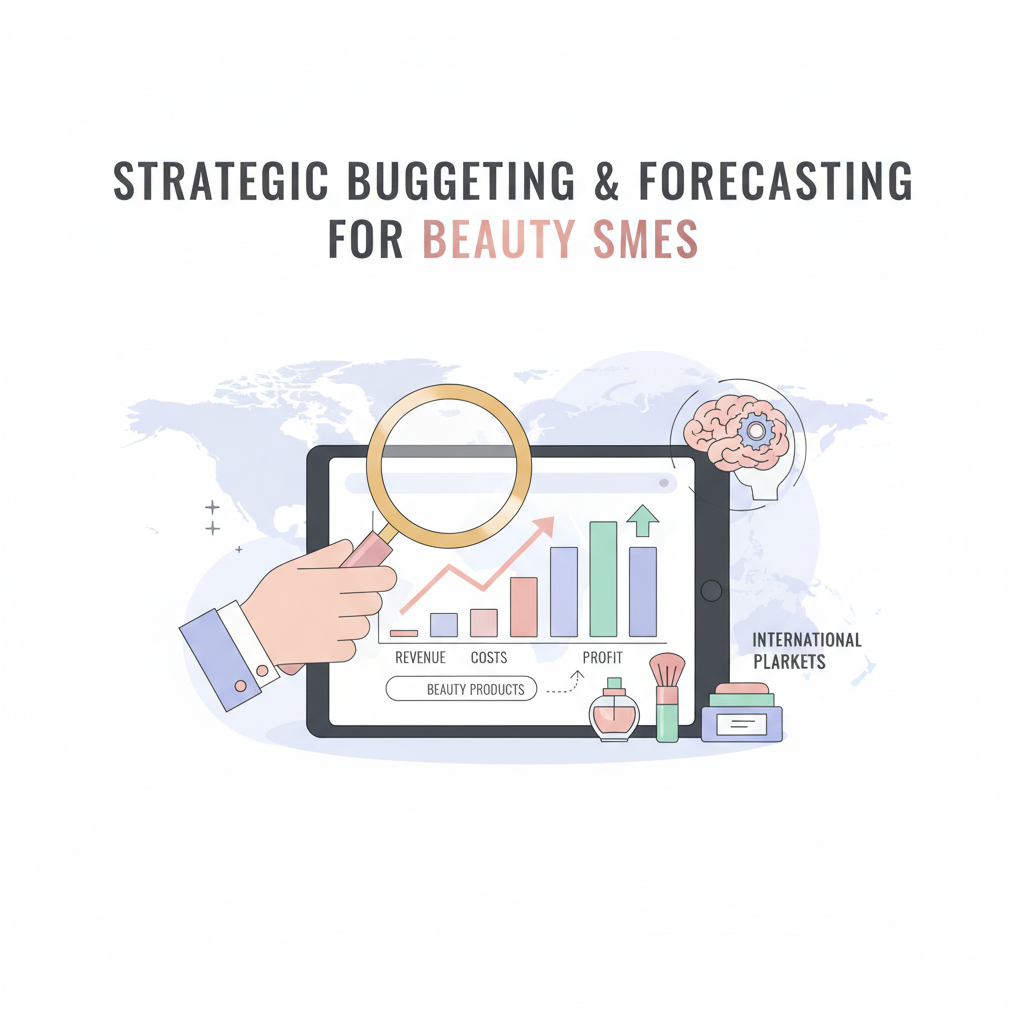
Strategic Budgeting & Forecasting for Beauty SMEs
For Small and Medium-sized Enterprises (SMEs) in Vietnam’s dynamic beauty sector, mastering financial management is paramount to sustained success. This section offers practical approaches to developing and maintaining a realistic salary budget, ensuring financial health and growth. Establishing truly Optimized Salary Budget Structures for SMEs in beauty field in Vietnam is not just about cost control; it’s about strategic investment in your team, enhancing operational efficiency, and securing a competitive edge in a vibrant market.
-
Analyzing Market Benchmarks & Competitor Salaries
To craft an effective salary budget, understanding the broader market landscape is crucial. Beauty SMEs in Vietnam must diligently research industry salary benchmarks and analyze competitor compensation packages. This involves looking beyond direct rivals to include similar service-based businesses in comparable economic zones within Vietnam. Sources for this invaluable data can range from reputable HR consultancy reports and industry associations to anonymized salary surveys. Paying competitive wages is key to attracting and retaining top talent, which in turn drives service quality and customer satisfaction. Ignoring industry salary benchmarks can lead to high employee turnover, increased recruitment costs, and a decline in service standards, especially in high-demand roles like skilled aestheticians or salon managers. By regularly updating your knowledge of what constitutes competitive beauty salon payroll Vietnam, you can ensure your budget aligns with market realities while supporting your growth ambitions.
-
Utilizing HR Tech for Payroll Management
Modern HR technology offers powerful tools to streamline payroll management and enhance budgeting accuracy for beauty SMEs. Implementing an efficient HR Information System (HRIS) or dedicated payroll software can significantly reduce manual errors, save time, and provide granular insights into your labor costs. These systems can automate salary calculations, tax deductions, benefits administration, and track attendance, making the budgeting process far more transparent and reliable. By leveraging HR tech for beauty SMEs, you gain the ability to generate detailed reports on salary expenses, identify spending patterns, and easily adjust for variables like overtime or commissions. This technological adoption transforms payroll from a tedious administrative task into a strategic data source, enabling better financial forecasting and control over your overall salary expenditure.
-
Forecasting Future Salary Needs & Adjustments
Strategic budgeting extends beyond current expenditures to anticipate future needs. For beauty SMEs, forecasting involves considering several key factors: projected business growth, potential inflation, planned expansions (e.g., new branches, additional services), and employee performance reviews leading to salary increments. Developing a robust forecast for forecasting employee costs beauty industry requires a realistic assessment of your business trajectory and the broader economic environment in Vietnam. Implement a system for regular salary reviews, perhaps annually, linking increases to performance and market adjustments. Crucially, always factor in a contingency budget for unforeseen circumstances, such as higher-than-expected inflation or the need to offer a premium to secure critical talent. This proactive approach to spa salary budgeting ensures your financial plans remain agile and responsive, supporting sustainable growth without unexpected budgetary strains.
By diligently analyzing market benchmarks, embracing HR technology, and adopting a forward-looking approach to forecasting, beauty SMEs in Vietnam can build truly optimized salary budget structures. This strategic discipline not only secures financial health but also empowers your business to attract, motivate, and retain the talented professionals essential for thriving in Vietnam’s competitive beauty landscape.
Legal & Compliance Considerations in Vietnam
Navigating the specific labor laws, regulations, and mandatory contributions relevant to salary structures is paramount for any business operating in Vietnam, especially for Small and Medium-sized Enterprises (SMEs) in the vibrant beauty sector. Crafting Optimized Salary Budget Structures for SMEs in beauty field in vietnam requires a deep understanding of the local legal landscape to ensure compliance, avoid penalties, and foster a stable work environment. Neglecting these critical aspects can lead to significant financial repercussions and reputational damage, making robust Vietnam labor compliance a cornerstone of sustainable business operations.
-
Vietnamese Labor Law & Minimum Wage Requirements
At the core of employment in Vietnam is the Vietnamese Labor Code (Law No. 45/2019/QH14), which dictates fundamental rights and obligations for both employers and employees. For SMEs in the beauty industry, understanding this code is crucial for setting up compliant salary structures. A significant component of the Labor Code relates to minimum wage requirements, which are not uniform across the country. Vietnam operates a regional minimum wage system, divided into four regions, with different rates applying to enterprises based on their geographical location (e.g., Hanoi and Ho Chi Minh City fall into Region I, commanding the highest minimum wage). These minimum wage rates are subject to annual review and adjustment by the government, typically through decrees (such as Decree No. 38/2022/ND-CP and subsequent updates), making it imperative for businesses to stay informed about the latest changes. Failure to adhere to these minimums impacts not only base salaries but also calculations for overtime, holiday pay, and various allowances, directly influencing the overall payroll regulations Vietnam. Employers must ensure their base salaries meet or exceed these regional minimums to avoid legal issues. For a comprehensive understanding of these regulations, businesses can refer to authoritative guides on Vietnam Labor Law: A Comprehensive Guide.
-
Social Insurance, Health Insurance, & Unemployment Contributions
Beyond the basic wage, employers in Vietnam are obligated to make several mandatory contributions on behalf of their employees. These include Social Insurance (SI), Health Insurance (HI), and Unemployment Insurance (UI), collectively forming a significant portion of the total employment cost. The rates for these contributions are stipulated by law and are shared between the employer and employee, calculated based on the employee’s monthly salary declared in the labor contract, up to a certain cap. Currently, the employer’s share typically stands around 17.5% for SI, 3% for HI, and 1% for UI, while the employee contributes approximately 8% for SI and 1.5% for HI. The UI contribution for employees is 1%. These contributions provide essential benefits such as sick leave, maternity leave, retirement pensions, medical care, and unemployment benefits. Accurate calculation and timely payment of these contributions are non-negotiable for mandatory social insurance Vietnam compliance. Any miscalculation or delay can result in fines, interest on arrears, and even criminal charges in severe cases. For beauty SMEs, integrating these costs into their financial planning is vital for developing truly optimized salary budget structures.
-
Compliance with Taxation Regulations
Taxation is another critical compliance area impacting salary structures. Employers are responsible for withholding Personal Income Tax (PIT) from their employees’ salaries and remitting it to the state budget. Vietnam employs a progressive tax rate system for PIT, ranging from 5% to 35%, depending on the income level. Accurate calculation of PIT involves understanding various deductions and allowances, such as family deductions for dependents, which can significantly reduce an employee’s taxable income. Employers must register their employees for tax codes, process monthly PIT declarations, and conduct annual finalization. For beauty sector SMEs, meticulous record-keeping and payroll administration are crucial to ensure correct PIT calculation and submission, adhering to strict deadlines. Furthermore, salaries and related mandatory contributions, when properly documented and within reasonable limits, are generally considered deductible expenses for Corporate Income Tax (CIT) purposes, influencing the overall financial health of the business. Understanding these payroll tax Vietnam implications is key to developing sustainable and legally sound salary budget plans, allowing SMEs to manage their finances effectively while remaining fully compliant with Vietnamese tax laws.
Implementing & Communicating Your Salary Structure Effectively
Rolling out a new compensation plan is a pivotal moment for any organization, particularly for Small and Medium-sized Enterprises (SMEs) in the vibrant Optimized Salary Budget Structures for SMEs in beauty field in vietnam. The success of these initiatives hinges not just on the plan’s design, but critically on its effective implementation and transparent communication. In the competitive Vietnam beauty industry compensation landscape, fostering clarity and satisfaction around pay structures is paramount for attracting and retaining top talent. This section outlines best practices for achieving this, ensuring your Optimized Salary Budget Structures for SMEs in beauty field in vietnam truly supports business growth and employee well-being.

1. Transparent Communication Strategies
One of the cornerstones of successful salary structure implementation is unwavering transparency. For SMEs in the beauty sector, overcoming historical pay secrecy can build immense trust and mitigate potential anxieties. Begin by clearly articulating the ‘why’ behind the new structure – whether it’s to ensure internal equity, remain competitive in the Vietnam beauty industry compensation market, or link pay more directly to performance. Conduct open forums, Q&A sessions, and provide accessible documentation explaining the new salary bands, pay progression criteria, and any changes to benefits. Train managers thoroughly to become effective communicators, equipped to answer employee questions honestly and empathetically. Emphasizing SME salary transparency not only clarifies individual compensation but also reinforces the company’s commitment to fairness and equity, which is vital for employee morale and long-term engagement. By proactively addressing concerns and demonstrating a commitment to clear, honest dialogue, you transform a potentially contentious topic into an opportunity to strengthen employee relations and enhance trust across the organization.
2. Employee Feedback & Performance Reviews Integration
Integrating employee feedback and robust performance reviews is essential for a dynamic and fair compensation system. For beauty SMEs looking to implement Optimized Salary Budget Structures for SMEs in beauty field in vietnam, linking pay to individual and team performance is a powerful motivator. Establish clear, measurable performance metrics that align with business objectives, ensuring employees understand exactly what is expected of them to earn raises or bonuses. Implement a regular, structured performance review process that isn’t just a one-way assessment but a constructive two-way dialogue. Encourage employees to provide feedback on the compensation structure itself, asking questions like: Is it fair? Does it incentivize the right behaviors? Does it reflect their contributions? This continuous feedback loop allows for timely adjustments and ensures the compensation plan remains relevant and equitable. Such integration promotes a culture of accountability and development, crucial for fostering employee retention strategies Vietnam, particularly when considering performance-based pay in beauty sector roles where service quality and client satisfaction are paramount. When employees feel their voice is heard and their hard work directly impacts their earnings, satisfaction and motivation naturally soar.
3. Measuring ROI of Optimized Salary Budgets
Implementing an Optimized Salary Budget Structures for SMEs in beauty field in vietnam is an investment, and like any investment, its return on investment (ROI) must be measured. This isn’t just about cost savings; it’s about evaluating the broader impact on your business. Key metrics to track include employee turnover rates (especially for high performers), recruitment success (time-to-hire, quality of hires), employee engagement scores, and productivity levels. For beauty businesses, specific metrics might include client retention rates, average service value per employee, or upsell percentages, all of which can be indirectly influenced by a well-structured compensation plan. Conduct post-implementation surveys to gauge employee satisfaction with the new structure and identify areas for improvement. Compare these metrics against pre-implementation benchmarks to quantify the positive changes. For instance, a reduction in turnover among skilled technicians or an increase in average service revenue per employee could directly demonstrate the financial and operational benefits of your optimized compensation plan. Regularly reviewing these KPIs allows SMEs to refine their salary budgets, ensuring they remain effective, competitive, and continuously contribute to the overall success and profitability of the beauty enterprise in Vietnam.
Partner with Shelby Global
You are looking for reliable HR Sevice Suppliers? Contact Shelby Global Now! To connect with verified talents and upgrade your orginization.
—————————————
References
– Vietnam Beauty & Personal Care Market Outlook by Statista: https://www.statista.com/outlook/cmo/beauty-personal-care/vietnam
– Navigating labor laws and HR compliance in Vietnam: https://www.vietnam-briefing.com/news/navigating-labor-laws-hr-compliance-vietnam.html
– :
– Vietnam Labor Law: A Comprehensive Guide: https://www.vietnam-briefing.com/news/vietnam-labor-law-a-comprehensive-guide.html/
– Pay Transparency Is Coming. Are You Ready?: https://www.shrm.org/resources-and-tools/hr-topics/compensation/pay-transparency-is-coming-are-you-ready