
Vietnam’s logistics sector is experiencing an unprecedented boom, fueled by robust economic growth, a burgeoning e-commerce market, and its strategic position in global supply chains. This rapid expansion, while presenting immense opportunities, also brings a unique set of human resources (HR) challenges, particularly for Small and Medium-sized Enterprises (SMEs). For CEOs of these dynamic logistics firms, understanding and effectively navigating this complex HR landscape is paramount to sustainable success. Unlike larger corporations with dedicated HR departments, SMEs often find their leaders wearing multiple hats, with HR responsibilities frequently falling directly on the CEO. This necessitates a clear focus on developing resilient HR structures for SMEs the CEO in logistics field in vietnam, ensuring compliance, attracting and retaining talent, and fostering a productive workforce amidst intense competition and evolving regulations.
The unique context for HR in Vietnam’s logistics SMEs is defined by several converging factors: a young, ambitious workforce; a rapidly developing legal framework; and a competitive talent market driven by both local and international players. CEOs must grapple with issues ranging from fundamental labor law compliance to sophisticated talent management strategies, all while maintaining operational efficiency and driving growth. This section delves into these critical challenges, offering insights into how CEOs can build robust HR foundations to support their logistics enterprises.
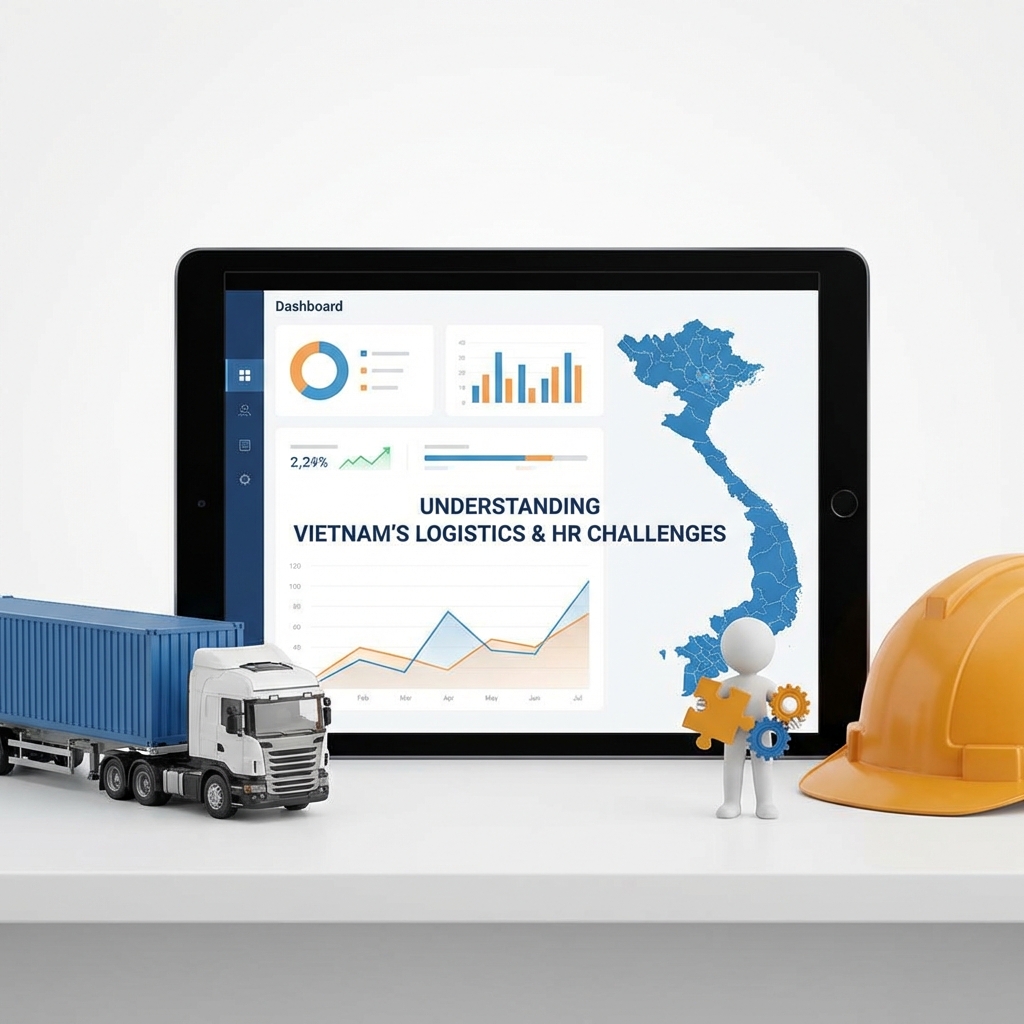
1. Rapid Growth & Vietnam Logistics HR Challenges
The Vietnamese logistics sector has been a key engine of the nation’s economic success, consistently registering high growth rates. This expansion, while a boon for business, places considerable strain on the human capital infrastructure of logistics SMEs. CEOs often face the immediate challenge of scaling their teams rapidly without compromising quality or operational efficiency. The demand for skilled professionals across the supply chain—from warehouse managers and freight forwarders to customs specialists and last-mile delivery personnel—far outstrips supply. This creates fierce competition for talent, driving up recruitment costs and increasing the pressure on existing HR capabilities. Beyond mere numbers, maintaining a cohesive company culture and ensuring consistent performance management become complex tasks as organizations grow quickly. Effective recruitment processes are crucial, not just for filling vacancies but for strategic workforce planning that anticipates future needs. Without well-defined employee retention strategies, SMEs risk losing valuable personnel to larger competitors or other industries, hindering long-term development and knowledge transfer within the organization. Addressing these HR management challenges requires a proactive approach to talent acquisition and development.
2. Navigating Vietnam Labor Law Compliance for SMEs
One of the most significant hurdles for CEOs of logistics SMEs in Vietnam is ensuring comprehensive compliance with the country’s intricate and frequently updated labor laws. Unlike larger enterprises with dedicated legal and HR departments, SMEs often lack the resources or expertise to fully interpret and implement these regulations. Key areas of concern include employment contracts, working hours, overtime regulations, social insurance contributions, occupational safety and health standards, and procedures for resolving labor disputes. Missteps in any of these areas can lead to substantial fines, legal disputes, reputational damage, and decreased employee morale. For instance, understanding the nuances of different types of employment contracts (e.g., definite-term vs. indefinite-term) and ensuring accurate social insurance contributions are vital for avoiding future legal complications. Accessing reliable and up-to-date information is essential for mitigating compliance risks. A comprehensive guide can provide valuable insights into these complexities. For a detailed understanding of the regulations, CEOs can refer to authoritative sources such as Baker McKenzie’s Employment & Labour Guide for Vietnam, which outlines key aspects of the country’s labor framework. Prioritizing legal compliance not only safeguards the business but also builds a foundation of trust and fairness with the workforce.
3. The Impact of Talent Shortages on Logistics Operations
The scarcity of skilled labor represents a critical bottleneck for many logistics SMEs in Vietnam. The rapid expansion of the industry, coupled with evolving technological demands (e.g., digitalization of supply chains, automation), has created a significant skill gap. There’s a particular shortage of professionals with specialized expertise in areas like multimodal transport, customs brokerage, supply chain optimization, and logistics IT. This talent shortage directly impacts operational efficiency, leading to higher labor costs, delays in service delivery, and a potential reduction in overall service quality. For CEOs, this translates into increased pressure to find innovative solutions for workforce development. Investing in training programs, upskilling existing employees, and establishing partnerships with educational institutions are becoming strategic imperatives. Furthermore, developing attractive compensation benefits packages that extend beyond basic salaries, such as health insurance, professional development opportunities, and clear career progression paths, is crucial for both attracting and retaining top talent. Building a strong organizational structure that supports continuous learning and fosters a positive work environment can significantly mitigate the adverse effects of talent shortages, ensuring the long-term viability and competitiveness of logistics operations.
Designing Effective HR Organizational Structures for SMEs
For logistics Small and Medium-sized Enterprises (SMEs) in Vietnam, a robust and agile HR framework is critical for sustained growth and operational excellence. A strategically designed HR organizational structure is not just administrative; it’s a key enabler of the CEO’s vision, ensuring talent acquisition, development, and retention align seamlessly with business objectives. This section explores creating lean, efficient HR frameworks tailored for the dynamic logistics field in Vietnam, offering optimal support for growth while navigating the unique HR challenges SMEs Vietnam face.
1. Centralized vs. Decentralized Models for SME HR Strategy Vietnam
Choosing the right HR model is foundational for any SME’s HR strategy in Vietnam.
- Centralized HR: All HR functions, policies, and decisions are concentrated at a single point, usually within a dedicated department reporting to the CEO.
- Pros: Ensures consistency in policy application, simplifies HR compliance Vietnam, leverages limited HR expertise efficiently, and often reduces operational costs. It’s effective for smaller logistics SMEs seeking a streamlined approach, standardizing processes and talent management.
- Cons: Can be less responsive to localized operational needs and may create bottlenecks.
- Decentralized HR: HR responsibilities are distributed across various business units, often with HR generalists embedded within teams.
- Pros: Offers greater responsiveness to specific departmental needs, fosters stronger relationships with employees (employee engagement logistics), and better supports diverse workforce planning Vietnam logistics requirements.
- Cons: Risks inconsistency in policies, potential for duplication, and can be more costly.
For most logistics SMEs in Vietnam, a hybrid approach often proves most effective. This involves centralizing core functions like payroll, benefits, and strategic HR planning (strategic HR for logistics CEO) while decentralizing some operational HR tasks to line managers. This balance ensures both consistency and localized responsiveness, directly supporting business goals. For further insights into effective organizational design, refer to the Society for Human Resource Management (SHRM) on HR organizational structures.
2. Key Roles in a Lean HR Team for Logistics
A “lean” HR team for logistics SMEs in Vietnam maximizes impact with minimal resources, focusing on essential functions that drive business value.
- HR Generalist: This foundational role typically covers talent acquisition logistics Vietnam (recruitment and onboarding), basic employee relations, payroll support, benefits administration (compensation benefits logistics), and HR compliance Vietnam. Their broad knowledge is invaluable for managing daily HR challenges SMEs Vietnam encounter.
- Talent Acquisition Focus: As logistics SMEs grow, attracting drivers, warehouse staff, and operational managers becomes critical. Whether a dedicated specialist or a key function of the generalist, this focuses on sourcing, interviewing, and hiring, leveraging HR technology for SMEs Vietnam. This is vital for sustaining growth.
- HR Coordinator/Administrator: Supports the HR Generalist with administrative tasks, data entry, and record-keeping, freeing the generalist for more strategic initiatives.
- Training & Development (often outsourced or part-time): Continuous training development logistics Vietnam is essential. This function focuses on identifying skill gaps, organizing programs, and fostering a learning culture to enhance capabilities and promote succession planning logistics Vietnam.
For many smaller logistics SMEs, a single highly competent HR Generalist, possibly with administrative support or leveraging HR outsourcing Vietnam for specialized needs, forms the backbone of their HR organizational design SMEs. The CEO in logistics field in Vietnam relies on this team to be agile and responsive to evolving operational demands.
3. Aligning HR Structure with Business Goals (Organizational Development SMEs Vietnam)
The HR structure must serve the overarching business goals and the CEO’s vision. In organizational development SMEs Vietnam, this means every HR function contributes directly to the logistics company’s strategic objectives, like market expansion or efficiency improvements.
- Strategic Workforce Planning: HR must proactively forecast talent needs based on business projections, ensuring the right people are in the right roles at the right time.
- Performance Management Systems (Performance management SMEs Vietnam): Clear, objective systems align individual and team efforts with company goals, fostering accountability and employee development.
- Organizational Culture & Engagement: HR shapes a positive culture through strategies for employee engagement logistics, promoting communication, and reinforcing core values to retain talent.
- Succession Planning & Leadership Development: Robust succession planning logistics Vietnam identifies and develops future leaders internally, ensuring continuity.
By integrating HR strategy with business strategy, the HR team becomes a strategic partner. This proactive approach ensures that the HR structures for SMEs the CEO in logistics field in vietnam establishes are not just compliant but powerful engines driving sustainable success.
Conclusion:
Designing an effective HR organizational structure for logistics SMEs in Vietnam requires careful consideration of size, strategic goals, and the operational environment. By thoughtfully choosing HR models, defining lean roles, and consistently aligning HR initiatives with business objectives, logistics SMEs can build an HR framework that not only supports but actively propels the CEO’s vision forward, ensuring long-term success in a competitive market.
Mastering Talent Acquisition & Development in Logistics
The rapidly expanding Vietnamese logistics sector presents immense opportunities, yet it also poses significant challenges, particularly in human resource management. For Small and Medium-sized Enterprises (SMEs) and their CEOs in this dynamic field, establishing robust HR structures for SMEs the CEO in logistics field in vietnam is not just beneficial, but critical for sustainable growth and competitiveness. Mastering talent acquisition, retention, and development ensures that companies can navigate market shifts, embrace technological advancements, and consistently deliver high-quality services. This section outlines strategic approaches for attracting, retaining, and developing skilled personnel, addressing the core HR needs essential for success in the Vietnamese logistics sector.

1. Strategies for Logistics Talent Acquisition Vietnam
Attracting the right talent in Vietnam’s competitive logistics market requires a proactive and multifaceted approach. The demand for skilled logistics professionals, from supply chain analysts to warehouse managers and last-mile delivery specialists, often outstrips supply, especially when considering the intricate local market dynamics. Effective strategies for logistics talent acquisition Vietnam involve more than just posting job ads. Companies must cultivate a strong employer brand that highlights their unique value proposition, career growth opportunities, and positive work culture. Leveraging digital recruitment platforms and professional networking sites is essential for reaching a wider pool of candidates. Furthermore, forming strategic partnerships with vocational schools, universities, and logistics training centers can create a sustainable talent pipeline. Internships and apprenticeship programs offer practical experience for aspiring professionals and allow companies to assess potential long-term hires. For CEOs of logistics SMEs, understanding the local labor market and tailoring recruitment efforts to appeal to a younger, digitally-savvy workforce is paramount. Emphasizing the innovative aspects of logistics and technology integration can make your company stand out to the top 16% of candidates looking for growth.
2. Developing Effective Performance Management Logistics Vietnam Systems
Once talent is acquired, establishing an effective performance management system is vital for nurturing growth and ensuring productivity. In the Vietnamese logistics context, this means setting clear, measurable, and achievable Key Performance Indicators (KPIs) that align with both individual roles and overall business objectives. For example, a delivery driver’s KPIs might include on-time delivery rates and customer satisfaction scores, while a warehouse manager’s might focus on inventory accuracy and operational efficiency. Regular, constructive feedback sessions are crucial, moving beyond annual reviews to continuous coaching and development conversations. Implementing technology solutions, such as HR software or dedicated performance management platforms, can streamline this process, making it easier to track progress, identify areas for improvement, and recognize high performers. An effective performance management logistics Vietnam system should also be transparent, fostering a sense of fairness and encouraging employees to take ownership of their development. This approach not only boosts individual performance but also enhances team cohesion and overall operational excellence, contributing directly to the CEO’s strategic goals for the logistics enterprise.
3. Boosting Employee Retention Vietnam Logistics through Training & Benefits (Compensation and Benefits Vietnam)
Retaining skilled logistics personnel is arguably more challenging and costly than initial acquisition, especially given the dynamic nature of the industry and the aspirations of the Vietnamese workforce. A comprehensive approach to employee retention Vietnam logistics involves a combination of meaningful training and competitive benefits. Investing in continuous learning and development programs is key; this includes upskilling in new technologies, reskilling for evolving roles, and leadership development for promising individuals. Offering clear career progression paths and opportunities for professional advancement can significantly boost morale and loyalty. Beyond professional growth, competitive compensation and benefits Vietnam packages are essential. This encompasses not just attractive salaries, but also a range of non-monetary perks such as health insurance, flexible working arrangements where possible, employee wellness programs, and a supportive work environment. According to the ILO Report on Jobs and Skills for Economic Transformation in Vietnam, continuous investment in human capital is vital for economic resilience and growth, underscoring the importance of these retention strategies. By fostering a culture of appreciation, investment in employee well-being, and providing robust development opportunities, logistics SMEs can significantly reduce turnover and build a stable, high-performing team ready to tackle future challenges.
Leveraging Technology & Ensuring Robust Compliance
For CEOs leading Small and Medium-sized Enterprises (SMEs) in Vietnam’s dynamic logistics sector, optimizing human resources is paramount for sustained growth and competitiveness. Navigating the complexities of local labor laws while striving for operational efficiency demands a strategic approach to HR. This section explores how integrating modern HR technology, establishing comprehensive policies, and strategically utilizing outsourcing can transform HR structures for SMEs the CEO in logistics field in vietnam, ensuring robust compliance and mitigating potential risks.
1.
Implementing HR Technology for SMEs Vietnam (HRIS/HRM)
The digital transformation sweeping across industries offers unparalleled opportunities for SMEs in Vietnam’s logistics sector to streamline their HR operations. Implementing a robust HR Information System (HRIS) or Human Resource Management (HRM) system is no longer a luxury but a necessity for efficient talent management. Such systems automate routine tasks like payroll processing, attendance tracking, leave management, and employee data management. For a CEO overseeing complex logistics operations, an HRIS frees up valuable time spent on administrative burdens, allowing focus on strategic initiatives like route optimization, supply chain enhancements, and market expansion. Moreover, these systems provide centralized, accurate data, crucial for informed decision-making regarding workforce planning, performance evaluations, and training needs. Choosing the right HR technology for SMEs Vietnam means selecting scalable, user-friendly platforms that can integrate with existing operational software and adapt to the specific needs of the logistics industry, such as managing a distributed workforce across various locations. This technological leap enhances productivity, reduces errors, and significantly improves the overall employee experience, which is vital for attracting and retaining skilled labor in a competitive market.
2.
Addressing HR Policies for SMEs Vietnam and Risk Mitigation
Beyond technology, establishing clear, compliant HR policies is fundamental for any SME operating in Vietnam. The country’s labor laws, particularly the Labor Code, are frequently updated, and non-compliance can lead to significant penalties, reputational damage, and operational disruptions. For CEOs in the logistics sector, where work hours can be irregular, and safety regulations are stringent, robust policies are critical. This involves meticulously drafting contracts, understanding minimum wage requirements, overtime rules, social insurance obligations, and termination procedures in accordance with Vietnamese legislation. Proactive risk mitigation strategies include regular audits of HR practices, staying abreast of legal amendments, and providing continuous training to managers on labor law compliance. Specific HR policies for SMEs Vietnam must address areas like occupational health and safety (OHS) pertinent to logistics, anti-discrimination, grievance procedures, and data privacy. By ensuring all HR policies are transparent, communicated effectively to employees, and consistently enforced, CEOs can protect their business from legal challenges, foster a fair and productive work environment, and safeguard their company’s reputation. Engaging with legal experts or HR consultants specializing in Vietnamese labor law can provide invaluable insights and ensure comprehensive adherence. Understanding the key provisions of Vietnam’s Labor Code is essential for effective risk management.
3.
Considering HR Outsourcing Vietnam Logistics for Strategic Functions
For many SMEs in Vietnam’s logistics industry, maintaining a fully-fledged in-house HR department equipped with specialized legal and technological expertise can be resource-intensive. This is where HR outsourcing becomes a highly attractive and strategic option. Outsourcing non-core but critical HR functions, such as payroll administration, benefits management, and even compliance oversight, allows the CEO and their leadership team to concentrate on core business activities like operational efficiency, client acquisition, and technological innovation in logistics. Furthermore, specialized HR outsourcing providers in Vietnam possess deep expertise in local labor laws, ensuring that all HR operations, particularly complex payroll and social insurance calculations, are handled accurately and in full compliance. This reduces the burden of keeping up with ever-changing regulations and minimizes the risk of costly errors. For logistics SMEs, where rapid scaling and flexible staffing models are common, outsourcing can also provide access to a broader pool of HR talent and best practices without the overhead of hiring permanent staff. It’s about leveraging external expertise to build resilient and agile HR structures, allowing the business to adapt quickly to market demands and focus its internal resources where they generate the most strategic value.
By strategically adopting HR technology, meticulously developing compliant policies, and judiciously utilizing outsourcing, CEOs of logistics SMEs in Vietnam can build robust and agile human resource frameworks. These integrated strategies not only drive operational efficiency and ensure comprehensive adherence to local regulations but also empower businesses to navigate the competitive landscape effectively, mitigate risks, and foster sustainable growth. This proactive approach to managing human capital is a cornerstone for success in Vietnam’s evolving logistics sector.
Cultivating a High-Performance Culture & Future Leadership
For logistics SMEs in Vietnam, navigating a rapidly evolving market demands more than just operational efficiency; it requires a strategic foresight in human resource management. The CEO in the logistics field in Vietnam understands that long-term success hinges on robust HR structures for SMEs the CEO in logistics field in vietnam that not only support daily operations but also proactively build a high-performance culture and nurture future leadership. This involves a concerted effort to foster a positive work environment, invest in people, and strategically plan for organizational continuity. In a sector characterized by high demand, intricate supply chains, and technological shifts, creating an adaptable, skilled, and motivated workforce is paramount.
-
Building a Resilient Workplace Culture Logistics Vietnam
A resilient workplace culture is the bedrock of any successful logistics SME, particularly in a dynamic market like Vietnam. For the CEO of a logistics company, fostering such an environment means recognizing the unique pressures of the industry—long hours, tight deadlines, and the need for precision. Building this culture involves more than just competitive salaries; it’s about creating a sense of belonging, purpose, and psychological safety. Effective HR structures for SMEs the CEO in logistics field in vietnam prioritize employee well-being, offering clear communication channels, transparent feedback mechanisms, and opportunities for professional growth.
In Vietnam’s logistics landscape, where attracting and retaining talent can be challenging, a strong culture acts as a magnet. This includes recognizing employees’ contributions, celebrating successes, and providing support during challenging times. Initiatives like flexible work arrangements (where feasible), health and wellness programs, and team-building activities can significantly boost morale and loyalty. A resilient culture empowers employees to adapt to changes, such as the adoption of new technologies or shifts in market demand, ensuring that the organization can navigate disruptions effectively. This proactive approach by the CEO ensures that the workforce remains engaged, productive, and committed to the company’s long-term vision, making the SME more competitive.

-
Investing in Leadership Training Logistics Vietnam
The future success of logistics SMEs in Vietnam heavily relies on the quality of their leadership. From team leaders managing warehouse operations to departmental heads overseeing complex supply chains, effective leadership is critical for driving performance and innovation. Investing in comprehensive leadership training is not merely an expense but a strategic investment. For the CEO, this means identifying key leadership competencies required in the logistics sector, such as strategic thinking, problem-solving, digital literacy, and people management skills. HR structures for SMEs the CEO in logistics field in vietnam must incorporate structured training programs that cater to various leadership levels.
These programs could include workshops on operational excellence, supply chain optimization, and the application of new technologies like AI and automation in logistics. Furthermore, soft skills development, such as communication, conflict resolution, and motivational techniques, are equally crucial for building cohesive and high-performing teams. Mentorship programs, where experienced leaders guide emerging talent, can also be invaluable. By continuously developing their leaders, SMEs can ensure that their management team is equipped to handle future challenges, foster a culture of continuous improvement, and effectively implement the company’s strategic goals. Robust leadership training is a cornerstone for sustainable growth and operational excellence in the demanding logistics environment. To ensure these training programs are effective and align with broader organizational goals, detailed planning around HR structures for SMEs the CEO in logistics field in vietnam is essential.
-
Strategic Succession Planning Logistics Vietnam for Key Roles
The absence of a robust succession plan poses a significant risk to the continuity and stability of any SME, especially within the specialized logistics sector in Vietnam. Key roles, such as operations managers, fleet supervisors, or even the CEO themselves, hold institutional knowledge and expertise that are vital for smooth functioning. Strategic succession planning involves identifying critical positions, assessing the skills and potential of current employees, and preparing them to step into higher responsibilities when the need arises. For the CEO of a logistics company, this forward-thinking approach mitigates the risks associated with unexpected departures, retirements, or rapid expansion.
Effective HR structures for SMEs the CEO in logistics field in vietnam should include a systematic process for talent identification and development. This could involve performance reviews that look beyond current roles to assess leadership potential, cross-training initiatives to broaden employees’ skill sets, and tailored development plans for high-potential individuals. The goal is not just to fill a void but to ensure a continuous pipeline of capable leaders who understand the company’s culture, operations, and strategic direction. By preparing internal candidates, SMEs can foster loyalty, demonstrate commitment to employee growth, and reduce the costs and time associated with external recruitment. According to a report by the World Economic Forum on The Future of Jobs Report 2023, skills gaps and talent shortages are a global concern, highlighting the importance of proactive talent development and succession planning, especially in dynamic sectors like logistics. This strategic approach ensures long-term stability and sustained growth for logistics businesses in Vietnam.
Partner with Shelby Global
You are looking for reliable HR Sevice Suppliers? Contact Shelby Global Now! To connect with verified talents and upgrade your orginization.
—————————————
References
– Baker McKenzie’s Employment & Labour Guide for Vietnam: https://www.bakermckenzie.com/en/insight/publications/2021/04/employment-labour-guide-vietnam
– Society for Human Resource Management (SHRM) on HR organizational structures: https://www.shrm.org/resources-and-tools/hr-topics/organizational-structure-and-design
– ILO Report: Jobs and Skills for Economic Transformation in Vietnam: https://www.ilo.org/hanoi/information-resources/publications/WCMS_852438/lang–en/index.htm
– Key Provisions of Vietnam’s Labor Code – Dezan Shira & Associates: https://www.dezshira.com/library/vietnam/key-provisions-vietnams-labor-code/
– World Economic Forum on The Future of Jobs Report 2023: https://www.weforum.org/publications/the-future-of-jobs-report-2023/