
The Rise of AI Agents in Vietnamese Retail
Vietnam’s retail sector is undergoing a significant transformation, driven by rapid urbanization, increasing disposable incomes, and a tech-savvy consumer base. Amidst this dynamic landscape, Artificial Intelligence (AI) agents are emerging as a critical catalyst for change, redefining how businesses interact with customers, manage operations, and drive growth. The widespread adoption of digital technologies, coupled with a highly competitive market, has paved the way for retailers to explore innovative solutions. Understanding how AI agent effect to retail companies in vietnam is crucial for businesses aiming to stay ahead, optimize strategies, and unlock new levels of efficiency and customer satisfaction.
1. Defining AI Agents for Retail
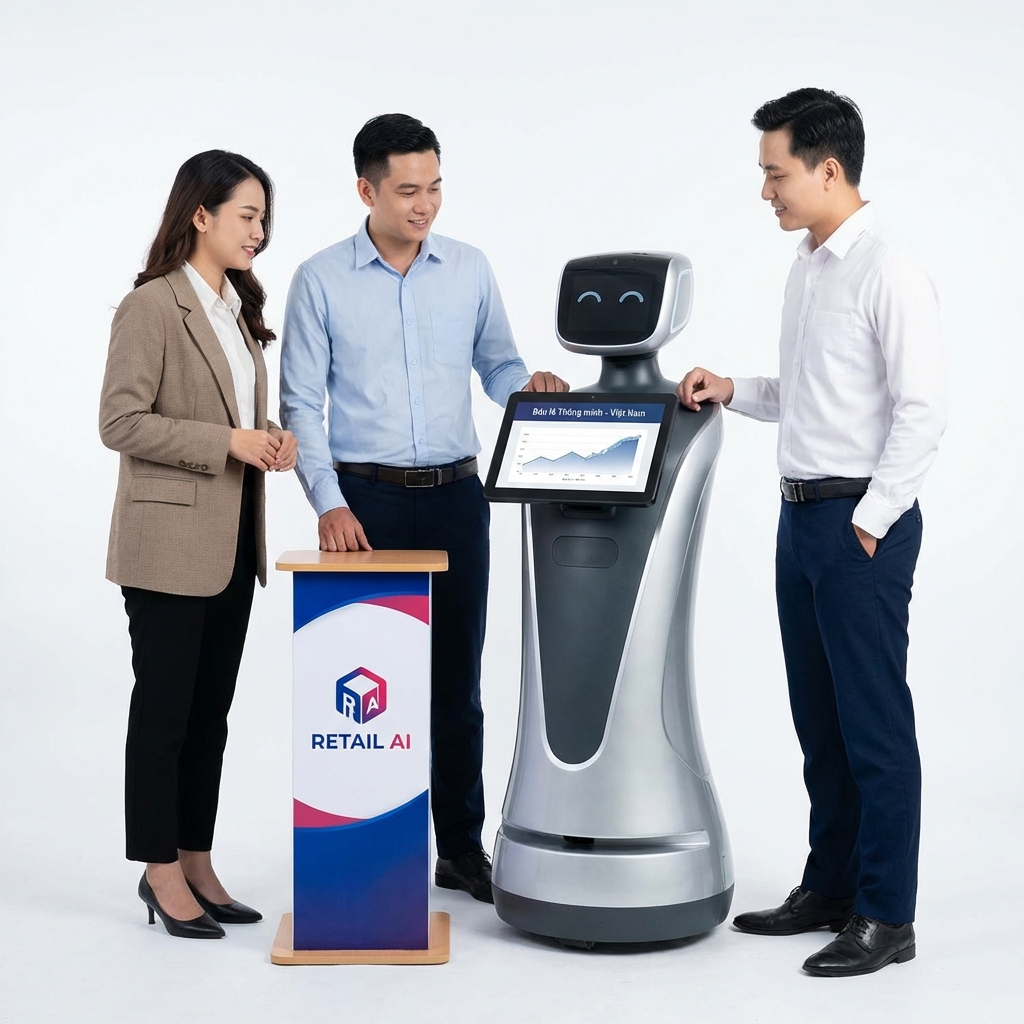
In retail, AI agents are sophisticated software programs or systems designed to perform tasks autonomously, learn from data, and make decisions to achieve specific goals. Unlike traditional automation, AI agents possess a level of intelligence, enabling them to adapt and optimize their performance over time. These agents manifest in various forms: from chatbots and virtual assistants handling customer inquiries and providing personalized recommendations, to intelligent inventory management systems predicting demand and optimizing stock levels. They also include recommendation engines analyzing browsing and purchase history, and predictive analytics tools forecasting market trends. Essentially, AI agents enhance operational efficiency and personalize the customer journey by leveraging vast amounts of data, contributing significantly to modern AI in Vietnamese retail strategies.
2. Current AI Adoption Trends in Vietnam
The embrace of AI agents in Vietnam’s retail sector is accelerating, mirroring global trends but with distinct local characteristics. Driven by a young, digitally literate population and high smartphone penetration, Vietnamese consumers are increasingly comfortable with online shopping and digital interactions. This environment provides fertile ground for AI-powered solutions. E-commerce giants and modern retail chains are leading this charge, integrating AI for personalized marketing campaigns, efficient supply chain management, and improved customer service. Chatbots are commonplace on retail websites and social media platforms, providing instant support. Sophisticated data analytics, powered by AI, help retailers understand consumer preferences, enabling targeted promotions. The rapid growth of Vietnam’s digital economy, as highlighted in reports like the e-Conomy SEA 2023 report, underscores the foundational shift towards digital platforms that facilitate advanced retail automation Vietnam. This trend extends beyond online channels; brick-and-mortar stores leverage AI for in-store analytics and smart inventory systems, illustrating how AI agent effect to retail companies in vietnam by creating seamless omnichannel experiences.
3. Key Drivers for AI Integration
Several compelling factors are propelling Vietnamese retailers towards greater integration of AI agents. Firstly, fierce competition necessitates innovation to attract and retain customers; AI agents offer a distinct competitive advantage through superior customer experience AI Vietnam via hyper-personalization and instant support. Secondly, the pursuit of operational efficiency retail Vietnam is a major driver. AI automates repetitive tasks, optimizes logistics, reduces human error, and provides valuable insights for inventory and pricing strategies, leading to significant cost savings. Thirdly, data-driven decision-making is paramount. With the explosion of consumer data, AI agents process and analyze vast datasets more effectively than humans, uncovering patterns and predictions that inform strategic business choices. Lastly, scalability and 24/7 availability are critical; AI agents handle large volumes of customer interactions or complex data processes, particularly beneficial for peak shopping seasons or rapid business expansion. These drivers collectively illustrate the transformative power and strategic imperative of understanding how AI agent effect to retail companies in vietnam and adopting these intelligent technologies to thrive in a dynamic market.
Revolutionizing Customer Experience with AI
The landscape of retail in Vietnam is undergoing a profound transformation, driven largely by the strategic adoption of Artificial Intelligence (AI). As consumers become more discerning and digitally savvy, businesses are increasingly leveraging AI agents to not only meet but exceed expectations, fundamentally reshaping the customer experience. This shift is critical for Vietnamese retail companies looking to stay competitive, offering new avenues for engagement, personalization, and operational efficiency. The profound effect of AI agents on retail companies in Vietnam is evident in their ability to deliver more intuitive, responsive, and tailored interactions across the entire customer journey, from discovery to post-purchase support.
1. Personalized Shopping Recommendations
One of the most impactful ways AI agents are revolutionizing customer experience in Vietnamese retail is through hyper-personalized shopping recommendations. Gone are generic product displays; AI algorithms now meticulously analyze vast datasets, including browsing history, past purchases, search queries, and real-time behavior. This sophisticated analysis allows AI to understand individual preferences and predict future needs with remarkable accuracy. For instance, a customer browsing a fashion retailer might receive suggestions for complementary accessories or new arrivals in their preferred style. In the grocery sector, AI can recommend recipes based on past purchases or dietary preferences, adding all necessary ingredients to a virtual cart with a single click. This level of personalization not only enhances the shopping journey by making it more relevant and enjoyable but also significantly boosts conversion rates and average order values. By anticipating desires and presenting tailored options, AI agents foster a deeper connection between brand and consumer, making each interaction feel unique and valued. The result is a more efficient, less overwhelming shopping experience that keeps customers returning.
2. 24/7 Virtual Customer Support
The demand for instant gratification and round-the-clock service has never been higher, and AI-powered virtual customer support agents are perfectly positioned to meet this need. Vietnamese retail businesses are deploying AI chatbots and virtual assistants that are available 24/7, offering immediate assistance, answering frequently asked questions, and resolving common issues without human intervention. These AI agents can handle a wide range of inquiries, from checking order statuses and tracking shipments to providing product information and guiding customers through troubleshooting. This always-on availability significantly improves customer satisfaction by eliminating wait times and providing consistent, accurate information at any hour. For retail companies, this translates into substantial cost savings by reducing the workload on human customer service teams, allowing them to focus on more complex interactions. This operational efficiency, coupled with enhanced responsiveness, is a critical factor in how AI agents affect retail companies in Vietnam, ensuring seamless and accessible support. According to PwC’s Global Consumer Insights Pulse Survey 2023, convenience and speed are paramount for consumers, reinforcing the value of AI-driven instant support.
3. Streamlining Purchase Journeys
Beyond initial recommendations and support, AI agents are instrumental in streamlining the entire purchase journey, from initial product discovery to the final checkout and post-purchase follow-up. AI-powered search functions go beyond keyword matching, understanding user intent and providing highly relevant results, even for vague queries. Virtual try-on features for apparel and augmented reality (AR) tools for visualizing furniture are AI innovations that bridge the gap between online and offline experiences, reducing uncertainty and boosting buyer confidence. During checkout, AI can detect potential fraud, suggest express delivery options, or recommend last-minute add-ons based on cart contents, further personalizing the experience and increasing revenue. Post-purchase, AI agents can automate feedback collection, provide proactive updates on orders, and even offer personalized re-engagement campaigns. By minimizing friction at every touchpoint, AI ensures a smooth, intuitive, and efficient path to purchase. This holistic integration of AI tools reduces cart abandonment rates, enhances conversion, and fosters greater customer loyalty, demonstrating a profound impact of AI agents on retail companies in Vietnam by making every step of the transaction seamless and user-centric.
In conclusion, the strategic deployment of AI agents is not merely an enhancement but a fundamental revolution in how Vietnamese retail businesses interact with their customers. From delivering highly personalized shopping recommendations and providing ubiquitous 24/7 support to meticulously streamlining every aspect of the purchase journey, AI is creating richer, more engaging, and ultimately more profitable customer experiences. The continuous evolution of AI technology promises even greater advancements, further solidifying how AI agent effect to retail companies in Vietnam, driving innovation and setting new benchmarks for customer satisfaction in an increasingly competitive market.
Optimizing Operations and Supply Chains
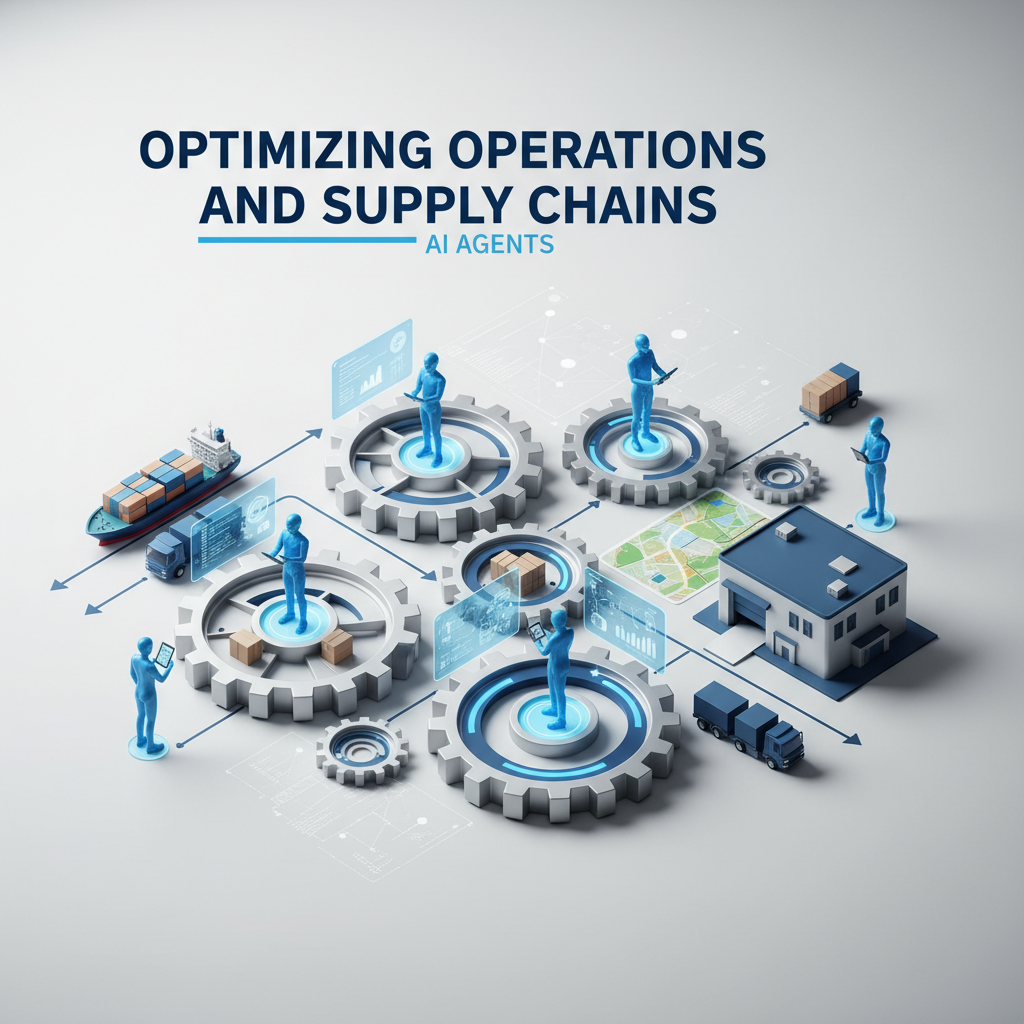
In the dynamic and rapidly expanding retail landscape of Vietnam, artificial intelligence (AI) agents are no longer a futuristic concept but a present-day catalyst for transformative change. As consumer demands evolve and competition intensifies, Vietnamese retailers are increasingly leveraging AI to streamline their operations, enhance efficiency across the supply chain, and ultimately deliver superior customer experiences. This exploration delves into how AI agents effect retail companies in Vietnam, specifically focusing on their profound impact on inventory management, warehouse automation, and the intricate web of logistics, leading to unprecedented levels of operational agility and cost-effectiveness.
1. Predictive Inventory Management
One of the most significant challenges for retailers globally, and particularly in a fast-growing market like Vietnam, is maintaining optimal inventory levels. Traditional methods often lead to either costly overstocking, resulting in depreciation and storage expenses, or frustrating stockouts that translate to lost sales and customer dissatisfaction. AI agents are revolutionizing this by implementing sophisticated predictive inventory management systems. These agents analyze vast datasets, including historical sales figures, seasonal trends, promotional impacts, macroeconomic indicators, and even real-time external factors like weather forecasts or local events.
Using advanced machine learning algorithms, AI can accurately forecast demand with a precision previously unattainable. This allows Vietnamese retailers to anticipate consumer needs, optimize reorder points, and manage stock levels dynamically across multiple locations. The benefits are multifold: a substantial reduction in carrying costs, minimized waste from expired or obsolete products, and a significant decrease in missed sales opportunities due to product unavailability. This proactive approach ensures that the right products are available at the right time, enhancing both profitability and customer loyalty, positioning AI in retail Vietnam as a key driver for sustainable growth.
2. Automated Warehouse Operations
The efficiency of a retail supply chain heavily relies on the speed and accuracy of its warehouse operations. In Vietnam, where labor costs are rising and demand for quicker fulfillment is escalating, AI-powered automation is transforming warehouses into intelligent, self-optimizing hubs. AI agents orchestrate a fleet of autonomous guided vehicles (AGVs), robotic arms, and automated storage and retrieval systems (AS/RS) that handle tasks from receiving and sorting to picking, packing, and dispatch. These systems operate 24/7 with minimal human intervention, dramatically increasing throughput and reducing errors.
Beyond physical automation, AI enhances warehouse intelligence by optimizing storage layouts based on product velocity, managing picking routes for maximum efficiency, and performing real-time inventory tracking. This level of automation not only reduces operational costs and the need for manual labor but also significantly speeds up order fulfillment, a critical factor in today’s e-commerce driven market. By leveraging robust AI-powered supply-chain transformation, Vietnamese retailers can achieve unparalleled efficiency and accuracy in their warehouse operations, ensuring a seamless flow of goods from supplier to customer.
3. Optimizing Delivery Logistics
The final, and often most complex, leg of the retail supply chain is delivery logistics. Navigating Vietnam’s bustling urban centers and expansive rural areas presents unique challenges, from traffic congestion to varying infrastructure. AI agents are proving instrumental in tackling these complexities through intelligent logistics optimization. These systems utilize real-time data, including traffic conditions, weather patterns, delivery vehicle availability, and customer locations, to calculate the most efficient delivery routes dynamically. This drastically reduces transit times, lowers fuel consumption, and optimizes fleet utilization.
Furthermore, AI enables dynamic scheduling, allowing retailers to adjust delivery schedules on the fly in response to unforeseen events or sudden changes in demand. It also facilitates real-time tracking and predictive estimated times of arrival (ETAs), enhancing transparency for both retailers and customers. By optimizing delivery logistics, retailers in Vietnam can achieve faster, more reliable deliveries, significantly improve customer satisfaction, and reduce their overall operational carbon footprint. The integration of AI for logistics automation Vietnam is therefore not just an efficiency gain but a strategic imperative for competitive advantage in the modern retail landscape.
Financial Implications and Cost Reduction
The retail landscape in Vietnam is undergoing a significant transformation, driven by technological advancements. As companies seek competitive advantages, the integration of AI agent solutions emerges as a powerful tool not just for enhanced customer experience, but critically, for substantial financial benefits. Understanding how AI agent effect to retail companies in Vietnam involves analyzing the economic benefits, potential cost savings, and the compelling return on investment (ROI) these sophisticated tools offer. From streamlining operations through customer service automation and optimizing stock levels via inventory optimization to facilitating highly effective personalized marketing strategies and robust data-driven decision making, AI agents are proving to be game-changers, all contributing to a healthier bottom line.
1. Reducing Operational Overheads
One of the most immediate and tangible financial benefits of implementing AI agent solutions in Vietnamese retail is the significant reduction in operational overheads. Traditional retail models often incur high costs associated with manual processes, staffing for routine tasks, and inefficient resource allocation. AI agents, particularly in the form of chatbots and virtual assistants, can automate a vast array of customer service interactions, from answering frequently asked questions and processing returns to guiding customers through product selection. This customer service automation drastically reduces the need for large human customer support teams, allowing businesses to reallocate talent to more complex, value-adding tasks or reduce overall staffing costs.
Beyond customer service, AI agents play a crucial role in inventory optimization. By analyzing sales data, market trends, and even external factors like weather forecasts, AI can predict demand with remarkable accuracy. This precision minimizes overstocking (reducing storage costs and waste) and understocking (preventing lost sales), leading to more efficient supply chain management. Furthermore, AI can automate backend processes such as data entry, compliance checks, and even initial stages of fraud detection, further cutting down on administrative expenses and human error. The efficiency gains across these operational facets directly translate into lower expenditure and increased profitability for Vietnamese retailers.
2. Boosting Sales Conversion Rates
While cost reduction is a critical component, AI agents also drive revenue growth by significantly boosting sales conversion rates. In the highly competitive Vietnamese retail market, personalized experiences are paramount. AI agents excel in delivering tailored recommendations, understanding individual customer preferences, and guiding them through their purchasing journey with precision. Through advanced analytics, these agents can segment customers, identify buying patterns, and present relevant products or promotions at the opportune moment, both online and in-store via interactive kiosks or mobile apps. This level of personalized marketing transforms casual browsing into committed purchases.
Moreover, AI agents ensure 24/7 availability for customer inquiries and support. Unlike human staff, AI agents don’t require breaks or sleep, ensuring that potential customers always have access to immediate assistance, regardless of the time zone or hour. This constant availability reduces customer frustration, improves satisfaction, and significantly lowers cart abandonment rates. By offering instant answers, proactive assistance, and a seamless shopping experience, AI agents effectively nurture leads and convert them into loyal customers, directly impacting the top line. According to a report by PwC, which details how AI is reshaping industries and enhancing customer experiences, companies leveraging AI for personalization often see a substantial uplift in sales and customer engagement, a trend vital for retailers in Vietnam.
3. ROI from AI Investments
The substantial investments required for AI agent solutions naturally lead companies to question the return on investment (ROI). For Vietnamese retail companies, the ROI can be exceptionally high, stemming from a combination of the aforementioned cost savings and revenue growth. The initial outlay for AI implementation, software licenses, and integration can be offset relatively quickly by the operational efficiencies gained through reducing operational overheads, particularly in labor and inventory management. The enhanced ability to predict demand and optimize stock levels alone can save businesses significant capital tied up in slow-moving inventory.
Furthermore, the revenue uplift from boosting sales conversion rates through personalized experiences and improved customer satisfaction contributes directly to a faster and more robust ROI. By providing insights from vast datasets, AI agents also empower robust data-driven decision making. This allows retailers to quickly adapt to market changes, optimize pricing strategies, and identify new growth opportunities, all of which positively impact financial performance. The combined effect of reduced costs and increased sales, coupled with the long-term strategic advantage derived from superior data intelligence, positions AI agent solutions as a highly lucrative investment for Vietnamese retailers aiming for sustainable growth and profitability. For a comprehensive overview of how AI agent effect to retail companies in Vietnam, further insights into these benefits are available.
Challenges and the Future Outlook for AI in Vietnam Retail
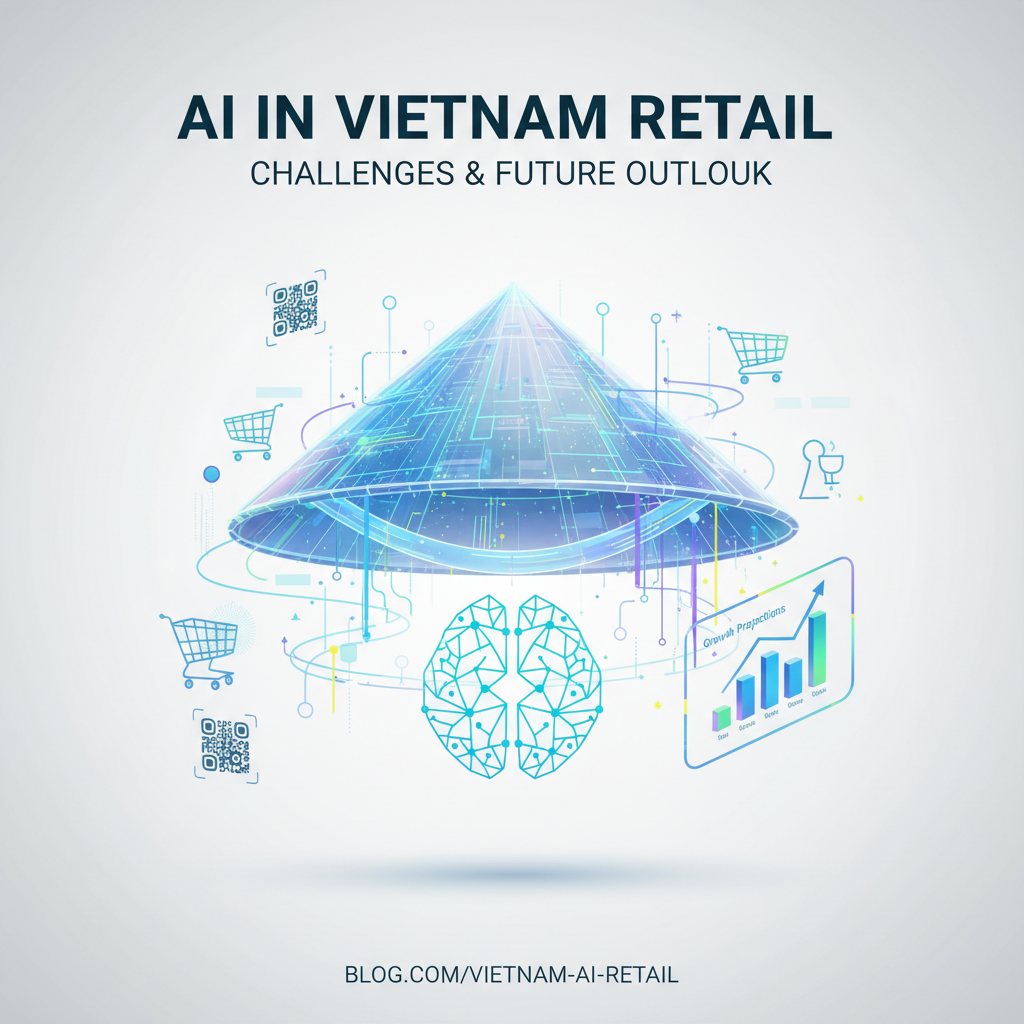
The rapid evolution of Artificial Intelligence (AI) presents both unprecedented opportunities and significant challenges for the retail sector globally, and Vietnam is no exception. As Vietnamese consumers become increasingly digitally savvy, retailers are recognizing the imperative to integrate AI agents to enhance operational efficiency, personalize customer experiences, and stay competitive. However, the path to widespread AI adoption is fraught with obstacles ranging from technological readiness to workforce adaptation. Understanding how AI agents affect retail companies in Vietnam is crucial for navigating these complexities and leveraging future trends effectively.
1. Implementation Hurdles and Data Security
One of the primary AI adoption challenges in Vietnam retail stems from significant implementation hurdles. Many local retailers, particularly small and medium-sized enterprises (SMEs), face limitations in terms of capital investment for advanced AI infrastructure, specialized software, and hardware. There’s also a noticeable gap in technical expertise, making it difficult to deploy, manage, and optimize complex AI systems. Finding qualified data scientists, AI engineers, and machine learning specialists remains a significant barrier. Moreover, the existing IT infrastructure in some traditional retail setups may not be robust enough to support data-intensive AI applications.
Alongside these technical and financial obstacles, data security in Vietnamese retail poses another critical concern. AI systems are fueled by vast amounts of data, including sensitive customer information. Ensuring the privacy and security of this data is paramount. Vietnamese retailers must comply with evolving data protection regulations, such as Decree 13/2023/ND-CP on personal data protection. Failing to secure data not only risks hefty fines but also erodes consumer trust, which is vital for business longevity. Retailers need to invest in robust cybersecurity measures, secure cloud storage, and implement strict data governance policies to protect against breaches and misuse. For more information on Vietnam’s data protection landscape, refer to this analysis of Vietnam’s Data Protection Decree.
2. Workforce Adaptation and Training
The introduction of AI agents inevitably leads to shifts in workforce requirements. While AI can automate repetitive and data-intensive tasks, it also creates a demand for new skills focused on managing, monitoring, and interpreting AI outputs. This brings about the challenge of workforce adaptation and training. Many employees fear job displacement, highlighting the need for transparent communication and comprehensive reskilling programs.
Vietnamese retailers must invest in upskilling their existing workforce to enable them to collaborate effectively with AI systems. This includes training in data literacy, AI system oversight, customer service enhancements through AI tools, and analytical thinking. By fostering a culture of continuous learning, businesses can transition their employees into roles that leverage AI for strategic decision-making and more complex problem-solving, rather than merely replacing human labor. Successful integration of AI agents requires a harmonious blend of human intuition and artificial intelligence, ensuring that the workforce is an asset in the AI-driven future.
3. Future Trends: Hyper-Personalization and Automation
Despite the challenges, the future outlook for AI in Vietnamese retail is undeniably promising, driven by two key trends: hyper-personalization and extensive automation. AI’s ability to analyze vast datasets on consumer behavior, preferences, and purchasing patterns will enable retailers to offer unparalleled personalized customer experiences with AI. This includes dynamic pricing, tailored product recommendations, customized promotions, and highly relevant content delivered through various channels, significantly boosting customer engagement and loyalty.
Furthermore, retail automation solutions powered by AI are set to revolutionize back-end operations and supply chain management. AI agents can optimize inventory levels, predict demand fluctuations with greater accuracy, automate warehouse operations, and streamline logistics. From AI-driven chatbots providing instant customer support to robotic process automation handling repetitive administrative tasks, the efficiency gains will be substantial. This level of automation will free up human resources to focus on strategic initiatives, innovation, and high-touch customer service interactions that require emotional intelligence.
In conclusion, while the journey for AI adoption in Vietnam’s retail sector involves navigating significant implementation hurdles and addressing data security and workforce challenges, the opportunities for growth and innovation are immense. By strategically addressing these obstacles and embracing future trends like hyper-personalization and automation, Vietnamese retailers can unlock new levels of efficiency, customer satisfaction, and competitive advantage in an increasingly digital marketplace.
Partner with Shelby Global
You are looking for reliable HR Sevice Suppliers? Contact Shelby Global Now! To connect with verified talents and upgrade your orginization.
—————————————
References
– e-Conomy SEA 2023 report: https://www.thinkwithgoogle.com/intl/en-apac/future-of-marketing/digital-marketing-trends/e-economy-sea-report/
– PwC Global Consumer Insights Pulse Survey 2023: https://www.pwc.com/gx/en/consumer-markets/consumer-insights-survey/2023/global-consumer-insights-pulse-survey.pdf
– AI-powered supply-chain transformation: https://www.mckinsey.com/capabilities/operations/our-insights/ai-powered-supply-chain-transformation
– PwC, which details how AI is reshaping industries and enhancing customer experiences: https://www.pwc.com/gx/en/issues/data-analytics/artificial-intelligence/ai-predictions-2024.html
– Vietnam Data Protection Decree: A major step-change for data privacy regulation: https://www.freshfields.com/en-gb/our-thinking/campaigns/data-privacy/vietnam-data-protection-decree-a-major-step-change-for-data-privacy-regulation/