
Fundamental Differences in HR Department Size & Scope
In Vietnam’s dynamic Fast-Moving Consumer Goods (FMCG) sector, the scale of operations profoundly dictates the size, structure, and overall breadth of Human Resources (HR) functions. Whether an organization is a nimble Small and Medium-sized Enterprise (SME) or a sprawling multinational corporation, the differences between the SMEs’ HR structure and the corporates’ HR structure in FMCG companies in Vietnam are stark, impacting everything from daily operations to long-term strategic planning. These disparities are not merely about headcount; they reflect fundamental philosophical and operational approaches to talent management, compliance, and employee development within the unique Vietnamese business environment.
The strategic imperative for HR departments in FMCG companies, regardless of size, remains constant: attract, develop, and retain top talent to drive business success. However, the methods and resources available to achieve this diverge significantly. SMEs often grapple with resource constraints and the need for agility, whereas corporates leverage extensive resources and specialized expertise. Understanding these distinctions is crucial for anyone navigating the Vietnamese FMCG HR landscape.

1. Lean vs. Specialized HR Teams
One of the most visible differences between the SMEs’ HR structure and the corporates’ HR structure in FMCG companies in Vietnam lies in team composition. SMEs typically operate with lean HR teams, often comprising just one to three individuals responsible for the entire spectrum of HR functions. These teams prioritize operational efficiency, focusing on core tasks such as payroll, basic recruitment, and ensuring compliance with Vietnam’s labor laws. The emphasis is on doing more with less, with team members frequently wearing multiple hats.
In contrast, large FMCG corporations in Vietnam boast extensive, often departmentalized HR structures. These organizations might have dedicated teams for talent acquisition, compensation and benefits (C&B), learning and development (L&D), HR information systems (HRIS), and HR Business Partners (HRBPs) aligned with specific business units. This specialization allows for deeper expertise in each area, enabling sophisticated strategies for talent management, workforce planning, and employee engagement tailored to the company’s vast and complex needs. This approach aligns with the evolving HR landscape in Vietnam, which increasingly demands strategic HR transformation.
2. Generalist vs. Specialist HR Roles and Responsibilities
Following from the team structure, the nature of HR roles in SMEs versus corporates also varies significantly. HR professionals in Vietnamese FMCG SMEs are predominantly generalists. Their daily responsibilities span recruitment, onboarding, employee relations, performance management, basic training coordination, and ensuring adherence to local labor regulations. They need a broad skill set and adaptability, often acting as the primary point of contact for all employee-related queries and issues. This generalist approach is critical for supporting the agile and often rapidly changing environments of smaller companies.
Conversely, corporate FMCG environments foster specialist HR roles. A recruitment specialist might focus solely on sourcing and attracting high-volume sales or marketing talent, while a C&B specialist designs competitive remuneration packages and ensures equity across thousands of employees. HR Business Partners act as strategic advisors to specific departments, understanding their unique needs and translating business objectives into HR strategies. This division of labor allows for profound expertise and the implementation of best practices across various HR domains, contributing to more sophisticated talent management in FMCG Vietnam.
3. Budgetary Constraints and Resource Allocation in HR
Budgetary differences are a defining factor in the HR capabilities of SMEs versus corporates. SMEs operate under tight financial constraints, which directly impact resource allocation for HR. Investment in advanced HR technology (HR tech) is often minimal, with many relying on manual processes, spreadsheets, or basic, affordable HR software solutions. Training and development budgets are lean, focusing on essential compliance or immediate skill gaps rather than comprehensive career development programs. Compensation and benefits in Vietnam FMCG SMEs are often competitive at the base level but may lack the extensive perks and long-term incentives offered by larger firms.
Corporates, on the other hand, allocate significant budgets to HR, reflecting their strategic importance. They invest heavily in sophisticated HRIS platforms (e.g., SAP SuccessFactors, Workday) that streamline operations, provide valuable data analytics, and enhance the employee experience. Their learning and development programs are extensive, often including leadership academies, global mobility initiatives, and specialized skill development. These organizations can afford to offer comprehensive compensation packages, including performance bonuses, health and wellness programs, and stock options, which are critical for attracting and retaining top talent. This robust resource allocation enables corporates to implement cutting-edge HR strategies, from predictive analytics in recruitment to advanced employee engagement FMCG Vietnam initiatives, setting them apart from their smaller counterparts.
In conclusion, the differences between the SMEs’ HR structure and the corporates’ HR structure in FMCG companies in Vietnam are profound and multifaceted. While SMEs prioritize agility and broad generalist capabilities with limited resources, corporates leverage specialized teams and substantial budgets to implement sophisticated, data-driven HR strategies. Both models are effective within their respective contexts, but their approaches to talent acquisition, development, and retention reflect their inherent operational scales and strategic imperatives in the competitive Vietnamese FMCG market.
Strategic vs. Operational HR Focus
In the dynamic landscape of Vietnam’s Fast-Moving Consumer Goods (FMCG) sector, the role of Human Resources (HR) varies significantly between Small and Medium-sized Enterprises (SMEs) and larger corporate entities. While corporate HR departments typically prioritize long-term strategic talent management and business alignment, HR in Vietnamese SMEs often finds itself juggling daily operational demands, highlighting distinct Differences between the SMEs’ HR Structure and the Corporates’ HR Structure in FMCG companies in Vietnam. This divergence impacts everything from talent acquisition to overall organizational growth, creating unique Vietnamese FMCG HR challenges.
1. HR’s Role in Overall Business Strategy Development
For large FMCG corporations in Vietnam, HR is typically an integral part of the executive leadership team, acting as a strategic partner. Corporate HR leaders contribute directly to business strategy development, offering insights on workforce planning, talent pipelines, and organizational design that support long-term objectives. Their focus extends to corporate HR talent management, succession planning, and fostering a culture that drives innovation and productivity across multiple brands or regions. This strategic HR planning ensures that human capital initiatives are seamlessly aligned with overarching business goals, allowing the company to proactively respond to market shifts and competitive pressures.
Conversely, in many Vietnamese SMEs within the FMCG sector, HR’s involvement in strategic discussions is often limited. Due to resource constraints and a smaller organizational structure, the HR function might be embedded within administration or finance, primarily focusing on immediate needs rather than long-term strategic foresight. The ‘strategy’ in SME HR strategy Vietnam is frequently reactive, addressing immediate recruitment needs or compliance issues as they arise, rather than proactively shaping the company’s future talent landscape. This often means missing opportunities for impactful human capital investments that could drive sustainable growth.
2. Day-to-Day HR Operations, Administration & Compliance
The operational burden differs substantially. Corporate HR departments in FMCG giants often benefit from specialized teams and advanced HR Information Systems (HRIS). This allows for efficient management of operational HR duties such as payroll processing, benefits administration, employee relations, and extensive training programs. Compliance with Vietnamese labor laws and regulations is meticulously handled by dedicated legal and compliance teams within HR, minimizing risks and ensuring consistent application of policies across the organization. This allows senior HR professionals to dedicate more time to strategic initiatives like organizational development and fostering a positive work environment.
In contrast, HR professionals in Vietnamese SMEs often wear multiple hats. A single individual or a small team might be responsible for the entire spectrum of day-to-day HR operations, administration & compliance. This includes everything from drafting employment contracts and processing salaries to managing employee grievances, handling social insurance, and ensuring adherence to local labor codes. The focus is overwhelmingly on administrative tasks and transactional efficiency, often leaving little bandwidth for proactive talent development or strategic planning. The sheer volume of administrative work can overshadow critical functions like talent acquisition Vietnam FMCG, making it harder to attract and retain top talent.
3. Leveraging Data for HR Decision Making
The maturity of HR data analytics is another key differentiator. Corporate HR departments increasingly leverage sophisticated HR analytics tools and dashboards to gather, analyze, and interpret data. This includes metrics on employee turnover, time-to-hire, employee engagement scores, performance management data, and training ROI. These insights inform data-driven decisions on talent acquisition, compensation strategies, employee development, and succession planning. The ability to forecast workforce needs and measure the impact of HR initiatives positions corporate HR as a valuable, data-informed business partner, showcasing the growing importance of HR analytics in Vietnam‘s larger firms.
For SMEs, the adoption of robust data analytics in HR is generally nascent. Data collection is often manual, fragmented, and primarily focused on basic administrative records. Decision-making tends to rely more on intuition, anecdotal evidence, or immediate feedback rather than comprehensive data analysis. The lack of integrated HRIS and analytical capabilities makes it challenging for SME HR to demonstrate the tangible value of their initiatives or predict future workforce trends. While there’s a growing recognition of the importance of data, the investment in tools and the expertise to utilize them remains a significant hurdle for many Vietnamese FMCG SMEs, perpetuating a more reactive, less strategic approach to human capital management.
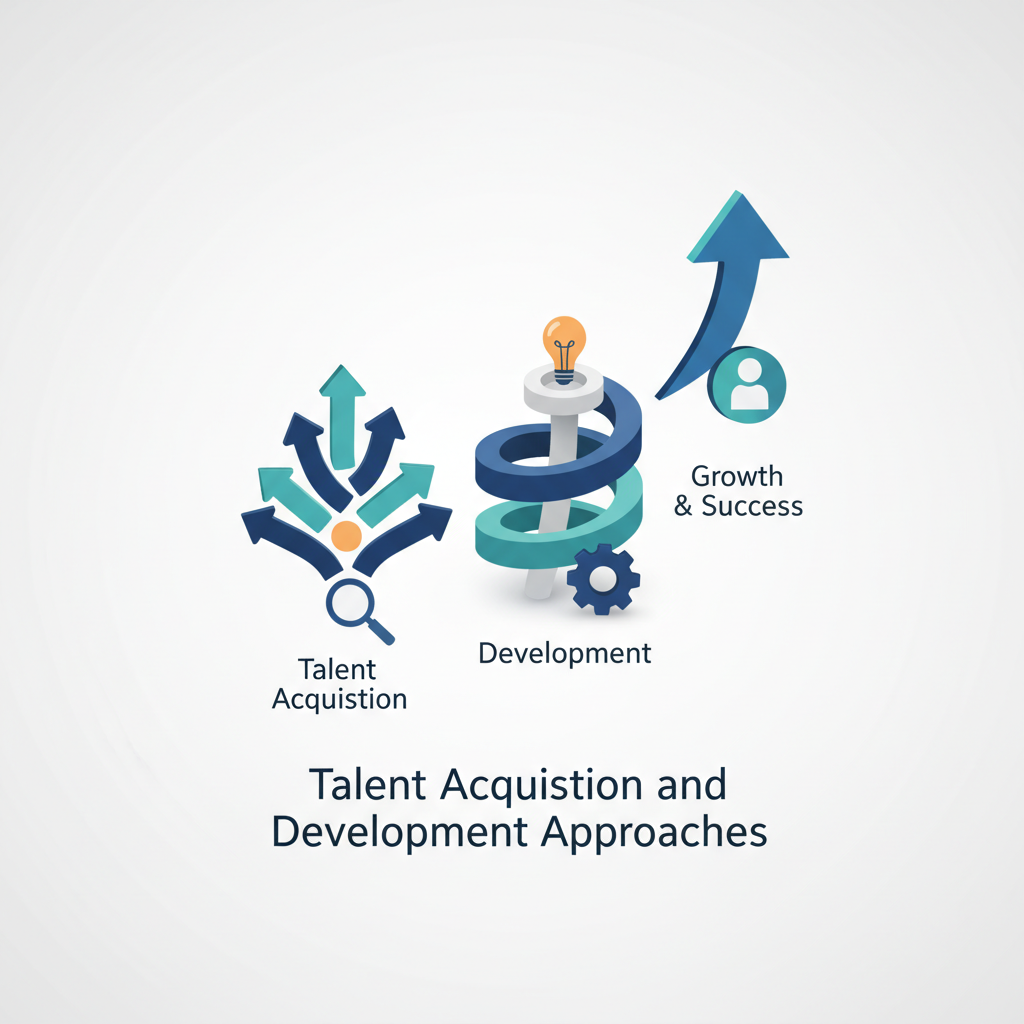
Talent Acquisition and Development Approaches
The fast-paced and intensely competitive Fast-Moving Consumer Goods (FMCG) market in Vietnam presents unique challenges and opportunities for attracting, developing, and retaining skilled employees. Amidst a dynamic economic landscape and a rapidly growing consumer base, both Small and Medium-sized Enterprises (SMEs) and large Corporates employ varied, often distinct, strategies to secure top talent. Understanding these approaches requires examining the inherent differences between the SMEs’ HR structure and the Corporates’ HR structure in FMCG companies in Vietnam, which dictates their capabilities and priorities in human resource management.
1. Recruitment Challenges, Employer Branding, and Strategies
The Vietnamese FMCG sector faces a consistent demand for skilled professionals across sales, marketing, supply chain, and R&D. For Corporates, the challenge often lies in attracting specialized talent and competing with other global players for experienced individuals. Their recruitment strategies typically involve extensive campaigns, leveraging global employer branding, partnerships with top universities for graduate programs, and utilizing professional recruitment agencies. A strong employer brand, built on global recognition, clear career paths, and attractive compensation packages, is a cornerstone of their FMCG talent acquisition Vietnam efforts. They invest heavily in digital recruitment platforms and professional networking events.
SMEs, conversely, often struggle with limited brand recognition and smaller HR budgets. Their employer branding focuses on showcasing a vibrant company culture, direct impact, faster growth opportunities, and a close-knit team environment. Recruitment strategies for SMEs often rely on local networks, employee referrals, direct social media outreach, and more agile hiring processes. While Corporates might have dedicated talent acquisition teams, SMEs often task HR generalists or even line managers with recruitment, emphasizing adaptability and a hands-on approach to attracting candidates.
2. Training, Learning & Development Programs and Budgets
Talent development is crucial for sustained success in the FMCG landscape. Corporates typically boast well-structured, extensive Learning & Development (L&D) programs, often integrated with global training modules. These include leadership development programs, specialized functional training (e.g., advanced marketing analytics, supply chain optimization), foreign language courses, and access to e-learning platforms. Significant budgets are allocated to these initiatives, reflecting a long-term investment in building a robust talent pipeline. These corporate training programs Vietnam aim to upskill employees continually, preparing them for future leadership roles and technological advancements, which is vital for comprehensive talent development Vietnam.
SMEs, due to budget constraints and lean HR teams, adopt more pragmatic L&D approaches. On-the-job training, mentorship from senior staff or founders, and participation in external workshops or industry seminars are common. While less formal, these programs offer hands-on experience and direct applicability. The focus is often on immediate skill gaps and practical knowledge transfer, ensuring employees can quickly contribute to business objectives. Despite limitations, agile SMEs often foster a culture of continuous learning and empower employees to take on diverse roles, enhancing their overall skill set and adaptability.
3. Succession Planning and Career Path Development
Strategic human resource management for both Corporates and SMEs involves thoughtful succession planning and clear career path development to foster employee retention FMCG. Corporates typically have formalized succession planning frameworks, identifying high-potential employees early and grooming them for critical roles through structured development plans, international assignments, and cross-functional rotations. Career paths are often clearly defined, with multi-tiered ladders allowing employees to visualize their progression from junior to senior management, sometimes even across different geographies. This structured approach provides clarity and incentivizes long-term commitment.
For SMEs, succession planning is often more informal and dynamic. It may involve direct mentorship from senior leadership or founders, preparing key individuals to take over crucial responsibilities. Career path development in SMEs, while less rigid, can offer faster progression and broader exposure due to the leaner structure. Employees often gain cross-functional experience, accelerating their development and providing a holistic understanding of the business. The emphasis is on building versatile talent capable of adapting to various challenges. Nurturing such talent is key to ensuring continuous growth and developing compelling career progression FMCG Vietnam options, even within a smaller organization, crucial for retaining skilled employees in a competitive market.
Compensation, Benefits, and Employee Relations
The landscape of human resources in Vietnam’s fast-moving consumer goods (FMCG) sector presents a fascinating dichotomy when comparing small and medium-sized enterprises (SMEs) with large corporate structures. The differences between the SMEs’ HR Structure and the Corporates’ HR Structure in FMCG companies in Vietnam are particularly pronounced in how they approach compensation, employee benefits, performance management, and industrial relations. These distinctions directly impact their ability to attract, retain, and motivate talent, influencing overall business sustainability and growth. While corporates often leverage vast resources and global best practices, SMEs typically rely on agility, close-knit cultures, and more localized approaches. Understanding these variances is crucial for anyone navigating or operating within Vietnam’s dynamic FMCG labor market.
1. Competitive Salary & Benefits Structures
One of the most significant distinctions lies in the formulation and delivery of salary and benefits packages. Corporate FMCG giants, often multinational corporations (MNCs), typically employ highly structured compensation frameworks. These include competitive base salaries benchmarked against regional and global standards, robust annual bonus schemes, and comprehensive benefits such such as premium health insurance, provident funds, stock options, and generous leave policies. They often have dedicated budgets for professional development and training, contributing to high compensation trends Vietnam that help attract top-tier talent. Their sophisticated total rewards packages are a powerful tool for talent acquisition Vietnam, drawing candidates seeking stability, career progression, and a wide array of perks. In contrast, SMEs in the FMCG sector often operate with tighter budgets, leading to more modest base salaries and a narrower range of benefits. While they might offer basic health insurance and social contributions as legally required, elaborate schemes like stock options or extensive training budgets are rare. Their competitive edge often comes from offering greater flexibility, a more direct impact on business outcomes, or a more personal, family-like working environment, rather than purely monetary incentives. This disparity in financial offerings can pose challenges for SMEs in securing highly skilled professionals, often requiring them to be more creative in their employee retention strategies.
2. Performance Management & Appraisal Systems
The approach to performance management and employee appraisal also highlights the structural differences. Corporate FMCG entities typically implement highly formalized, data-driven performance management systems. These often involve cascading objectives, Key Performance Indicators (KPIs), regular check-ins (quarterly or bi-annual), 360-degree feedback mechanisms, and sophisticated performance development plans. The use of advanced HR technology adoption, such as integrated Human Resources Information Systems (HRIS), allows for meticulous tracking of individual and team performance, ensuring objectivity and transparency. These systems are intricately linked to career progression, salary increments, and bonus allocations, forming a clear path for employee growth and reward within FMCG HR practices. For SMEs, performance management tends to be less structured and more informal. Appraisals might occur annually, often driven by direct feedback from owners or immediate managers, and can sometimes be more subjective. Goal setting, while present, may not be as rigorously documented or consistently tracked, and direct links to development plans or compensation adjustments might be less transparent. While this approach can foster a sense of directness and personal accountability, it might lack the consistency and fairness perceived in larger corporate environments, potentially impacting employee morale and motivation.
3. Employee Engagement, Welfare, and Culture Building
Creating an engaging workplace and fostering a strong company culture are priorities for both SME and corporate FMCG players, but their methods vary significantly. Corporate entities invest heavily in structured employee engagement initiatives, including annual surveys, well-being programs (e.g., mental health support, fitness challenges), elaborate corporate social responsibility (CSR) projects, and diversity and inclusion (D&I) policies. They have dedicated departments or teams focused on building a cohesive workplace culture Vietnam that aligns with global brand values, supported by extensive communication campaigns and career development frameworks. Their approach to industrial relations Vietnam also tends to be highly formalized, with clear policies and grievance procedures. For SMEs, employee engagement is often more organic and stems from direct interactions with leadership. The culture is frequently a reflection of the owner’s personality and values, fostering a close-knit, family-like atmosphere where direct communication and camaraderie are paramount. Welfare benefits might be less formal but more personalized, such as impromptu team lunches, flexible working hours based on individual needs, or direct support during personal challenges. While SMEs may not have extensive formal programs, their ability to create a strong sense of belonging and community through personal connections can be a powerful driver of employee loyalty and engagement, often compensating for less formal structures in their FMCG HR practices.
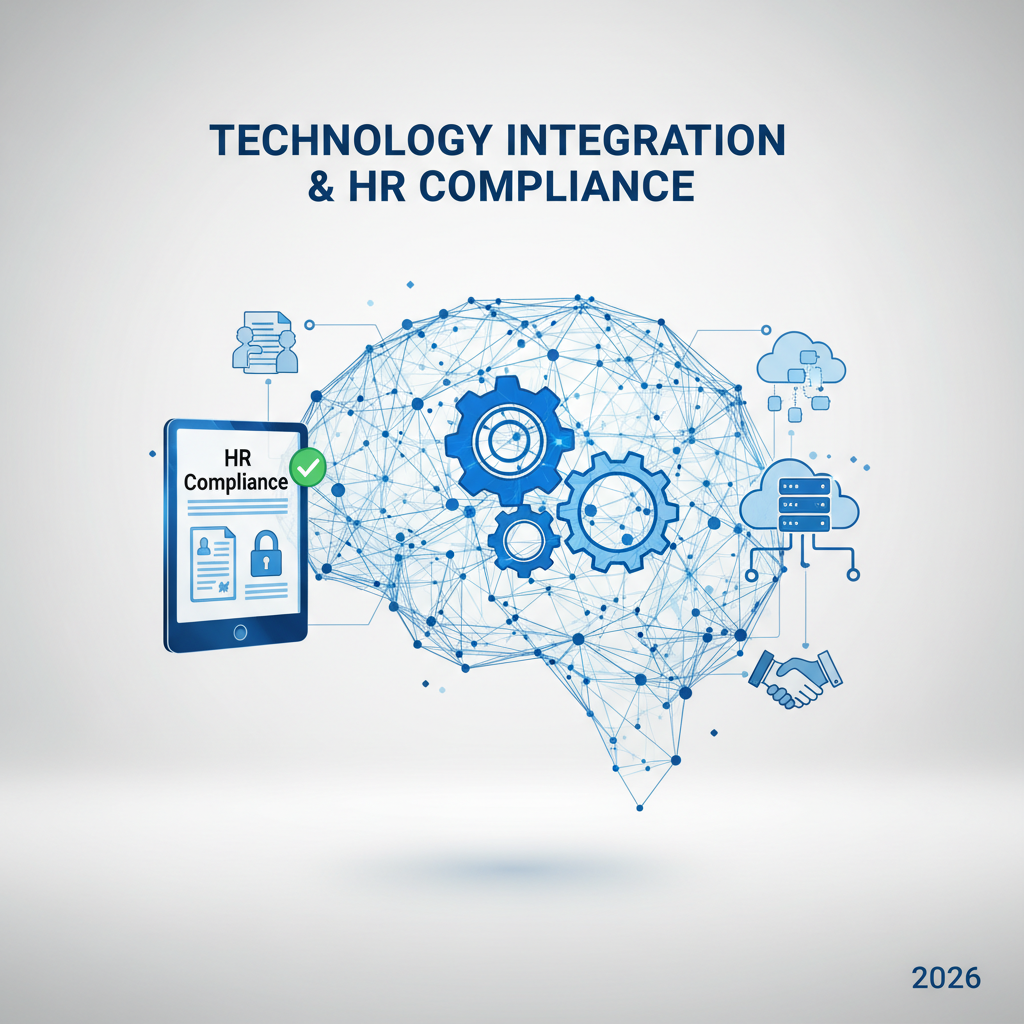
Technology Integration and HR Compliance
In Vietnam’s dynamic Fast-Moving Consumer Goods (FMCG) sector, the landscape of Human Resources (HR) is undergoing a significant transformation, driven by technology and the imperative for robust compliance. The Differences between the SMEs’ HR Structure and the Corporates’ HR Structure in FMCG companies in Vietnam are particularly evident in their approaches to technology integration and navigating the nation’s complex labor regulations. While both types of companies strive for efficiency and adherence, their resources, scale, and strategic priorities dictate vastly different pathways in adopting HR Information Systems (HRIS), leveraging automation, and ensuring regulatory compliance. This section delves into these nuanced distinctions, highlighting how technology acts as both an enabler and a differentiator in their HR operations.
1. HR Information Systems (HRIS) Adoption and Utilization
The adoption rates of HRIS vary significantly across the Vietnamese FMCG industry. Large multinational corporations (MNCs) and established domestic corporates typically lead in HR technology adoption, implementing sophisticated, integrated HRIS platforms from global vendors. These systems often encompass a wide range of functionalities, from talent acquisition and core HR data management to performance management, payroll, and benefits administration. For these larger entities, HRIS implementation is a strategic investment aimed at streamlining operations, enhancing data accuracy, and providing comprehensive analytics for workforce planning. Their extensive resources allow for significant capital outlay, dedicated implementation teams, and ongoing training, ensuring high utilization rates and the full realization of HR automation benefits. Such systems are crucial for managing large, diverse workforces spread across multiple locations, facilitating standardized processes and reporting.
In contrast, Small and Medium-sized Enterprises (SMEs) in the FMCG sector often face SME HR challenges related to budget constraints and lack of specialized IT resources. Their HRIS adoption tends to be more incremental and focused on immediate operational needs. Many SMEs opt for simpler, often local, cloud-based solutions primarily for essential functions like payroll processing, attendance tracking, and basic employee record management. While these systems offer fundamental efficiency gains, they may lack the advanced analytics, integration capabilities, and comprehensive modules found in enterprise-level solutions. The utilization in SMEs might be less holistic, with manual processes still filling gaps where advanced HRIS features are absent or too costly to implement. This creates a notable gap in data sophistication and strategic HR planning capabilities compared to their corporate counterparts.
2. Leveraging AI and Automation in HR Processes
The embrace of Artificial Intelligence (AI) and automation in HR processes also showcases a clear dichotomy. Large FMCG corporates are increasingly exploring advanced AI in HR applications, particularly in areas like recruitment and talent analytics. AI-powered tools assist in screening resumes, conducting initial candidate assessments, and even predicting employee turnover or optimal performance pathways. Automation extends to various routine tasks such as onboarding workflows, automated leave request approvals, and the generation of standardized HR documents, significantly reducing administrative burden and improving process speed. This sophisticated integration allows HR teams to shift from transactional activities to more strategic initiatives, focusing on talent development, employee engagement, and business alignment. These investments are driven by the need to optimize efficiency, enhance employee experience at scale, and gain a competitive edge in talent acquisition within the dynamic FMCG market.
For SMEs, the adoption of AI and advanced automation is generally less mature. While they recognize the potential of HR automation benefits, their current implementations are typically limited to basic automation of repetitive tasks. This might include automated email notifications for expiring contracts, simple chatbot functionalities for common employee queries, or automated calculation of overtime and holiday pay through their core HRIS. The primary drivers are often cost reduction and error minimization in high-volume, repetitive tasks rather than complex predictive analytics. The barrier to entry for sophisticated AI tools remains high for many SMEs due to cost, technical complexity, and the requirement for substantial data sets to train AI models effectively. Consequently, the strategic impact of AI on HR operations in SMEs is still in its nascent stages, contributing to the distinct Differences between the SMEs’ HR Structure and the Corporates’ HR Structure in FMCG companies in Vietnam.
3. Navigating Vietnamese Labor Laws and Regulatory Compliance
Ensuring robust adherence to Vietnamese labor laws and regulations is paramount for all FMCG companies, regardless of size. However, the approaches and capabilities in achieving this compliance differ significantly. Large corporations leverage their comprehensive HRIS platforms to meticulously track statutory requirements, including working hours, leave entitlements, social insurance contributions, and mandatory reporting. Many enterprise-level HRIS solutions offer specific modules or configurations designed to align with local regulations, providing alerts for upcoming deadlines and automating complex calculations. They also often have dedicated legal teams or retain external counsel to interpret updated regulations and ensure their systems and practices remain fully compliant, mitigating significant legal and financial risks associated with FMCG compliance Vietnam. A recent article outlines key considerations for employment in Vietnam, highlighting the importance of staying updated on the evolving legal framework (DLA Piper, “Vietnam Employment Guide”).
SMEs, while equally obligated, often face greater SME HR challenges in maintaining strict compliance. Their simpler HR systems may require more manual intervention to align with frequently updated Vietnamese labor laws, increasing the risk of human error. They might rely more heavily on local HR consultants or general accounting software for payroll and statutory deductions, which may not always offer the same level of integrated compliance features as advanced HRIS. Keeping abreast of the nuances of the Labor Code, social insurance laws, and other decrees can be particularly challenging without dedicated resources. This makes it imperative for SMEs to proactively seek expert advice and invest in tools that, at the very least, automate core compliance functions to avoid penalties and reputational damage. Understanding these Differences between the SMEs’ HR Structure and the Corporates’ HR Structure in FMCG companies in Vietnam regarding compliance mechanisms is crucial for fostering a fair and legally sound work environment across the sector.
Partner with Shelby Global
You are looking for reliable HR Sevice Suppliers? Contact Shelby Global Now! To connect with verified talents and upgrade your orginization.
—————————————
References
– PwC Vietnam Workforce of the Future: https://www.pwc.com/vn/en/services/people-organisation/workforce-of-the-future.html
– Strategic Talent Management (SHRM): https://www.shrm.org/resources-and-tools/tools-and-samples/hr-qa/what-is-strategic-hr/
– Deloitte Human Capital Trends: https://www.deloitte.com/global/en/pages/human-capital/articles/human-capital-trends.html
– Adecco Vietnam Salary Guide 2023: https://www.adecco.com.vn/en-vn/adecco-vietnam-salary-guide-2023/
– DLA Piper, “Vietnam Employment Guide”: https://www.dlapiper.com/en/vietnam/insights/2023/12/vietnam-employment-guide