
Understanding the Vietnamese Labor Market & Compensation Landscape
Vietnam’s economy has experienced remarkable growth in recent decades, transforming its labor market into a vibrant and competitive arena, especially within the burgeoning marketing sector. For marketing agency CEOs, navigating this landscape effectively is crucial for attracting top talent, ensuring compliance, and optimizing operational costs. A strategic approach to salary budget optimizing manners for the CEO of marketing agency in vietnam goes beyond just offering competitive wages; it encompasses a deep understanding of market benchmarks, adherence to a complex legal framework, and innovative compensation strategies. This section delves into the unique aspects of Vietnam’s labor market, exploring average salaries, legal obligations, and competitive compensation trends, all vital for a marketing agency’s sustainable success.
1. Average Salary Benchmarks for Marketing Roles in Vietnam
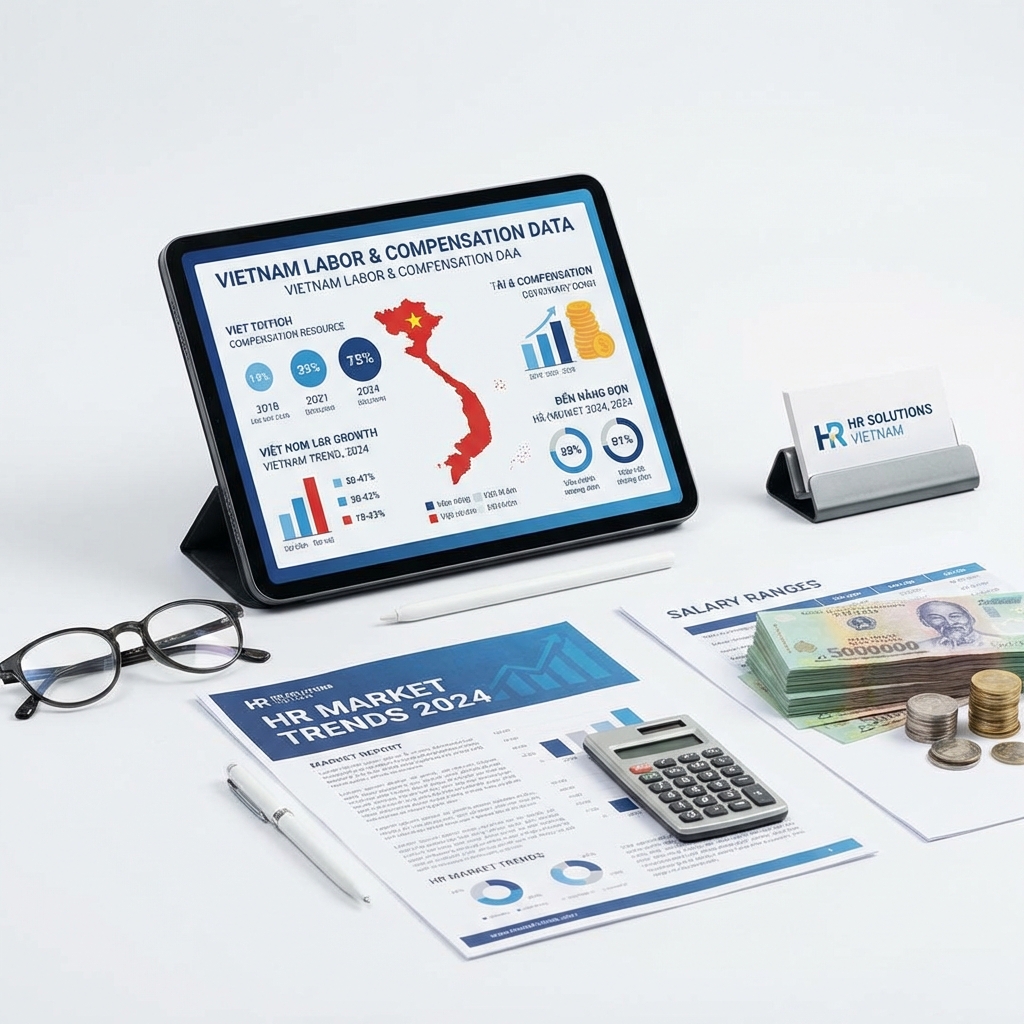
The Vietnamese marketing industry is characterized by a young, tech-savvy workforce and a rapidly evolving digital landscape. Salaries for marketing roles in Vietnam vary significantly based on experience, specific skills (e.g., SEO, SEM, content creation, social media management, brand strategy), location (Ho Chi Minh City and Hanoi generally command higher salaries than other provinces), and the size/type of the agency.
For entry-level marketing positions, such as a Junior Marketing Executive or Digital Marketing Assistant, salaries typically range from VND 8,000,000 to VND 15,000,000 per month. Mid-level professionals, like Marketing Specialists, Content Managers, or SEO/SEM Experts with 3-5 years of experience, can expect to earn between VND 15,000,000 and VND 28,000,000. Senior roles, including Marketing Managers, Brand Managers, or Creative Directors, often command salaries upwards of VND 30,000,000, potentially reaching VND 60,000,000 or more for highly experienced individuals in leadership positions within reputable agencies. Demand for specialized digital marketing skills, particularly in data analytics, e-commerce, and performance marketing, continues to push salary expectations higher for experts in these fields. Agencies must regularly benchmark these figures against industry reports and competitor offerings to ensure their compensation packages remain attractive in Vietnam’s dynamic labor market.
2. Legal Framework: Labor Laws, Social Insurance & Deductions
Compliance with Vietnam’s labor laws is not merely a legal obligation but a cornerstone of ethical business practices and crucial for effective salary budget optimizing manners for the CEO of marketing agency in vietnam. The primary legislation governing employment is the Labor Code of Vietnam, which covers aspects such as employment contracts, working hours, overtime, annual leave, and termination.
Employers are legally required to contribute to various social insurance schemes for their employees. These include:
- Social Insurance (Bảo hiểm xã hội – BHXH): Covers sickness, maternity, occupational diseases, work accidents, retirement, and death benefits. Employers typically contribute 17.5% of the employee’s salary, while employees contribute 8%.
- Health Insurance (Bảo hiểm y tế – BHYT): Employers contribute 3% and employees 1.5% of the salary.
- Unemployment Insurance (Bảo hiểm thất nghiệp – BHTN): Both employers and employees contribute 1% of the salary.
Additionally, employees are subject to Personal Income Tax (PIT), which operates on a progressive tax scale, meaning higher earners pay a higher percentage. Employers are responsible for withholding PIT from employee salaries and remitting it to the tax authorities. Other legal considerations include mandatory public holidays, a minimum of 12 days of paid annual leave, and strict guidelines for probation periods (typically not exceeding 60 days for highly skilled roles). Agencies must meticulously account for these mandatory contributions and deductions when formulating their salary budgets to avoid legal penalties and financial liabilities.
3. Competitive Analysis: What Other Agencies Offer
Beyond base salaries, a holistic understanding of what competitors offer is vital for attracting and retaining top marketing talent in Vietnam. The competition for skilled professionals is fierce, and agencies often differentiate themselves through comprehensive benefits packages and a positive work environment.
Common non-monetary benefits and perks offered by leading marketing agencies include:
- Health and Wellness Programs: Beyond mandatory health insurance, many agencies offer private health insurance, gym memberships, or wellness initiatives.
- Training and Development: Opportunities for professional growth through workshops, certifications (e.g., Google Ads, Facebook Blueprint), and language courses are highly valued.
- Performance Bonuses & Incentives: Annual bonuses, project-based incentives, and sales commissions can significantly boost overall compensation and motivate employees.
- Work-Life Balance: Flexible working hours, remote work options, and generous leave policies are increasingly important in attracting modern talent.
- Company Culture: A vibrant, supportive, and collaborative company culture, along with team-building activities, plays a significant role in employee satisfaction and retention.
- Career Progression: Clear pathways for advancement and mentorship programs are crucial for ambitious professionals.
By conducting regular market research and benchmarking not just salaries but the entire compensation and benefits package, marketing agencies can develop a compelling employer value proposition. This strategic approach ensures that while base salaries are competitive, the overall offering stands out, directly supporting effective salary budget optimizing manners for the CEO of marketing agency in vietnam. Understanding these trends allows agencies to strategically allocate resources, ensuring they remain an employer of choice without overextending their financial capabilities.
Strategic Cost Reduction & Efficiency in Salary Budgeting
Delve into actionable strategies for CEOs to reduce salary-related costs without compromising talent quality or team morale, focusing on smart budgeting and resource allocation. For the CEO of a marketing agency in Vietnam, navigating a dynamic market requires astute financial management, particularly concerning compensation. Optimizing the salary budget is not about indiscriminate cuts but about implementing intelligent systems that foster sustainable growth and operational excellence. This section outlines key approaches to achieving effective salary budget optimizing manners for the CEO of marketing agency in vietnam.
1.
Zero-Based Budgeting for Staffing
Zero-Based Budgeting (ZBB) is a powerful tool for strategic cost reduction, particularly when applied to staffing. Unlike traditional budgeting, which often carries over previous year’s figures, ZBB requires every expense, including every staff position, to be justified from scratch each budget cycle. For a marketing agency, this means critically evaluating the necessity and contribution of every role. The CEO must ask: “Does this position directly contribute to revenue generation, client satisfaction, or core operational efficiency?” This rigorous approach helps identify redundant roles, inefficient workflows, or areas where responsibilities can be consolidated.
In the context of a Vietnamese marketing agency, where market demands can shift rapidly, ZBB allows for agile resource allocation. Instead of blindly maintaining legacy positions, funds can be re-directed to emerging needs, such as specialists in new digital channels, AI integration, or market research specific to Vietnam’s evolving consumer landscape. Implementing ZBB ensures that every dong spent on salaries yields maximum return, preserving talent quality by investing in roles that truly drive value rather than spreading resources thin across less impactful positions. This method fosters a culture of accountability and ensures that the salary structure is lean, agile, and aligned with current strategic objectives.
2.
Optimizing Headcount Through Automation & Outsourcing
A significant aspect of achieving efficiency in salary budgeting and reducing overhead reduction lies in strategically rethinking your permanent headcount. Automation and outsourcing present potent avenues for this. Many routine, repetitive, or data-intensive tasks within a marketing agency — such as social media scheduling, basic report generation, data entry, email marketing deployment, or even initial content ideation support — can be streamlined or entirely managed by automation tools. Investing in such technologies can significantly reduce the need for permanent staff dedicated to these functions, freeing up existing talent for more strategic, client-facing, or creative work.
Furthermore, outsourcing offers access to specialized skills without the long-term commitment and benefits costs associated with full-time hires. For instance, advanced data analytics, highly niche content creation (e.g., AR/VR content), IT support, or even certain aspects of market research can be effectively outsourced to freelancers or specialized agencies. This allows the marketing agency in Vietnam to scale expertise up or down based on project demands, transforming fixed salary costs into variable operational expenses. The key is to identify non-core functions or tasks that require intermittent specialized skills and assess their suitability for externalization, thereby optimizing the overall talent pool and enhancing operational excellence without burdening the core salary budget.
3.
Negotiating Benefits & Perks with Vendors
Beyond direct salaries, employee benefits and perks represent a substantial portion of overall compensation costs. Smart negotiation with vendors for these services can lead to significant HR cost management without impacting employee satisfaction. This includes health insurance providers, wellness program facilitators, professional development and training platforms, and even office amenities suppliers. CEOs should regularly review contracts, seek competitive bids, and leverage the agency’s size or potential for long-term commitment to secure more favorable rates. Exploring bundled packages or consortium pricing with other businesses can also yield cost savings on benefits like health coverage or retirement plans.
When negotiating, focus on value-added perks that genuinely resonate with employees in the Vietnamese market while remaining cost-effective. For example, flexible working arrangements, access to online learning platforms, or locally relevant wellness initiatives might be highly valued but come at a lower direct cost than expansive, traditional benefits packages. Regularly benchmarking your benefits against industry standards, particularly within the competitive marketing sector in Vietnam, is crucial. By meticulously managing and negotiating these indirect costs, CEOs can achieve substantial effective HR cost reduction strategies, preserving employee morale and talent retention while keeping the overall salary budget healthy and sustainable.
Performance-Based Compensation & Incentive Structures
In the dynamic and competitive landscape of Vietnam’s marketing industry, attracting, retaining, and motivating top talent is paramount for agency success. For a CEO striving for sustainable growth and profitability, understanding how to design and implement performance-based compensation models is not just about paying employees; it’s a strategic lever for optimizing the overall salary budget optimizing manners for the CEO of marketing agency in vietnam. By aligning individual and team efforts with agency goals, these structures can drive efficiency, enhance productivity, and foster a culture of accountability and high achievement. This section will delve into practical strategies for crafting incentive programs that motivate employees, align with your agency’s strategic objectives, and ensure every dong invested in compensation yields maximum return.
1. Key Performance Indicators (KPIs) for Marketing Teams
The foundation of any effective performance-based compensation system lies in clearly defined Key Performance Indicators (KPIs). For marketing teams in Vietnam, KPIs must transcend simple activity metrics and focus on measurable outcomes that directly contribute to client success and agency profitability. For instance, instead of merely tracking “number of posts,” focus on “client engagement rate,” “qualified leads generated,” or “client campaign ROI.” Other critical KPIs include client retention rate, project completion efficiency, website traffic growth, conversion rates for specific campaigns, and customer satisfaction scores.
Establishing SMART (Specific, Measurable, Achievable, Relevant, Time-bound) KPIs for each role and team is crucial. A digital marketing specialist might be incentivized based on specific campaign performance metrics, while a content creator could have KPIs tied to content reach, engagement, and SEO performance. Transparency in KPI setting, regular performance reviews, and clear pathways for employees to understand how their work directly impacts these metrics are vital. When employees understand what is expected and how their performance affects their compensation, it fosters a proactive approach to their responsibilities, directly impacting the agency’s bottom line and ensuring that salary expenditures are tied to tangible results.
2. Commission & Bonus Structures for Sales/Client-Facing Roles
For roles directly responsible for revenue generation and client relationship management, such as account managers, business development executives, and client service directors, robust commission and bonus structures are indispensable. These roles are the lifeblood of a marketing agency, and their compensation should reflect their direct contribution to growth. Common structures include a base salary complemented by a variable component tied to performance.
- Flat Commission: A percentage of new business secured or recurring revenue managed. This is straightforward but can sometimes lead to a focus solely on quantity over client quality.
- Tiered Commission: Higher commission percentages for exceeding predefined targets. This motivates overachievement and rewards top performers significantly.
- Performance Bonuses: Lump-sum payments for achieving specific milestones, such as securing a marquee client, exceeding quarterly revenue goals, or maintaining high client satisfaction scores over a year.
- Team Bonuses: Incentivizing a group of client-facing professionals to work collaboratively towards shared goals, such as overall client portfolio growth or cross-selling services.
When designing these structures, it’s crucial to balance aggressive growth incentives with long-term client retention and satisfaction. Avoid structures that might encourage short-term gains at the expense of client relationships. By carefully calibrating these incentives, a CEO can ensure that the sales and client-facing teams are continually motivated to drive profitable growth and build lasting client partnerships, contributing significantly to an optimized effective incentive programs that deliver sustained value.
3. Equity & Profit-Sharing Options for Leadership
Beyond standard bonuses, offering equity or profit-sharing options to senior leadership and key strategic personnel in a Vietnam-based marketing agency provides a powerful long-term incentive. These mechanisms transcend immediate performance rewards, fostering a sense of ownership and aligning leadership’s interests directly with the agency’s sustainable growth and profitability. This approach is particularly effective for attracting and retaining top-tier talent who can significantly influence the agency’s strategic direction and market position.
- Profit-Sharing Plans: A percentage of the agency’s annual net profits is distributed among eligible employees, typically based on a formula incorporating salary, tenure, and performance. This directly links their financial well-being to the agency’s overall success, encouraging collective responsibility for fiscal prudence and revenue generation.
- Phantom Stock or Stock Appreciation Rights (SARs): In privately held agencies where direct equity might be complex, phantom stock or SARs offer cash bonuses tied to the increase in the agency’s valuation over time, without actually granting ownership. This provides the financial benefits of equity without the legal complexities.
- Long-Term Incentive Plans (LTIPs): These can include multi-year performance bonuses tied to strategic objectives like market share growth, successful diversification into new services, or achieving specific profitability targets.
Implementing these long-term incentives demonstrates a CEO’s commitment to sharing success, creating a powerful motivation for leadership to make decisions that benefit the agency’s long-term health and valuation. By integrating these higher-level incentives, the agency can cultivate a leadership team deeply invested in maximizing the overall efficiency and profitability of the business, directly supporting the goal of a robust and sustainable salary budget optimizing manners for the CEO of marketing agency in vietnam.
Talent Retention & Acquisition Strategies on a Budget
When leading a marketing agency in Vietnam, attracting and retaining top talent can often feel like an uphill battle, especially when you’re committed to optimizing your salary budget. However, effective talent management isn’t solely about outspending the competition. Savvy CEOs understand that creating a compelling value proposition extends far beyond the paycheck, focusing instead on cultivating a vibrant agency culture, providing robust growth opportunities, and investing in professional development. By strategically implementing these non-monetary incentives, agencies can become magnets for highly skilled marketers, even with a streamlined financial approach. This involves a holistic perspective on talent management, aligning with sound salary budget optimizing manners for the CEO of marketing agency in Vietnam.
-
Employer Branding & Company Culture Initiatives
In a competitive market like Vietnam, a strong employer brand and a distinctive company culture are invaluable assets for attracting and retaining marketing talent without solely relying on a hefty salary budget. Your agency’s reputation and internal environment speak volumes about what it’s like to work there. Start by defining and clearly communicating your agency’s core values. Are you innovative? Collaborative? Client-centric? These values should permeate every aspect of your operations, from client interactions to internal team meetings.
Implement initiatives that foster a positive and inclusive culture. This could include regular team-building activities that respect Vietnamese cultural nuances around community and respect, transparent communication from leadership about agency goals and challenges, and robust recognition programs that celebrate individual and team achievements. Publicly acknowledging hard work and success can be a powerful motivator, often more impactful than a small bonus, especially when employees feel genuinely valued. Furthermore, consider initiatives that promote diversity and inclusion, creating an environment where every team member feels they belong and can contribute their unique perspective. By investing in a culture that prioritizes employee well-being, growth, and mutual respect, you build an attractive workplace that potential hires actively seek out and current employees are eager to stay with, thereby enhancing your overall talent acquisition and retention strategy within a constrained budget.
-
Career Development Plans & Training Investments
Ambitious marketing professionals are driven by the desire to learn, grow, and advance their careers. For a CEO of a marketing agency in Vietnam operating on an optimized salary budget, providing clear career development paths and investing in continuous training is a highly effective way to attract and retain top talent. This demonstrates a commitment to their long-term success, making your agency a more appealing place to work.
Develop structured career progression frameworks that outline potential growth trajectories, showing employees what skills and experience are needed to advance. Pair this with a robust mentorship program, connecting junior staff with seasoned professionals. Crucially, invest in professional development opportunities tailored to the evolving marketing landscape. This could involve sponsoring certifications (e.g., Google Ads, SEO), providing access to online learning platforms, or facilitating workshops on emerging digital trends. Employees seeing a clear path for skill enhancement and career growth are significantly more likely to commit long-term. As Forbes highlights, ongoing professional development isn’t just a perk; it’s a strategic investment that boosts engagement, productivity, and significantly reduces turnover. By empowering your team with the latest knowledge and skills, you strengthen the agency’s overall service offering, all while strategically managing your budget.
-
Flexible Work Arrangements & Work-Life Balance
The modern workforce, particularly in dynamic sectors like marketing, places a high premium on flexibility and work-life balance. For marketing agencies in Vietnam seeking to attract and retain top talent with a balanced approach to the salary budget, offering flexible work arrangements is a competitive differentiator. This strategy acknowledges that employees are individuals with lives outside of work, fostering trust and promoting a healthier, more productive work environment.
Consider implementing hybrid work models that allow employees to split their time between the office and remote work, or flexible working hours that enable them to adapt their schedule to personal commitments. The key is to focus on output and results rather than rigid hours or physical presence. Beyond flexibility, actively promote a culture that respects work-life boundaries. Discourage after-hours emails, encourage taking breaks, and ensure vacation time is utilized. Initiatives like mental wellness programs, subsidized gym memberships, or even simple team mindfulness sessions can demonstrate your commitment to employee well-being. By empowering employees to manage their work and personal lives effectively, you reduce stress, prevent burnout, and cultivate a highly engaged and loyal team. This approach not only boosts job satisfaction and productivity but also significantly enhances your agency’s attractiveness to talent who prioritize holistic well-being over solely chasing the highest salary.
By integrating these strategies—a compelling employer brand, robust career development, and genuine work-life balance—marketing agencies in Vietnam can build a reputation as an employer of choice. This holistic approach ensures that even with an optimized salary budget, you can not only attract the brightest marketing minds but also foster an environment where they thrive, grow, and contribute to your agency’s long-term success. It’s about demonstrating value through investment in people, not just their paychecks.
Leveraging Technology & Data for Salary Budget Optimization
In the dynamic and competitive landscape of Vietnam’s marketing industry, CEOs are constantly seeking innovative strategies to enhance operational efficiency and talent retention. For the CEO of a marketing agency in Vietnam, one of the most critical aspects of business success lies in effective salary budget optimizing manners. This involves more than just cutting costs; it means making smart, strategic investments in human capital, ensuring competitive compensation while maintaining fiscal health. The modern approach hinges on embracing HR technology, data analytics, and predictive tools. These advanced solutions empower leaders to forecast staffing needs accurately, analyze compensation effectiveness with precision, and make truly data-driven decisions that translate into significant savings and improved employee satisfaction, ultimately refining the salary budget optimizing manners for the CEO of marketing agency in vietnam.

1. HRIS & Payroll Management Systems
At the foundation of any sophisticated approach to human capital management for a marketing agency in Vietnam are robust Human Resources Information Systems (HRIS) and integrated payroll management platforms. These systems move beyond mere administrative tasks, transforming how employee data is collected, stored, and utilized. An effective HRIS centralizes critical information such as employee demographics, job history, performance reviews, and training records. By automating payroll processing, tax compliance, and benefits administration, these systems dramatically reduce manual errors, save considerable administrative time, and ensure compliance with local Vietnamese labor laws. More importantly, they provide a single source of truth for all employee-related data, which is indispensable for strategic decision-making. For a CEO focused on salary budget optimizing manners for the CEO of marketing agency in vietnam, an HRIS offers real-time insights into headcount, salary expenses, and turnover rates, providing the foundational data necessary for more advanced analytical efforts and efficient HR tech for marketing agencies.
2. Data Analytics for Compensation Benchmarking
Understanding where your agency stands in the market concerning compensation is crucial for attracting and retaining top talent in Vietnam’s competitive marketing sector. Data analytics plays an indispensable role here. By leveraging data from HRIS, market surveys, and even public sources, CEOs can perform detailed compensation benchmarking. This involves comparing internal salary structures and benefits packages against industry standards and competitor offerings, both locally and regionally. Advanced analytics tools can identify disparities, highlight areas where compensation might be lagging or excessively high, and model the impact of different pay adjustments. This granular insight allows for targeted adjustments, ensuring that the marketing agency offers competitive salaries for key roles without overspending. It helps optimize spending on employee salaries, ensuring that every dong spent contributes to talent acquisition and retention goals. For instance, analyzing trends in digital marketing salaries specific to Ho Chi Minh City or Hanoi can provide actionable insights. Reliable data from sources like the Society for Human Resource Management (SHRM), adapted for the local context, can be invaluable in refining compensation effectiveness and truly smart salary budget optimizing manners for the CEO of marketing agency in vietnam.
3. Predictive Modeling for Workforce Planning
Looking to the future is paramount for sustained success, and predictive modeling offers a powerful lens for proactive workforce planning. For a marketing agency, this means leveraging historical data, current business forecasts, and external market trends to anticipate future staffing needs and potential skill gaps. Predictive analytics can model various scenarios, such as the impact of new client acquisition on required headcount, the effects of automation on specific roles, or the implications of projected turnover rates. By understanding these future demands, CEOs can strategically plan recruitment, training, and talent development initiatives well in advance. This foresight prevents costly reactive hiring decisions, reduces reliance on expensive contractors, and ensures the agency has the right talent at the right time. For example, if projections indicate a surge in demand for SEO specialists in the next year, the agency can proactively invest in upskilling existing staff or initiating a targeted recruitment drive. This data-driven decision-making in workforce planning is a cornerstone of effective salary budget optimizing manners for the CEO of marketing agency in vietnam, allowing for more strategic allocation of resources and enhancing overall operational efficiency through refined workforce planning strategies.
In conclusion, the judicious application of HR technology, sophisticated data analytics, and forward-looking predictive modeling offers an unparalleled advantage for the CEO of a marketing agency in Vietnam. These tools provide the necessary insights to move beyond guesswork, enabling truly data-driven decisions Vietnam. By centralizing data with HRIS, benchmarking compensation effectively, and predicting future workforce needs, leaders can refine their salary budget optimizing manners. This strategic approach not only secures the best talent but also ensures financial prudence, fostering a resilient and competitive agency prepared for the challenges and opportunities of the Vietnamese market.
Partner with Shelby Global
You are looking for reliable HR Sevice Suppliers? Contact Shelby Global Now! To connect with verified talents and upgrade your orginization.
—————————————
References
– Vietnam’s dynamic labor market: https://www.vietnam-briefing.com/news/vietnams-labor-market-trends-and-forecasts.html
– effective HR cost reduction strategies: https://www.shrm.org/resources-and-tools/hr-topics/employee-relations/pages/hr-cost-management-strategies.aspx
– How to Design an Effective Incentive Program: https://hbr.org/2012/09/how-to-design-an-effective-incentive-program
– The Importance Of Professional Development For Your Employees: https://www.forbes.com/sites/forbescoachescouncil/2021/04/08/the-importance-of-professional-development-for-your-employees/?sh=6f5f3e4b7b25
– SHRM Salary Data & Tools: https://www.shrm.org/resources-and-tools/pages/salary-data.aspx