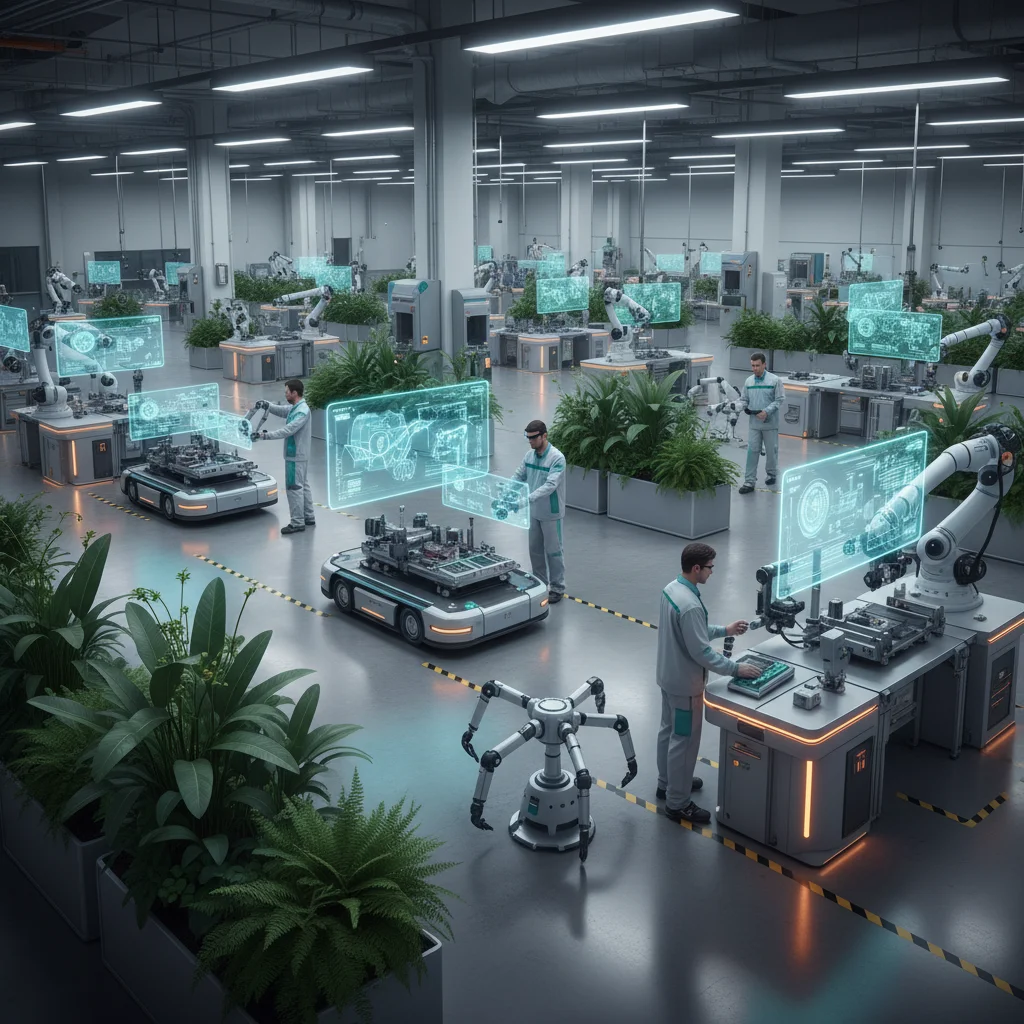
Understanding the Vietnam Manufacturing Workforce
Vietnam has emerged as a powerhouse in the global supply chain, driven primarily by a resilient and increasingly skilled labor market. For businesses looking to optimize their operations, conducting an HR report of production field in vietnam is the first step in aligning corporate strategy with local realities. As the sector matures, understanding the nuances of the workforce—ranging from age distribution to wage benchmarks—is critical for sustainable growth.
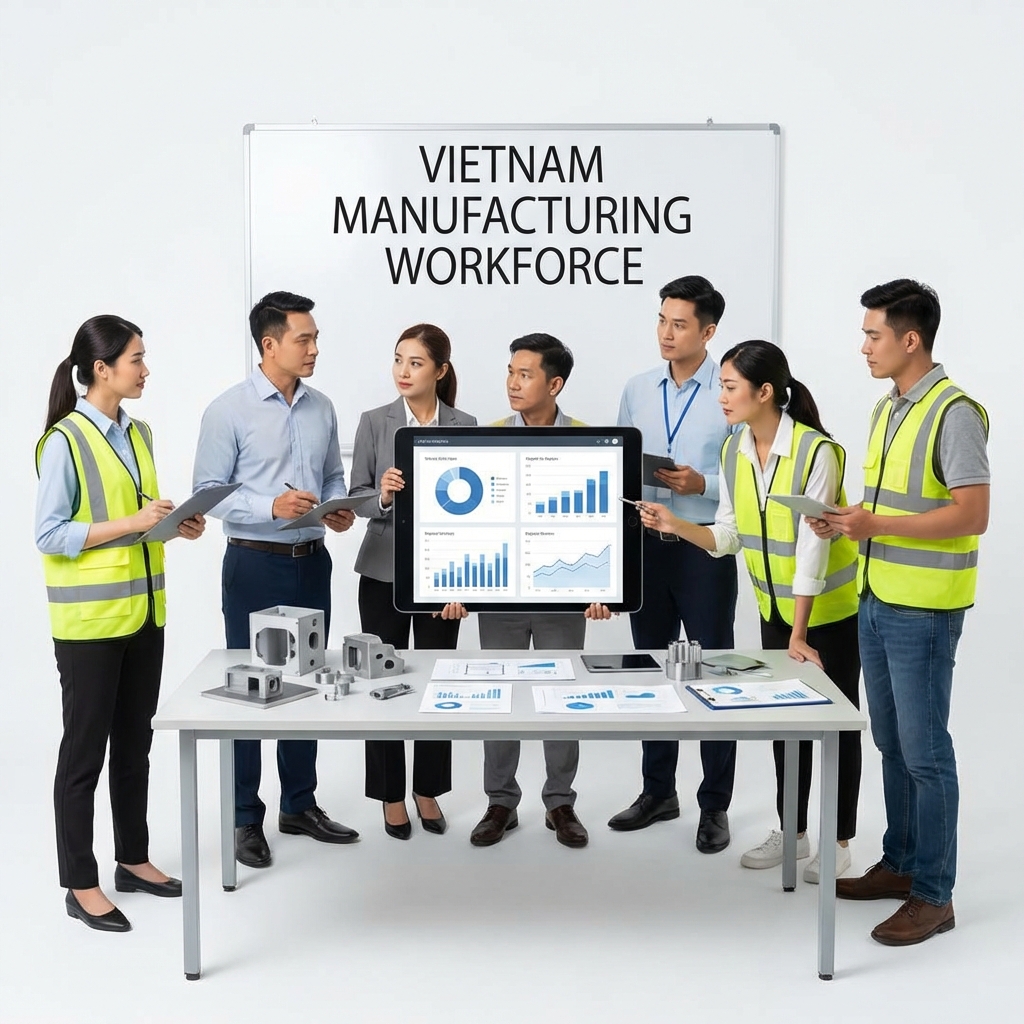
1. Factory Worker Demographics
The manufacturing labor force in Vietnam is characterized by its youth and rapid urbanization. According to the General Statistics Office of Vietnam, the median age of the industrial workforce hovers between 25 and 35 years old. This “demographic dividend” provides a high energy level and adaptability to new technologies. A significant portion of this workforce originates from rural provinces, migrating to major industrial hubs like Bac Ninh, Binh Duong, and Dong Nai. While the sector was historically dominated by low-skilled labor, there is a measurable shift toward mid-level technical proficiency as factories integrate automation and digitalization.
2. Current Labor Costs in Vietnam
Cost competitiveness remains a primary driver for foreign direct investment (FDI). Vietnam utilizes a regional minimum wage structure, categorized into four zones based on cost of living and industrial maturity. While wages have seen steady annual increases to keep pace with inflation and improved living standards, they remain highly competitive when compared to regional peers like Thailand or coastal China. Companies must account for not just base salary, but also mandatory social insurance, trade union fees, and performance-based incentives, which often form a significant part of total compensation packages in the production sector.
3. Vietnam Industrial HR Metrics
Effective management in Vietnam’s industrial sector relies on monitoring key performance indicators (KPIs) such as staff turnover rates, absenteeism, and training ROI. High turnover remains a persistent challenge in labor-intensive zones, often peaking after the Lunar New Year holiday. Successful manufacturers are combating this by investing in localized retention programs and professional development pathways. Metrics regarding the “cost per hire” and “time to productivity” are essential for firms attempting to navigate the transition from manual assembly to value-added manufacturing. By benchmarking these figures against a comprehensive HR report, leadership teams can make data-driven decisions that reduce operational friction and enhance long-term workforce stability.
Tackling Production Talent Acquisition Challenges
As Vietnam continues to solidify its position as a global manufacturing powerhouse, the competition for skilled labor has reached an unprecedented peak. Recent data in the latest HR report of production field in vietnam highlights that rapid industrial expansion is outstripping the immediate supply of qualified personnel. To maintain operational efficiency, firms must evolve their talent acquisition strategies from passive hiring to proactive, data-driven recruitment models.
1. Identifying the Skill Shortage in Production
The manufacturing sector in Vietnam is undergoing a digital transformation, shifting from labor-intensive processes to high-tech, automated workflows. This evolution has created a significant ‘skills gap.’ Employers are struggling to find candidates who possess both technical aptitude and the flexibility to adapt to modern machinery. According to the International Labour Organization, the mismatch between vocational training outcomes and industrial requirements remains a primary bottleneck. Businesses must conduct regular internal audits to determine which skill sets are currently missing—be it CNC machining, quality control, or data literacy—before launching external campaigns.
2. Effective Local Recruitment Channels
Relying solely on job boards is no longer sufficient in the Vietnamese manufacturing landscape. Top-tier production talent often resides within specific regional clusters. To reach these workers, HR managers should leverage a mix of digital and community-based channels. Social media platforms like Zalo and Facebook have become vital for connecting with blue-collar workers in industrial zones. Furthermore, forging partnerships with local technical colleges (Trường Cao đẳng nghề) ensures a consistent pipeline of graduates. Referral programs also prove highly effective in Vietnam, as factory workers often value the recommendations of peers who can vouch for the company’s work environment and stability.
3. Streamlining Factory Staff Onboarding
Acquiring talent is only half the battle; retention begins the moment a new hire enters the factory floor. High turnover rates in the production sector are often linked to poorly structured onboarding processes. Streamlining this phase requires a standardized approach that introduces new staff to safety protocols, corporate culture, and technical roles within the first 48 hours. By implementing a ‘buddy system,’ where experienced staff mentor newcomers, companies can foster a sense of belonging and drastically reduce early-stage attrition. Investing in digitized training modules further ensures that every worker receives consistent, high-quality instruction, allowing them to reach peak productivity faster while maintaining international safety standards.
Enhancing Employee Retention in Manufacturing
In the rapidly evolving industrial landscape, high turnover remains a critical challenge for factory managers and HR departments. According to the latest HR report of production field in vietnam, businesses that fail to prioritize employee retention suffer from significant productivity losses and increased recruitment costs. To maintain a stable and skilled workforce, companies must move beyond traditional management styles and embrace holistic retention strategies.
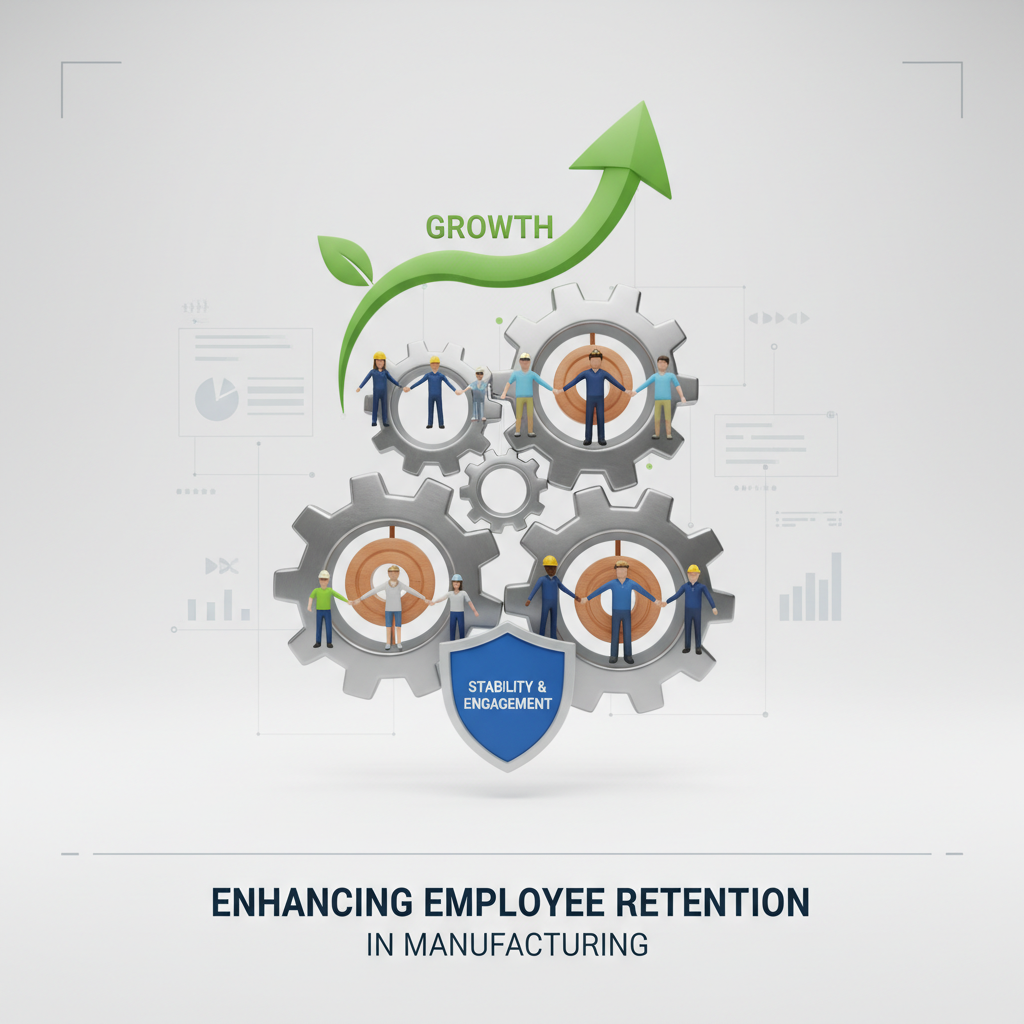
Addressing turnover requires a multi-faceted approach that balances operational needs with the personal aspirations of the workforce. By focusing on compensation, safety, and development, manufacturers can transform their production floors into environments where employees feel valued and committed to long-term success.
-
Structuring Competitive Compensation Packages
-
Improving Workplace Safety and Wellbeing
-
Creating Career Growth for Factory Workers
While salary is not the only motivator, it is the foundation of retention. In the competitive manufacturing sector, wages must be benchmarked against regional standards to prevent talent drain. Beyond base pay, implementing performance-based bonuses, attendance incentives, and comprehensive benefits—such as private health insurance—can significantly improve worker satisfaction. Transparent pay structures that reward tenure and efficiency encourage workers to view their roles as long-term careers rather than temporary labor.
Manufacturing environments carry inherent risks, and a culture that prioritizes safety is non-negotiable for retention. Workers who feel physically secure are statistically less likely to leave their positions. This involves regular equipment maintenance, strict adherence to OSHA-compliant safety protocols, and providing high-quality personal protective equipment (PPE). Furthermore, addressing physical and mental fatigue through ergonomic workstations and wellness initiatives can reduce burnout. For detailed insights on international standards for industrial safety, refer to The International Labour Organization.
The perception of a “dead-end job” is a primary driver of attrition in the production field. Forward-thinking companies are mitigating this by establishing clear pathways for professional development. This includes offering on-the-job training, apprenticeship programs, and certification opportunities for specialized machinery operation. By creating a structured advancement track—where a junior assembler can eventually transition into a team lead or a maintenance technician role—companies provide employees with a reason to invest their future with the firm. Promoting from within not only boosts morale but also ensures that institutional knowledge remains within the company, creating a cycle of success that stabilizes the workforce for years to come.
Driving Performance Management in Production
In the rapidly industrializing landscape of Southeast Asia, managing factory-level human capital is critical to operational success. For organizations, leveraging data-driven insights, such as those found in an HR report of production field in vietnam, is essential to benchmarking efficiency against local standards. By bridging the gap between organizational goals and shop-floor reality, HR professionals can transform production environments into high-performing ecosystems.
1. Setting Clear KPIs for Floor Workers
Performance management begins with absolute clarity. In a production setting, vague objectives lead to inconsistent output and safety risks. HR must collaborate with production managers to define quantifiable Key Performance Indicators (KPIs) that are transparent and actionable. These should cover quality control, machine uptime, waste reduction, and safety compliance. According to the International Labour Organization, establishing clear metrics ensures that every worker understands their individual contribution to the factory’s bottom line. When employees are measured by concrete data—such as ‘units produced per hour’ or ‘defect rate percentage’—the subjectivity of performance reviews is eliminated, fostering a culture of accountability and precision.
2. Implementing Continuous Training Programs
The manufacturing sector in Vietnam faces a critical need for upskilling as technology integrates into traditional assembly lines. Static training is no longer sufficient. HR teams must spearhead continuous training initiatives that evolve alongside production requirements. This involves conducting regular skills-gap analyses to identify where productivity bottlenecks occur. Whether it is mastering new automated systems or advanced lean manufacturing techniques, ongoing development keeps the workforce adaptable. By investing in modular training sessions, HR ensures that the labor force remains agile, reducing downtime caused by human error and increasing the overall technical capability of the facility.
3. Building Reward and Recognition Systems
Productivity is as much a psychological driver as it is a process-oriented one. A robust reward and recognition system is the backbone of long-term employee retention and high engagement. In high-pressure production environments, it is easy for workers to feel like a number; however, linking performance to tangible rewards—such as production bonuses, ‘Employee of the Month’ incentives, or advancement opportunities—creates a direct correlation between effort and benefit. HR should design these systems to be inclusive and meritocratic. When a worker sees that their superior performance on the line is acknowledged and rewarded, the entire team is motivated to elevate their collective output. Furthermore, fostering a positive workplace culture where achievements are celebrated publicly helps mitigate the high turnover rates often associated with intensive labor sectors, ensuring a stable and experienced production team.
Vietnam HR Compliance and Future Trends
As Vietnam solidifies its position as a global manufacturing hub, the demand for structured human resources management has surged. Organizations must maintain a comprehensive HR report of production field in vietnam to ensure transparency, scalability, and adherence to shifting regulatory frameworks as we look toward 2026.
-
Navigating Vietnam HR Compliance Laws
-
Emerging HR Trends in Vietnam
-
Integrating Technology in HR Operations
The Vietnamese labor landscape is governed primarily by the 2019 Labor Code, which mandates strict compliance regarding employment contracts, mandatory social insurance, and occupational health and safety standards. Employers operating in the production sector must navigate complex regulations concerning overtime caps, trade union contributions, and the increasingly stringent enforcement of foreign worker work permits. Non-compliance risks significant financial penalties and operational disruptions. Companies are encouraged to perform regular audits to verify that labor practices align with the Ministry of Labour – Invalids and Social Affairs (MOLISA) guidelines to maintain legal integrity in a competitive industrial climate.
Looking toward 2026, the industrial HR sector is undergoing a profound transformation. The rise of “Green Manufacturing” is shifting talent acquisition strategies, as employers prioritize candidates with ESG (Environmental, Social, and Governance) awareness. Furthermore, the competition for skilled middle management in production zones is driving a shift toward more flexible retention strategies, including performance-based bonuses and structured career progression paths. Companies that fail to adapt their employer branding to highlight worker well-being will struggle to mitigate high turnover rates common in intensive manufacturing environments.
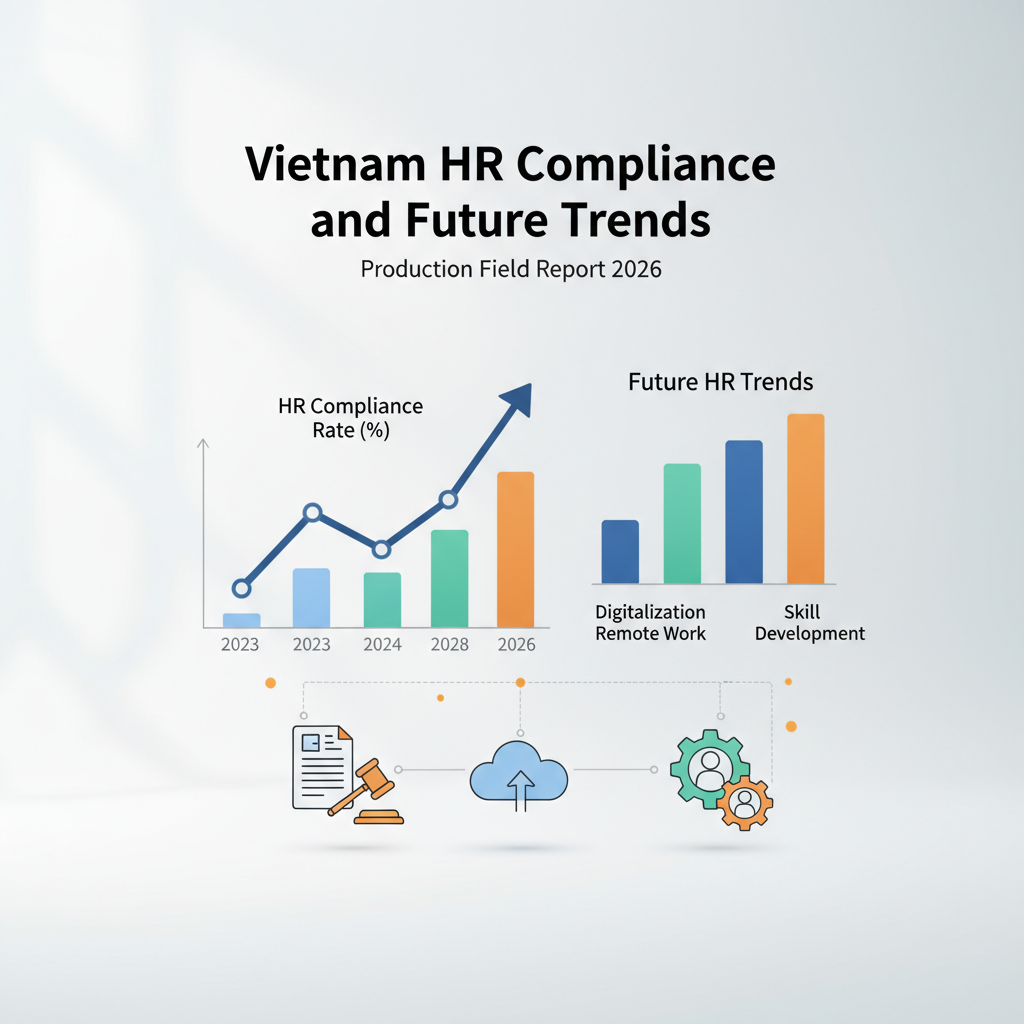
Digital transformation is no longer optional for production facilities in Vietnam. By 2026, the integration of HR Information Systems (HRIS) and automated payroll processing will be standard. These systems provide the real-time data necessary for generating an accurate HR report of production field in vietnam, allowing management to track absenteeism, monitor productivity metrics, and forecast labor costs with precision. Moving forward, the adoption of AI-driven recruitment tools and digital time-tracking solutions will streamline compliance while reducing human error in administrative reporting. By leveraging data analytics, production HR departments can move from reactive personnel management to proactive strategic workforce planning.
Partner with Shelby Global
You are looking for reliable HR Sevice Suppliers? Contact Shelby Global Now! To connect with verified talents and upgrade your orginization.
—————————————
References
– General Statistics Office of Vietnam: https://www.gso.gov.vn/en/homepage/
– International Labour Organization Skills Gap Report: https://www.ilo.org/beirut/areasofwork/labour-migration/WCMS_512803/lang–en/index.htm
– The International Labour Organization: https://www.ilo.org
– International Labour Organization Productivity Insights: https://www.ilo.org/global/topics/productivity/lang–en/index.htm
– Ministry of Labour – Invalids and Social Affairs: https://molisa.gov.vn/en/Pages/default.aspx