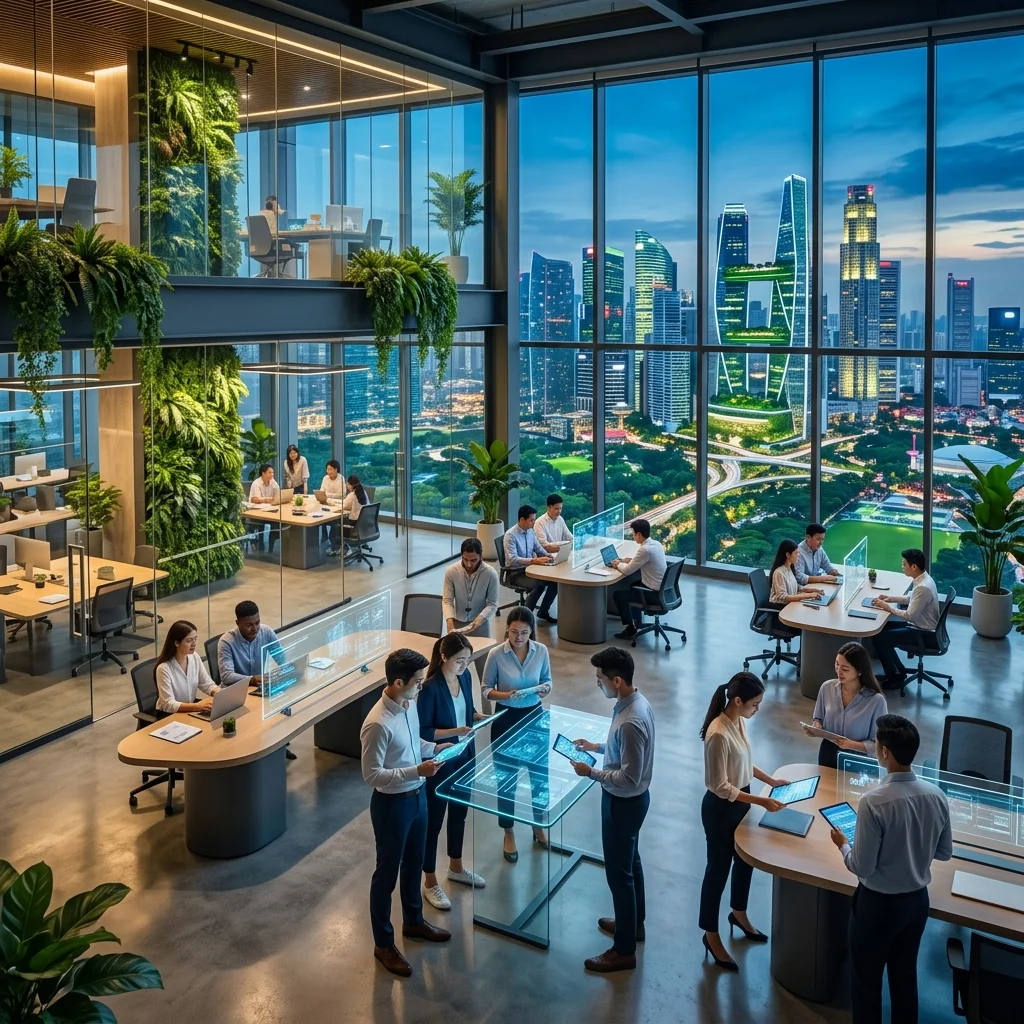
The Rise of Smart Factories in Singapore
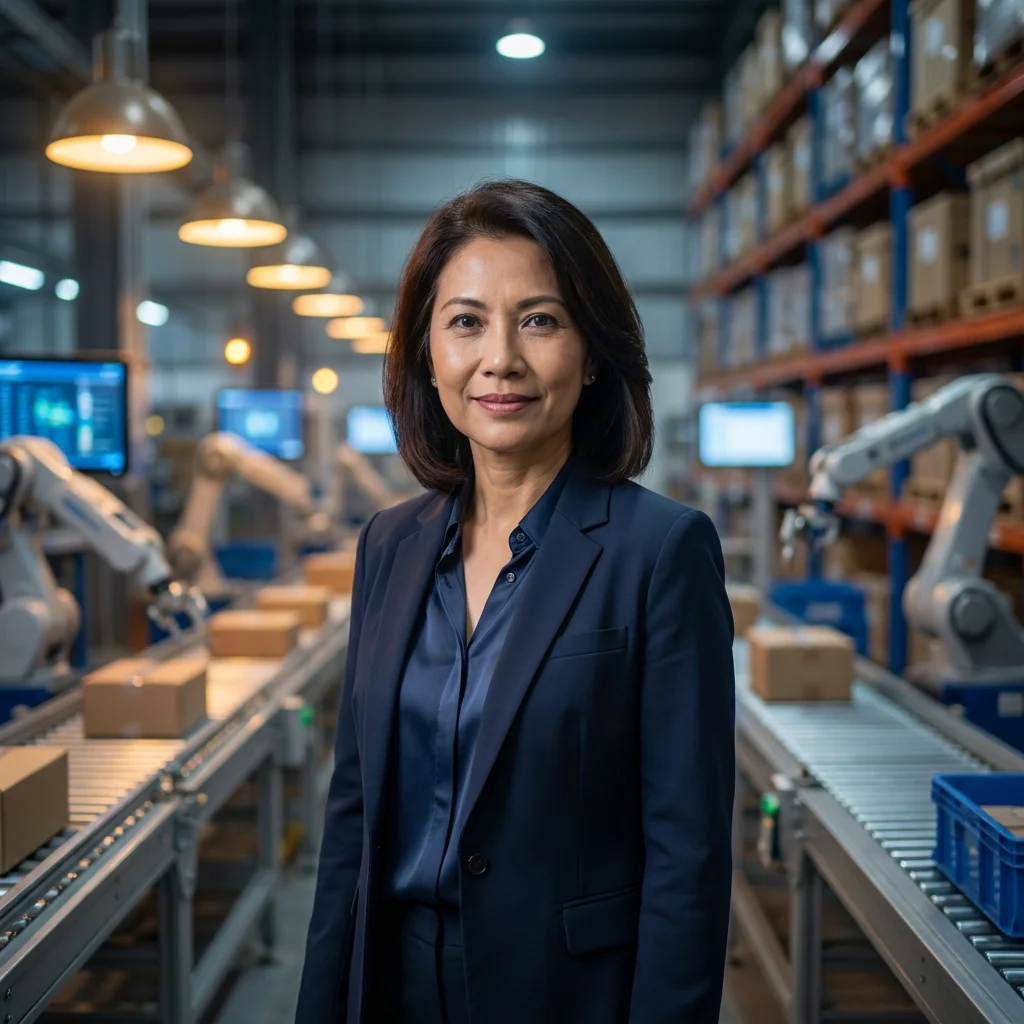
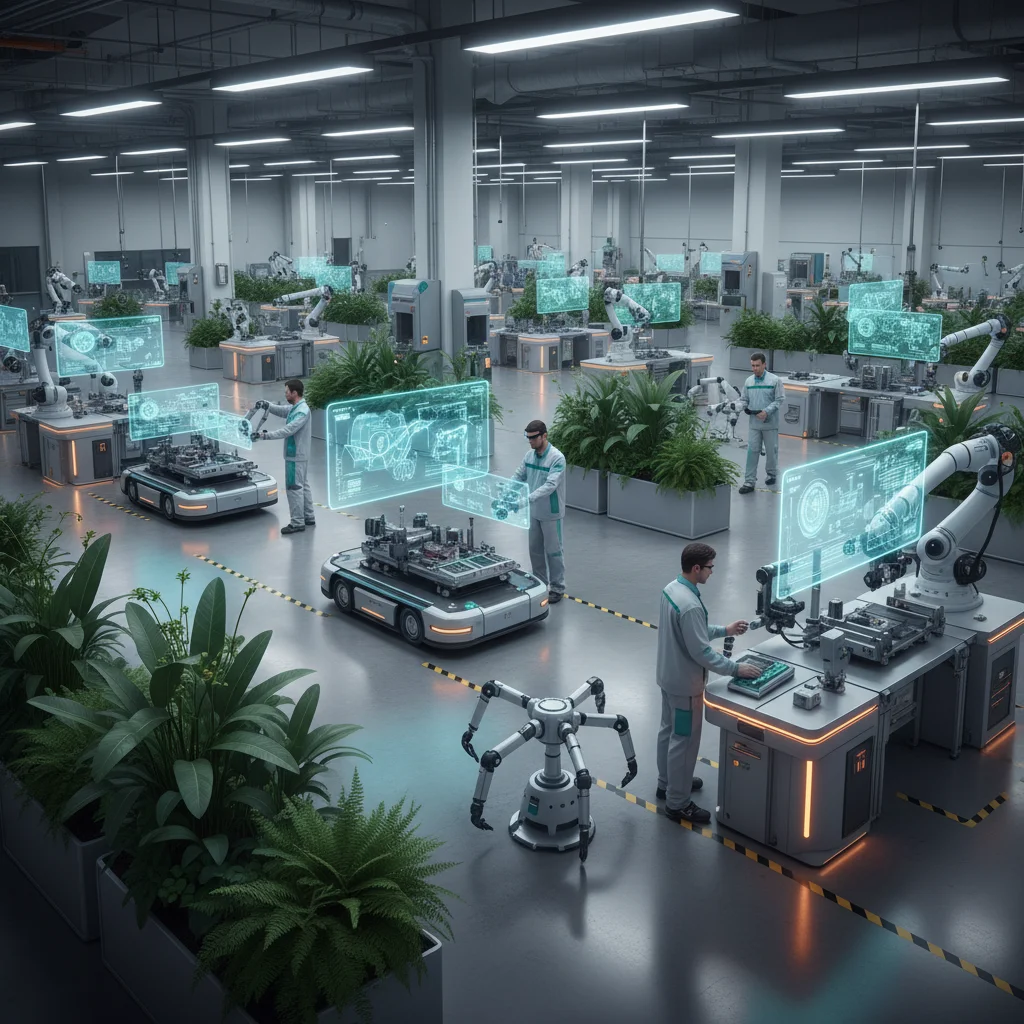
Singapore is rapidly transforming into a global beacon for high-tech manufacturing, transitioning from traditional labor-intensive processes to a sophisticated Industry 4.0 ecosystem. At the heart of this evolution is the integration of autonomous systems, specifically how AI agent effect to production field in singapore, which are now serving as the intelligent ‘brain’ behind modern manufacturing facilities.
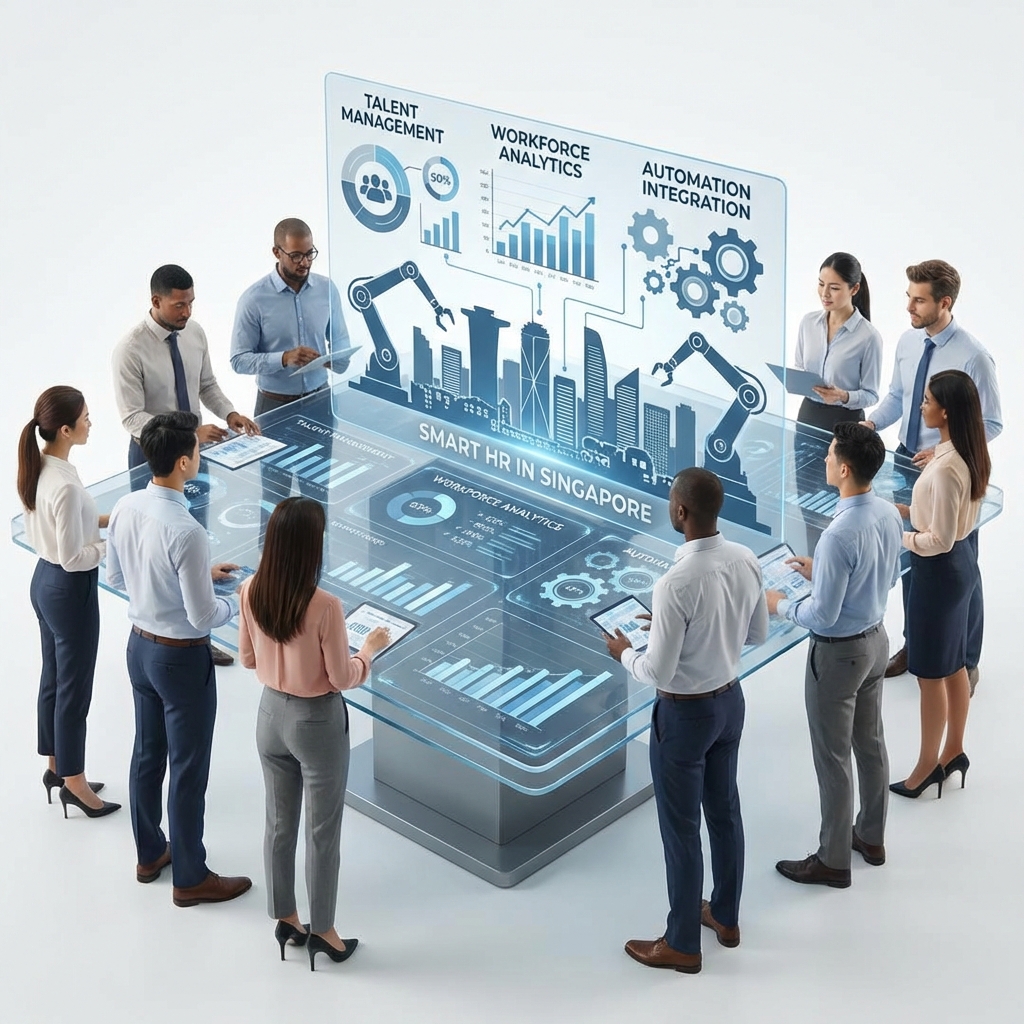
1. Government Industry 4.0 Initiatives
The Singaporean government has been proactive in fostering a digital-first industrial landscape. Through the Economic Development Board (EDB) and the Smart Industry Readiness Index (SIRI), the nation provides a clear roadmap for companies to evaluate and upgrade their production capabilities. These initiatives are designed to encourage the adoption of advanced technologies, including artificial intelligence, cloud computing, and the Internet of Things (IoT). By incentivizing research and development, the government ensures that local firms remain competitive in a volatile global market.
2. Defining AI Agents in Manufacturing
In the context of the modern smart factory, AI agents are autonomous software entities capable of perceiving their environment, reasoning, and executing tasks without human intervention. Unlike traditional automation, which follows rigid scripts, AI agents use machine learning algorithms to optimize workflows in real-time. According to the World Economic Forum, these agents can predict equipment failure before it occurs, manage supply chain fluctuations, and adjust production speeds based on energy demand. By acting as the central intelligence, these agents bridge the gap between digital data and physical output, ensuring maximum efficiency.
3. Adoption Rates Among Local Producers
The shift toward AI-integrated manufacturing is no longer a futuristic concept but a current necessity for local producers. Large-scale semiconductor plants and pharmaceutical manufacturers in Jurong Innovation District have led the charge, reporting significant improvements in yield rates and a reduction in waste. However, the adoption rate remains tiered; while MNCs have fully integrated AI-driven autonomous workflows, Small and Medium Enterprises (SMEs) are currently undergoing a digital transformation phase. As cloud-based AI solutions become more accessible, the barriers to entry are lowering, allowing smaller production units to leverage predictive analytics and autonomous maintenance. The result is a resilient, agile manufacturing sector that sets a global standard for precision and operational excellence.
Scaling Manufacturing Automation Singapore
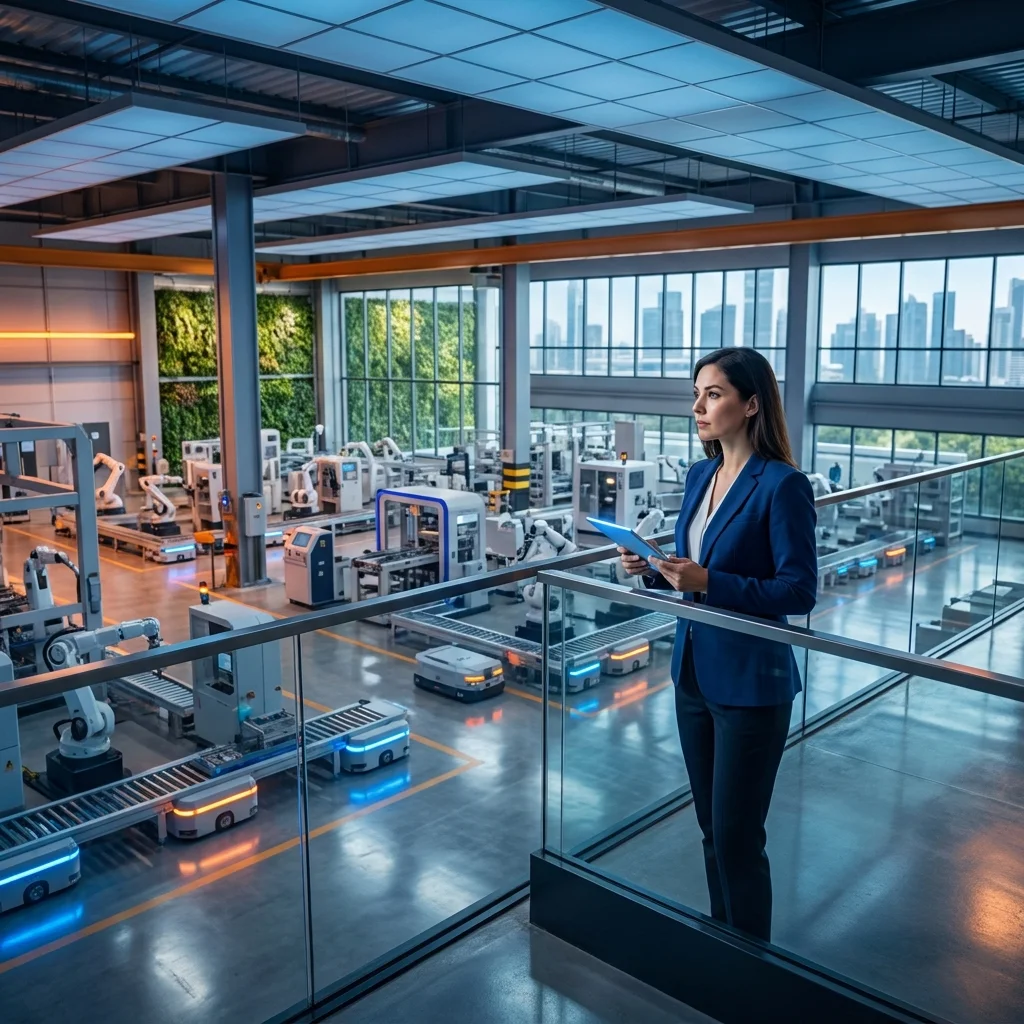
As Singapore cements its position as a global manufacturing hub, the integration of advanced technologies has become a strategic necessity rather than a luxury. The rapid evolution of the industrial landscape is now driven by sophisticated software entities. Understanding how AI agent effect to production field in singapore is critical for local firms aiming to maintain competitiveness amidst rising operational costs and labor shortages. By deploying intelligent systems, manufacturers are transitioning from rigid automation to dynamic, self-optimizing ecosystems that can handle complex, repetitive tasks with unprecedented precision.
-
Robotics and Assembly Line AI
-
Quality Control and Defect Detection
-
Optimizing Energy and Resource Allocation
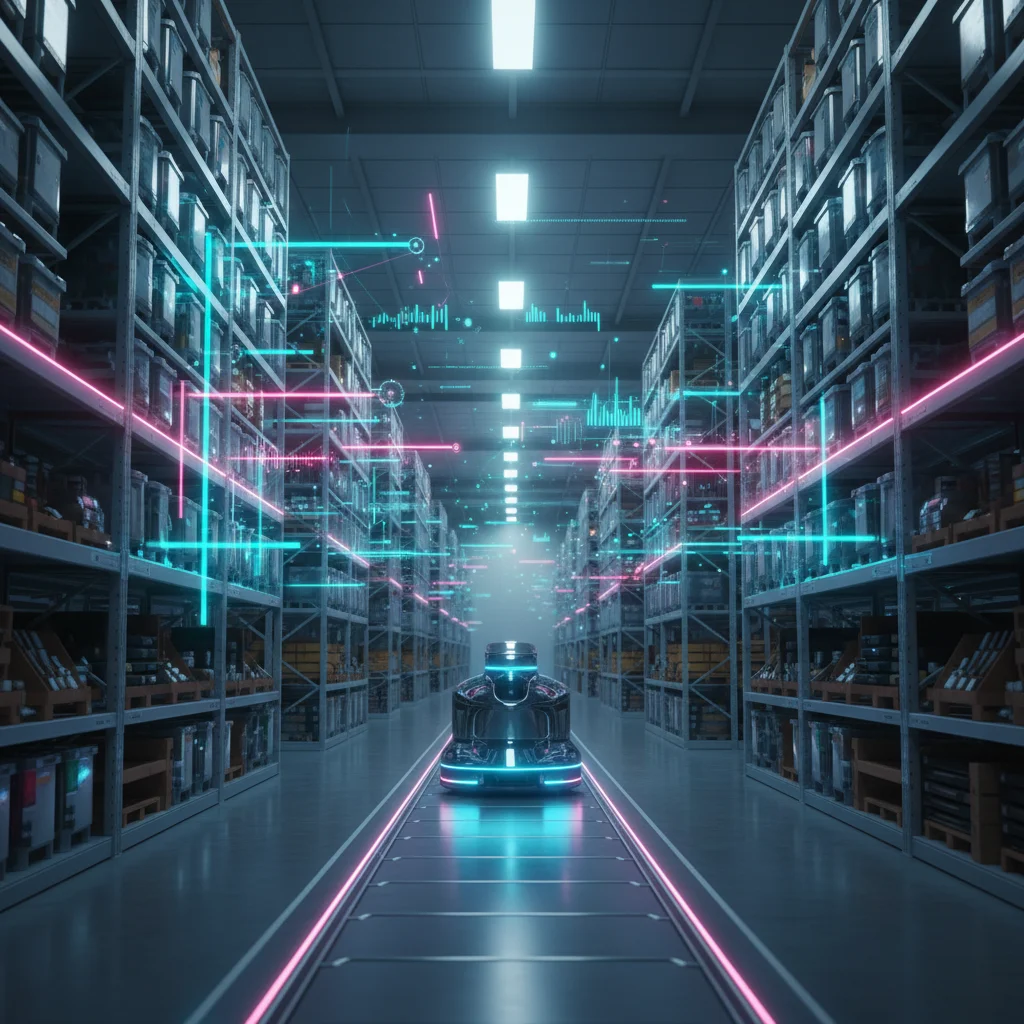
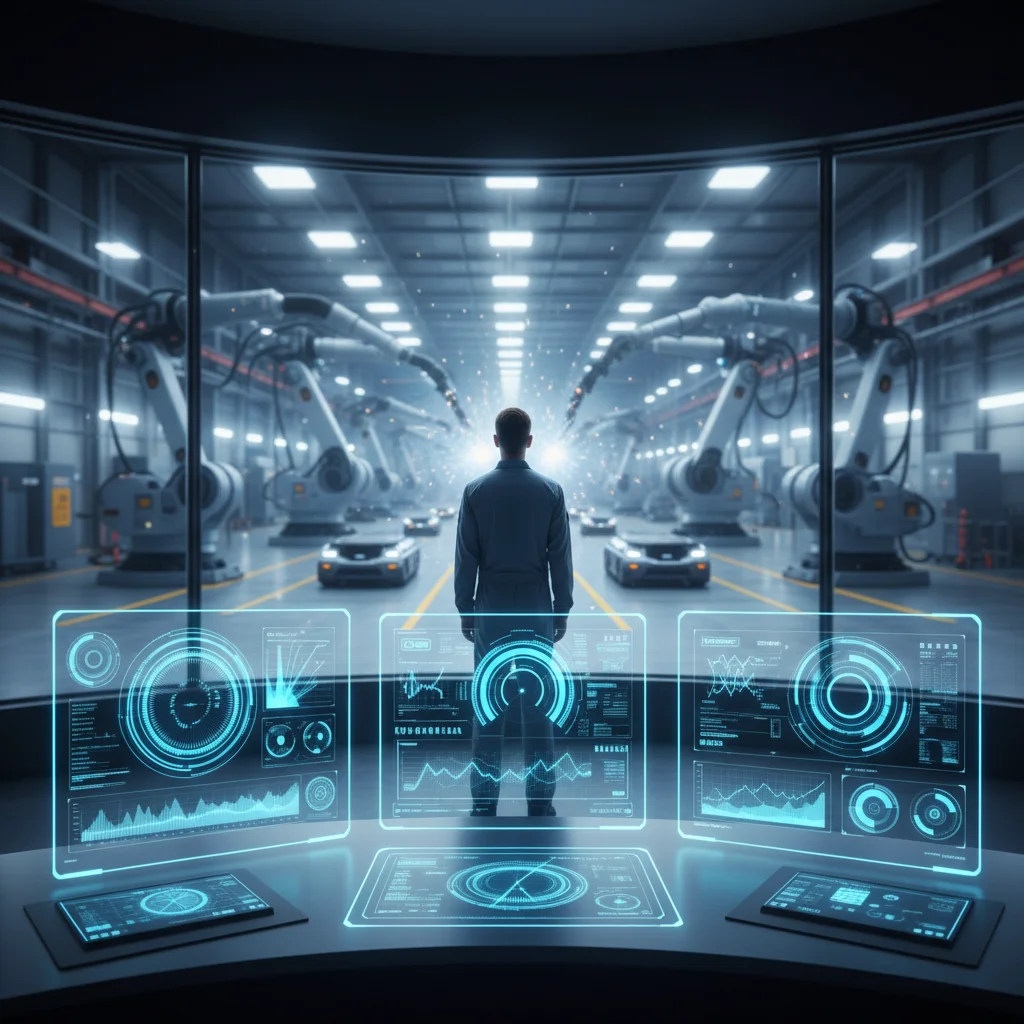
Modern assembly lines in Singapore are moving beyond traditional hardware-based robotics. By incorporating AI-driven agents, factories can now achieve a level of cognitive automation that allows machines to adapt to production variations in real-time. These intelligent agents process vast streams of sensory data to adjust robot trajectories and picking speeds, significantly reducing downtime. According to the Singapore Economic Development Board, the adoption of these smart manufacturing solutions is central to doubling the country’s manufacturing output by 2030, ensuring that complex assembly tasks are executed with near-zero error margins.
Human-led quality assurance is often prone to fatigue and inconsistency, especially in high-speed production environments. AI agents have revolutionized this domain by deploying advanced computer vision systems that inspect products at the microscopic level. These agents don’t just identify defects; they learn from them. By analyzing historical data, they predict when a machine is likely to produce a fault, enabling preventive adjustments before the defect occurs. This predictive capability minimizes waste and ensures that Singaporean exports meet the highest international quality benchmarks.
Sustainability is a core pillar of Singapore’s industrial policy. Intelligent AI agents play a transformative role in managing energy consumption across large-scale manufacturing facilities. By monitoring climate control systems, machinery power draws, and raw material throughput simultaneously, these agents optimize resource allocation to drastically reduce carbon footprints. They can dynamically shift power usage during peak and off-peak hours or trigger automated supply chain reordering when material inventory hits critical thresholds. This level of optimization ensures that factories operate with lean efficiency, translating to lower operational overheads and a more sustainable production model.
The scale of automation in Singapore’s manufacturing sector is reaching an inflection point. As these AI agents become more deeply integrated into the production floor, they provide firms with the agility to pivot quickly in response to global supply chain fluctuations, securing the nation’s status as a leader in high-tech manufacturing.
Revolutionizing AI in Supply Chain
The global manufacturing landscape is undergoing a profound transformation as autonomous technologies become the backbone of industrial operations. Specifically, understanding How AI agent effect to production field in singapore reveals a shift toward hyper-efficient, self-correcting logistical ecosystems. By deploying intelligent software entities that act with autonomy, factories in Singapore are moving beyond manual oversight into a new era of predictive management.
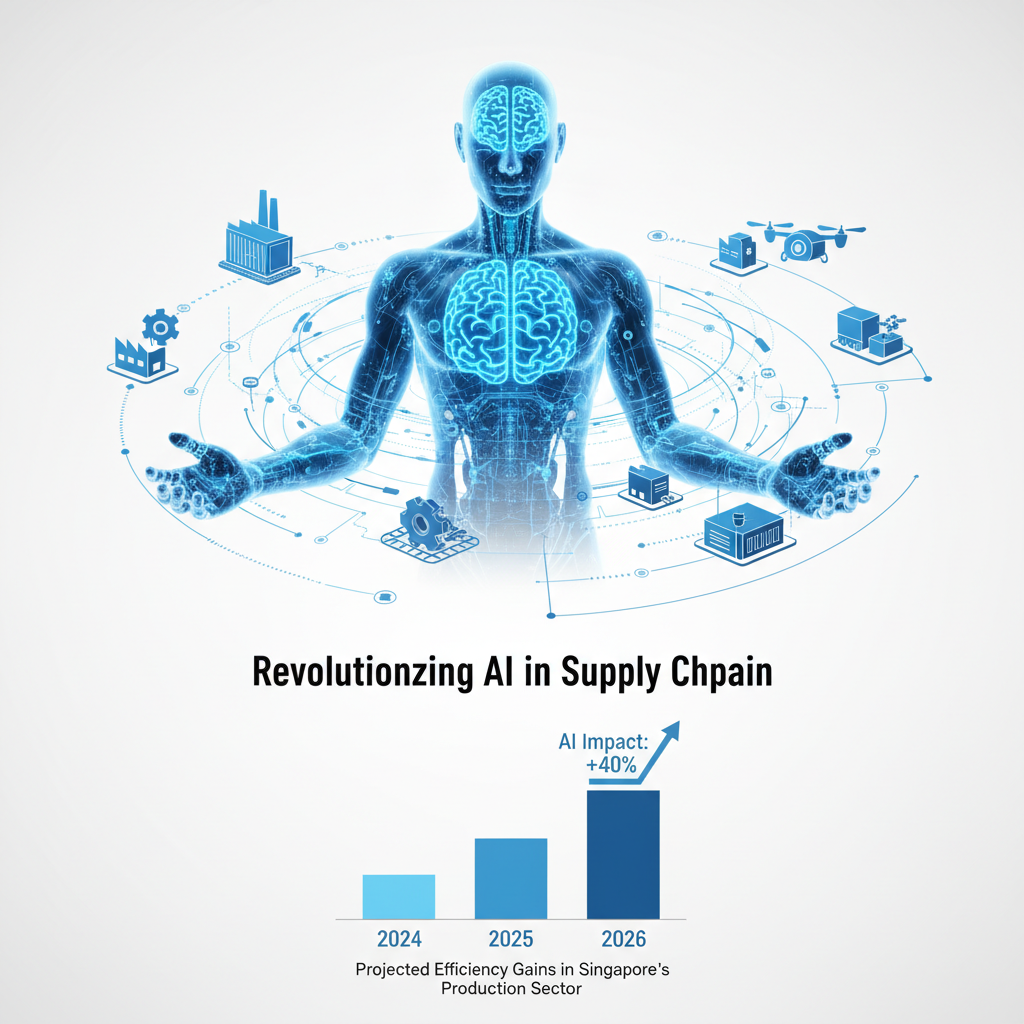
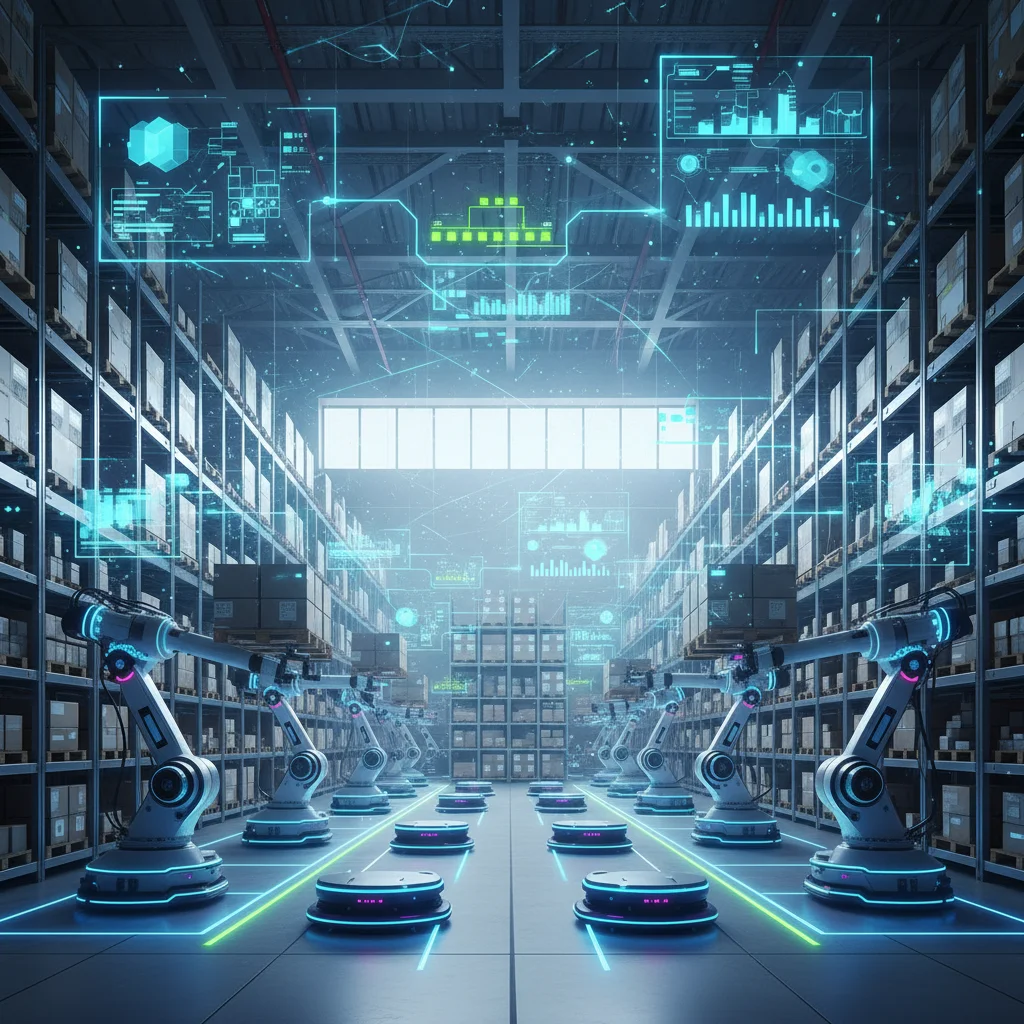
As the regional hub for advanced manufacturing, Singapore is leveraging AI agents to orchestrate complex supply chain networks. These agents process vast amounts of data points, from machine sensor logs to international shipping schedules, to optimize production flow. By automating decision-making at the edge, these systems minimize human error, reduce overhead, and drastically enhance the resilience of the local industrial sector against global volatility.
1. Real-Time Inventory Tracking
Traditional inventory management often struggles with latency and fragmented data. AI agents bridge this gap by maintaining an perpetual, real-time audit of every component on the factory floor. By integrating with IoT sensors, these agents provide instant visibility, ensuring that stock levels remain optimal without manual counting. This level of precision is critical for the AI-driven supply chain management approaches currently reshaping global trade, allowing factories to reduce excess holding costs and prevent material shortages before they occur.
2. Demand Forecasting Accuracy
Predicting market shifts is no longer a guessing game for Singaporean manufacturers. AI agents utilize deep learning models to analyze consumer behavior, seasonal trends, and macroeconomic indicators. By synthesizing this data, agents create highly accurate production schedules that align output with actual demand. This prevents the common pitfall of overproduction, ensuring that resources are channeled efficiently toward the products that represent the highest market value, thereby maximizing operational ROI.
3. Mitigating Unforeseen Production Delays
In the interconnected world of modern logistics, a delay in one port can ripple across the entire production line. AI agents act as early-warning systems, continuously monitoring global logistics channels. When a bottleneck is identified—such as a customs delay or supply shipment lag—the agent autonomously recalculates production timelines, adjusts machine pacing, or proactively identifies alternative suppliers. This agility is the core factor in maintaining high service levels despite the unpredictable nature of global trade routes.
By integrating these sophisticated agent-based frameworks, Singapore continues to solidify its status as a leader in industrial innovation. The transition from reactive management to autonomous, AI-led logistics is not merely an upgrade; it is a fundamental shift toward the future of sustainable and resilient manufacturing.
Implementing Predictive Maintenance AI
In the high-stakes manufacturing landscape of Singapore, where land scarcity and high labor costs demand peak efficiency, the integration of intelligent systems is no longer a luxury but a necessity. By leveraging advanced automation, manufacturers are transforming how How AI agent effect to production field in singapore by shifting from reactive maintenance to proactive, data-driven strategies.
-
IoT Sensors and Data Collection
The foundation of a predictive maintenance strategy lies in the granular collection of real-time data. Singaporean factories are increasingly deploying IoT-enabled sensors across critical machinery to monitor vibration, temperature, pressure, and acoustic signals. These sensors act as the sensory nervous system of the production line. According to the International Energy Agency (IEA), industrial IoT deployment allows for unprecedented visibility into operational health. By continuously streaming data to a centralized AI agent, companies can identify subtle deviations from normal performance patterns that would be invisible to the human eye, ensuring that every asset is functioning within optimal parameters.
-
Machine Learning Failure Models
Once the IoT infrastructure is in place, AI agents process this massive volume of telemetry data to build predictive failure models. These models are trained on historical data to recognize the specific signatures that precede a mechanical breakdown. By utilizing neural networks and deep learning, these agents can determine the Remaining Useful Life (RUL) of a component. In the Singaporean context, where supply chain logistics are highly integrated, predicting a machine fault weeks in advance allows production managers to order replacement parts just-in-time and schedule repairs during planned maintenance windows, effectively eliminating the chaos of emergency stoppages.
-
Calculating Cost Savings from Uptime
The financial impact of transitioning to AI-led maintenance is measurable and profound. Unplanned downtime in a high-speed production facility can cost thousands of dollars per minute in lost output and contractual penalties. By implementing AI agents, plants can reduce maintenance costs by up to 25% and minimize equipment failures by as much as 70%. These cost savings go beyond simple labor reduction; they include extended machine lifespan, lower energy consumption due to improved machine calibration, and significantly higher product consistency. For a manufacturing hub like Singapore, these efficiencies provide a competitive edge in a crowded global market, turning maintenance from a cost center into a strategic profit driver.
Future Workforce and Production by 2026
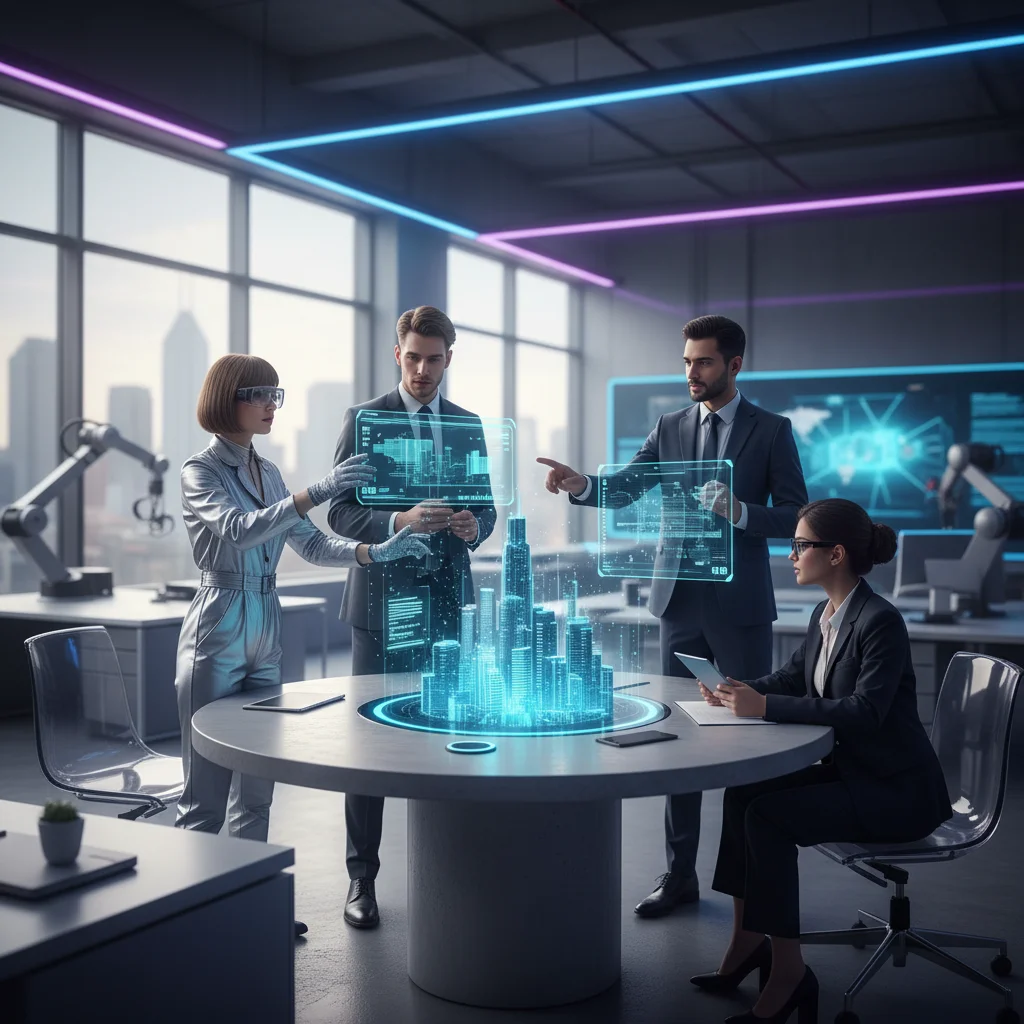
As we approach 2026, the industrial landscape in Singapore is undergoing a paradigm shift. The integration of autonomous AI agents into the factory floor is no longer a futuristic concept but an immediate reality. When analyzing how AI agent effect to production field in singapore, it becomes evident that the focus is shifting from simple automation to cognitive collaboration. By 2026, production environments will feature humans working alongside AI agents capable of autonomous decision-making, predictive maintenance, and real-time process optimization.
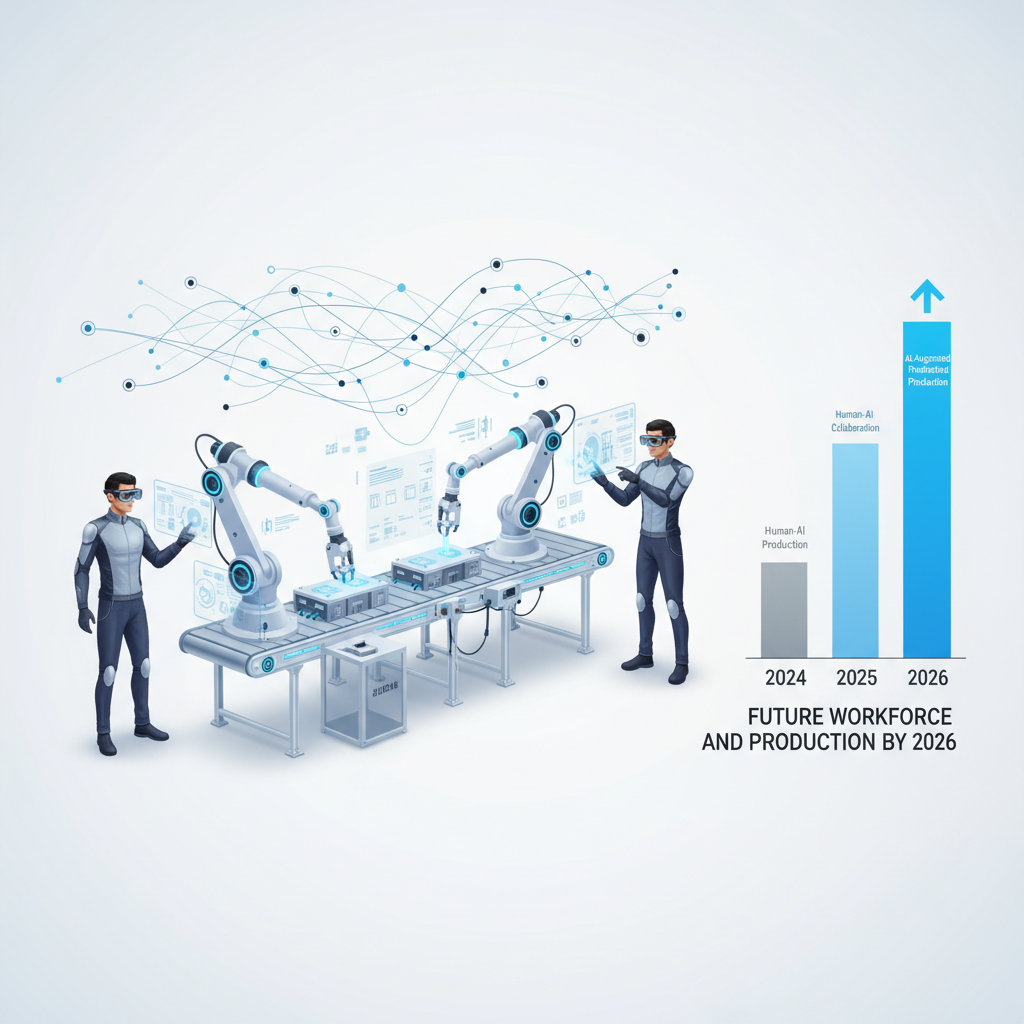
The transition is not just about replacing manual labor but augmenting human expertise. Businesses are leveraging advanced AI-driven operational insights to bridge the productivity gap. As Singapore continues to cement its position as a global manufacturing hub, these autonomous systems are becoming the backbone of high-precision industries, from semiconductor fabrication to complex logistics.
1. Upskilling Singapore’s Workforce
The rapid adoption of artificial intelligence necessitates a fundamental evolution in skill sets. By 2026, the Singaporean workforce will move away from repetitive manual tasks toward roles focused on supervision, AI orchestration, and complex problem-solving. This shift requires a robust national commitment to upskilling programs. According to the Infocomm Media Development Authority (IMDA), digital fluency is now a core requirement across all production tiers. Workers are increasingly being trained to manage “human-in-the-loop” systems, where their primary responsibility is to oversee AI performance, intervene when necessary, and ensure that machine outputs align with quality standards.
2. Safe Human-AI Collaboration Frameworks
Safety remains the cornerstone of integrated production lines. By 2026, sophisticated collaborative frameworks will define how humans and autonomous agents interact in shared physical spaces. These frameworks utilize sensor-fused AI that anticipates human movement, slowing down or rerouting robotic arm trajectories to prevent workplace accidents. Furthermore, safety protocols are being updated to include cyber-physical security measures, ensuring that the autonomous agents are protected from external interference, maintaining the integrity of the entire production flow.
3. Ethical Governance in Automated Production
With the widespread deployment of autonomous agents, ethical governance has become an essential pillar of Singapore’s industrial strategy. Leaders are establishing rigorous standards for AI transparency and accountability. By 2026, every automated decision—from resource allocation to predictive maintenance scheduling—must be traceable and audit-ready. This governance model ensures that as AI agents take over more operational control, the potential for bias or inefficiency is minimized. The focus is on creating a balanced environment where machine intelligence enhances human productivity without compromising corporate values or labor ethics.
Partner with Shelby Global
You are looking for reliable HR Sevice Suppliers? Contact Shelby Global Now! To connect with verified talents and upgrade your orginization.
—————————————
References
– World Economic Forum – Future of Manufacturing: https://www.weforum.org/reports/the-future-of-manufacturing-industry-4-0-and-beyond/
– Singapore Economic Development Board: https://www.edb.gov.sg/
– AI-driven supply chain management: https://www.mckinsey.com/capabilities/operations/our-insights/ai-driven-supply-chain-management
– International Energy Agency – Digitalisation and Energy: https://www.iea.org/reports/digital-demand-driven-electricity-networks/digitalisation-and-energy
– Infocomm Media Development Authority (IMDA): https://www.imda.gov.sg/