
Understanding Vietnam Transport Labor Market
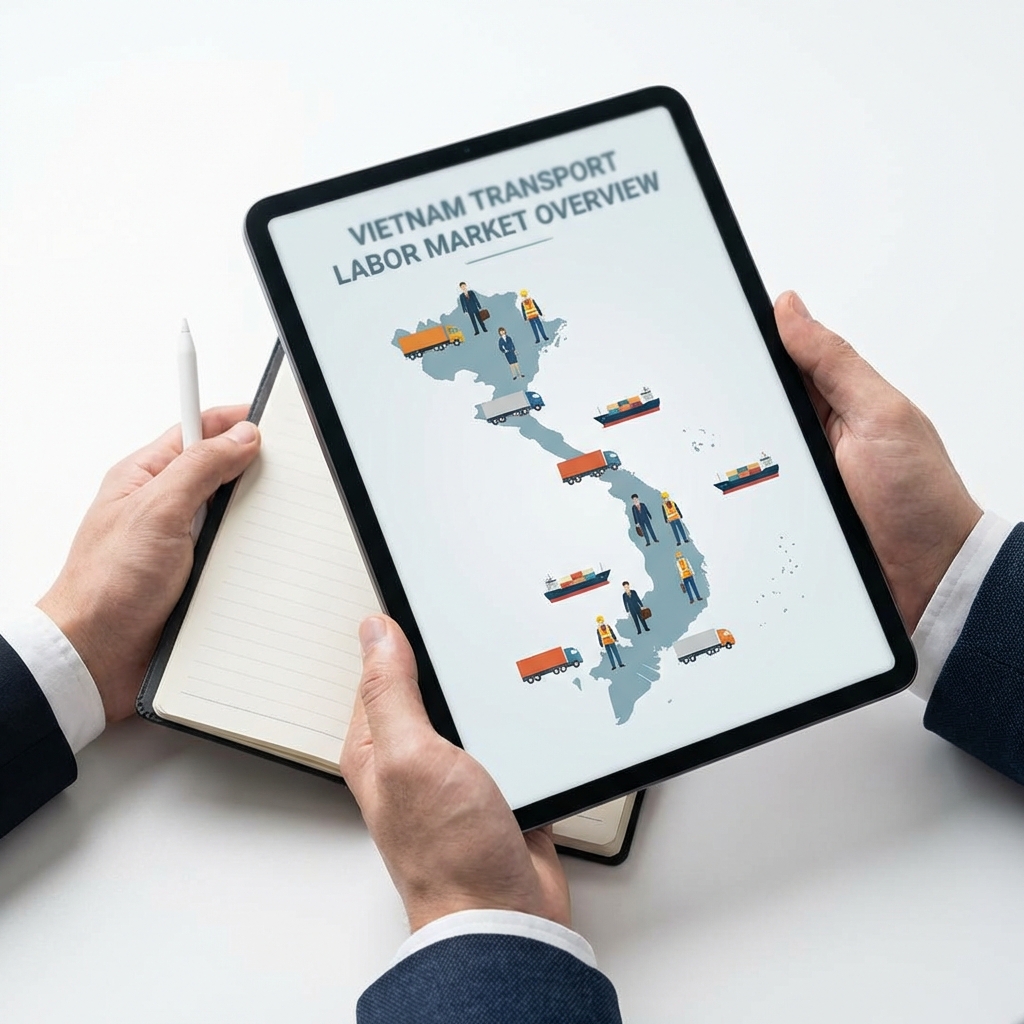
The logistics and transportation sector in Vietnam is currently experiencing a period of rapid evolution, driven by infrastructure development and the integration of digital supply chain solutions. For a CEO, mastering the complexities of the domestic labor market is essential to maintaining operational continuity and competitiveness. Implementing strategic salary budget optimizing manners for the CEO of transportation field in vietnam is no longer just about cutting costs; it is about creating a resilient human capital structure that aligns with regional economic fluctuations.
1. Analyzing Driver Compensation Packages
In the Vietnamese transport industry, the workforce is heavily dominated by professional drivers and logistics coordinators. Compensation structures have shifted from simple base-salary models to performance-based incentives. To remain competitive, companies must balance fixed salaries with variable components such as safety bonuses, fuel efficiency incentives, and delivery punctuality rewards. According to data from the International Labour Organization (ILO), investing in comprehensive benefits packages significantly reduces the high turnover rate inherent in the sector. CEOs must audit these packages regularly to ensure they remain attractive in a market where specialized driving skills are increasingly sought after by multinational logistics players.
2. Navigating Vietnam Labor Law Compliance
Compliance with the Vietnam Labor Code is non-negotiable. The legal framework encompasses strict mandates regarding working hours, overtime pay, and mandatory social, health, and unemployment insurance contributions. For transport firms, managing overtime is particularly critical due to the nature of 24/7 logistics operations. Non-compliance risks significant financial penalties and reputation damage. By utilizing automated HR management systems, firms can ensure that payroll calculations adhere to current legal requirements while maintaining transparency, which is vital for long-term labor relations and operational stability.
3. Impact of Inflation on Logistics Wages
Inflationary pressures in Vietnam directly influence the cost-of-living adjustments required to retain talent. As the cost of basic commodities increases, transportation staff naturally demand higher take-home pay to maintain their standard of living. For the transportation CEO, this creates a dilemma: how to keep operational costs manageable while ensuring employee retention? The answer lies in data-driven salary benchmarking and productivity-linked wage growth. By moving away from flat-rate annual increases and toward a more agile, KPI-driven compensation framework, organizations can buffer themselves against macroeconomic volatility. Focusing on long-term value creation—such as professional training programs and career progression pathways—can also provide a non-monetary incentive that increases loyalty without excessively bloating the payroll budget.
Implementing Performance-Based Pay Models
For a CEO navigating the competitive landscape of the Vietnamese logistics sector, the traditional model of fixed monthly salaries is increasingly becoming a liability. As operational costs fluctuate due to rising fuel prices and infrastructure demands, rigid pay structures fail to incentivize the behaviors that actually drive bottom-line results. Adopting a dynamic compensation framework is essential for salary budget optimizing manners for the CEO of transportation field in vietnam. By aligning employee incentives with tangible fleet efficiency, leadership can transform human capital from a fixed overhead into a value-driven asset.
-
Defining Clear Logistics Performance Metrics
To successfully transition to variable pay, you must first establish a foundation of transparent, data-backed metrics. In Vietnam’s unique geography, where urban traffic congestion and rural delivery challenges are daily realities, relying solely on tenure or basic output is insufficient. CEOs should prioritize metrics that reflect efficiency and cost-control, such as fuel consumption ratios per kilometer, on-time delivery rates, and vehicle idle time reduction. By leveraging advanced logistics analytics, leadership can create a ‘single source of truth’ that allows employees to see exactly how their specific actions impact the company’s profitability. When staff understands the causal link between their driving habits or route planning and the company’s financial health, performance naturally shifts toward efficiency.
-
Designing Flexible Bonus Structures
A static bonus system often fails to account for the volatile nature of the transportation market. A flexible structure should be tiered, rewarding high-impact contributions while maintaining safeguards against market downturns. For instance, creating a quarterly bonus pool based on fuel savings or maintenance cost avoidance allows the company to reward top-performing drivers and dispatchers without committing to permanent salary hikes. In the context of Vietnamese labor regulations, it is crucial that these bonus structures are clearly communicated and legally compliant. By tying bonuses to specific KPIs—such as cargo safety records or reduction in empty-backhaul trips—you incentivize the workforce to act like stakeholders rather than mere time-clock employees.
-
Balancing Fixed Pay Versus Variable Rewards
The ultimate goal for a CEO is to strike a sustainable equilibrium. While variable pay is a powerful motivator, it must be balanced against a base salary that provides financial security for the employee. A common mistake is over-indexing on variable pay, which can lead to high employee turnover if drivers or logistics staff feel that external factors (like unavoidable traffic gridlocks) prevent them from earning their bonuses. A balanced approach typically utilizes a base salary at 70-80% of market value, with the remaining 20-30% tied to performance benchmarks. This strategy protects the company’s liquidity during slow periods while offering significant upside potential during high-growth cycles, effectively future-proofing the organization against operational inefficiencies.
By shifting to these performance-based models, you do more than just manage costs; you create a high-performance culture that thrives on measurable success. This transition requires diligent monitoring and iterative adjustment, but the long-term impact on fleet profitability and employee engagement is profound.
Utilizing Tech for Payroll Efficiency
In the highly competitive logistics landscape of Vietnam, operational agility is the key to profitability. For a CEO, the challenge lies in balancing competitive compensation with strict financial discipline. Implementing digital transformation is no longer a luxury but a strategic necessity for those seeking effective salary budget optimizing manners for the CEO of transportation field in vietnam. By integrating advanced technology, leaders can drastically reduce administrative overhead and create a transparent, streamlined payout process for their driving fleet.

1. Adopting Automated HR Payroll Software
Manual payroll processing is prone to human error, leading to financial leakage and employee dissatisfaction. Adopting cloud-based HR software allows CEOs to automate complex tax calculations, insurance deductions, and compliance reporting specifically tailored to Vietnamese labor regulations. According to Gartner, organizations that embrace automated human capital management see a significant decrease in payroll processing time, freeing up HR teams to focus on driver retention and strategic growth initiatives.
2. Tracking Overtime via Fleet Management GPS
One of the primary drainers of a transportation company’s budget is inaccurate overtime reporting. By syncing fleet management GPS data with payroll systems, the organization can achieve real-time accuracy in driver activity. This creates an objective, data-driven record of hours on the road, idling time, and duty cycles. When overtime pay is linked directly to verified vehicle telematics, it eliminates the risk of fraudulent time reporting, ensuring that the salary budget is utilized only for actual, productive hours.
3. Reducing Admin Costs in Payroll Cycles
The administrative cost of processing monthly payouts involves more than just software; it includes the hidden labor costs of reconciling discrepancies and managing paper-based documentation. By digitizing the entire cycle—from automated timesheets to digital pay stubs—CEOs can minimize the need for heavy administrative staff. This efficiency move directly boosts the bottom line, allowing the business to redirect funds from back-office overhead toward fleet maintenance or scaling logistics capacity. Embracing these tech-forward workflows ensures the company remains resilient and profitable in a volatile market.
Deploying High-ROI Retention Strategies
In the highly competitive Vietnamese logistics landscape, high turnover rates among qualified drivers and dispatchers represent a silent drain on profitability. For a CEO, the challenge lies in balancing operational costs with the need for a stable, skilled workforce. Mastering salary budget optimizing manners for the CEO of transportation field in vietnam is not just about cutting costs, but about reallocating funds toward high-impact retention initiatives that drive long-term ROI.
-
Cost-Effective Staff Retention Strategies
-
Creating Career Progression for Drivers
-
Enhancing Workplace Safety as a Benefit
Traditional salary hikes are often unsustainable. Instead, implement a total rewards strategy that emphasizes localized benefits. By utilizing data-driven salary budget optimizing manners for the CEO of transportation field in vietnam, firms can identify non-monetary incentives that resonate more deeply with local staff. For example, providing subsidized fuel, family healthcare packages, or education stipends for drivers’ children can significantly improve loyalty without drastically inflating base payroll expenses. These targeted investments build an emotional connection to the company, reducing the propensity for staff to jump ship for marginal pay increases elsewhere.
A primary driver of turnover in the transport sector is the perception of a ‘dead-end’ job. Professionalizing the role through structured career progression is essential. Implement a tier-based system where drivers can earn certifications for specialized cargo handling, fuel efficiency, or defensive driving techniques, accompanied by incremental performance-based bonuses. According to International Labour Organization guidelines on decent work, clear advancement pathways not only improve job satisfaction but also enhance operational competence. When drivers see a future within the organization, they are far more likely to commit to long-term tenure.
Safety is often treated as a compliance cost, but it should be marketed as a core retention benefit. In Vietnam’s demanding traffic conditions, drivers face immense stress. By investing in modern, well-maintained fleets and advanced telematics that reduce the physical and mental strain on drivers, the company demonstrates a tangible commitment to their well-being. Furthermore, offering high-quality, comprehensive accident and health insurance coverage provides the peace of mind that many competitors fail to offer. When employees feel that their employer prioritizes their physical safety over mere speed or volume targets, retention rates improve naturally. By integrating these strategies, the CEO moves away from the reactive cycle of constant hiring and training, fostering a resilient, loyal workforce that secures the company’s competitive advantage.
Strategic Cost-Cutting and Forecasting
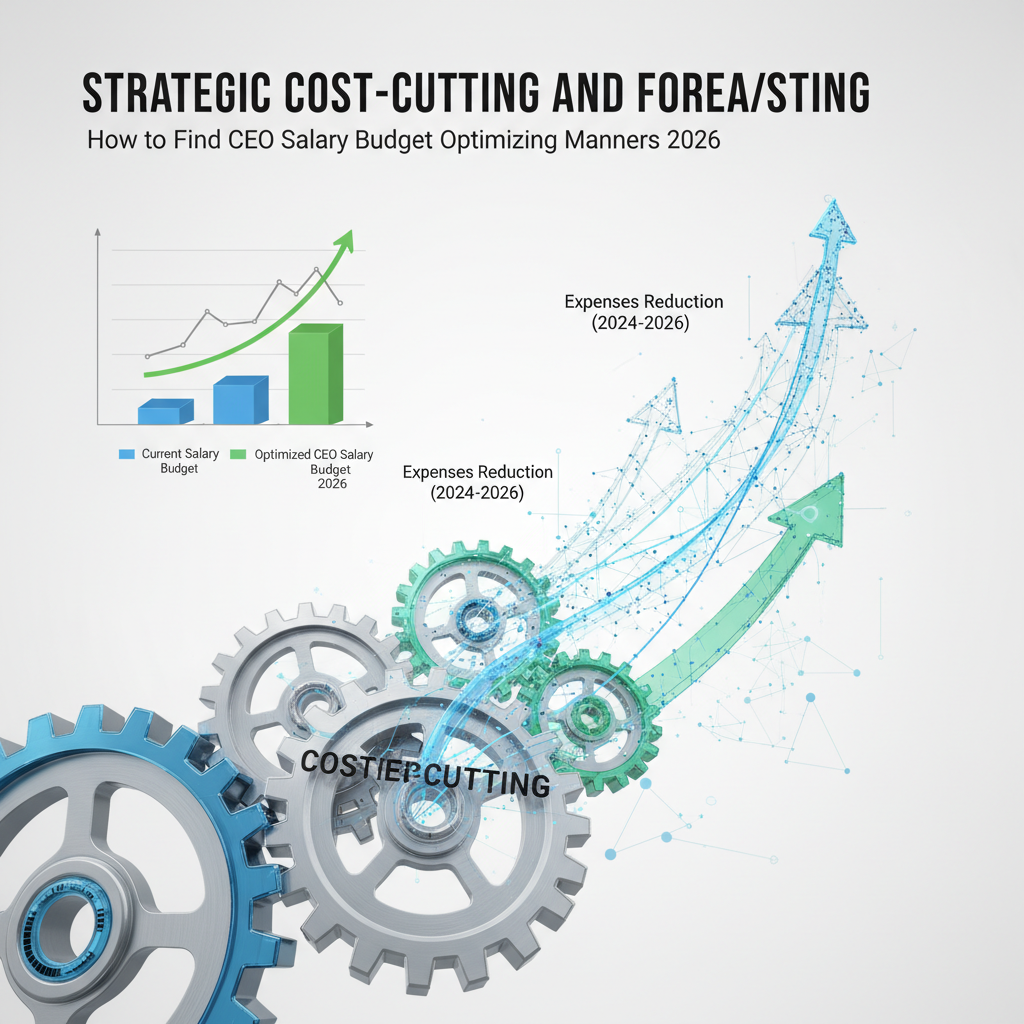
In the highly competitive landscape of Vietnam’s logistics and transport sector, CEOs are constantly balancing operational efficiency with the necessity of maintaining a motivated, high-performing workforce. Implementing salary budget optimizing manners for the CEO of transportation field in vietnam requires a delicate balance between strict financial discipline and nurturing talent. The goal is to maximize productivity per dollar without triggering turnover or dissatisfaction.
1.
Executing Transport Cost-Cutting Ethically
Ethical cost-cutting in the transportation sector focuses on eliminating waste rather than slashing salaries. Instead of aggressive downsizing, CEOs should audit fuel consumption, route efficiency, and fleet maintenance schedules. By leveraging data analytics to optimize fuel usage and reduce idling time, transport companies can achieve significant savings while keeping the workforce intact. Transparent communication is critical; when leadership explains that austerity measures are designed to secure long-term job stability, employees are more likely to support these initiatives, preserving morale during lean fiscal periods.
2.
Outsourcing Non-Core Logistics Roles
To streamline the budget, transportation leaders should categorize roles into core logistics (drivers, fleet managers, route planners) and non-core functions. Functions like payroll processing, specialized IT maintenance, or back-office administration can often be outsourced to external experts. By adopting a variable cost structure for these non-essential roles, companies can scale up or down based on market demand. For deeper insights into industry standards, refer to World Bank transport infrastructure data to ensure your operational benchmarks align with global efficiency standards.
3.
Forecasting the 2026 Salary Budget Roadmap
Strategic forecasting for 2026 requires looking beyond current inflation rates. As Vietnam’s transportation market matures, the demand for skilled supply chain talent will increase pressure on wages. CEOs must transition from reactive salary adjustments to a proactive, performance-based compensation model. This involves benchmarking salaries against localized data and allocating a specific percentage of the budget for high-performance bonuses rather than fixed annual increases. By setting a clear roadmap now, organizations can avoid emergency budget cuts in 2026, ensuring that the company remains both profitable and an employer of choice in a competitive labor market.
Partner with Shelby Global
You are looking for reliable HR Sevice Suppliers? Contact Shelby Global Now! To connect with verified talents and upgrade your orginization.
—————————————
References
– International Labour Organization: https://www.ilo.org/
– McKinsey Logistics Insights: https://www.mckinsey.com/industries/travel-logistics-and-infrastructure/our-insights
– Gartner: https://www.gartner.com
– International Labour Organization: https://www.ilo.org/
– World Bank transport infrastructure data: https://www.worldbank.org/en/topic/transport



































































































