Why Do You Need an SEO Strategy?
In the digital landscape of Vietnam, where competition for visibility is fiercer than ever, relying on sporadic content uploads is no longer sufficient. An SEO strategy is not merely a technical checklist; it is a fundamental business roadmap. It provides a structured approach to organic search, ensuring that your digital assets align with user intent and engine requirements. Without a clear plan, your business risks becoming invisible, losing market share to competitors who understand the value of data-driven search engine optimization. For companies navigating complex landscapes, such as those analyzing the Báo cáo xu hướng rủi ro trong lĩnh vực CNTT tại Việt Nam, a robust SEO strategy acts as the bridge between specialized technical knowledge and the target audience actively seeking solutions.

By implementing a structured approach, businesses move from guessing what their audience wants to knowing exactly what they are searching for. This predictability is the hallmark of long-term growth. When you align your content architecture with the specific search behaviors of your target demographic, you stop chasing fleeting traffic spikes and start building a stable, sustainable flow of qualified leads. In the evolving digital economy, understanding the broader principles of search engine optimization is vital for anyone looking to maintain a competitive edge.
1. Adapting to Algorithm Updates
Search engines like Google are not static entities; they are constantly evolving through sophisticated algorithm updates designed to improve user experience and information relevance. A structured SEO strategy is your primary defense against these changes. Rather than reacting in a state of panic when rankings fluctuate, a strategist uses a proactive framework that focuses on high-quality content, E-E-A-T (Experience, Expertise, Authoritativeness, and Trustworthiness), and technical excellence.
By maintaining a consistent and transparent SEO methodology, your brand becomes inherently resilient to updates that target low-quality spam or manipulative linking tactics. This allows you to pivot quickly when guidelines change without sacrificing your core rankings, ensuring your visibility remains stable even when the goalposts move.
2. Compounding Benefits of Organic Traffic
Unlike paid advertising, which stops generating leads the moment you cease spending, SEO provides compounding benefits. An SEO strategy treats your website as a digital asset that gains value over time. Every well-optimized blog post, whitepaper, or landing page serves as a long-term representative of your brand, working 24/7 to capture search traffic.
As your site ages and accumulates authority, its ability to rank for competitive keywords improves, creating a flywheel effect. A single investment in high-quality content today can generate consistent traffic for months or even years. This cumulative growth is essential for scaling a business efficiently in a crowded digital space, as it lowers your overall customer acquisition cost while increasing your revenue predictability.
3. Building Unshakeable Brand Authority
In the tech and risk management sectors, authority is everything. When users search for solutions to complex problems—such as mitigating cyber threats—they look for sources that provide authoritative, expert, and trustworthy information. A structured SEO strategy is the vehicle through which you demonstrate this expertise.
By consistently producing content that addresses specific pain points and industry risks, you establish your company as a thought leader. This doesn’t just rank you higher; it builds trust with potential clients before they ever reach out for a consultation. When your brand consistently appears at the top of search results for authoritative industry queries, you influence the buyer’s journey from the research stage to the final decision. This creates a sustainable competitive moat, making it harder for new entrants to displace your brand, and ultimately turns your digital presence into your most effective sales tool.
How to Conduct Keyword Research?
Keyword research is the cornerstone of any successful digital strategy. For businesses operating in the digital landscape, identifying the right terms ensures that your content reaches the decision-makers who need it most. When focusing on complex subjects like the Báo cáo xu hướng rủi ro trong lĩnh vực CNTT tại Việt Nam, keyword research helps bridge the gap between technical jargon and the specific pain points of your target audience.
1. Understanding User Search Intent
Before diving into search volumes, you must understand the ‘why’ behind a query. Search intent is categorized into four main types: Informational, Navigational, Commercial, and Transactional. For a report-heavy topic like Báo cáo xu hướng rủi ro trong lĩnh vực CNTT tại Việt Nam, the primary intent is often informational. Users are looking for data-driven insights to mitigate threats, comply with local regulations, or plan their IT budgets. By mapping your keywords to these intents, you ensure that your content provides a direct answer to the user’s specific problem, which is a key metric for Google’s search quality standards.
2. Finding Profitable Long-Tail Keywords
Long-tail keywords are phrases that are more specific and usually longer than general search terms. While they may have lower search volumes, they often have higher conversion rates because the user knows exactly what they are looking for. To find these, look for conversational patterns. Instead of just targeting “IT risks,” target phrases like “các giải pháp an ninh mạng cho doanh nghiệp Việt Nam” or “thách thức bảo mật dữ liệu trong kỷ nguyên số.” By capturing these granular queries, you position your brand as a specialized authority, making it easier to rank and connect with niche B2B stakeholders.
3. Analyzing Competitor Keyword Gaps
A competitor keyword gap analysis involves identifying the terms your competitors are ranking for that you are not. Start by listing your top three industry rivals. Use SEO tools to export their high-performing keywords. Look for content clusters they might have missed or topics they have covered only superficially. If they are discussing “Rủi ro CNTT” (IT Risks) in a general sense, you can outrank them by creating a comprehensive, data-backed Báo cáo xu hướng rủi ro trong lĩnh vực CNTT tại Việt Nam that includes specific case studies or predictive analysis for the Vietnamese market. This strategic approach ensures you are filling the gaps in the market while reinforcing your thought leadership.
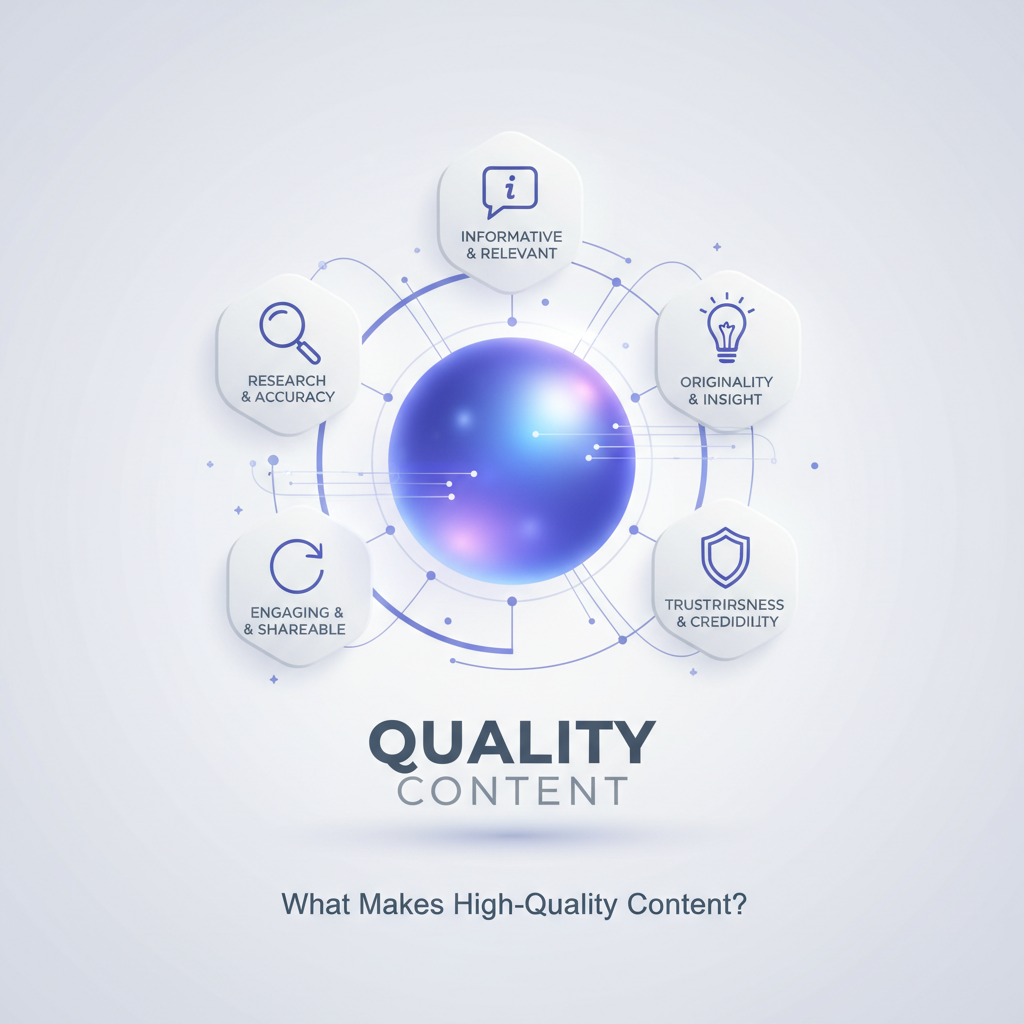
What Makes High-Quality Content?
Creating content that resonates with both human readers and search engines is a delicate balancing act. When focusing on complex subjects like a Báo cáo xu hướng rủi ro trong lĩnh vực CNTT tại Việt Nam, the quality of your output is defined by its accuracy, relevance, and ability to demonstrate E-E-A-T (Experience, Expertise, Authoritativeness, and Trustworthiness). To capture the interest of decision-makers and tech professionals, your content must go beyond superficial observations and provide actionable insights backed by data.
High-quality content is characterized by its ability to solve a specific problem. In the context of IT security risks, this means delivering deep analysis rather than generic warnings. By ensuring every piece of information provided is verifiable and structured logically, you position your brand as a thought leader in the Vietnamese digital landscape.
1. Structuring Posts for Readability
In an era of information overload, the way your content is presented is just as important as the information itself. Readers, especially busy IT managers, rarely read word-for-word. Instead, they scan content for key takeaways. To optimize for readability, use short paragraphs, clear subheadings, and bulleted lists. Incorporating visual data is essential, especially when breaking down the 13 critical risks identified in the industry.
By breaking dense topics into digestible sections, you reduce the bounce rate and encourage users to spend more time on your page, which is a positive signal for search engines. Always ensure that your primary research findings are highlighted through bold text or callout boxes to emphasize their significance.
2. Optimizing Critical On-Page Elements
Technical SEO is the backbone of discoverability. For a detailed Báo cáo xu hướng rủi ro trong lĩnh vực CNTT tại Việt Nam, your title tags, meta descriptions, and header hierarchy must be perfectly aligned with user intent. Search engines prioritize content that clearly identifies its core subject in the H1 and relevant keywords throughout the meta-data.
Beyond basic keywords, you must implement schema markup to help crawlers understand the specific nature of your report. Furthermore, linking to authoritative sources, such as the ISO/IEC 27001 standard, reinforces your professional credibility. When your on-page elements are optimized, you not only improve your ranking potential but also ensure that the user finds exactly what they are looking for, thereby increasing the trustworthiness of your domain.
3. Revamping and Updating Old Content
Content decay is a silent killer of SEO success. The IT landscape in Vietnam is evolving rapidly; a report published two years ago may contain obsolete data regarding cloud security or ransomware threats. To maintain high-quality standards, you must treat your existing content library as a living asset. Regularly revisit high-performing posts to update statistics, clarify trends, and add fresh insights that align with current industry developments.
Updating old content is also an opportunity to integrate new internal links to your latest reports, creating a robust ecosystem of knowledge that keeps users clicking through your site. By refreshing your content with the latest 13 trends and updating your analysis, you signal to search engines that your site is a current and reliable source of information, which is a cornerstone of maintaining strong E-E-A-T signals over time.
How to Improve Technical SEO?
Technical SEO serves as the backbone of your digital presence, ensuring that search engine crawlers can navigate, understand, and index your website without friction. When optimizing for performance, it is vital to stay informed on the broader digital landscape, including insights from the Báo cáo xu hướng rủi ro trong lĩnh vực CNTT tại Việt Nam, which highlights how infrastructure stability impacts business resilience.
1. Passing Core Web Vitals Assessments
Core Web Vitals are a set of metrics defined by Google to measure the user experience (UX) related to loading performance, interactivity, and visual stability. These metrics are not just suggestions; they are critical ranking factors. To pass, you must optimize for Largest Contentful Paint (LCP) by reducing server response times and optimizing images. First Input Delay (FID) or its successor, Interaction to Next Paint (INP), requires minimizing JavaScript execution time to ensure the page remains responsive. Finally, Cumulative Layout Shift (CLS) is managed by reserving space for images and ads. Regularly monitoring these via the Google Search Console will highlight specific pages that require optimization to maintain a healthy site structure.
2. Implementing Advanced Schema Markup
Structured data, or Schema markup, acts as a translator between your website content and search engine algorithms. By implementing JSON-LD, you provide explicit clues about the meaning of your page content, which can trigger rich snippets in search results. This increases your click-through rate (CTR) by making your search listings more visually appealing and informative. For technical businesses, using specific schema types like ‘Organization’, ‘Service’, or even ‘FAQ’ can significantly enhance visibility. Advanced implementation involves nesting schemas to show complex relationships, such as connecting a specific author to a white paper or a service to a set of technical certifications. Proper implementation allows search engines to categorize your data more effectively, potentially improving your ranking for niche search terms.
3. Ensuring Flawless Mobile-Friendliness
Since Google utilizes mobile-first indexing, your mobile site is essentially your primary site in the eyes of search engines. A flawless mobile experience is no longer optional. This involves more than just a responsive design; it requires a focus on touch-friendly navigation, readable typography, and the avoidance of intrusive interstitials. According to Google’s Search Central documentation, failure to optimize for mobile can lead to significant drops in visibility. Ensure that your media assets scale appropriately and that the mobile version of your site contains the same high-quality content as the desktop version. Frequent audits using the Mobile-Friendly Test tool can help identify issues with tap targets, viewport configuration, or blocked resources that might hinder mobile crawlers.
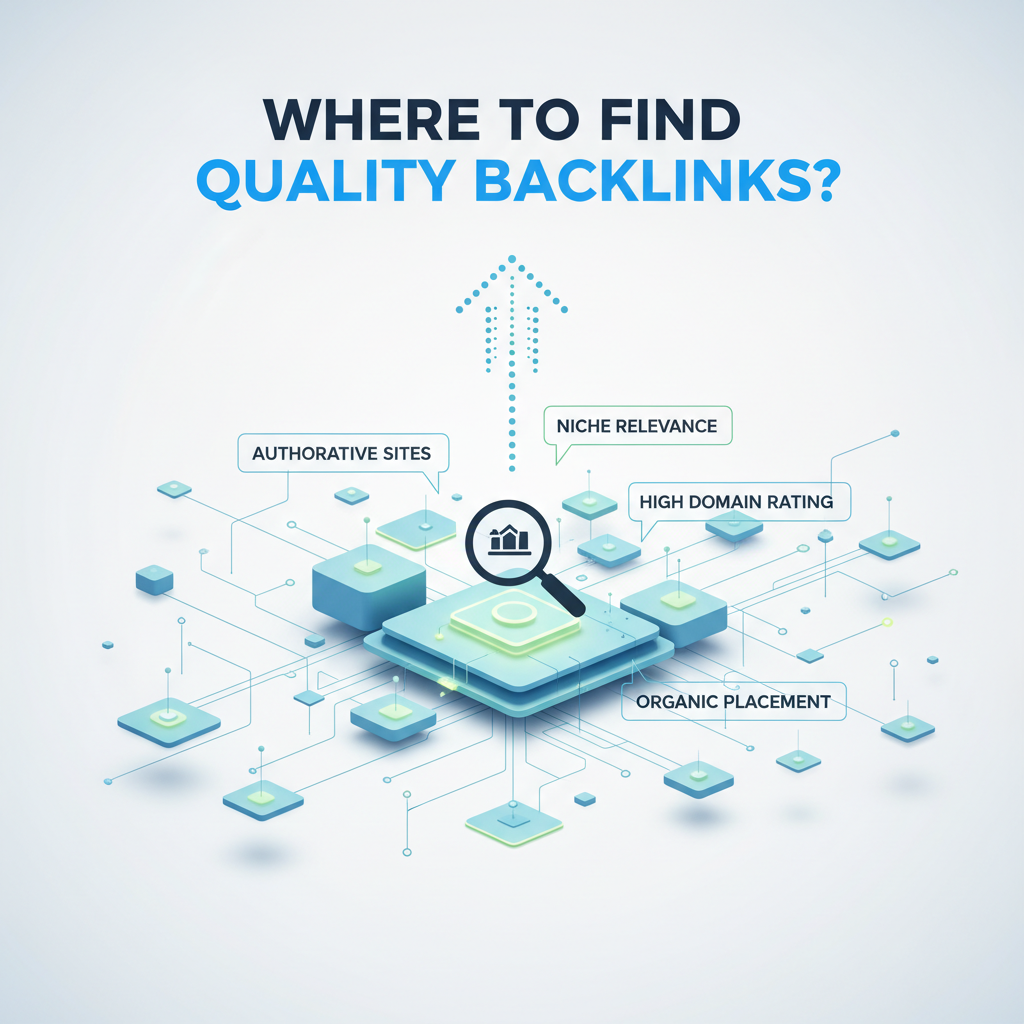
Where to Find Quality Backlinks?
In the competitive landscape of digital search, acquiring high-quality backlinks is not just about quantity; it is about building a foundation of authority. For businesses focusing on the Báo cáo xu hướng rủi ro trong lĩnh vực CNTT tại Việt Nam, establishing credibility through white-hat link-building is essential to outrank competitors and improve search engine visibility. By focusing on relevance and editorial quality, you can signal to search engines that your content is a trusted resource in the tech landscape.
1. Strategic Guest Posting Best Practices
Guest posting remains one of the most effective ways to secure high-authority backlinks if executed with a strategic mindset. The goal is to contribute valuable insights to reputable industry publications rather than simply spamming websites. For entities delving into the Báo cáo xu hướng rủi ro trong lĩnh vực CNTT tại Việt Nam, identifying tech blogs, cybersecurity journals, and local digital transformation portals is the first step. When crafting your guest posts, focus on providing actionable data, proprietary research, or unique analysis that solves a specific pain point for the host site’s audience. Always ensure that the anchor text is natural and directly related to your core topic, as this improves contextual relevance and helps search algorithms categorize your domain authority more accurately.
2. Launching Viral Digital PR Campaigns
Digital PR is a powerful lever for earning high-authority backlinks at scale. Instead of asking for links, you create content so compelling—such as a data-backed IT trend analysis—that journalists and industry influencers want to cite it naturally. To maximize the impact of your PR campaign regarding the current risk trends in IT, consider producing visual data, such as infographics or interactive charts. When your content serves as a primary source for news outlets or academic reports, you earn editorial backlinks that pass significant link equity. A successful campaign requires reaching out to the right editors, providing them with a clear summary of your findings, and making it easy for them to credit your website as the original data source.
3. Reclaiming High-Value Broken Links
Broken link building is a refined white-hat strategy that provides a mutual benefit to both the content publisher and the webmaster. The process involves finding high-authority websites that link to resources that no longer exist or have moved. By contacting the webmaster and suggesting your own high-quality content as a replacement, you help them improve their user experience while securing a valuable backlink. For those tracking the evolution of risk assessment, finding legacy pages on IT policies or cybersecurity guidelines that return 404 errors is a golden opportunity. When you provide a better, updated alternative—such as your latest white paper on risk trends—it becomes extremely easy for webmasters to accept your link, as it fixes a broken element on their site and enhances the quality of their references.
Partner with Shelby Global
You are looking for reliable HR Sevice Suppliers? Contact Shelby Global Now! To connect with verified talents and upgrade your orginization.
—————————————
References
– Google Search Essentials: https://developers.google.com/search/docs/fundamentals/seo-starter-guide
– Google’s search quality standards: https://developers.google.com/search/docs/fundamentals/seo-starter-guide
– ISO/IEC 27001 Information Security Standard: https://www.iso.org/isoiec-27001-information-security.html
– Google Search Central Mobile-First Indexing: https://developers.google.com/search/docs/crawling-indexing/mobile/mobile-sites-mobile-first-indexing
– IT trend analysis: https://www.gartner.com/en/information-technology