The Current Landscape of Sales in Vietnam & AI’s Emergence
Vietnam’s vibrant and rapidly evolving economy presents a unique sales landscape, traditionally characterized by strong personal relationships, extensive networks, and often manual processes. However, as the nation continues its digital transformation journey, businesses are increasingly exploring innovative technologies to gain a competitive edge. The emergence of Artificial Intelligence (AI), particularly the concept of AI agents, is poised to redefine traditional sales methodologies, promising efficiencies and new growth opportunities. This section delves into the foundational challenges of the Vietnamese sales environment and the nascent steps companies are taking toward AI adoption, setting the stage for understanding How AI agent effect to sale field in vietnam.
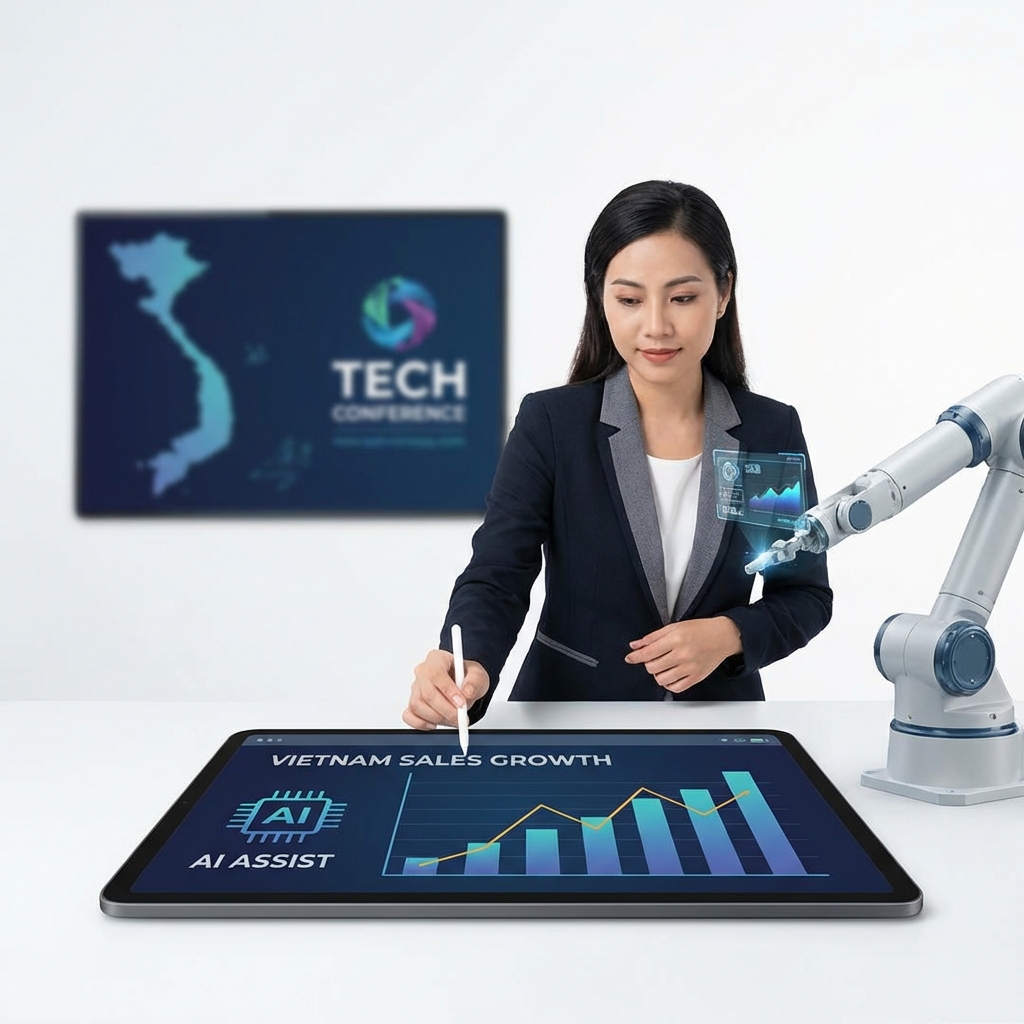
1. Traditional Sales Challenges in the Vietnamese Market
The Vietnamese sales field has historically been shaped by several distinct characteristics and challenges. Firstly, it’s a deeply relationship-driven market, where trust and personal connections often supersede product features or pricing alone. This necessitates a significant investment in face-to-face interactions and networking, which can be time-consuming and resource-intensive for sales teams. Secondly, the market is incredibly diverse, with varying consumer behaviors and purchasing power across different regions, from bustling metropolises to rural areas, making a “one-size-fits-all” sales strategy ineffective. Vietnamese sales challenges often include fragmented data, leading to inefficient lead generation and a lack of personalized outreach. Manual tracking, inconsistent follow-ups, and limited data-driven insights are common, hindering scalability and productivity. Furthermore, intense competition across various sectors means businesses must constantly innovate to capture and retain customer attention. Addressing these ingrained challenges requires a shift towards more streamlined, data-backed, and customer-centric approaches, a trend accelerated by the nation’s broader digital transformation in Vietnam, which is rapidly expanding its digital economy.
2. Early Adoption of AI Tools by Vietnamese Businesses
Despite the traditional backdrop, a growing number of Vietnamese businesses are recognizing the imperative of digital transformation and are taking initial steps towards integrating AI. This AI in Vietnam sales journey often begins with foundational tools designed to automate routine tasks and enhance customer service. Early AI agent adoption Vietnam manifests in the form of chatbots on websites and social media platforms, handling frequently asked questions and basic inquiries to improve response times and reduce the workload on human agents. Many companies are also adopting Customer Relationship Management (CRM) systems with integrated AI functionalities for sales forecasting, lead scoring, and customer segmentation. Data analytics, powered by AI, is another area of early focus, enabling businesses to derive insights from their sales data, identify trends, and make more informed decisions. These early adoptions are primarily driven by the desire for cost efficiency, improved customer experience, and the need to keep pace with global digital trends, marking the initial phases of digital transformation Vietnam sales efforts. These foundational steps, while not yet encompassing sophisticated AI agents, are crucial in building the technological infrastructure and mindset necessary for more advanced AI integration.
3. Market Readiness for Advanced AI Agent Integration
While early AI adoption is promising, the market readiness for more advanced AI agent integration in Vietnam presents a mixed picture. There’s a clear understanding of the potential benefits: hyper-personalization, intelligent lead qualification, predictive analytics for proactive engagement, and significant enhancements in sales automation Vietnam. However, several factors influence the pace of this integration. A key challenge is the availability of robust data infrastructure and clean, categorized data – the fuel for any advanced AI. Many Vietnamese businesses are still working to digitize their processes fully, making high-quality data scarce. Moreover, there’s a need for a skilled workforce capable of developing, implementing, and managing sophisticated AI solutions. Cultural nuances also play a role; the deeply personal nature of Vietnamese business relationships means AI agents must be exceptionally sophisticated to mimic human empathy and build trust effectively. Despite these hurdles, the drive for greater efficiency and competitive advantage is undeniable. As businesses witness the success of basic AI tools in improving customer engagement AI Vietnam, the appetite for more intelligent solutions grows. The future of sales in Vietnam will increasingly see AI agents evolving from support tools to strategic partners, capable of autonomously executing parts of the sales cycle, thereby reshaping the entire future of sales Vietnam AI landscape.
How AI Agents Enhance Sales Productivity and Efficiency
The modern sales landscape is more competitive than ever, especially in dynamic markets like Vietnam. To stay ahead, businesses are increasingly turning to advanced technologies. Among these, AI agents’ effect on the sales field in Vietnam is proving to be a game-changer, fundamentally reshaping how sales teams operate. By automating mundane tasks, providing unparalleled data-driven insights, and streamlining complex workflows, AI agents are not just augmenting human capabilities but significantly boosting overall sales output and operational efficiency. This transformative impact allows sales professionals to focus on strategic initiatives, relationship building, and closing deals, rather than getting bogged down by administrative burdens.
1. Automating Repetitive Tasks: Lead Qualification & Data Entry
One of the most immediate and tangible benefits of integrating AI agents into sales operations is the extensive automation of repetitive and time-consuming tasks. Sales representatives often spend a significant portion of their day on non-selling activities, from sifting through unqualified leads to manual data entry in CRM systems. AI agents excel in these areas, implementing robust sales automation that frees up valuable human capital.
For instance, in lead qualification, AI can analyze vast datasets from various sources – website visits, email engagement, social media activity, and demographic information – to identify and score leads with a high propensity to convert. This intelligent filtering ensures that sales teams only engage with the most promising prospects, dramatically improving the efficiency of the lead generation process. Similarly, AI-powered tools can automatically update customer relationship management (CRM) systems with call logs, meeting notes, and interaction summaries, eliminating the need for manual data input. This not only enhances CRM efficiency but also ensures data accuracy and consistency, providing a reliable foundation for future strategies and enabling reps to allocate more time to high-value interactions.
2. Personalized Outreach at Scale
In an era where customers expect tailored experiences, generic outreach falls flat. However, manual personalization for every single prospect is virtually impossible for a busy sales team. This is where AI agents become indispensable, enabling hyper-personalized selling at an unprecedented scale. AI can analyze individual prospect data – their industry, company size, recent interactions, expressed interests, and even their preferred communication channels – to craft highly relevant and compelling messages.
From dynamically generating personalized email subject lines and body content to suggesting optimal times for outreach based on past engagement patterns, AI ensures that every communication resonates deeply with the recipient. This level of customization fosters stronger customer engagement, builds trust, and significantly increases conversion rates. Moreover, AI can guide sales reps on the next best action for each prospect, suggesting relevant content, follow-up strategies, or specific product recommendations. By leveraging AI, businesses can maintain a personal touch with thousands of prospects simultaneously, making the sales process more efficient and effective without sacrificing the human element crucial for building lasting relationships.
3. Predictive Analytics for Sales Forecasting & Strategy
Beyond automation and personalization, AI agents provide profound capabilities in predictive analytics, transforming how sales teams forecast and strategize. By analyzing historical sales data, market trends, economic indicators, and customer behavior patterns, AI algorithms can generate remarkably accurate sales forecasts. This enhanced accuracy allows businesses to make better-informed decisions regarding resource allocation, inventory management, and strategic planning, mitigating risks and identifying growth opportunities.
AI-driven insights go beyond simple forecasting; they empower a proactive sales approach. Agents can predict which customers are at risk of churn, enabling timely intervention from sales or customer success teams. They can identify cross-selling and up-selling opportunities by analyzing purchase history and product affinity. Furthermore, AI helps sales leaders understand broader market insights, pinpointing emerging trends or shifts in customer demand in the Vietnamese market. This data-driven approach allows for the development of adaptive strategies, optimizing everything from pricing models to campaign targeting. Ultimately, predictive sales analytics, powered by AI, moves sales operations from reactive to proactive, ensuring that teams are always one step ahead in their pursuit of revenue growth and sustained success.
In conclusion, the integration of AI agents is not merely an incremental improvement but a revolutionary shift for sales productivity and efficiency. From automating repetitive tasks and enabling personalized outreach at scale to providing powerful predictive analytics for strategic decision-making, AI empowers sales teams in Vietnam and beyond to achieve new levels of performance. The tangible benefits – increased output, better conversion rates, enhanced customer satisfaction, and a more strategic sales force – underscore why AI agents are becoming an indispensable asset for any forward-thinking sales organization.
Transforming Customer Engagement with AI Agents
In today’s hyper-competitive global marketplace, businesses are constantly seeking innovative ways to not only attract but also retain customers. The advent of Artificial Intelligence (AI) has ushered in a new era of customer engagement, where AI agents are no longer a futuristic concept but a present-day reality revolutionizing how companies interact with their clientele. These intelligent systems are dramatically improving service quality, personalizing experiences at scale, and consequently, fostering stronger, more enduring client relationships. The implications of this technological shift are profound, particularly when considering how AI agent effect to sale field in vietnam, a rapidly evolving market with a tech-savvy population and growing e-commerce landscape.
AI agents, ranging from sophisticated chatbots to advanced virtual assistants, are fundamentally reshaping the customer journey from initial inquiry to post-purchase support. By automating routine tasks and providing data-driven insights, they free up human teams to focus on complex problem-solving and strategic initiatives. This paradigm shift leads to not just operational efficiencies but also significantly enhanced customer experiences, a critical differentiator in today’s crowded market. According to recent industry analyses, AI-powered customer service tools are driving significant improvements in customer satisfaction and operational efficiency across various sectors.
The strategic deployment of AI agents allows businesses to maintain a consistent, high-quality interaction standard, regardless of time or location. This capability is invaluable for businesses operating across different time zones or catering to a diverse customer base. For the sales field, specifically, AI agents represent a potent tool for increasing lead generation, optimizing conversion funnels, and ensuring customer loyalty, which directly translates to tangible growth and profitability.
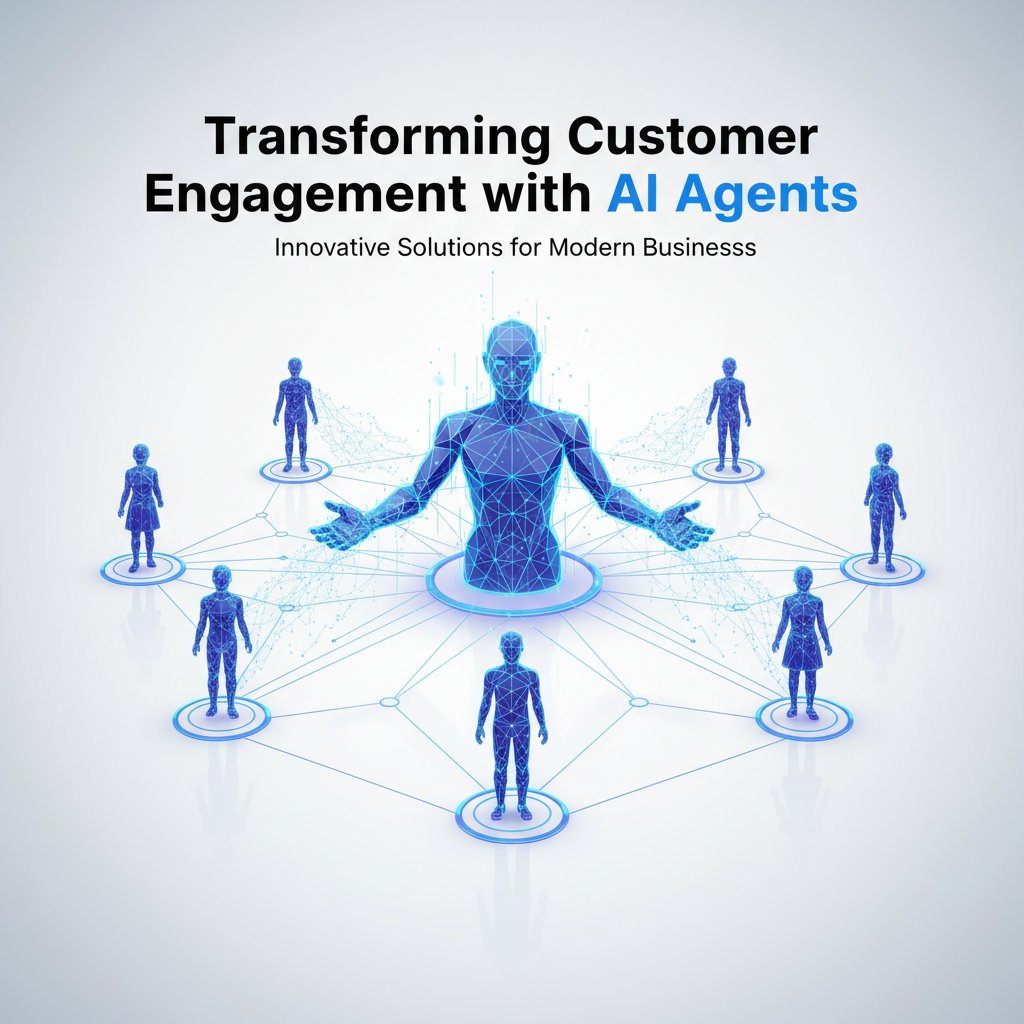
1. 24/7 Intelligent Customer Support & Chatbots
One of the most immediate and impactful applications of AI agents is in providing round-the-clock customer support. Traditional customer service models are limited by operational hours and human resource availability, leading to frustrating wait times and missed opportunities. AI-powered chatbots and virtual assistants, however, operate tirelessly, offering instant responses to frequently asked questions, guiding customers through processes, and resolving common issues at any hour of the day or night. This 24/7 availability significantly boosts customer satisfaction, particularly for Vietnamese businesses serving a global clientele or catering to customers with varying schedules.
These intelligent systems are equipped to understand natural language, making interactions feel more human-like and less robotic. They can triage requests, escalate complex queries to human agents when necessary, and even provide proactive support, anticipating customer needs based on historical data. By handling a large volume of routine inquiries, AI agents free up human customer service representatives to focus on more intricate problems that require empathy, negotiation, or nuanced understanding, thereby optimizing resource allocation and improving the overall efficiency of the support team.
2. Personalized Product Recommendations & Upselling
AI agents excel at data analysis, a capability that is immensely valuable in personalizing the customer experience and driving sales. By analyzing browsing history, past purchases, preferences, and even real-time interaction data, AI can generate highly accurate and personalized product recommendations. This goes beyond simple suggestions; AI can understand customer intent and context to offer truly relevant products or services, significantly increasing the likelihood of conversion.
Furthermore, AI agents are powerful tools for upselling and cross-selling. During a customer’s interaction, an AI agent can dynamically suggest complementary products or premium upgrades based on the customer’s profile and current engagement. This proactive approach not only enhances the customer’s perceived value and relevance but also boosts the average transaction value for businesses. In the vibrant e-commerce landscape of Vietnam, where consumers are increasingly seeking tailored experiences, this level of personalization is a crucial differentiator that can lead to higher customer engagement and repeat business.
3. Streamlining Post-Sales Follow-ups and Feedback Collection
The customer journey doesn’t end with a purchase; post-sales engagement is critical for building loyalty and gathering valuable insights. AI agents can automate and streamline various post-sales activities, ensuring customers feel supported and valued long after their transaction. This includes automated follow-up messages to check on product satisfaction, reminders for warranty registration, or offers for related services.
Moreover, AI is invaluable for efficient feedback collection. Instead of generic surveys, AI agents can engage customers in more interactive and conversational feedback sessions. They can ask targeted questions based on the customer’s specific purchase or service experience, analyze sentiment from open-ended responses, and quickly identify common pain points or areas for improvement. This real-time, data-driven feedback loop empowers businesses to rapidly adapt their offerings, enhance product development, and refine their service strategies, thereby cultivating a continuously improving customer experience and strengthening client relationships over time. For the sales field, understanding post-purchase satisfaction is key to fostering loyalty and driving future sales through referrals and repeat purchases.
Challenges and Ethical Considerations in AI Sales Adoption
As artificial intelligence continues to reshape industries globally, its integration into the sales field presents both unprecedented opportunities and complex challenges. While AI agents promise enhanced efficiency, personalized customer experiences, and predictive analytics, their adoption necessitates careful consideration of potential hurdles, particularly in dynamic markets like Vietnam. Understanding how AI agent effect to sale field in Vietnam involves navigating not just technological integration but also profound ethical and operational shifts. Responsible AI implementation and thoughtful strategy are crucial for successful AI sales adoption.
1. Data Privacy and Security Concerns
The core of AI’s power in sales lies in its ability to process vast amounts of data – customer preferences, purchasing histories, behavioral patterns, and personal information. This reliance on data, however, brings significant responsibilities regarding privacy and security. Businesses deploying AI agents in sales must grapple with ensuring compliance with evolving data protection regulations, both international and local. Safeguarding sensitive customer data from breaches, unauthorized access, and misuse becomes paramount. Ethical AI in sales demands robust encryption protocols, anonymization techniques, and transparent data usage policies. A major concern is how AI algorithms are trained and whether the data used is ethically sourced and representative, avoiding biases that could lead to discriminatory practices. Companies must invest heavily in cybersecurity infrastructure and ensure their AI systems are not only efficient but also impervious to threats. As the World Economic Forum highlights, safeguarding data privacy and security in AI systems is not just a technical challenge but a fundamental ethical imperative for trust and acceptance. Ensuring AI doesn’t compromise data privacy and security requires continuous vigilance and adherence to best practices.
2. Skill Gaps and Workforce Adaptation
The advent of AI-driven sales strategies inevitably leads to questions about the future of the human sales force. While AI agents can automate routine tasks like lead qualification, initial outreach, and data entry, they also create a demand for new skills. Sales professionals will need to adapt from being mere order-takers or information providers to strategic advisors who can leverage AI insights, interpret complex data, and manage sophisticated customer relationships. This shift signifies a major sales workforce transformation, necessitating significant investment in reskilling and upskilling programs. The challenge isn’t just about training employees to use new tools but also about cultivating uniquely human capabilities such as emotional intelligence, creativity, critical thinking, and complex problem-solving – areas where AI currently falls short. Addressing these skill gaps proactively is vital to prevent job displacement and empower employees to thrive in a hybrid human-AI environment. Companies must foster a culture of continuous learning and embrace human-AI collaboration to ensure their teams are equipped for the future of sales.
3. Maintaining the Human Touch in Sales Interactions
Despite AI’s capabilities, the human element remains irreplaceable in many aspects of sales, particularly in high-value, complex, or relationship-driven transactions. The ability to build genuine rapport, empathize with customer needs, engage in nuanced negotiation, and foster long-term trust often requires a human touch that AI agents, no matter how advanced, struggle to replicate fully. Over-reliance on automation can lead to a depersonalized customer experience, alienating clients who value direct interaction and tailored solutions. The ethical dilemma here lies in finding the right balance: where does AI augment human effort, and where should human interaction remain primary? Companies must consciously design their AI-driven sales strategies to ensure AI acts as a powerful support tool rather than a complete replacement for human engagement. This means using AI for data analysis, lead scoring, and preliminary communications, allowing human sales professionals to focus on relationship building, strategic problem-solving, and closing intricate deals. The goal should be to create a seamless customer journey that combines AI’s efficiency with the irreplaceable warmth and intelligence of human connection, ensuring responsible AI implementation does not compromise the essence of sales.
The Future of Sales in Vietnam: AI Agents by 2026
The Vietnamese economic landscape is characterized by rapid digitalization and a youthful, tech-savvy population. As businesses increasingly embrace cutting-edge technologies, Artificial Intelligence (AI) agents are poised to revolutionize the sales sector, transforming how AI agent effect to sale field in vietnam by 2026 and beyond. This isn’t merely an incremental change; it’s a fundamental shift that promises unparalleled efficiency, hyper-personalization, and strategic advantages for early adopters. The integration of AI in sales Vietnam will redefine customer interactions, streamline operational workflows, and elevate the role of sales professionals, ushering in an era of intelligent, data-driven selling. Businesses that proactively adapt to this sales transformation Vietnam will not only survive but thrive in an increasingly competitive global market.
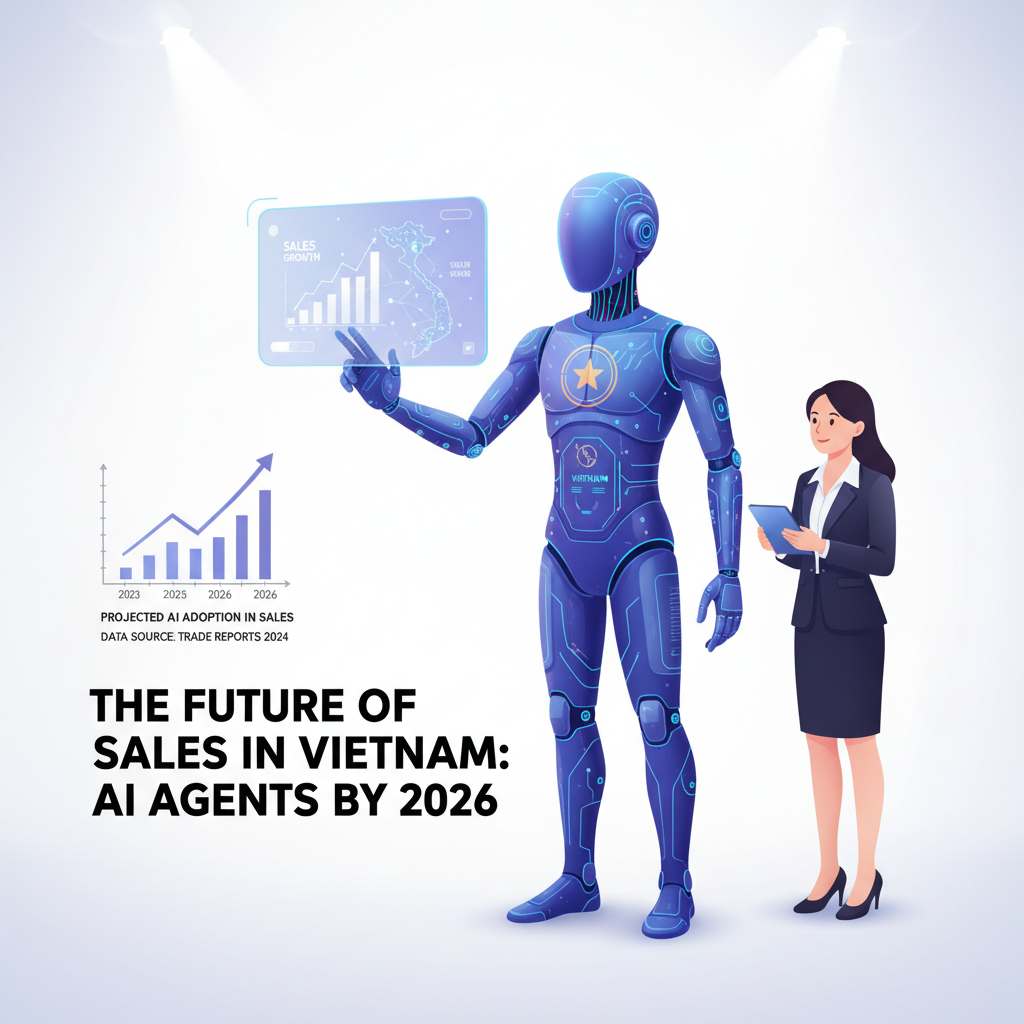
1. Integrated AI Ecosystems for Seamless Sales Operations
By 2026, the Vietnamese sales environment will witness the emergence of sophisticated, integrated AI ecosystems that orchestrate nearly every facet of the sales cycle. These systems will move beyond simple chatbots, evolving into intelligent agents capable of predictive analytics, lead scoring, dynamic pricing, and even autonomous contract generation. Imagine AI-powered sales strategies that analyze vast datasets—customer demographics, purchasing history, market trends, and even social media sentiment—to identify high-potential leads with remarkable accuracy. These AI agents will automate repetitive administrative tasks, from data entry to scheduling follow-ups, freeing up human sales teams to focus on relationship building and complex negotiations. This comprehensive integration promises a significant boost in sales productivity AI, reducing operational costs and accelerating conversion rates. For companies navigating digital transformation Vietnam sales, adopting these unified AI platforms will be crucial for maintaining agility and responsiveness in a fast-paced market.
2. Upskilling Sales Professionals for AI Collaboration
The advent of AI agents does not spell the end of human sales professionals; rather, it heralds an evolution of their role. The future of sales jobs Vietnam will be characterized by a collaborative dynamic between humans and AI. Sales teams will transition from being primarily data gatherers and lead qualifiers to strategic advisors, relationship managers, and AI orchestrators. The emphasis will shift towards emotional intelligence, complex problem-solving, and consultative selling skills—areas where human intuition and empathy remain irreplaceable. To facilitate this, businesses must invest heavily in upskilling sales force Vietnam, equipping them with the knowledge to leverage AI tools effectively. Training programs will focus on understanding AI outputs, interpreting predictive models, and using AI insights to craft more compelling pitches and build stronger customer relationships. This partnership ensures that while AI handles the analytical heavy lifting and routine tasks, human sales professionals can focus on delivering exceptional customer experiences and fostering long-term loyalty.
3. Competitive Advantage for Early Adopters in Vietnam
The race to integrate AI into sales operations will be fiercely competitive, and early adopters in Vietnam stand to gain a substantial advantage. Businesses that proactively implement AI-driven sales strategies will quickly differentiate themselves by offering superior customer experiences, streamlined purchasing processes, and highly personalized interactions. These pioneers will enjoy higher efficiency, deeper market penetration, and a more robust pipeline, positioning them as market leaders. As reported by Forbes, the future of sales is inextricably linked with AI, underscoring the urgency for businesses to adapt. This proactive approach will allow them to capture market share, optimize resource allocation, and build a resilient sales infrastructure. Conversely, those that delay risk being outmaneuvered by more agile competitors who have harnessed AI’s power to understand customer needs better, respond faster, and personalize offers more effectively. The strategic implementation of AI is not just about staying relevant; it’s about shaping the sales landscape of tomorrow in Vietnam.
In conclusion, the integration of AI agents into the Vietnamese sales field by 2026 marks a pivotal moment. It promises a future where sales are more intelligent, efficient, and customer-centric than ever before. While technological advancements will drive this transformation, the evolving role of skilled sales professionals collaborating with AI will be the ultimate determinant of success. Embracing this shift will unlock unprecedented opportunities for growth and redefine the meaning of competitive advantage in Vietnam’s dynamic market.
Partner with Shelby Global
You are looking for reliable HR Sevice Suppliers? Contact Shelby Global Now! To connect with verified talents and upgrade your orginization.
—————————————
References
– Vietnam’s Digital Economy Expected to Reach $49 Billion by 2025: https://www.vietnambriefing.com/news/vietnams-digital-economy-expected-reach-49-billion-2025.html
– McKinsey & Company: AI-Powered Sales: https://www.mckinsey.com/capabilities/growth-marketing-and-sales/our-insights/ai-powered-sales-the-next-frontier-in-revenue-growth
– What is AI in Customer Service? Definition, Benefits, and Examples: https://www.salesforce.com/news/stories/what-is-ai-in-customer-service/
– How to make sure AI doesn’t compromise data privacy and security: https://www.weforum.org/agenda/2021/01/data-privacy-security-ai-artificial-intelligence-ethics/
– Forbes: The Future of Sales: How AI Is Changing The Game: https://www.forbes.com/sites/forbescommunicationscouncil/2023/07/20/the-future-of-sales-how-ai-is-changing-the-game/?sh=12e0f8f9495f