The Rise of AI Agents in Vietnamese E-commerce
Vietnam’s vibrant e-commerce sector is undergoing a profound transformation, driven by rapid technological advancements. At the forefront of this evolution are AI agents – sophisticated software entities designed to automate tasks, analyze data, and interact with users intelligently. Their growing presence is reshaping customer experiences, optimizing operations, and creating new competitive advantages for online retailers across the nation. This burgeoning trend signifies a pivotal shift in how AI agent effect to Ecommerce field in vietnam, promising enhanced efficiency and unprecedented personalization.
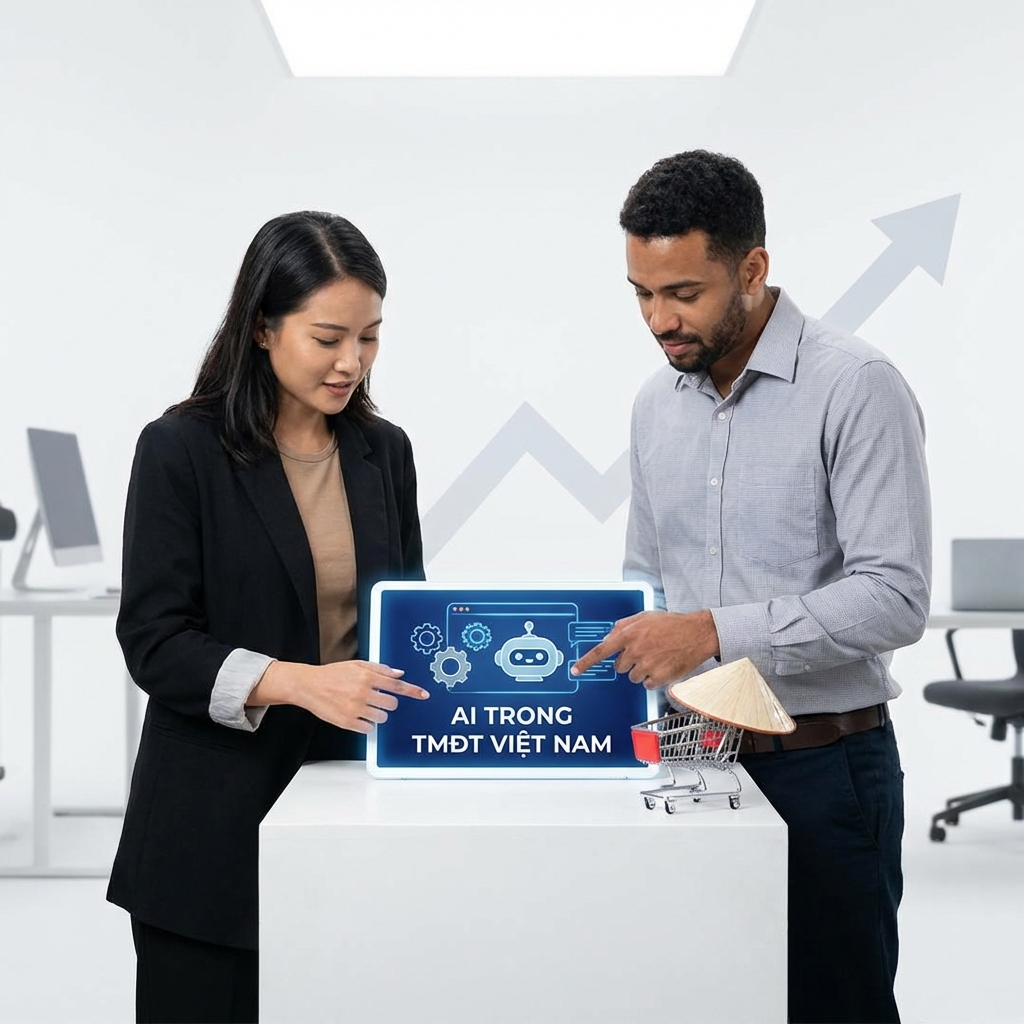
1. Defining AI Agents in an E-commerce Context
In e-commerce, AI agents are not merely chatbots; they encompass a broader spectrum of intelligent systems operating across various touchpoints. These autonomous or semi-autonomous programs leverage machine learning, natural language processing (NLP), and data analytics to perform specific functions. Their roles range from enhancing customer interactions to streamlining back-end logistics. Examples include intelligent chatbots that provide instant customer support and answer FAQs, recommendation engines that personalize product suggestions based on browsing history and purchase patterns, and dynamic pricing algorithms that adjust prices in real-time based on demand, competitor activity, and inventory levels.
Beyond customer-facing roles, AI agents also excel in operational tasks. They can monitor inventory levels, predict demand fluctuations, automate order fulfillment processes, and even detect fraudulent transactions. By processing vast amounts of data at speeds impossible for humans, these agents provide invaluable insights, enabling businesses to make data-driven decisions that improve efficiency, reduce costs, and ultimately boost customer satisfaction. This comprehensive utility underscores the significant impact of how AI agent effect to Ecommerce field in vietnam, pushing the boundaries of what’s possible in online retail.
2. Key Drivers for AI Adoption in Vietnam
Several factors are fueling the rapid adoption of AI agents in Vietnam’s e-commerce landscape. Firstly, Vietnam boasts a young, digitally-native population with high internet and smartphone penetration, creating a fertile ground for online shopping and tech adoption. Consumers increasingly expect seamless, personalized, and efficient services, a demand perfectly addressed by AI technologies. Secondly, the highly competitive nature of Vietnam’s e-commerce market, dominated by both local giants and international players, compels businesses to innovate constantly. AI agents offer a crucial differentiator, allowing companies to optimize operations, personalize customer journeys, and maintain a competitive edge.
Furthermore, government initiatives promoting digital transformation and Industry 4.0 technologies have created a supportive ecosystem for AI development and deployment. Investments in digital infrastructure and a growing pool of tech talent also contribute to this upward trend. The need for scalability in customer service, especially during peak shopping seasons, is another significant driver. AI agents can handle a massive volume of inquiries simultaneously, ensuring consistent service quality without the exponential increase in human resources. This confluence of consumer demand, market competition, and a supportive technological environment clarifies how AI agent effect to Ecommerce field in vietnam by providing tangible benefits to businesses and consumers alike.
3. Current Landscape: Early Adopters and Pilot Programs
While still in relatively early stages compared to some global markets, the current landscape of AI agent adoption in Vietnamese e-commerce is marked by promising early successes and widespread pilot programs. Leading e-commerce platforms and major retailers are actively integrating AI-powered solutions into their operations. Customer service chatbots are becoming increasingly common, handling initial customer inquiries, guiding users through purchases, and resolving common issues, thereby freeing human agents to focus on more complex cases. Personalized recommendation engines are now standard features, significantly improving conversion rates by presenting relevant products to shoppers. According to PwC’s Vietnam Digital Economy Report 2023, the digital economy continues its robust growth, creating an imperative for businesses to leverage technologies like AI.
Beyond customer interaction, Vietnamese logistics companies are experimenting with AI agents to optimize delivery routes, manage warehouse inventories, and even predict potential supply chain disruptions. Fashion and beauty retailers are exploring virtual try-on solutions powered by AI, enhancing the online shopping experience. While challenges remain, such as data privacy concerns, the need for robust integration frameworks, and the development of local AI talent, the momentum is undeniable. These early adoptions are setting precedents and demonstrating the tangible value AI agents bring, paving the way for broader implementation and solidifying how AI agent effect to Ecommerce field in vietnam by establishing new benchmarks for efficiency and customer engagement.
Revolutionizing Customer Experience (CX) with AI
The digital landscape of e-commerce is rapidly evolving, and at its forefront is Artificial Intelligence (AI), transforming how businesses interact with their customers. In Vietnam, a burgeoning market with a tech-savvy population, the integration of AI agents is not just an enhancement but a strategic imperative for companies striving to stay competitive. Understanding How AI agent effect to Ecommerce field in Vietnam reveals a paradigm shift towards more efficient, personalized, and proactive customer engagement. AI-powered solutions are empowering businesses to create memorable customer journeys, optimize support operations, and ultimately drive loyalty and sales in this dynamic market.
1. Hyper-Personalization for Vietnamese Consumers
In a diverse market like Vietnam, generic approaches to customer experience often fall short. AI agents are revolutionizing this by enabling unprecedented levels of hyper-personalization. By analyzing vast datasets, including browsing history, purchase patterns, demographic information, and real-time interactions, AI can create highly individualized profiles for each customer. This allows e-commerce platforms to offer bespoke product recommendations, tailored promotions, and customized content that resonates deeply with Vietnamese consumers’ unique preferences and cultural nuances. This personalized shopping experience Vietnam fosters a stronger connection between brands and their audience, moving beyond simple transactions to building lasting relationships.
For instance, an AI system might identify that a customer frequently browses local fashion trends or specific regional products. It can then proactively suggest new arrivals or related items that align perfectly with their tastes, significantly enhancing the likelihood of conversion. This deep understanding, facilitated by AI in Vietnamese e-commerce, is crucial for capturing attention and loyalty in a crowded digital marketplace, making every interaction feel unique and relevant.
2. 24/7 Multilingual Customer Support Bots
Customer support is a critical touchpoint in the e-commerce journey, and AI is dramatically improving its efficiency and accessibility. AI-powered customer service Vietnam is spearheaded by intelligent chatbots that provide instant, round-the-clock assistance. These e-commerce chatbots Vietnam are adept at handling a wide array of common inquiries, from order tracking and product information to FAQ resolution, freeing up human agents to focus on more complex, high-value issues.
Crucially for Vietnam’s diverse linguistic landscape, these bots are often multilingual, capable of communicating seamlessly in Vietnamese and other languages. This 24/7 customer support ensures that customers receive immediate help regardless of time zones or language barriers, significantly reducing wait times and improving customer satisfaction. The impact of AI on customer experience is profound, as evidenced by reports showing that AI-powered customer service drives greater efficiency and customer satisfaction, allowing businesses to scale their support operations without a proportionate increase in human resources, thereby optimizing omnichannel CX solutions Vietnam.
3. Predictive Analytics for Personalized Recommendations
Beyond reactive support, AI agents are proactive forces in optimizing customer experience through predictive analytics. This advanced capability allows e-commerce businesses in Vietnam to anticipate customer needs and behaviors before they even arise. By analyzing historical data and identifying trends, AI can forecast future purchasing decisions, product preferences, and even potential churn risks.
This means businesses can proactively offer highly relevant product suggestions, timely promotions, and personalized content, transforming a passive browsing experience into an actively guided one. Predictive analytics retail Vietnam empowers brands to create hyper-targeted marketing campaigns, optimize inventory management based on forecasted demand, and preemptively address potential customer pain points. This foresight not only boosts sales but also significantly enhances customer engagement AI Vietnam, fostering a sense of being understood and valued. The ability to predict and fulfill customer desires before they are explicitly articulated is a cornerstone of next-generation customer experience, driving unparalleled loyalty and repeat business in the competitive Vietnamese e-commerce sector.
Optimizing E-commerce Operations and Logistics
The e-commerce landscape in Vietnam is experiencing rapid growth, fueled by increasing internet penetration and a burgeoning digital-native consumer base. However, this expansion brings with it complex challenges, particularly in managing vast operational workflows and intricate logistics networks. This is where Artificial Intelligence (AI) agents emerge as a critical enabler, fundamentally transforming the way businesses operate. By exploring How AI agent effect to Ecommerce field in vietnam, we can see a clear path towards enhanced efficiency, reduced costs, and improved customer satisfaction across the entire value chain. AI’s role in streamlining supply chains, managing inventory, and improving the efficiency of last-mile delivery is not merely supplementary; it is revolutionary, providing a competitive edge in a dynamic market.
1. Automated Inventory Management and Forecasting
One of the most significant pain points for e-commerce businesses is inventory management. Traditional methods often lead to either overstocking, tying up capital and space, or understocking, resulting in lost sales and customer dissatisfaction. AI agents, powered by advanced machine learning algorithms, are revolutionizing this sector. They analyze historical sales data, seasonal trends, marketing campaigns, and even external factors like weather patterns or social media sentiment to provide highly accurate predictive analytics inventory forecasts. This sophisticated approach allows Vietnamese businesses to optimize stock levels dynamically, minimizing waste and maximizing product availability. AI in supply chain Vietnam ensures that warehouses are stocked with the right products at the right time, preventing stockouts during peak seasons and efficiently managing returns. This level of automation significantly boosts operational efficiency e-commerce, ensuring a seamless flow from supplier to customer and contributing to a healthier bottom line.
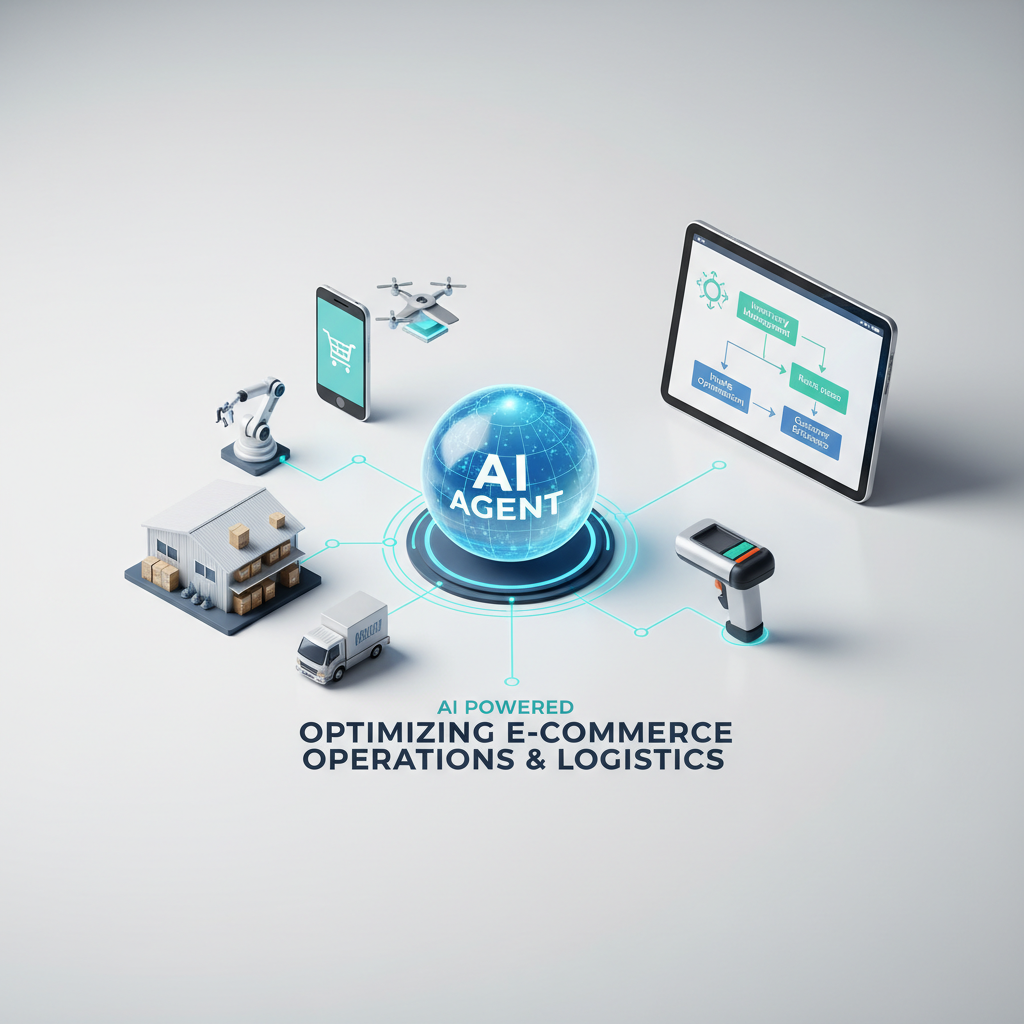
2. Route Optimization and Last-Mile Delivery Efficiency
The ‘last mile’ of delivery is often the most expensive and complex part of the supply chain, particularly in Vietnam’s diverse urban and rural environments. AI agents are instrumental in tackling these challenges through intelligent last-mile optimization AI. These systems can process vast amounts of data in real-time, including traffic conditions, weather forecasts, delivery windows, and customer locations, to generate the most efficient delivery routes. This not only reduces fuel consumption and operational costs but also significantly decreases delivery times, leading to higher customer satisfaction. For e-commerce logistics Vietnam, AI-driven route optimization means fewer delays, improved punctuality, and the ability to handle a greater volume of orders with existing resources. Beyond just routing, AI can also manage fleet allocation, schedule maintenance, and even predict potential delivery exceptions, allowing proactive interventions that streamline the entire delivery process and enhance the customer experience AI Vietnam.
3. Fraud Detection and Security Enhancements
As e-commerce transactions multiply, so does the threat of online fraud. Protecting both businesses and consumers from fraudulent activities is paramount for sustained growth and trust. AI agents excel in e-commerce fraud prevention by continuously monitoring transactional data for anomalies and suspicious patterns that human analysts might miss. These systems can learn from past fraud attempts, adapting and evolving their detection capabilities to combat new and sophisticated scams in real-time. This includes identifying unusual purchasing behaviors, IP address discrepancies, or rapid successive transactions from a single account. The implementation of AI in security fortifies the e-commerce ecosystem in Vietnam, building greater confidence among consumers and merchants. By minimizing financial losses due to fraud and enhancing the overall security posture, AI agents play a crucial role in fostering a safe and reliable online shopping environment, which is vital for the long-term prosperity of the sector.
The transformative power of AI agents in optimizing e-commerce operations and logistics is undeniable. From precise inventory management and efficient last-mile delivery to robust fraud detection, AI is reshaping the industry. Businesses in Vietnam that embrace these AI-driven solutions will be well-positioned to capitalize on the market’s growth, deliver superior customer experiences, and achieve sustainable competitive advantages, as highlighted by extensive research into AI’s transformative impact on supply chains globally. The integration of AI agents is not just about technology; it’s about building a smarter, more resilient, and more responsive e-commerce future in Vietnam.
Boosting Sales and Marketing Strategies
In the rapidly evolving landscape of Vietnamese e-commerce, leveraging cutting-edge technology is no longer an option but a necessity. Artificial Intelligence (AI) agents are emerging as powerful tools, fundamentally reshaping how businesses approach sales and marketing. By providing unparalleled insights into consumer behavior, market dynamics, and operational efficiencies, AI agents contribute significantly to improved sales conversions, more targeted marketing campaigns, and sophisticated competitive analysis within the dynamic Vietnamese market. This section delves into the specifics of how AI is revolutionizing the e-commerce field in Vietnam, offering businesses a distinct competitive edge.
1. AI-Powered Dynamic Pricing Strategies
One of the most immediate and impactful applications of AI agents in the Vietnamese e-commerce sector is in dynamic pricing. Traditionally, pricing has been a static or manually adjusted process, often slow to react to market shifts. However, AI-powered systems can analyze vast quantities of real-time data, including competitor pricing, product demand, inventory levels, customer purchasing history, and even external factors like weather or holidays. For businesses operating in Vietnam, this means the ability to instantly adjust prices to maximize revenue and conversion rates. For instance, an AI agent can detect a surge in demand for a specific product during a local festival and incrementally increase its price, or conversely, reduce prices for slow-moving inventory to stimulate sales and minimize holding costs. This granular control over pricing not only optimizes profitability but also ensures that products remain competitively positioned, capturing consumer interest and driving sales in a volatile market. The agility offered by AI in pricing strategies is crucial for local businesses to adapt quickly to diverse regional preferences and economic conditions across Vietnam.
2. Targeted Advertising and Campaign Optimization
Beyond pricing, AI agents are transforming marketing efforts by enabling hyper-personalization and intelligent campaign optimization. In the competitive Vietnamese e-commerce space, a one-size-fits-all marketing approach is increasingly ineffective. AI algorithms can analyze extensive customer data – browsing history, purchase patterns, demographic information, and social media interactions – to create highly accurate customer segments. This allows businesses to craft marketing messages and product recommendations that resonate deeply with individual consumers. For example, an AI agent can identify a customer interested in sustainable fashion and then deliver targeted ads for eco-friendly clothing lines, significantly increasing the likelihood of conversion. Furthermore, AI agents excel at optimizing advertising campaigns in real-time. They can predict which channels (e.g., Facebook, Zalo, Google Ads) will yield the best ROI for specific ad sets, automatically adjust bidding strategies, and even optimize ad creative based on performance metrics. This ensures that marketing budgets are spent more efficiently, reducing wasted ad spend and boosting the effectiveness of campaigns aimed at Vietnamese consumers. The precision of AI in targeting and optimization is a game-changer for businesses seeking to maximize their marketing impact.
3. Competitor Analysis and Market Trend Prediction
To truly gain a competitive edge in Vietnam’s bustling e-commerce market, businesses need more than just internal data; they need to understand the broader market landscape. This is where AI agents become indispensable for competitor analysis and market trend prediction. AI systems can continuously monitor competitors’ websites, social media, pricing strategies, promotional campaigns, and product launches, providing real-time intelligence. For example, an AI agent can alert a business when a competitor introduces a new product at a lower price point or launches a highly effective marketing campaign, allowing for rapid strategic responses. Moreover, AI’s ability to process vast amounts of unstructured data from news, social media, and search trends allows it to predict emerging market trends and consumer preferences well before they become mainstream. This foresight is invaluable for product development, inventory planning, and strategic positioning. Understanding the How AI agent effect to Ecommerce field in Vietnam by analyzing competitors and predicting trends enables businesses to proactively adapt their offerings, pricing, and marketing efforts, ensuring they stay ahead of the curve and capitalize on new opportunities in this vibrant market. This proactive approach, powered by AI’s transformative power in e-commerce, is critical for sustained growth and dominance.
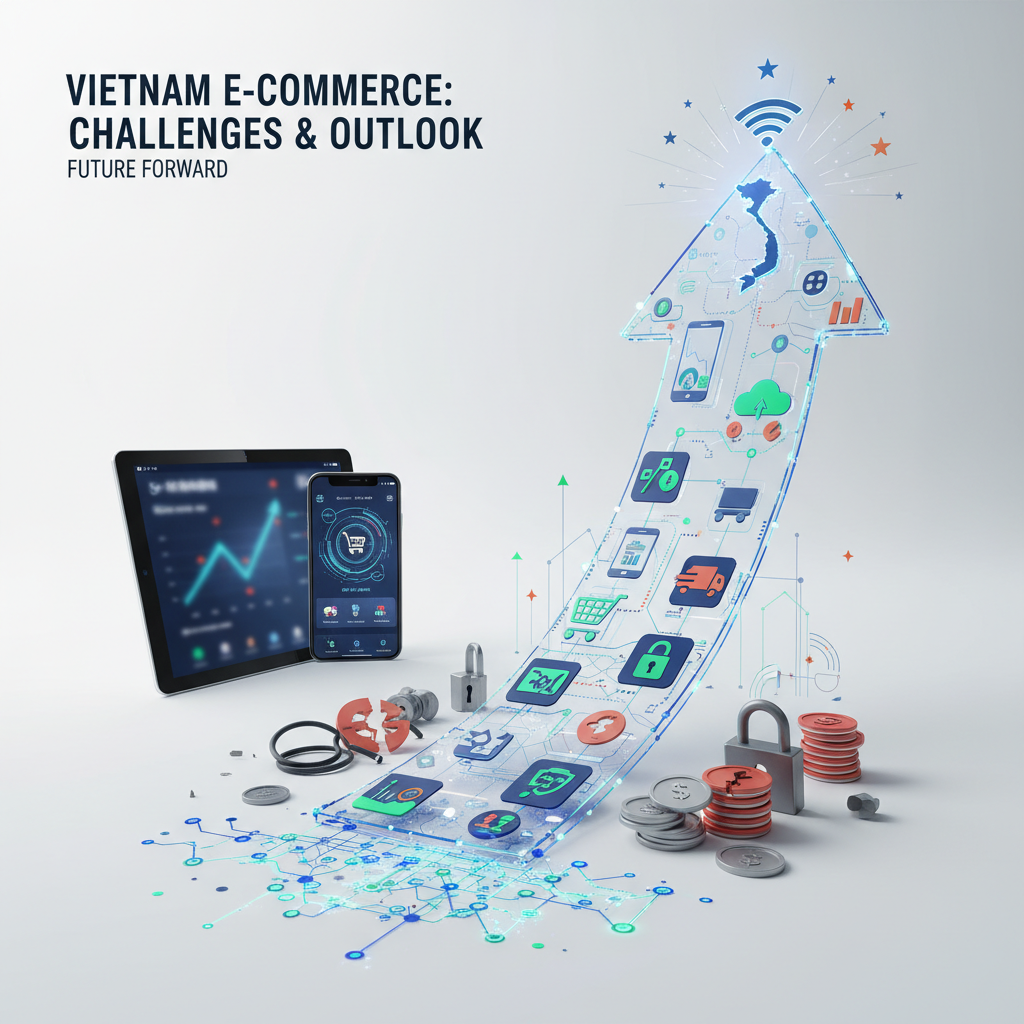
Challenges and Future Outlook for Vietnam’s E-commerce
Vietnam’s e-commerce sector is experiencing unprecedented growth, fueled by a young, digitally native population and increasing internet penetration. As businesses strive to enhance customer experiences, streamline operations, and gain competitive advantages, the integration of Artificial Intelligence (AI) agents is becoming indispensable. However, the path to widespread How AI agent effect to Ecommerce field in vietnam is fraught with a unique set of challenges. Understanding these hurdles and proactively addressing them will be crucial for sustainable growth and for local businesses to thrive by 2026, navigating the complex landscape of AI adoption challenges in a rapidly evolving digital economy.
1. Data Privacy and Security Concerns
The increasing reliance on AI-driven personalization in e-commerce necessitates the collection and processing of vast amounts of consumer data. While this data fuels intelligent recommendations, optimized pricing, and tailored marketing campaigns, it simultaneously raises significant data privacy and security concerns. For Vietnamese e-commerce platforms, safeguarding sensitive customer information is paramount to building and maintaining consumer trust. The potential for data breaches, identity theft, and the misuse of personal data presents a formidable challenge to data security in e-commerce. Developing robust cybersecurity frameworks, implementing advanced encryption techniques, and adhering to international best practices for consumer data protection are critical steps. Without strong safeguards, the promise of AI-powered efficiency could be undermined by severe reputational damage and regulatory penalties. The challenge isn’t merely technical; it also involves educating both businesses and consumers on responsible data handling and the inherent risks of a data-rich environment. Ensuring transparency in data usage policies will be key to fostering a secure and trustworthy digital marketplace and protecting consumer rights within AI-driven platforms.
2. Skill Gaps and Workforce Adaptation
The rapid evolution of AI technology creates a significant demand for specialized skills that are currently in short supply within Vietnam. The country faces an AI talent scarcity, particularly in areas such as machine learning engineering, data science, AI ethics, and advanced analytics. This AI skill gap in Vietnam poses a substantial hurdle for local businesses looking to integrate sophisticated AI agents into their operations. Beyond specialized roles, there is also a need for broad workforce adaptation. Employees across various functions, from customer service and logistics to marketing and IT, must acquire new digital literacy skills to effectively interact with and leverage AI tools. Upskilling and reskilling initiatives are vital to ensure that the existing workforce can evolve alongside technological advancements, rather than being displaced. Small and medium-sized enterprises (SMEs), which form the backbone of Vietnam’s economy, are particularly vulnerable due to limited resources for training and attracting top AI talent. Addressing this requires collaborative efforts between educational institutions, government bodies, and private companies to develop comprehensive training programs, foster a culture of continuous learning, and promote STEM education to build a future-ready workforce capable of harnessing AI’s full potential.
3. Regulatory Frameworks and Ethical AI Use
As AI adoption accelerates, the absence of comprehensive regulatory frameworks for ethical AI use in Vietnam becomes a pressing concern. Establishing clear guidelines for AI governance, algorithmic transparency, accountability, and fairness is essential to prevent potential harms. Without such frameworks, there is a risk of AI systems perpetuating biases, making discriminatory decisions, or operating without adequate human oversight. The challenge lies in developing regulations that can keep pace with technological innovation without stifling it. Policy makers need to strike a delicate balance, promoting responsible AI development while enabling businesses to innovate. Ethical AI guidelines should address issues such as data provenance, algorithmic bias detection and mitigation, intellectual property rights for AI-generated content, and consumer rights protection in AI-driven interactions. Furthermore, establishing clear responsibilities for the outcomes of AI agents will be crucial. By proactively developing thoughtful and adaptive regulatory challenges for AI, Vietnam can foster an environment where AI flourishes responsibly, ensuring trust among consumers and providing a level playing field for businesses. This forward-looking approach is vital for the long-term sustainability and societal acceptance of ethical AI in retail and across the broader e-commerce landscape.
By 2026, the long-term impact of AI on local businesses in Vietnam’s e-commerce sector will largely depend on how effectively these challenges are navigated. Businesses that proactively invest in cybersecurity, workforce development, and ethical AI practices will gain a significant competitive edge. AI agents promise unparalleled efficiency, hyper-personalization, and new avenues for customer engagement, transforming how products are marketed, sold, and delivered. However, those unable to adapt or unwilling to address the underlying challenges risk falling behind. The digital divide could widen, creating further disparities between large enterprises with resources and smaller businesses struggling with adoption costs and skill gaps. The collective effort of government, industry, and academia is critical to fostering an ecosystem where AI can be deployed safely and equitably. Embracing these technologies while mitigating their risks will determine not just the future of Vietnam e-commerce, but also the broader economic landscape and how AI agent effect to Ecommerce field in vietnam in the coming years. Ultimately, strategic foresight and collaborative action will be the cornerstones of Vietnam’s successful journey into an AI-powered e-commerce future.
Partner with Shelby Global
You are looking for reliable HR Sevice Suppliers? Contact Shelby Global Now! To connect with verified talents and upgrade your orginization.
—————————————
References
– :
– Salesforce on AI Customer Service Trends: https://www.salesforce.com/news/stories/ai-customer-service-trends/
– The next-generation operating model for supply chain: https://www.mckinsey.com/capabilities/operations/our-insights/the-next-generation-operating-model-for-supply-chain
– The Impact Of AI On E-Commerce And What It Means For The Future Of Retail: https://www.forbes.com/sites/forbesagencycouncil/2023/04/24/the-impact-of-ai-on-ecommerce-and-what-it-means-for-the-future-of-retail/
– PwC: Generative AI in Southeast Asia: Driving the Next Wave of Growth: https://www.pwc.com/sg/en/press-releases/2023/generative-ai-in-southeast-asia-driving-the-next-wave-of-growth.html