
The Current Landscape of AI in Vietnamese Education
Overview of AI adoption status, existing challenges, and opportunities for education companies in Vietnam, setting the stage for future impact. The rapid evolution of Artificial Intelligence (AI) is reshaping industries globally, and education in Vietnam is no exception. As Vietnam continues its journey towards a knowledge-based economy, the integration of AI within its educational framework is not just an aspiration but a strategic imperative. Understanding How AI agent effect to education companies in vietnam is crucial for stakeholders looking to innovate and stay competitive in this dynamic market. From optimizing administrative efficiency to revolutionizing pedagogical approaches, AI agents hold the potential to transform learning experiences, making them more personalized, engaging, and effective for millions of students across the nation. This section delves into the current state of AI adoption, highlights the existing challenges, and uncovers the vast opportunities awaiting education technology companies.

1. Existing EdTech solutions and AI integration
Vietnam’s EdTech sector has witnessed significant growth over the past decade, driven by increasing internet penetration and a tech-savvy youth demographic. While many existing EdTech solutions primarily focus on digital content delivery and online learning platforms, the integration of AI is steadily gaining traction. Currently, AI’s footprint can be observed in various forms: intelligent tutoring systems that adapt to individual student paces, sophisticated language learning applications providing real-time feedback, and automated grading tools reducing teacher workload. Companies are leveraging AI to enable personalized learning pathways, catering to diverse learning styles and academic needs. For instance, AI agents are increasingly used for creating adaptive assessments and recommending tailored educational content creation based on student performance data. This not only enhances engagement but also provides valuable data analytics in education for both educators and parents. Furthermore, AI-powered chatbots are improving student support services, offering instant answers to queries and guiding learners through their academic journey. The potential for AI to elevate the effectiveness of existing EdTech offerings and create entirely new pedagogical tools is immense, promising a more efficient and impactful learning environment.
2. Government initiatives and digital transformation goals
The Vietnamese government has demonstrated a strong commitment to digital transformation, identifying education as a key sector for this revolution. The “National Digital Transformation Program to 2025, with a vision to 2030” explicitly outlines goals for digitalizing education, emphasizing the application of advanced technologies, including AI, to improve teaching and learning quality. Initiatives are underway to enhance digital literacy among students and educators alike, preparing them for a future economy driven by technology. There’s a clear push for teacher professional development in digital skills, ensuring that educators are equipped to leverage AI tools effectively in their classrooms. These ambitious policy frameworks create a fertile ground for education companies, providing regulatory support and incentives for developing AI-driven solutions. Investments in digital infrastructure, coupled with directives for integrating technology into curricula, signal a strong governmental intent to modernize the education system. This proactive stance not only encourages innovation but also opens up significant market opportunities for companies specializing in AI agents for education, allowing them to align their offerings with national strategic priorities. The World Bank also highlights Vietnam’s progress and potential in its digital economy agenda, underscoring the broader context of these educational transformations. The World Bank’s support for Vietnam’s digital economy agenda provides further insights into the comprehensive approach Vietnam is taking towards digitalization.
3. Barriers to AI adoption in educational institutions
Despite the clear opportunities and governmental support, several significant barriers impede the widespread adoption of AI in Vietnamese educational institutions. Foremost among these is the issue of infrastructure. While urban areas boast robust internet connectivity, many rural and remote regions still lack adequate access and the necessary hardware to support advanced AI applications. The financial investment required for high-quality AI solutions, including software licenses, hardware upgrades, and ongoing maintenance, can be prohibitive for many institutions, especially public schools operating on limited budgets. Another critical challenge is the skill gaps among educators. Many teachers lack the necessary training and familiarity with AI tools, leading to apprehension and resistance to change. Effective teacher professional development programs are essential to bridge this knowledge gap and foster a culture of technological adoption. Furthermore, concerns regarding data privacy and security are paramount. The ethical implications of collecting and using student data through AI agents necessitate robust policy frameworks and secure systems to protect sensitive information. Addressing these barriers will require a multi-faceted approach, combining strategic government funding, partnerships with private EdTech companies, and comprehensive training initiatives to ensure equitable and effective integration of AI across all levels of Vietnamese education.
In conclusion, the landscape of AI in Vietnamese education is a dynamic blend of burgeoning opportunities and discernible challenges. While existing EdTech solutions are steadily integrating AI for personalized learning and administrative efficiency, government initiatives are paving the way for a digitally transformed educational future. However, overcoming infrastructure limitations, skill gaps, and cost barriers is crucial for widespread adoption. For education companies in Vietnam, understanding How AI agent effect to education companies in vietnam translates into strategic differentiation. Those who can develop innovative, cost-effective, and ethically sound AI solutions, while also providing comprehensive support and teacher professional development, will be best positioned to contribute significantly to Vietnam’s educational advancement and secure a leading role in its evolving EdTech market.
AI Agents for Personalized Learning & Student Engagement
AI agents are poised to fundamentally reshape the landscape of education, particularly in Vietnam, by ushering in an era of truly individualized learning and unprecedented student engagement. These intelligent systems leverage advanced algorithms and machine learning to understand each student’s unique learning profile, adapting educational content and methodologies in real-time. This transformative capability holds immense promise for How AI agent effect to education companies in vietnam, offering new avenues to innovate, scale, and deliver superior educational outcomes. By moving beyond a one-size-fits-all approach, AI agents cater to diverse learning styles, paces, and preferences, fostering deeper understanding and sustained motivation across the Vietnamese student population. The integration of AI in education is a paradigm shift towards more effective, equitable, and engaging learning experiences, addressing critical needs within the country’s rapidly evolving educational sector.
1. Adaptive learning platforms and content delivery
One of the most profound impacts of AI agents lies in their ability to power highly adaptive learning platforms. These platforms utilize sophisticated AI algorithms to continuously analyze student data, including performance, engagement levels, and response times. Based on this analysis, AI agents dynamically adjust the curriculum, content difficulty, instructional methods, and resource recommendations. For instance, if a student struggles with a mathematical concept, the AI agent can automatically provide supplementary materials, alternative explanations, or tailored practice problems. Conversely, high-performing students can be presented with more challenging content to keep them engaged. This dynamic adaptation ensures each student receives an individualized learning path that maximizes their potential. In Vietnam, where educational disparities can exist, adaptive content delivery powered by AI can help bridge gaps, making high-quality, personalized learning Vietnam accessible to a broader student base. This revolutionizes how AI education solutions are deployed, ensuring content is always relevant, challenging, and supportive, directly impacting learning efficacy.
2. AI-powered tutoring and feedback systems
Beyond content adaptation, AI agents are revolutionizing the provision of tutoring and feedback. Traditional education often struggles with providing timely and personalized feedback. AI-powered tutoring systems overcome these limitations by offering instant, 24/7 support. These agents can answer student queries, explain complex concepts, guide students through problem-solving, and even engage in Socratic dialogue. Crucially, AI-powered feedback systems provide immediate, constructive, and highly specific feedback on assignments, quizzes, and even oral presentations. This instant feedback loop is vital for reinforcing correct understanding and rectifying misconceptions quickly. Students no longer wait days or weeks for feedback, enabling them to learn from mistakes faster. The scalability of AI tutor systems means every student, regardless of location in Vietnam, can access a dedicated, personalized tutor. This significantly enhances student engagement strategies by making learning a continuous, interactive process, shaping the future of education in Vietnam where every student receives tailored support.
3. Gamification and interactive learning experiences
Student engagement is paramount for effective learning, and AI agents are adept at transforming educational content into captivating, interactive experiences through gamification. By integrating game-like elements such as points, badges, and virtual rewards, AI agents make learning feel less like a chore. AI can personalize these gamified elements, tailoring them to individual student preferences and motivation triggers. Beyond simple gamification, AI agents facilitate immersive interactive learning AI experiences, including virtual reality (VR) and augmented reality (AR) simulations. Imagine students exploring ancient civilizations virtually, conducting science experiments with realistic outcomes, or practicing language skills with AI-driven avatars. These experiences foster deeper immersion, practical application, and a sense of discovery that traditional methods often lack. For gamified learning Vietnam, this means higher student motivation, improved attendance, and significantly better retention rates. Such educational technology trends Vietnam represent a significant leap towards a more dynamic and effective learning environment, preparing students for the demands of the digital age. This innovative approach to education highlights the global educational transformation through AI, fostering active participation and intrinsic motivation.
In conclusion, AI agents are set to revolutionize personalized learning and student engagement across Vietnam by offering adaptive content, intelligent tutoring, and interactive, gamified experiences. Their capacity to tailor education to individual needs promises to unlock new levels of potential for students and presents transformative opportunities for How AI agent effect to education companies in vietnam, driving innovation in edtech solutions Vietnam and leading the charge in digital learning transformation. As these technologies mature, they will play a pivotal role in shaping a more effective, equitable, and engaging educational ecosystem for the entire nation.
Operational Efficiencies and Cost Reduction for Education Companies
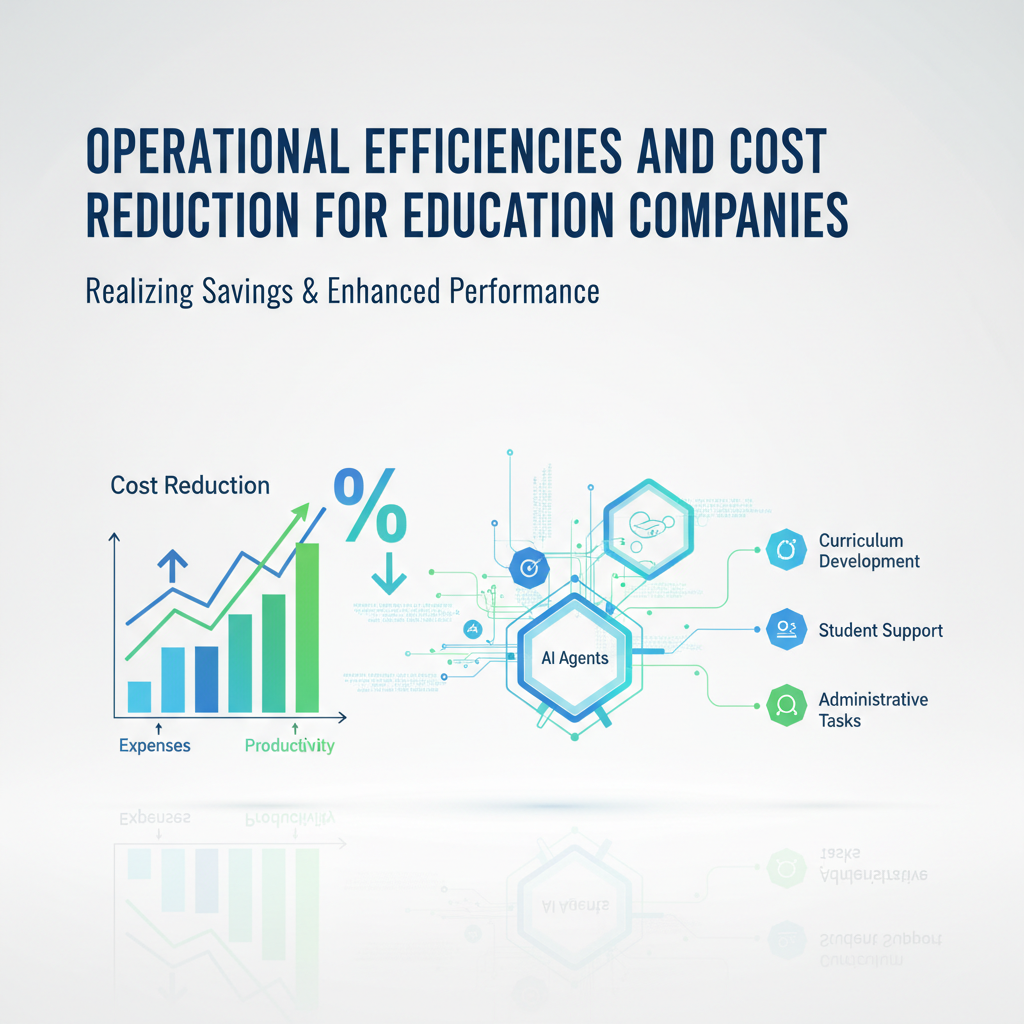
The education sector in Vietnam is experiencing rapid growth and transformation, driven by a growing demand for quality learning and the swift adoption of technology. In this dynamic landscape, education companies face the dual challenge of enhancing learning outcomes while managing operational costs effectively. This is precisely where artificial intelligence (AI) agents emerge as a game-changer. By automating repetitive tasks, providing data-driven insights, and optimizing resource allocation, AI agents offer significant avenues for How AI agent effect to education companies in Vietnam by boosting operational efficiency and achieving substantial cost reduction.
AI’s potential to revolutionize the administrative backbone of educational institutions is immense, promising not just savings but also improved service quality and focus on core educational goals. The integration of AI tools can streamline complex workflows, allowing educators and administrators to dedicate more time and resources to strategic initiatives and student-centric activities, ultimately fostering a more effective and engaging learning environment. This shift is crucial for `edtech Vietnam` to thrive and compete globally.
1. Automating Administrative and Grading Tasks
One of the most immediate and impactful applications of AI agents in education is the automation of routine administrative and grading tasks. Educators and administrative staff often spend countless hours on duties such as managing schedules, tracking attendance, handling student inquiries, and generating reports. AI-powered chatbots can serve as the first point of contact for common student and parent questions, providing instant responses 24/7 and significantly reducing the workload on human staff. This `administrative automation` frees up valuable time, allowing personnel to focus on more complex, high-value interactions and strategic planning.
Furthermore, AI agents can revolutionize the grading process. For objective assessments like multiple-choice questions or fill-in-the-blanks, AI can grade instantly and accurately, providing immediate feedback to students. For more subjective assignments, AI can assist by identifying common errors, checking for plagiarism, and even providing preliminary feedback based on predefined rubrics, acting as excellent `teacher support`. This not only enhances `assessment efficiency` but also ensures consistency and fairness in grading, leading to considerable `cost reduction` in labor hours and improving overall operational efficiency.
2. Data-Driven Decision-Making for Curriculum and Resource Management
AI agents excel at processing and analyzing vast amounts of data, providing educational institutions with unprecedented insights for informed decision-making. By analyzing student performance data, engagement metrics, and learning patterns, AI can identify areas where students struggle, pinpoint effective teaching methodologies, and even predict future academic outcomes. This data-driven approach is invaluable for `curriculum optimization` and development, allowing institutions to tailor content and pedagogical strategies to meet evolving student needs and market demands.
Beyond academics, AI significantly contributes to `resource optimization`. It can analyze classroom utilization, teacher assignments, and even textbook inventory to ensure that resources are allocated efficiently. For instance, AI can identify underutilized facilities, suggest optimal scheduling to maximize space, or recommend adjustments to staffing based on student enrollment and subject demand. This predictive `data analytics for education` capability minimizes waste, reduces overheads, and ensures that every resource contributes maximally to the educational mission. By leveraging these insights, education companies can make smarter investments, leading to better outcomes for students and substantial long-term savings.
3. Optimizing Marketing and Student Enrollment Processes
Attracting and enrolling students is a critical function for any education company, and AI agents can dramatically enhance the efficiency and effectiveness of these processes. AI-powered tools can analyze market trends, demographic data, and past enrollment figures to identify ideal target audiences for marketing campaigns. This allows for hyper-personalized outreach, delivering relevant information to prospective students through various channels, thereby increasing `student engagement` and conversion rates.
From the initial inquiry to the final admission, AI agents can streamline the entire enrollment funnel. Chatbots can answer prospective students’ FAQs about courses, fees, and application procedures instantly, providing a seamless and responsive experience. AI can also assist in guiding applicants through complex documentation requirements, ensuring all necessary information is submitted accurately and on time. By automating lead nurturing, personalizing communication, and simplifying the application process, AI significantly boosts `enrollment efficiency` and reduces the human effort required in recruitment. This targeted approach not only lowers marketing spend but also ensures a higher quality of student intake, directly contributing to the financial health and growth of Vietnamese education businesses. The overall impact results in robust `cost reduction` and an improved return on marketing investment.
In conclusion, the integration of AI in education represents a transformative leap for Vietnamese education companies. From automating mundane tasks and enabling data-driven strategic decisions to revolutionizing marketing and enrollment, AI agents are pivotal in achieving significant operational efficiency and substantial cost reductions. By embracing these intelligent technologies, institutions can not only streamline their operations but also enhance the quality of education, ensuring a sustainable and thriving future in Vietnam’s competitive educational landscape.
Upskilling Educators and Curriculum Development with AI
Exploring the pivotal role of AI in supporting teachers’ professional development, creating relevant curricula, and addressing the need for new skills in Vietnam’s education sector.
The rapid evolution of Artificial Intelligence (AI) is fundamentally reshaping industries worldwide, and education in Vietnam is no exception. As the nation strives for a skilled workforce capable of thriving in the digital age, the imperative to integrate AI into its education system becomes increasingly clear. This integration is not just about equipping students with AI literacy; it’s also crucially about empowering educators and revamping curricula. The question of How AI agent effect to education companies in vietnam is becoming central to strategic planning, driving significant changes in pedagogical approaches, resource allocation, and skill development for teachers. These transformations align with global education technology trends Vietnam.
1. AI tools for teacher training and professional development
AI offers unprecedented opportunities to revolutionize teacher professional development in Vietnam. Traditional one-size-fits-all training models often fall short in addressing the diverse needs of educators. AI-powered learning platforms, however, can provide personalized training paths tailored to each teacher’s strengths, weaknesses, and preferred learning styles. For instance, AI can analyze a teacher’s classroom performance data, providing specific feedback on teaching methodologies, student engagement, and assessment strategies. Virtual coaching systems can simulate classroom scenarios, allowing teachers to practice new techniques and receive immediate, constructive feedback without the pressure of a live environment. Moreover, AI can curate vast repositories of global best practices, research papers, and innovative lesson plans, making these resources readily accessible to Vietnamese educators. This ensures continuous learning and adaptation, moving beyond conventional methods to enhance “teacher professional development AI” capabilities. Such advancements are crucial for elevating the quality of education across the country, particularly within “AI in education Vietnam” initiatives, making EdTech solutions more impactful.
2. Developing future-proof curricula with AI insights
The challenge of preparing students for jobs that may not yet exist demands a dynamic and forward-thinking approach to curriculum development. AI offers powerful analytical capabilities to forecast industry trends, identify emerging skill requirements, and tailor educational content accordingly. By analyzing labor market data, global economic shifts, and technological advancements, AI can help curriculum designers in Vietnam pinpoint the competencies most critical for future success, such as critical thinking, creativity, problem-solving, and digital literacy. AI can also facilitate Personalized learning Vietnam, adapting learning materials to individual student paces and interests, thereby fostering a more engaging and effective learning experience. Furthermore, AI can monitor the effectiveness of current curricula, providing data-driven insights on student performance and learning outcomes to inform iterative improvements. This proactive approach to “AI curriculum development Vietnam” is vital for ensuring that educational offerings remain relevant and equip students with the “future skills education” needed for a competitive global economy. Adopting ethical frameworks for AI integration in education is paramount to ensure these developments serve all learners equitably.
3. Addressing the digital literacy gap for educators
While the potential of AI in education is immense, its effective integration hinges on the digital literacy of educators. Many teachers in Vietnam, particularly those in remote or less developed areas, may lack the necessary skills to leverage AI tools and platforms. This “digital literacy educators Vietnam” gap must be systematically addressed to unlock AI’s full potential. Programs focused on upskilling educators in digital competencies, data interpretation, and the ethical use of AI are essential. These initiatives should not only cover technical skills but also foster a growth mindset among teachers, encouraging them to embrace new technologies as powerful pedagogical aids. Government bodies and “EdTech companies Vietnam” can collaborate to design accessible and practical training modules. This will empower teachers to not only use AI tools effectively in their teaching but also to guide students in responsible AI usage. Bridging this gap is critical for the success of any “AI impact on schools Vietnam” strategy, ensuring that technology serves as an enabler rather than a barrier to quality education. Investing in this area will yield long-term benefits, making education more accessible, personalized, and relevant for all Vietnamese students.
In conclusion, AI is poised to be a transformative force in Vietnam’s education sector, particularly in empowering educators and modernizing curricula. From providing personalized “teacher professional development AI” to crafting “future skills education” curricula, the benefits are profound. Addressing the “digital literacy educators Vietnam” gap is a crucial step towards realizing this vision. As education companies in Vietnam continue to explore and implement AI solutions, the nation’s students will be better prepared to navigate the complexities of the 21st century, securing Vietnam’s place in the global digital economy.
Challenges, Ethical Considerations, and Future Outlook for EdTech Vietnam
Analyzing the potential obstacles, ethical implications, and the long-term vision for AI agent integration in Vietnam’s education sector by 2026 and beyond.
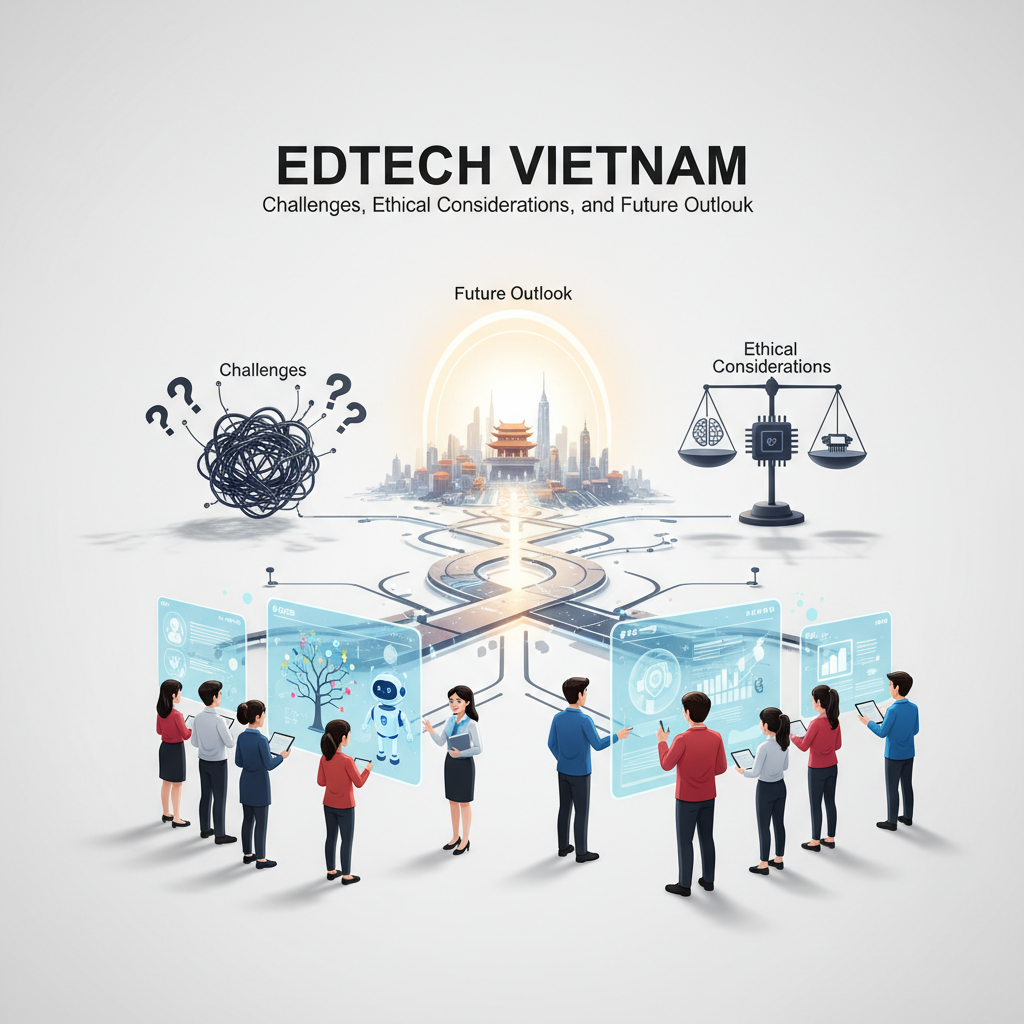
The integration of AI agents into Vietnam’s education technology (EdTech) sector promises transformative changes, from personalized learning experiences to automated administrative tasks. However, this journey is not without its complexities. As we look towards 2026 and beyond, a careful examination of potential obstacles, profound ethical implications, and the evolving long-term vision is critical. Understanding How AI agent effect to education companies in vietnam will shape strategic decisions for stakeholders across the board.
1. Data privacy, security, and algorithmic bias
One of the foremost challenges lies in safeguarding student data. AI agents require vast amounts of personal and academic information to function effectively, raising significant concerns about data privacy and security. Vietnam, like many nations, must establish robust regulatory frameworks that protect sensitive information from breaches and misuse. The implementation of stringent encryption protocols, anonymization techniques, and clear data governance policies will be paramount to building trust among students, parents, and educators. Beyond security, the specter of algorithmic bias looms large. AI models are only as unbiased as the data they are trained on. If training data reflects existing societal biases or lacks diversity, the AI agents could inadvertently perpetuate or even amplify inequalities in learning outcomes. This could manifest in unfair student assessments, biased content recommendations, or differential access to learning opportunities. Ensuring ethical AI development necessitates diverse datasets, rigorous testing for bias, and transparent explanations of AI decision-making processes. Companies must invest in ethical AI guidelines and continuous auditing to mitigate these risks, ensuring fairness and equity for all learners.
2. Infrastructure requirements and equitable access
The successful deployment of AI agents across Vietnam’s education system hinges on robust and ubiquitous technological infrastructure. This includes reliable high-speed internet connectivity, access to appropriate devices (smartphones, tablets, computers), and sufficient cloud computing resources to power complex AI algorithms. While urban centers in Vietnam have seen significant advancements in digital infrastructure, rural and remote areas often lag behind. This disparity poses a substantial risk of exacerbating the digital divide, creating a two-tiered education system where students with superior connectivity and hardware benefit disproportionately from AI-enhanced learning. Bridging this gap requires concerted efforts from the government and private sector to invest in nationwide infrastructure development, provide subsidized access to devices, and implement digital literacy programs. Furthermore, the operational costs associated with maintaining and updating AI systems, including specialist IT support and energy consumption, present a financial burden that smaller or underfunded educational institutions might struggle to bear. Sustainable funding models and public-private partnerships will be crucial for ensuring equitable access to these transformative technologies.
3. Forecasting investment trends and regulatory frameworks
The trajectory of AI integration in Vietnamese EdTech will be heavily influenced by investment trends and the evolution of regulatory frameworks. We anticipate a surge in both domestic and international investment in AI-driven EdTech solutions, particularly from venture capitalists and tech giants keen to capitalize on Vietnam’s rapidly growing digital economy and young population. This investment will likely focus on R&D for localized AI content, scalable platform development, and training programs for educators. However, for this investment to translate into sustainable growth and equitable impact, clear and adaptive regulatory frameworks are essential. The Vietnamese government will need to craft policies that foster innovation while simultaneously addressing ethical concerns like data privacy, algorithmic transparency, and job displacement. Regulations should also define standards for AI in education, ensuring quality control, effectiveness, and accountability for AI-powered tools. Collaborative efforts between policymakers, educators, technology providers, and legal experts will be necessary to develop a framework that encourages responsible AI development and deployment. Such foresight will be instrumental in shaping how AI agents effect education companies in Vietnam, ensuring they contribute positively to the nation’s educational goals rather than creating unforeseen challenges. Global guidelines from organizations like UNESCO offer valuable insights for policymakers developing these critical frameworks.
In conclusion, while AI agents hold immense promise for revolutionizing education in Vietnam, addressing these multifaceted challenges through proactive planning, ethical considerations, and strategic investments will be paramount to realizing their full potential by 2026 and beyond.
Partner with Shelby Global
You are looking for reliable HR Sevice Suppliers? Contact Shelby Global Now! To connect with verified talents and upgrade your orginization.
—————————————
References
– The World Bank’s support for Vietnam’s digital economy agenda: https://www.worldbank.org/en/country/vietnam/overview#3
– global educational transformation through AI: https://www.unesco.org/en/articles/ai-education-key-questions-and-opportunities
– AI in Education: Potential and Challenges: https://www.unesco.org/en/articles/ai-education-potential-and-challenges
– AI and Education: A Guide for Policy-makers – UNESCO: https://unesdoc.unesco.org/ark:/48223/pf0000384742
– UNESCO Publishes Guidance on Artificial Intelligence in Education: https://www.unesco.org/en/articles/unesco-publishes-guidance-artificial-intelligence-education