Revolutionizing Customer Experience with AI Agents
AI agents are rapidly transforming the landscape of Malaysian e-commerce, heralding a new era of hyper-personalization and instant support. The digital marketplace in Malaysia is incredibly competitive, prompting businesses to seek innovative solutions to differentiate themselves and enhance customer loyalty. This is precisely how AI agents effect to Ecommerce field in malaysia, by fundamentally reshaping the customer journey from discovery to post-purchase support. By leveraging sophisticated algorithms and machine learning, these intelligent systems are not merely tools but strategic partners, enabling businesses to understand and serve their customers with unprecedented efficiency and relevance. This shift empowers e-commerce platforms to offer experiences that are not only seamless but also deeply personal, catering to individual preferences and needs in real-time, boosting engagement and conversion rates.

The integration of AI agents across various touchpoints ensures every customer interaction is optimized, leading to a more robust market presence for Malaysian e-commerce businesses. Let’s delve into the specific ways AI agents are making a profound impact.
1. Personalized Shopping Recommendations
One of the most immediate and impactful contributions of AI agents is their ability to deliver hyper-personalized shopping recommendations. In a market saturated with choices, distinguishing oneself requires understanding the customer on an individual level. AI agents excel at this by analyzing vast amounts of data, including browsing history, previous purchases, search queries, and real-time behavior. This data-driven approach allows e-commerce platforms to present highly relevant product suggestions, tailored promotions, and curated content. For instance, if a customer frequently browses sports equipment, AI can suggest new athletic apparel or related accessories with uncanny accuracy. This level of personalization significantly enhances the shopping experience, making customers feel understood and valued. It streamlines decision-making, reduces choice overload, and dramatically increases the likelihood of a purchase. The result is higher conversion rates, an uplift in average order value, and stronger loyalty as customers return to platforms that consistently offer what they truly want. This demonstrates a key aspect of how AI agent effect to Ecommerce field in malaysia, by creating more engaging and lucrative shopping paths.
2. 24/7 AI-Powered Customer Support Chatbots
The era of waiting for business hours to resolve an issue is quickly becoming a relic of the past, thanks to 24/7 AI-powered customer support chatbots. These intelligent agents are on the front lines, providing instant assistance around the clock, regardless of time zones or public holidays. For Malaysian e-commerce, where customers expect immediate gratification, this always-on support is invaluable. Chatbots can handle a wide array of queries, from tracking orders and processing returns to answering frequently asked questions about products, shipping, and payment options. By automating these routine interactions, businesses can significantly reduce the workload on human customer service teams, allowing them to focus on more complex issues requiring human empathy. This not only improves operational efficiency but also drastically cuts down on response times, leading to higher customer satisfaction. Indeed, it has been observed globally that AI-powered customer service can lead to quicker resolutions and an enhanced user experience, a trend profoundly influencing customer expectations within Malaysia’s vibrant e-commerce sector.
3. Seamless Multi-Channel Engagement
A fragmented customer journey across different communication channels can be a major source of frustration. AI agents are pivotal in creating a seamless multi-channel engagement strategy, ensuring a consistent and coherent experience regardless of how a customer chooses to interact with an e-commerce brand. Whether a customer starts a conversation on a website chatbot, continues it via a mobile app, or follows up through email or social media, AI ensures that the context of their previous interactions is preserved. This eliminates the need for customers to repeat themselves, a common pain point in traditional support models. By integrating data and conversational history across all touchpoints, AI agents facilitate a unified customer view, allowing for personalized responses and proactive assistance at every stage. This holistic approach not only boosts customer satisfaction but also strengthens brand perception by demonstrating attentiveness and efficiency. The ability of AI to orchestrate these interactions across diverse platforms is fundamentally changing how AI agent effect to Ecommerce field in malaysia, by fostering deeper customer relationships and building trust through consistently superior experiences. For a deeper dive into the broader impacts and strategic implementations, one might explore resources covering the extensive effect of AI agents on the Malaysian e-commerce field.
In conclusion, AI agents are no longer a futuristic concept but a present-day imperative for Malaysian e-commerce businesses striving for competitive advantage. From delivering hyper-personalized shopping recommendations that drive sales to providing instant, 24/7 customer support, and ensuring a seamless multi-channel experience, AI is reshaping every facet of the customer journey. The strategic integration of these intelligent technologies is proving to be a game-changer, fostering unprecedented levels of customer engagement, loyalty, and operational efficiency. As the digital landscape continues to evolve, the profound effect of AI agents on the Malaysian e-commerce field will only grow, setting new benchmarks for customer experience and driving sustained growth in the dynamic online marketplace.
Streamlining Operations and Supply Chain Efficiency
The Malaysian e-commerce landscape is experiencing unprecedented growth, driven by increasing digital literacy and robust internet penetration. However, with this expansion comes intense competition and the inherent complexities of managing extensive back-end operations, inventory, and logistics. This is where Artificial Intelligence (AI) agents are becoming indispensable. Understanding how AI agent effect to Ecommerce field in malaysia is crucial for businesses aiming to maintain a competitive edge and deliver exceptional customer experiences. By leveraging AI, Malaysian e-commerce businesses can move beyond traditional, reactive approaches to adopt proactive, data-driven strategies that enhance overall efficiency and profitability, transforming their entire supply chain, from warehouse floors to the final customer doorstep. This technological shift is not just an upgrade; it’s a fundamental reimagining of operational paradigms.
1. Automated Inventory and Warehouse Management
One of the most immediate and impactful applications of AI agents in e-commerce is the automation of inventory and warehouse management. Traditional manual systems are prone to human error, leading to stockouts, overstocking, and inefficient space utilization. AI-powered systems, however, continuously monitor stock levels, track product movement, and even predict potential bottlenecks in real-time. These intelligent agents can automate reordering processes, ensuring that popular items are always in stock while minimizing carrying costs for slow-moving inventory. For instance, sensors and AI-driven robots can navigate warehouses, identify misplaced items, and optimize storage layouts for faster picking and packing. This level of automation significantly reduces operational costs, speeds up fulfillment times, and virtually eliminates errors associated with manual inventory counting, directly contributing to superior customer satisfaction and operational AI in supply chain efficiency. The precision offered by AI for inventory optimization is a game-changer for businesses dealing with large and diverse product catalogs.
2. Predictive Analytics for Demand Forecasting
Accurate demand forecasting is the bedrock of an efficient supply chain, yet it remains one of the most challenging aspects for e-commerce businesses. AI agents, equipped with powerful predictive analytics capabilities, revolutionize this process. By analyzing vast datasets—including historical sales data, seasonal trends, promotional impacts, competitor activities, and even external factors like weather patterns or social media sentiment—AI algorithms can generate highly accurate demand predictions. This foresight enables Malaysian e-commerce businesses to optimize their purchasing decisions, allocate resources more effectively, and prevent both stockouts and excess inventory. For example, during peak shopping seasons like Hari Raya or 11.11, AI can predict specific product surges, allowing businesses to pre-position stock and scale operations accordingly. This proactive approach significantly reduces waste, improves cash flow, and ensures that customers receive their desired products without delay, marking a pivotal advancement in e-commerce logistics Malaysia.
3. Optimizing Last-Mile Delivery with AI
The “last mile” – the final leg of a product’s journey from a distribution center to the customer’s doorstep – is often the most complex and expensive part of the supply chain. AI agents are transforming last-mile delivery by introducing unparalleled levels of optimization and responsiveness. These agents utilize sophisticated algorithms to analyze real-time traffic conditions, weather forecasts, delivery schedules, and customer locations to determine the most efficient routes. Dynamic rerouting capabilities allow delivery drivers to adapt to unforeseen circumstances, such as road closures or sudden traffic jams, minimizing delays and fuel consumption. Furthermore, AI can optimize load planning for delivery vehicles and even manage fleets of autonomous delivery drones or robots in urban areas, promising future advancements. The result is faster, more reliable, and more cost-effective deliveries, directly enhancing customer satisfaction and reinforcing brand loyalty. This continuous improvement in delivery mechanisms showcases the profound impact of AI agents on enhancing the overall efficiency and customer experience in the competitive Malaysian e-commerce sector.
In conclusion, the integration of AI agents across various facets of e-commerce operations is no longer a luxury but a strategic imperative for Malaysian businesses. From automating inventory and streamlining warehouse activities to providing accurate demand forecasts and optimizing last-mile delivery, AI acts as a catalyst for significant operational efficiencies. By embracing these intelligent technologies, businesses can drastically reduce costs, improve decision-making accuracy, and most importantly, enhance the end-to-end customer experience. The transformative impact of how AI agent effect to Ecommerce field in malaysia will continue to shape the future of digital commerce, driving innovation and setting new benchmarks for operational excellence.
Data-Driven Strategies and Business Growth
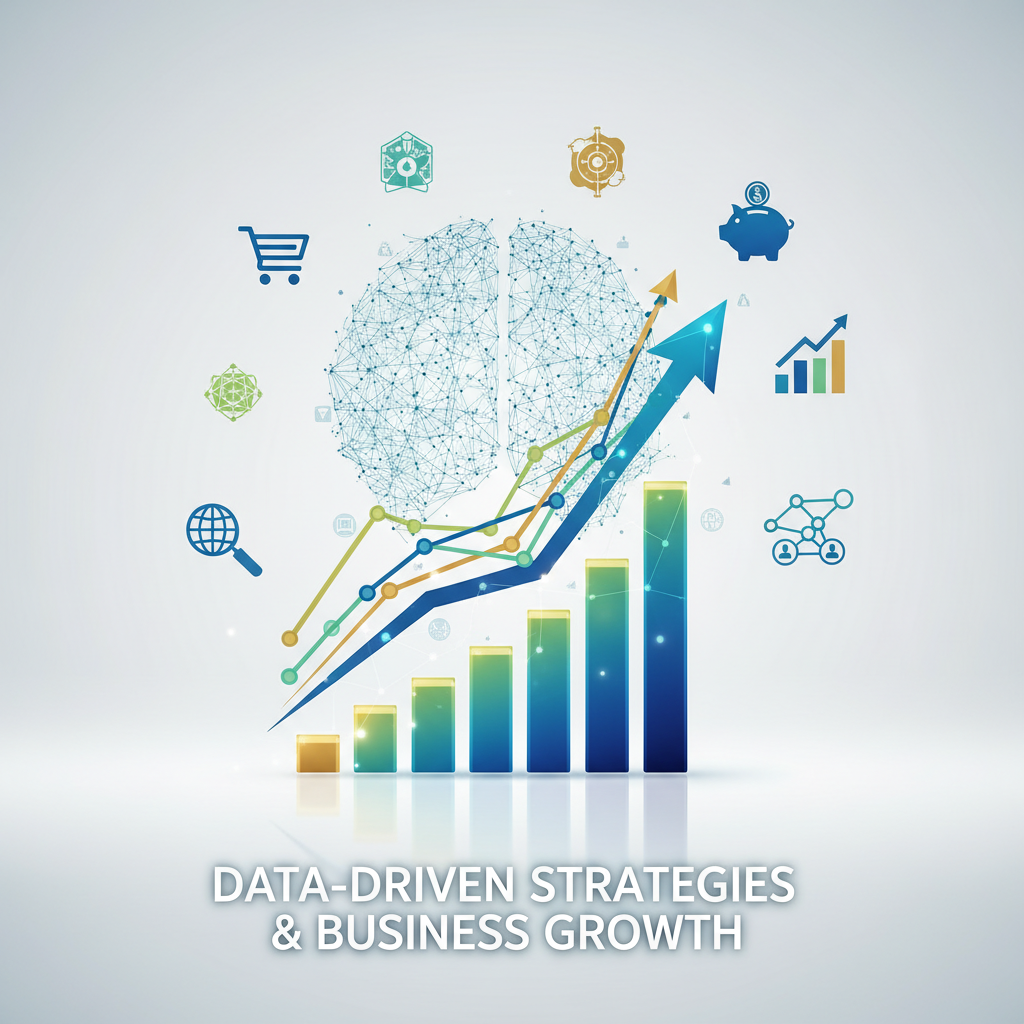
The Malaysian e-commerce landscape is rapidly evolving, driven by technological advancements and shifting consumer behaviors. In this dynamic environment, the ability to harness data for strategic decision-making is no longer a luxury but a necessity. AI agents are emerging as transformative tools, empowering Malaysian e-commerce businesses with sophisticated analytics that pave the way for sustainable revenue generation and robust growth. Understanding How AI agent effect to Ecommerce field in malaysia is crucial for businesses aiming to stay competitive and agile. By leveraging artificial intelligence, businesses can move beyond traditional reactive strategies to proactive, data-driven approaches that anticipate market changes and optimize operational efficiency.
AI agents excel at processing vast quantities of data – from customer interactions and sales figures to market sentiment and competitor activities – transforming raw information into actionable insights. This capability allows e-commerce platforms to personalize customer experiences, streamline supply chains, and identify new growth opportunities with unprecedented precision. The integration of AI into core business functions fosters a culture of continuous optimization, ensuring that every decision is backed by solid data analysis, ultimately contributing to significant improvements in profitability and customer loyalty.
1. Enhanced Market Trend Analysis
One of the primary advantages of integrating AI agents into Malaysian e-commerce operations is their unparalleled ability to conduct enhanced market trend analysis. These intelligent systems can sift through historical sales data, social media discussions, search engine queries, and even competitor pricing strategies in real-time. By applying advanced machine learning algorithms, AI can identify subtle patterns and emerging trends that human analysts might miss. For instance, AI-powered market analysis can predict surges in demand for specific product categories, identify geographical hotspots for new products, or even forecast the impact of global economic events on local consumer spending. This predictive capability enables businesses to optimize their inventory management, ensuring popular products are always in stock while minimizing holding costs for slow-moving items. Furthermore, it allows for the development of highly targeted marketing campaigns, reaching the right customers with the right message at the optimal time, significantly improving conversion rates and fostering a deeper understanding of customer preferences.
2. Dynamic Pricing Optimization
Dynamic pricing optimization is another critical area where AI agents deliver substantial value to Malaysian e-commerce businesses. Traditional pricing strategies often rely on fixed margins or periodic adjustments, which can leave money on the table or result in lost sales. AI-driven systems, however, continuously monitor a multitude of factors – including competitor prices, product demand elasticity, inventory levels, customer segmentation, time of day, and even weather patterns – to adjust prices in real-time. This sophisticated AI dynamic pricing approach ensures that products are always priced competitively and profitably. For instance, an AI agent might slightly increase the price of a high-demand item with limited stock, or reduce the price of an overstocked item to clear inventory quickly, without eroding brand value. The result is maximized revenue, improved profit margins, and a significant competitive edge in the fast-paced e-commerce landscape. This ability to instantly react to market shifts is paramount for sustained growth in a volatile market.
3. Fraud Detection and Security Enhancement
As e-commerce grows, so does the threat of online fraud, posing significant risks to both businesses and consumers. AI agents are revolutionizing fraud detection and security enhancement by providing robust, proactive defense mechanisms. These intelligent systems analyze transaction data, user behavior patterns, and device fingerprints in real-time to identify anomalies that may indicate fraudulent activity. Unlike rule-based systems, AI can adapt and learn from new fraud techniques, making it incredibly effective against evolving threats. For Malaysian e-commerce platforms, this means significantly reduced chargebacks, protection against account takeovers, and prevention of payment fraud. For example, if a customer’s usual purchase behavior changes drastically – buying unusually expensive items or shipping to a new, suspicious address – the AI can flag the transaction for review or even block it automatically. This proactive fraud prevention not only protects the company’s bottom line but also safeguards customer trust and brand reputation, which are invaluable assets in the digital economy. The peace of mind offered by advanced AI security allows businesses to focus on growth without constant worry about malicious actors.
In conclusion, the integration of AI agents is fundamentally reshaping the operational and strategic capabilities of Malaysian e-commerce businesses. From providing enhanced market trend analysis and optimizing pricing strategies to bolstering fraud detection and security, AI offers a comprehensive toolkit for achieving sustainable business growth. Embracing these data-driven strategies is key to unlocking new levels of efficiency, profitability, and customer satisfaction, solidifying the vital role of How AI agent effect to Ecommerce field in malaysia in shaping its future.
Competitive Landscape and Innovation in Malaysia
The rapid proliferation of artificial intelligence (AI) agents is fundamentally reshaping the competitive environment and catalyzing unprecedented innovation among Malaysian e-commerce players. The question of How AI agent effect to Ecommerce field in malaysia is no longer hypothetical but a tangible reality, with businesses leveraging AI to enhance operational efficiency, personalize customer experiences, and unlock new growth avenues. This technological shift is driving a dynamic evolution, compelling both established giants and nimble startups to integrate AI into their core strategies to remain relevant and competitive in a fast-paced digital marketplace.
1. Emergence of AI-Powered E-commerce Platforms
Malaysian e-commerce platforms are increasingly embedding AI agents into every facet of their operations, from front-end customer interaction to back-end logistics. This AI-driven customer experience is evident in sophisticated recommendation engines that analyze user behavior to suggest relevant products, dynamic pricing algorithms that optimize sales based on real-time market conditions, and intelligent chatbots that provide instant 24/7 customer support. These AI agents not only streamline the shopping journey but also provide valuable insights into consumer preferences, allowing businesses to tailor marketing campaigns and product offerings with unparalleled precision. The result is a more engaging, personalized, and efficient online shopping experience, driving higher conversion rates and customer loyalty. Leading platforms are also using AI for fraud detection, inventory management, and even predictive analytics to anticipate future demand, thereby minimizing waste and maximizing profitability.
2. Leveling the Playing Field for SMEs
One of the most profound impacts of AI adoption in Malaysia’s e-commerce sector is its potential to empower Small and Medium-sized Enterprises (SMEs). Historically, SMEs struggled to compete with larger corporations due to resource constraints in marketing, customer service, and data analysis. AI agents are changing this narrative, enabling SME digital transformation by providing access to sophisticated tools that were once exclusive to larger players. For instance, AI-powered marketing automation platforms can help SMEs execute targeted campaigns with minimal human intervention and cost. Intelligent chatbots can handle customer inquiries, freeing up valuable staff time, while AI-driven analytics can help SMEs understand their customer base and market trends without needing a dedicated data science team. This democratisation of advanced technology allows SMEs to optimize their operations, scale their customer service, and compete more effectively, fostering a more diverse and vibrant e-commerce ecosystem in Malaysia. This access to advanced capabilities not only boosts their competitiveness but also encourages innovation within the SME segment, as they find creative ways to leverage AI to solve unique business challenges.
3. Talent Development and AI Adoption Readiness
The widespread integration of AI agents across Malaysian e-commerce necessitates a significant focus on talent development and enhancing AI adoption readiness within the workforce. As AI automates routine tasks, there is a growing demand for individuals skilled in AI strategy, data science, machine learning engineering, and AI ethics. Malaysian educational institutions and industry players are increasingly collaborating to bridge this skills gap, offering specialized courses and training programs aimed at fostering AI literacy in workforce. Government initiatives, such as those promoted by Malaysia Digital Economy Corporation (MDEC), are also crucial in driving awareness and providing resources for businesses and individuals to embrace AI. This proactive approach ensures that the local workforce is equipped to not only operate but also innovate with AI technologies, securing Malaysia’s position as a digital economy leader. Businesses are investing in upskilling their existing employees, retraining them for roles that involve managing AI systems, interpreting AI-generated insights, and focusing on higher-value tasks that complement AI capabilities. This holistic approach to talent development is vital for sustainable AI integration and long-term economic growth.
In conclusion, the transformative influence of AI agents on Malaysia’s e-commerce landscape is multifaceted, driving innovation, empowering SMEs, and necessitating a strategic focus on human capital development. As businesses continue to explore and integrate AI, the competitive environment will become even more dynamic, demanding continuous adaptation and a commitment to leveraging these powerful tools for future success. The ongoing evolution of how AI agent effect to Ecommerce field in malaysia promises a future characterized by enhanced efficiency, personalized experiences, and unprecedented growth opportunities across the digital economy.
Challenges, Ethical Considerations, and Future Outlook
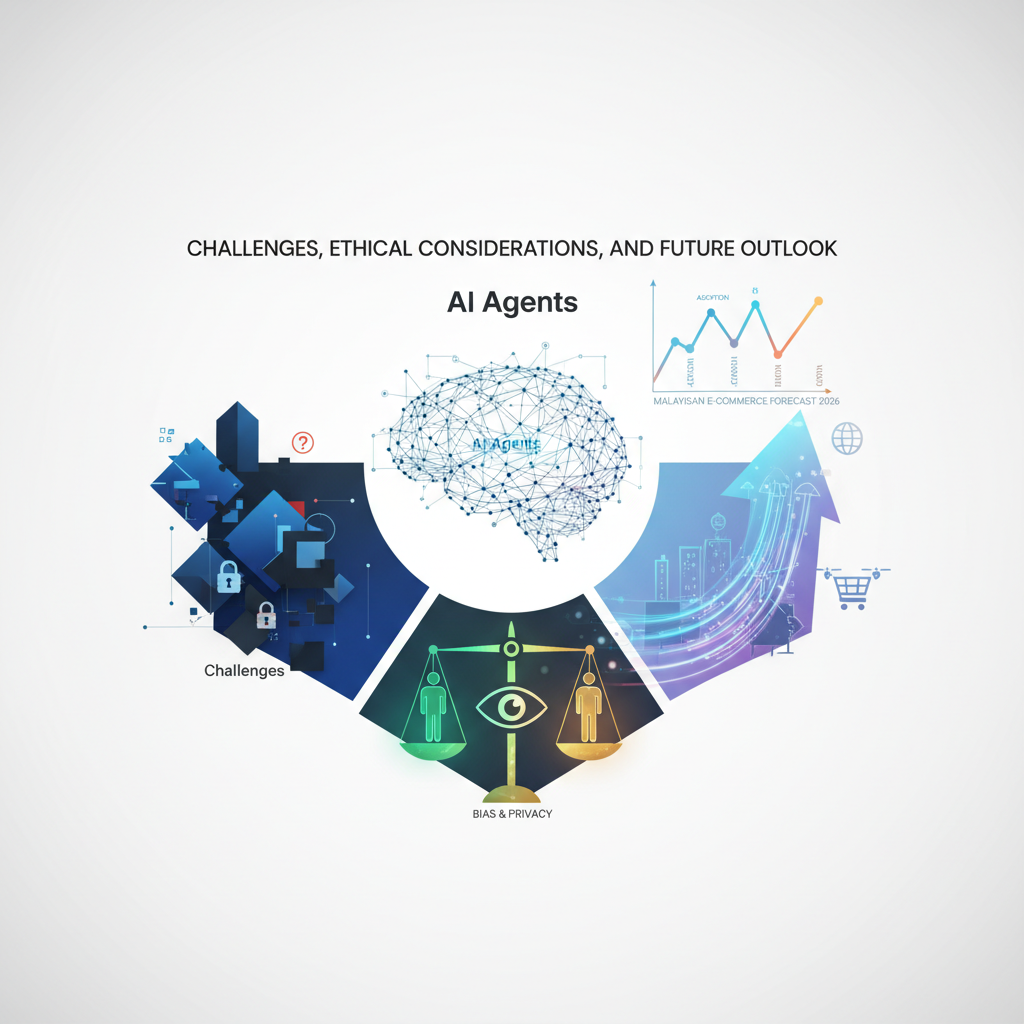
As the integration of AI agents within Malaysia’s burgeoning e-commerce sector accelerates, it brings forth a myriad of opportunities. However, this transformative journey is not without its complexities. Businesses and policymakers must proactively address potential hurdles, navigate intricate ethical implications, and strategically plan for the long-term trajectory to ensure sustainable growth and societal benefit. Understanding how AI agent effect to Ecommerce field in malaysia is crucial for stakeholders to prepare for the evolving landscape, from customer service automation to sophisticated data analytics.
1. Data Privacy and Ethical AI Use
One of the most critical challenges facing the widespread adoption of AI agents in Malaysian e-commerce is the imperative for robust data privacy and ethical AI use. AI systems, by their nature, thrive on vast amounts of consumer data—purchase history, browsing behavior, personal preferences—to deliver hyper-personalized experiences. This reliance necessitates stringent safeguards to protect sensitive information from misuse, breaches, and unauthorized access. Malaysian consumers, like their global counterparts, are increasingly aware of their digital rights, making data governance a paramount concern for e-commerce platforms. Companies must adhere to existing data protection laws, such as the Personal Data Protection Act (PDPA) 2010, and potentially anticipate more comprehensive regulations tailored to AI’s unique capabilities. Beyond legal compliance, establishing clear ethical guidelines is essential, addressing algorithmic bias, fairness, and transparency. Global frameworks, such as the UNESCO Recommendation on the Ethics of Artificial Intelligence, provide blueprints for responsible AI development. Consumer trust ultimately hinges on unwavering commitment to both data privacy and ethical AI practices.
2. Overcoming Implementation Hurdles
The journey to fully integrate AI agents into Malaysia’s e-commerce ecosystem is fraught with practical implementation hurdles. Firstly, technical challenges abound, including the seamless integration of new AI systems with existing legacy IT infrastructure, which can be complex and costly. Data quality and availability are also significant concerns; AI models are only as effective as the data they are trained on, requiring clean, structured, and relevant datasets. Secondly, the human capital aspect presents another substantial barrier. Malaysia faces a talent gap in specialized AI and machine learning expertise, making it challenging for businesses to develop, deploy, and maintain sophisticated AI solutions in-house. This necessitates significant investment in upskilling the current workforce and fostering new AI professionals. Moreover, the initial investment for AI infrastructure, software, and personnel can be prohibitive for SMEs, a backbone of Malaysia’s economy. Overcoming these challenges demands strategic planning, phased rollouts, and government support to democratize access to AI technologies.
3. Forecasting AI’s Long-Term Impact
Looking ahead, the long-term impact of AI agents on Malaysia’s e-commerce landscape promises to be profound and multi-faceted. On one hand, AI will undoubtedly drive unprecedented levels of operational efficiency, from automating inventory management and logistics to optimizing pricing strategies in real-time. This efficiency will translate into cost savings and improved customer satisfaction through faster delivery and more accurate product availability. The future of personalized shopping experiences will be redefined, with AI agents offering tailored recommendations, proactive customer support, and immersive virtual try-ons, making online retail more engaging than ever. On the other hand, the discussion must also address the socio-economic implications, particularly concerning employment. While some routine tasks may be automated, AI is also expected to create new job roles demanding advanced analytical, creative, and interpersonal skills. This evolution of how AI agent effect to Ecommerce field in malaysia will necessitate dynamic workforce adaptation. AI will also intensify competition, pushing businesses to innovate and differentiate. Government initiatives, like MyDIGITAL, highlight Malaysia’s commitment to leveraging AI for economic growth. Collaboration across industry, academia, and government will be vital to ensure AI not only boosts prosperity but also ensures equitable benefits for all segments of Malaysian society, fostering a resilient and forward-looking digital economy.
Partner with Shelby Global
You are looking for reliable HR Sevice Suppliers? Contact Shelby Global Now! To connect with verified talents and upgrade your orginization.
—————————————
References
– The Impact of AI on Customer Service: https://www.salesforce.com/news/stories/what-is-ai-in-customer-service/
– AI in Supply Chain – Deloitte: https://www2.deloitte.com/us/en/pages/manufacturing/articles/ai-in-the-supply-chain.html
– :
– PwC Malaysia – Digital Transformation: https://www.pwc.com/my/en/industries/digital-transformation.html
– UNESCO Recommendation on the Ethics of Artificial Intelligence: https://unesdoc.unesco.org/ark:/48223/pf0000381137